REVIEW · FUSHIMI INARI SHRINE TOURS
Kyoto: Private Walking Tour with Kiyomizu Temple & Gion
Kiyomizu Temple, Gion, and Nishiki Market give you three very different views of Kyoto in one long walk. You begin above the old city at Kiyomizu Temple, learn how to pray at Yasaka Shrine, follow Gion’s traditional lanes, and finish among Kyoto foods and kitchen goods at Nishiki Market.
I like the private format, since you can ask questions, adjust the pace, and stop for coffee or food without keeping up with a large group. I also like the route’s mix of famous sights and quieter Gion backstreets, where the city feels less staged.
The main drawback is the distance. You will walk more than 3 miles, and temple admission, taxis or public transport to Kiyomizu Temple, food, and shopping cost extra. This is a full walking outing, not a gentle sightseeing loop.
Key points to know before booking
- Kiyomizu Temple begins the day: See the main gate, temple building, and broad observatory before the crowds and shopping streets take over.
- Yasaka Shrine includes practical customs: Your guide explains how to pray properly and why the shrine’s main stage matters.
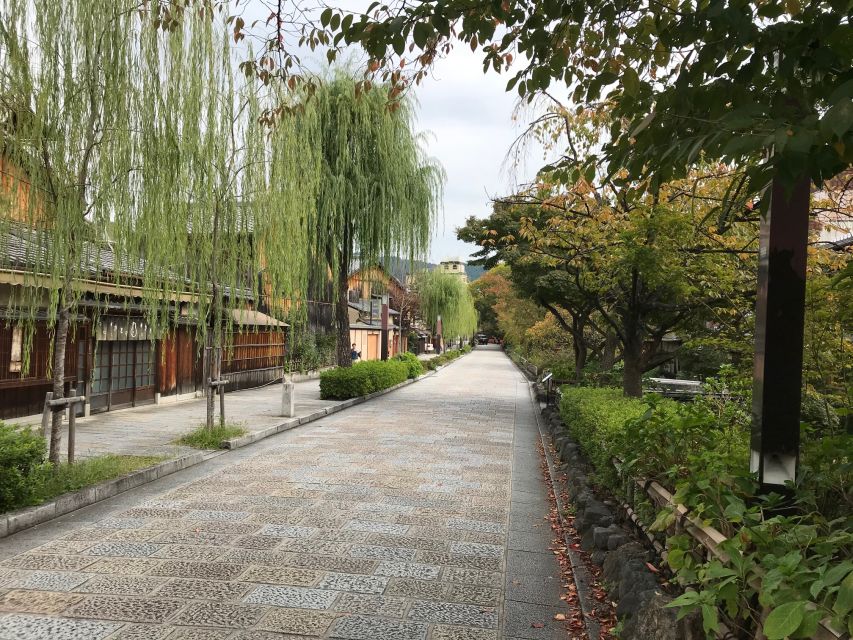
- Gion is more than geisha spotting: Hanamikoji Street, Minamiza Kabuki theatre, and quiet lanes show how the district works during the day.
- Nishiki Market is your tasting stop: Try foods such as pickles, karaage, takoyaki, green tea, and ice cream, then browse knives and tableware.
- The route covers over 5 kilometers: Wear proper walking shoes and leave large bags behind.
- A private guide adds flexibility: The English-speaking guide can explain details at your level and make room for a snack, coffee, or lunch stop.
Why this Kyoto route works
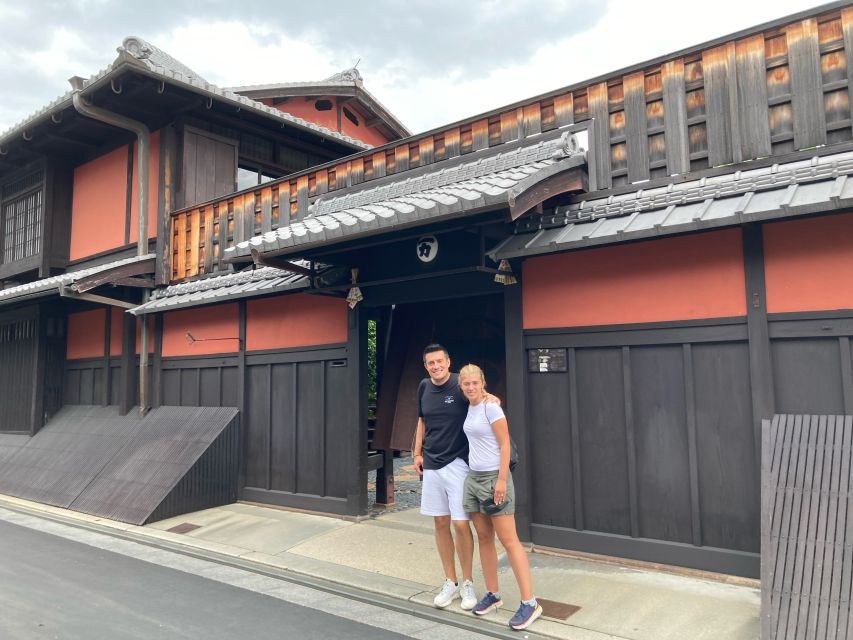
Many Kyoto sightseeing plans split these places across several days. This tour puts them into one connected outing, which is useful if you have limited time or want a local guide to explain the city as you move through it.
The route also changes character several times. Kiyomizu Temple brings grand religious architecture and hillside views. Ninenzaka and Sannenzaka add old lanes lined with food and souvenir shops. Yasaka Shrine introduces Shinto customs, while Gion gives you traditional theaters, teahouses, and narrow streets. Nishiki Market finishes the walk with food and shopping.
That variety is the strongest reason to book. You are not spending three and a half hours looking at one kind of sight. You are moving through Kyoto’s religious, historic, entertainment, and food districts.
The tour costs $174 for a private group of up to two people. For two people, that works out to $87 each before admission, transport, and purchases. For a couple or two friends, the price can make sense because you get a dedicated guide rather than joining a larger group. For one person, the same group price is harder to justify unless you value personal attention and have only one day for these areas.
More Private Temple Tours in Japan
- Fushimi Inari Hidden Hiking Tour (Private Option Available)
★ 5.0 · 1,750 reviews - Kyoto: Zen Meditation at a Private Temple with a Monk
★ 5.0 · 202 reviews - Kyoto Early Bird English Tour: Fushimi Inari & Gion(Private opt)
★ 5.0 · 139 reviews
Starting at Kiyomizu Temple
The first major stop is Kiyomizu Temple, one of Kyoto’s best-known sights. Your guide takes you through the main gate, into the main building, and out to the large observatory.
The observatory is the visual high point of this part of the tour. It gives you a chance to pause and look across the city rather than simply pass through another temple hall. The guide’s role matters here because the buildings and rituals can otherwise blur together. You can ask why a particular space was built, what it is used for, and how the parts of the temple fit together.
Kiyomizu is also a practical place to begin because the route then heads downhill and through the old streets toward Gion. The approach to the temple includes walking, and the full tour later passes the 5-kilometer mark. Wear shoes with real support, not thin sandals that leave you tired halfway through the day.
Temple admission is not included. Transport to Kiyomizu Temple is also separate, so check your meeting arrangements and budget for those costs. Pickup is included from your hotel lobby, where you should wait five minutes before the scheduled time.
Ninenzaka and Sannenzaka, Kyoto’s shopping lanes
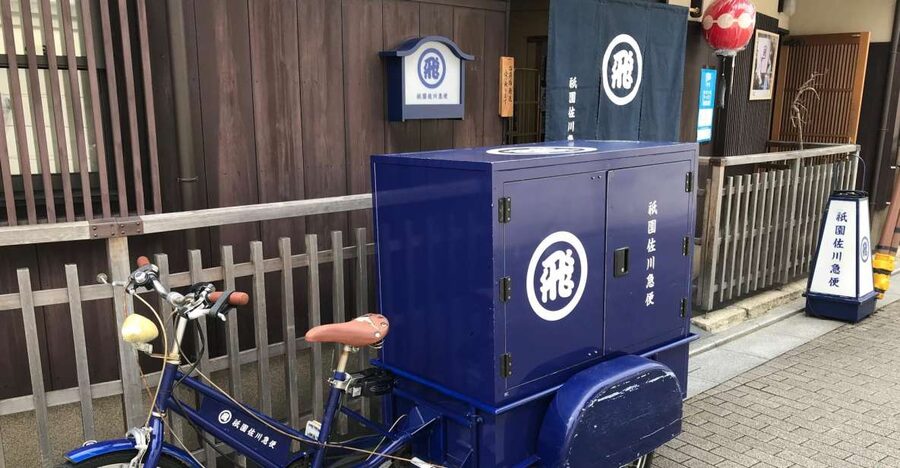
After Kiyomizu Temple, you walk along Ninenzaka and Sannenzaka. These streets are known for food shops, small souvenirs, and traditional-looking buildings.
This section is useful because it links the temple to the rest of the route on foot. It also gives you an early chance to buy a snack or a small gift. You might find that the shops are tempting, but remember that Nishiki Market comes later and offers another major shopping stop.
The lanes can be crowded, and the walking surface is not the same as a smooth city sidewalk. Take your time on slopes and steps. If you want to browse every shop, you may need to choose between shopping and seeing all the later stops. A private guide can help you make that call, but three and a half hours passes quickly.
Learning shrine manners at Yasaka Shrine
Yasaka Shrine sits at the eastern end of Gion. Here, the tour shifts from Buddhist temple architecture to Shinto practice.
Your guide explains how to pray properly at a Japanese shrine. That practical lesson is one of the most useful parts of the experience because it helps you take part respectfully instead of simply copying the person in front of you. You will visit the main stage and learn what it was set up for.
The tour also includes the shrine’s underground water, which is said to improve the beauty of body and mind when touched. This is a small ritual detail, but it gives the stop a personal quality. You are not only looking at a large religious site. You are learning how people use it.
Yasaka Shrine makes a good bridge into Gion. Its location means you can move from sacred grounds into one of Kyoto’s best-known entertainment districts without a long transfer.
More Private Temple Tours in Kyoto
- Kyoto: Fushimi Inari Hidden Hike (Private)
★ 5.0 · 31 reviews - Kyoto to Arashiyama Day Trip – Private & Personalized
★ 4.2 · 22 reviews - Kyoto: Nara, Todaiji, Kasuga Taisha Shrine Private Full Day
★ 4.9 · 18 reviews - Kyoto: Half-Day Private Tour Gion Geisha District & Kiyomizu
★ 4.4 · 7 reviews
Walking through Gion in daylight
Gion is often associated with maiko and geisha, but daytime sightseeing should come with realistic expectations. You will not meet maiko or geisha as part of this daytime tour. You might see them if you return in the evening, but sightings are not promised.
Instead, the value here is the district itself. You will see Minamiza Kabuki theatre and walk along Hanamikoji Street, one of Gion’s traditional routes. The guide also takes you into backstreets where many ochaya teahouses are found.
Those side streets matter. The main road gives you the recognizable Kyoto scene, while the smaller lanes show where the district’s traditional businesses operate. An ochaya is not simply an ordinary café or souvenir shop, and the area has a working social and cultural life beyond photography.
Be respectful with cameras and with people entering or leaving buildings. The tour description does not promise entry into teahouses, performances, or private spaces. You are seeing the streets and learning about the area from outside.
A guide is especially helpful in Gion because the district can be easy to misread. A quiet doorway may look like a shop, while a traditional building may serve a very different purpose. This is where the guide’s explanations add more than a map can.
Optional streets before Nishiki Market
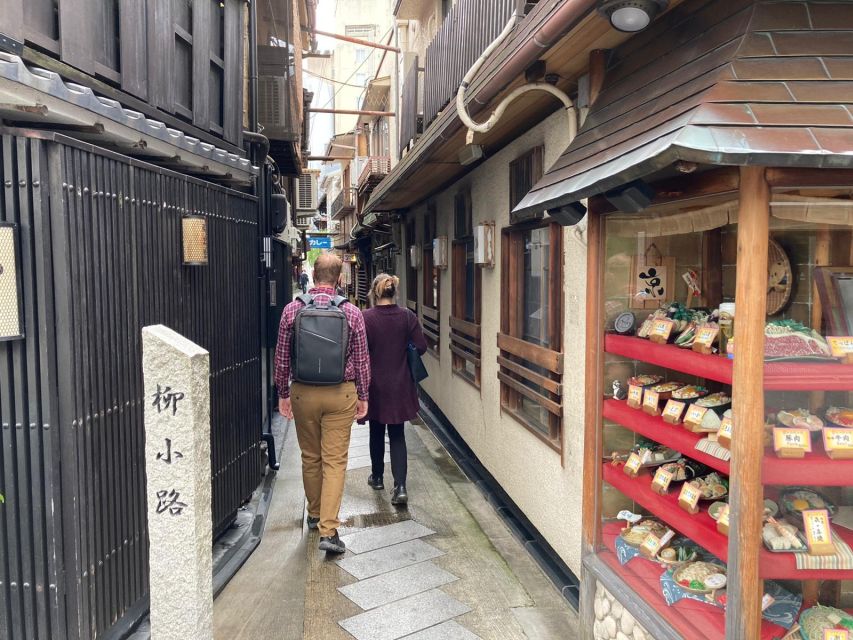
If time allows, the route may continue through Shin Kyogoku Street, Sanjo Street, and Kiyamachi Street before reaching Ponto Street.
These areas bring a change of pace. You will see shops, cafés, and restaurants in Kyoto’s downtown center. This is also the natural point to pause for coffee or lunch if you need a break.
The phrase if time allows is important. The tour has a fixed duration, and the main route already includes several major stops. If you spend a long time at Kiyomizu Temple, in Gion, or at food stalls, these extra streets may receive only a short visit.
I would treat this portion as a bonus rather than a promise. If you have a particular café or shop in mind, tell your guide early. Otherwise, focus on the main sights and keep enough energy for Nishiki Market.
Tasting your way through Nishiki Market
Nishiki Market is the final major stop, located in downtown Kyoto. It is a fitting place to end because the market turns the tour from history and customs toward everyday food.
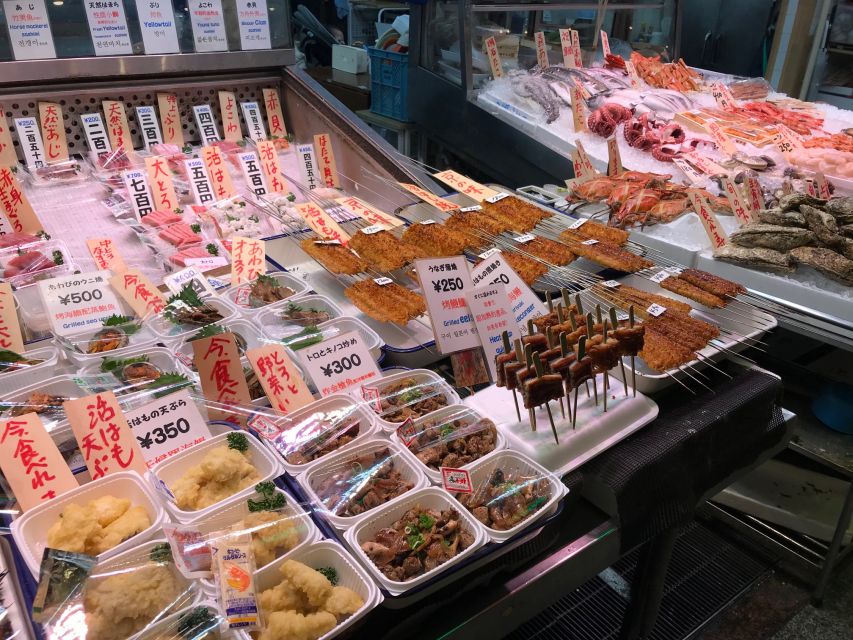
You will find seafood, deep-fried foods, Japanese pickles, karaage, takoyaki, Japanese spices, ice cream, green tea, egg rolls, and other local items. You can stop, taste, and buy as you go, so this part works best if you arrive hungry and willing to make choices along the way.
The guide can help explain unfamiliar foods and answer questions about ingredients or local eating habits. Still, food purchases are your responsibility, and the price does not include tastings or lunch. Bring some room in your budget if trying several items is part of your plan.
Nishiki is not only about eating. You can also shop for Japanese knives, teacups, and plates. These are more useful souvenirs than a generic key ring, but they can be heavy or fragile if you are still carrying luggage for the rest of your trip.
Large bags and luggage are not allowed on the tour. Leave your suitcase at your hotel and carry only what you need. A small day bag is the sensible choice, though the tour specifically warns against large bags.
What the guide adds
The guide is the main reason to choose this experience over following the same route on your own. A map can take you to Kiyomizu Temple, Yasaka Shrine, Gion, and Nishiki Market, but it will not explain shrine prayer, the purpose of Yasaka’s main stage, or the difference between a famous street and a working teahouse district in real time.
Phillip guided at least one recent outing and received especially strong praise for explaining the history of each place in detail while keeping the tour interesting. Other feedback also describes the guide as friendly, accommodating, and easy to recommend. The overall score is 5 out of 5 from seven reviews, including a January 2025 booking.
That is a small number of reviews, so I would not treat the score as a guarantee of every outing. It does suggest that the guide service is the experience’s strongest feature. You are paying for access to a person who can connect the stops rather than just for admission to a series of sights.
The private format should also help if you want a slower explanation at one temple or a quicker pass through a shopping street. The exact guide may vary, so Phillip is a useful name to know, not a promise that he will lead every departure.
Walking demands and practical fit
This is a walking tour of more than 5 kilometers. You should be comfortable on city streets, temple approaches, and traditional lanes for more than three hours, with stops along the way.
The information lists the tour as wheelchair accessible but also says it is not suitable for people with mobility impairments. Those details do not sit neatly together, so ask the provider for a current route assessment before booking if accessibility is important to you. The distance, slopes, and temple areas may affect how comfortable the outing feels.
Comfortable shoes are essential. Do not bring luggage or a large bag. You may also want water, though the supplied details do not promise that water will be provided.
The tour is conducted in English and is offered as a private group. Free cancellation is available up to 24 hours before the start, and you can reserve now and pay later, which helps if your Kyoto plans are still shifting.
Who should book this Kyoto walk
I would choose this tour if you want the main Kyoto sights explained in plain English and prefer a private guide to a large group. It suits couples, friends, and first-time visitors who want one organized route through the eastern temple area, Gion, and central Kyoto.
It is also a good match if you care about food. Nishiki Market is not an afterthought here. You have time to sample local items and shop for kitchen goods, although the available time depends on how long you spend earlier.
I would skip it if you dislike long walks, want a slow temple visit, or expect guaranteed geisha sightings. It may also feel rushed if your main goal is careful shopping in every district.
Should you book it?
Book this private Kyoto tour if you want history, shrine customs, Gion streets, and food in one guided outing. The best value comes when two people share the $174 group price and make good use of the guide’s flexibility.
Plan for extra costs, wear strong shoes, and keep your bag small. If those conditions suit you, the route gives you a practical first look at several of Kyoto’s most important areas, with enough local explanation to make the sights easier to understand.
FAQ
How long does the tour last?
The tour lasts 210 minutes, or three and a half hours.
How much does the private tour cost?
The price is $174 for a private group of up to two people.
Is the tour conducted in English?
Yes. The tour includes a live English-speaking guide.
Does the price include Kiyomizu Temple admission?
No. The entrance fee to Kiyomizu Temple is not included.
Is transport to Kiyomizu Temple included?
No. Taxi or public transportation costs for reaching Kiyomizu Temple are separate.
Where does hotel pickup take place?
Pickup is included, and you should wait in your hotel lobby five minutes before the scheduled pickup time.
How far will I walk?
You will walk more than 3 miles, or 5 kilometers, during the tour.
Can I meet a maiko or geisha during the tour?
The daytime tour does not include meeting a maiko or geisha. You might see one if you return to Gion in the evening, but this is not guaranteed.
Can I eat at Nishiki Market?
Yes. You can stop to taste and buy foods such as seafood, pickles, karaage, takoyaki, green tea, ice cream, and egg rolls. Food costs are not included.
What should I bring?
Bring comfortable walking shoes. Luggage and large bags are not allowed.
More Temple Walking Tours in Kyoto
- Kyoto: Fushimi Inari Taisha Guided Walking Tour
★ 4.6 · 65 reviews - Kyoto: Fushimi Inari Taisha Shrine Walking Tour with Guide
★ 4.8 · 18 reviews
More Temple Walking Tours in Japan
- Kyoto Arashiyama Walking Tour: Bamboo, Monkeys, Gardens & Secrets
★ 5.0 · 1,216 reviews - Kyoto Fushimi-Inari Night Walking Tour
★ 5.0 · 320 reviews - Kyoto Fushimi-Inari Night Walking Tour
★ 4.8 · 171 reviews - Kyoto Tea Ceremony & Kiyomizu-dera Temple Walking Tour
★ 5.0 · 115 reviews
Just added around Kyoto
- Osaka/Kyoto: Katsuoji, Kinkakuji, Arashiyama 1-Day Bus Tour★ 4.6 · 33 reviews
- Kyoto:Kiyomizu-dera Temple Rent a kimono and ride a rickshaw★ 4.8 · 7 reviews
- Kyoto: Kimono/Yukata Rental 5 Minute from Kiyomizu-dera★ 4.7 · 89 reviews
- Kyoto: Wagashi (Japanese sweets) Cooking near Fushimiinari★ 5.0 · 40 reviews
- Kyoto Fushimiinari:Wagashi Making & Small Group Tea Ceremony★ 5.0 · 14 reviews
- Kyoto: Samurai Sword & Kimono Action Filming Experience★ 4.8 · 78 reviews
- KYOTO: Tempio Kiyomizu Pagode Gion “Geisya” (Guida Italiana)★ 4.7 · 17 reviews
- Best of Kyoto: Red Gates of Fushimi Inari & Kiyomizu Temple★ 4.8 · 36 reviews
Fushimi Inari Shrine Tours, compared.
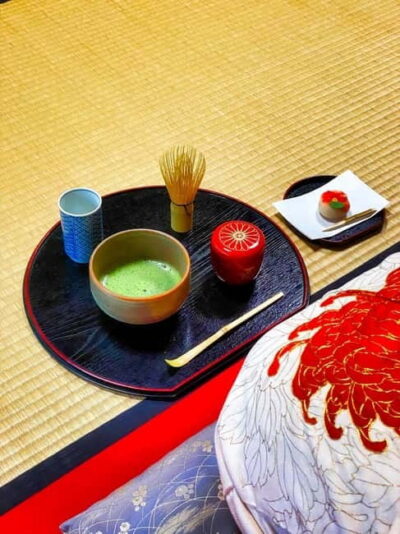
Tea Ceremony in a Traditional Tea House in Kiyomizu
Read our review →
Fushimi Inari Hidden Hiking Tour (Private Option Available)
Read our review →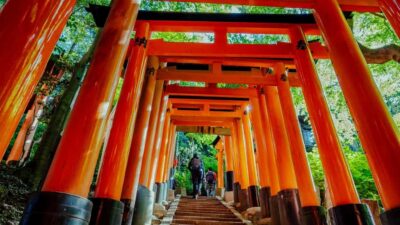
Osaka/Kyoto:Kinkakuji,Arashiyama,FushimiInariShrine,NaraPark
Read our review →
Kyoto/Osaka: Nara, Fushimi Inari Taisha, Arashiyama Bus Tour
Read our review →
Osaka/Kyoto: Arashiyama, Nara & Fushimi Inari Shrine w/Lunch
Read our review →
Nijo Castle, Kiyomizu & Fushimi Inari Guided Tour
Read our review →