
REVIEW · FUSHIMI INARI SHRINE TOURS
Kyoto/Osaka: Nara, Fushimi Inari Taisha, Arashiyama Bus Tour
Nara’s deer, Fushimi Inari’s endless red gates, and Arashiyama’s bamboo forest are three of the Kansai region’s biggest sights. This tour puts them into one long day, with transport from Osaka or Kyoto doing the hard work between stops. You get a fast, useful introduction to the area rather than a slow, single-neighborhood visit.
I like the low price of $52, which covers the air-conditioned vehicle, guide, fuel, parking, and taxes. I also like the generous free time, especially at Arashiyama, where you can choose bamboo, Tenryu-ji, the river, food stalls, or a footbath instead of being marched through one fixed route.
The trade-off is pace. You have about an hour at Nara, 70 minutes at Fushimi Inari, and roughly two and a half hours around Arashiyama, so this is a highlights day. Traffic can also delay the return, and the walking makes it a poor fit for wheelchair users or people with limited mobility.
Quick points before you book
- Three major sights in one day: Nara Park, Fushimi Inari Taisha, and Arashiyama are difficult to combine by public transport without careful planning.
- Deer crackers are extra: Bring a little cash for shika senbei if you want to feed Nara’s deer.
- Arashiyama gives you choice: Bamboo, Nonomiya Shrine, Tenryu-ji, Togetsukyo Bridge, Kimono Forest, food, and the station footbath all fit into the free period.
- Guides vary by departure: Amy, Willa, Christine, Fiona, Laura, and others have led recent departures, with strong praise for clear instructions, humor, and keeping the group on time.
- Choose your return city: You can finish in Osaka or Kyoto, but you need to tell the operator your preferred drop-off after booking.
- Expect a full day: The tour runs for 9 to 10 hours, with an early departure from Osaka at 8:00 AM or Kyoto at 9:00 AM.
Why this three-stop route works
Kyoto and Nara reward slow wandering, but many first visits have a practical problem: the famous sights are spread out. Nara lies east of Osaka, Fushimi Inari sits on Kyoto’s southern edge, and Arashiyama is far to the west. The tour solves that geography with a bus and a single guide.
At $52, the value is strongest if you want to see the headline sights without working out several train connections. You also avoid paying separate transport costs between each area, while parking, fuel, taxes, and handling fees are included.
You give up some freedom. A self-guided day lets you linger at Nara, climb farther up Mount Inari, or spend half a day in Arashiyama. This bus day instead gives you a clear structure, repeated meeting times, and an escort who explains what matters before you get off.
That setup works well for a first visit, a short stay, or a day when you want to relocate between Osaka and Kyoto. It is less suitable if you already know these places and want quiet time away from the main photo spots.
More Fushimi Inari Shrine Tours in Kyoto:
- Kyoto: Tea Ceremony in a Traditional Tea House in Kiyomizu
★ 4.9 · 3,519 reviews - Fushimi Inari Hidden Hiking Tour (Private Option Available)
★ 5.0 · 1,750 reviews - Osaka/Kyoto:Kinkakuji,Arashiyama,FushimiInariShrine,NaraPark
★ 4.1 · 1,596 reviews
Nara Park and the deer hour
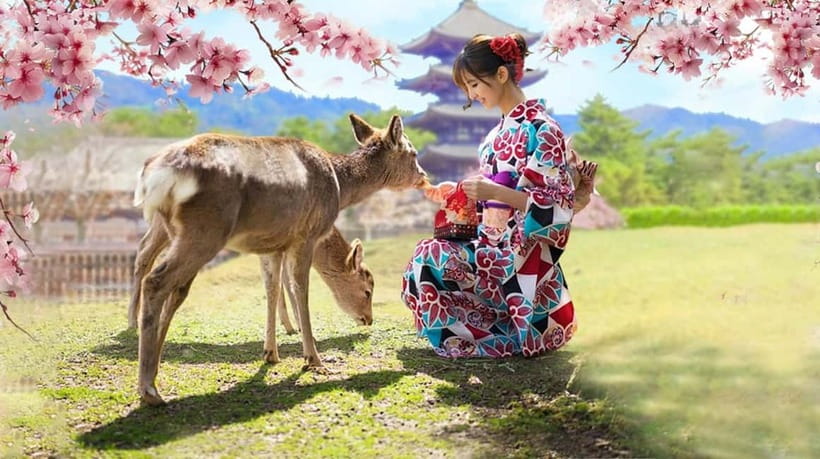
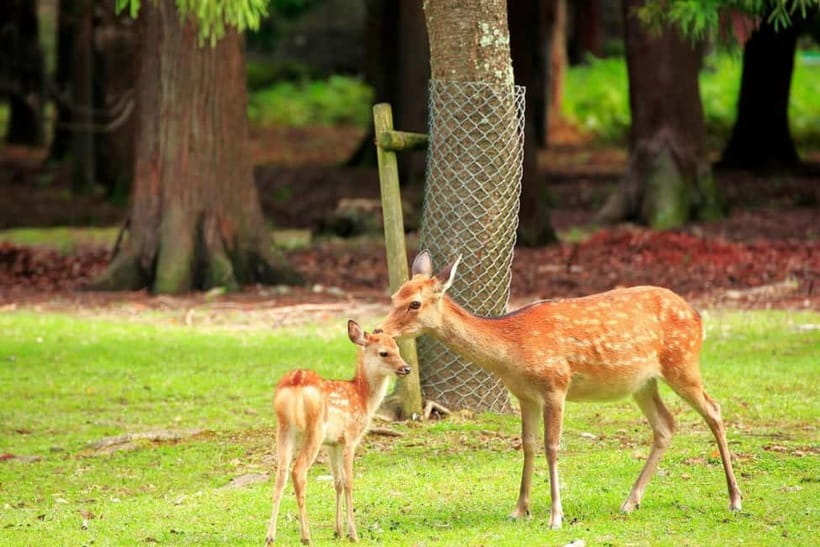
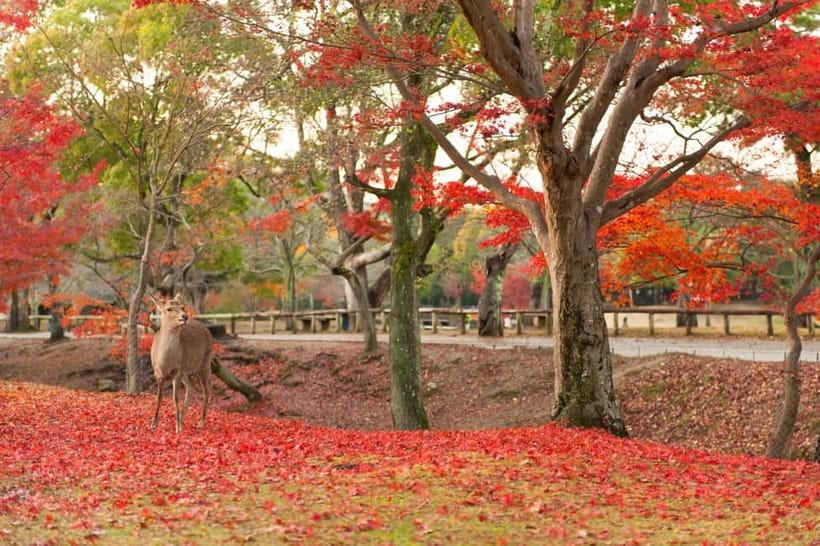
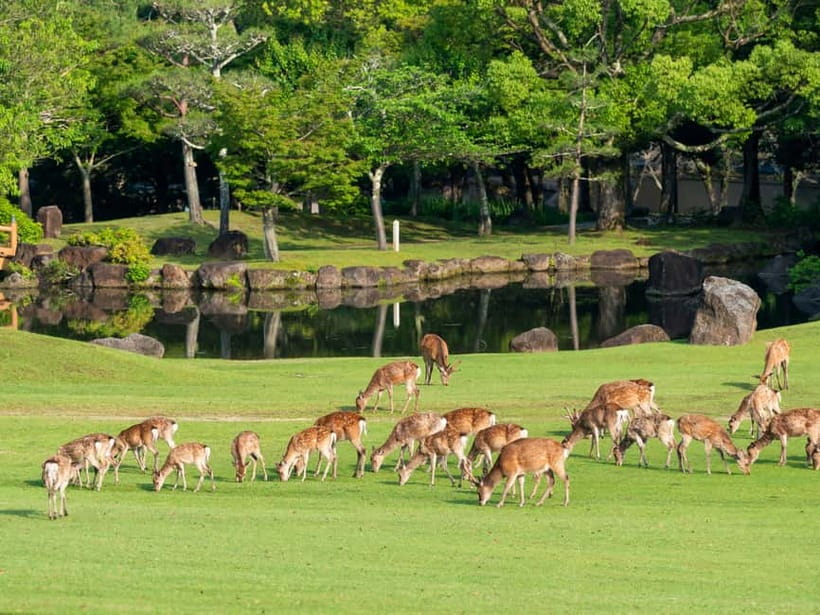
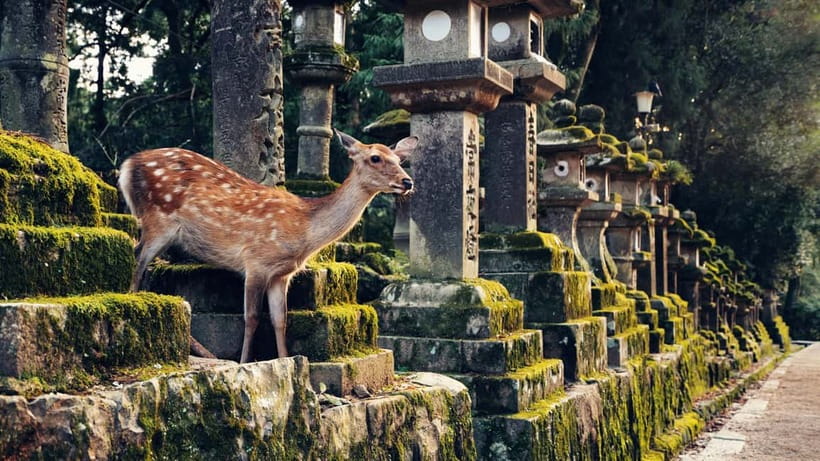
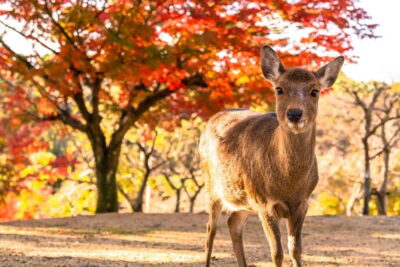
The first major stop is Nara Park, where more than 1,000 deer roam freely. They are treated as sacred messengers connected with the city’s religious traditions, but the experience on the ground is also lively and very practical: buy shika senbei, hold the crackers out, and expect the deer to come close.
You have about one hour here. That is enough to feed deer, take photos, and get a taste of the park, but not enough for a full visit to every temple and museum in Nara. The schedule is best viewed as an introduction rather than a complete Nara day.
Keep your crackers moving. A deer that sees food may follow you, nudge you, or become impatient when the supply runs out. Feeding is the fun part, but you should still keep food away from your face and pay attention to the animals around children.
Nara can feel touristy around the feeding areas, especially at busy times. Still, this stop earns its place because the deer are unlike anything you will see in Kyoto, and the encounter gives the day an easy, memorable start.
Fushimi Inari Taisha and the red gate tunnel
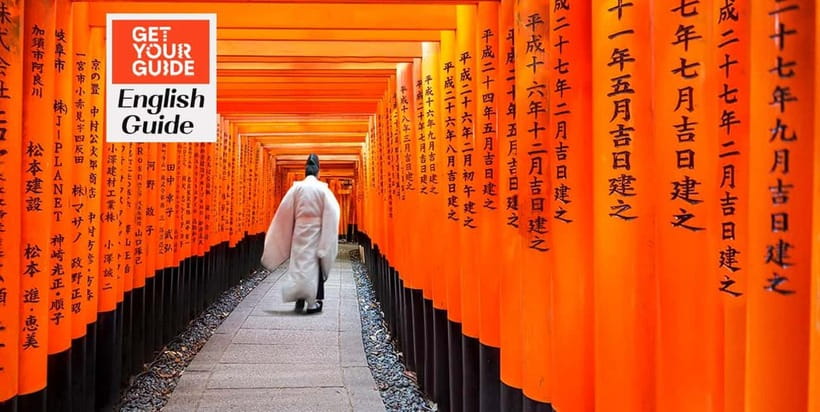
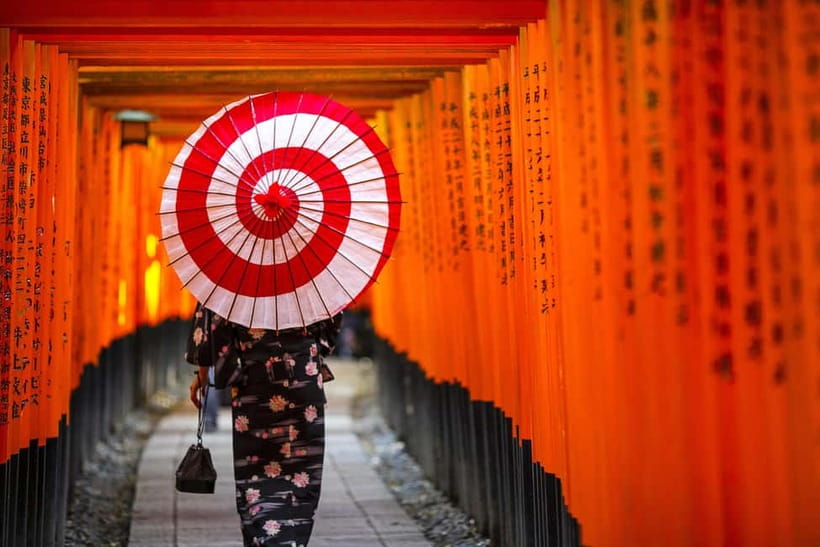
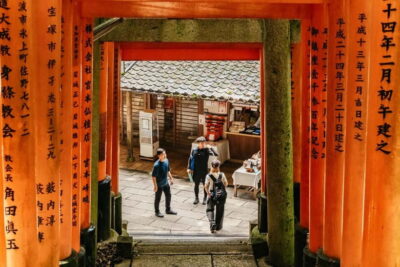
Fushimi Inari Taisha receives about 70 minutes, enough to enter the shrine grounds and walk through the first stretch of vermilion torii gates. The gates were donated over many years by individuals and businesses seeking good fortune, prosperity, and success.
The famous path can look like a solid wall of red in photographs. In person, the early section is crowded and highly photographed, but the atmosphere changes as you walk uphill. The gates continue up the wooded mountain, creating a strong sense of movement and repetition.
Do not assume you must reach the top. The full mountain route takes much longer than the allotted stop, so use your time for the section that feels most rewarding to you. If you want a calm walk, keep moving beyond the first photo points. If you want the classic image, stay near the lower gates and return to the meeting point early.
The shrine is also linked with Inari, the Shinto deity associated with rice, business, and prosperity. Fox statues appear around the complex as messengers of Inari. The tour may point out these details before you walk, which helps the place feel like more than a red-gate photo stop.
This is one of the day’s most atmospheric locations, but it is also one of the places where timing matters most. Fushimi Inari has slopes, steps, and a large number of people. Comfortable shoes are not optional.
Arashiyama’s two and a half hours
Arashiyama gets the longest portion of the day, roughly two and a half hours, and that extra time matters. This is not one attraction but a collection of sights, food stops, shops, temples, river views, and small diversions.
The tour highlights several places:
- The Arashiyama Bamboo Forest
- Nonomiya Shrine
- Tenryu-ji Temple
- Togetsukyo Bridge
- Kimono Forest
- Arashiyama Station’s footbath
You cannot explore every corner at a relaxed pace, so arrive with a plan. The guide gives you the basic orientation, then you decide how to spend the free period.
A few more temple visits around Kyoto worth a look
- Kyoto: Tea Ceremony Ju-An at Jotokuji Temple
★ 4.9 · 3,207 reviews - Arashiyama Bamboo, Temple, Monkeys, or Secret Sake Brewery
★ 4.8 · 886 reviews - Kyoto: Arashiyama Bamboo Forest, Monkeys, Matcha & Temple Tour
★ 5.0 · 759 reviews - Osaka/Kyoto: Arashiyama, Nara & Fushimi Inari Shrine w/Lunch
★ 4.4 · 754 reviews
Bamboo Forest and Nonomiya Shrine
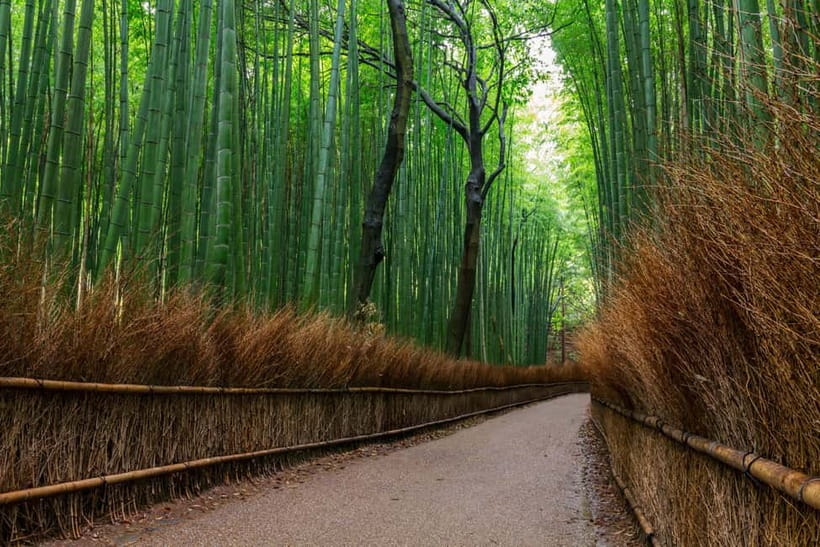
The bamboo path is the image most people associate with Arashiyama. Tall stalks rise on both sides, and light filters through the leaves above. The path is short enough to visit during a busy day, but crowded conditions can make it feel less quiet than photographs suggest.
Go early within your free period if the bamboo is your priority. You will have a better chance of enjoying the visual effect before lingering at the other sights. Even then, this is a public path, not a private garden, so expect other people and plenty of photo-taking.
Nonomiya Shrine sits within the bamboo area and dates to the Heian period, more than 1,000 years ago. It is associated with love and academic success. Its unpainted Kuroki Torii is unusual in Kyoto, where brightly finished shrine gates are far more familiar.
Nonomiya works well as a short cultural stop between the bamboo and the main road. You do not need a long visit, but it adds context and gives you a quieter shrine setting than the largest sites on this route.
Tenryu-ji and the Sogenchi Garden
Tenryu-ji is a UNESCO World Heritage Site and one of Arashiyama’s major Zen temples. Entry costs extra, so you need to decide if the garden is worth using part of your free time and budget.
For many people, it is. The Sogenchi Garden uses the surrounding hills as part of its design, a traditional approach often called borrowed scenery. Ponds, stones, trees, and the mountain backdrop work together rather than appearing as separate decorations.
The temple is a good choice if you want a more composed and reflective setting after the busy bamboo path. It is also the stop most likely to disappoint if you want to keep the entire $52 price as your day’s only expense. The admission fee is not included, and your time is limited.
If you skip Tenryu-ji, you can spend the same period at the river, in the shopping lanes, or at one of Arashiyama’s food spots. The tour’s self-guided format lets you make that call for yourself.
Togetsukyo Bridge, Kimono Forest, and the footbath
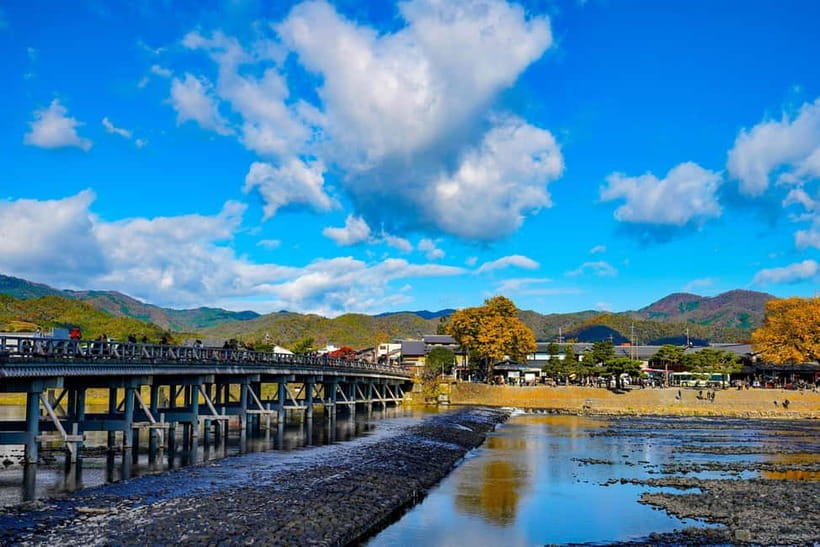
Togetsukyo Bridge gives you one of the clearest views across Arashiyama. The bridge itself is historic, and the surrounding river area provides a change of pace from shrine paths and temple grounds. Passing rickshaws add a traditional visual touch, though the bridge area can be busy.
The formal bridge stop is about 15 minutes, so treat it as a photo and orientation break. If you want a longer riverside visit, use your independent Arashiyama time carefully.
Kimono Forest is a modern installation near Arashiyama Station. About 600 pillars display Kyoto Kyo-Yuzen textile patterns, turning a railway space into a colorful photo stop. It is not an ancient monument, and that is the point: it links Kyoto’s textile craft with a contemporary public setting.
The station footbath offers a simple way to rest after several hours of walking. The details of access and any fee are not specified here, so check locally before counting on it. If it is available during your visit, it is a useful final pause before boarding the bus.
Food is not included, but Arashiyama has street food, restaurants, and cafés. You may also find the Rilakkuma Tea House, a character-themed spot suited to photos and a light break. Keep an eye on the clock, since a sit-down meal can quickly use the time needed to return to the bus.
How the bus and guide shape the day
The air-conditioned vehicle is the main practical advantage. You are not changing trains with tired feet, checking platforms in a new language, or trying to calculate connections between three distant sightseeing areas.
The guides also handle the rhythm of the day. Names vary by departure, but recent leaders have included Amy, Willa, Christine, Fiona, Laura, and Frederick. The strongest guide qualities reported across the departures are clear pre-stop instructions, humor, help with photos and food choices, and careful headcounts before leaving.
That last part matters. A sightseeing day with several short stops can become stressful if you are unsure where to meet the bus. You should still watch the meeting time yourself, but the guide’s reminders make the day easier to manage.
English and Chinese guiding is available. The vehicle is shared, and the social side can suit solo visitors, since solo participants may be seated with other solo participants. Families and couples can also use the structure to cover more ground with less planning.
Arrive 10 to 15 minutes early. The bus leaves on time, and a late arrival can cause trouble for the whole group. Traffic and weather may change the order or delay your return, so avoid booking an evening activity that requires a precise arrival.
What to pack and what to expect physically
Wear shoes that handle slopes, steps, and several hours of walking. Bring water, comfortable clothing, and an umbrella. Smoking is not allowed.
The tour is not suitable for wheelchair users or people with mobility impairments. Pregnant people and those aged 70 or older are asked to sign a waiver on arrival. If you are bringing an infant, stroller, or large luggage, state that during booking so the operator can arrange suitable transport.
Food and drinks are not included. You can buy food around Arashiyama, but carrying water and a small snack gives you more control over the day.
Who gets the best value from this tour
I would choose this tour if you are staying in Osaka or Kyoto for a limited time and want a guided first look at three major sights. It is especially useful if train navigation feels like work, or if you want to end in a different city from where you began.
It also suits solo visitors who enjoy a shared day and families who prefer clear meeting points. The guides’ repeated attention to timing and location can take pressure off the adults in the group.
I would skip it if you want long temple visits, a quiet bamboo walk, or the freedom to climb all the way through Fushimi Inari. You can see a lot, but you cannot linger everywhere.
The rating is 4.7 from 1,275 ratings, and 87 percent of ratings give the transport a perfect score. Those figures fit the tour’s main strength: organization, coverage, and friendly guiding. The main weakness is not poor service but limited time at places that deserve a full day.
Should you book the Nara, Fushimi Inari, and Arashiyama tour?
Book it if your priority is coverage. For $52, you get a full day of transport, a guide, and entry to three of the region’s most recognizable settings, with plenty of free time at Arashiyama.
Before booking, decide which stop matters most. If it is the deer, keep your Nara hour focused. If it is Fushimi Inari, walk beyond the first gate tunnel but turn back early. If it is Arashiyama, make bamboo or Tenryu-ji your first choice and fit the smaller stops around it.
This is a practical highlights tour, not a slow cultural retreat. If that sounds right, it is an efficient and fairly priced way to connect Osaka, Nara, and Kyoto in one memorable day.
FAQ
How long does the tour last?
The tour lasts approximately 9 to 10 hours. The schedule can change because of traffic, weather, and other unexpected delays.
Where does the tour depart?
There are two departure options: Harimaya Nippombashi 1-chome in Osaka and Kyoto Station Hachijo Entrance Square Sunken Garden. The exact meeting point depends on the option you book.
Can I finish the tour in Osaka or Kyoto?
Yes. You should tell the operator your preferred drop-off location after booking. If you do not provide that information, the default is the same location as pickup.
Is Tenryu-ji Temple included in the price?
No. Tenryu-ji has an additional admission fee. The tour allows you to visit it independently during the Arashiyama portion.
Is food included?
No. Food and drinks are not included. You have free time in Arashiyama to find street food, cafés, or restaurants.
What languages are available?
The tour offers live guiding in English and Chinese.
Is the tour suitable for wheelchair users?
No. The activity is not suitable for wheelchair users or people with mobility impairments.
What should I bring?
Bring comfortable shoes, an umbrella, water, and comfortable clothing. You should arrive at the meeting point 10 to 15 minutes before departure.
Just added around Kyoto
- Osaka/Kyoto: Katsuoji, Kinkakuji, Arashiyama 1-Day Bus Tour★ 4.6 · 33 reviews
- Kyoto:Kiyomizu-dera Temple Rent a kimono and ride a rickshaw★ 4.8 · 7 reviews
- Kyoto: Wagashi (Japanese sweets) Cooking near Fushimiinari★ 5.0 · 40 reviews
- Kyoto: Kimono/Yukata Rental 5 Minute from Kiyomizu-dera★ 4.7 · 89 reviews
- KYOTO: Tempio Kiyomizu Pagode Gion “Geisya” (Guida Italiana)★ 4.7 · 17 reviews
- Kyoto Fushimiinari:Wagashi Making & Small Group Tea Ceremony★ 5.0 · 14 reviews
- Kyoto: Samurai Sword & Kimono Action Filming Experience★ 4.8 · 78 reviews
- Best of Kyoto: Red Gates of Fushimi Inari & Kiyomizu Temple★ 4.8 · 36 reviews
Fushimi Inari Shrine Tours, compared.
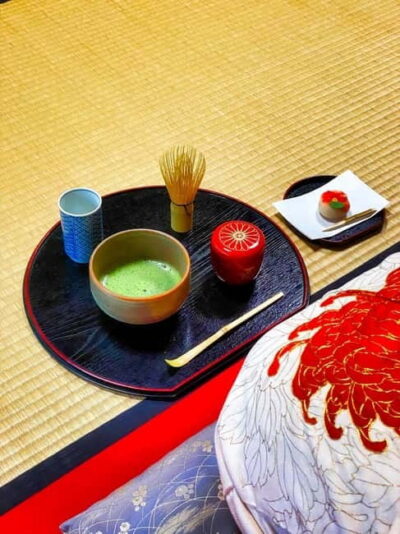
Tea Ceremony in a Traditional Tea House in Kiyomizu
Read our review →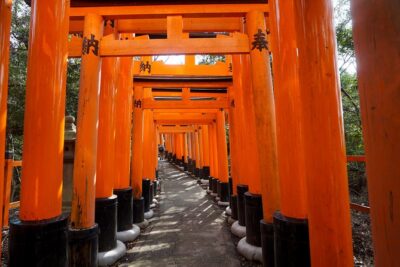
Fushimi Inari Hidden Hiking Tour (Private Option Available)
Read our review →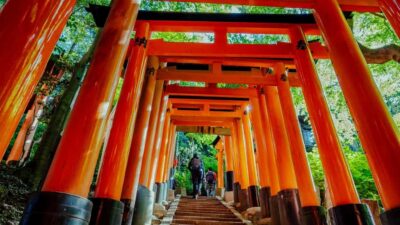
Osaka/Kyoto:Kinkakuji,Arashiyama,FushimiInariShrine,NaraPark
Read our review →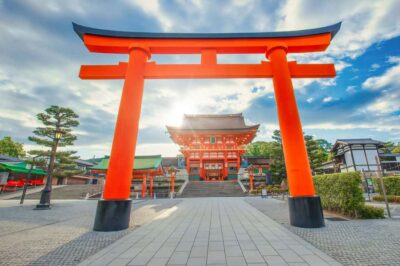
Osaka/Kyoto: Arashiyama, Nara & Fushimi Inari Shrine w/Lunch
Read our review →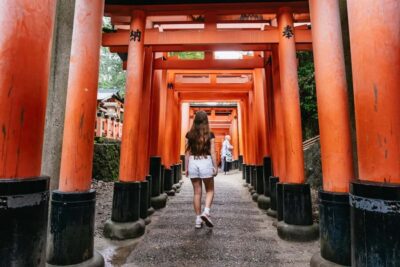
Nijo Castle, Kiyomizu & Fushimi Inari Guided Tour
Read our review →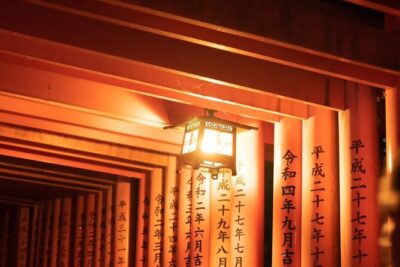
Kyoto/Osaka: Kinkakuji, Bamboo Forest, and Nara Deer Park
Read our review →Browse the lists this tour appears in