
REVIEW · FUSHIMI INARI SHRINE TOURS
Kyoto: Tea Ceremony in a Traditional Tea House in Kiyomizu
Kyoto’s best tea ceremony experiences do not need a grand hall. Here, a modest tea house off busy Sannenzaka opens onto a carefully tended garden, and the change in mood is immediate. You watch a tea master perform each graceful step, then whisk your own matcha and drink it with a traditional sweet.
I especially like the garden view, created by noted designer Ogawa Jihei VII, and the chance to participate rather than simply sit and watch. The English explanation, including a useful introduction to the ceremony’s 500-year history, makes the ritual easier to follow. The only real drawback is time: 45 minutes goes quickly, and at $49 per person, this is not the cheapest way to sample matcha in Kyoto.
- A calm garden beside Sannenzaka: The tea house feels far removed from the busy lane outside.
- A real demonstration: A trained tea master performs the ceremony with careful, formal movements.
- Hands-on matcha making: You prepare your own bowl after watching the expert.
- Two cups of tea included: One is prepared for you, and one is made by you.
- English guidance: Hosts explain the meaning, steps, and etiquette in clear English.
- A simple keepsake: You receive a group photo with the garden behind you.
A Quiet Tea House in the Middle of Sannenzaka
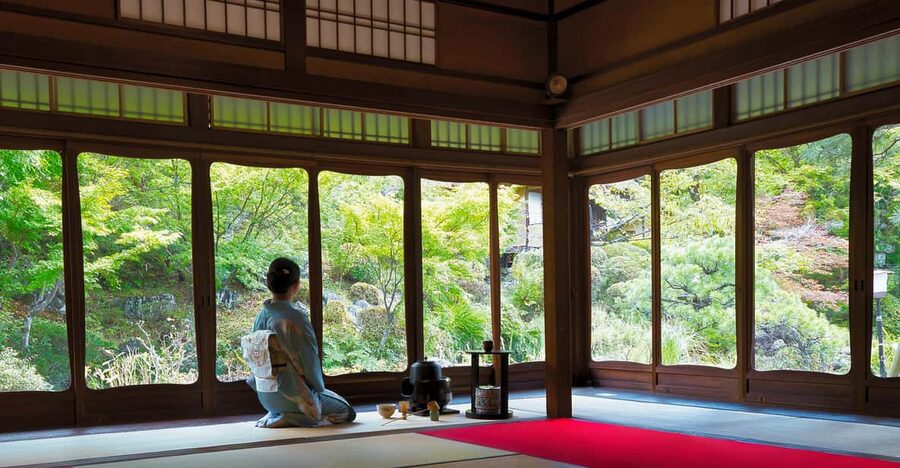
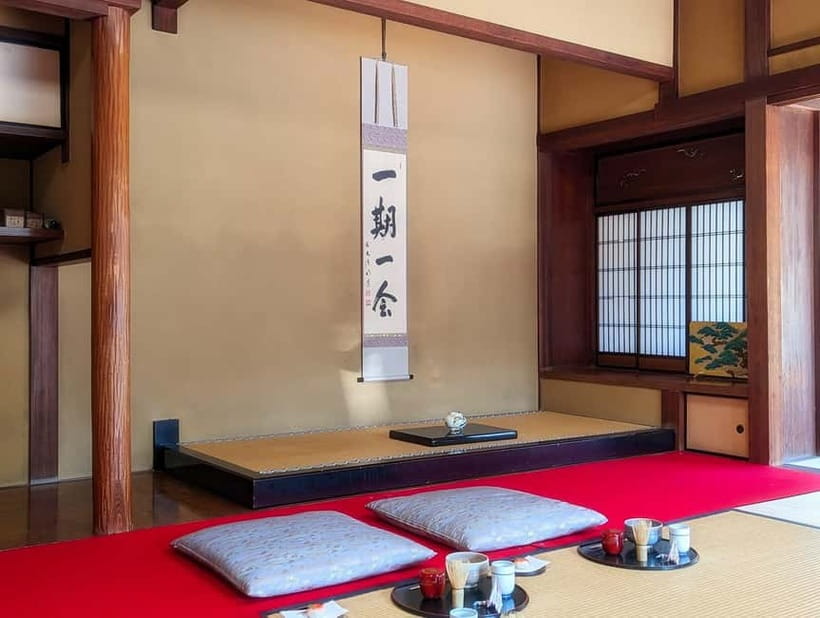
The setting does much of the work here. Sannenzaka is one of Kyoto’s most popular walking streets, lined with old-style buildings, shops, and a steady flow of people heading toward Kiyomizu-Dera Temple. Yet Sakaguchian sits behind a large gate, with a Japanese garden visible as soon as you enter.
That contrast is the appeal. You do not need to travel far from Kyoto’s main sights to find a quiet place. The tea house gives you a pause in the middle of a busy sightseeing route. Several people describe the change as striking: the street is active, but the room and garden feel still and private.
Look for the long lane and lanterns leading from the street. The entrance can be easy to miss if you are focused on the shops and crowds. From the large gate, walk straight for about 10 meters, then pass through the white gate on the left to reach Sakaguchian.
The meeting point is near Kiyomizu-Dera, but not directly at the temple entrance. If you use a taxi, ask the driver to head toward Kodaiji Temple and get out at the intersection of Sanneizaka and Ishin-no-michi. The Japanese address is Kyoto-shi Higashiyama-ku Kiyomizu 3-334.
What Happens During the 45 Minutes
The experience follows a clear pattern, which helps the short time feel well used. First, an English-speaking host welcomes you and introduces the tea house, garden, and basic meaning of the ceremony. May is one host praised for warm, clear English and lively explanations, though the staff member leading your session may vary.
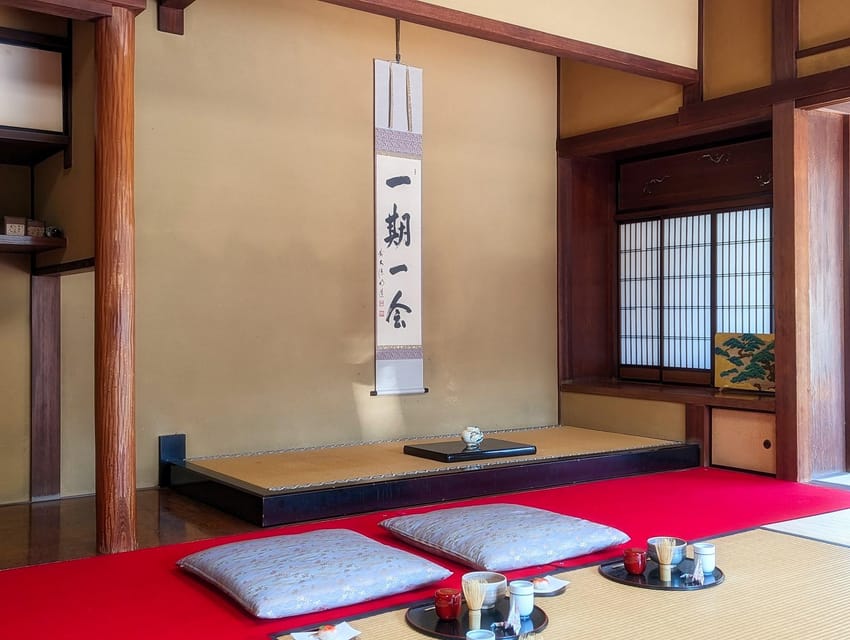
You then settle in with a view of the garden. The garden was created by Ogawa Jihei VII, a famous Japanese garden designer. That detail matters because the view is not simply decoration. In tea culture, the room, garden, utensils, movements, and seasonal feeling all contribute to the experience. Even in a short session, you begin to see why the surroundings are treated as part of the ritual.
The introduction covers the long development of the ceremony, including its 500-year history. You will not receive a university lecture, and the timing does not allow for every detail. Instead, you get enough context to understand why the tea master moves slowly, why each object is handled with care, and why the ceremony is more than a method for making a drink.
Next comes the formal demonstration. The tea master prepares matcha while the host explains what is happening. The movements are deliberate and polished, and watching them is one of the strongest parts of the experience. The ceremony is visual as much as it is educational, so sit back and pay attention to the order of the steps.
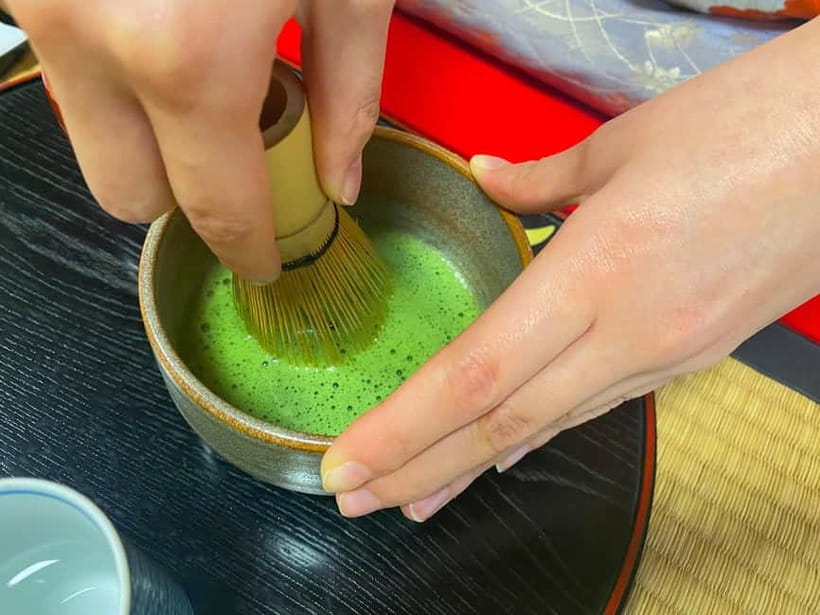
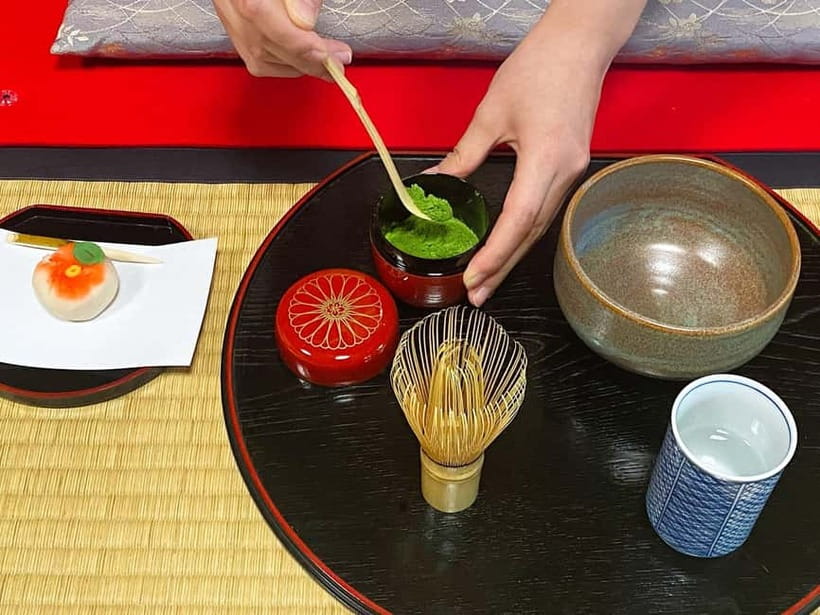
You are then shown how to prepare your own bowl. This is where the session becomes more relaxed and practical. You learn the basic process of making matcha and use the tools yourself. The goal is not to produce a perfect bowl on your first try. The value is in understanding the technique and feeling the rhythm of whisking the tea.
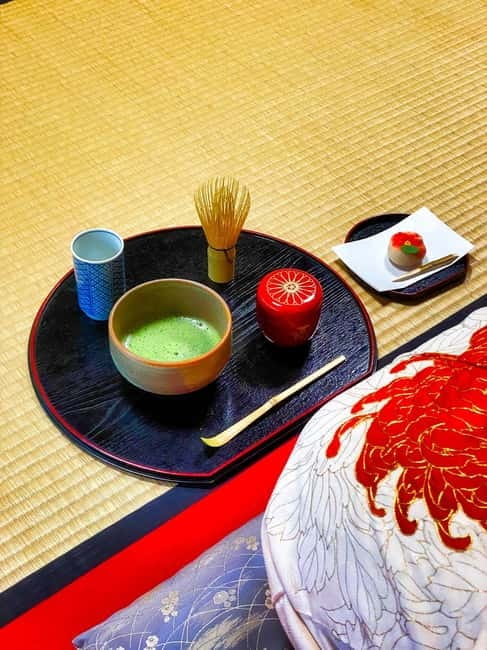
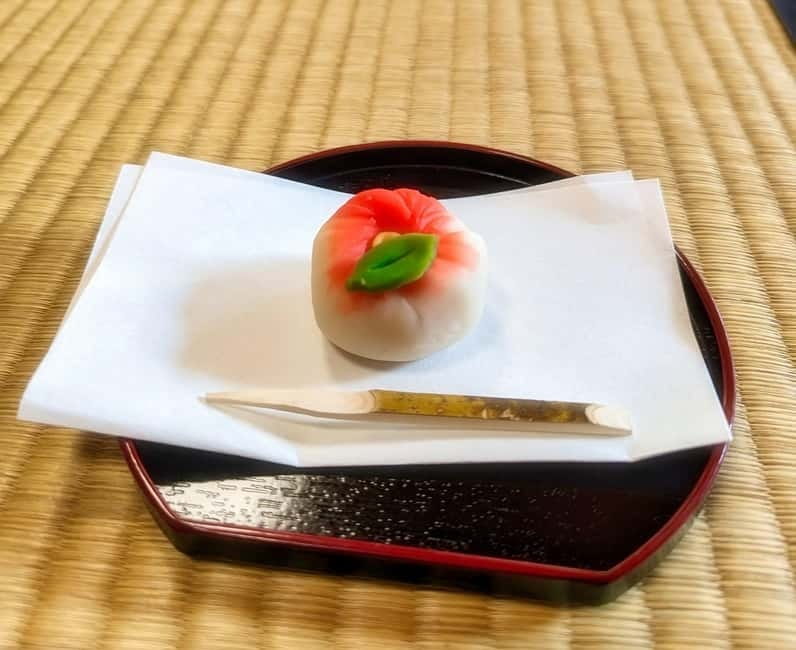
The activity includes two cups of matcha. One is served during the formal part, and the other is the bowl you make yourself. A customary Japanese sweet is served with the tea, offering a small balance to matcha’s earthy, slightly bitter flavor.
The session ends with a group photo in front of the garden. It is a simple touch, but useful if you want a record of the experience without having to arrange your own picture. The photo also gives the final minutes a relaxed feel after the more formal ceremony.
More Fushimi Inari Shrine Tours in Kyoto:
- Fushimi Inari Hidden Hiking Tour (Private Option Available)
★ 5.0 · 1,750 reviews - Osaka/Kyoto:Kinkakuji,Arashiyama,FushimiInariShrine,NaraPark
★ 4.1 · 1,596 reviews - Kyoto/Osaka: Nara, Fushimi Inari Taisha, Arashiyama Bus Tour
★ 4.7 · 1,275 reviews
Why the Garden View Matters
The garden is the main reason this experience feels different from a basic matcha lesson. You are not simply seated at a counter with tea tools in front of you. The room looks onto a carefully designed Japanese garden, and the view gives you something quiet to focus on while you drink.
The garden was designed by Ogawa Jihei VII, a name worth noting for anyone interested in Japanese garden design. The setting is especially effective because the tea house is close to major Kyoto sights. You can spend part of the day among the lanes near Kiyomizu-Dera, then step through the gate and find a calmer scene without leaving the area.
I would plan this as a reset between sightseeing stops. The 45-minute length fits neatly into a day around Kiyomizu-Dera and Kodaiji. It is long enough to feel like a real activity, but short enough that it will not take over your schedule.
The garden is also a strong reason to avoid rushing out immediately afterward. If the session leaves you calm, continue through the historic lanes at an easy pace rather than jumping straight back into a packed itinerary.
The Tea Master’s Demonstration
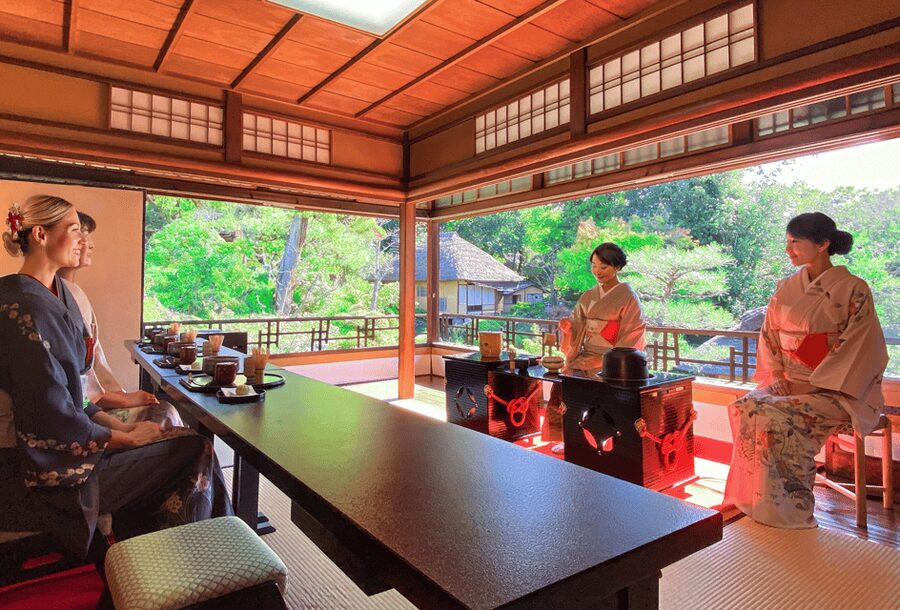
The tea master is the visual center of the experience. This is not a casual café lesson where someone quickly stirs powder into hot water. The demonstration shows the order, posture, and care connected with a formal tea ceremony.
You will notice the precision in small movements. The tea master handles the bowl and utensils with control, and the performance helps explain why training takes years. Several people have found the demonstration especially memorable because it turns an unfamiliar ritual into something understandable.
The host provides the spoken explanation, while the tea master demonstrates the practice. This division works well. You can watch the movements without missing their meaning, and you can ask questions during the less formal part of the session.
The tea master’s role is also a reminder not to treat the ceremony as a photo opportunity. One useful point raised by a participant is simple: avoid walking around while the ceremony is underway. Keep your attention on the performance, silence your phone, and save pictures for the appropriate moment.
You do not need prior knowledge of tea etiquette. The hosts explain what you need to know, and you will not be expected to perform a complicated ritual without help. Still, showing patience and respect makes the experience better for everyone in the room.
Making Your Own Matcha
The hands-on portion is where you get the best value from the price. Watching a professional is beautiful, but making your own tea helps you understand the work involved.
You receive instructions on how to brew matcha, then prepare a bowl yourself. The lesson covers the basics rather than turning you into a tea master in 45 minutes. You will learn how the tea is whisked and how the finished drink should look and feel.
Matcha can taste bitter when it is poorly prepared. The guided method gives you a better chance of producing a smooth bowl, and the sweet served alongside it helps you notice the contrast. Some people who do not normally like matcha have found the experience changed their opinion, while others may still find the flavor strong. That is part of the point: you taste matcha in the setting and style for which it is intended.
The second bowl is also a useful souvenir in a practical sense. You leave with a technique you can try again at home, even if your kitchen does not have the same garden view. Do not expect to recreate the full ceremony, but you can reproduce the basic whisking method.
Same country, a different morning at the gates:
- Kyoto: Tea Ceremony Ju-An at Jotokuji Temple
★ 4.9 · 3,207 reviews - Kyoto Arashiyama Walking Tour: Bamboo, Monkeys, Gardens & Secrets
★ 5.0 · 1,216 reviews - Arashiyama Bamboo, Temple, Monkeys, or Secret Sake Brewery
★ 4.8 · 886 reviews - Kyoto: Arashiyama Bamboo Forest, Monkeys, Matcha & Temple Tour
★ 5.0 · 759 reviews
Group Size, Children, and the Atmosphere
The exact group size can vary, but sessions described by participants have included about eight to ten people. That is small enough to see the demonstration and receive help while still giving the activity a social feel.
The atmosphere is formal during the performance, then more relaxed when you make your own tea. It suits couples, solo visitors, and families with older children. Children under seven are not permitted, and younger children may find the slow pace difficult even if they are old enough to attend.
Older children can enjoy the hands-on part. Families with children aged nine and thirteen have found the session manageable and enjoyable. If you bring children, explain beforehand that the first part requires quiet attention. The reward comes when they can whisk their own bowl.
The activity does not include kimono rental. This is a benefit if you want a shorter, less staged experience, but a limitation if your main goal is a full costume photo session. You attend in your own clothing and focus on tea, garden design, and ceremony.
Is $49 a Fair Price?
At $49 per person, this is more expensive than buying a matcha drink from a Kyoto café. You are paying for a guided cultural lesson, a formal demonstration, two cups of tea, a traditional sweet, the garden setting, and a photo.
The value depends on what you want. If you only want to taste matcha, you can spend less elsewhere. If you want to understand the ceremony and make tea yourself in a traditional setting near Kiyomizu-Dera, the price is easier to justify.
The short duration keeps the cost from becoming a major time commitment. You can fit it around temple visits, shopping, and meals. I would consider it good value for someone visiting Kyoto once, especially if a tea ceremony is high on the wish list.
The price may feel less worthwhile if you are already attending several paid cultural demonstrations during your trip. It is also not the right choice if you want a long, highly formal ceremony with extended instruction. This is a compact introduction, designed for sightseers.
Practical Tips for a Better Visit
Arrive with enough time to find the gate. The entrance is set back from Sannenzaka, and the large gate and long lantern-lined lane are more useful landmarks than the tea house name alone.
Leave large bags and luggage behind. They are not allowed inside, and a crowded room is not the place to manage a suitcase. Rain does not cancel the experience, so plan to attend in wet weather and bring suitable clothing.
Use the tea ceremony as a break from the surrounding sights. Kiyomizu-Dera and the nearby lanes can be demanding on both your feet and your attention. A quiet 45 minutes gives you a chance to sit down without abandoning your sightseeing route.
Keep the formal portion quiet and take pictures when invited. The final garden photo is included, so you do not need to interrupt the demonstration to get a keepsake.
The activity is offered in English, which makes the historical and cultural explanation accessible to international visitors. The quality of the experience still depends partly on the host leading your session, but the format is designed to be easy to follow.
Who Should Book This Tea Ceremony?
Book it if you want a short, polished introduction to Japanese tea culture rather than a full-day cultural program. It is a good match for first-time visitors to Kyoto, couples, families with children over seven, and anyone who likes gardens, traditional architecture, or hands-on activities.
It is especially useful for a busy itinerary. You can pair it with Kiyomizu-Dera, Sannenzaka, Ninenzaka, or Kodaiji without spending half a day crossing the city.
Think twice if you dislike matcha, cannot sit quietly for part of the session, or want to wear a kimono. Kimono rental is not included, and the activity is centered on watching and making tea rather than dressing up.
Should You Book It?
I would book this experience if you want a peaceful, well-organized cultural stop in one of Kyoto’s busiest sightseeing districts. The garden, careful tea demonstration, English guidance, and chance to make your own matcha give it more substance than a quick photo stop.
The main tradeoff is price and duration. At $49, you should care about the setting and instruction, not just the drink. If you do, the 45 minutes offer a memorable way to slow down, learn the basic meaning of the ceremony, and see a quieter side of the Kiyomizu area.
FAQ
Where does the tea ceremony take place?
It takes place at Sakaguchian, a traditional tea house in Sannenzaka near Kiyomizu-Dera Temple in Kyoto.
How long does the experience last?
The tea ceremony lasts 45 minutes. Starting times vary, so check availability when booking.
What is included in the price?
The experience includes the tea ceremony, two cups of matcha, traditional Japanese sweets, and a photo.
Is the activity offered in English?
Yes. The instructor and activity guidance are in English.
Can I wear a kimono during the ceremony?
Kimono rental is not included. You attend in your own clothing unless you arrange a kimono separately.
Are children allowed to participate?
Children under seven are not permitted. Older children may attend, and families with children aged nine and thirteen have enjoyed the activity.
What happens if it rains?
The ceremony takes place rain or shine. Large bags and luggage are not allowed inside.
Just added around Kyoto
- Osaka/Kyoto: Katsuoji, Kinkakuji, Arashiyama 1-Day Bus Tour★ 4.6 · 33 reviews
- Kyoto:Kiyomizu-dera Temple Rent a kimono and ride a rickshaw★ 4.8 · 7 reviews
- Kyoto: Wagashi (Japanese sweets) Cooking near Fushimiinari★ 5.0 · 40 reviews
- Kyoto: Kimono/Yukata Rental 5 Minute from Kiyomizu-dera★ 4.7 · 89 reviews
- KYOTO: Tempio Kiyomizu Pagode Gion “Geisya” (Guida Italiana)★ 4.7 · 17 reviews
- Kyoto Fushimiinari:Wagashi Making & Small Group Tea Ceremony★ 5.0 · 14 reviews
- Kyoto: Samurai Sword & Kimono Action Filming Experience★ 4.8 · 78 reviews
- Best of Kyoto: Red Gates of Fushimi Inari & Kiyomizu Temple★ 4.8 · 36 reviews
Fushimi Inari Shrine Tours, compared.
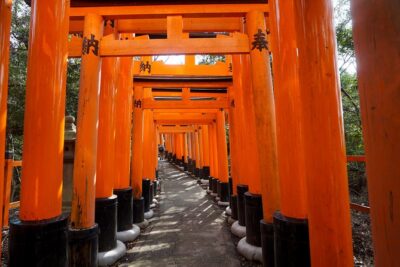
Fushimi Inari Hidden Hiking Tour (Private Option Available)
Read our review →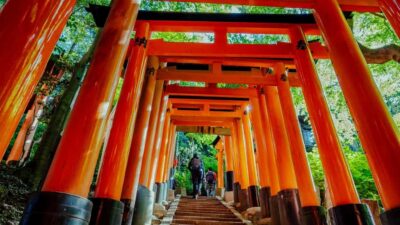
Osaka/Kyoto:Kinkakuji,Arashiyama,FushimiInariShrine,NaraPark
Read our review →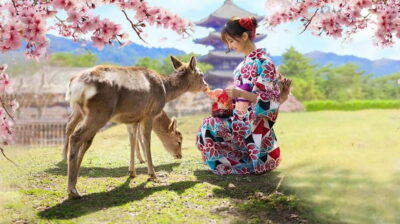
Kyoto/Osaka: Nara, Fushimi Inari Taisha, Arashiyama Bus Tour
Read our review →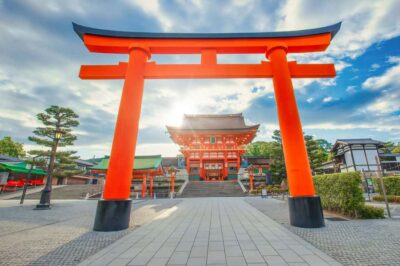
Osaka/Kyoto: Arashiyama, Nara & Fushimi Inari Shrine w/Lunch
Read our review →
Nijo Castle, Kiyomizu & Fushimi Inari Guided Tour
Read our review →

Kyoto/Osaka: Kinkakuji, Bamboo Forest, and Nara Deer Park
Read our review →Browse the lists this tour appears in