
REVIEW · FUSHIMI INARI SHRINE TOURS
Kyoto: 3-Hour Fushimi Inari Shrine Hidden Hiking Tour
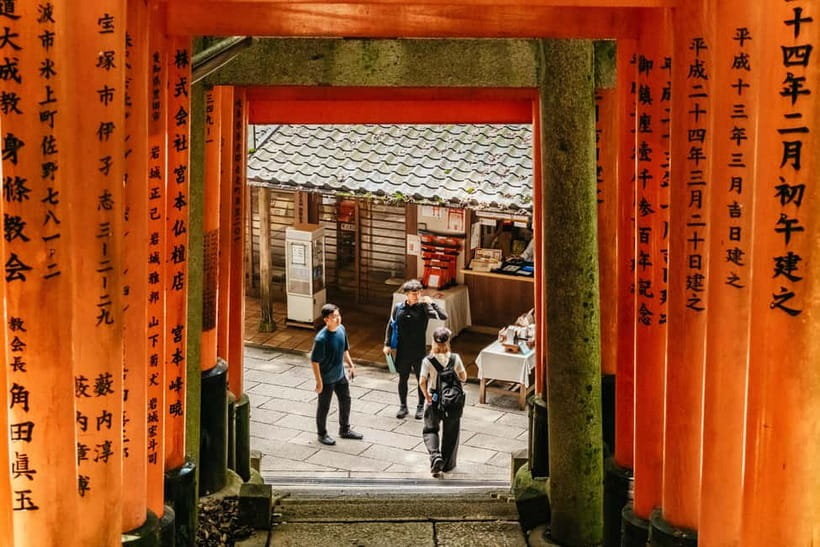
Fushimi Inari is famous for its thousands of vermilion torii gates, but the best part of this three-hour hike comes before and after the postcard views. You approach the mountain from Tofukuji, leave the paved route, walk through bamboo and evergreen forest, and reach the shrine from a quieter side.
I like the small groups of up to nine and the way guides such as Hina, Naru, Shiori, and Yukari turn a workout into a cultural visit. I also like the included photos, which let you enjoy the path instead of constantly asking someone to take your picture. The main consideration is simple: this is a real 7-kilometer mountain hike, not an easy stroll.
Key points
- Quiet approach: Begin near Tofukuji Station and walk through calm residential lanes before reaching Mount Inari.
- Forest trails: About half the route runs under trees, with bamboo groves, uneven paths, stairs, and secluded altars.
- Classic torii gates: You still reach the famous vermilion gates and the main Fushimi Inari area.
- Cultural guidance: Your English-speaking guide can explain shrine manners, offerings, amulets, and Shinto customs.
- Moderate physical effort: Expect hills, stairs, and roughly 7 kilometers, with one participant recording about 50 flights climbed.
- Good value for active visitors: The $72 price includes a local guide and photos, but not food or drinks.
Why this Fushimi Inari route feels different
Most people come to Fushimi Inari through the large shrine entrance and head uphill beneath the torii gates. That route is memorable, but it can also feel packed, especially near the lower sections where everyone wants the same photograph.
This experience takes the long way around. You meet outside FamilyMart Nakai Tofukuji, next to Exit 2 at Tofukuji Station, then walk through a quiet neighborhood toward the mountain. Small shrines appear along the way, and the pace gives you time to notice ordinary Kyoto life before the torii gates take over.
The route spends much of its time away from the main paved paths. You may walk for long stretches with few, if any, other people around. That peace is the main reason to book this tour. It gives you the famous Fushimi Inari sights without making the whole morning a contest for space.
The quiet does not last forever. Once you connect with the central torii route and move toward the main shrine, the number of people increases. That is not a flaw in the tour. It is the trade-off for seeing the most famous sections. The difference is that you reach them after enjoying the mountain rather than spending the entire visit in the busiest corridor.
More Fushimi Inari Shrine Tours in Kyoto:
- Kyoto: Tea Ceremony in a Traditional Tea House in Kiyomizu
★ 4.9 · 3,519 reviews - Fushimi Inari Hidden Hiking Tour (Private Option Available)
★ 5.0 · 1,750 reviews - Osaka/Kyoto:Kinkakuji,Arashiyama,FushimiInariShrine,NaraPark
★ 4.1 · 1,596 reviews
Starting at Tofukuji Station and the small shrines
The meeting point is outside FamilyMart Nakai Tofukuji, beside Exit 2 of Tofukuji Station. This is convenient if you are already using the JR or Keihan lines, but pay attention to the train directions. From Shijo Keihan, use a Keihan sub-express, semi-express, or local train. Do not use an express train for this meeting point.
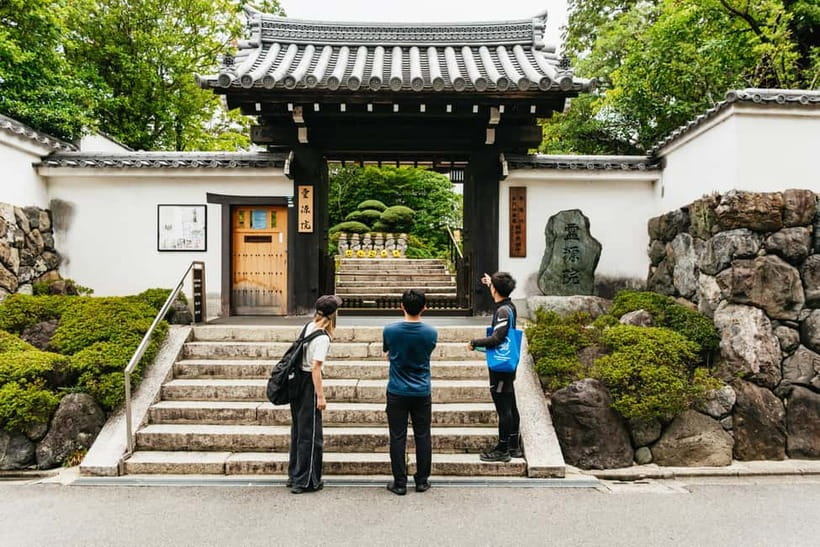
The first section passes through a quiet neighborhood and includes small shrines. These early stops help set the tone. You are not simply marching to the big attraction. You are seeing how religious sites fit into the streets and daily surroundings of Kyoto.
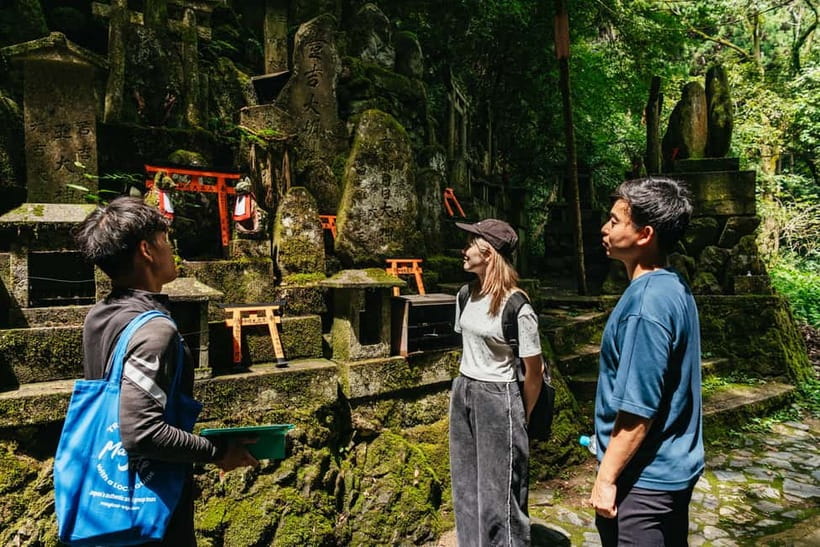
Your guide can also explain how to behave at Shinto shrines. The tour may cover how to pass through torii gates respectfully, how to make an offering, and what different amulets mean. This is useful because Fushimi Inari is a working religious site, not just a scenic backdrop.
Guides vary by date, but several names appear repeatedly in the experience: Hina, Naru, Shiori, Yukari, Yuto, and others. The strongest part of the guiding is the personal attention. Guides stop for questions, adjust the pace, and use the forest walk to explain Shinto beliefs, local customs, and the meaning of objects around the shrine.
English is the tour language. The quality of communication can vary with the individual guide. Most of the available feedback describes friendly, clear explanations, but one participant found the English quite limited and received only brief comments. If detailed cultural discussion matters greatly to you, this is worth keeping in mind.
The bamboo grove and the first forest climb
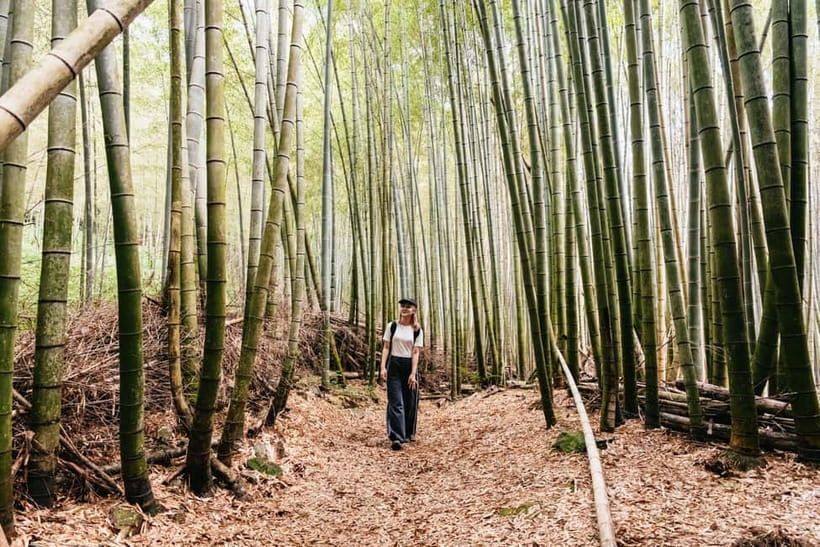
One of the most rewarding sections is the route into a bamboo grove away from the main tourist flow. You get the tall bamboo, filtered light, and narrow trail feel without going all the way to Arashiyama. One person even felt this grove reduced the need to make a separate visit there.
The path is not a manicured garden walk. Parts are unpaved, rocky, steep, or slippery after rain. In wet weather, mud can make the climb harder, so shoes with a firm grip are a sensible choice. The tour can be canceled in extreme weather, and you may also cancel because of rain if you are not prepared.
The forest provides shade for about half of the experience. That helps in Kyoto’s warmer months, when a climb under direct sun would be more tiring. Shade does not remove the physical work, though. You still need to climb and descend for several hours, and mosquitoes or other insects may be present.
Wear long pants and a long-sleeved shirt. That advice is practical for bugs, branches, and changing conditions on the mountain. Bring water, but leave large luggage and bulky bags behind, since they are not allowed on the tour.
Reaching Mount Inari’s altars and viewpoints
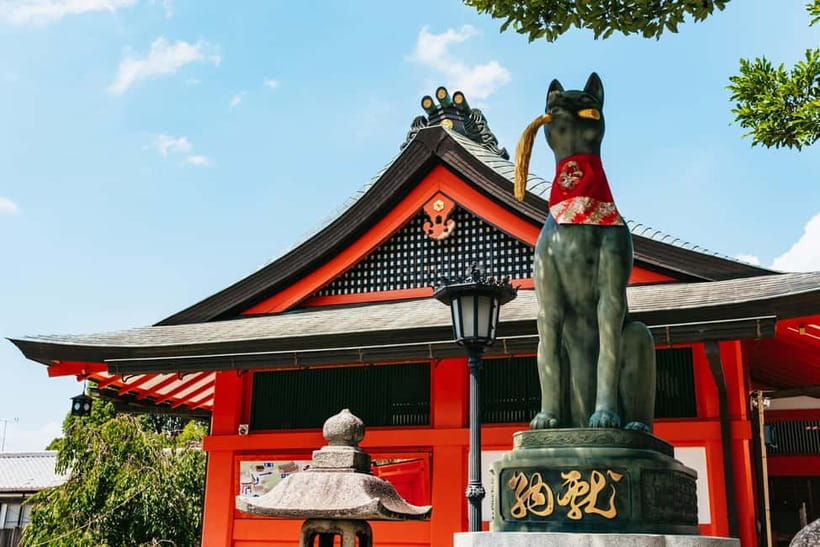
The route eventually connects with the better-known torii gates and continues toward the summit area. Fushimi Inari is not just one shrine building at the bottom. Mount Inari is covered with smaller altars and religious markers, and the hike gives you time to see these quieter parts.
The red gates are especially striking in the forest. Their color changes with the light, and the repeated pattern creates a strong sense of movement as you climb. Here, the guide adds value by explaining the religious setting rather than treating the gates as decoration.
The summit section is a genuine effort. The tour description calls the hike moderate, but several people found it more demanding than expected. One participant’s watch recorded about 50 flights climbed. That does not mean every group follows the same pace, but it gives you a useful idea of the vertical work involved.
Regular stops are built into the route, and you can ask for extra pauses. Still, you should be in reasonable condition and comfortable walking on uneven ground. This tour is not suitable for people with limited mobility, and children under eight are not accepted. Children aged eight or older need permission from a parent or guardian before booking.
More Hikes and Treks in Kyoto:
- Kyoto: Fushimi Inari Hidden Hike (Private)
★ 5.0 · 31 reviews - From Barcelona: Montserrat Monastery, Easy Hike, Cable Car
★ 4.9 · 1,021 reviews - From Barcelona: Montserrat Monastery & Scenic Mountain Hike
★ 4.9 · 978 reviews - Chiang Mai – Doi Suthep Temple & Wat Pha Lat Hike
★ 4.6 · 740 reviews
Descending by forest trails to the famous gates
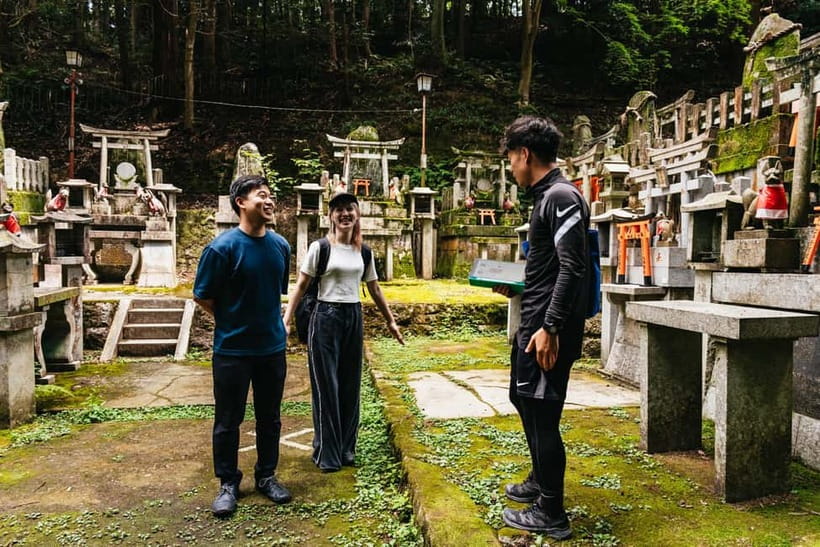
After reaching the upper part of the mountain, you come back down through forested trails and visit smaller shrines along the way. The descent is not necessarily easy. Downhill sections can put pressure on your knees, and wet stones or mud require care.
The reward is a second bamboo grove and a quieter view of the mountain. You also get a different sense of Fushimi Inari on the way down. Instead of seeing only one long tunnel of torii gates, you notice side altars, trees, paths, and small religious details spread across the hillside.
As you approach the most photographed sections, the crowds build. This is where your guide can help you find good angles and take pictures. Guides such as Naru and Nina have been praised for taking photos at scenic points, while other guides help position people beneath the gates without making the stop feel rushed.
The tour includes photos during the walk, which is a worthwhile extra for couples, families, and solo visitors. You can put your phone away for part of the hike and still leave with pictures of the experience.
The main Fushimi Inari shrine and street food
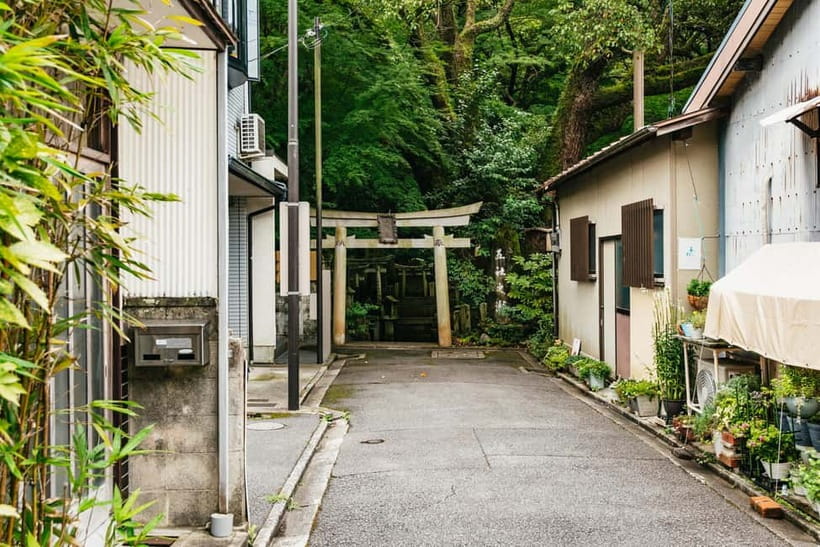
The final stretch brings you to the most famous part of Fushimi Inari, near the base of the mountain. This is where you see the large shrine area and the heavier flow of people. The change from quiet forest to popular sightseeing site can be dramatic.
You have time to take in the classic entrance area and continue your Kyoto plans afterward. Local street food is available near the shrine, but it is not included in the $72 tour price. Carry some money if you want a snack or drink after the climb.
The published route is organized around the Tofukuji meeting point, while the final sightseeing section reaches the main Fushimi Inari area. Confirm the exact end point when you book, especially if you have a timed reservation or need to catch a train immediately afterward.
What $72 gets you
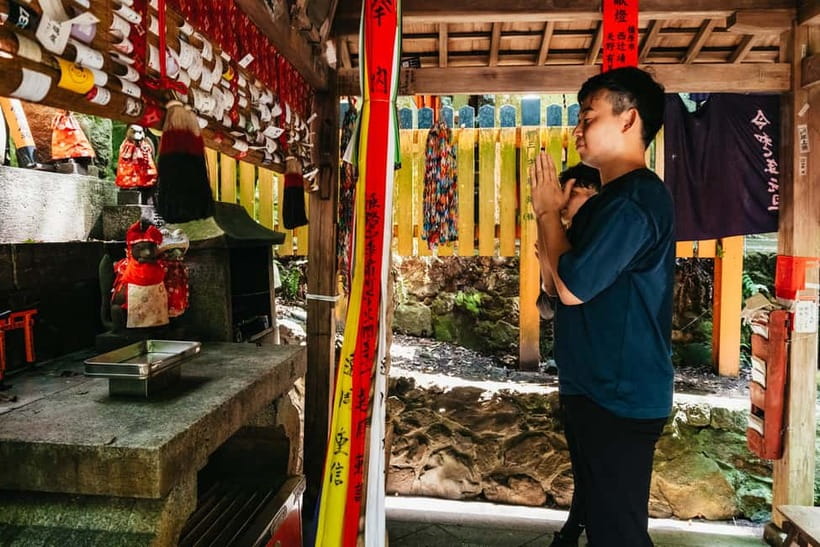
At $72 per person, this is not the cheapest way to see Fushimi Inari. You can visit the shrine independently for the cost of transportation and spend nothing on a guide. The value comes from the route, not from admission.
You are paying for someone who knows how to connect the back trails, bamboo groves, side altars, and famous gates into one three-hour walk. You also get English guidance, a small group, cultural explanations, and photographs. For a first visit, that can save time and remove the uncertainty of finding a less-used path on your own.
The small-group limit matters. A group of nine still feels social, but it is much more manageable than a large coach tour. Private options are also available. If you want a slower pace or have a family group, a private booking may offer more flexibility, though the price may differ.
Food and drinks are extra. Plan for the hike as an active morning, not a food tour. Free cancellation and date or time changes are available up to 24 hours before the start, subject to availability, which is useful when Kyoto weather is unsettled.
Who should book this hike
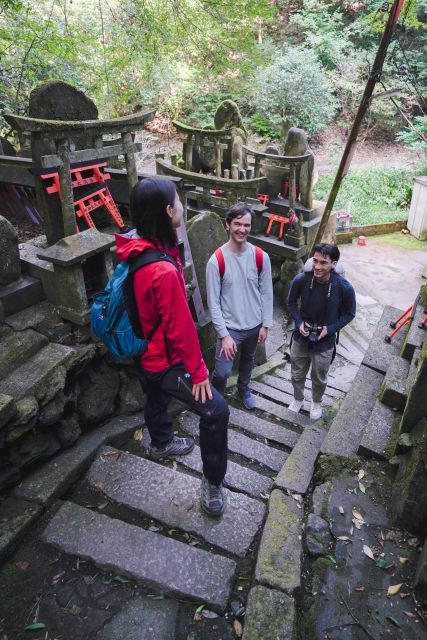
I would choose this experience if you want Fushimi Inari with more forest and fewer people. It suits visitors who like walking, photography, and cultural explanation more than a quick stop at the main shrine.
It is especially good for:
- Couples who want photos in quieter settings
- Families with older children who can manage a mountain walk
- Solo visitors who want company and a guide
- Hikers who prefer nature to paved sightseeing routes
- First-time visitors who want help with shrine customs
- Repeat Kyoto visitors looking for a different side of Fushimi Inari
I would not choose it if you want a flat, relaxed visit. You may also prefer a self-guided visit if you already know the mountain and do not need help with the route or customs.
The weather makes a real difference. Rain can turn the unpaved sections muddy and slippery, while hot weather makes the climb tiring even with shade. Long sleeves, long pants, comfortable walking shoes, and water are the basics.
My verdict on the three-hour forest route
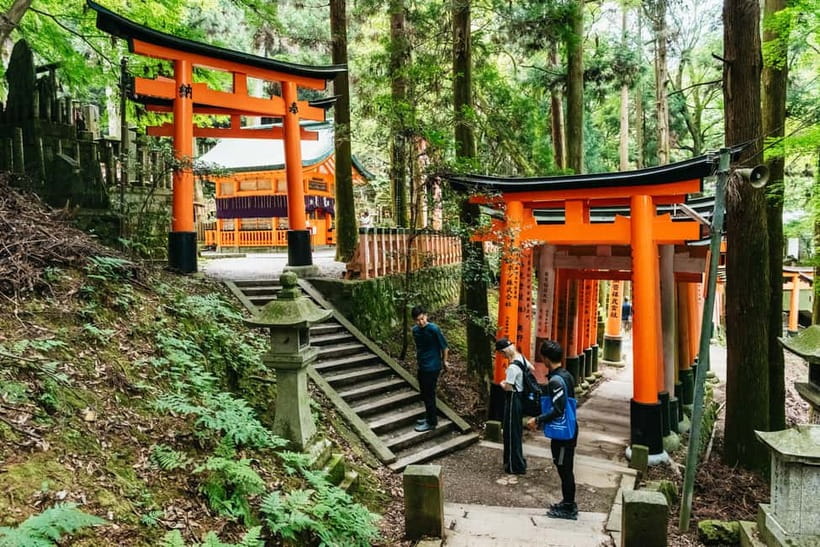
This is one of the better ways to combine Kyoto’s famous torii gates with a quieter mountain walk. The most praised features are consistent: guides are friendly, the back trails feel special, the cultural explanations add meaning, and the photo help is useful.
The main warning is just as consistent: it is more of a hike than a casual walk. If you are comfortable with hills, stairs, and roughly 7 kilometers, the effort pays off with bamboo, forest paths, side altars, and a more personal approach to Fushimi Inari.
Book it if you want the mountain as much as the shrine. Skip it if your priority is a short, easy photo stop at the main entrance.
FAQ
How long is the Fushimi Inari hidden hiking tour?
The tour lasts three hours and covers approximately 7 kilometers.
Where does the tour meet?
Meet outside FamilyMart Nakai Tofukuji, next to Exit 2 of Tofukuji Station.
Which train lines can I use to reach the meeting point?
You can use the JR line, including rapid and local trains. On the Keihan line, use sub-express, semi-express, or local trains. Do not use Keihan express trains.
Is this an easy walk?
No. The route is described as a moderate hike with hills, stairs, unpaved paths, and some steep or slippery sections. Regular stops are included, and you can request additional breaks.
How many people can join the group?
The small-group experience can include up to nine people. Private groups are also available.
Is the tour offered in English?
Yes. The live tour guide speaks English.
Does the tour visit the famous torii gates?
Yes. You begin on quieter paths, connect with the main torii gate route, visit the mountain area, and finish near the famous Fushimi Inari shrine.
Are photos included?
Yes. Photos are taken during the tour and are included.
What should I wear?
Wear a long-sleeved shirt and long pants. These are recommended because the route passes through the mountain and may have mosquitoes and other insects.
Can I cancel the tour for a full refund?
Yes. Cancel at least 24 hours before the starting time for a full refund. Date or time changes are also available up to 24 hours before the tour, depending on availability.
More Three-Hour Trips in Kyoto
- Chiang Mai: 3 Hour Old City and Temples Guided Walking Tour
★ 4.6 · 1,568 reviews - 3-Hour Private Ephesus, Terrace Houses, Cruiser Only
★ 5.0 · 274 reviews - Cusco: 3-Hour Horse Riding Tour to the Temple of the Moon
★ 5.0 · 105 reviews - 3-Hour Bangkok Walking Tour: Wat Pho and Wat Arun
★ 5.0 · 102 reviews
Just added around Kyoto
- Osaka/Kyoto: Katsuoji, Kinkakuji, Arashiyama 1-Day Bus Tour★ 4.6 · 33 reviews
- Kyoto:Kiyomizu-dera Temple Rent a kimono and ride a rickshaw★ 4.8 · 7 reviews
- Kyoto: Wagashi (Japanese sweets) Cooking near Fushimiinari★ 5.0 · 40 reviews
- Kyoto: Kimono/Yukata Rental 5 Minute from Kiyomizu-dera★ 4.7 · 89 reviews
- Kyoto Fushimiinari:Wagashi Making & Small Group Tea Ceremony★ 5.0 · 14 reviews
- Kyoto: Samurai Sword & Kimono Action Filming Experience★ 4.8 · 78 reviews
- KYOTO: Tempio Kiyomizu Pagode Gion “Geisya” (Guida Italiana)★ 4.7 · 17 reviews
- Best of Kyoto: Red Gates of Fushimi Inari & Kiyomizu Temple★ 4.8 · 36 reviews
Fushimi Inari Shrine Tours, compared.
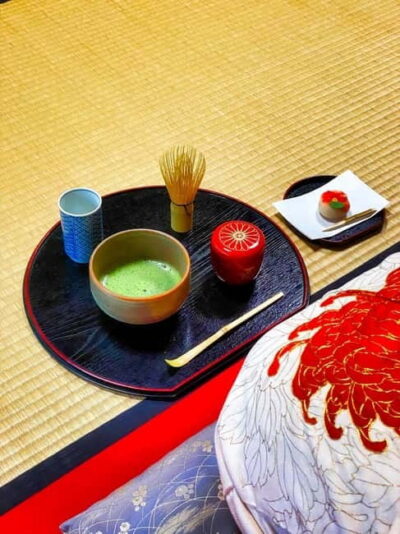
Tea Ceremony in a Traditional Tea House in Kiyomizu
Read our review →
Fushimi Inari Hidden Hiking Tour (Private Option Available)
Read our review →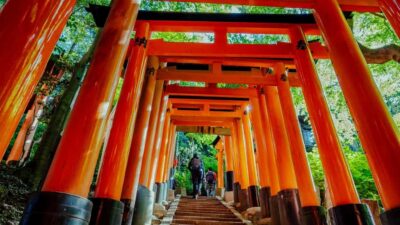
Osaka/Kyoto:Kinkakuji,Arashiyama,FushimiInariShrine,NaraPark
Read our review →
Kyoto/Osaka: Nara, Fushimi Inari Taisha, Arashiyama Bus Tour
Read our review →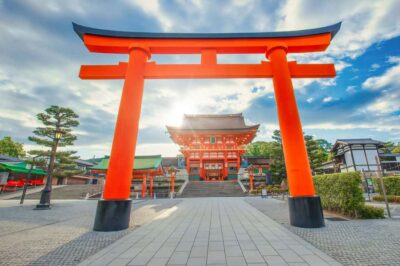
Osaka/Kyoto: Arashiyama, Nara & Fushimi Inari Shrine w/Lunch
Read our review →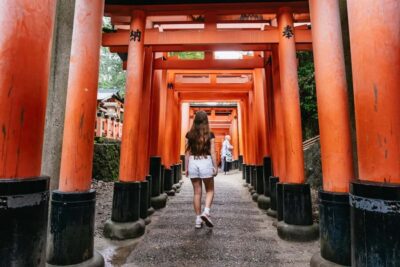
Nijo Castle, Kiyomizu & Fushimi Inari Guided Tour
Read our review →
Kyoto/Osaka: Kinkakuji, Bamboo Forest, and Nara Deer Park
Read our review →Browse the lists this tour appears in