
REVIEW · FUSHIMI INARI SHRINE TOURS
KYOTO: Tempio Kiyomizu Pagode Gion “Geisya” (Guida Italiana)
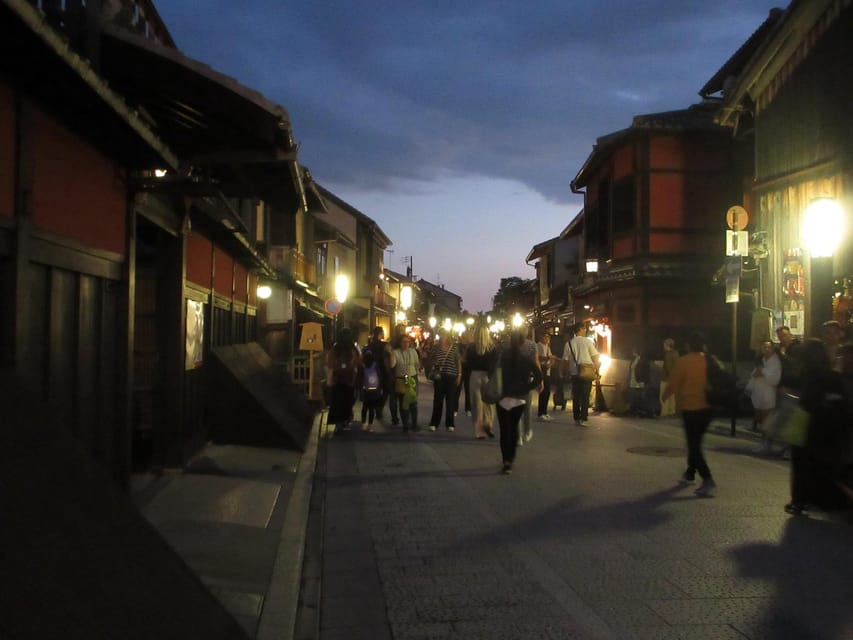
Kyoto’s old pilgrimage route is the heart of this experience. You move from Kyoto Station to Kiyomizu-dera, then downhill through Sannenzaka, Ninenzaka, Gion, and Pontocho, with an Italian-speaking guide explaining the religious customs, street life, and cultural details that are easy to miss on your own. I like the included transport and entrance tickets, and I like that guide Omae is praised for clear Italian, careful explanations, and a lively manner.
The main consideration is pace. Five hours covers several famous areas, but the route includes busy shopping streets, temple grounds, and plenty of walking. Flexible timing is possible on request, though it is not guaranteed, so anyone wanting a slow visit at every stop should ask about adjustments before booking.
Key points at a glance
- A five-hour route from Kyoto Station to Pontocho: The tour links several major sights without asking you to plan each transfer.
- Italian-speaking guide Omae: His friendly style, careful answers, and strong command of Italian are central to the experience.
- Kiyomizu-dera comes first: You receive a guided visit and entrance is included.
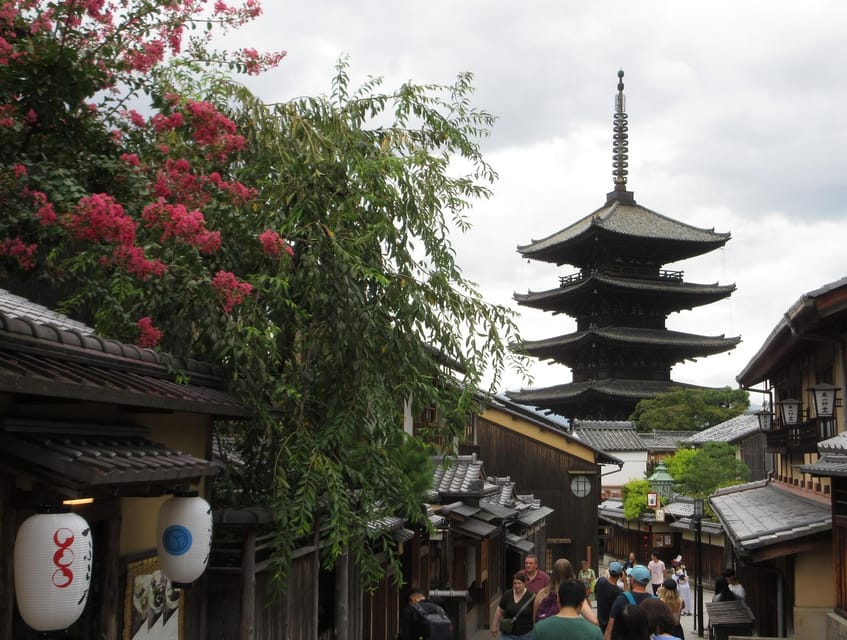
- Sannenzaka and Ninenzaka on foot: These old approach streets are lined with sweets, souvenirs, cafés, and traditional-looking buildings.
- Gion and Minami-za add Kyoto’s performing-arts side: Gion receives a guided visit, while Kyoto Minami-za is passed along the route.
- Transport and tickets are covered: The $117 price is easier to judge because the listed transport and scheduled monument entrances are included.
Starting at Kyoto Station without a false start
The meeting point is outside the central north entrance of Kyoto Station, also called the Karasuma-Guchi. Go toward the taxi terminal, not the bus terminal, and look for the open space between the four escalators.
One useful visual check is Kyoto Tower. From the meeting point, it should be in front of the station, toward the upper left of your view. That small detail matters in a station as large as Kyoto Station. You should also receive a message by the day before confirming the meeting place and giving more detail.
I would arrive early. The tour starts with a bus ride of about 15 minutes, and finding the right spot is much easier before the group is ready to leave. The starting point also makes sense for a first Kyoto sightseeing day because you do not need to make your own way to the eastern temple district.
More Fushimi Inari Shrine Tours in Kyoto:
- Kyoto: Tea Ceremony in a Traditional Tea House in Kiyomizu
★ 4.9 · 3,519 reviews - Fushimi Inari Hidden Hiking Tour (Private Option Available)
★ 5.0 · 1,750 reviews - Osaka/Kyoto:Kinkakuji,Arashiyama,FushimiInariShrine,NaraPark
★ 4.1 · 1,596 reviews
Kiyomizu-dera, Kyoto’s grand opening scene
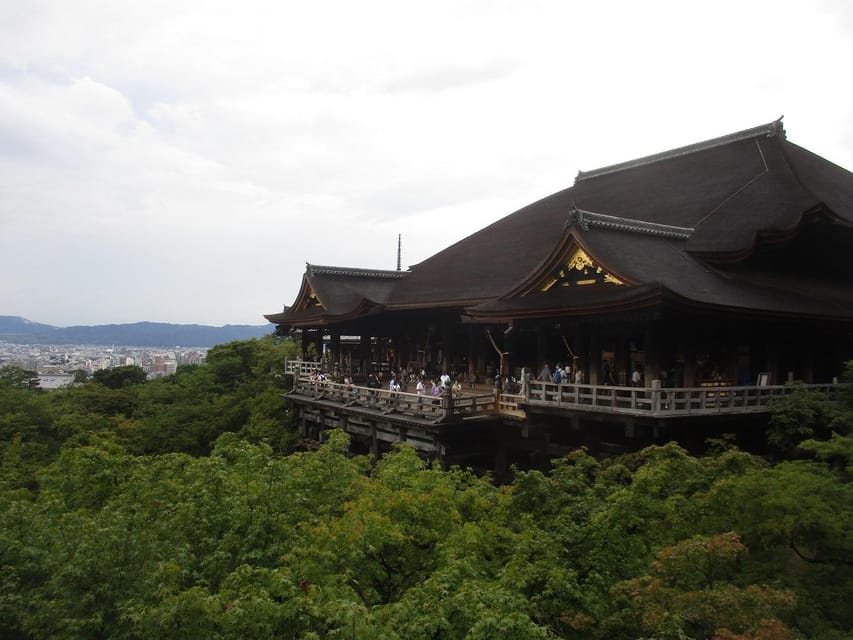
The first major stop is Kiyomizu-dera, with about one hour for a guided visit. This Buddhist temple is the main anchor of the tour, and the approach to it follows routes used by pilgrims for centuries. The area developed from the eighth century onward, so the walk is not simply a trip to a single building. It is a gradual move through Kyoto’s religious and commercial past.
The guide’s role matters most here. A temple can look beautiful while its meaning remains unclear. An Italian explanation can help you follow the religious details, the purpose of the buildings, and the customs connected with the site. The tour description specifically promises explanations of historical, cultural, and religious points, plus answers to your questions along the way.
The scheduled visit lasts one hour. That is enough for a focused introduction, but it may feel short if you want long pauses for photographs or a very close look at every part of the temple grounds. You will get more from the stop if you decide in advance whether your priority is learning, photography, or simply seeing the major parts.
Entrance is included in the tour price. That saves you from handling the admission separately and gives the guide a clear structure for the visit.
Sannenzaka and Ninenzaka, Kyoto on foot
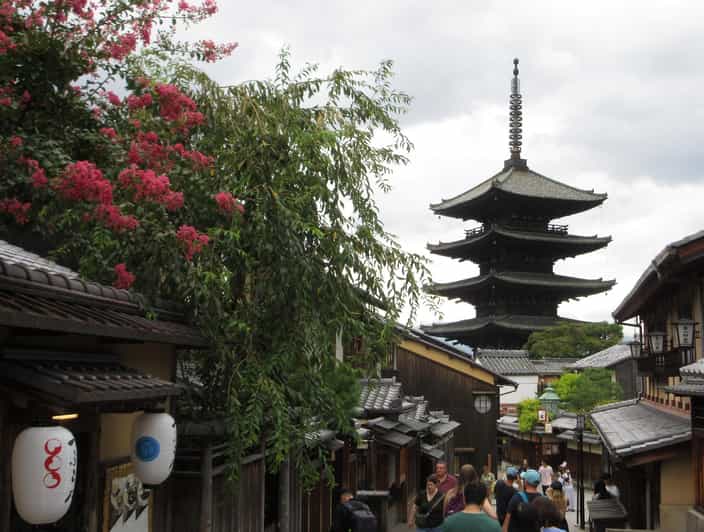
After Kiyomizu-dera, the tour shifts from temple grounds to the old streets leading away from the sanctuary. Sannenzaka receives about three minutes of scheduled walking, followed by another short walk and a two-minute visit to Ninenzaka. Those listed times should be read as route estimates, not as a promise that you will have only a few minutes to enjoy each street.
These lanes are lined with souvenir shops, Japanese sweets, cafés, and other businesses aimed at people visiting Kyoto. That can make the area feel commercial, but it is also part of the experience. Pilgrimage routes have long served both worshippers and the businesses around them. You can look for small food purchases, gifts, or a quick break while the guide explains how the district grew around the temple approach.
I like this part because it gives the tour texture. Kiyomizu-dera provides the grand religious setting, while Sannenzaka and Ninenzaka show how daily shopping and sightseeing fit around it. You are not locked inside a museum-like visit. You are walking through streets that still function as part of Kyoto’s visitor life.
The tradeoff is crowding and uneven walking time. The supplied information confirms a walking route, but it does not give details about stairs, pavement, or the exact group size. The activity is listed as wheelchair accessible, yet anyone with specific mobility needs should confirm how the full route will be handled before booking.
Gion, where old Kyoto meets modern city life
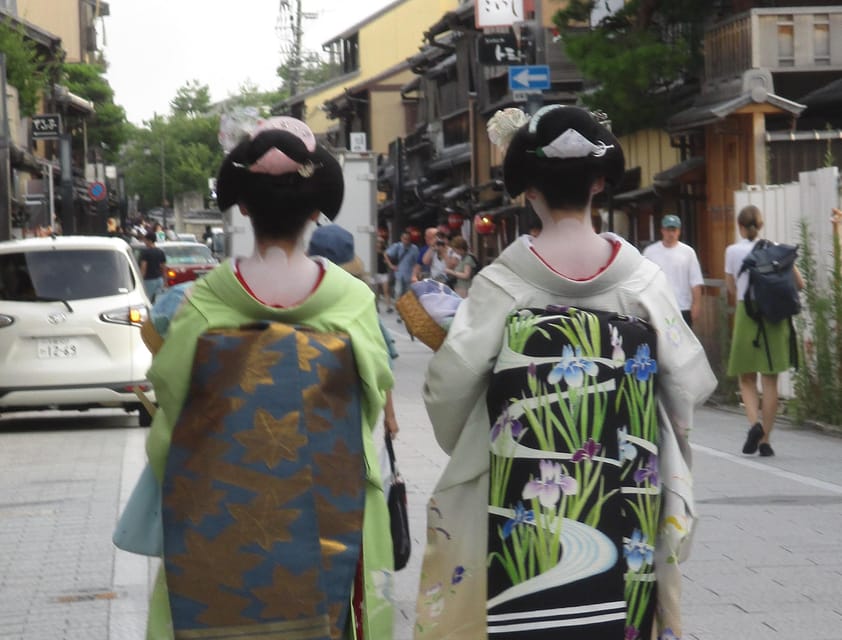
From Ninenzaka, the route continues on foot for about 15 minutes to Gion. You receive a guided visit of roughly 30 minutes. Gion is one of Kyoto’s best-known historic districts, and it is the place where the tour’s cultural explanations become especially useful.
The title refers to geisha, but the experience should not be treated as a guaranteed geisha sighting. The provided details promise a visit to Gion and guided sightseeing, not a scheduled performance or meeting with a geisha. I would book this for the streets, traditions, and setting rather than for a hoped-for encounter.
This is also where guide Omae’s strengths appear most useful. Several recent comments highlight his preparation, good humor, attention to detail, and ability to answer questions in Italian. One person described him as both lively and accurate, which is a good combination for a district where simple-looking streets can carry layers of custom and etiquette.
Thirty minutes is a useful introduction, not a full study of Gion. The guide can orient you and explain what you are seeing, while you can return later if you want more time. The route does not promise an evening program, restaurant booking, or show ticket, so plan those separately.
Same country, a different morning at the gates:
- Kyoto: Tea Ceremony Ju-An at Jotokuji Temple
★ 4.9 · 3,207 reviews - Kyoto/Osaka: Nara, Fushimi Inari Taisha, Arashiyama Bus Tour
★ 4.7 · 1,275 reviews - Kyoto Arashiyama Walking Tour: Bamboo, Monkeys, Gardens & Secrets
★ 5.0 · 1,216 reviews - Arashiyama Bamboo, Temple, Monkeys, or Secret Sake Brewery
★ 4.8 · 886 reviews
A brief look at Kyoto Minami-za
After Gion, you walk for about five minutes and pass by Kyoto Minami-za. The stop is brief, listed at around three minutes, so do not expect an interior visit or a performance.
Its value is as a marker of Kyoto’s theater culture. The tour links temples, traditional streets, geisha culture, and a major theater building before ending in Pontocho. That gives the afternoon a wider frame than a temple-only tour.
Because this is a pass-by stop, it will matter most to you if you enjoy seeing how different parts of Kyoto connect. If your main goal is temple time, this section will be a quick transition.
Finishing in Pontocho
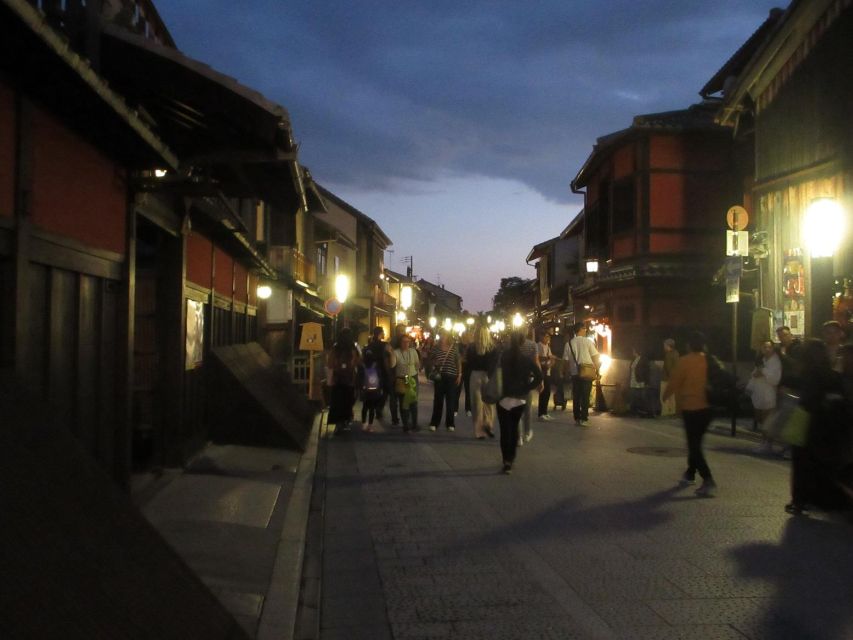
The tour ends at Pontocho after a final short walk. No meal, drink, or restaurant reservation is included, but the location is useful for continuing your evening independently. You can treat the end point as a practical handoff from guided sightseeing to your own plans.
The route is well shaped for that reason. It begins at a major transport hub and finishes in a central dining and nightlife area. You are not returned to Kyoto Station, so keep that in mind when planning luggage, dinner, or your next appointment.
What the $117 price really covers
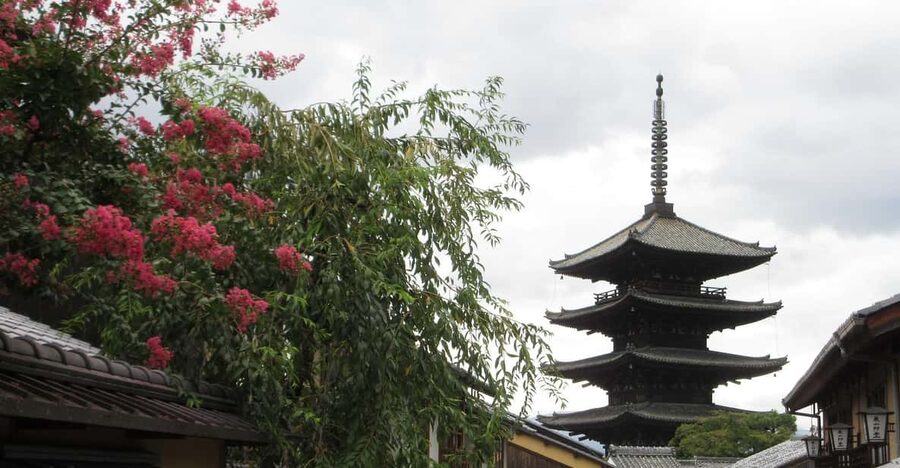
At $117 per person, this is not the cheapest way to walk through eastern Kyoto. The value comes from combining several services: an Italian-speaking guide, transport from Kyoto Station, admission to the scheduled monuments, and assistance during the itinerary.
The included tickets are important at Kiyomizu-dera, where you do not need to stop and arrange admission yourself. The included transport also removes one small planning job. You still pay for a guide, but that can be worthwhile if you want to ask questions in Italian rather than rely on signs, translation apps, or a general English tour.
The information allows either a group or individual tour, but it does not state the group size or promise a private guide. Ask before paying if that distinction affects your decision. The price may feel high for a short list of stops, but it becomes easier to justify if you value language support, local assistance, and a ready-made route through Kyoto’s most visited eastern neighborhoods.
The Italian guide makes the difference
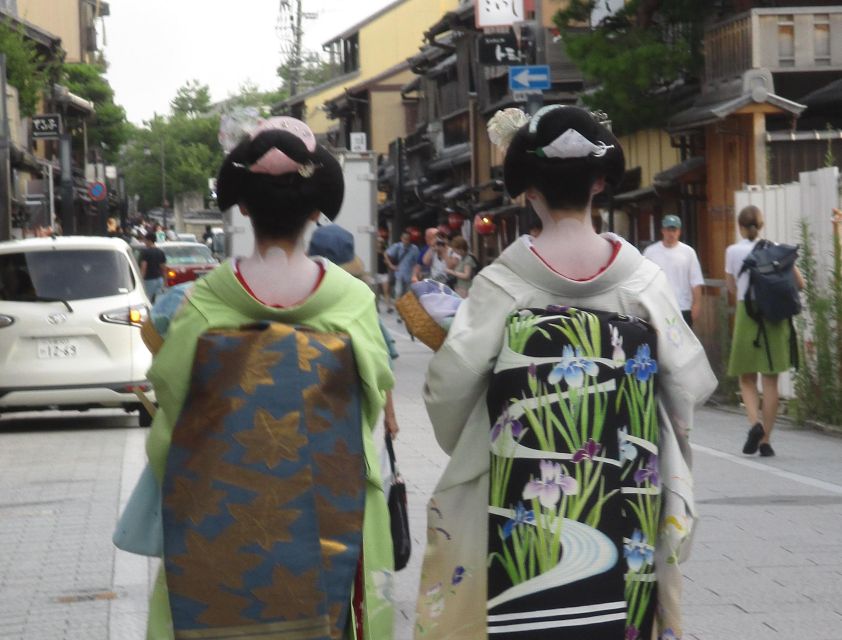
The strongest part of this experience is the guide rather than the number of locations. Guide Omae is repeatedly described as sympathetic, prepared, attentive to details, and able to explain Japanese culture in natural Italian. That is especially useful in Kyoto, where a short walk can cross religious, social, and historical boundaries that are not obvious at street level.
I like the balance suggested by the feedback about him. He is not presented as stiff or overly academic. Instead, the comments point to a guide who is sociable and easy to approach while still giving precise explanations. For you, that means the tour should work well if you want to ask basic questions, compare customs with life in Italy, or stop when something catches your attention.
The tour also includes assistance as needed during the itinerary. That is a broad promise rather than a list of specific services, but it may be helpful if you need support with the route or practical questions during the five hours.
Timing, walking, and flexibility
The full experience lasts five hours. The stated schedule includes a 15-minute bus ride, the one-hour Kiyomizu-dera visit, short walking segments through Sannenzaka and Ninenzaka, a 15-minute walk to Gion, a 30-minute guided visit there, and brief transitions near Kyoto Minami-za and Pontocho.
The route is active but not described as strenuous. You should expect to spend much of the time on foot, with pauses for sightseeing and explanations. Comfortable shoes are a sensible choice, and you should not plan another tightly timed activity immediately afterward.
Itineraries and start times can be adjusted on request as far as possible. That flexibility is useful for families, older participants, or anyone who wants to give more time to a particular stop. Still, it is a request, not a guarantee. Confirm your needs before booking, especially if you require a precise departure time or a shorter walking route.
Who should book this Kyoto tour
I would choose this experience if you want a clear introduction to Kyoto’s eastern temple and entertainment districts, need Italian guidance, and prefer to have transport and monument admission handled together. It suits first-time Kyoto visitors who want context without spending a full day on one temple.
It also fits you if you enjoy asking questions. The guide’s praised attention to detail and friendly manner should be more useful to a curious participant than to someone who only wants quick photo stops.
I would hesitate if you already know Kiyomizu-dera, Sannenzaka, Ninenzaka, Gion, and Pontocho well, or if you want a private, highly customized schedule guaranteed in advance. The route is flexible only when possible, and the Gion portion does not include a promised geisha encounter or performance.
Should you book it?
Book it if Italian explanation and practical support are worth paying for. The route covers Kyoto’s essential eastern sights in a sensible order, and the $117 fee includes transport and scheduled entrance tickets.
Skip it if you prefer to wander slowly, shop at length, or spend most of your time inside Kiyomizu-dera. For everyone else, this is a useful five-hour orientation, especially with Omae’s warm, careful approach and the chance to finish near Pontocho for your own evening plans.
FAQ
Where does the tour begin?
It begins at Kyoto Station, outside the central north entrance, also called Karasuma-Guchi. Meet in the space between the four escalators in front of the taxi terminal, not the bus terminal.
How can I identify the meeting point?
Kyoto Tower should be visible in front of Kyoto Station, toward the upper left from the meeting space. You will also receive an email by the day before with confirmation and further meeting-point details.
What language is the tour conducted in?
The live tour guide speaks Italian. Guide Omae accompanies the tour.
How long does the experience last?
The tour lasts five hours. Starting times are subject to availability.
Are transportation and entrance fees included?
Yes. The price includes the listed means of transport and entrance fees for scheduled monuments visited during the route.
Which places are visited?
The route includes Kiyomizu-dera, Sannenzaka, Ninenzaka, and Gion. It passes by Kyoto Minami-za and finishes in Pontocho.
Can the itinerary or schedule be changed?
Flexible itineraries and times can be requested as far as possible. Changes are not guaranteed, so make your request before the tour.
Just added around Kyoto
- Osaka/Kyoto: Katsuoji, Kinkakuji, Arashiyama 1-Day Bus Tour★ 4.6 · 33 reviews
- Kyoto:Kiyomizu-dera Temple Rent a kimono and ride a rickshaw★ 4.8 · 7 reviews
- Kyoto: Wagashi (Japanese sweets) Cooking near Fushimiinari★ 5.0 · 40 reviews
- Kyoto: Kimono/Yukata Rental 5 Minute from Kiyomizu-dera★ 4.7 · 89 reviews
- Kyoto Fushimiinari:Wagashi Making & Small Group Tea Ceremony★ 5.0 · 14 reviews
- Kyoto: Samurai Sword & Kimono Action Filming Experience★ 4.8 · 78 reviews
- Best of Kyoto: Red Gates of Fushimi Inari & Kiyomizu Temple★ 4.8 · 36 reviews
- Kyoto: Sake Brewery and Tasting Tour in Fushimi★ 4.8 · 55 reviews
Fushimi Inari Shrine Tours, compared.
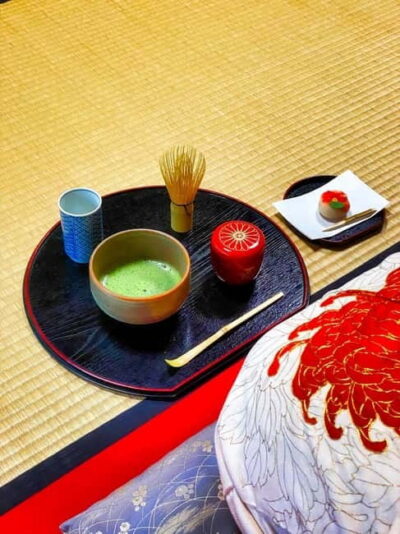
Tea Ceremony in a Traditional Tea House in Kiyomizu
Read our review →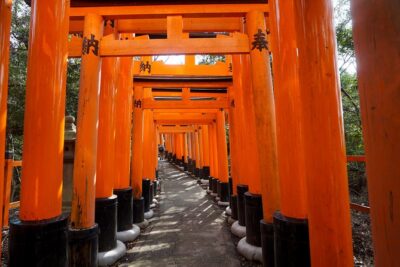
Fushimi Inari Hidden Hiking Tour (Private Option Available)
Read our review →
Osaka/Kyoto:Kinkakuji,Arashiyama,FushimiInariShrine,NaraPark
Read our review →
Kyoto/Osaka: Nara, Fushimi Inari Taisha, Arashiyama Bus Tour
Read our review →
Osaka/Kyoto: Arashiyama, Nara & Fushimi Inari Shrine w/Lunch
Read our review →
Nijo Castle, Kiyomizu & Fushimi Inari Guided Tour
Read our review →
Browse the lists this tour appears in