
REVIEW · FUSHIMI INARI SHRINE TOURS
Osaka/Kyoto: Arashiyama, Nara & Fushimi Inari Shrine w/Lunch
Arashiyama’s bamboo, Nara’s free-roaming deer, and Fushimi Inari’s endless red gates make this a strong one-day introduction to the Kyoto area. You get the three headline sights without wrestling with several train lines, station maps, and local buses. The included shabu-shabu lunch in a traditional Kyoto townhouse is another real plus, especially at $61.
I like the efficient route and the care many guides bring to the day. Gary, Nick, Eric, Mike, Tracy, and others have been praised for clear instructions, humor, photos, and keeping everyone together in hot weather. The tradeoff is time: this is a fast sampler, and Fushimi Inari can feel rushed, especially when the shrine is crowded.
Key points at a glance
- Three major sights in one day: Visit Arashiyama, Nara Park, Todai-ji, and Fushimi Inari without arranging separate transport.
- Lunch in a historic townhouse: Kyoto Wasabi serves Kobe beef shabu-shabu, pork shabu-shabu, or vegetarian curry rice.
- Mostly self-guided stops: Your guide gives instructions and background, then you explore each site on your own.
- English and Chinese support: Commentary may be offered in both languages, depending on the group.
- A full nine-hour outing: Traffic and crowds can change the schedule, so keep the rest of your evening flexible.
- Best for first-time visitors: You see the famous sights quickly, but this is not a slow, in-depth temple tour.
What this Osaka and Kyoto day trip really offers
This tour is built for a common Japan trip problem: you have limited time, but Kyoto and Nara each demand a full day if visited at a relaxed pace. The bus links four major stops and returns you to either Kyoto or Osaka, depending on your chosen arrangement.
The tour lasts about nine hours, though traffic or other delays can stretch the day. You leave from either Osaka Villa Namba or the Kyoto VIP Lounge, with the exact meeting point depending on your booking. There is no hotel pickup, so you need to reach the correct departure location yourself.
Once aboard, expect a guide to explain the plan, meeting times, and basic background. At the stops, this is generally a guided orientation followed by free time, not a continuous walking tour. That distinction matters. You will receive help getting started, but you will not have a guide beside you for every temple gate, path, or photo stop.
The bus is air-conditioned, a major comfort in Japan’s hot summer months. Some departures can be full, and one practical complaint is the lack of phone charging points. Bring a charged phone, since you may use it for photos, maps, and keeping track of the meeting point.
More Fushimi Inari Shrine Tours in Kyoto:
- Kyoto: Tea Ceremony in a Traditional Tea House in Kiyomizu
★ 4.9 · 3,519 reviews - Fushimi Inari Hidden Hiking Tour (Private Option Available)
★ 5.0 · 1,750 reviews - Osaka/Kyoto:Kinkakuji,Arashiyama,FushimiInariShrine,NaraPark
★ 4.1 · 1,596 reviews
Arashiyama Bamboo Forest: beautiful, brief, and popular
Arashiyama is usually the first major stop. The bamboo grove is one of Kyoto’s most recognizable sights, with tall stalks forming a narrow green corridor above the walking path. The effect is calm and striking, even when other people are present.
You will have time to walk through the grove, take photos, and enjoy the surrounding Arashiyama area. The bamboo path itself is not a long hike, so the stop works well as an introduction rather than a demanding excursion. Wear comfortable shoes, though, because the day involves repeated walking and standing.
The main limitation is that the famous grove is a short experience. A photo can take only minutes, while the surrounding area has much more to offer than the tour schedule allows. You might want to return independently if you hope to spend time around the wider Arashiyama district, but this stop gives you the essential view without consuming the whole day.
The bamboo is also a welcome break from the city. The tall stalks soften the noise and provide shade, although the path can still feel warm and crowded. Your guide may point out good photo locations and explain how to return to the bus, but you should pay close attention to the meeting time.
Lunch at Kyoto Wasabi in a 120-year-old townhouse
Lunch is one of the strongest parts of the package. Kyoto Wasabi operates in a traditional Kyo-Machiya townhouse that has welcomed diners for more than 120 years. The setting gives the meal a sense of place that a generic restaurant near a highway stop would not provide.
The main choice is Kobe beef shabu-shabu. Thin slices of wagyu are cooked in broth at the table, so you control how lightly or fully the meat is prepared. The dish is known for tender beef and a rich flavor, and several diners found it a highlight of the day.
You can also choose Kyoto pork shabu-shabu, with pork and tofu cooked in a fragrant broth. The vegetarian option is curry rice. That makes the lunch more useful for mixed groups, though the supplied information does not describe a separate vegan menu or additional dietary substitutions, so ask before departure if your needs are strict.
A Kobe beef aburi sushi dish is available for an extra charge on the day. It is not part of the $61 price, so budget separately if you want to add it.
The meal is filling for many people, but some found the portion modest. Lunch is also scheduled within a packed day, so do not expect a long, leisurely restaurant visit. Still, the meal provides a proper pause between sightseeing stops and adds value to the ticket. Comparable transport-only outings would not give you the same built-in meal or the convenience of being taken directly to the next site.
Nara Park and the deer
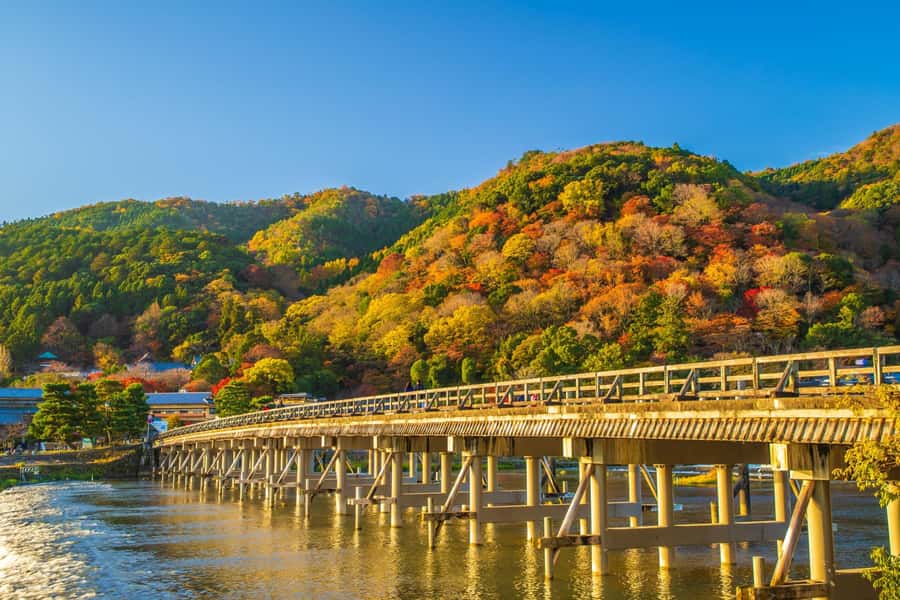
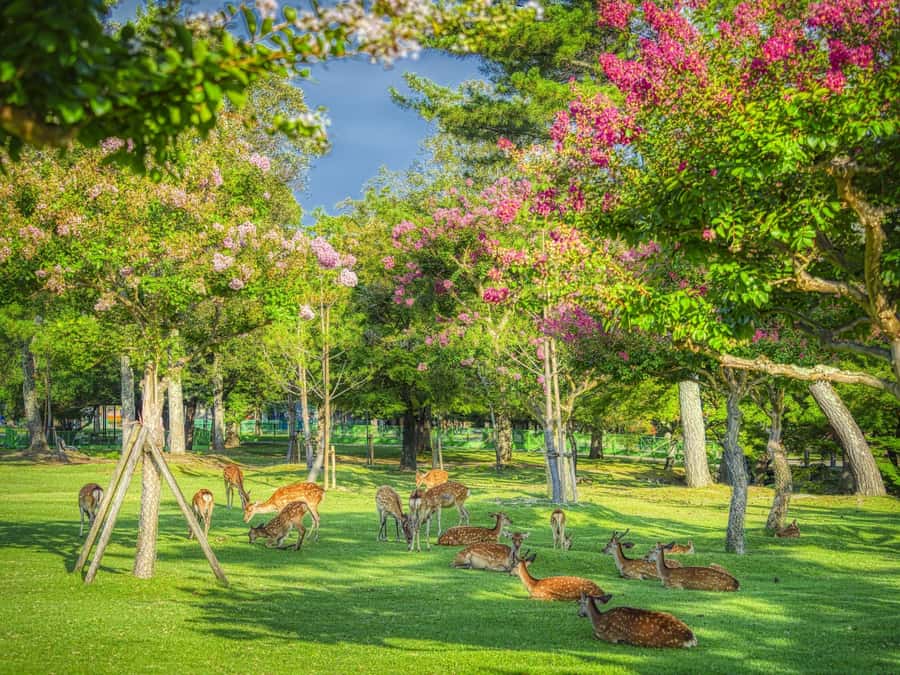
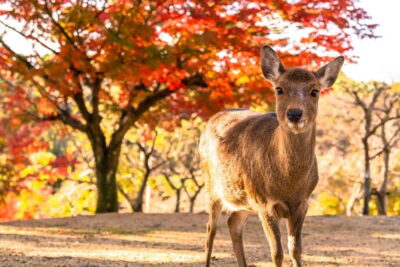
After lunch, the route continues to Nara, Japan’s ancient capital. Nara Park is famous for its deer, which move freely through the grounds and around the paths. The animals are accustomed to people, but they remain wild, so you need to treat them with care and avoid disturbing them.
This is one of the most memorable parts of the day because it feels different from a normal temple visit. You can watch the deer, take photos, and see how closely they move around the park. Keep your hands and belongings under control, and follow your guide’s instructions.
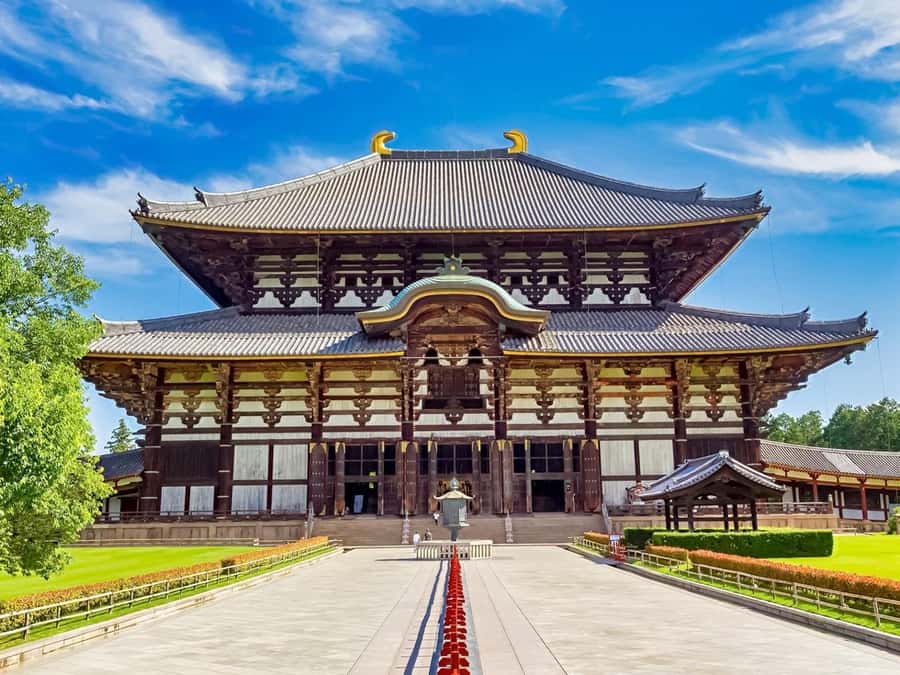
The park is also your setting for Todai-ji Temple. Entry to the temple is optional and is not included in the tour price. If you choose to go inside, you can see the colossal Buddha, which is about 15 meters tall, in one of Japan’s most important Buddhist buildings.
Todai-ji is recognized as a UNESCO World Heritage site and is described as the world’s largest wooden structure. That claim helps explain why the temple feels so imposing even during a short visit. You are not simply checking off another religious building. You are entering a landmark that shows the scale and ambition of historic Japanese Buddhist architecture.
The main decision here is how to use your time. You may want to stay with the deer, visit Todai-ji, or do both at a quick pace. If temple entry is important to you, keep an eye on the clock from the moment you leave the bus. The tour does not allow the relaxed Nara day that you could create independently.
More Trips with Lunch in Kyoto:
- Kyoto Zen Meditation & Garden Tour at a Zen Temple with Lunch
★ 5.0 · 441 reviews - Inside of Fushimi Inari – exploring and lunch with locals
★ 4.9 · 30 reviews - Teotihuacan, Guadalupe Shrine & Tlatelolco Day Tour with Lunch
★ 5.0 · 11,603 reviews - From Bangkok: Ayutthaya Temples Guided Tour with Lunch
★ 4.7 · 10,535 reviews
Fushimi Inari Shrine and its thousand gates
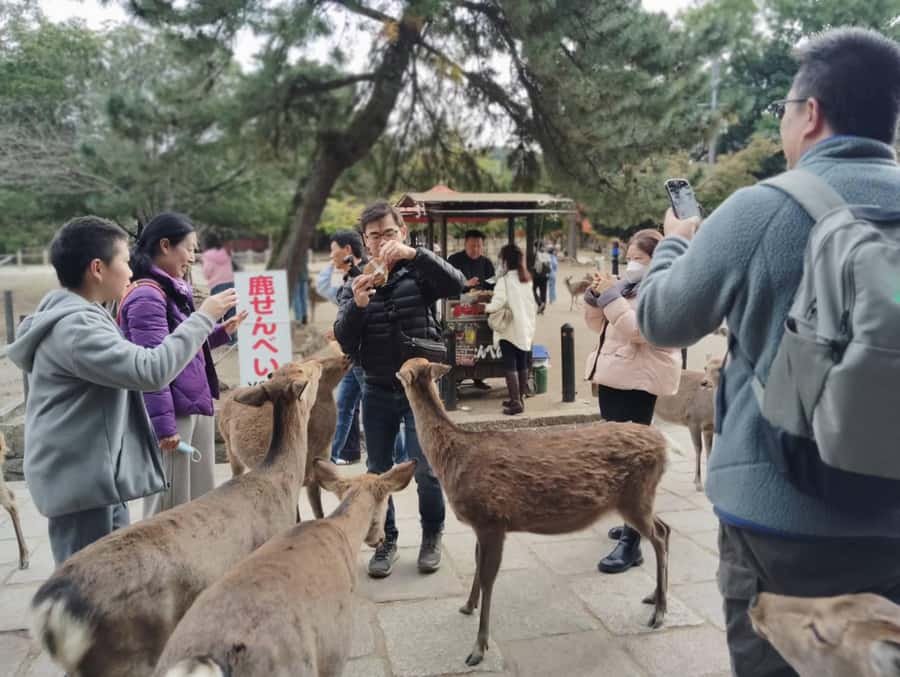
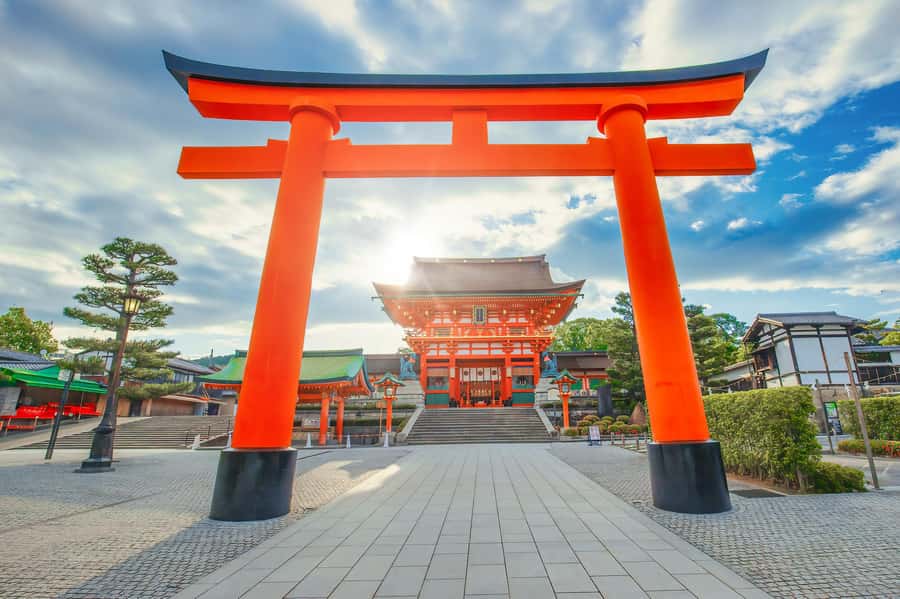
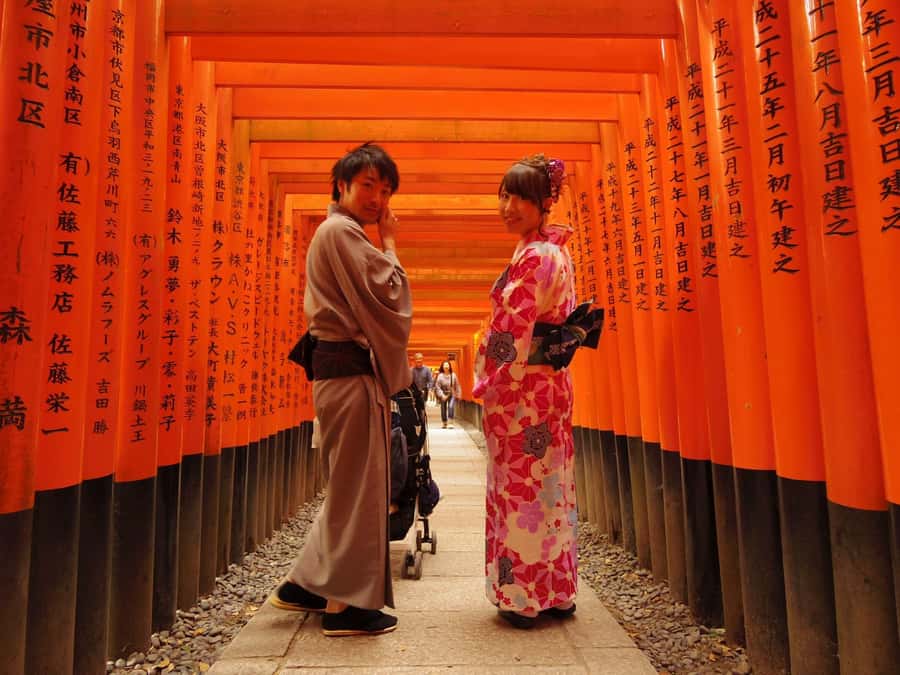
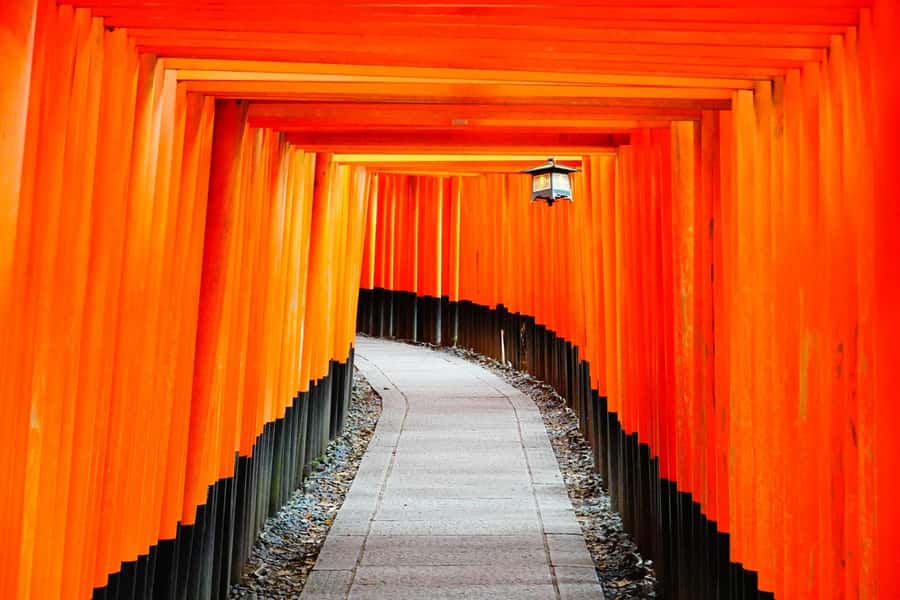
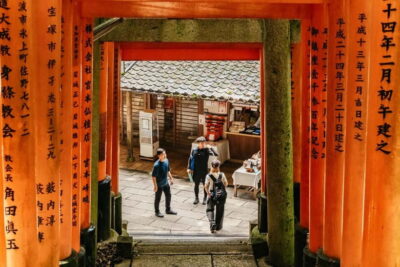
Fushimi Inari is the final major stop and perhaps the most visually famous. The shrine is known for its long lines of vermilion torii gates, which create a tunnel up Mount Inari. Each gate represents a donation and is connected with Inari Okami, a deity associated with business prosperity, household safety, and success.
You do not need to climb the entire mountain to appreciate the shrine. The lower section offers the classic gate views, while the path continues upward through smaller shrines and quieter sections. With the tour schedule, most people will focus on the entrance area and the first stretch of gates.
This is where timing matters most. The bus parking area may be some distance from the shrine entrance, and crowds can slow your pace. Around 80 minutes is enough for a quick look and photographs, but it may not be enough if you want to walk far up the mountain or pause at every shrine.
I suggest moving directly toward the torii gates when you arrive, then taking photos on the way back if time permits. Do not assume you can cover the whole site. Fushimi Inari is much larger than the familiar entrance photos suggest.
The shrine is also a useful place to ask your guide about etiquette. Guides such as Gary and Nick have helped people understand how to seek blessings and behave respectfully. You will get more from the stop if you treat it as an active religious site, not just a photo backdrop.
How the guides shape the day
The guide can make or break a tightly timed bus tour. Several guides connected with this route, including Gary, Nick, Eric, Mike, Tracy, and Kevin, have been praised for humor, local facts, clear instructions, and practical help.
The strongest guide behavior is simple but important: explain the schedule early, count the group, repeat the bus location, and make the next meeting time unmistakable. On hot days, some guides have supplied refreshing wipes, fans, or reminders to refill water. That kind of care matters more than a long lecture when you are walking between crowded sites.
Commentary may be in English, Chinese, or both, depending on the group. English pronunciation can vary, so you might occasionally need to listen closely. Still, the guide’s role is mainly to prepare you for each stop and keep the day moving.
If you arrive late or go to the wrong meeting point, the bus may leave without you. The operator says the guide’s participant list is tied to the selected location, and a refund is not issued for missing the departure. If you need to change locations, contact the operator at least two days ahead.
Is $61 a good value?
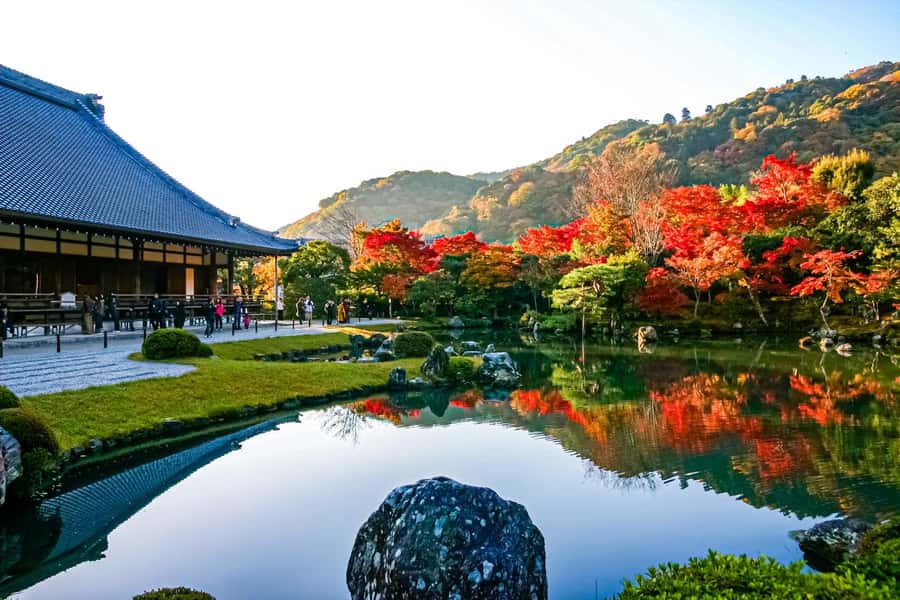
At $61 per person, the value is strongest if you are staying in Osaka and want a simple way to see Kyoto and Nara highlights in one day. The price includes an air-conditioned vehicle, an English or Chinese-speaking guide, lunch, taxes, and handling fees.
You still need to pay the optional Todai-ji entrance fee, and there is no hotel pickup. Even so, the combination of transport and lunch makes the price attractive for a first visit. You avoid paying separate train fares, figuring out transfers, and coordinating four major sights on your own.
The price is less compelling if you already know Kyoto and prefer slow visits. Independent travel gives you more control over how long you spend at Arashiyama or Fushimi Inari. It also lets you return to a favorite site instead of following a fixed loop.
Think of the tour as a practical sampler. You pay for convenience and coverage, not solitude or depth.
Who should book this experience?
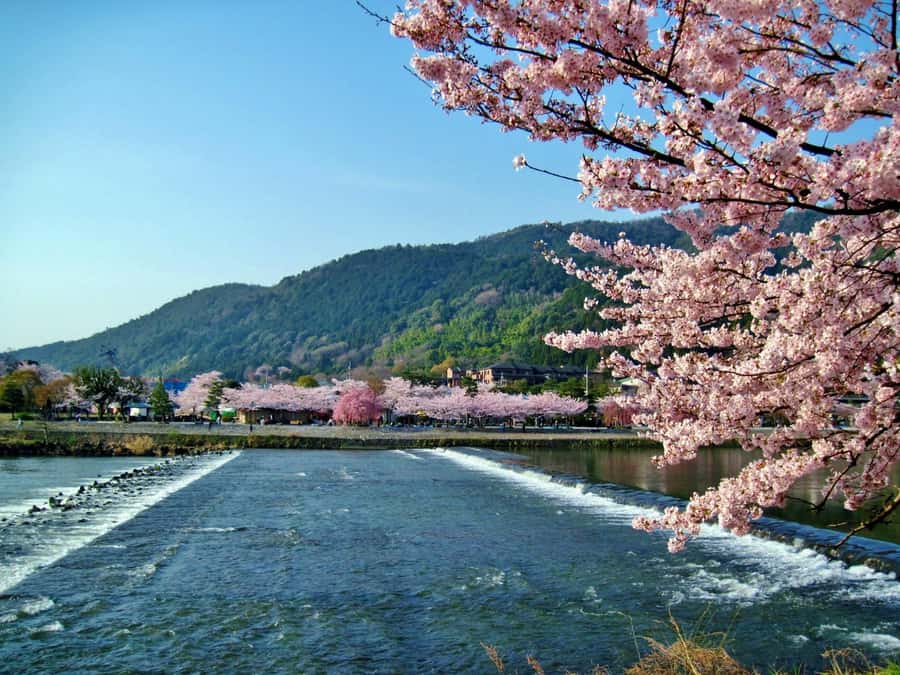
I would choose this trip if you have one free day, are based in Osaka or Kyoto, and want to see the most recognizable sights with minimal transport planning. It suits solo visitors, couples, and families who value an organized route.
It also works well for first-time visitors who are unsure how the Kyoto and Nara stops connect. The bus removes much of the navigation burden, and the guide provides a clear framework.
You may want another option if you dislike fixed schedules, need long meal breaks, have limited walking stamina, or want serious time at one temple. The day is active, and crowded paths can make the schedule feel even shorter.
Summer visitors should prepare carefully. Bring water, sun protection, and a fully charged phone. The air-conditioned bus helps, but most of the important sightseeing happens outdoors. Comfortable shoes are a must.
Final decision: book it for coverage, not leisure
Book this tour if your priority is seeing Arashiyama, Nara Park, Todai-ji, and Fushimi Inari in one organized day. The included townhouse lunch, helpful guides, and return transport make it a strong deal at $61.
Skip it if you want to climb deep into Fushimi Inari, linger in Arashiyama, or explore Nara at a slow pace. You will see the major sights, but you will need to watch the clock. For a first look at the Kyoto area, though, this is a sensible and well-priced route.
FAQ
How long does the tour last?
The tour takes approximately nine hours. Traffic and other unforeseen conditions can make the day longer, and additional stops may be made if needed to cover the planned sights.
Where does the tour start?
The departure point is either Osaka Villa Namba or the Kyoto VIP Lounge, depending on the option booked. Check your selected meeting point carefully before departure.
Does the tour include hotel pickup?
No. Hotel pickup and drop-off are not included. You must reach the assigned meeting point yourself.
Can I return to Osaka or Kyoto after the tour?
Yes. The return bus offers the option to disembark in either Kyoto or Osaka, depending on the arrangements for your departure.
Is lunch included?
Yes. Lunch is included at Kyoto Wasabi, a traditional Kyoto townhouse. Options include Kobe beef shabu-shabu, Kyoto pork shabu-shabu, and vegetarian curry rice.
Is the Kobe beef aburi sushi included?
No. Kobe beef aburi sushi is available as an additional on-site purchase on the day.
Is the Todai-ji entrance fee included?
No. Entry to Todai-ji is optional and requires a separate entrance payment.
What languages are offered?
The tour provides English or Chinese-speaking guidance. Depending on the group, commentary may be given in both languages.
Do I need to visit the entire Fushimi Inari route?
No. The shrine path continues up Mount Inari, but you can visit the lower gates and return to the bus. The available time may not allow a full climb.
What happens if I arrive late?
The bus departs promptly and cannot wait for late arrivals. Arriving at the wrong meeting point or missing departure may mean missing the tour without a refund.
Just added around Kyoto
- Osaka/Kyoto: Katsuoji, Kinkakuji, Arashiyama 1-Day Bus Tour★ 4.6 · 33 reviews
- Kyoto:Kiyomizu-dera Temple Rent a kimono and ride a rickshaw★ 4.8 · 7 reviews
- Kyoto: Kimono/Yukata Rental 5 Minute from Kiyomizu-dera★ 4.7 · 89 reviews
- Kyoto: Wagashi (Japanese sweets) Cooking near Fushimiinari★ 5.0 · 40 reviews
- Kyoto Fushimiinari:Wagashi Making & Small Group Tea Ceremony★ 5.0 · 14 reviews
- Kyoto: Samurai Sword & Kimono Action Filming Experience★ 4.8 · 78 reviews
- KYOTO: Tempio Kiyomizu Pagode Gion “Geisya” (Guida Italiana)★ 4.7 · 17 reviews
- Best of Kyoto: Red Gates of Fushimi Inari & Kiyomizu Temple★ 4.8 · 36 reviews
Fushimi Inari Shrine Tours, compared.
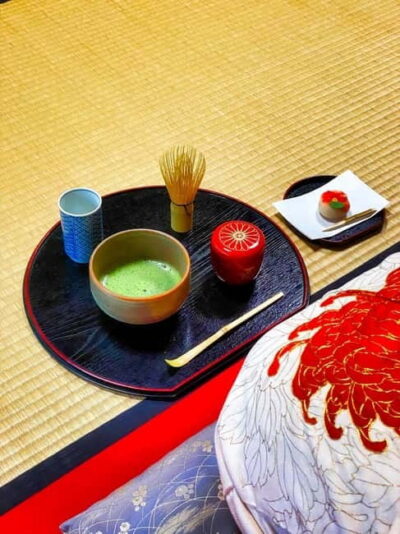
Tea Ceremony in a Traditional Tea House in Kiyomizu
Read our review →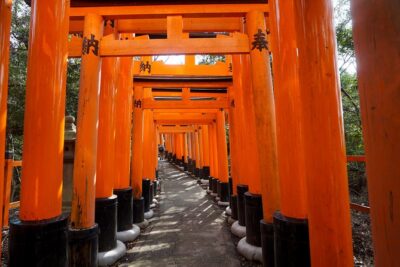
Fushimi Inari Hidden Hiking Tour (Private Option Available)
Read our review →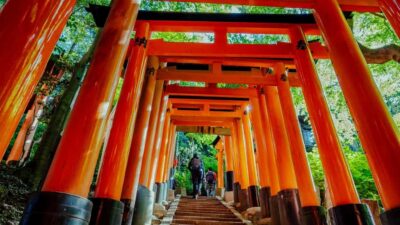
Osaka/Kyoto:Kinkakuji,Arashiyama,FushimiInariShrine,NaraPark
Read our review →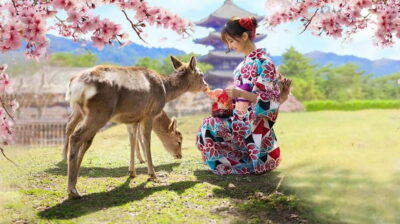
Kyoto/Osaka: Nara, Fushimi Inari Taisha, Arashiyama Bus Tour
Read our review →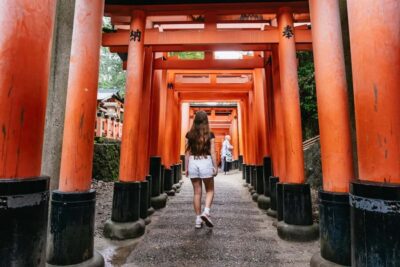
Nijo Castle, Kiyomizu & Fushimi Inari Guided Tour
Read our review →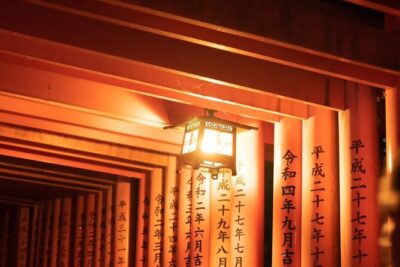
Kyoto/Osaka: Kinkakuji, Bamboo Forest, and Nara Deer Park
Read our review →Browse the lists this tour appears in