
REVIEW · FUSHIMI INARI SHRINE TOURS
Inside of Fushimi Inari – exploring and lunch with locals
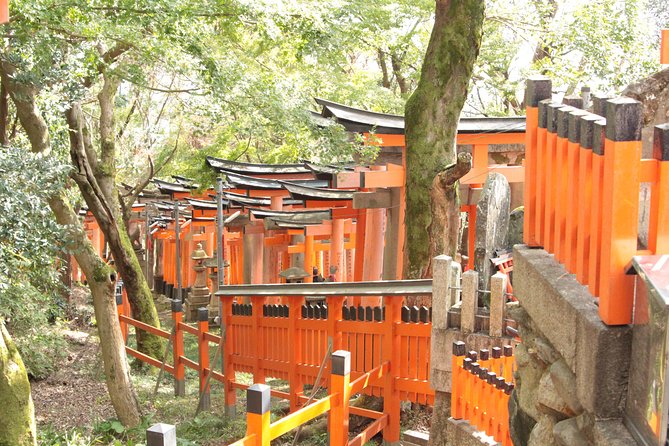
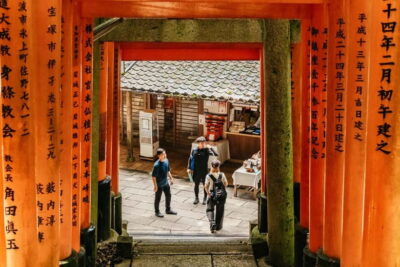
Fushimi Inari is famous for its endless tunnel of red torii gates, but this four-hour walk shows you the quieter mountain behind the postcard view. You’ll visit worship stones, a waterfall, bamboo and cedar paths, a torii-making workshop, and the summit shrine at 233 meters. I especially like the less crowded forest route and the chance to meet people who still work around the shrine.
I also like the simple mountain break, with hot tea and a boiled egg, followed by soba at a traditional local restaurant. Guides including Ko, Go, Kenji, and Taishi have been praised for clear explanations and a relaxed pace. The one thing to consider is the walking: it is easy to moderate, but stairs and uphill sections make comfortable shoes essential.
Key points at a glance
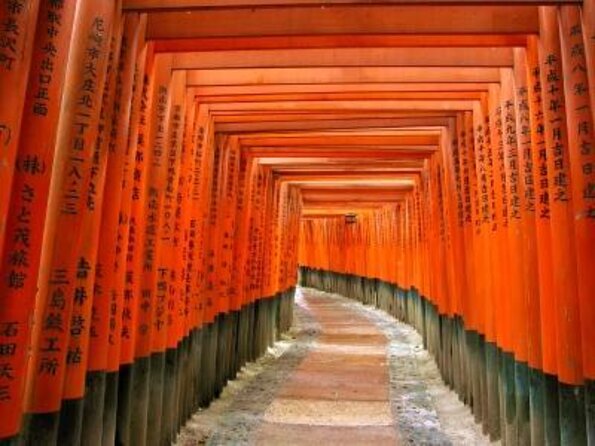
- See the quieter side of Fushimi Inari: Leave the busiest torii route for bamboo, cedar forest, worship stones, and peaceful mountain paths.
- Reach the 233-meter summit shrine: The climb takes about 20 minutes on the forest route, with breaks and a casual pace.
- Meet a torii craftsman: A visit to a local factory can reveal how the shrine’s famous gates are made.
- Enjoy a real mountain tea break: Hot Japanese tea and a salted boiled egg are served at a scenic hut.
- Finish with soba and inari sushi: Lunch includes Japanese noodles and fried sweet sushi, with vegan and dietary options available if requested ahead.
- Keep the group small: No more than 10 people join, and the same guide leads the walk back to the Great Torii.
Why this Fushimi Inari walk feels different
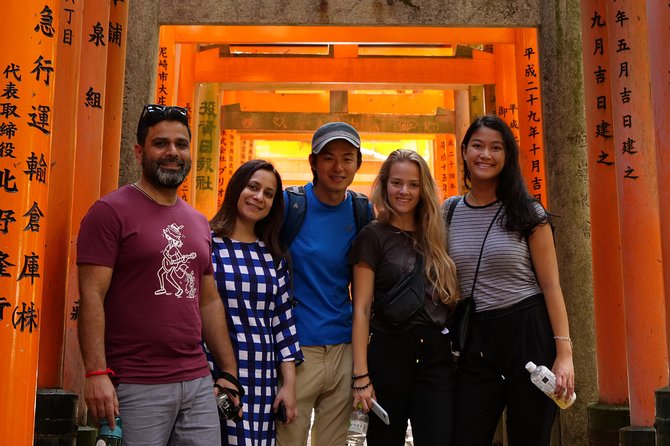
Many people arrive at Fushimi Inari, take photographs beneath the first rows of torii gates, and turn back before the path becomes quiet. This experience takes the mountain seriously. You still see the main shrine and its famous gates, but you also spend time in the less obvious places that give Fushimi Inari its sense of place.
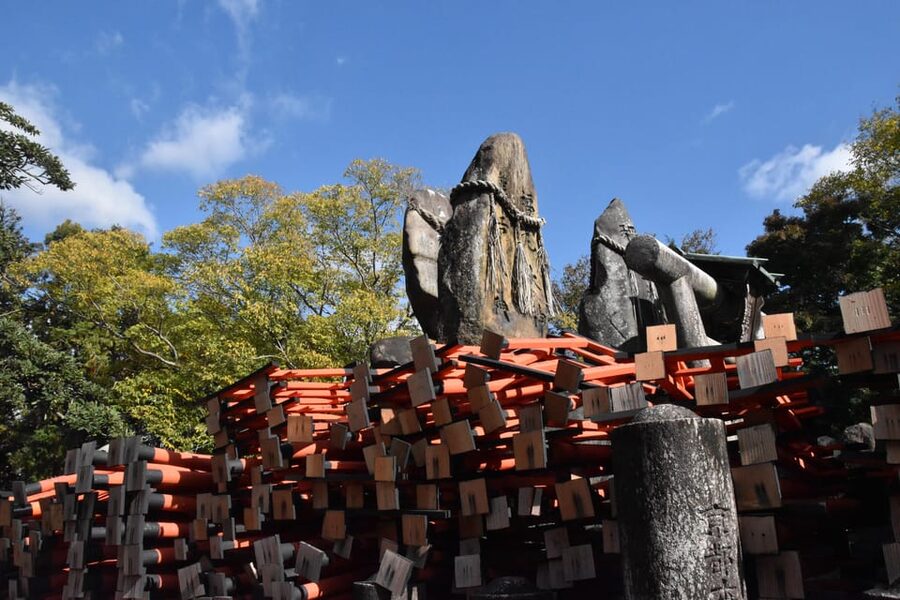
The focus is not only on photographs. Your English-speaking guide explains the meaning of the shrine, the role of Shinto worship, and why so many torii gates line the mountainside. You’ll also see worship stones and a waterfall, then follow a route through bamboo and cedar trees.
That local focus is the main reason to book with a guide. Without one, you can walk the same mountain, but you may pass a factory, small holy spots, or quieter photo locations without knowing what makes them important.
More Fushimi Inari Shrine Tours in Kyoto:
- Kyoto: Tea Ceremony in a Traditional Tea House in Kiyomizu
★ 4.9 · 3,519 reviews - Fushimi Inari Hidden Hiking Tour (Private Option Available)
★ 5.0 · 1,750 reviews - Osaka/Kyoto:Kinkakuji,Arashiyama,FushimiInariShrine,NaraPark
★ 4.1 · 1,596 reviews
Meeting at the Great Torii near JR Inari Station
The meeting point is the stone pillar at the first Great Torii, across from the JR Inari Station exit. The finishing point is the same, which makes this easy to fit into a Kyoto day.
If you arrive by the Keihan line, Fushimi-Inari Station is about a 10-minute walk away. The location is practical, but pay attention to the exact meeting spot because the shrine area has several gates and station exits.
The group is limited to 10 people. That matters here. The main approach can be crowded, and a small group is easier to keep together when the guide turns onto narrow forest paths or stops to explain a shrine detail.
Starting with the shrine and thousands of torii gates
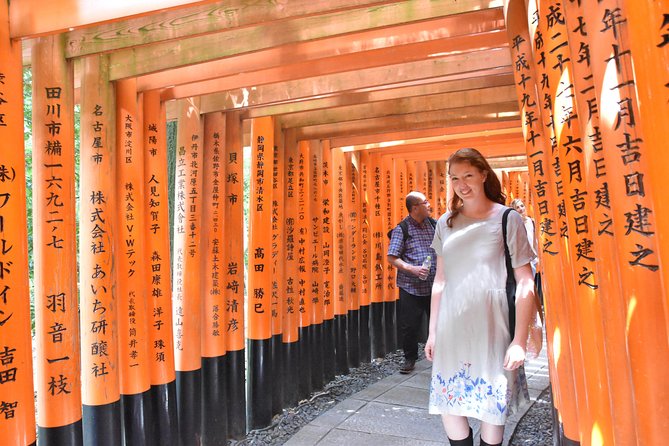
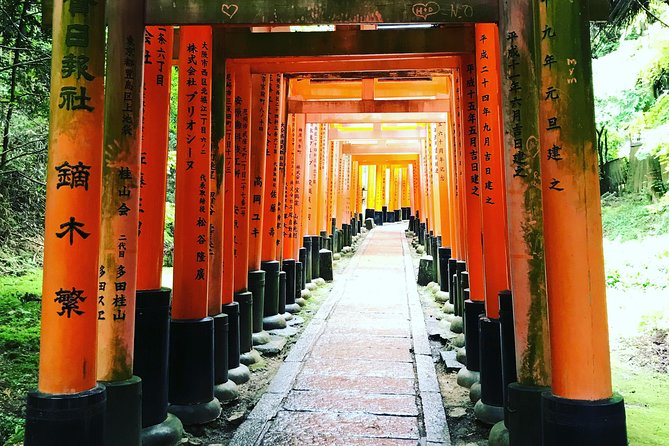
The walk begins with the main shrine area and the first stretch of red-orange torii gates. Your guide explains the background of the shrine and the cultural meaning of the gates, rather than treating them as a simple photo backdrop.
Fushimi Inari is dedicated to Inari, a Shinto deity associated with rice, prosperity, and business success. The fox figures around the shrine are regarded as messengers of Inari. Your guide can help you notice these details and explain the customs connected with worship.
The first torii-lined sections are usually the busiest part of the visit. Expect people stopping for pictures and moving at different speeds. The advantage of this tour is that you do not spend the full four hours in that crush. After seeing the essential sights, the walk moves toward quieter routes.
Bamboo, cedar, worship stones, and a waterfall
The forest section is where the experience becomes more than a standard shrine visit. You’ll walk through bamboo and cedar trees on organized paths, with some stairs and uphill stretches.
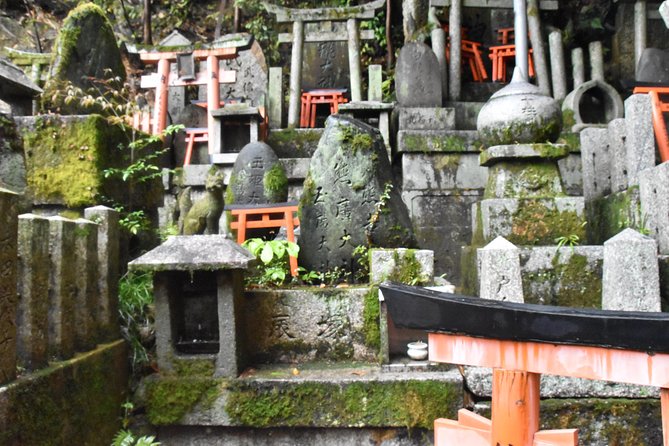
The route includes authentic worship sites such as stones and a waterfall. These are quieter places, and your guide gives you a better sense of how the mountain functions as a religious site, not only as a scenic walk.
This section suits you if you enjoy walking with a little context. It is not a strenuous mountain expedition, but it is not a flat sightseeing stroll either. The path rises and falls, and the schedule may shift according to the group’s pace.
Wear shoes with good grip. A hands-free backpack is also a smart choice because you will want both hands free for stairs, photographs, and steady walking.
More Trips with Lunch in Kyoto:
- Osaka/Kyoto: Arashiyama, Nara & Fushimi Inari Shrine w/Lunch
★ 4.4 · 754 reviews - Kyoto Zen Meditation & Garden Tour at a Zen Temple with Lunch
★ 5.0 · 441 reviews - Teotihuacan, Guadalupe Shrine & Tlatelolco Day Tour with Lunch
★ 5.0 · 11,603 reviews - From Bangkok: Ayutthaya Temples Guided Tour with Lunch
★ 4.7 · 10,535 reviews
A local factory and the people behind the torii gates
One of the more unusual parts of the walk is the chance to visit a local factory. A May 2025 visit included the added treat of watching a master carve torii columns. That kind of stop gives you something most visitors miss: a look at the work and skill behind the shrine’s most recognizable feature.
The factory visit also supports the broader aim of the experience, which is to connect the shrine with the surrounding community. You are not simply moving from one famous viewpoint to another. You are seeing how local people maintain traditions and crafts connected to Fushimi Inari.
The exact factory activity can depend on the day, so I would treat the carving demonstration as a possible bonus rather than a guaranteed part of every departure.
The forest route to the 233-meter summit shrine
The summit section takes about 20 minutes by forest route. The mountain rises to 233 meters, so this is a real climb, even though it is manageable for most people who are comfortable with stairs and moderate walking.
The guides keep the pace casual and allow breaks. That is useful because people in one small group may have different levels of fitness. You are not expected to race upward, and the schedule can change with walking speed.
At the summit shrine, the guide shows you around and explains what you are seeing. Reaching this point gives the walk a satisfying shape: you begin among the busy lower shrine buildings, pass through forest and smaller worship sites, then arrive at a quieter upper shrine.
The tradeoff is time. Four hours is enough for a good introduction, but not enough for a slow, private meditation at every stop. If you want to photograph every gate or linger at every shrine, you may need to move along at the group’s pace.
Photographing the mountain on the way down
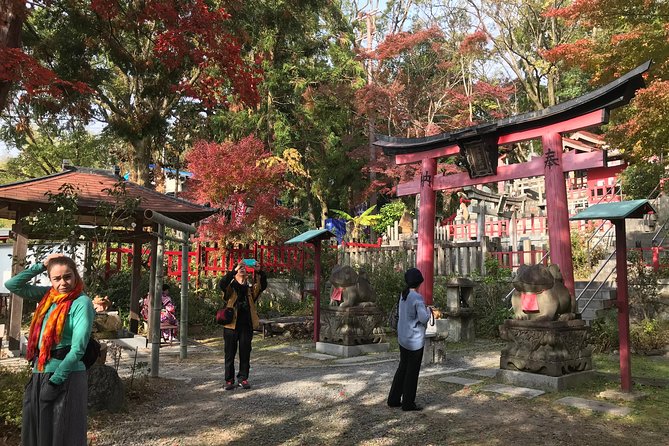
The return route includes several photo stops chosen for lower crowds. This is one of the strongest practical reasons to take the tour with a guide. A local guide knows where to pause and when to avoid the most crowded sections.
You’ll have opportunities to photograph torii gates, bamboo, cedar forest, shrine details, and views toward Kyoto. The guides can also help you find cleaner compositions away from the main flow of people.
The photo part is built into the walk rather than treated as a separate professional session. The experience does not promise a dedicated photographer or edited portraits, so bring your own phone or camera and be ready to take your own pictures.
Tea, a salted egg, and a view over Kyoto
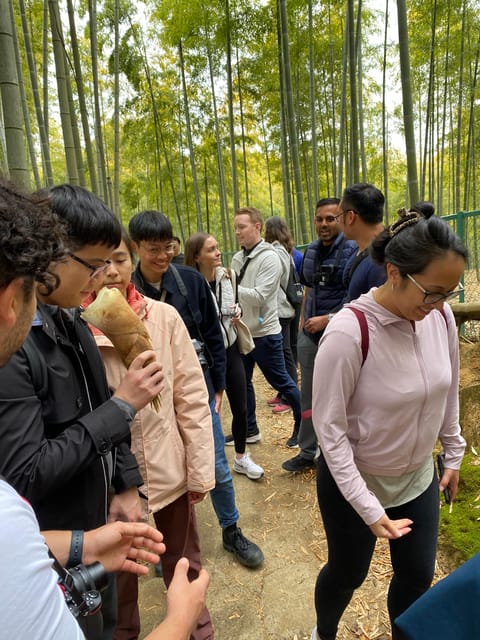
A mountain hut stop provides hot Japanese tea and a boiled egg with salt. It is a modest snack, but it works well after the uphill section. The break gives you time to sit, ask questions, and enjoy the panorama over Kyoto.
This is also a good example of why small inclusions can matter. A drink and snack are not the main reason to book the walk, but they make the climb feel more comfortable and add a distinctly local touch.
Some participants have also received offerings, fortunes, or ice cream during the experience. These extras may vary, so I would not book solely for them. The confirmed food and drink elements are the soba and inari sushi lunch, plus tea and a boiled egg at the mountain hut.
Soba lunch at a traditional local restaurant
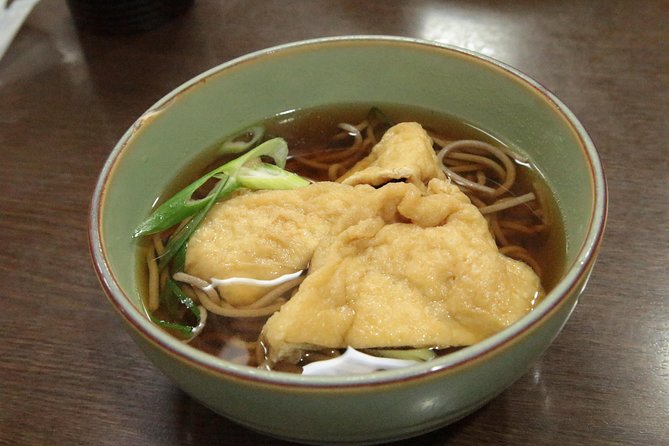
Lunch is served at a traditional local restaurant and includes Japanese soba noodles and inari sushi, also called fried sweet sushi. The meal lasts about 30 minutes and gives you a chance to sit down after roughly three hours of walking.
Soba is a fitting choice for this outing. It is a familiar Japanese dish, but it is also light enough after a mountain walk. The inari sushi adds a connection to the shrine’s food traditions, since the name refers to the same deity associated with Fushimi Inari.
Drinks at the lunch restaurant are not included, so set aside a little extra money. Vegan choices are available, and other dietary needs can be accommodated, but you must tell the organizer in advance. Do not wait until lunchtime to raise the issue.
The restaurant meal is one of the better value points in the $67 price. You are paying for more than a plate of noodles. The fee also covers the guide, local interpretation, mountain snack and tea, route planning, and access to places that are difficult to understand on your own.
What $67 gets you
At $67 per person, this is not the cheapest way to walk Fushimi Inari. You can enter the shrine grounds without paying an admission fee and follow the mountain paths independently.
The value comes from the added structure and local knowledge. For four hours, you receive an English-speaking guide, a small group, explanations of Shinto and the shrine, a planned route through quieter areas, a summit visit, a tea break, and lunch.
I think the price makes the most sense if this is your first visit to Fushimi Inari or if you have limited time in Kyoto. You can see the key shrine areas without spending half a day studying a map or guessing which side paths are worth taking.
If you already know Fushimi Inari well and prefer walking alone, the price may feel unnecessary. Independent visitors can reach the summit and choose their own pace. The tour earns its cost through interpretation, local access, and a meal rather than entrance tickets.
The guides and the small-group pace
The experience is offered in English, with guides including Ko, Go, Kenji, Yuya, Taishi, and others from Japan Exploration Tours JIN. The strongest pattern in the guide feedback is their friendly manner, clear explanations, and willingness to answer questions.
Go has been praised for useful advice about places to visit after the walk. Kenji is noted for explaining both Fushimi Inari and wider Shinto traditions. Taishi and his assistant have led groups with a particularly social, relaxed style.
You should still expect guide-to-guide differences. The main structure remains the same, but the conversation, pace, and local recommendations can vary. That is normal for a small-group experience with several guides.
The maximum group size is 10. That is small enough for questions and easier movement, but it does not mean a private tour. If you want complete control over stops, timing, and lunch, ask about a private option before booking rather than assuming one is included.
Who should book this experience
I would recommend this walk if you want to understand Fushimi Inari instead of simply photographing it. It suits people who enjoy cultural context, moderate walking, local food, and quieter routes.
It is also a good fit for solo visitors and couples who want the ease of a planned morning or afternoon. The guide handles the route, and the small group creates a social setting without the scale of a large coach tour.
Families with older children may enjoy it, especially if they are comfortable with stairs. The experience is not described as wheelchair accessible, and the mountain paths include uphill sections, stairs, and uneven walking demands. Anyone with mobility concerns should contact the provider before reserving.
You should think twice if you dislike group schedules, want a flat route, or have no interest in guided explanations. The walk is relaxed, but it still has a fixed meeting time, a summit climb, and a group lunch.
Practical details before you reserve
Wear comfortable clothes and proper walking shoes. Bring a hands-free backpack, water for the walk, and a little extra money for lunch drinks.
The total duration is four hours, with about three hours of hiking and a 30-minute lunch period. The timing may change according to walking speed, so avoid scheduling a tight appointment immediately afterward.
The experience allows free cancellation up to 24 hours before departure, and you can reserve now and pay later. Starting times vary, so check availability for your date.
Should you book the Fushimi Inari local walk?
Book it if you want the quiet forest side of Fushimi Inari, a guide who can explain Shinto and local customs, and a proper lunch at the end. The torii gates are only the beginning here. The bamboo, worship stones, factory visit, summit shrine, tea hut, and Kyoto view give the morning or afternoon much more shape.
Skip it if you prefer complete independence or plan to spend many hours wandering every path at your own speed. For most first-time visitors, though, $67 is a fair price for four hours of focused guiding, local food, and access to details that are easy to miss alone.
FAQ
How long does the Fushimi Inari experience last?
The experience lasts four hours. About three hours are used for hiking, with a 30-minute lunch period.
Where is the meeting point?
Meet at the stone pillar beside the first Great Torii, across from the JR Inari Station exit. The same Great Torii is used as the finishing point.
How do I reach the meeting point from Fushimi-Inari Station?
The meeting point is about a 10-minute walk from Fushimi-Inari Station on the Keihan line.
Is the tour conducted in English?
Yes. The live guide language is English.
How large is the group?
The experience is limited to 10 participants.
How high is the summit?
The summit shrine is at an elevation of 233 meters. The forest route to the summit takes about 20 minutes.
What food is included?
Lunch includes Japanese soba noodles and inari sushi. Tea and a salted boiled egg are included at a mountain hut.
Are vegan and allergy-friendly options available?
Yes. Vegan options and choices for allergies or dietary restrictions are available, but you must tell the provider in advance.
What should I wear and bring?
Wear comfortable clothing and walking shoes. Bring a hands-free backpack because the route includes stairs and uphill sections.
Just added around Kyoto
- Osaka/Kyoto: Katsuoji, Kinkakuji, Arashiyama 1-Day Bus Tour★ 4.6 · 33 reviews
- Kyoto:Kiyomizu-dera Temple Rent a kimono and ride a rickshaw★ 4.8 · 7 reviews
- Kyoto: Wagashi (Japanese sweets) Cooking near Fushimiinari★ 5.0 · 40 reviews
- Kyoto: Kimono/Yukata Rental 5 Minute from Kiyomizu-dera★ 4.7 · 89 reviews
- Kyoto Fushimiinari:Wagashi Making & Small Group Tea Ceremony★ 5.0 · 14 reviews
- Kyoto: Samurai Sword & Kimono Action Filming Experience★ 4.8 · 78 reviews
- KYOTO: Tempio Kiyomizu Pagode Gion “Geisya” (Guida Italiana)★ 4.7 · 17 reviews
- Best of Kyoto: Red Gates of Fushimi Inari & Kiyomizu Temple★ 4.8 · 36 reviews
Fushimi Inari Shrine Tours, compared.
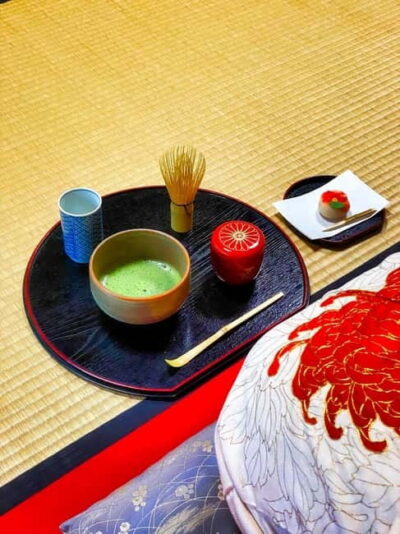
Tea Ceremony in a Traditional Tea House in Kiyomizu
Read our review →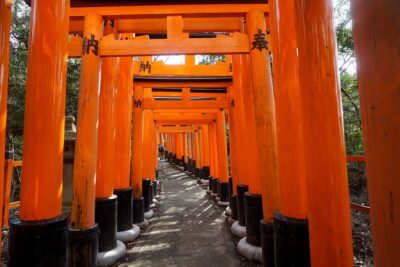
Fushimi Inari Hidden Hiking Tour (Private Option Available)
Read our review →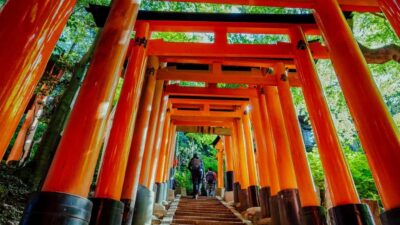
Osaka/Kyoto:Kinkakuji,Arashiyama,FushimiInariShrine,NaraPark
Read our review →
Kyoto/Osaka: Nara, Fushimi Inari Taisha, Arashiyama Bus Tour
Read our review →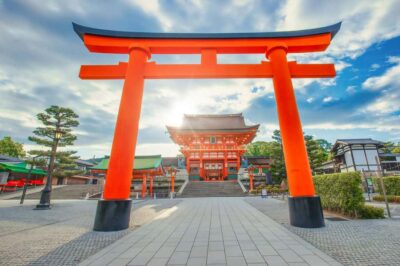
Osaka/Kyoto: Arashiyama, Nara & Fushimi Inari Shrine w/Lunch
Read our review →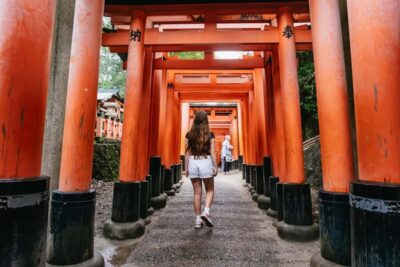
Nijo Castle, Kiyomizu & Fushimi Inari Guided Tour
Read our review →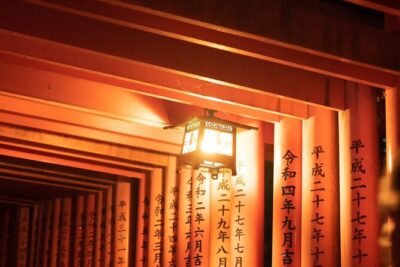
Browse the lists this tour appears in