
REVIEW · FUSHIMI INARI SHRINE TOURS
Osaka/Kyoto:Kinkakuji,Arashiyama,FushimiInariShrine,NaraPark
The clever part of this tour is its reach: in roughly one day, you see Nara’s free-roaming deer, Kyoto’s Golden Pavilion, the Arashiyama Bamboo Grove, and Fushimi Inari’s endless red gates. Guides such as Harry, Gary, Mike, Tracy, and Panda have been praised for clear directions, humor, history, and keeping a large group moving.
I especially like the air-conditioned bus, which saves you from piecing together several train and bus rides, and the choice between an Osaka or Kyoto start and finish. The tradeoff is time: four major sights make for a packed day, and Arashiyama can feel rushed, especially with the Kobe beef lunch option.
Key points to know before booking
- Four famous sights in one day: Visit Nara Park, Todai-ji, Arashiyama, Kinkaku-ji, and Fushimi Inari without planning several separate connections.
- The schedule favors variety over depth: You get a useful first look at each place, but not a slow, open-ended visit.
- Arashiyama time depends on lunch: Lunch guests get 60 minutes in Arashiyama after a 50-minute meal, while others get about 120 minutes there.
- Kobe beef is an Osaka-only upgrade: The optional Shabu-Shabu lunch includes an explanation of Kobe beef and its strict quality standards.
- Guides make a real difference: Past guides named Harry, Gary, Mike, Tracy, Nick, Ben, Panda, and others have been praised for organization and local explanations.
- Expect a long, active day: The tour lasts about nine hours, though traffic can change the timing, and one report counted roughly 21,000 steps.
Four major sights without four separate transport plans
Kyoto and Nara are easy to visit by public transport once you understand the routes. The trouble is fitting all four stops into one day, especially when you are also trying to find the right station, platform, bus stop, and return connection.
This tour handles the long jumps by coach. You meet at the assigned VIP Lounge in Osaka or Kyoto, board an air-conditioned vehicle, and let the guide manage the order of the day. That is the main value here. You are buying less stress and more sightseeing time, not a slow private tour.
The price is $66 per person, before any optional lunch cost. That is a reasonable rate if you want to see several headline sights and avoid arranging transport between Osaka, Kyoto, Nara, Arashiyama, and Fushimi Inari yourself. Entrance to Kinkaku-ji is included. Todai-ji admission is not, so keep a little extra cash available for that stop.
The group can be large. That keeps the price down, but it also means you must listen carefully to meeting instructions and return to the bus on time. Guides such as Tracy, Harry, and Gary have been praised for giving clear departure reminders, while one visitor wished the guide had set a more obvious meeting point near the bus. In crowded places, do not rely on spotting the guide by chance.
More Fushimi Inari Shrine Tours in Kyoto:
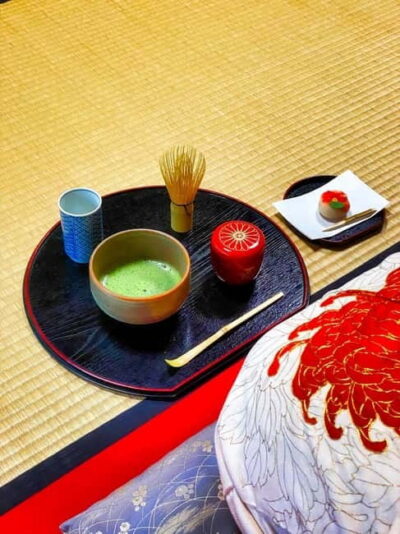
- Kyoto: Tea Ceremony in a Traditional Tea House in Kiyomizu
★ 4.9 · 3,519 reviews - Fushimi Inari Hidden Hiking Tour (Private Option Available)
★ 5.0 · 1,750 reviews - Kyoto/Osaka: Nara, Fushimi Inari Taisha, Arashiyama Bus Tour
★ 4.7 · 1,275 reviews
Nara Park and the Great Buddha at Todai-ji
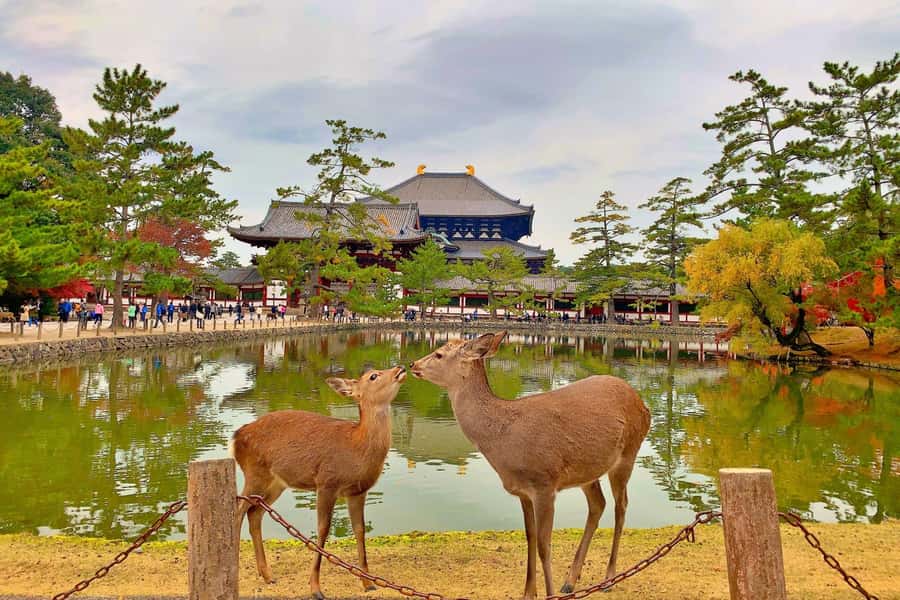
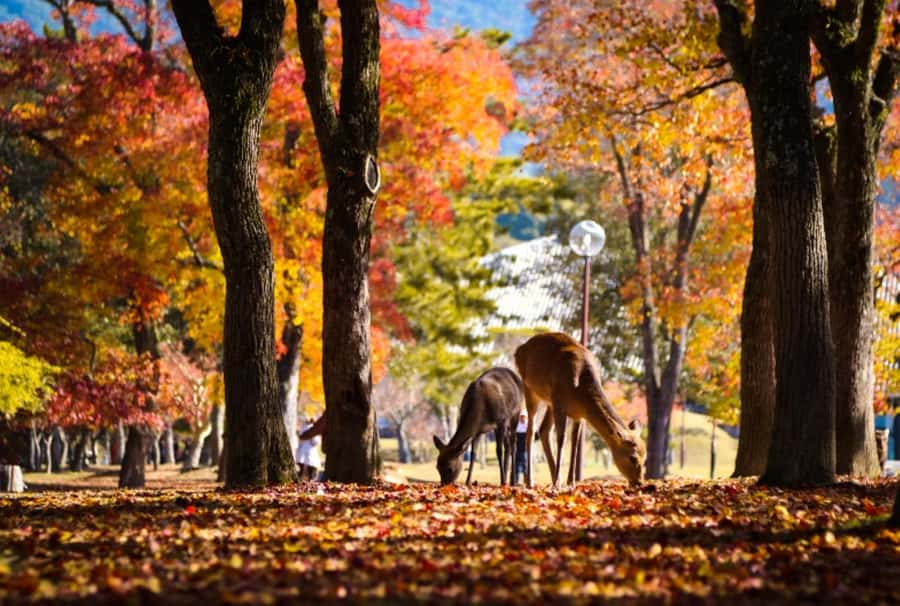
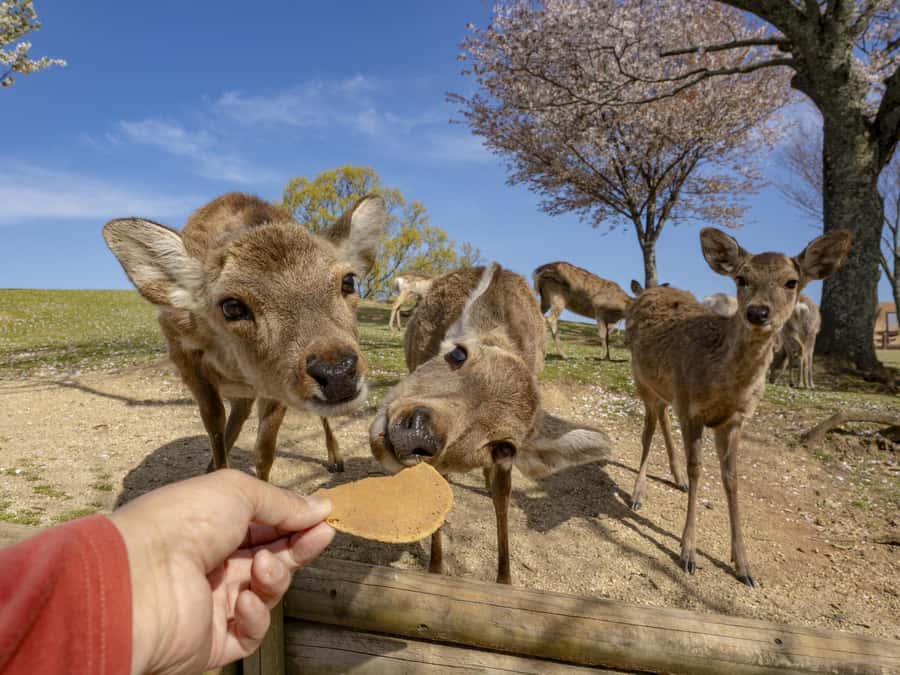
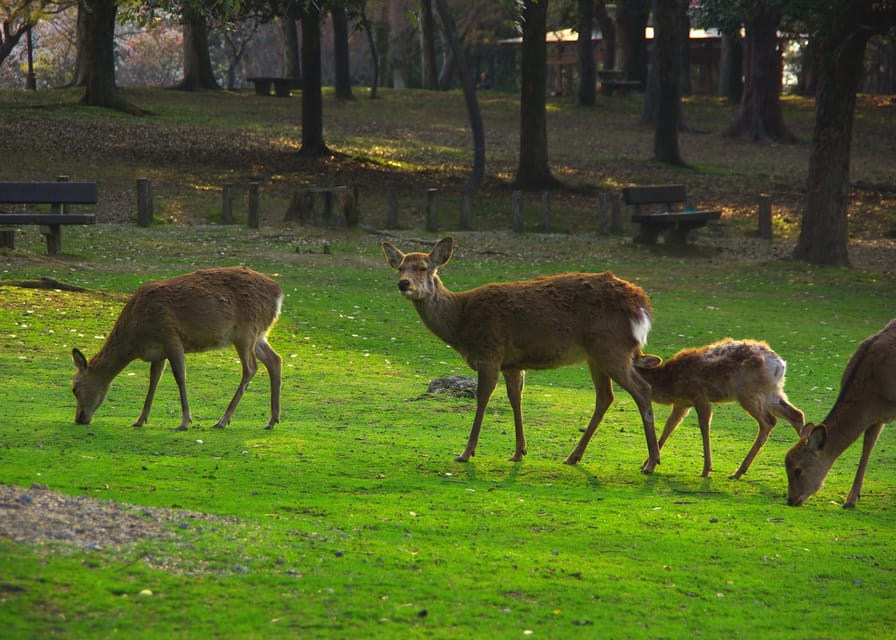
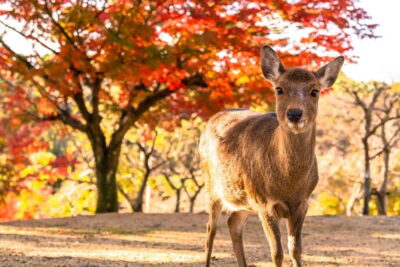
The day begins with Nara Park, where deer move freely through the historic grounds. They are closely linked with the city and are one of the most memorable parts of the visit. You can see them at close range, but remember that they are wild animals. Do not chase, corner, or disturb them.
The park gives you a pleasant opening to the day because it is more open and relaxed than the enclosed temple sites that follow. You can stroll, take photographs, and watch the deer before entering Todai-ji.
Todai-ji is a major highlight even for people who are not normally temple enthusiasts. The wooden temple hall is described as the largest wooden structure in the world, and it houses a Great Buddha about 15 meters tall. The scale is hard to appreciate from photographs alone. Once inside, look up and give yourself a moment to take in both the statue and the building around it.
Todai-ji admission is not included in the tour price. That is a small but important detail when comparing the total cost with other day trips. The guide can explain the site and lead you to the entrance, but you should expect to pay the temple admission separately.
Starting at Nara can also be smart from a crowd-management point of view. Several schedules place the deer park early, before the day becomes more crowded. The exact order can change with traffic and operating arrangements, so do not treat the sequence as guaranteed.
The Arashiyama Bamboo Grove and your lunch decision
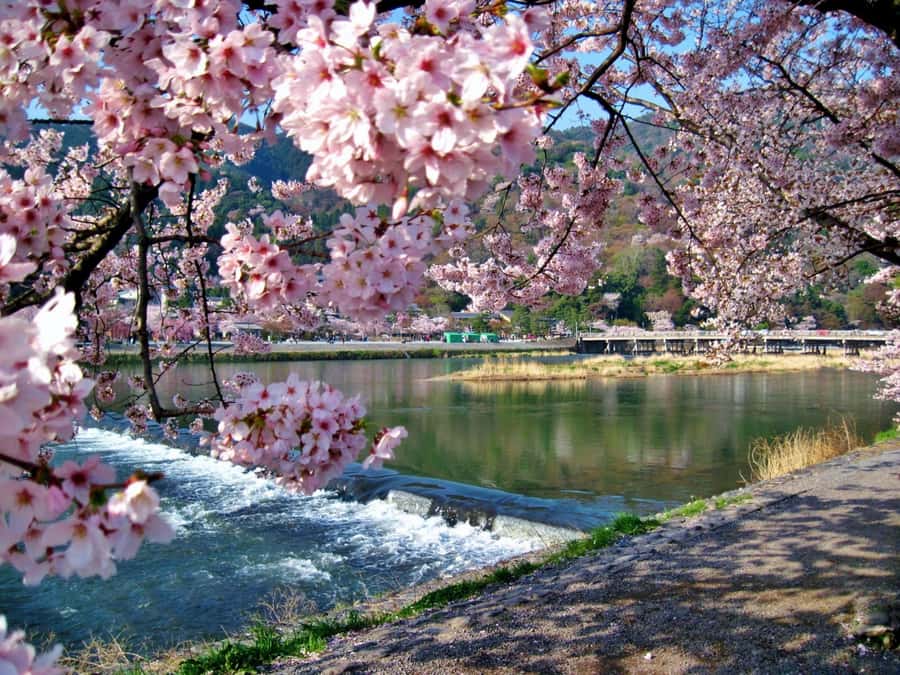
Arashiyama is the stop where the tour gives you the most choice. If you select the no-lunch option, you receive about 120 minutes in the area. That gives you a better chance to walk through the Bamboo Grove, browse nearby shops, and find food on your own.
If you choose the Osaka departure with the Kobe beef lunch, the plan allows about 50 minutes for lunch and 60 minutes in Arashiyama. The meal is Japanese Wagyu Kobe Beef Shabu-Shabu, with an explanation of why Kobe beef is held to strict standards among Japan’s three major Wagyu breeds. The thinly sliced, heavily marbled meat is cooked briefly in hot broth.
You can also order Kobe beef aburi sushi on site for an additional charge. That option is not part of the listed tour price, so consider it an extra rather than an included tasting.
I would choose the lunch upgrade if you value convenience and want a planned meal, especially when departing from Osaka. The restaurant and food received strong praise, and the lunch adds a distinctly Japanese meal to a day otherwise built around temples and scenery.
I would skip the lunch upgrade if the Bamboo Grove is your main reason for booking. Sixty minutes is enough to see it, but Arashiyama is more than one narrow path. You might want time for the surrounding streets, shops, food stalls, and riverside area. Several schedules describe the lunch version as a little rushed here.
The Bamboo Grove itself is atmospheric, with tall green stalks forming a narrow corridor where sunlight filters through. It can be crowded, so your experience depends heavily on the day and on how quickly your group moves. One guide, Harry, was praised for leading people along a scenic shortcut in Arashiyama. If your guide offers a group walk, it may help you see more than simply following the most obvious path.
Kinkaku-ji and the Golden Pavilion
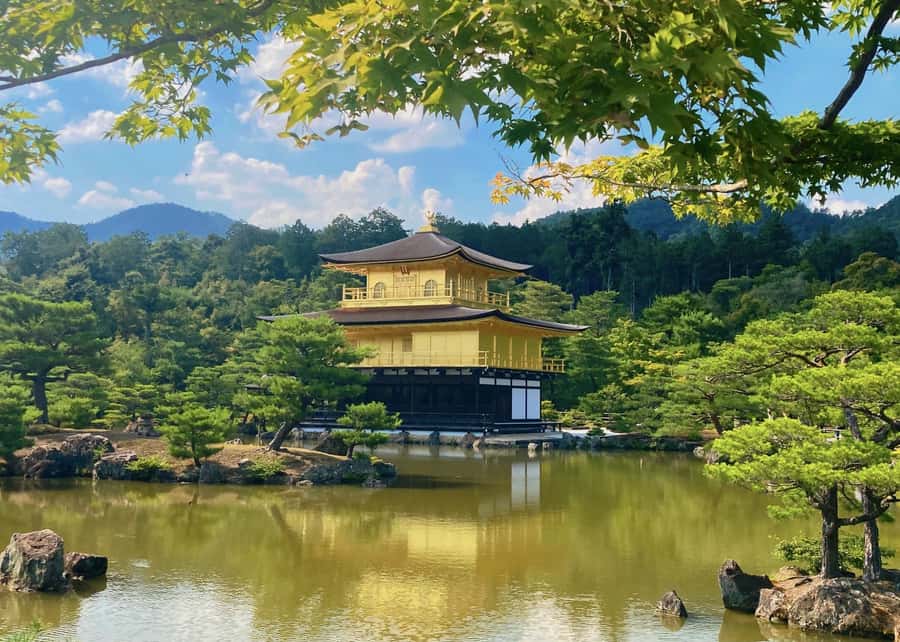
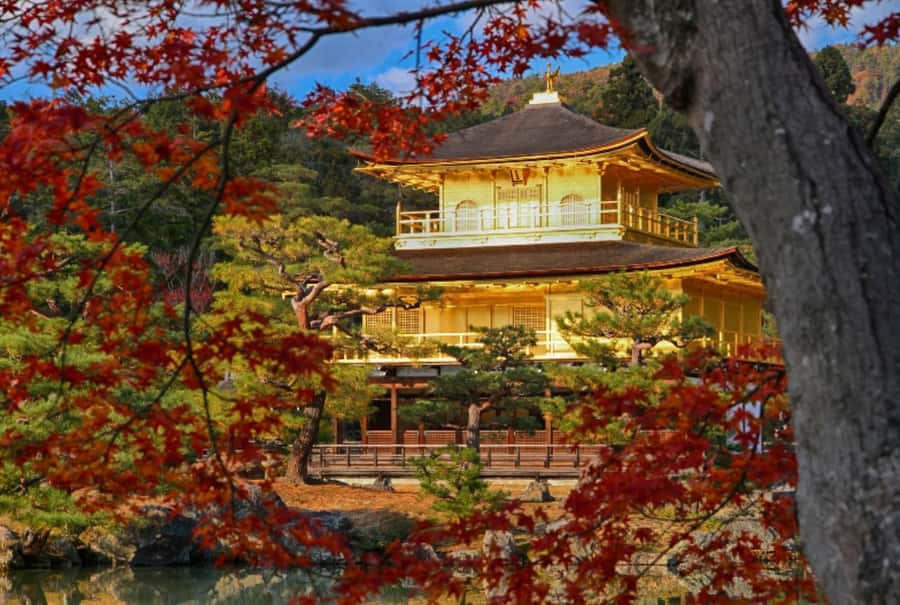
Kinkaku-ji, also called the Golden Pavilion, is one of Kyoto’s most recognizable sights. Its upper levels are covered in gold leaf, and the pavilion reflects in the pond beside it. The setting is carefully arranged, so the best part is not just the building itself but the combination of water, gardens, trees, and the bright gold exterior.
Your entrance ticket is included, which makes this stop especially straightforward. You enter with the group, then have time to look around and photograph the pavilion from the permitted paths. The route is not designed for a long, independent temple visit, but it gives you the essential view.
The timing can work in your favor. One well-planned schedule reached Kinkaku-ji in the afternoon, when the light made the gold exterior particularly striking. Of course, weather and traffic can change the arrival time, but the stop usually provides the visual payoff many people expect from Kyoto.
Kinkaku-ji is also a good example of why this tour suits first-time visitors. You do not have to research the temple’s location or arrange a separate bus ride across Kyoto. You arrive at one of the city’s key sights with the entry ticket already handled.
Same country, a different morning at the gates:
- Kyoto: Tea Ceremony Ju-An at Jotokuji Temple
★ 4.9 · 3,207 reviews - Kyoto Arashiyama Walking Tour: Bamboo, Monkeys, Gardens & Secrets
★ 5.0 · 1,216 reviews - Arashiyama Bamboo, Temple, Monkeys, or Secret Sake Brewery
★ 4.8 · 886 reviews - Kyoto: Arashiyama Bamboo Forest, Monkeys, Matcha & Temple Tour
★ 5.0 · 759 reviews
Walking through the torii gates at Fushimi Inari
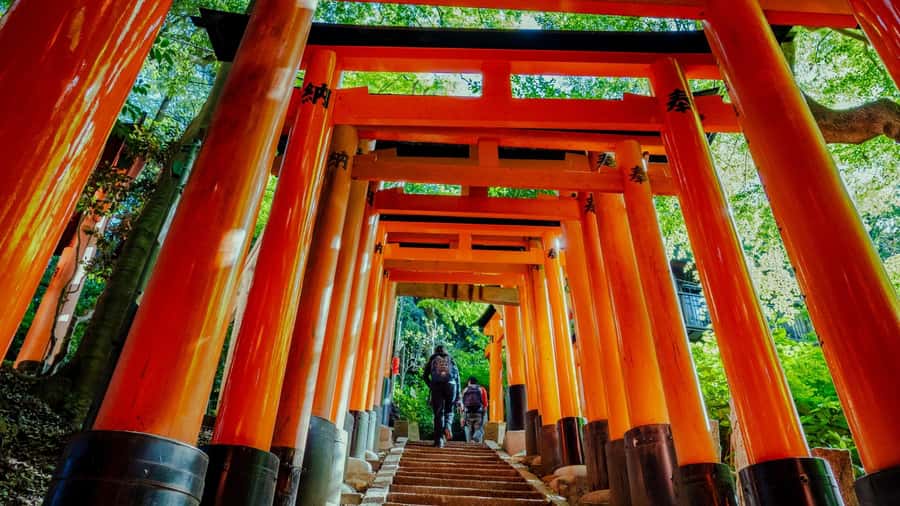
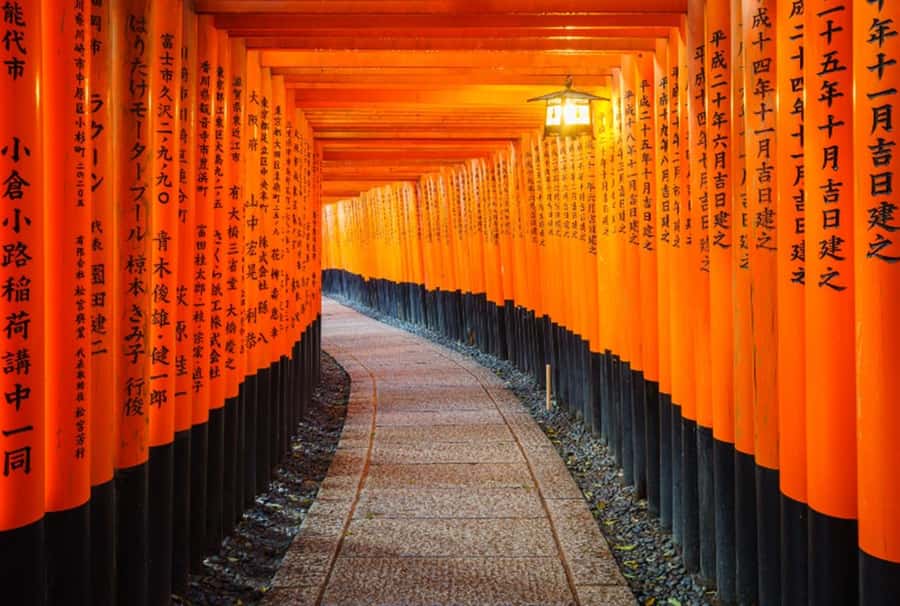
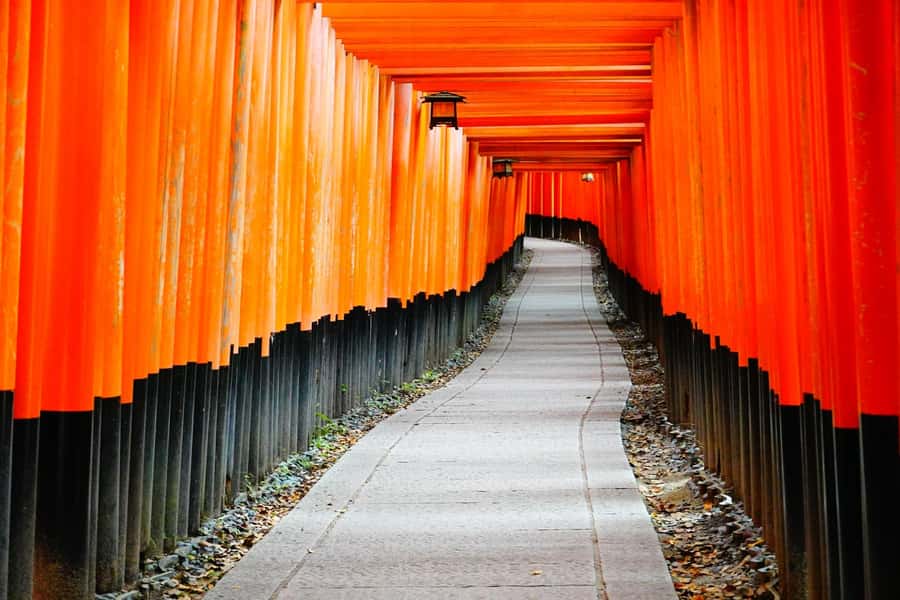
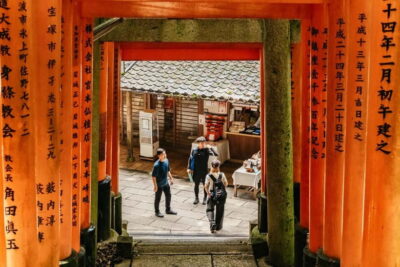
Fushimi Inari Taisha closes the sightseeing portion of the day. Its most famous feature is the tunnel of vermilion torii gates that climbs Mount Inari. Each gate represents a prayer or offering to Inari Okami, a deity associated with prosperity, household safety, and success.
You do not need to climb the entire mountain to appreciate the shrine. The lower section gives you the classic rows of red gates and the photographs most people want. If you walk farther, the crowds may thin, but your available time and energy will depend on how the day has gone.
This is where the tour’s packed schedule becomes noticeable. After Nara, Arashiyama, and Kinkaku-ji, you may be tired, and Fushimi Inari involves walking and steps. Wear comfortable shoes and save some energy for this final stop. The reward is a very different atmosphere from the Golden Pavilion: enclosed, repetitive, and visually powerful.
The shrine is also a good final visit because you can explore at your own pace within the allotted time. Just note exactly where and when to meet the bus. In a crowded area, a few minutes spent getting lost can create a serious problem.
What the guide adds to a large-group tour
The guide is one of the most important parts of this experience. Commentary may be in English and Chinese, depending on the group, so the amount of English explanation can vary. Do not expect a private guide who stays beside you at every sight.
The strongest guide feedback has centered on practical organization and lively explanations. Harry has been praised for humor and kindness. Gary has been singled out for detailed explanations, prepared itineraries, photo booklets, and showing people less obvious paths. Mike has been described as clear, friendly, and full of information about Japanese customs and history.
Tracy has received praise for keeping the group together, explaining what to do at each stop, and even using quiz questions to keep the coach ride engaging. Panda has been praised for taking photographs and helping people find good spots. Nick and Ben have also been noted for friendly, attentive guiding.
These details matter because the itinerary is tight. A guide who clearly announces departure times can prevent the entire group from waiting. Several positive accounts also credit the drivers with smooth, punctual service.
The main limitation is group size. People can spread out in busy temple grounds and shopping streets. You need to pay attention, remember the bus location, and follow the guide’s instructions rather than assuming the group will be easy to find later.
Transport, timing, and the physical effort
The tour is advertised at approximately nine hours, but traffic and unexpected conditions can change that. A Kyoto departure may run closer to eight and a half hours according to one schedule, while an Osaka departure can make for a longer day. Some people have left around 7 in the morning and returned around 7:30 in the evening.
The coach is useful during the long stretches between sights. You can rest after walking instead of navigating another train connection. There are no USB ports on the bus, so charge your phone before departure and carry a power bank if you rely on it for photographs or translation.
You will walk a lot. One day reached about 21,000 steps, and other accounts describe the final return ride as tiring. The tour is not a good match if you want a gentle sightseeing day with long café breaks. It is a good match if you would rather see many major sights now and rest later.
The bus leaves promptly. Arrive at the exact meeting point shown for your booking, because the guide’s list and assigned vehicle are tied to that location. A late arrival or going to the wrong meeting point can mean missing the tour without a refund. If you need to change the meeting point, contact the operator at least two days before departure.
You can finish in Kyoto or Osaka, based on the option you book. That flexibility is useful if you are staying in one city and spending the day in the other, but check the end point carefully before making evening plans.
Who should book this day trip?
I would recommend this tour to a first-time visitor with limited time, a solo visitor who wants transport and company, or a family that does not want to manage several public transport connections. It is also useful if you are staying in Osaka but want to cover several Kyoto and Nara highlights in one day.
The tour works well for people who value breadth and convenience. You will see four major destinations and receive context from a guide without spending hours studying routes.
I would hesitate if you have several days in Kyoto and want to explore each area at a relaxed pace. Arashiyama deserves more than an hour, and Fushimi Inari rewards a longer walk. In that case, separate visits by train may give you more freedom.
At $66, the tour offers good value when you count the coach, guide, taxes, and Kinkaku-ji admission. Add the Todai-ji entrance fee and, if selected, the Kobe beef lunch. The price is especially attractive when compared with the time and planning needed to connect all these places independently.
FAQ
How long does the tour last?
The tour takes approximately nine hours, though traffic and unexpected conditions can change the schedule. A Kyoto departure may be closer to eight and a half hours.
Where does the tour start?
You begin at a designated VIP Lounge in Osaka or Kyoto. The exact meeting point can vary by the option booked.
Where does the tour finish?
You return to the meeting point area and can choose an Osaka or Kyoto finish, depending on the selected option.
Is hotel pickup included?
No. Hotel pickup and drop-off are not included. You must reach the assigned meeting point yourself.
Is lunch included?
Lunch is optional. Osaka departures can add a Kobe Beef Shabu-Shabu lunch. Without lunch, you have free time to eat in Arashiyama.
How much time do I get in Arashiyama?
With the lunch option, the schedule allows 50 minutes for lunch and 60 minutes in Arashiyama. Without lunch, you get about 120 minutes in Arashiyama.
Is admission to Todai-ji included?
No. The entrance fee to Todai-ji is not included in the tour price.
Is admission to Kinkaku-ji included?
Yes. The entrance fee to Kinkaku-ji is included.
What languages are available?
The tour offers English or Chinese-speaking guides. Depending on group size, commentary may be provided in both languages.
Should you book it?
Book this tour if your priority is seeing Kyoto and Nara’s main sights in one efficient day. The coach, included Kinkaku-ji ticket, clear guide support, and Osaka or Kyoto departure options make the $66 price sensible.
Skip it if you want long walks, quiet temple time, or a flexible lunch. The day is full, the group may be large, and Arashiyama can feel short. For a first visit or a tight schedule, though, this is a practical way to collect four major Japanese sights in one memorable, tiring, well-organized day.
Just added around Kyoto
- Osaka/Kyoto: Katsuoji, Kinkakuji, Arashiyama 1-Day Bus Tour★ 4.6 · 33 reviews
- Kyoto:Kiyomizu-dera Temple Rent a kimono and ride a rickshaw★ 4.8 · 7 reviews
- Kyoto: Kimono/Yukata Rental 5 Minute from Kiyomizu-dera★ 4.7 · 89 reviews
- Kyoto: Wagashi (Japanese sweets) Cooking near Fushimiinari★ 5.0 · 40 reviews
- Kyoto Fushimiinari:Wagashi Making & Small Group Tea Ceremony★ 5.0 · 14 reviews
- Kyoto: Samurai Sword & Kimono Action Filming Experience★ 4.8 · 78 reviews
- KYOTO: Tempio Kiyomizu Pagode Gion “Geisya” (Guida Italiana)★ 4.7 · 17 reviews
- Best of Kyoto: Red Gates of Fushimi Inari & Kiyomizu Temple★ 4.8 · 36 reviews
Fushimi Inari Shrine Tours, compared.
Tea Ceremony in a Traditional Tea House in Kiyomizu
Read our review →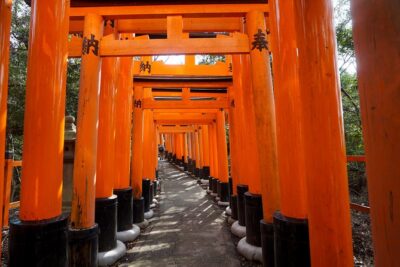
Fushimi Inari Hidden Hiking Tour (Private Option Available)
Read our review →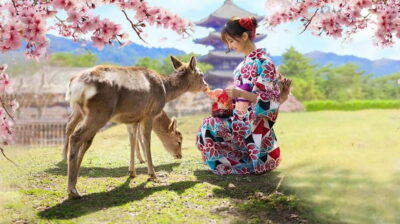
Kyoto/Osaka: Nara, Fushimi Inari Taisha, Arashiyama Bus Tour
Read our review →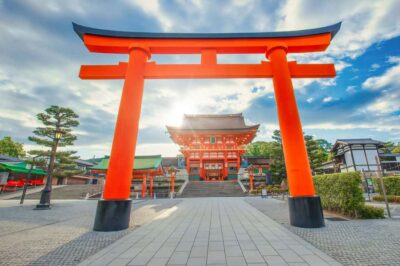
Osaka/Kyoto: Arashiyama, Nara & Fushimi Inari Shrine w/Lunch
Read our review →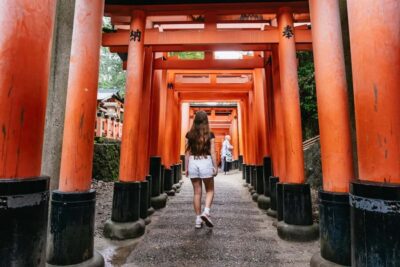
Nijo Castle, Kiyomizu & Fushimi Inari Guided Tour
Read our review →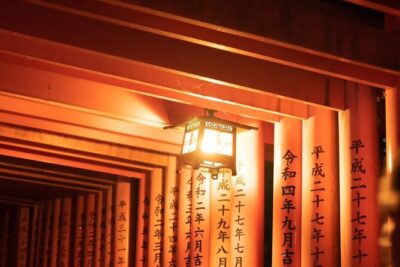
Kyoto/Osaka: Kinkakuji, Bamboo Forest, and Nara Deer Park
Read our review →Browse the lists this tour appears in