
REVIEW · FUSHIMI INARI SHRINE TOURS
Best of Kyoto: Red Gates of Fushimi Inari & Kiyomizu Temple
The red torii gates of Fushimi Inari are Kyoto’s great early-morning payoff. Arrive before the crowds, walk beneath the long rows of vermilion gates, and you get the quiet, shadowy atmosphere that makes this shrine so memorable.
I like the smart route, which pairs Fushimi Inari with Kiyomizu-dera and the old streets of Higashiyama. I also like that the $58 price includes entry fees, train fares, and the taxi between the two sites. The tradeoff is simple: you will climb many stairs and walk 10,000 or more steps, while some shops and cafes may still be closed at this early hour.
Key points
- Early start at Fushimi Inari: See the famous torii gates before the busiest part of the day.
- Two major Kyoto sights in three hours: Visit Fushimi Inari Taisha and Kiyomizu-dera with a guide.
- Useful transport included: Train fares, taxi fare between the sites, and admission fees are covered.
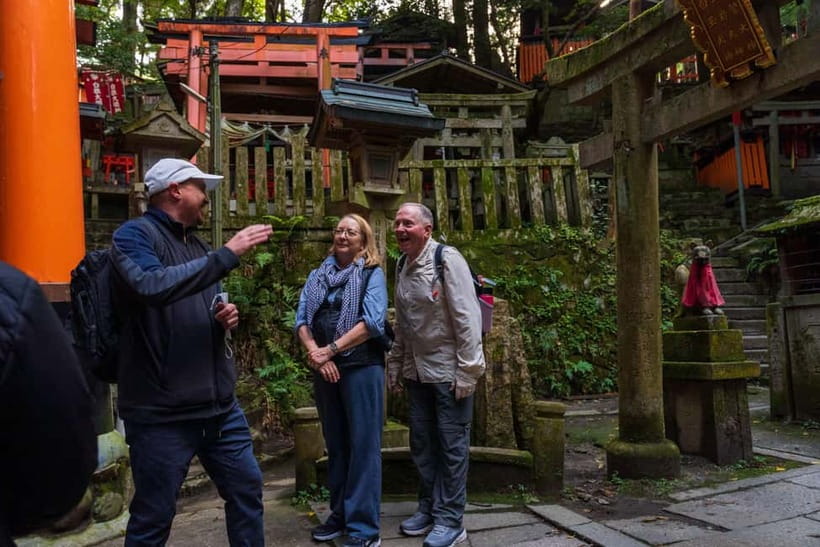
- Strong guide service: Guides such as Shanda and Diana bring clear explanations, good energy, and time for photographs.
- Old Kyoto streets: Walk through Higashiyama, Sannenzaka, and Ninenzaka before finishing near % Arabica Kyoto Higashiyama.
- A serious walking tour: Expect stairs, hills, and at least 10,000 steps, so this is not suited to people with mobility impairments.
Why the early hour matters at Fushimi Inari
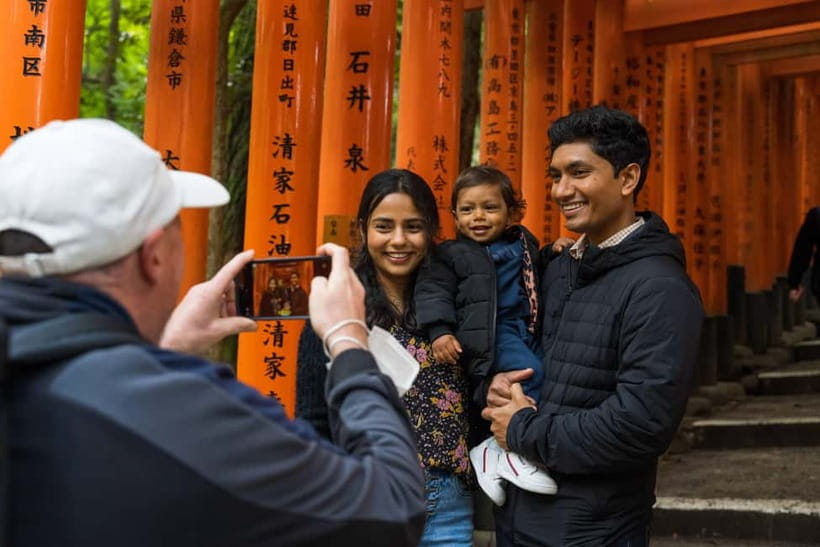
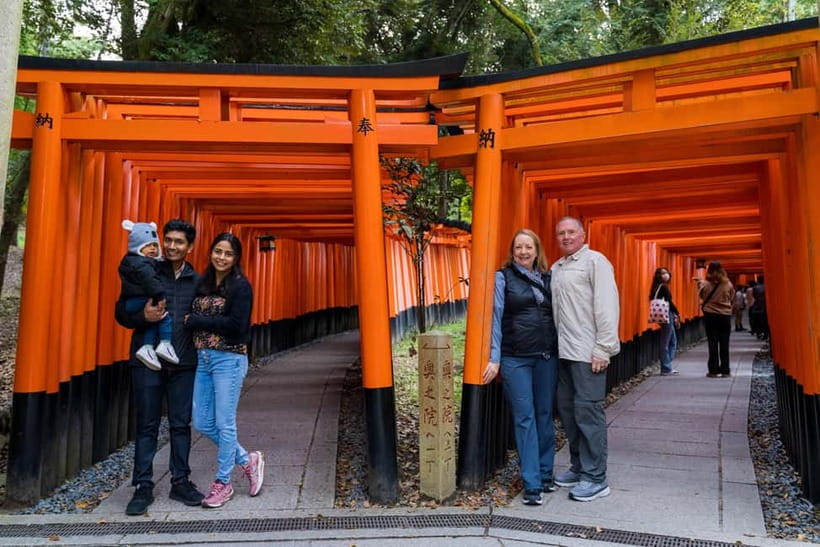
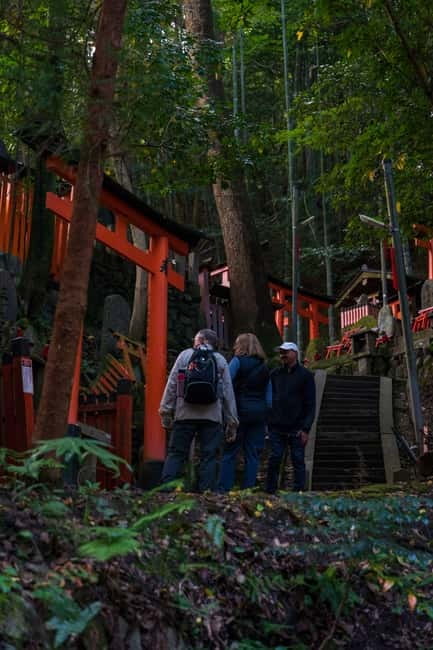
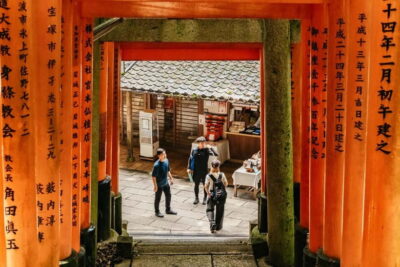
Fushimi Inari Taisha is one of Japan’s best-known sights, and it earns that reputation quickly. The approach leads you through rows of bright red torii gates, each one marking a donation to the shrine. The gates create a tunnel effect, with shafts of morning light and long shadows adding to the mood.
The early start is the main reason to book this tour rather than simply arriving later on your own. Fushimi Inari attracts heavy crowds as the morning progresses. At an early hour, you have a better chance to walk at a steady pace, hear your guide, and stop for photos without a wall of people behind you.
You will spend about 50 minutes at Fushimi Inari, which gives you time to understand the shrine and walk through part of the torii-gate route. It is not a full mountain hike, and the tour does not promise to reach every point on Mount Inari. Think of this as a focused introduction to the shrine’s main experience.
Your guide explains the religious and cultural meaning of the site, rather than treating the torii gates as a simple photo backdrop. That context helps you notice the many small fox references associated with Inari worship and understand why the shrine matters to Japanese religious life.
The ground is not flat. Steps begin early, and the route includes an uphill walk. Wear shoes with a firm sole, and do not plan this as a relaxed coffee stroll. The reward is a quieter visit and a better feel for the place before the day gets loud.
More Fushimi Inari Shrine Tours in Kyoto:
- Kyoto: Tea Ceremony in a Traditional Tea House in Kiyomizu
★ 4.9 · 3,519 reviews - Fushimi Inari Hidden Hiking Tour (Private Option Available)
★ 5.0 · 1,750 reviews - Osaka/Kyoto:Kinkakuji,Arashiyama,FushimiInariShrine,NaraPark
★ 4.1 · 1,596 reviews
Kiyomizu-dera brings the big Kyoto view
From Fushimi Inari, the group uses a taxi to reach Kiyomizu-dera. That transfer is a practical part of the tour. You do not need to work out the connection between two busy sightseeing areas, and the taxi saves time during a compact three-hour schedule.
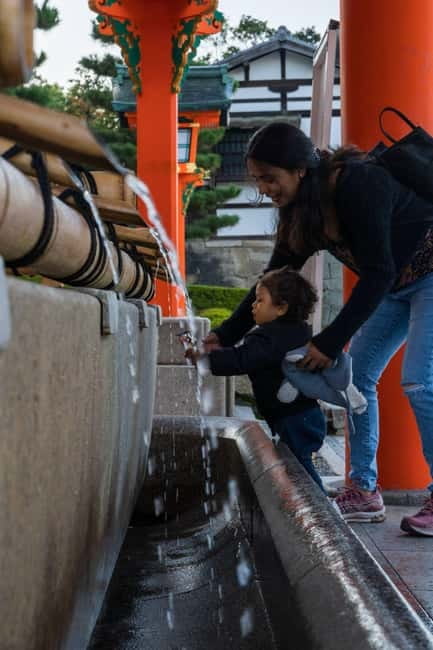
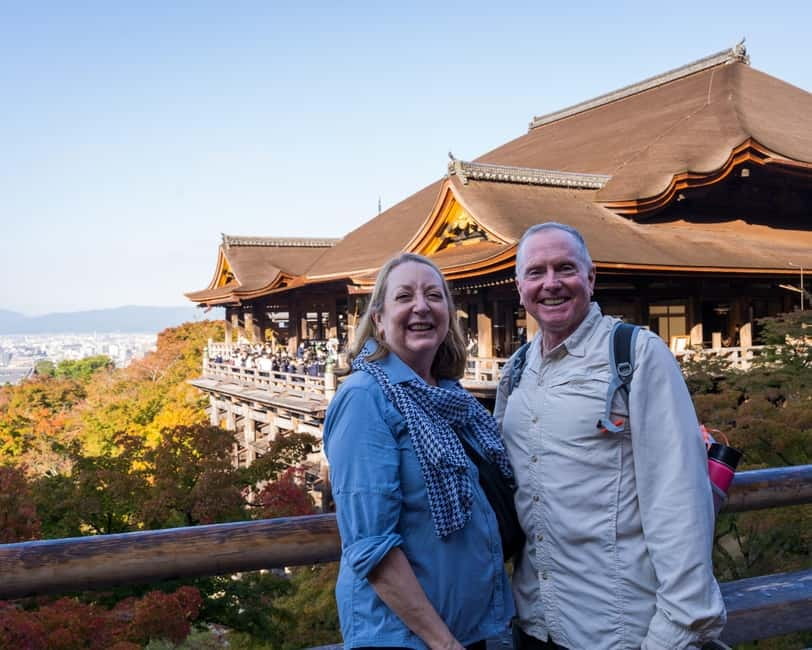
Kiyomizu-dera is one of Kyoto’s signature temples. Its elevated wooden stage and broad views over Kyoto make it a natural second stop after the darker, more enclosed torii-gate walk. You move from a narrow red corridor into a larger temple setting with open views and strong architectural details.
The guided visit lasts about one hour. Your guide covers the temple’s Buddhist background, traditions, and key features. If you have only a short time in Kyoto, this explanation gives the visit some shape. You learn what you are looking at instead of simply taking a picture and moving on.
The temple area also includes striking red architectural details and pagodas that punctuate the view. Depending on the exact route and timing, your best photograph may come from looking back toward the temple buildings and Kyoto rather than only standing on the main stage.
The word temple can make Kiyomizu-dera sound calm and easy, but the approach is busy and hilly. You will be walking on sloped lanes and steps. Comfortable clothing helps, especially if you are visiting during a warm or humid season.
One practical point: the tour’s early timing can mean that some nearby shops are not yet open. That is a fair trade for a quieter Kiyomizu-dera, but it matters if you want to browse every souvenir stall or stop for a full breakfast during the walk.
Higashiyama, Sannenzaka, and Ninenzaka on foot
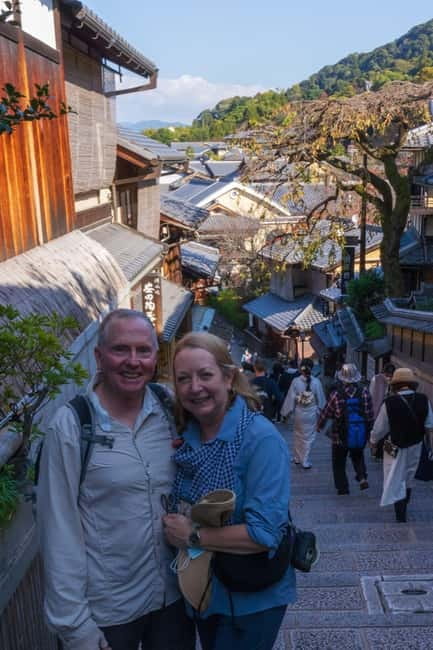
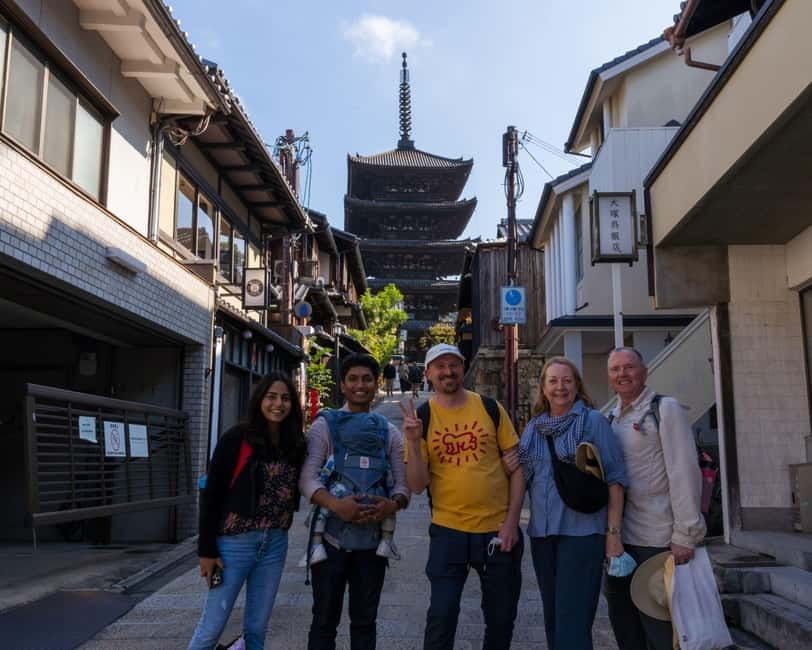
After the main temple visit, you have about 30 minutes for a photo stop and old-town walking. This portion brings you into the preserved streets around Higashiyama, including Sannenzaka and Ninenzaka.
These lanes are among Kyoto’s most recognizable historic streets. Wooden buildings, traditional facades, stone paving, small shops, and temple views give the area its old Kyoto character. The appeal is not one single monument. It is the way the streets connect the temple visit with everyday details such as storefronts, signs, cafes, and small corners for photographs.
Your guide can help you notice details that are easy to miss when you are trying to navigate, avoid other pedestrians, and keep up with a group. The supplied route finishes at % Arabica Kyoto Higashiyama, a useful landmark and a natural place to continue your morning.
Food and drinks are not included, so plan to buy coffee or breakfast afterward if you wish. The tour specifically encourages you to stay for local tips on restaurants, cafes, and bars. That final advice can be useful because the walking portion ends in one of Kyoto’s most popular areas, where choosing a place at random may not always give you the best value.
Do not expect a long cafe stop within the three-hour tour itself. The finish point is more of a handoff into the rest of your day. You can continue exploring, find coffee nearby, or use the guide’s suggestions to plan your next meal.
The guides make the difference
A short cultural tour succeeds or fails on the guide. These sites are visually powerful, but without explanation they can blur together into red gates, pagodas, temple halls, and photo stops.
The guides on this experience are presented in English or French, and the service can be arranged as a private tour or a small group. That flexibility matters. A small group usually keeps the pace manageable, while a private option gives you more room to ask questions and adjust your time for photos, within the fixed three-hour schedule.
Two guide names that come up in the supplied feedback are Shanda and Diana. Shanda is described as polite, positive, enthusiastic, and good at giving people time to take photographs. Diana is praised for explaining both Fushimi Inari and Kiyomizu-dera in an interesting way while helping the group avoid the worst crowding.
Those details point to what you should want from this tour: not a rushed list of facts, but clear storytelling with enough pauses to look around. The best guide will help you understand why the sites matter and still let you enjoy them at your own pace.
The overall rating is 4.8 from 36 reviews, with repeated praise for the guides, the early timing, and the value of having transport and admission handled. That does not remove the physical demands of the route, but it does suggest that the human part of the experience is one of its strongest features.
A few more temple visits around Kyoto worth a look
- Kyoto: Tea Ceremony Ju-An at Jotokuji Temple
★ 4.9 · 3,207 reviews - Kyoto/Osaka: Nara, Fushimi Inari Taisha, Arashiyama Bus Tour
★ 4.7 · 1,275 reviews - Arashiyama Bamboo, Temple, Monkeys, or Secret Sake Brewery
★ 4.8 · 886 reviews - Kyoto: Arashiyama Bamboo Forest, Monkeys, Matcha & Temple Tour
★ 5.0 · 759 reviews
What the $58 price really covers
At $58 per person, this tour is not the cheapest way to see Fushimi Inari and Kiyomizu-dera. You can reach both areas by public transport on your own, and entrance costs alone are not the main reason to pay for a guided outing.
The value comes from combining several useful services:
- A live English or French-speaking guide
- Train fares
- Taxi fare from Fushimi Inari to Kiyomizu-dera
- Entry fees
- A planned three-hour route
- Cultural explanation at both major sites
- Local tips for food and drinks after the tour
The taxi is especially useful. Kyoto sightseeing can involve several train and bus connections, and a short taxi transfer keeps the morning moving. The included fares also mean you do not need to keep opening your wallet during the tour.
For a solo visitor or a couple who wants context without planning every step, the price can be reasonable. It is also useful on a first morning in Kyoto, when getting your bearings at two major sights can save time later.
The value is weaker if you already know both sites well, want to spend half a day at Fushimi Inari, or prefer to linger over breakfast and shopping. The three-hour format is efficient, but efficiency always means leaving before you have seen every corner.
The walking demands are real
The tour information warns of 10,000 or more steps, and you should take that seriously. Fushimi Inari includes stairs and uphill sections. Kiyomizu-dera requires more walking on sloped streets, and Higashiyama adds uneven or inclined lanes.
This is not suitable for people with mobility impairments. Even if you are generally fit, bring comfortable shoes and wear clothes that allow easy movement. A small water bottle may also be sensible, although food and drinks are not supplied.
The early start can help with the heat and crowds, especially in warmer months. It does not make the route flat. If your Kyoto plan includes another major walking area later that day, leave room for a slower afternoon.
The tour is best for people who enjoy seeing two major places in one focused outing. It is less suited to anyone who wants a slow, contemplative temple visit with long periods of sitting or quiet observation.
Finding the meeting point at JR Inari Station
The meeting point is in front of the entrance to JR Inari Station. Look for a small mailbox and a public phone next to each other. This detail is useful because Inari Station is a simple place to misunderstand if you are rushing, especially when you are arriving early and trying to find the right side of the station.
There are two listed starting location options at Inari Station, but the practical instruction is to meet in front of the JR station entrance at the time shown on your voucher. Arrive with time to spare. The early start is part of the experience, and arriving late can disrupt the first visit.
There is no hotel pickup or drop-off. You need to reach the station on your own, and the tour ends at % Arabica Kyoto Higashiyama rather than returning you to your hotel. That is not a problem if you are comfortable continuing your day from Higashiyama, but it is worth planning your next move before you set out.
Free cancellation is available up to 24 hours in advance, and you can reserve now and pay later. Those policies are useful if your Kyoto schedule is still changing, but the more important planning issue is choosing a morning when you can manage the walking.
How to get the most from the morning
I would treat this as the first major activity of the day, not a quick item squeezed between breakfast and another appointment. Have your clothes and shoes ready the night before, and allow time to reach JR Inari Station without a last-minute dash.
Keep your camera ready at Fushimi Inari, but do not spend the entire visit looking through a screen. The changing light through the gates is part of the experience, and your guide’s explanation is easier to follow when you are not constantly stopping for another picture.
At Kiyomizu-dera, listen first, then use the remaining time for views and photographs. The temple grounds are large enough that a guide helps you focus on the parts most useful during a one-hour visit.
Save breakfast for the finish. Some shops may still be closed during the early route, but the end near % Arabica Kyoto Higashiyama gives you a clear place to continue. Ask your guide for food, cafe, and bar suggestions before parting ways.
Should you book this Kyoto tour?
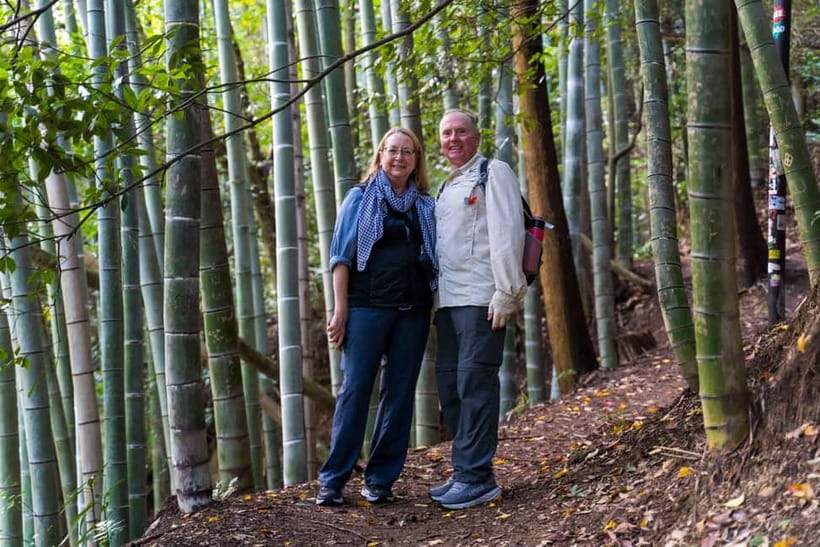
Book it if you want an efficient first look at Fushimi Inari and Kiyomizu-dera, especially if you value a guide who can explain Buddhist traditions and local customs. The early start, included taxi, admission fees, and strong guide feedback make the $58 price easier to justify.
It is particularly suitable for first-time Kyoto visitors, solo visitors who want company, and small groups that would rather walk a planned route than manage the transport themselves. Guides such as Shanda and Diana have been praised for clear explanations, enthusiasm, and giving people time for photos.
Skip it if you want a long climb through all of Fushimi Inari, a leisurely breakfast during the tour, or a full morning of shopping in Higashiyama. You will also want another option if stairs and 10,000-plus steps are a concern.
For most able-bodied visitors with limited time in Kyoto, this is a well-planned morning that puts two major sights in the right order: quiet red gates first, broad temple views second, and old Kyoto streets to finish.
FAQ
How long does the tour last?
The tour lasts three hours.
Where does the tour begin?
Meet in front of the entrance to JR Inari Station at the time shown on your voucher. Look for a small mailbox and a public phone next to each other.
Where does the tour finish?
The tour finishes at % Arabica Kyoto Higashiyama.
Which places are included?
The tour includes Fushimi Inari Taisha, Kiyomizu-dera, and a photo stop through the Higashiyama area, including the preserved streets of Sannenzaka and Ninenzaka.
Are transportation costs included?
Yes. Train fares and the taxi fare from Fushimi Inari to Kiyomizu-dera are included.
Are admission fees included?
Yes. Entry fees are included in the tour price.
What languages are available?
The live tour guide is available in English or French.
Is the tour suitable for people with mobility impairments?
No. The route has quite a few stairs and involves 10,000 or more steps, so it is not suitable for people with mobility impairments.
Just added around Kyoto
- Osaka/Kyoto: Katsuoji, Kinkakuji, Arashiyama 1-Day Bus Tour★ 4.6 · 33 reviews
- Kyoto:Kiyomizu-dera Temple Rent a kimono and ride a rickshaw★ 4.8 · 7 reviews
- Kyoto: Wagashi (Japanese sweets) Cooking near Fushimiinari★ 5.0 · 40 reviews
- Kyoto: Kimono/Yukata Rental 5 Minute from Kiyomizu-dera★ 4.7 · 89 reviews
- Kyoto: Samurai Sword & Kimono Action Filming Experience★ 4.8 · 78 reviews
- KYOTO: Tempio Kiyomizu Pagode Gion “Geisya” (Guida Italiana)★ 4.7 · 17 reviews
- Kyoto Fushimiinari:Wagashi Making & Small Group Tea Ceremony★ 5.0 · 14 reviews
- Kyoto: Sake Brewery and Tasting Tour in Fushimi★ 4.8 · 55 reviews
Fushimi Inari Shrine Tours, compared.
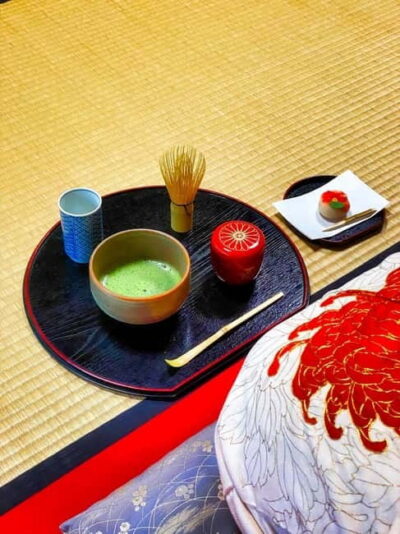
Tea Ceremony in a Traditional Tea House in Kiyomizu
Read our review →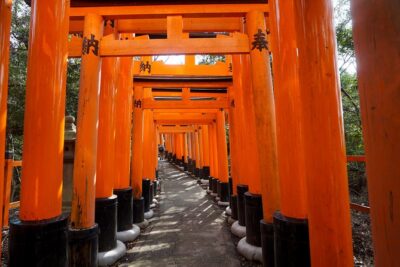
Fushimi Inari Hidden Hiking Tour (Private Option Available)
Read our review →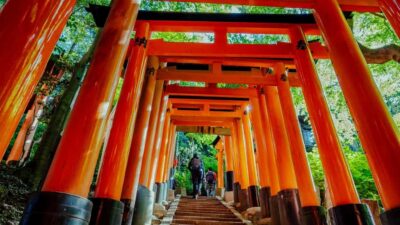
Osaka/Kyoto:Kinkakuji,Arashiyama,FushimiInariShrine,NaraPark
Read our review →
Kyoto/Osaka: Nara, Fushimi Inari Taisha, Arashiyama Bus Tour
Read our review →
Osaka/Kyoto: Arashiyama, Nara & Fushimi Inari Shrine w/Lunch
Read our review →
Nijo Castle, Kiyomizu & Fushimi Inari Guided Tour
Read our review →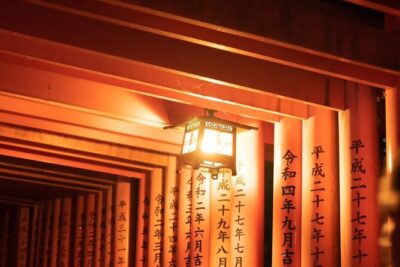
Browse the lists this tour appears in