
REVIEW · KYOTO TEMPLE TOURS
Kyoto: Nara, Todaiji, Kasuga Taisha Shrine Private Full Day
Nara’s appeal is wonderfully direct: deer wander through open parkland, temple roofs rise beyond the trees, and Todaiji’s giant bronze Buddha gives the day a powerful center. I like that this private full-day tour links Nara’s major sights without making you plan the train, route, or temple visits yourself. I also like the mix of famous landmarks and quieter old streets in Naramachi.
The main catch is cost. At $183 per person, you still pay separately for the train and lunch, so this makes the most sense if you value personal guidance and a flexible private outing. Expect a full day on foot, with steps and uneven surfaces, so comfortable shoes are a must.
Key points at a glance
- Sacred deer in Nara Park: See Sika deer moving freely through one of Japan’s best-known public parks.
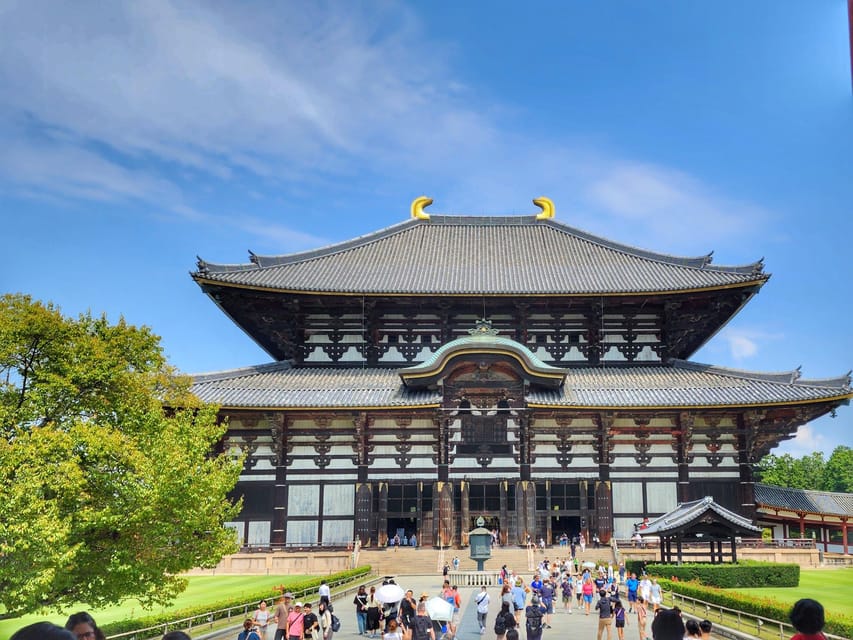
- Todaiji’s Great Buddha: Enter a UNESCO World Heritage site and view one of Japan’s largest bronze Buddha statues.
- A private guide from Kyoto: Travel with an English, French, or Spanish-speaking guide rather than joining a large group.
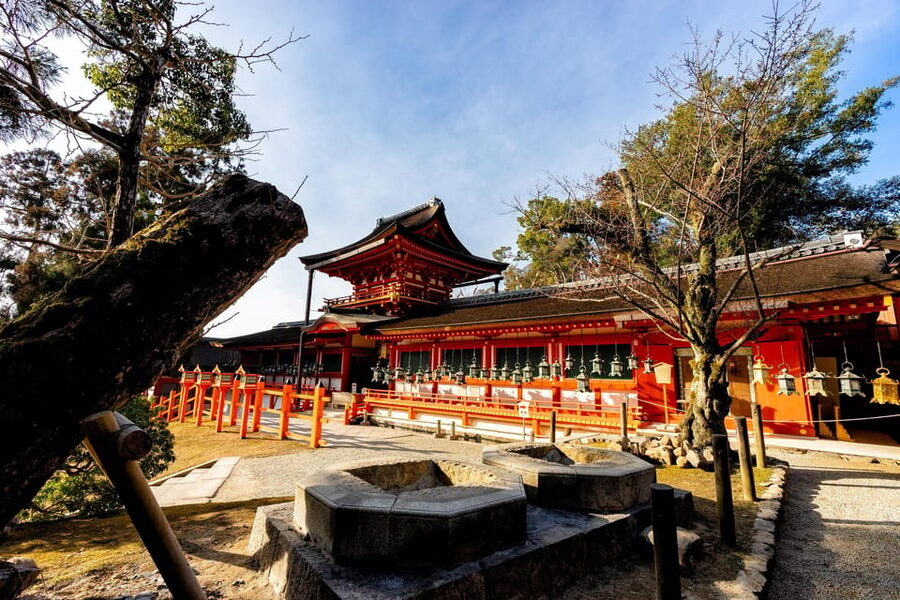
- Kasuga Taisha’s lanterns: Visit a Shinto shrine known for thousands of hanging lanterns and a wooded setting.
- Naramachi’s old merchant houses: Walk narrow lanes lined with traditional buildings from the Edo period.
- Optional Nara lunch: Stop at Kotoya for a traditional meal costing about JPY 2,500, or bring your own food.
Why this Nara day trip works well from Kyoto
Nara is close enough to visit from Kyoto, yet it feels different from the big temple districts of Kyoto. The day brings together Shinto customs, Buddhist art, imperial history, old town streets, and the famous deer that have become Nara’s symbol.
You meet your guide at the 7-Eleven Heart-In near the central entrance of JR Kyoto Station. The guide helps you buy the train ticket on the day, which removes one small but useful task from your morning. The train ride takes about an hour each way, and a JR Pass can be used. Without a pass, the stated fare is JPY 1,280 one way.
That train time is part of the tradeoff. You spend roughly two hours traveling, but you avoid the hassle of arranging transport between several Nara sights. I would choose this tour if I wanted a focused day from Kyoto and preferred conversation and context over handling every connection alone.
This is a private group, and the guide languages are English, French, and Spanish. The published price is $183 per person, before transport and lunch. That is not a bargain-basement day out, but a private guide can be good value if you want explanations at your pace, help with tickets, and the chance to ask about Nara and Japan as you go.
More Private Temple Tours in Japan
- Fushimi Inari Hidden Hiking Tour (Private Option Available)
★ 5.0 · 1,750 reviews - Kyoto: Zen Meditation at a Private Temple with a Monk
★ 5.0 · 202 reviews - Kyoto Early Bird English Tour: Fushimi Inari & Gion(Private opt)
★ 5.0 · 139 reviews
Kofukuji and the story of Nara’s imperial past
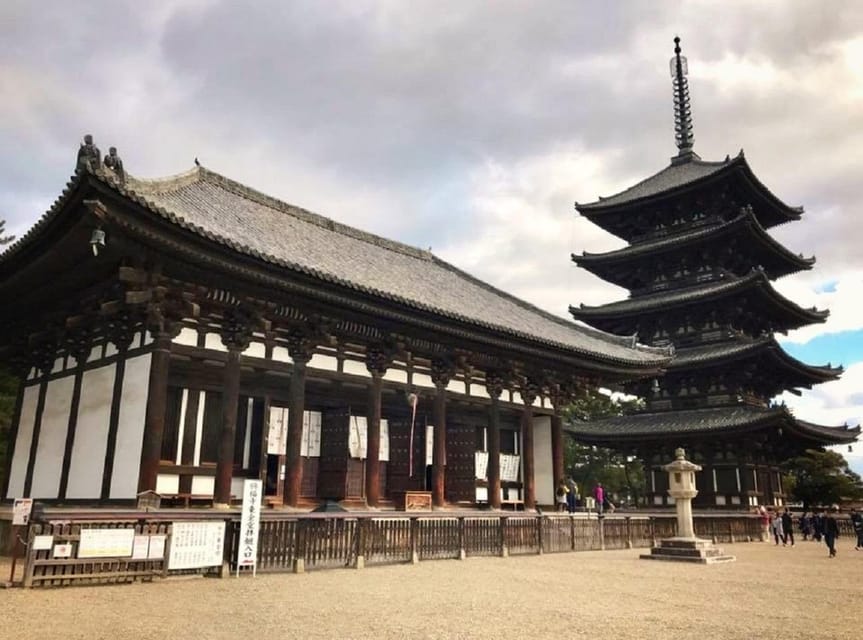
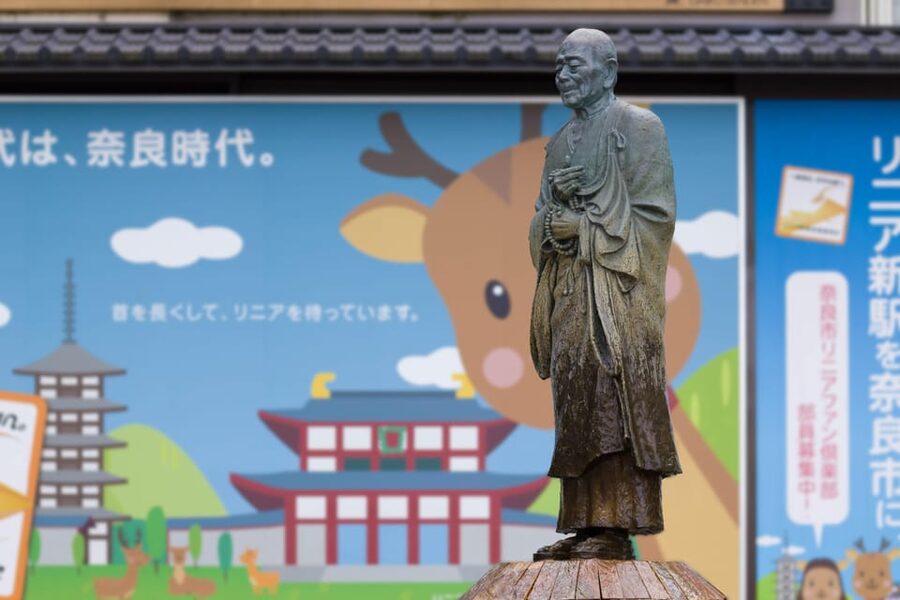
After arriving in Nara, the first stop is Kofukuji, with about 30 minutes for a guided visit around the temple grounds. You also pass the Gyoki Statue, an important marker near the station area.
This opening stop gives you useful background before the day turns toward deer and giant statues. Your guide explains the establishment of Heijo-kyo, the imperial capital associated with ancient Nara. That context helps you see Nara as more than a collection of temples. It was once the center of Japanese government and court life.
Half an hour is enough for an introduction, not a slow study of every building. If you are especially interested in temple architecture or want extended time for photographs, this part may feel brisk. The benefit is that the schedule keeps moving toward the larger sights.
Guide quality matters here because the grounds alone do not explain themselves. The published guide roster varies, but named guides praised for this experience include Akiko, Naoki, Gustavo, Vincent, and Alex. The strongest comments focus on clear explanations, warmth, flexibility, and helpful answers about Nara and Japan in general.
Nara Park and the famous Sika deer
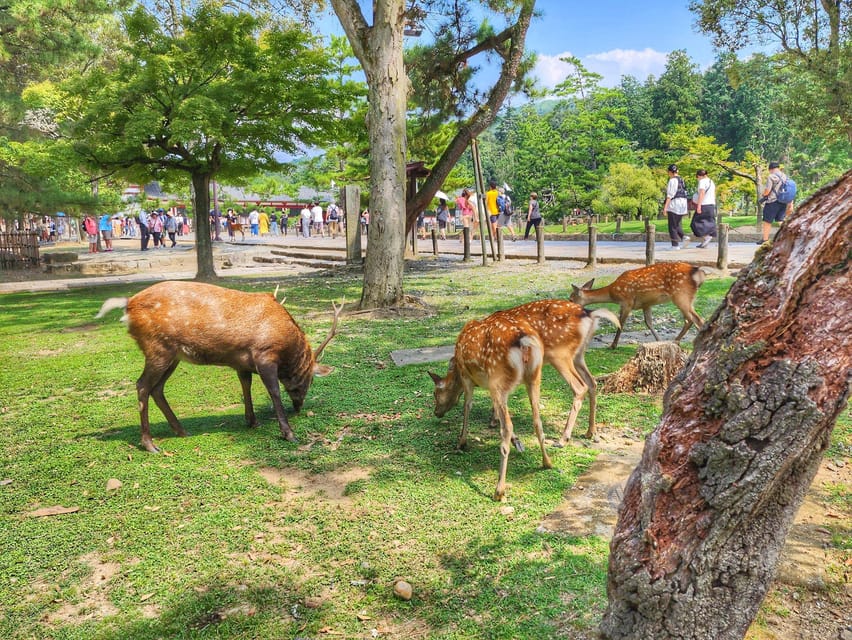
Nara Park is the day’s most playful stop. Sika deer move freely through the open green spaces, and Shinto tradition regards them as sacred messengers of the gods. You have about 15 minutes listed for the park, though the route through the area also gives you additional chances to see and photograph the deer while walking to Todaiji.
The deer are not a staged attraction. They are part of the public setting, which gives the park its special character. You may find them near paths, lawns, and temple approaches. Keep your camera ready, but pay attention to where you walk and to the animals around you.
The short formal stop is worth noting. If you imagined a long, relaxed hour sitting in the park, this schedule is more tightly arranged. The park is mainly a bridge between Kofukuji and Todaiji, with the deer providing memorable moments along the way.
I like this section because it changes the pace. After historical explanation at Kofukuji, you get open space, greenery, and a living part of Nara’s religious tradition. It is also one of the easiest places to make the day enjoyable for different ages and interests.
Todaiji and the Great Buddha
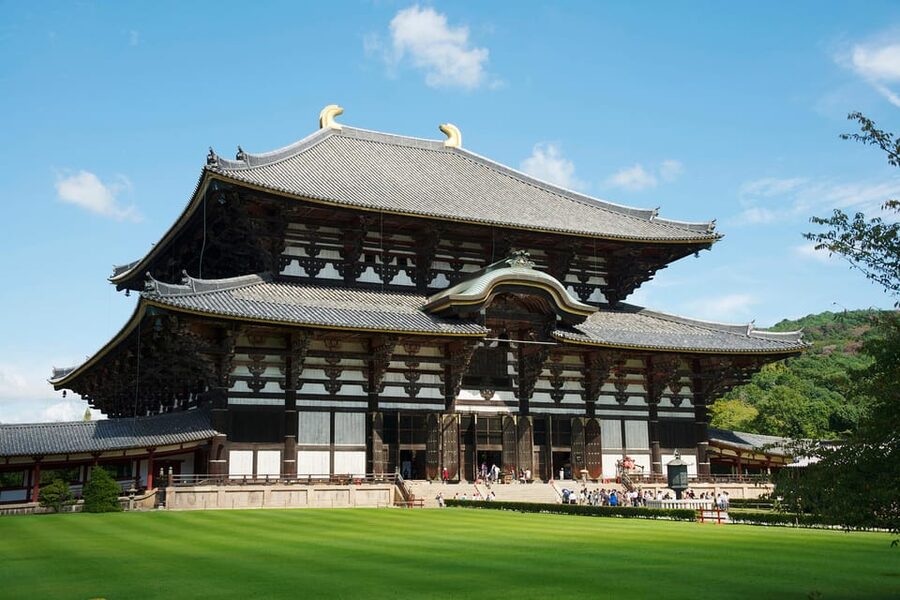
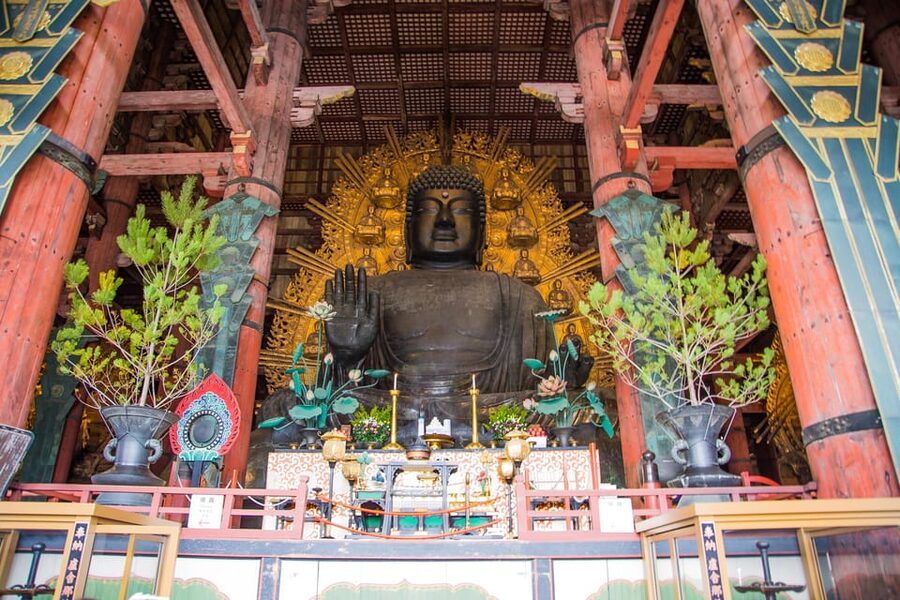
Todaiji is the day’s major cultural stop, with about an hour for a guided visit. The temple is a UNESCO World Heritage site and home to the Great Buddha, or Daibutsu, one of the largest bronze Buddha statues in Japan.
This is the place where the scale of Nara becomes clear. The temple and statue are not simply large objects to photograph. Their size expresses the ambition of the Buddhist capital that once grew here. Your guide can help connect the building, the statue, and the older story of Nara’s role in Japan.
An hour gives you enough time to enter, see the Great Buddha, and listen to an explanation without rushing through the entire visit. It is not enough for every corner of the complex, so keep your expectations realistic. The value is in having a guide point out what matters instead of leaving you to take a quick picture and move on.
The entrance fee for Todaiji is included. That helps offset part of the tour cost, although you still need to budget for the train and food. For many visitors, this is the one admission that makes the day worthwhile on its own, especially if this is your first visit to Nara.
More Private Temple Tours in Kyoto
- Kyoto: Fushimi Inari Hidden Hike (Private)
★ 5.0 · 31 reviews - Kyoto to Arashiyama Day Trip – Private & Personalized
★ 4.2 · 22 reviews - Kyoto: Half-Day Private Tour Gion Geisha District & Kiyomizu
★ 4.4 · 7 reviews - Kyoto: Private Walking Tour with Kiyomizu Temple & Gion
★ 5.0 · 7 reviews
Lunch at Kotoya, with an extra charge
The schedule allows an hour for lunch at Kotoya Restaurant. A traditional Japanese lunch is optional and costs around JPY 2,500 per person. Lunch is not included in the tour price, and you can bring your own food instead.
This clear choice is useful. You are not forced into a meal you do not want, and you can control your spending. On the other hand, if you prefer a fully paid-in-advance experience, the extra cost may be mildly inconvenient.
I would choose Kotoya if I wanted a local meal and a proper pause in the middle of a long walking day. Bring cash, since cash is listed among the things to carry. If you have dietary needs, the supplied information does not give specific menu details, so ask the provider before booking rather than assuming the restaurant can accommodate every request.
The lunch stop also gives your feet a break. With temple grounds, park paths, shrine approaches, and old streets still ahead, that hour matters more than it may appear on the schedule.
Kasuga Taisha and its thousands of lanterns
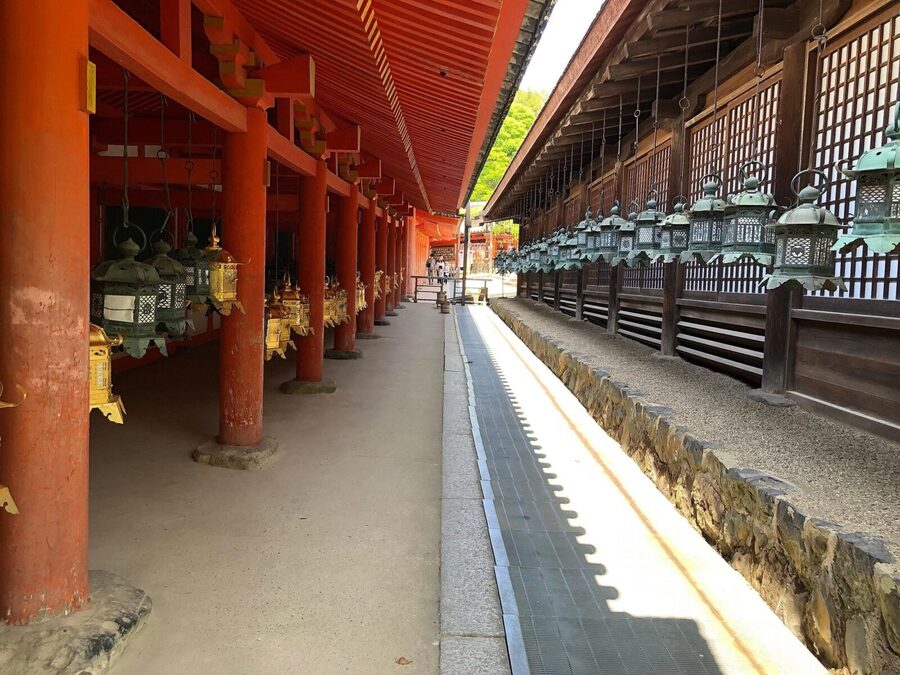
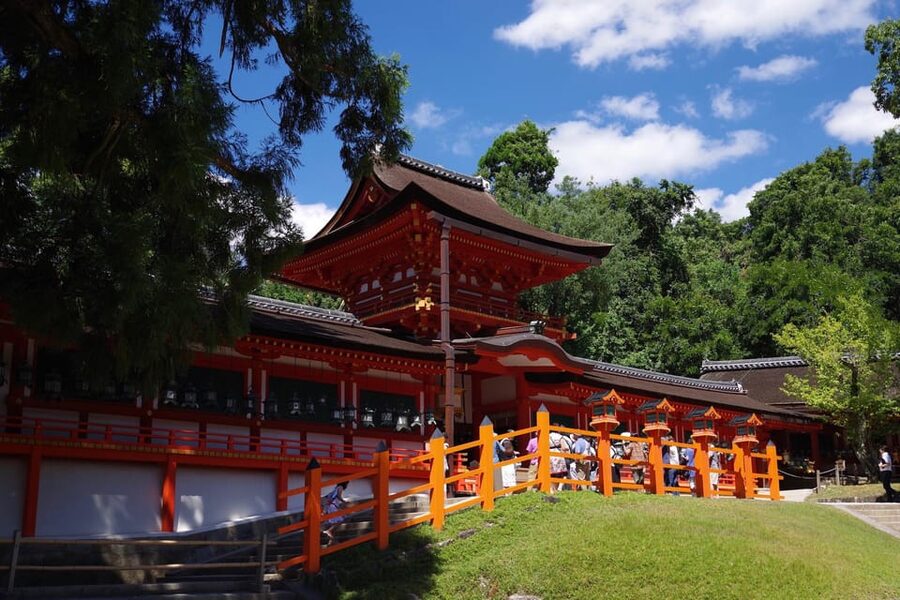
Kasuga Taisha follows lunch, with about an hour for a guided visit. This important Shinto shrine is known for thousands of hanging lanterns, which give the grounds a distinctive look. The setting adds a calmer, more wooded feel after Todaiji’s grand interior.
Kasuga Taisha is a good counterpoint to Todaiji. Todaiji presents the power and scale of Japanese Buddhism, while Kasuga Taisha brings you into Shinto practice and shrine design. Seeing both in one day helps you understand that Nara’s sacred places are not all variations of the same thing.
The included entrance fee covers Kasuga Shrine. An hour should let you take in the main setting and hear the guide explain what you are seeing. As with Todaiji, the visit is selective. This is not a long pilgrimage walk through every path in the surrounding area.
The lanterns are the visual highlight, but I would pay attention to the change in mood too. The shrine visit is less about checking off another landmark and more about seeing how religious spaces fit into Nara’s natural setting.
Naramachi’s Edo-period streets
The final major stop is Naramachi, an old district with narrow lanes and preserved traditional merchant houses. You have about an hour to walk through the area and get a sense of the Edo period.
This is a smart choice after the grand temples. Naramachi shows how ordinary urban life looked, or at least how its older buildings have been preserved, rather than focusing only on imperial and religious monuments. The lanes offer a more intimate view of Nara.
The pace here is likely relaxed compared with the temple visits, but do not expect a long shopping expedition. The supplied schedule calls this a visit rather than a guided tour with specific shops or homes included. You will mainly stroll, look, and absorb the street pattern.
I especially like having Naramachi at the end. It leaves you with small-scale details after a day of huge religious sites: wooden facades, narrow lanes, and the feeling of an older town. If you prefer local streets to major monuments, this may become one of your favorite parts.
Train logistics and the real price of the day
The return train takes about an hour and brings you back to the same Kyoto Station meeting point. Since hotel pickup and drop-off are not included, you must make your own way to the station at the start and after the tour.
The practical budget looks like this:
- Tour price: $183 per person
- Train: JPY 1,280 each way if you do not use a JR Pass
- Optional lunch: about JPY 2,500 per person
- Personal expenses: extra
The guide assists with buying the train ticket, which is helpful if you are not used to Japan’s rail system. Still, arrive at the meeting point with enough time to find the 7-Eleven Heart-In by the central entrance. Look for a guide wearing a TripGuru shirt or holding a TripGuru sign.
Free cancellation is available up to 24 hours before departure, and you can reserve now and pay later. Those policies are useful if your Kyoto plans are still moving around. Starting times vary, so check availability for your chosen date.
Walking, comfort, and who should book
Plan on a full eight hours, with a good amount of walking between temples, park paths, shrine grounds, and Naramachi lanes. Wear shoes that are comfortable for a long day, and bring a camera and cash.
The experience is not suitable for pregnant women or people with mobility impairments, heart problems, or respiratory issues. The supplied information does not give an exact step count or accessibility plan, so anyone with concerns should contact the provider before reserving.
This tour suits you best if you want the main Nara sights in one organized day from Kyoto, like asking questions as you go, and prefer a private group to a large bus tour. It is also a good match if you want both famous landmarks and a traditional neighborhood.
You may prefer independent travel if you already know Nara well, want to spend several hours with the deer, or need total control over meal and temple timing. The schedule is carefully packed, so it favors coverage over lingering.
Should you book this Nara tour?
Book it if you want a well-shaped first visit to Nara, personal guidance, and an easy route from Kyoto. The strongest benefit is the combination of the deer, Todaiji, Kasuga Taisha, and Naramachi, with a guide who can explain the difference between Buddhist and Shinto sites.
Think twice if the $183 price feels high before adding the train and lunch, or if you dislike fixed timing. For a first Nara day, though, the private format and clear route make the cost easier to defend. Guides such as Akiko, Naoki, Gustavo, and Vincent have been praised for friendly, flexible, clear help, which is exactly what this kind of history-heavy day needs.
FAQ
Where does the tour begin and end?
It begins and ends at the 7-Eleven Heart-In near the central entrance of JR Kyoto Station.
How long does the experience last?
The tour lasts about eight hours, including the train ride to Nara and the return journey to Kyoto.
Is transportation included in the tour price?
No. Train transportation is separate. The guide helps you purchase the ticket, and the stated fare is JPY 1,280 each way. A JR Pass can be used.
Is lunch included?
No. You can choose a traditional lunch at Kotoya Restaurant for about JPY 2,500 per person or bring your own food.
Which languages are available?
The live guide is available in English, French, or Spanish.
Are Todaiji and Kasuga Taisha entrance fees included?
Yes. Entrance fees for Todaiji Temple and Kasuga Shrine are included.
Can I cancel the booking?
Yes. You can cancel up to 24 hours in advance for a full refund. You can also reserve now and pay later.
More Full-Day Trips in Kyoto
- KYOTO-NARA: Giant Buddha Deer Pagoda “Geisya” (Italian, full day)
★ 4.7 · 15 reviews - Siem Reap: Full-Day Angkor Wat Guided Tour with Sunset
★ 4.9 · 3,803 reviews - Full-Day Angkor Wat Sunrise Private Tour with Guide from Siem Reap
★ 5.0 · 2,920 reviews - Siem Reap: Angkor Wat Sunrise and Full-Day Sightseeing Tour
★ 4.9 · 2,828 reviews
Just added around Kyoto
- Osaka/Kyoto: Katsuoji, Kinkakuji, Arashiyama 1-Day Bus Tour★ 4.6 · 33 reviews
- Kyoto:Kiyomizu-dera Temple Rent a kimono and ride a rickshaw★ 4.8 · 7 reviews
- Kyoto: Wagashi (Japanese sweets) Cooking near Fushimiinari★ 5.0 · 40 reviews
- Kyoto: Kimono/Yukata Rental 5 Minute from Kiyomizu-dera★ 4.7 · 89 reviews
- Kyoto Fushimiinari:Wagashi Making & Small Group Tea Ceremony★ 5.0 · 14 reviews
- Kyoto: Samurai Sword & Kimono Action Filming Experience★ 4.8 · 78 reviews
- KYOTO: Tempio Kiyomizu Pagode Gion “Geisya” (Guida Italiana)★ 4.7 · 17 reviews
- Best of Kyoto: Red Gates of Fushimi Inari & Kiyomizu Temple★ 4.8 · 36 reviews
Kyoto Temple Tours, compared.
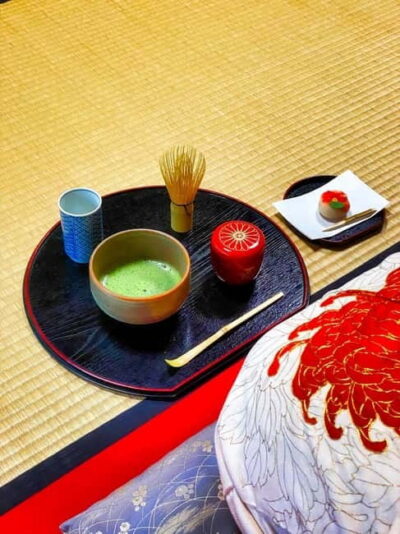
Tea Ceremony in a Traditional Tea House in Kiyomizu
Read our review →
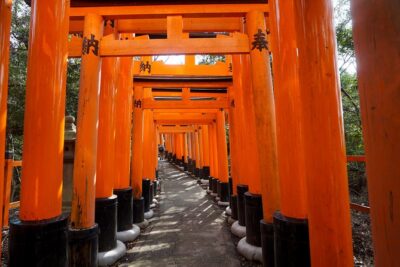
Fushimi Inari Hidden Hiking Tour (Private Option Available)
Read our review →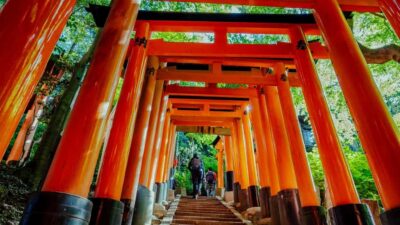
Osaka/Kyoto:Kinkakuji,Arashiyama,FushimiInariShrine,NaraPark
Read our review →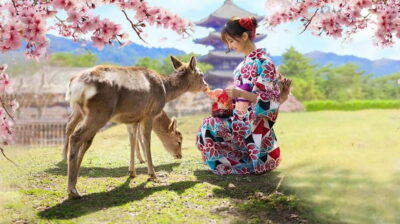
Kyoto/Osaka: Nara, Fushimi Inari Taisha, Arashiyama Bus Tour
Read our review →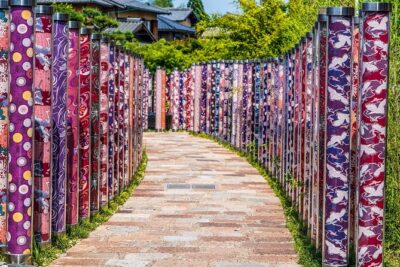
Kyoto Arashiyama Walking Tour: Bamboo, Monkeys, Gardens & Secrets
Read our review →
Arashiyama Bamboo, Temple, Monkeys, or Secret Sake Brewery
Read our review →
Arashiyama Bamboo Forest, Monkeys, Matcha & Temple Tour
Read our review →Browse the lists this tour appears in