
REVIEW · FUSHIMI INARI SHRINE TOURS
Kyoto: Fushimi Inari Taisha Shrine Walking Tour with Guide
The most memorable part of this outing is the change of pace: you begin at busy Kyoto Station, ride a local train, then walk beneath the vermilion gates of Fushimi Inari Taisha before reaching the quieter grounds of Sekiho-ji Temple. The guide puts Kyoto customs and shrine etiquette into plain English, so you do more than take pictures.
I like the use of public transportation, which keeps the outing tied to daily Kyoto life, and I like the visit to Sekiho-ji’s Jizo statues and Zen garden, a calmer counterpoint to Fushimi Inari. The main drawback is that the tour runs only on weekdays from October 6 to 31, 2025, and the roughly two-hour walk may feel short if you want to climb far up the mountain.
Key points at a glance
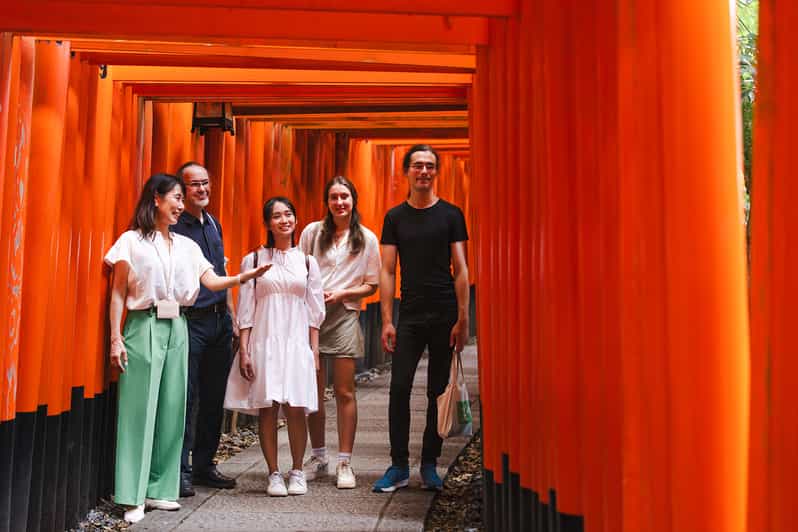
- Ride from Kyoto Station with a certified local guide, rather than arriving at Fushimi Inari on your own.
- Walk through the famous Senbon Torii gates and learn the customs behind the shrine.
- Visit Sekiho-ji Temple, including its distinctive Jizo statues and Zen garden.
- Pay $34 per person, with the guide and temple admission included, but train fare extra.
- Plan for about two hours of walking, conducted in English.
- Book only for a weekday between October 6 and 31, 2025, excluding Saturdays and Sundays.
Starting at Kyoto Station with a local guide
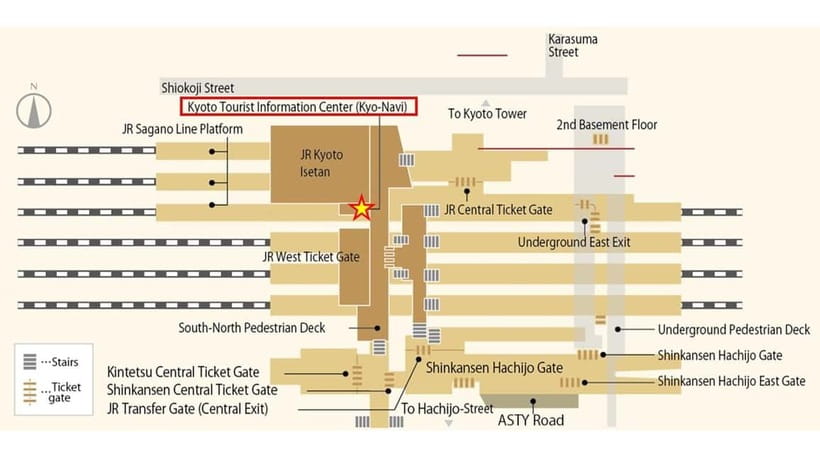
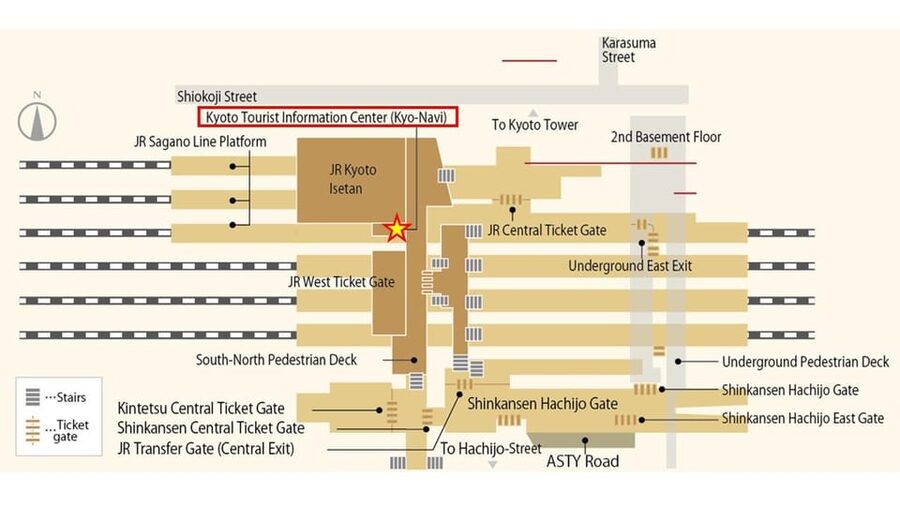
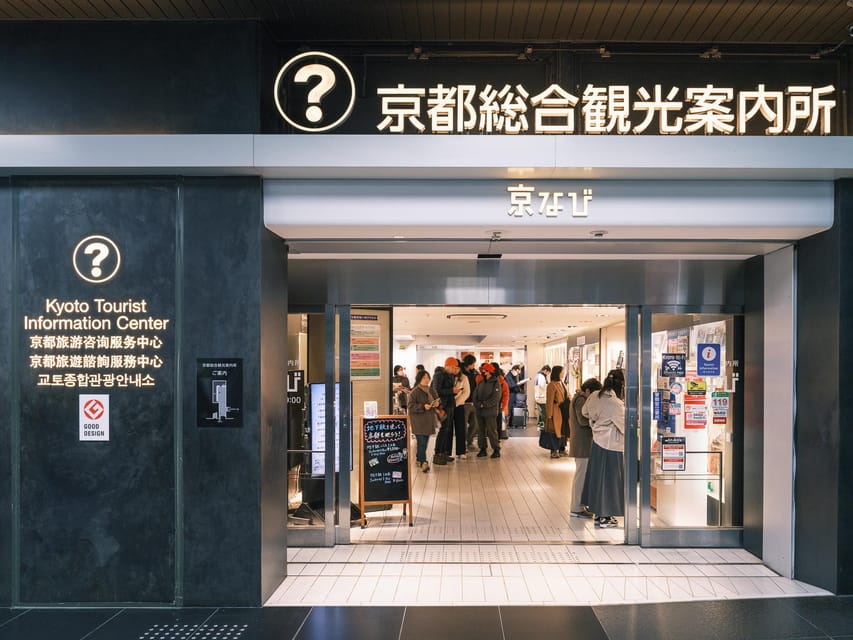
Your meeting point is Kyo-Navi, the Kyoto Tourist Information Center on the second floor of Kyoto Station. It sits along the pedestrian walkway on the north side, just south of the large Kyoto JR Isetan department store.
Kyoto Station is big enough to turn a simple meeting into a small expedition, so arrive early. If you cannot find the center, ask for Kyo-Navi, the name locals use for it. Your confirmation email contains the exact meeting details, and you should not count on joining if you arrive after the start time.
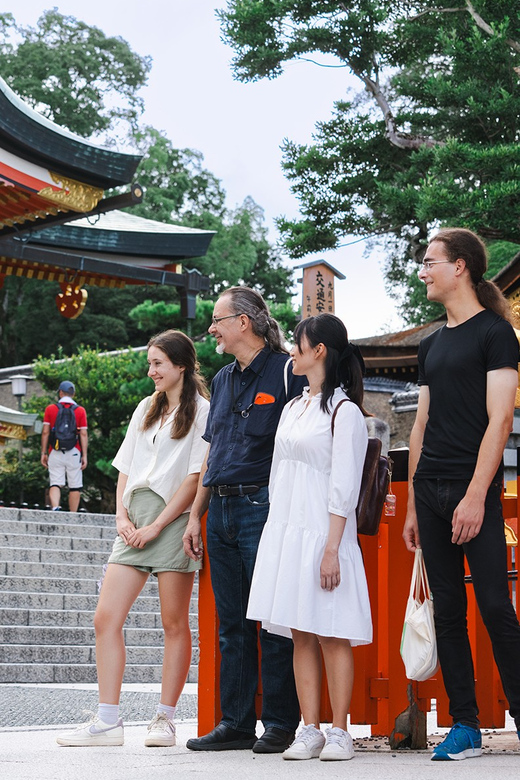
The tour is led by a Kyoto city certified guide and runs in English. That matters here. Fushimi Inari is easy to visit without help, but it is harder to understand what you are seeing, how to behave at a shrine, and why certain customs matter. The guide’s role is not just to point toward the torii gates. You get context as you move, with room to ask questions.
Junko is one guide connected with this experience, and her style comes across as engaging and helpful, with plenty of interesting insight. Your assigned guide may differ, but the important feature is the local certification and the focus on Kyoto customs rather than a rushed photo stop.
More Temple Walking Tours in Japan
- Kyoto Arashiyama Walking Tour: Bamboo, Monkeys, Gardens & Secrets
★ 5.0 · 1,216 reviews - Kyoto Fushimi-Inari Night Walking Tour
★ 5.0 · 320 reviews - Kyoto Fushimi-Inari Night Walking Tour
★ 4.8 · 171 reviews
The train ride makes Kyoto feel more local
The trip to Fushimi Inari uses public transportation, and the train fare is not included in the $34 price. This is a small extra cost, but it is worth planning for before you leave Kyoto Station.
I like this setup because the ride becomes part of the outing. You are not sealed inside a private vehicle or transferred straight from hotel to attraction. Instead, the guide helps you use Kyoto’s transport system while explaining local habits and the city’s approach to lower-impact travel.
That does mean you need to be ready to move. This is not a private car tour with plenty of waiting time. Keep your ticket money handy, wear shoes suited to walking, and arrive with enough time to find Kyo-Navi. The tour description does not give a group size, so you should not assume a private or very small group.
Walking beneath Fushimi Inari’s Senbon Torii
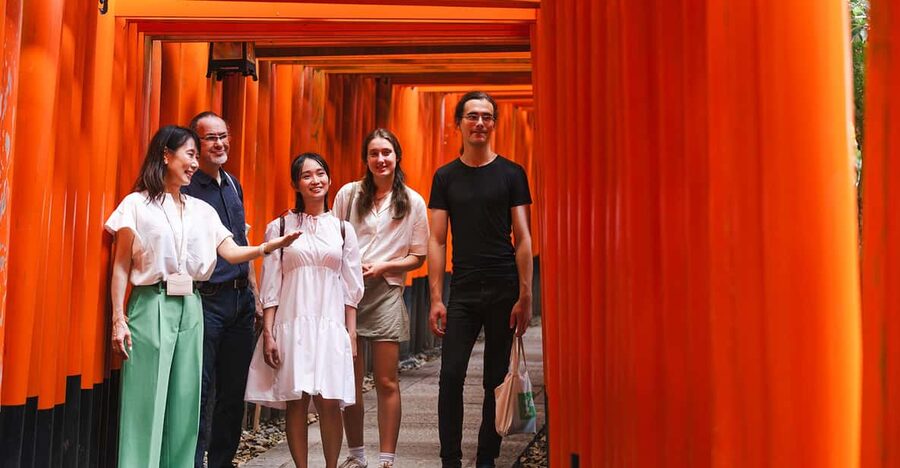
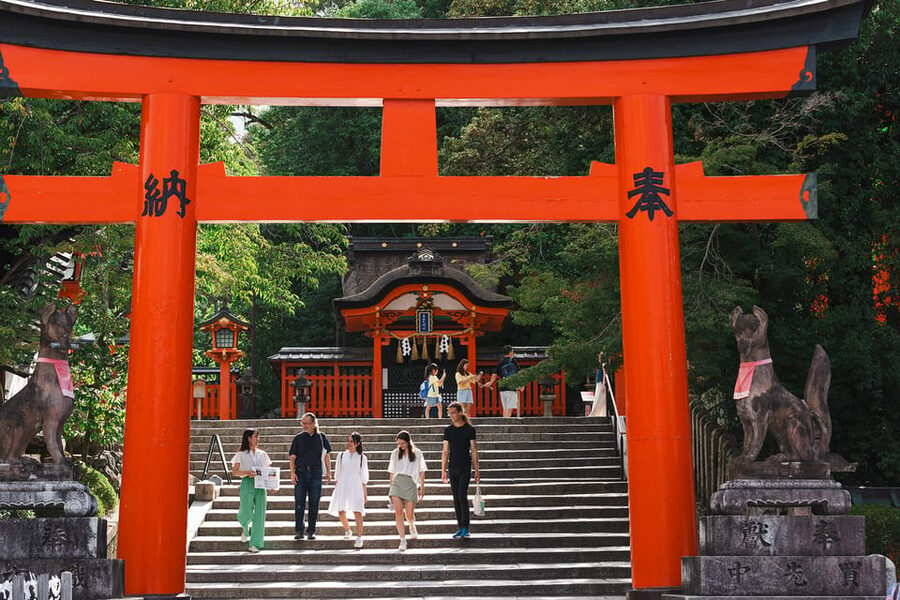
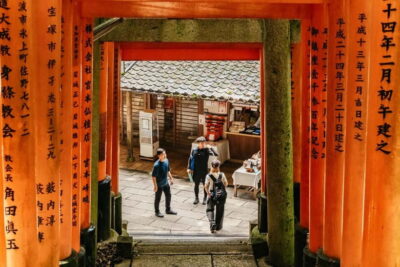
Fushimi Inari Taisha is one of Kyoto’s best-known sights, and its long corridors of vermilion torii gates are the reason. The Senbon Torii, or thousand torii, create a striking path through the wooded slopes of Mount Inari.
The gates are more than decoration. They are connected with worship at the shrine and with offerings made by individuals and businesses. A guide can help you read the site as a place of devotion, not only as one of Kyoto’s most photographed backdrops.
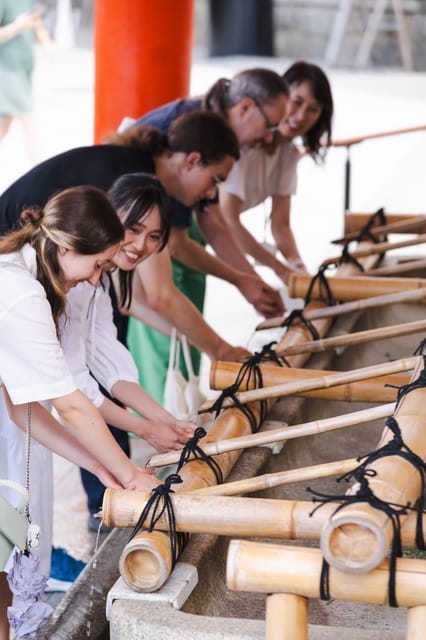
The first part of the visit can feel busy, especially around the better-known entrance areas. Your guide helps you understand the flow, the shrine customs, and the respectful way to move through the grounds. That is especially useful if you are unsure about bowing, purification, or where photography is appropriate.
The tour lasts about two hours overall, and that includes transportation and the temple visit. Do not expect to walk the entire mountain trail. Fushimi Inari extends much farther than this short guided visit can cover, so the outing is best seen as an introduction to the shrine and its most recognizable gate-lined paths.
That limited time is both a strength and a weakness. It works well if you want a clear first look without spending half a day on the mountain. It is less suitable if your main goal is a long uphill hike or a quiet, extended visit away from the entrance crowds.
Sekiho-ji Temple and its Jizo statues
After Fushimi Inari, the route leads to Sekiho-ji Temple. This stop gives the tour a useful second act. Fushimi Inari is known for its strong visual impact and steady flow of visitors, while Sekiho-ji offers a quieter setting with a Zen garden and a collection of Jizo statues.
The Jizo figures are the distinctive feature here. Jizo is a familiar Buddhist figure in Japan, often associated with protection and care. At Sekiho-ji, the statues give the visit a more intimate and reflective feel than the broad corridors of torii gates.
I particularly like this pairing. If the tour ended at Fushimi Inari, it could feel like a standard sightseeing walk centered on one famous image. The temple adds contrast and gives the guide a chance to discuss another side of Kyoto’s religious life.
Admission to Sekiho-ji is included. That helps justify part of the price, since you are not paying only for directions and transportation advice. The temple visit also gives you a reason to slow down and look closely rather than simply moving from one landmark to the next.
The Zen garden is another welcome change. The available details do not specify its size or design, so you should not expect a full garden-focused tour. Still, it is one of the parts that makes this route more varied, particularly if you appreciate calm spaces and smaller religious sites.
More Temple Walking Tours in Kyoto
- Kyoto Tea Ceremony & Kiyomizu-dera Temple Walking Tour
★ 5.0 · 115 reviews - Kyoto: Fushimi Inari Taisha Guided Walking Tour
★ 4.6 · 65 reviews - Kyoto: Private Walking Tour with Kiyomizu Temple & Gion
★ 5.0 · 7 reviews
What the $34 price really covers
At $34 per person, this is a reasonably priced guided introduction to Fushimi Inari. Your fee includes the Kyoto city certified guide and entry to Sekiho-ji Temple. Those inclusions are important because the tour’s value rests on explanation and route planning rather than on an expensive attraction ticket.
You pay the train fare separately, and food and drinks are also on your own. There is no hotel pickup or drop-off. In practical terms, the price buys you local guidance, temple admission, and a structured route from Kyoto Station, not a full-day package.
The value is strongest for first-time visitors who want help with etiquette and orientation. You can visit Fushimi Inari without booking anything, so independent walkers may prefer to keep the $34 and explore at their own pace. But going alone means arranging your own route, finding Sekiho-ji, and missing the guide’s explanations.
The public transport approach also keeps the price below what you might pay for a private vehicle. If you value a lower-impact way to get around and enjoy walking with a local guide, the cost is fair. If you only want to see the torii gates and take a few photos, it may be more than you need.
Who will enjoy this two-hour outing
This tour suits you if you want a compact Kyoto activity that combines a major sight with a less familiar temple. It is a good choice for first-time visitors, couples, solo visitors, and families who prefer an organized introduction to local customs.
It also works well early in a Kyoto visit. The guide can help you get comfortable with shrine etiquette and public transportation, while the walk gives you ideas for further exploring the Fushimi Inari area afterward.
You should be comfortable walking for about two hours. The route includes shrine and temple grounds, and Fushimi Inari is associated with sloping paths and many gates. The supplied information does not give an accessibility assessment, so anyone with mobility concerns should ask for route details before booking.
Families should note the child policy. Each paying participant may bring one child aged 0 to 6 free of charge, but that child must stay with an adult. If you bring more than one child, each additional child needs an adult ticket. A free child who uses the luggage service also incurs the service fee.
Unaccompanied minors are not allowed. The tour is conducted only in English, so it is not the right choice if you need another language.
Timing, dates, and the end of the route
This is a limited seasonal activity. It runs from October 6 through October 31, 2025, on weekdays only. Saturdays and Sundays are excluded, which is an important restriction if your Kyoto stay falls over a weekend.
The tour begins at Kyoto Station and uses public transportation to reach Fushimi Inari. The supplied details describe the route as ending in the Fushimi Inari area or near JR Tofukuji Station, while the meeting information says the activity ends back at the meeting point. Because those details do not match perfectly, check the end location in your reservation confirmation before arranging your next activity.
That uncertainty is not a reason to avoid the tour, but it is a reason to leave breathing room afterward. Do not schedule a tight train connection, restaurant booking, or timed attraction immediately after the walk.
You can cancel up to 24 hours before the start for a full refund, and the reserve-now, pay-later option helps if your schedule is still shifting. Those policies are useful for a short October visit, when you may be fitting several Kyoto sights into a crowded plan.
Small details that make the experience better
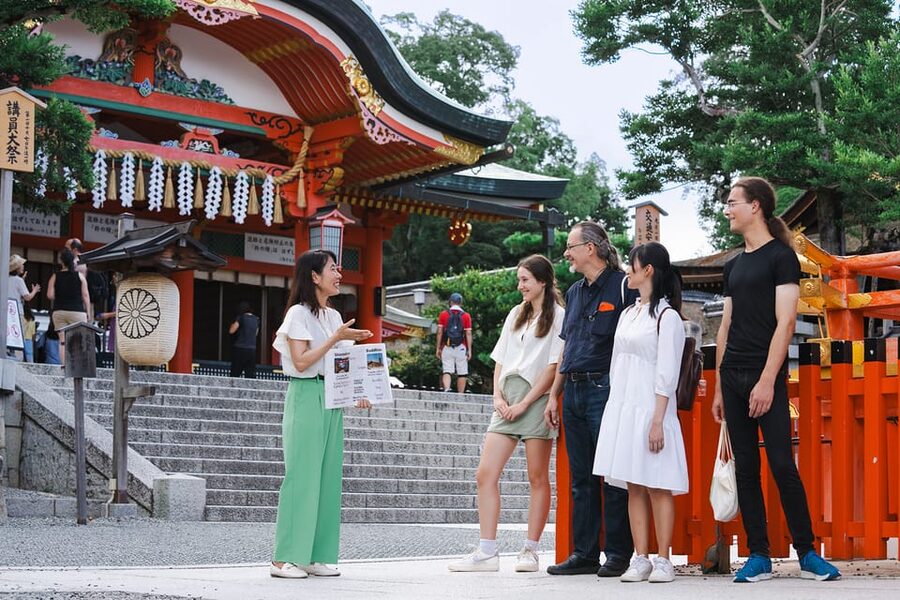
Arrive at Kyo-Navi well before the start time. Kyoto Station can be confusing, and the tour cannot wait for late arrivals.
Wear comfortable walking shoes and carry water. Food and drinks are not included, and the two-hour route is active rather than seated.
Keep your train fare separate from the tour cost. The amount is not included, and the guide will take you by public transportation.
Listen for the etiquette advice at the start. Knowing how to behave at a shrine adds real value to the visit and helps you feel less awkward at the purification area and worship spaces.
Ask the guide for ideas after the tour. The outing ends in or near the Fushimi Inari area according to the route description, making local recommendations especially useful if you want to continue exploring.
Should you book this Fushimi Inari tour?
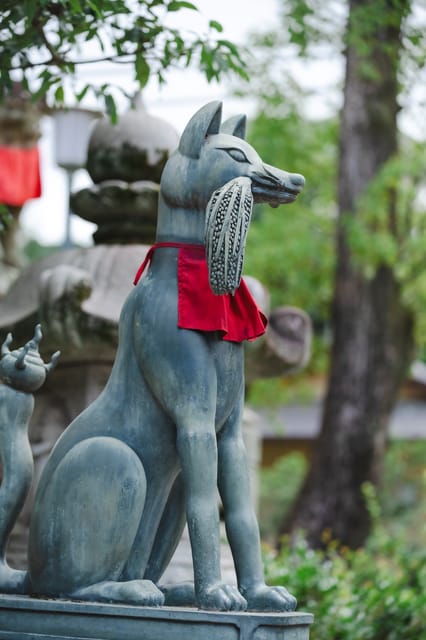
Book it if you want more than a quick look at the torii gates. The combination of a certified Kyoto guide, public transport, shrine customs, Sekiho-ji’s Jizo statues, and a Zen garden gives you a fuller picture than a simple self-guided visit.
Skip it if you want a long mountain hike, a private vehicle, a non-English guide, or complete control over your pace. The two-hour schedule is compact, the train fare is extra, and the weekday October dates are narrow.
For the right visitor, $34 is a sensible price for an approachable introduction to one of Kyoto’s most famous religious sites, with a quieter temple added to keep the outing from feeling one-note.
FAQ
Where does the tour begin?
Meet at Kyo-Navi, the Kyoto Tourist Information Center on the second floor of Kyoto Station. It is on the north side pedestrian walkway, just south of Kyoto JR Isetan.
How do I find Kyo-Navi?
Ask for Kyo-Navi, which is the local name for the Kyoto Tourist Information Center. Exact meeting details are also provided in the reservation confirmation email.
How long does the tour take?
The walking tour takes approximately two hours.
What language is the tour conducted in?
The tour is conducted only in English.
Is the train fare included?
No. You pay the train fare to Fushimi Inari Taisha separately.
What is included in the $34 price?
The price includes a Kyoto city certified guide and entry to Sekiho-ji Temple. Food, drinks, hotel pickup, hotel drop-off, and train fare are not included.
Can children join the tour?
Each paid participant can bring one child aged 0 to 6 for free. The child must be accompanied by an adult. Each additional child must purchase an adult ticket, and unaccompanied minors are not allowed.
When does the tour operate?
It operates from October 6 through October 31, 2025, except Saturdays and Sundays.
More Fushimi Inari Shrine Tours in Kyoto
- Kyoto: Tea Ceremony in a Traditional Tea House in Kiyomizu
★ 4.9 · 3,519 reviews - Fushimi Inari Hidden Hiking Tour (Private Option Available)
★ 5.0 · 1,750 reviews - Osaka/Kyoto:Kinkakuji,Arashiyama,FushimiInariShrine,NaraPark
★ 4.1 · 1,596 reviews - Kyoto/Osaka: Nara, Fushimi Inari Taisha, Arashiyama Bus Tour
★ 4.7 · 1,275 reviews
Just added around Kyoto
- Osaka/Kyoto: Katsuoji, Kinkakuji, Arashiyama 1-Day Bus Tour★ 4.6 · 33 reviews
- Kyoto:Kiyomizu-dera Temple Rent a kimono and ride a rickshaw★ 4.8 · 7 reviews
- Kyoto: Wagashi (Japanese sweets) Cooking near Fushimiinari★ 5.0 · 40 reviews
- Kyoto: Kimono/Yukata Rental 5 Minute from Kiyomizu-dera★ 4.7 · 89 reviews
- Kyoto Fushimiinari:Wagashi Making & Small Group Tea Ceremony★ 5.0 · 14 reviews
- Kyoto: Samurai Sword & Kimono Action Filming Experience★ 4.8 · 78 reviews
- KYOTO: Tempio Kiyomizu Pagode Gion “Geisya” (Guida Italiana)★ 4.7 · 17 reviews
- Best of Kyoto: Red Gates of Fushimi Inari & Kiyomizu Temple★ 4.8 · 36 reviews
Fushimi Inari Shrine Tours, compared.
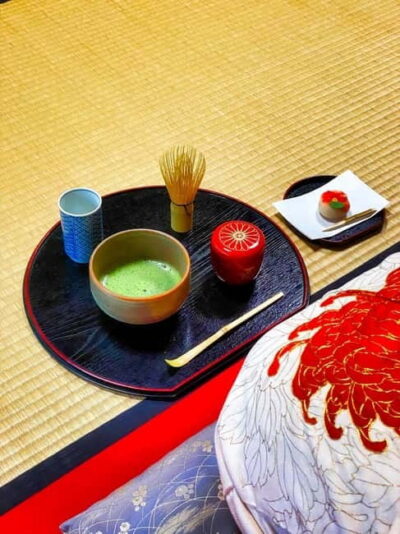
Tea Ceremony in a Traditional Tea House in Kiyomizu
Read our review →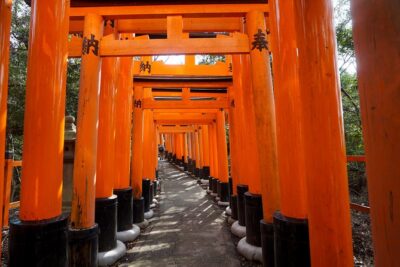
Fushimi Inari Hidden Hiking Tour (Private Option Available)
Read our review →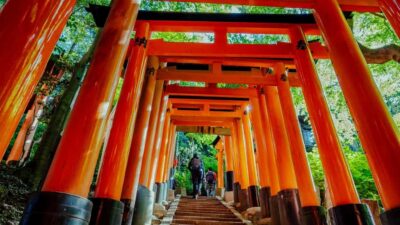
Osaka/Kyoto:Kinkakuji,Arashiyama,FushimiInariShrine,NaraPark
Read our review →
Kyoto/Osaka: Nara, Fushimi Inari Taisha, Arashiyama Bus Tour
Read our review →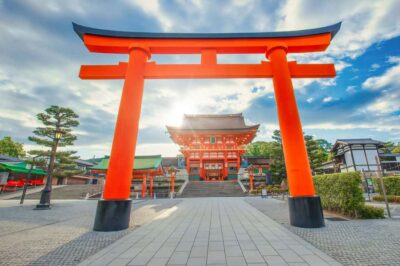
Osaka/Kyoto: Arashiyama, Nara & Fushimi Inari Shrine w/Lunch
Read our review →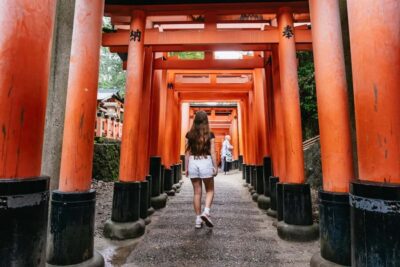
Nijo Castle, Kiyomizu & Fushimi Inari Guided Tour
Read our review →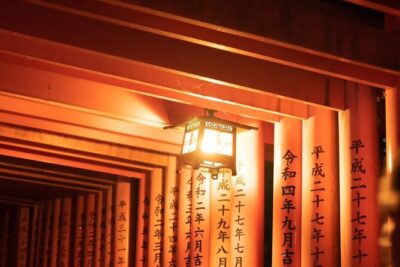
Browse the lists this tour appears in