
REVIEW · FUSHIMI INARI SHRINE TOURS
Kyoto: Kiyomizudera, Higashiyama and Yasaka Discovery Tour
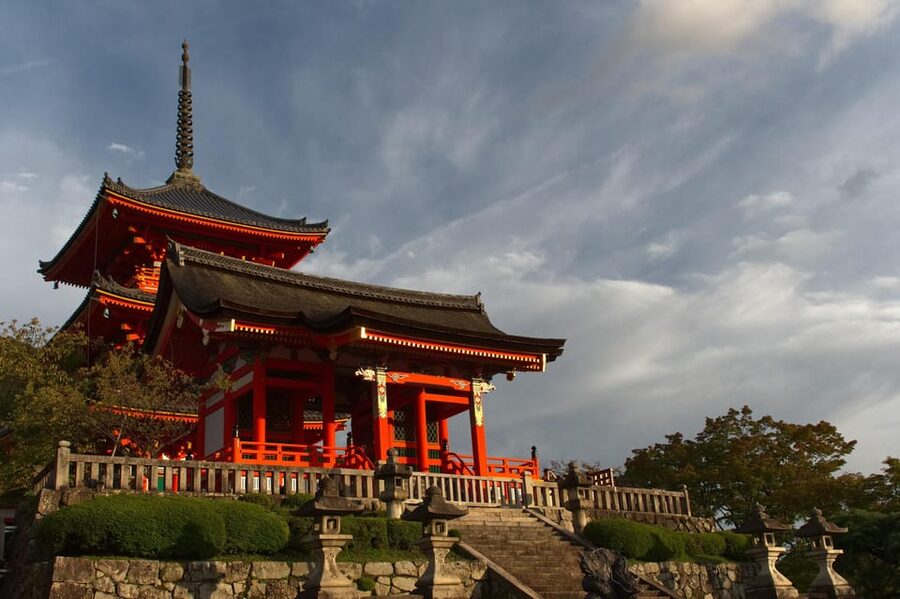
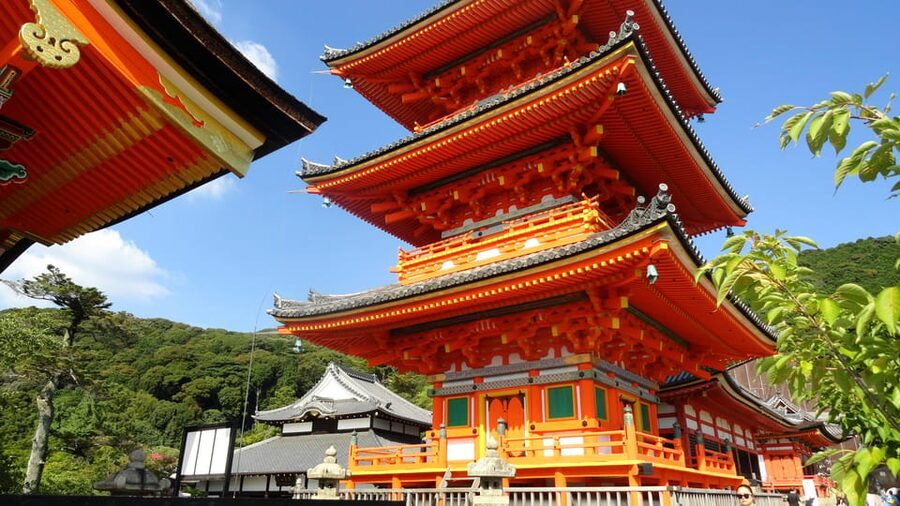
Kiyomizudera is the star here, and rightly so. This UNESCO World Heritage Site gives you sweeping Kyoto views, beautiful wooden architecture, and stories about Kannon, the deity of peace and mercy, plus the sacred blue dragon known as seiryuu. From there, you walk downhill through some of the city’s most appealing old streets.
I like the small groups of up to nine and the way the route links major sights without wasting time on transport. I also like the human touch: guides such as Miyake Nobumasa, Yuko, Jasmine, CC, and Katz have helped guests with photo spots, matcha stops, shopping breaks, and extra Kyoto suggestions.
The main catch is pace. Three hours covers four major sights and several historic streets, so this is an overview rather than a slow temple study. The route includes slopes, steps, and plenty of standing and walking, making it a poor fit for people with mobility, heart, respiratory, or pregnancy-related concerns.
Key points to know before you book
- Kiyomizudera comes first: You begin with Kyoto’s headline temple, including its Kannon and seiryuu stories.
- The route is mostly on foot: Sannenzaka, Ninenzaka, Nene no Michi, Kodaiji, Yasaka Shrine, and Maruyama Park connect naturally.
- Two temple admissions are included: Entrance fees for Kiyomizudera and Kodaiji are covered.
- The guides add practical value: Expect cultural explanations, photo advice, and occasional flexibility for a quick matcha or shopping stop.
- The group stays small: A maximum of nine people makes it easier to ask questions and keep together in crowded lanes.
- You finish near Gion-Shijo Station: The endpoint is useful for continuing your Kyoto sightseeing or finding food in the Gion area.
Starting with Kyoto’s most famous temple
Meet your guide at the 7-Eleven at 112 Tatsumicho. Look for a TripGuru shirt or sign. This is not a hotel pickup tour, so you need to make your own way to the meeting point and arrive ready to walk.
Kiyomizudera receives the opening hour, which is a smart choice. The temple is one of Kyoto’s essential sights, and seeing it with a guide gives the visit more shape than simply arriving, taking photos, and moving on. You’ll hear about Kannon, the deity of peace and mercy, and the sacred blue dragon, or seiryuu.
The temple also gives you one of the tour’s best visual moments: broad views across Kyoto from its elevated position. Bring a camera, but try not to spend the whole visit looking through it. The setting works best when you pause to take in the wooden structures, tiled roofs, and city beyond.
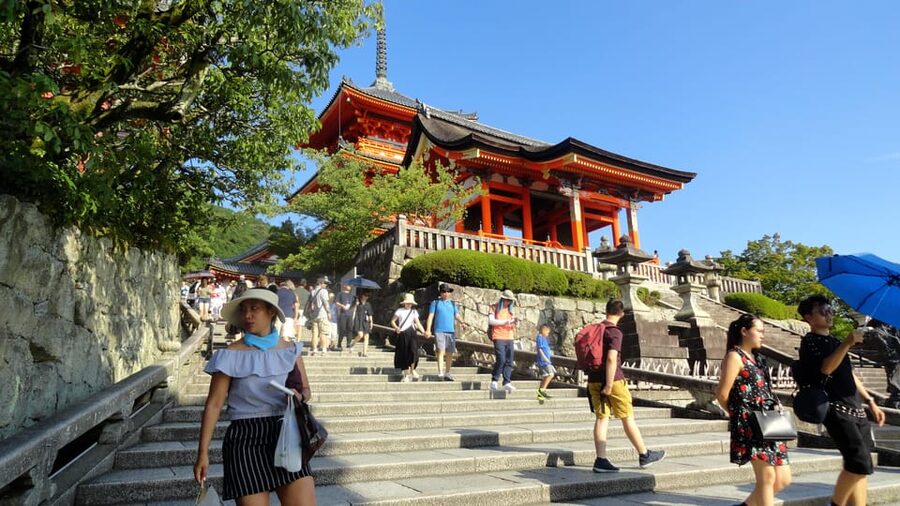
You should expect crowds around Kiyomizudera, especially during popular travel periods and cherry blossom season. A guide can explain what you are seeing and keep the visit moving, but cannot make the temple quiet. If you want extended time for close photography, prayer, or browsing every corner, you may find the one-hour visit too short.
Still, starting here gives you a strong sense of place. Kiyomizudera is not an isolated attraction. It sits at the top of a historic walking route, and the next part of the tour lets you see how the temple connects to Kyoto’s traditional streets.
More Fushimi Inari Shrine Tours in Kyoto:
- Kyoto: Tea Ceremony in a Traditional Tea House in Kiyomizu
★ 4.9 · 3,519 reviews - Fushimi Inari Hidden Hiking Tour (Private Option Available)
★ 5.0 · 1,750 reviews - Osaka/Kyoto:Kinkakuji,Arashiyama,FushimiInariShrine,NaraPark
★ 4.1 · 1,596 reviews
Walking Sannenzaka, Ninenzaka, and Nene no Michi
After Kiyomizudera, the group spends about 30 minutes walking through Sannenzaka and Ninenzaka, with Nene no Michi also part of the route toward Kodaiji. These lanes are lined with traditional shophouses and have the old Kyoto appearance many people hope to find.
This is a good place to notice details you could easily miss alone. The streets are attractive, but they are also working commercial lanes, with shops, snacks, souvenirs, and people moving in both directions. Your guide can help you understand the setting while pointing out useful places for a quick purchase or photo.
The route is not a flat stroll through a quiet park. You’ll encounter slopes, steps, and uneven pavement. Wear comfortable shoes, as requested by the operator. The advice is basic, but important: this tour is much more pleasant when your feet are not complaining by the halfway point.
One useful feature is the possibility of a short diversion. CC, one of the guides associated with this experience, has been especially flexible about quick matcha or shopping breaks while still keeping the group on schedule. Do not count on a long café visit, but a brief pause may be possible if the group and timing allow it.
The lanes can become crowded. A small group helps here because the guide can keep the party together without the feel of a large tour procession. You should still expect to walk at the pace of the group rather than stop at every shop.
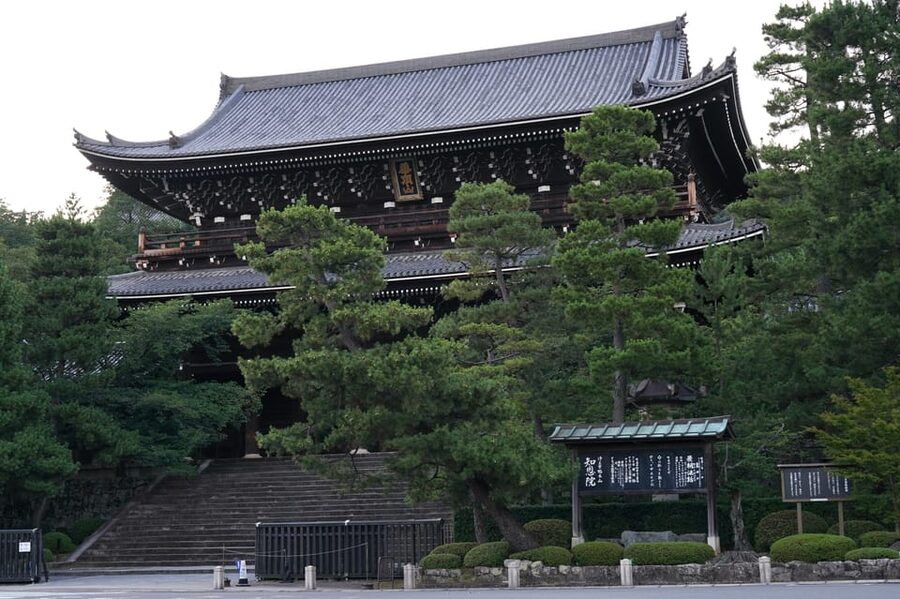
Kodaiji and its connection to Toyotomi Hideyoshi
Kodaiji receives roughly 30 minutes. The temple was built in memory of Toyotomi Hideyoshi’s wife, and it gives the route a quieter, more reflective stop after the busy streets around Kiyomizudera.
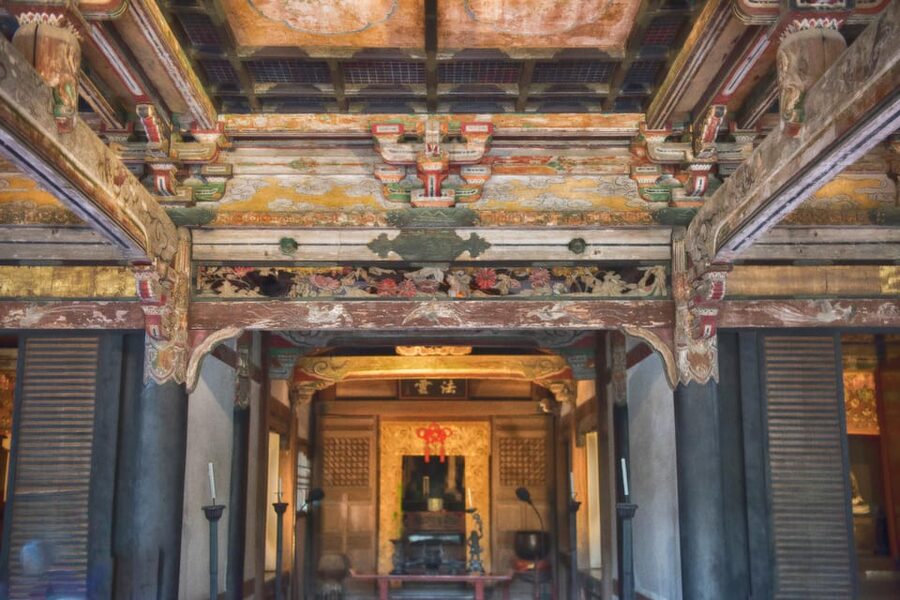
The appeal here is a mix of design, setting, and story. You’ll see Zen gardens and lavish interiors, while your guide explains why the temple was created and what makes its spaces worth noticing. The included admission is useful because it removes one extra ticket purchase and makes it easier to enter as part of the walking route.
Half an hour is enough for an introduction, not a full study. You’ll have time to see the main features and hear the key background, but you may want to return later if Kodaiji becomes a favorite. That is one of the tradeoffs of a short highlights tour: you get a well-planned first look, but not unlimited time at any one temple.
The transition from the old lanes to Kodaiji is part of the pleasure. The tour does not treat temples as disconnected stops. It shows you a section of eastern Kyoto where streets, religious sites, gardens, and local shops sit close together.
Yasaka Shrine and the edge of Gion
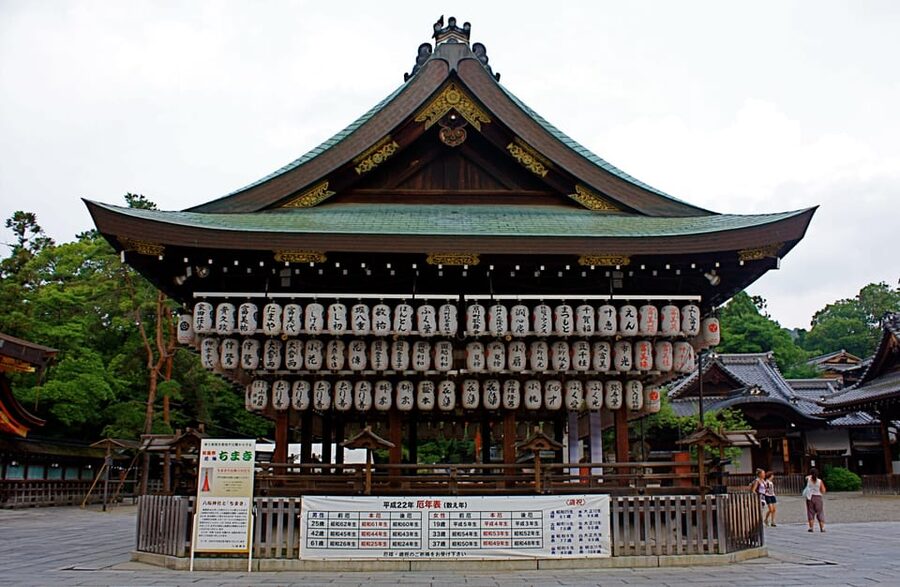
The final major sight is Yasaka Shrine, another 30-minute guided stop. Here the emphasis shifts from Buddhist temple architecture to Shinto history, culture, and practices.
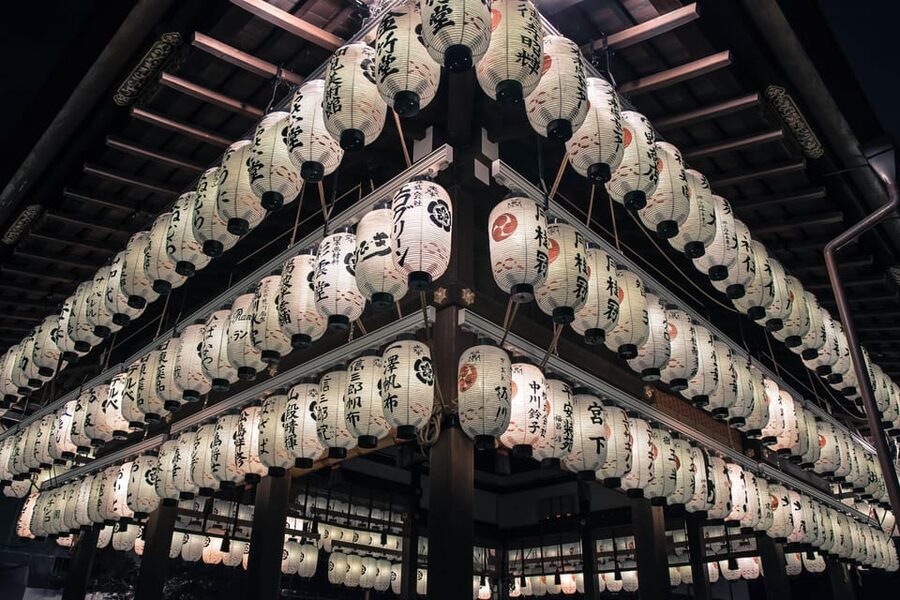
That contrast gives the tour useful range. Kiyomizudera and Kodaiji introduce you to important temple sites, while Yasaka offers a chance to discuss Shinto traditions. If Japanese religious customs are new to you, this side-by-side structure makes the differences easier to follow.
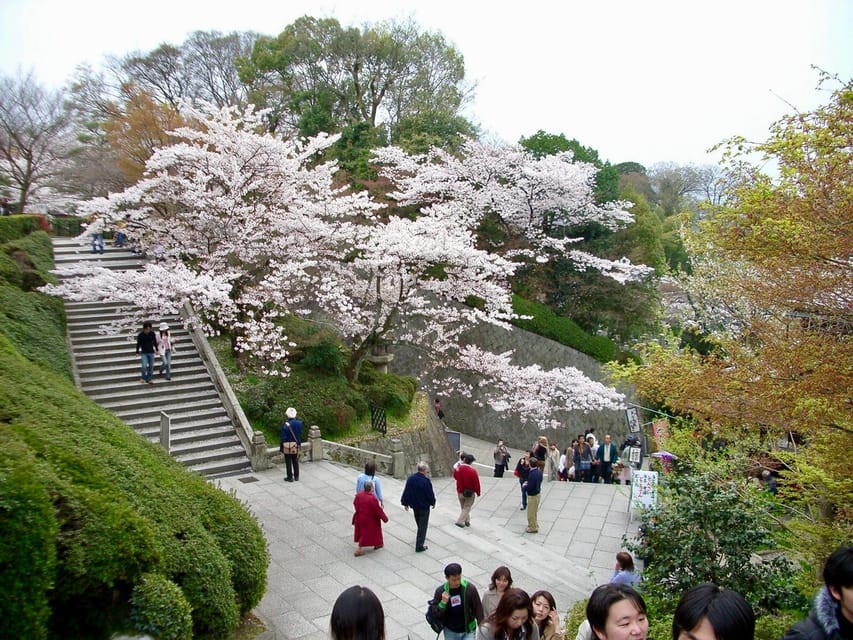
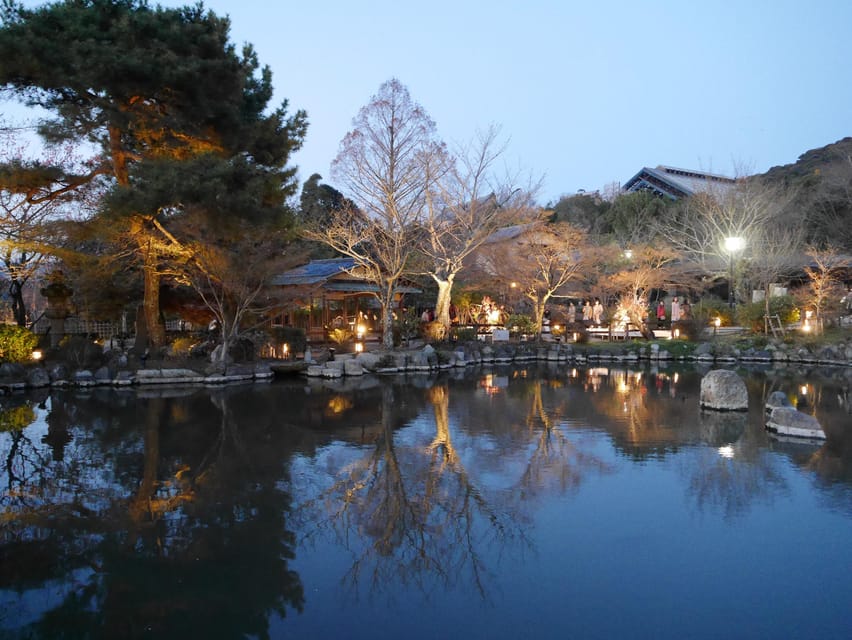
You’ll leave through the eastern side of the shrine and enter Maruyama Park. This is a pleasant finish to the sightseeing portion, especially during cherry blossom season, when the park becomes one of Kyoto’s favorite gathering places. The tour does not promise a special blossom viewing arrangement, so timing matters if that is your main reason for visiting.
The final destination is Gion-Shijo Station. That is practical. You are not left at a remote temple entrance, and you can continue exploring the Gion area, find a meal, or use the station for your next stop. One guide, Miyake Nobumasa, has also offered useful advice about the Gion area and good photo locations, which can help you make better use of the hours after the tour.
Same country, a different morning at the gates:
- Kyoto: Tea Ceremony Ju-An at Jotokuji Temple
★ 4.9 · 3,207 reviews - Kyoto/Osaka: Nara, Fushimi Inari Taisha, Arashiyama Bus Tour
★ 4.7 · 1,275 reviews - Kyoto Arashiyama Walking Tour: Bamboo, Monkeys, Gardens & Secrets
★ 5.0 · 1,216 reviews - Arashiyama Bamboo, Temple, Monkeys, or Secret Sake Brewery
★ 4.8 · 886 reviews
What the guides add to the experience
The route is easy to recognize on a map. The real reason to book a guided version is the explanation and local judgment between the stops.
The guide team has included Miyake Nobumasa, Yuko, Jasmine, CC, Katz, Alex, Rafael, and Nobumasa Miyake. Several have been praised for clear English, humor, energy, and strong knowledge of Japanese culture. Those qualities matter in Kyoto, where a temple can look beautiful but leave you unsure what you are seeing or why it matters.
Yuko has helped guests with suggestions for seasonal sights such as plum blossoms. Rafael has customized the route around the interests of a family when the group size allowed it. CC has made room for quick matcha or shopping pauses. These details suggest a tour style that is not rigidly scripted, though the schedule still has to cover all four main stops.
The most useful guide is not always the one who gives the longest lecture. You want someone who can explain a religious detail in plain English, answer an unexpected question, point out a good photograph, and keep the group moving. The strong feedback attached to this tour repeatedly emphasizes those traits, especially friendliness, humor, and cultural explanation.
Because the group is capped at nine, you should have a better chance to ask questions than on a large coach tour. The tradeoff is that the experience depends partly on the guide assigned that day. The named guides have received particularly warm praise, but you cannot select one when booking based on the information provided.
Is $54 a fair price?
At $54 per person, this is a reasonable price for a three-hour guided introduction to eastern Kyoto. You receive an English-speaking guide, admission to Kiyomizudera and Kodaiji, snacks, and a carefully connected route through several major sights.
The value is strongest if you want context. If you only need directions, you can walk this area independently and avoid the tour fee. But entrance tickets, route planning, and explanations add up, and a good guide can save you from treating Kiyomizudera, Kodaiji, and Yasaka Shrine as a blur of attractive buildings.
The price does not include meals, other drinks, hotel pickup, or personal purchases. Bring cash for snacks, drinks, shopping, or a quick stop along the way. The included snacks are a small extra, not a substitute for lunch.
I would see this as a first-day Kyoto tour or a useful orientation early in your stay. It covers enough ground to show you what deserves a longer return visit. If you already know eastern Kyoto well, the short format may feel less worthwhile unless you particularly want the guide’s cultural commentary.
Timing, walking, and comfort
The tour lasts three hours, with about one hour at Kiyomizudera and roughly 30 minutes each for Sannenzaka, Kodaiji, and Yasaka Shrine. That schedule is efficient, but it leaves little room for long shopping sessions or an unhurried meal.
Wear comfortable shoes and bring a camera. Cash is also recommended. You will be outdoors for much of the experience, moving between temple grounds, streets, and the park, so plan your clothing with walking and weather in mind.
The tour is specifically not suitable for pregnant women or people with mobility impairments, heart problems, or respiratory issues. That warning deserves attention. The route involves sustained walking and uneven urban surfaces, and the compact schedule may be tiring even if the distance looks modest on a map.
A small group is helpful, but it does not turn the tour into a private car ride. You still need to keep pace and stay with the guide. If you want to linger at every garden, shop, or shrine building, an independent visit will give you more control.
Who will get the most from this tour?
I would recommend it to a first-time Kyoto visitor who wants to see the city’s famous eastern sights without spending a full day on a large group outing. It also suits you if religious history and local customs are more interesting when someone explains them on the spot.
Families may appreciate the compact length and the possibility of some route flexibility. Couples and solo visitors can also benefit from the small group, especially if they want photo suggestions and a few practical tips for the rest of the day.
The tour is less suitable if you dislike crowds, need frequent rests, use mobility equipment, or prefer long periods of quiet observation. It is also not the right pick for someone who wants a detailed, specialist study of Kiyomizudera or Kodaiji. Think of it as a focused introduction with enough substance to make the sights meaningful.
Free cancellation up to 24 hours before the start gives you some planning flexibility, and you can reserve now and pay later. Check the available start times before booking, since the exact departure time is not fixed in the information provided.
Should you book the Kiyomizudera and Higashiyama tour?
Book it if you want a well-organized three-hour walk through Kyoto’s most famous eastern temple district, with admission and an English-speaking guide included. The strongest reasons are the small group, the connected route, the cultural stories, and the practical advice from guides such as Miyake, Yuko, Jasmine, CC, and Katz.
Skip it if you need a slow pace, have mobility or health concerns listed by the operator, or already know Kiyomizudera, Kodaiji, Yasaka Shrine, and the surrounding lanes. For everyone else, $54 buys a useful first look at eastern Kyoto, with enough local context to help you decide where to spend more time afterward.
FAQ
Where does the tour meet?
The meeting point is the 7-Eleven at 112 Tatsumicho. Look for a guide wearing a TripGuru shirt or holding a TripGuru sign.
Where does the tour finish?
The tour finishes at Gion-Shijo Station.
What is included in the price?
The price includes an English-speaking guide, entrance fees for Kiyomizudera and Kodaiji Temple, and snacks.
Are meals and drinks included?
Meals and drinks other than the included snacks are not included. Personal expenses are also your responsibility.
How large is the group?
This is a small-group tour limited to nine participants.
Can I cancel the booking?
You can cancel up to 24 hours in advance for a full refund. The tour also offers a reserve now and pay later option.
Just added around Kyoto
- Osaka/Kyoto: Katsuoji, Kinkakuji, Arashiyama 1-Day Bus Tour★ 4.6 · 33 reviews
- Kyoto:Kiyomizu-dera Temple Rent a kimono and ride a rickshaw★ 4.8 · 7 reviews
- Kyoto: Kimono/Yukata Rental 5 Minute from Kiyomizu-dera★ 4.7 · 89 reviews
- Kyoto: Wagashi (Japanese sweets) Cooking near Fushimiinari★ 5.0 · 40 reviews
- Kyoto Fushimiinari:Wagashi Making & Small Group Tea Ceremony★ 5.0 · 14 reviews
- Kyoto: Samurai Sword & Kimono Action Filming Experience★ 4.8 · 78 reviews
- KYOTO: Tempio Kiyomizu Pagode Gion “Geisya” (Guida Italiana)★ 4.7 · 17 reviews
- Best of Kyoto: Red Gates of Fushimi Inari & Kiyomizu Temple★ 4.8 · 36 reviews
Fushimi Inari Shrine Tours, compared.
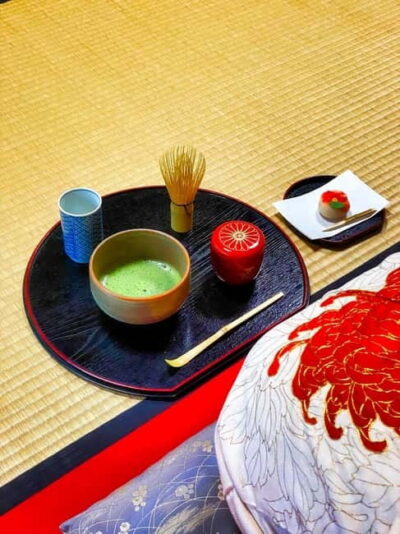
Tea Ceremony in a Traditional Tea House in Kiyomizu
Read our review →
Fushimi Inari Hidden Hiking Tour (Private Option Available)
Read our review →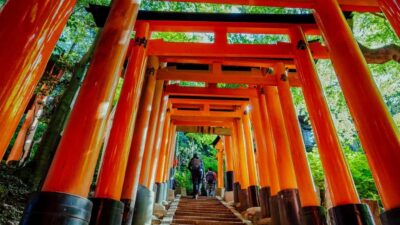
Osaka/Kyoto:Kinkakuji,Arashiyama,FushimiInariShrine,NaraPark
Read our review →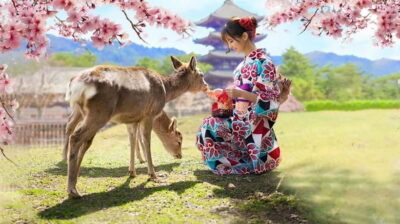
Kyoto/Osaka: Nara, Fushimi Inari Taisha, Arashiyama Bus Tour
Read our review →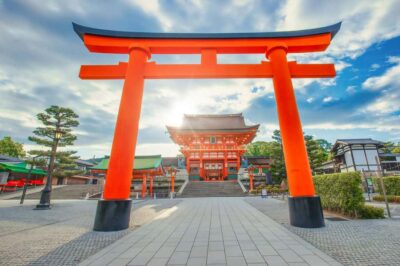
Osaka/Kyoto: Arashiyama, Nara & Fushimi Inari Shrine w/Lunch
Read our review →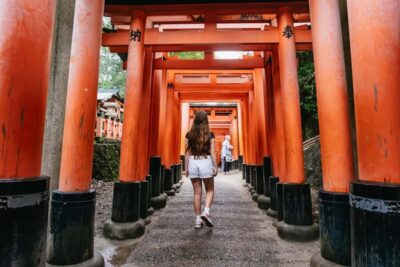
Nijo Castle, Kiyomizu & Fushimi Inari Guided Tour
Read our review →
Browse the lists this tour appears in