
REVIEW · FUSHIMI INARI SHRINE TOURS
Kyoto: Fushimi, Arashiyama – Bamboo, Monkey, Torii & Secrets
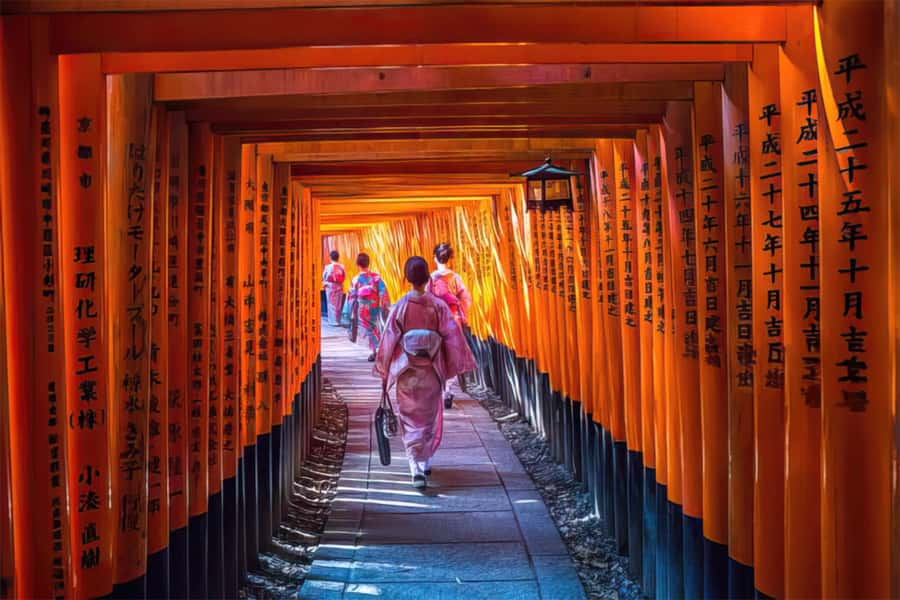
Fushimi Inari’s red gates and Arashiyama’s bamboo forest are two of Kyoto’s biggest sights, but this walking tour adds the parts that are easy to miss: quiet lanes, tucked-away shrines, temple gardens, river views, and a hilltop monkey park. The combination of sacred sites and wild scenery gives you a fuller day than a quick photo stop at either place.
I especially like the small-group format and the guides’ practical touch. Aron and Aaron are often praised for good pacing, photo help, local tips, and lively explanations, while guides such as Terri, Max, Tim, and Marie have also led the route. The main caution is simple: this is a serious walking day, with a steep climb to Monkey Park, hot weather to manage, and train fares not included.
Key points at a glance
- Fushimi Inari begins the day: Walk beneath rows of vermilion torii gates on Mount Inari.
- Arashiyama goes beyond the famous bamboo lane: Expect quieter paths, temple grounds, river scenery, and photo stops.
- Monkey Park requires effort: The climb is steep, but the Kyoto view and free-roaming macaques reward you at the top.
- Tenryu-ji adds calm and beauty: Its Zen garden gives the busy Arashiyama visit a slower center.
- Guides are a major part of the value: Aron, Aaron, Terri, Max, Tim, and Marie are among the named guides praised for clear English, humor, pacing, and photographs.
- Plan for weather and mobility: Bring comfortable shoes, cash, and rain gear when needed. The route is not suitable for wheelchair users or people with mobility limitations.
Why this Kyoto combination works
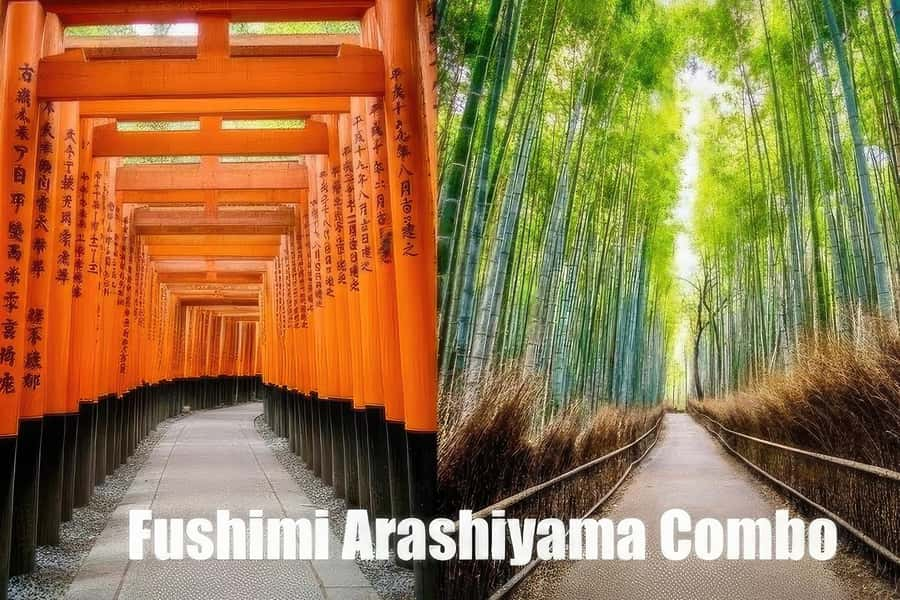
Kyoto can feel like a checklist city. You visit one famous shrine, take a few pictures, then move on before you understand what made the place special. This tour links two very different areas and gives you a guide to explain the customs, stories, and small details between the headline sights.
The day begins at the gates of Inari Station, a practical meeting point for Fushimi Inari Taisha. From there, you walk into the shrine complex and begin seeing the familiar orange-red torii. Later, the route shifts to Arashiyama, where bamboo, temples, a river, and monkeys create a very different mood.
The tour lasts about five hours, according to the experience details supplied by the operator. That is enough time to cover a lot, but it also means you should think of this as an active outing, not a gentle sightseeing stroll. You will spend much of the day on your feet, with stairs, uneven paths, and the uphill route to Monkey Park.
More Fushimi Inari Shrine Tours in Kyoto:
- Kyoto: Tea Ceremony in a Traditional Tea House in Kiyomizu
★ 4.9 · 3,519 reviews - Fushimi Inari Hidden Hiking Tour (Private Option Available)
★ 5.0 · 1,750 reviews - Osaka/Kyoto:Kinkakuji,Arashiyama,FushimiInariShrine,NaraPark
★ 4.1 · 1,596 reviews
Walking through Fushimi Inari’s red gates
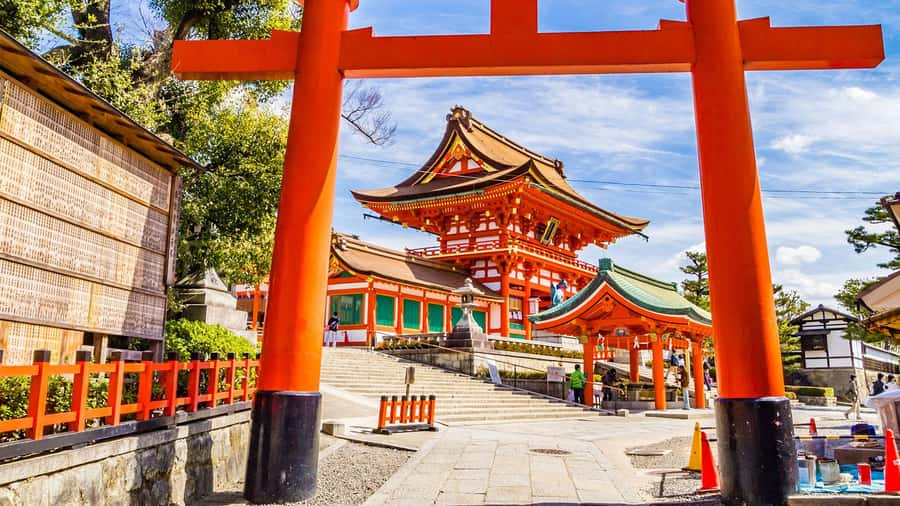
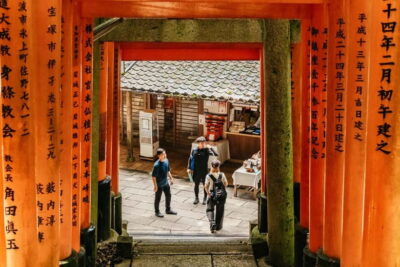
Fushimi Inari is famous for its thousands of torii gates, donated by businesses and individuals to the shrine. They form long tunnels of color up Mount Inari, making the walk feel more theatrical than a standard shrine visit.
You begin at the front gates and follow the route into the mountain. The guide can explain the role of Inari in Japanese belief and point out the fox imagery connected with the shrine. Local legends and cultural stories are part of the tour, so you are not left to wonder why the gates exist or why foxes appear around the grounds.
The early section can be busy, especially near the lower shrine buildings and the most photographed gates. A guide helps you move with purpose instead of stopping at every opening. You may also be shown quieter corners and less crowded paths, though you should not expect complete solitude at one of Kyoto’s most popular sights.
The climb is another consideration. You do not need to reach the top of Mount Inari to appreciate the shrine, but this itinerary includes climbing the mountain route. Wear shoes with good grip and do not treat the morning as a warm-up for an easy afternoon. The walking adds up.
From Fushimi to Arashiyama by train
Train fees are not included, so bring cash and allow for this extra expense. The tour does not include hotel pickup or drop-off, and you are responsible for getting to the starting point at Inari Station.
That arrangement keeps the price lower than a private vehicle tour and fits Kyoto well, since trains are the normal way to move between major sights. It does mean you should read the meeting instructions carefully and arrive at the front of the station gates rather than assuming the guide will collect you from your hotel.
The stated end point is back at the meeting point. Since the day includes Fushimi Inari and Arashiyama, confirm the exact train arrangements and return plan when booking, especially if you have an evening reservation elsewhere in Kyoto.
Arashiyama’s bamboo paths, with a quieter angle
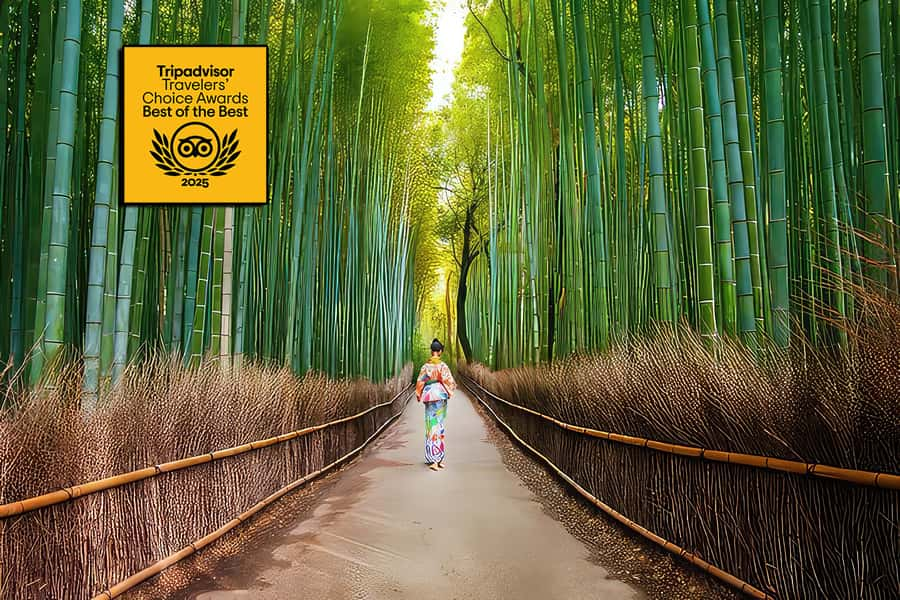
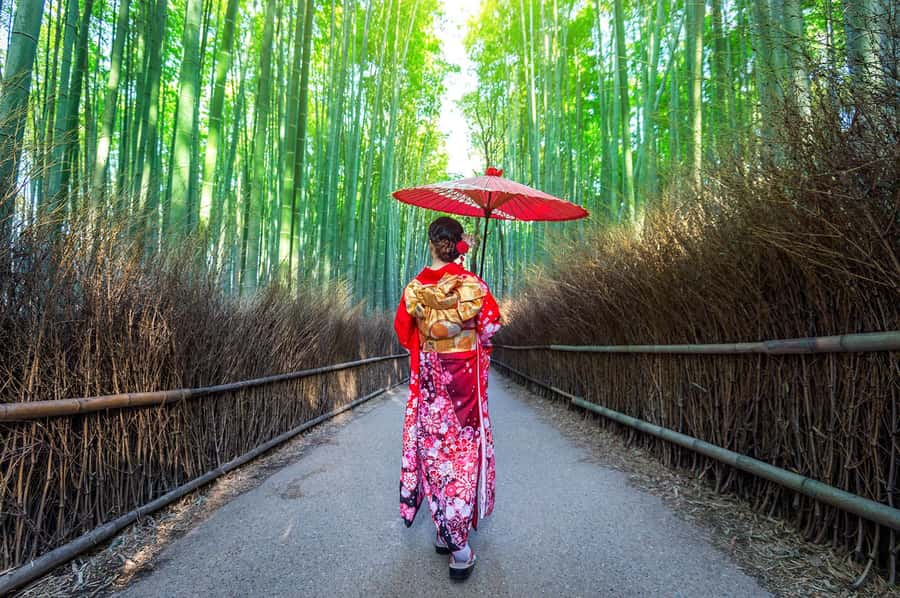
The Arashiyama Bamboo Grove is one of Kyoto’s signature scenes. Tall bamboo stalks crowd the path, filtering the light and making even a short walk feel distinct from the rest of the city.
The popular section can be packed. One of the better reasons to join a guide is that you are not limited to the main photo lane. The route includes less crowded streets and side paths, along with scenic areas near ponds, bridges, and the river. That does not remove the crowds from the famous grove, but it gives you more than a brief stop in a human traffic jam.
Bring your camera, but remember that the bamboo is best appreciated by looking up and around, not only by searching for a clear photograph. Guides including Aron and Aaron have helped with angles and phone photography, which is useful when the paths are crowded and the best view is not obvious.
The bamboo visit is also a good example of why the guide matters. Without context, it is a beautiful walk that may take only a few minutes. With local stories and a route through surrounding lanes, it becomes part of a larger look at Arashiyama.
Same country, a different morning at the gates:
- Kyoto: Tea Ceremony Ju-An at Jotokuji Temple
★ 4.9 · 3,207 reviews - Kyoto/Osaka: Nara, Fushimi Inari Taisha, Arashiyama Bus Tour
★ 4.7 · 1,275 reviews - Kyoto Arashiyama Walking Tour: Bamboo, Monkeys, Gardens & Secrets
★ 5.0 · 1,216 reviews - Arashiyama Bamboo, Temple, Monkeys, or Secret Sake Brewery
★ 4.8 · 886 reviews
Tenryu-ji’s Zen garden slows the pace
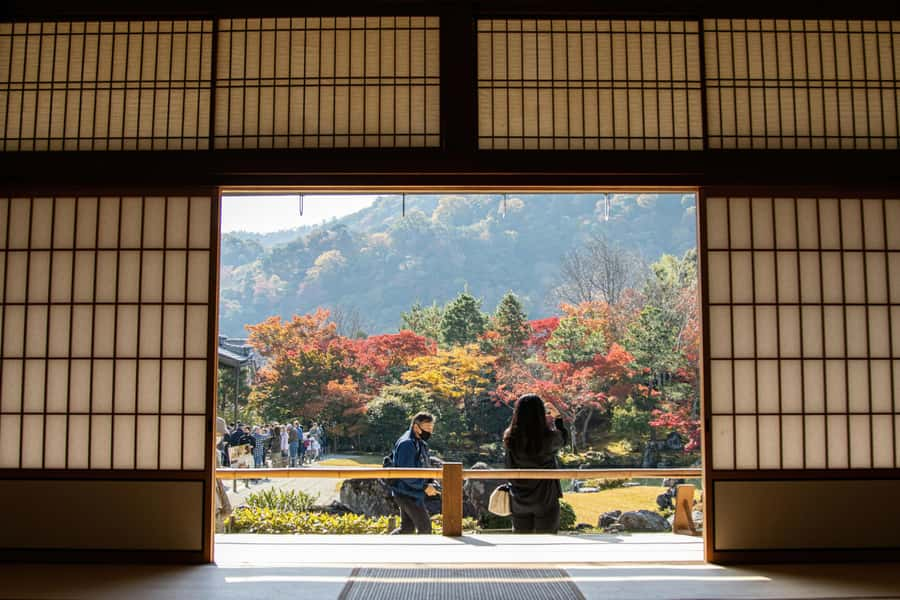
Tenryu-ji Temple brings a quieter note to the day. Its garden is known for carefully arranged water, rocks, trees, and borrowed views of the surrounding hills. The design is meant to be seen slowly, and it provides a welcome pause after the shrine and bamboo paths.
Admission to the Tenryu-ji garden is included, as is entry to Monkey Park. That matters because these are two of the day’s most useful paid stops, and you do not need to manage separate tickets while keeping up with the group.
The garden is not simply another beautiful photo location. It shows how Japanese garden design uses space, balance, and borrowed scenery to create calm without looking empty. Your guide can give you a way to read the setting rather than just walk through it.
Some people will wish they had more time here. The itinerary covers many sights, so the garden visit is part of a full route rather than a long temple study. If Tenryu-ji is a personal priority, tell your guide early that you would like a little time to take it in.
Crossing Togetsukyo, the Moon Crossing Bridge
Togetsukyo Bridge is one of Arashiyama’s defining views. Its name is often translated as Moon Crossing Bridge, and it crosses the river near the main sightseeing area.
The bridge gives you a broad change of scene after the enclosed bamboo grove and temple garden. Look along the water, back toward the wooded hills, and across the bridge itself. This is one of the spots where a guide can help you find a better angle for photographs rather than simply leading you across.
The area around the bridge can be crowded, especially at popular times and in good weather. It is still worth seeing because it connects the parts of Arashiyama that make the district special: water, hills, temples, traditional streets, and walking paths.
The tour also includes time for local snacks and, on some outings, small tastings such as sake or pecan chocolate. These extras are not presented as a formal meal, and food and drinks are not included in the price. A lunch stop is available in a small food area with several choices, but you should bring money and not assume that a full meal is covered.
The climb to Iwatayama Monkey Park
Monkey Park is the most physically demanding part of the route. The climb is steep, and the walk to the park rises roughly 525 feet according to the experience details shared by a participant. The effort is manageable for many active walkers, but it is not suitable for anyone who struggles with hills or uneven ground.
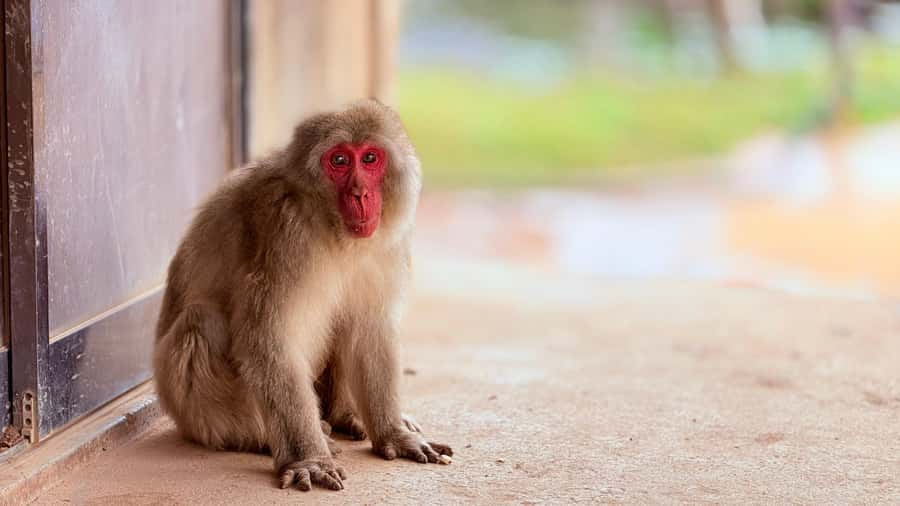
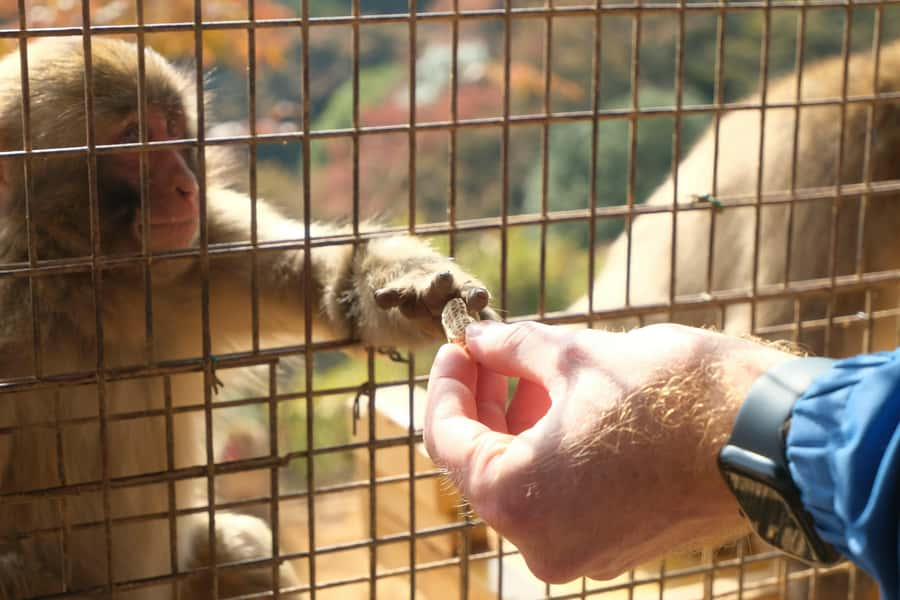
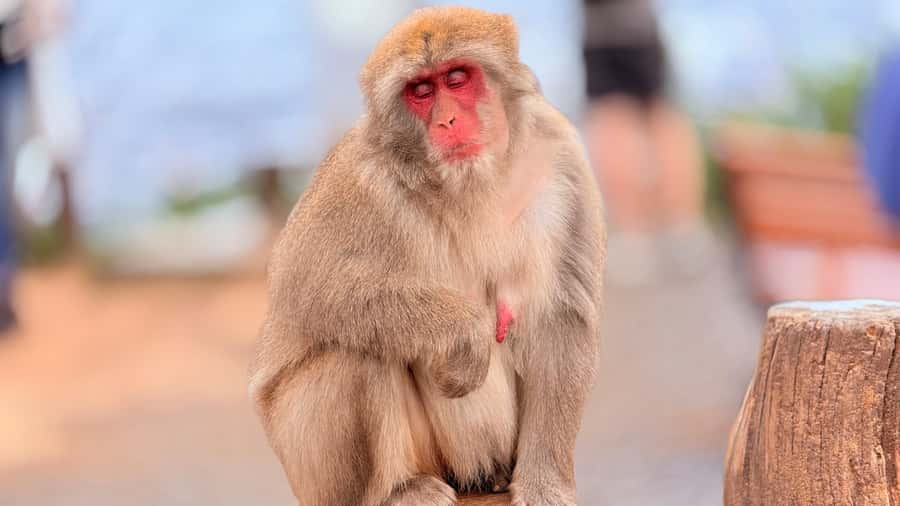
At the top, wild monkeys roam freely. You do not enter a conventional zoo enclosure. Instead, the animals occupy the park, while people follow the site’s rules and feed them from a designated area. Follow the guide and park instructions closely, since these are wild animals, not trained performers.
The payoff is twofold. You get a close look at the monkeys, and you gain wide views over Kyoto. After several hours of walking, the sight of the city from above gives the climb a clear purpose.
Heat can make this section much harder. One guide, Max, was especially attentive about providing stops to cool down, which is the right approach for an older or less speedy group. If you visit in summer, carry water, wear a hat, and accept that the pace may be slower. On a rainy day, good shoes and rain gear matter just as much. The route can still be enjoyable in wet weather, but damp paths and a steep climb are not a good mix with casual footwear.
What the guides add to the day
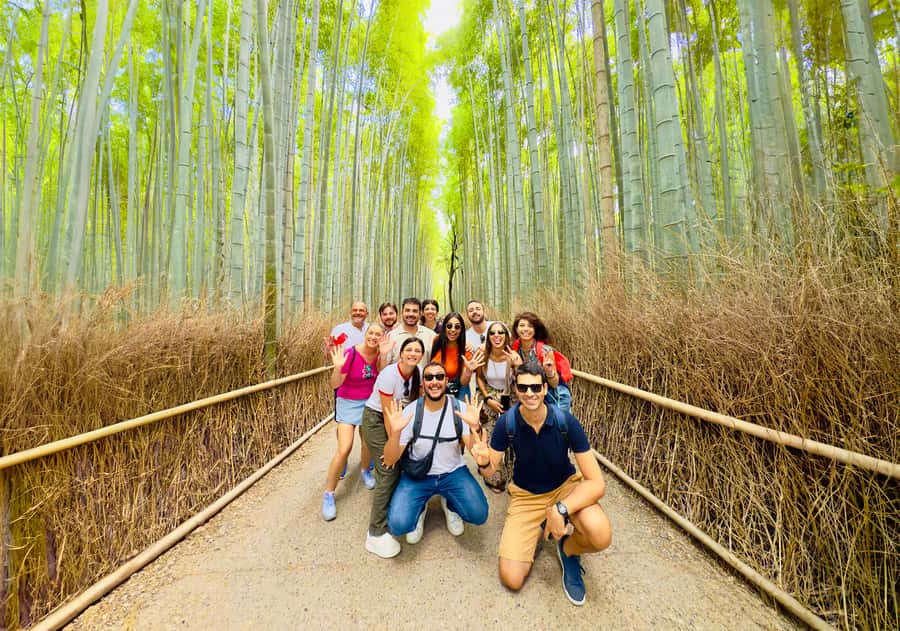
The strongest part of this experience is the human guidance. The route covers places you could visit independently, but a good guide saves you from spending the day checking maps, finding ticket counters, and wondering which side street is worth taking.
Aron and Aaron receive especially strong praise for being friendly, entertaining, and helpful with photographs. They are also described as good at answering questions about Japanese daily life, shopping, food stops, and the sights themselves. Terri is noted for a comfortable pace and personal attention, while Max is praised for taking care of the group in intense heat. Tim and Marie have also been appreciated for local insight and steady guidance.
Guide quality can vary from person to person, so it would be unfair to promise that every outing feels identical. The consistent aim is clear: an English-language local guide, a small group, cultural explanations, and a route that includes more than the most obvious stops.
The photo help is a useful bonus. A guide who knows the route can suggest where to stand, wait for a clear opening, or frame the bridge and hills. If you want a group photo, ask directly. Guides have helped with photographs throughout the day.
Price, pace, and practical value
At $88 per person, this is not the cheapest way to visit Fushimi Inari and Arashiyama. You can reach both areas independently, pay for the included attractions yourself, and walk without a guide.
The price makes more sense if you value structure and explanation. You receive entry to Monkey Park and the Tenryu-ji garden, an English-speaking guide, a small-group experience, photo assistance, local stories, and a route that connects several major sights. You also avoid the mental work of deciding which paths and viewpoints to choose.
Train fares, food, and drinks are extra. Those costs are easy to overlook, so budget for them before comparing the tour with a do-it-yourself day. Cash is specifically recommended.
The tour offers reserve-now, pay-later booking and full refunds for cancellations made at least 24 hours ahead. Solo booking is allowed, but at least two people must be booked for the tour to operate. If only one person reserves, the outing may be canceled with a rescheduling option or full refund.
Who should book this walking tour
I would choose this tour if you have limited time in Kyoto and want to combine two major areas without arranging the transport and sequence yourself. It suits first-time visitors who want context, photographers who appreciate help with viewpoints, and active walkers who prefer a full day outdoors.
It also works well for people who want more than the famous bamboo photograph. The quieter lanes, Tenryu-ji garden, Togetsukyo Bridge, snacks, stories, and hilltop view give the day more variety.
I would think twice if you want a relaxed pace, dislike crowds, or have trouble with stairs and steep paths. This is not suitable for wheelchair users, people with mobility impairments, or anyone bringing a non-folding stroller, baby carriage, or wheelchair. Baby strollers are not allowed, and video recording is prohibited.
Should you book it?
Book this experience if you want Kyoto’s famous sights connected by a real walking route rather than visited as isolated stops. The mix of Fushimi Inari, bamboo, Zen garden, river, bridge, and monkeys is excellent, and the guides add practical value through stories, pacing, and photographs.
Skip it if you need a low-effort day or prefer complete control over how long you spend at each temple. For most reasonably fit visitors, though, $88 is fair for a guided five-hour outing with two admissions included. Bring sturdy shoes, cash, water, and weather protection, then let the guide handle the route.
FAQ
Where does the tour begin?
Meet in front of the gates of Inari Station.
Where does the activity end?
The activity ends back at the meeting point.
Are train fares included?
No. Train fees are not included, so you should bring cash for transportation.
Is entry to Monkey Park included?
Yes. Monkey Park entry is included in the tour price.
Is entry to Tenryu-ji’s garden included?
Yes. Entry to the Tenryu-ji Temple garden is included.
Is the tour suitable for wheelchair users?
No. The tour is not suitable for wheelchair users or people with mobility impairments. Non-folding wheelchairs, non-folding strollers, baby carriages, and baby strollers are not allowed.
Just added around Kyoto
- Osaka/Kyoto: Katsuoji, Kinkakuji, Arashiyama 1-Day Bus Tour★ 4.6 · 33 reviews
- Kyoto:Kiyomizu-dera Temple Rent a kimono and ride a rickshaw★ 4.8 · 7 reviews
- Kyoto: Wagashi (Japanese sweets) Cooking near Fushimiinari★ 5.0 · 40 reviews
- Kyoto: Kimono/Yukata Rental 5 Minute from Kiyomizu-dera★ 4.7 · 89 reviews
- Kyoto Fushimiinari:Wagashi Making & Small Group Tea Ceremony★ 5.0 · 14 reviews
- Kyoto: Samurai Sword & Kimono Action Filming Experience★ 4.8 · 78 reviews
- KYOTO: Tempio Kiyomizu Pagode Gion “Geisya” (Guida Italiana)★ 4.7 · 17 reviews
- Best of Kyoto: Red Gates of Fushimi Inari & Kiyomizu Temple★ 4.8 · 36 reviews
Fushimi Inari Shrine Tours, compared.
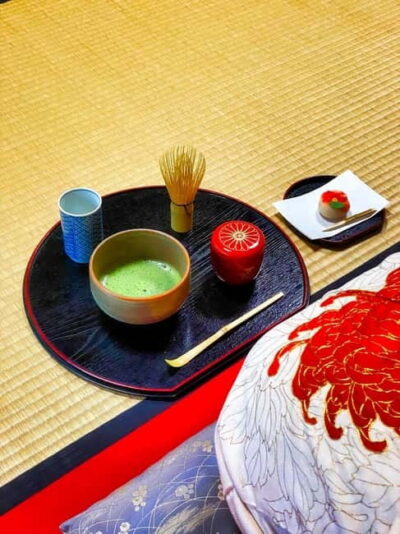
Tea Ceremony in a Traditional Tea House in Kiyomizu
Read our review →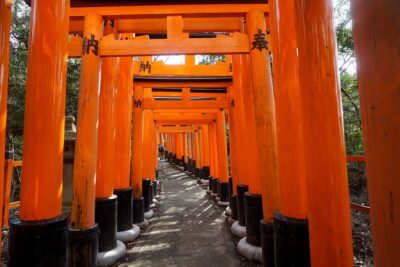
Fushimi Inari Hidden Hiking Tour (Private Option Available)
Read our review →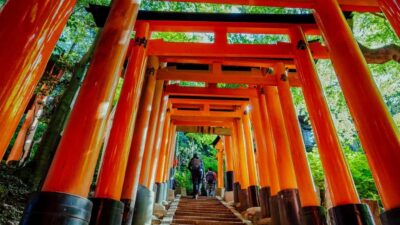
Osaka/Kyoto:Kinkakuji,Arashiyama,FushimiInariShrine,NaraPark
Read our review →
Kyoto/Osaka: Nara, Fushimi Inari Taisha, Arashiyama Bus Tour
Read our review →
Osaka/Kyoto: Arashiyama, Nara & Fushimi Inari Shrine w/Lunch
Read our review →
Nijo Castle, Kiyomizu & Fushimi Inari Guided Tour
Read our review →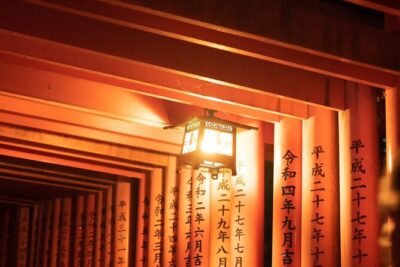
Browse the lists this tour appears in