
REVIEW · FUSHIMI INARI SHRINE TOURS
Kyoto Tea Ceremony & Kiyomizu-dera Temple Walking Tour
Kiyomizu-dera is one of Kyoto’s essential sights, but its steep lanes, crowded approaches, and layers of religious detail can be hard to sort out alone. This three-hour walking tour gives you a clear route from Yasaka Shrine to the temple, with a traditional tea ceremony and Otowa Waterfall along the way.
I like two things here: the maximum group size of six, which leaves room for questions, and the way the experience joins famous sights with small cultural moments, including matcha, snacks, temple customs, and photos taken during the walk. Guide Hide is especially good at keeping the history friendly and easy to follow.
The main drawback is the price, $109.39 per person, which is a serious spend for three hours. The route also includes slopes and busy shopping streets, and the tour does not cater to allergies or dietary restrictions, so you should plan accordingly.
Key points at a glance
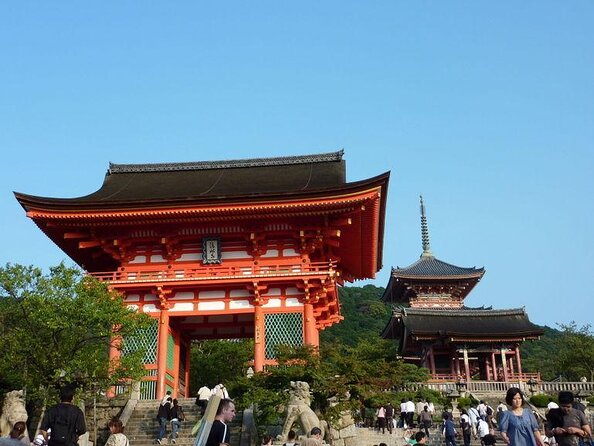
- Kiyomizu-dera’s wooden stage: See the famous platform set 13 meters above the ground, with views toward Kyoto and the surrounding trees.
- Otowa Waterfall ritual: Use the long-handled cup to drink from one of three streams, each linked with a different benefit.
- Tea ceremony with matcha: Learn the formal steps and quiet manners of a traditional Japanese tea gathering.
- Small group of six: The limited size makes it easier to ask about Shinto, Buddhism, temple etiquette, and local customs.
- Historic lanes and shops: Walk Kiyomizu-zaka, Sannenzaka, and Ninenzaka, with time for photos and Kyoto sweets.
- Guide Hide’s relaxed style: His stories cover religion, local life, and even baseball, with photos taken during the outing.
Starting at Yasaka Shrine at 9 a.m.
The tour begins at the Yasaka Jinja Nishiromon Gate, also called the Western Tower Gate, at 9 a.m. This is a useful starting point because Yasaka Shrine sits in the Gion area, near public transportation and several of Kyoto’s best-known historic streets.
You should arrive with enough time to locate the gate without rushing. One participant had trouble finding the meeting point at first, so the instructions could be clearer. The practical fix is simple: look specifically for the Western Tower Gate rather than searching only for a general Yasaka Shrine entrance.
Starting in the morning is a smart choice. Kyoto’s temple lanes become more crowded as the day moves on, and the summer heat can be fierce. You will want water, a hat, and comfortable shoes, especially if you are visiting between June and September.
The activity returns to the same meeting point after about three hours. That makes it easy to connect with another plan later, but remember that the tour is on foot. The three-hour estimate does not mean three hours of standing in one place. You will walk uphill, pause for photos, enter temple grounds, and move through popular shopping streets.
More Temple Walking Tours in Japan
- Kyoto Arashiyama Walking Tour: Bamboo, Monkeys, Gardens & Secrets
★ 5.0 · 1,216 reviews - Kyoto Fushimi-Inari Night Walking Tour
★ 5.0 · 320 reviews - Kyoto Fushimi-Inari Night Walking Tour
★ 4.8 · 171 reviews
Kiyomizu-zaka, where the walk feels old Kyoto
From Yasaka Shrine, the route leads through the Kiyomizu-zaka area. This is not one single attraction but a group of traditional streets climbing toward Kiyomizu-dera.
The lane is lined with old teahouses, Japanese sweets shops, souvenir stores, pickles, dried foods, and yatsuhashi, a familiar Kyoto confection. The atmosphere changes from ordinary city streets to a more historic setting, with wooden facades and narrow slopes giving the route a strong sense of place.
I like this part because the street itself becomes part of the experience. You are not simply being taken from a meeting point to a temple gate. You are seeing how a major religious site is approached, with shops and food traditions built around centuries of foot traffic.
The area can also be crowded. Kiyomizu-zaka is a popular route, and shopkeepers may call out to people passing by. If you want quiet lanes and an empty temple, this is not the right expectation. The value here is having a guide help you make sense of the activity rather than trying to read a map while keeping track of the route.
The tour also visits Yasaka Koshindo, known for its bright, colorful appearance. It offers a quick change of mood from the more restrained temple buildings nearby and gives you another photo stop before the main temple visit.
Kiyomizu-dera and the 13-meter wooden stage
Kiyomizu-dera was built on the site of Otowa Waterfall about 1,200 years ago. Its name comes from the waterfall’s pure water, and the temple remains one of Kyoto’s most important places to visit.
The guide helps explain what you are seeing instead of leaving you to wander from gate to gate. You can ask about the temple’s past, Japanese religious practice, and the difference between Shinto and Buddhist customs. Hide received repeated praise for making these subjects clear while keeping the mood light.
The main visual reward is the wooden stage, about 13 meters above the ground. From here, you can look over trees and toward Kyoto in the distance. In spring, cherry trees add color. In autumn, the maple leaves create the famous red and orange setting associated with the temple.
The view is one reason to choose this tour rather than a tea ceremony alone. You get a major Kyoto sight, but the guide gives the visit a cultural frame. You learn how to approach the temple and how to take part in the worship rituals rather than treating the grounds as only a photo backdrop.
Kiyomizu-dera is still a working religious site, so respectful behavior matters. The guide can show you the basic customs and help you avoid the common mistake of treating every object as a decoration. That small amount of instruction adds real value, especially if this is your first visit to a Japanese temple.
Drinking from Otowa Waterfall
Otowa Waterfall is central to the identity of Kiyomizu-dera. The water is divided into three streams, and each is associated with a different benefit. You choose one stream and drink using a cup attached to a long pole.
This is a simple ritual, but it gives you a direct way to take part in local worship customs. Your guide can explain how to approach it and what to do with the cup. Without guidance, you might still copy the people around you, but you would miss the meaning behind the action.
The three streams are often described in connection with benefits such as longevity, success, or love, but the supplied tour details do not assign a specific benefit to each stream. Your guide is the right person to ask on the day.
The waterfall can attract a line. You should not expect a private or lengthy ceremony. It is a short stop within a larger temple visit, yet it is one of the tour’s most memorable details because you are participating rather than only looking.
More Temple Walking Tours in Kyoto
- Kyoto: Fushimi Inari Taisha Guided Walking Tour
★ 4.6 · 65 reviews - Kyoto: Fushimi Inari Taisha Shrine Walking Tour with Guide
★ 4.8 · 18 reviews - Kyoto: Private Walking Tour with Kiyomizu Temple & Gion
★ 5.0 · 7 reviews
Sannenzaka and Ninenzaka on the way
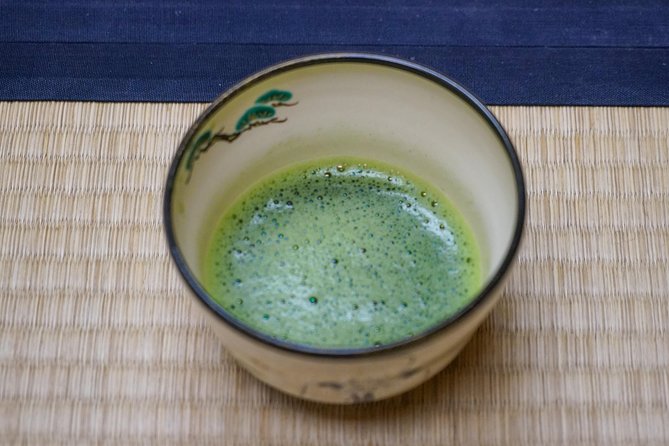
The walking route also passes Sannenzaka and Ninenzaka, two of the best-known historic lanes near Kiyomizu-dera. Their sloping streets are lined with traditional buildings, small stores, food shops, and places selling Kyoto souvenirs.
Sannenzaka has a famous warning attached to it. One legend says that falling on the slope means you will die within three years, or lose three years from your life. The story is generally treated as an old urban legend, but it offers a useful practical point: watch your step.
The slope was once connected with the burial ground of Toribeno, which helps explain why the old story developed. You do not need to accept the superstition to enjoy the lane. Just take the uneven incline seriously, especially in crowded conditions.
This section is good for browsing, but shopping is not the focus. The tour does not promise extended free time at each store, and the group needs to keep moving to fit in the temple and tea ceremony. If you want to buy Kyoto sweets or souvenirs, ask the guide when you will have a moment.
The tea ceremony is the calm center
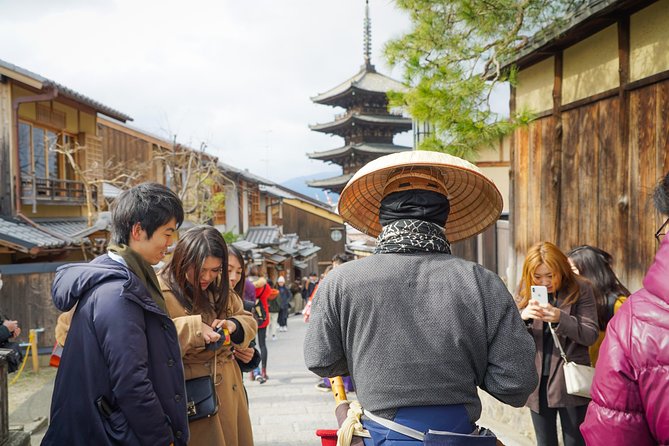
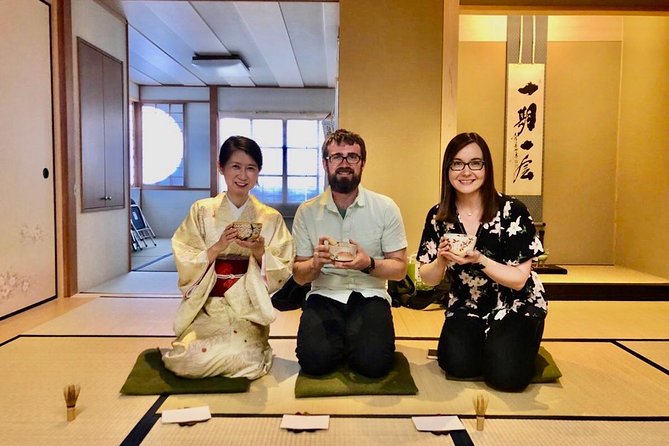
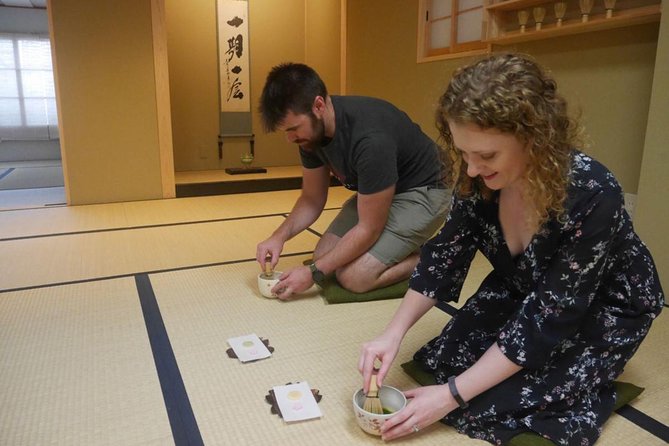
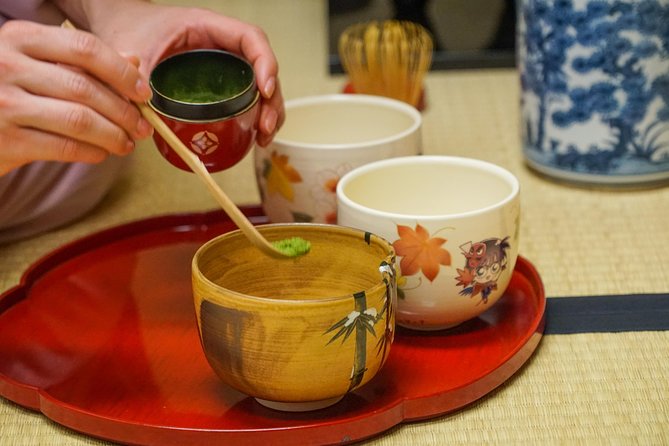
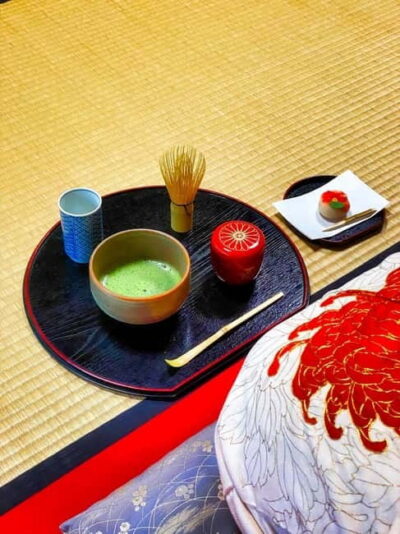
After the walking portion, the tea ceremony provides a slower change of pace. You receive matcha and learn about the formal actions, manners, and attention that shape a traditional Japanese tea gathering.
This is more than a drink stop. The value is in seeing how the bowl, movements, and order of service are treated with care. One participant particularly appreciated the skill of a woman performing the ceremony. Another highlighted Haruki, who led the tea experience with a warm and entertaining manner.
The ceremony is also a good balance to Kiyomizu-dera. The temple visit involves slopes, views, people, and constant movement. Tea asks you to sit still and notice smaller details. If you want a cultural activity that feels more meaningful than a quick demonstration, this part carries much of the tour’s appeal.
You should not expect a full-day study of tea culture. The overall activity lasts about three hours, and the ceremony is one component of a walking tour. Still, it gives you a genuine introduction to a formal Japanese tradition without requiring you to arrange a separate appointment.
The included snacks add to the experience. The details of the samples can vary, and additional food or drinks are not included. If you have allergies or dietary restrictions, use caution: the food is prepared in kitchens outside the operator’s control, substitutions may not always be possible, and an allergy-free experience cannot be guaranteed.
What the guides add to the day
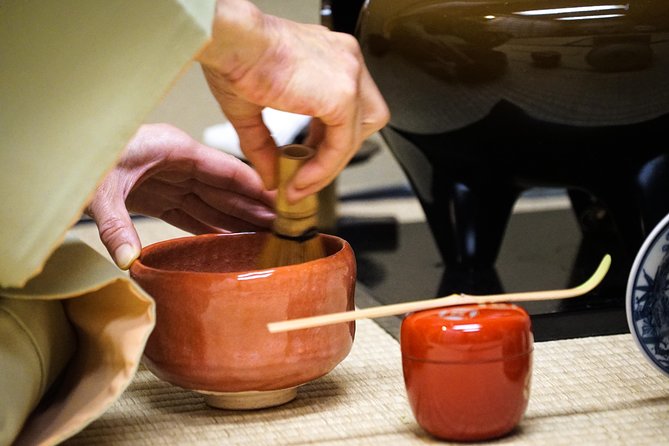
A good guide matters on this route because the sights are easy to reach but not always easy to interpret. Hide is repeatedly praised for explaining Shinto and Buddhism, helping with temple formalities, taking photos, and keeping the walk relaxed.
His style appears to suit people who prefer conversation rather than a formal lecture. He can move from religious customs to local observations and even baseball, which gives the walk a personal feel. That mix may appeal to you if you like history with humor and ordinary human details.
The group limit is six people. That is small enough for direct questions and group photos without the feel of a large bus excursion. It also means the quality of the experience depends partly on the group’s pace and interests. A small group is not the same as a private tour, but it gives the guide more room to adjust explanations.
Photos are included during the tour. This is useful at busy stops because you can focus on the place instead of asking a companion to take every picture. You should still bring your own phone or camera if you want extra shots.
Is $109.39 a fair price?
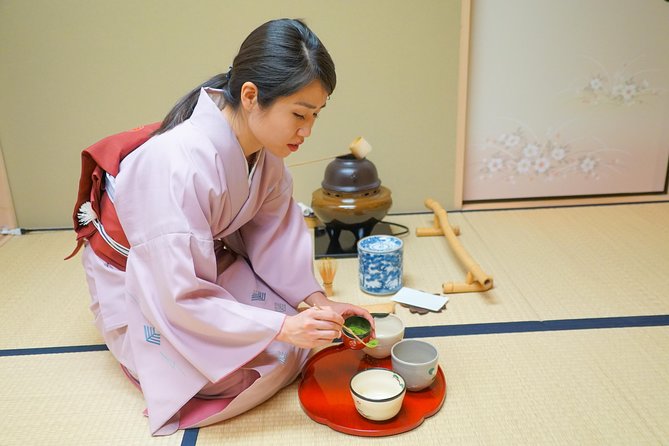
At $109.39 per person, this is not the cheapest way to see Kiyomizu-dera. You could visit the temple independently and spend much less on admission, then buy matcha or snacks separately.
The price makes more sense if you value convenience and interpretation. It includes the Kiyomizu-dera entrance fee, a local guide for three hours, the tea ceremony, matcha, a few food samples, and photos. You are paying to combine several arrangements into one morning, with a planned walking route and help at the worship stops.
I would consider it good value for a first Kyoto day, particularly if you want an introduction to the area without spending hours studying maps. The route gives you orientation for future visits, and you can return later to the shopping streets or temple grounds on your own.
I would be less likely to recommend it to a confident independent visitor who has already seen Kiyomizu-dera and attended a tea ceremony. In that case, the cost may be hard to justify unless you specifically want a small group and guide-led cultural explanation.
Who should book this Kyoto walk?
This tour suits first-time visitors who want several Kyoto essentials in one morning. It is also a good fit if you want help with temple etiquette, enjoy local stories, and prefer a group small enough for questions.
The experience works well for couples, solo visitors, and families with older children. Children under six are not permitted, and the slopes make the route less suitable for anyone who has difficulty walking uphill or managing uneven streets.
It is especially useful early in a Kyoto stay. The walk helps you get oriented around Yasaka Shrine, Kiyomizu-zaka, Sannenzaka, and Ninenzaka, while the guide gives you context that can improve the rest of your time in the city.
For summer visits, take heat seriously. Japan’s summer is hot and humid, so bring water and wear a hat. You should also wear shoes suitable for a long walk with uphill sections.
Practical details before you reserve
Confirmation is provided when you book, and the activity uses a mobile ticket. It begins at 9 a.m. at Yasaka Jinja Nishiromon Gate and ends back at the same meeting point.
Free cancellation is available if you cancel at least 24 hours before the local start time. Cancellations or changes made less than 24 hours ahead are not accepted for a refund.
The tour is generally open to most participants who can manage the walking route. Public transportation is nearby, but the tour itself is primarily on foot. Additional food and drinks cost extra, and dietary substitutions cannot be promised.
The activity is usually booked about 30 days ahead. That timing suggests you should reserve early if your Kyoto dates are fixed, especially since the group is limited to six people.
Should you book it?
Book this tour if you want Kiyomizu-dera, a tea ceremony, and Kyoto’s historic lanes tied together by one local guide. The strongest reasons are the small group, Hide’s relaxed explanations, the Otowa Waterfall ritual, and the chance to learn tea customs rather than simply drink matcha.
Skip it if you prefer exploring at your own pace, have strict dietary needs, or have already arranged a tea ceremony and temple visit. The price is high for a short activity, but it can be fair for a first morning in Kyoto when you want a clear route, cultural context, and fewer decisions to make.
FAQ
How long does the Kyoto tea ceremony and Kiyomizu-dera tour last?
The tour lasts approximately three hours.
Where does the tour begin?
It begins at Yasaka Jinja Nishiromon Gate, also called the Western Tower Gate, at 625 Gionmachi Kitagawa in Kyoto’s Higashiyama Ward.
What time does the tour start?
The tour starts at 9 a.m.
Where does the activity end?
The tour ends back at the Yasaka Shrine meeting point.
Is the Kiyomizu-dera entrance fee included?
Yes. The Kiyomizu-dera Temple entrance fee is included.
Is matcha included?
Yes. A matcha green tea drink is included as part of the tea ceremony experience.
How many people can join the tour?
The activity has a maximum of six participants.
Are young children allowed to join?
Children under six years old are not allowed on the tour.
Can the tour accommodate food allergies or dietary restrictions?
An allergy-free experience and dietary substitutions cannot be guaranteed. The food is prepared in kitchens outside the operator’s control, and additional food or drinks are not included.
Can I cancel for a full refund?
Yes, if you cancel at least 24 hours before the local start time. Cancellations or changes made less than 24 hours before the start are not accepted for a refund.
More Fushimi Inari Shrine Tours in Kyoto
- Kyoto: Tea Ceremony in a Traditional Tea House in Kiyomizu
★ 4.9 · 3,519 reviews - Fushimi Inari Hidden Hiking Tour (Private Option Available)
★ 5.0 · 1,750 reviews - Osaka/Kyoto:Kinkakuji,Arashiyama,FushimiInariShrine,NaraPark
★ 4.1 · 1,596 reviews - Kyoto/Osaka: Nara, Fushimi Inari Taisha, Arashiyama Bus Tour
★ 4.7 · 1,275 reviews
Just added around Kyoto
- Osaka/Kyoto: Katsuoji, Kinkakuji, Arashiyama 1-Day Bus Tour★ 4.6 · 33 reviews
- Kyoto:Kiyomizu-dera Temple Rent a kimono and ride a rickshaw★ 4.8 · 7 reviews
- Kyoto: Wagashi (Japanese sweets) Cooking near Fushimiinari★ 5.0 · 40 reviews
- Kyoto: Kimono/Yukata Rental 5 Minute from Kiyomizu-dera★ 4.7 · 89 reviews
- Kyoto Fushimiinari:Wagashi Making & Small Group Tea Ceremony★ 5.0 · 14 reviews
- Kyoto: Samurai Sword & Kimono Action Filming Experience★ 4.8 · 78 reviews
- KYOTO: Tempio Kiyomizu Pagode Gion “Geisya” (Guida Italiana)★ 4.7 · 17 reviews
- Best of Kyoto: Red Gates of Fushimi Inari & Kiyomizu Temple★ 4.8 · 36 reviews
Fushimi Inari Shrine Tours, compared.
Tea Ceremony in a Traditional Tea House in Kiyomizu
Read our review →
Fushimi Inari Hidden Hiking Tour (Private Option Available)
Read our review →
Osaka/Kyoto:Kinkakuji,Arashiyama,FushimiInariShrine,NaraPark
Read our review →
Kyoto/Osaka: Nara, Fushimi Inari Taisha, Arashiyama Bus Tour
Read our review →
Osaka/Kyoto: Arashiyama, Nara & Fushimi Inari Shrine w/Lunch
Read our review →
Nijo Castle, Kiyomizu & Fushimi Inari Guided Tour
Read our review →
Browse the lists this tour appears in