

REVIEW · FUSHIMI INARI SHRINE TOURS
Kyoto Morning Highlights Tour: Fushimi, Kiyomizu-dera & Gion
Fushimi Inari is at its best before the day gets noisy, and this early-morning Kyoto tour puts the famous orange torii gates first. I like that you see three major sights in one half-day, and I like the human touch provided by local guide Ikki, who explains shrine customs, Buddhist and Shinto traditions, and the small details most visitors miss.
The trade-off is simple: you must get up early and keep moving. This is a real walking tour using public transportation, not a relaxed coach outing, and late arrivals cannot join or receive a refund.
Key points to know before booking
- Early access to Fushimi Inari: Reach the torii gates in the quiet morning light, before the busiest hours.
- Three classic Kyoto stops: Visit Fushimi Inari Shrine, Kiyomizu-dera Temple, and Gion in one efficient half-day.
- Ikki brings local context: Expect practical instruction on praying at Shinto shrines, temple customs, gods, history, and Japanese culture.
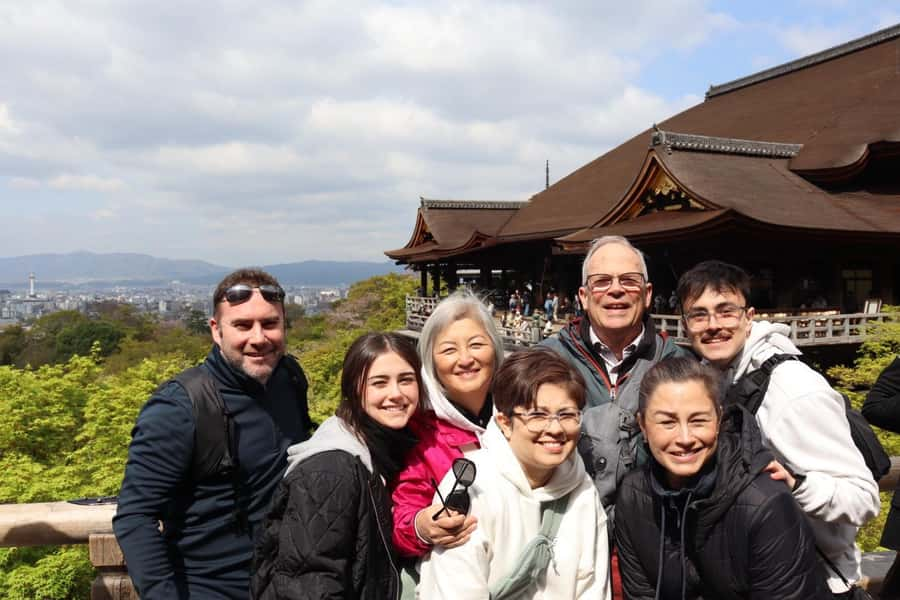
- Photos are part of the experience: Professional photos are taken during the tour, a useful bonus for couples and families.
- Budget for small extras: The tour costs $81, while public transport is about 400 yen and food is not included.
- Prepare for hills and walking: Comfortable shoes are essential, and the tour is not suitable for wheelchair users or strollers.
Why the early start matters at Fushimi Inari
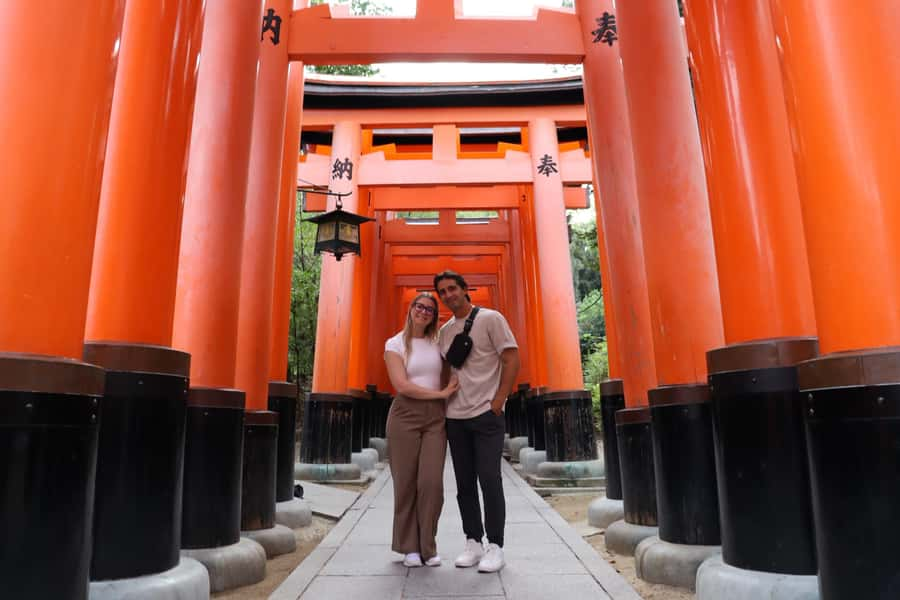
Kyoto’s most famous orange gates are not a secret. By late morning, the paths at Fushimi Inari can feel crowded, especially near the lower shrine buildings and the first rows of torii. Starting early gives you a better chance to enjoy the visual rhythm of the gates without a constant stream of people stopping for photos.
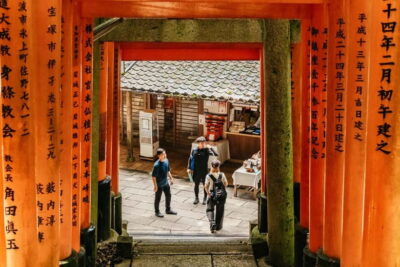
Fushimi Inari is dedicated to Inari, a Shinto deity associated with rice, prosperity, and business. The torii gates have been donated over many years, and each one marks a passage from ordinary space into sacred ground. You do not need prior knowledge of Shinto to appreciate the scene, but the visit becomes more meaningful when someone explains what you are seeing.
I especially value the instruction on how to behave at Japanese shrines. Ikki takes time to explain how to approach the sacred space and how to pray properly. That practical guidance helps you avoid treating the shrine as nothing more than a photo backdrop.
The tour focuses on the iconic torii path rather than promising a full mountain hike. Even so, expect plenty of walking and some uphill sections. You will want shoes with good support, and you should not plan to carry a bulky stroller or baby carriage.
Morning light also helps with photographs. The vermilion gates look strong against the shaded forest, while the quieter setting gives your guide more room to explain the site. If you want the classic tunnel-of-gates photograph, arriving early is one of the most useful choices this tour makes.
More Temple Sunrise Tours in Japan
- Kyoto: Early Morning Fushimi Inari Shrine – Beat the Crowds
★ 4.9 · 48 reviews - Tokyo Morning Tour: Asakusa, Meiji Shrine and Tsukiji Fish Market
★ 5.0 · 128 reviews - Tokyo Morning Tour : Meiji Shrine, Asakusa and Fish Market
★ 5.0 · 102 reviews
Kiyomizu-dera and Kyoto views
From Fushimi Inari, the group uses public transportation to continue to Kiyomizu-dera. The transport fare is not included, and you should allow about 400 yen for the day’s public transportation. That is a small extra cost, but it is worth carrying Japanese yen so you are not searching for change at the start of the tour.
Kiyomizu-dera is one of Kyoto’s best-known temples, perched above the city with broad views from its wooden stage. The temple entrance fee of 500 yen is included. The elevated setting is part of the appeal, but it also means stairs, slopes, and uneven walking surfaces.
Here, Ikki’s cultural explanations add real value. He discusses the differences between Shinto shrines and Buddhist temples, explains the meaning of religious practices, and answers questions about Japanese customs. This matters because Kyoto’s sacred sites can look similar at first glance, especially if you are visiting several in one morning.
Kiyomizu-dera is also a place where timing makes a difference. The temple is a major stop on the Kyoto sightseeing circuit, so an early visit gives you a calmer look at the grounds and a better chance to pause at the viewpoints. You still should not expect complete solitude. This is one of Kyoto’s headline sights, but morning remains the smarter time to see it.
A sample of traditional Kyoto sweets is included. It is not a substitute for breakfast, and meals and drinks are not covered, so eat before meeting the guide or plan a meal afterward. The sweet sample works best as a small cultural touch rather than a full food experience.
Gion on foot, with the right expectations
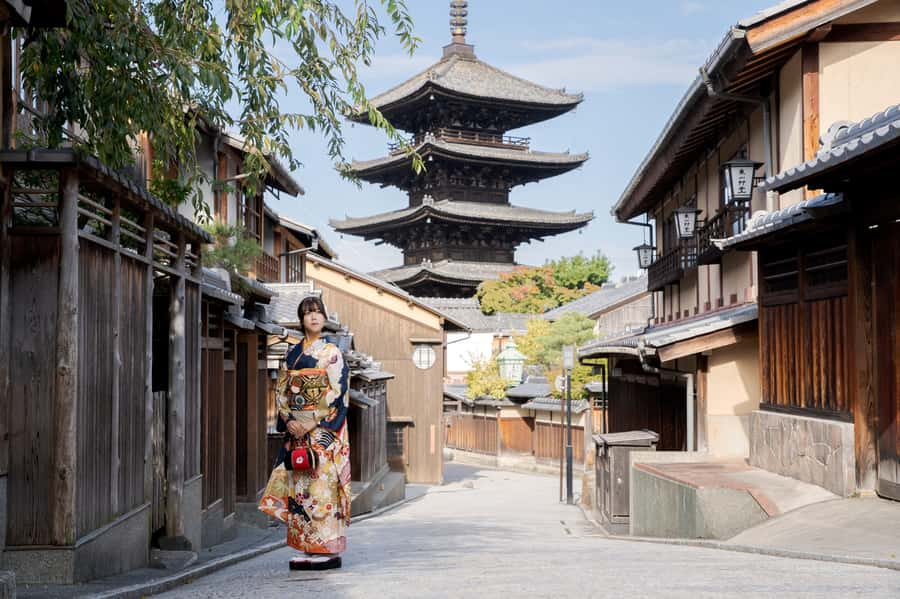
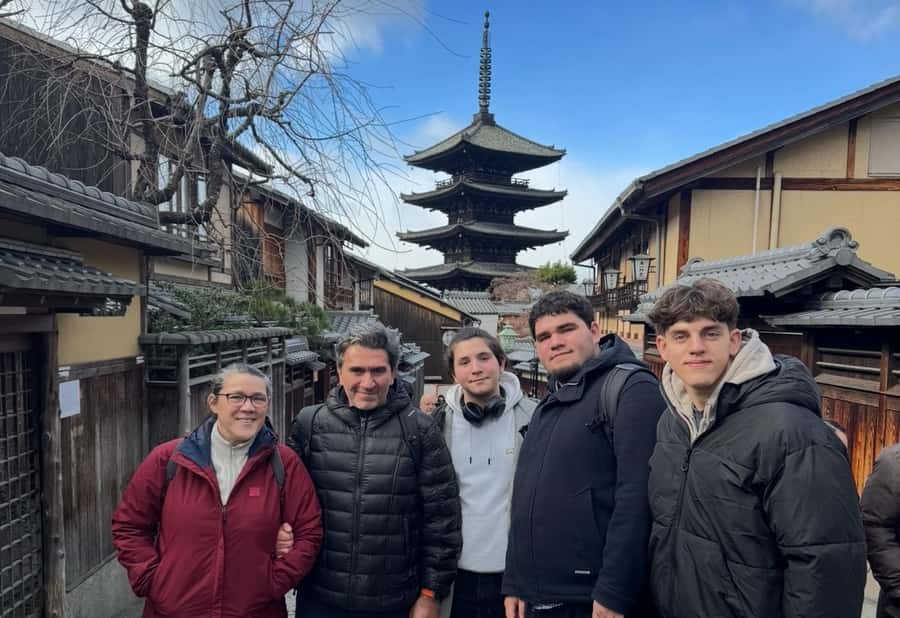
The final major stop is Gion, Kyoto’s best-known traditional district. Its narrow streets, wooden buildings, and atmosphere give you a different view of the city from the religious sites earlier in the morning.
Gion is often described through its connection with geisha culture, but it is also a working neighborhood. That means you should keep your voice down, avoid blocking entrances, and be careful with photography. A guide can help you understand the difference between seeing a traditional district respectfully and treating it like a stage set.
The walk through Gion is useful because it connects the grand sights with everyday Kyoto. Fushimi Inari gives you shrine architecture and forest paths. Kiyomizu-dera gives you temple grounds and city views. Gion adds streets, homes, restaurants, and the visual character of old Kyoto.
The tour ends back at the meeting point near Kyoto Station. That makes the morning convenient if you are continuing to another part of the city, catching a train, or using the station as your base. Since the activity finishes where it begins, you do not need to arrange a separate return transfer.
Ikki’s guiding style and the value of a local perspective
The strongest part of this tour is the guide’s role. Ikki is from Kyoto and speaks English very well, with an accent that is accessible even for visitors who do not speak English as their first language. His approach is not limited to dates and names. He explains how to act at shrines, what different religious figures represent, and why certain customs matter.
That is the difference between looking at a torii gate and understanding why it is there. It also helps when you want to ask broader questions about Japan, since the tour includes conversation about history, traditions, and modern life.
Ikki is also praised for answering questions patiently and pointing out small details. I would consider that especially useful for first-time visitors. Kyoto can be visually overwhelming, and a guide helps you decide what deserves your attention instead of trying to photograph everything.
The tour includes professional photos taken during the morning. This is a practical perk for couples, families, and solo visitors who want more than hurried phone snapshots. It also means you can put your camera down at times and pay attention to the explanations.
The guide’s local advice may be just as useful after the tour. You can ask for suggestions for the rest of your Kyoto stay, though the exact recommendations will depend on your interests and the time available.
More Fushimi Inari Shrine Tours in Kyoto:
- Kyoto: Tea Ceremony in a Traditional Tea House in Kiyomizu
★ 4.9 · 3,519 reviews - Fushimi Inari Hidden Hiking Tour (Private Option Available)
★ 5.0 · 1,750 reviews - Osaka/Kyoto:Kinkakuji,Arashiyama,FushimiInariShrine,NaraPark
★ 4.1 · 1,596 reviews - Kyoto/Osaka: Nara, Fushimi Inari Taisha, Arashiyama Bus Tour
★ 4.7 · 1,275 reviews
Walking, transport, and the pace of the morning
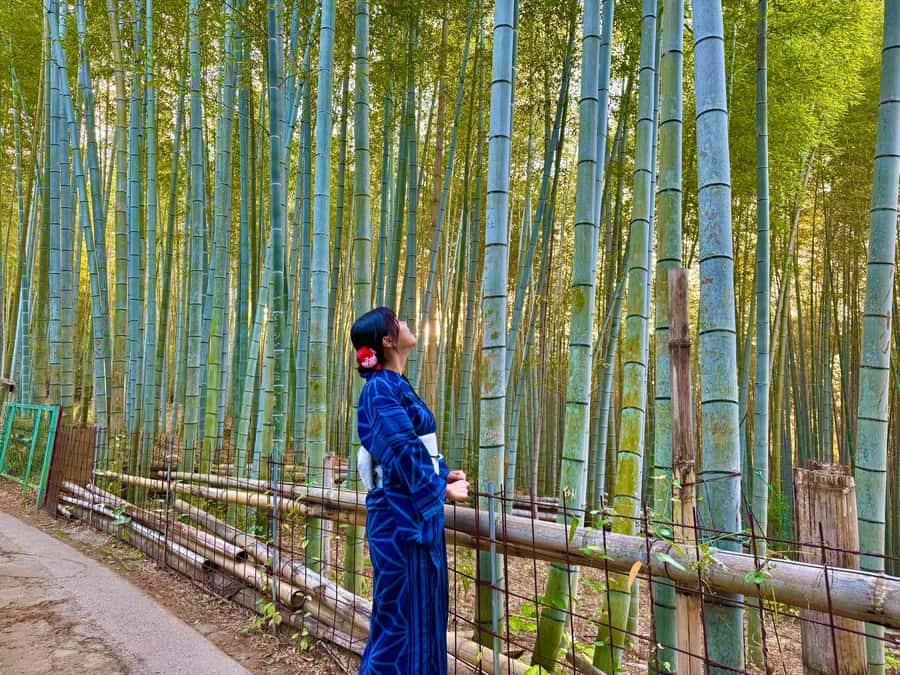
This experience is advertised as a private or small-group morning tour, but the exact group size is not specified. You should confirm the group arrangement when booking if that detail matters to you.
The tour uses public transportation and plenty of walking. That keeps the experience closer to ordinary Kyoto life than a private vehicle tour, but it also means you will deal with stations, sidewalks, stairs, and temple paths. The route covers several major sights in half a day, so the pace is efficient rather than leisurely.
Wear comfortable walking shoes. This is not the right choice if you want to spend a long time sitting at each location or if you have difficulty with hills and stairs. It is also not suitable for wheelchair users, and baby strollers and carriages are not allowed.
The early start is both the main benefit and the main challenge. If you are adjusting to jet lag, you may find the meeting time demanding. Still, the quiet conditions at Fushimi Inari and Kiyomizu-dera are a strong reason to make the effort, especially during a short Kyoto visit.
Meeting details are specific. The tour begins at the central exit of Kyoto Station, with Kyoto Tower visible nearby. Look for the yellow map beside the 7-Eleven, where the guide will hold a sign with the OTAKU hopper logo. Detailed directions and images are sent after booking, but you should arrive early. If you miss the meeting time, you cannot join later or receive a refund.
Is $81 a fair price?
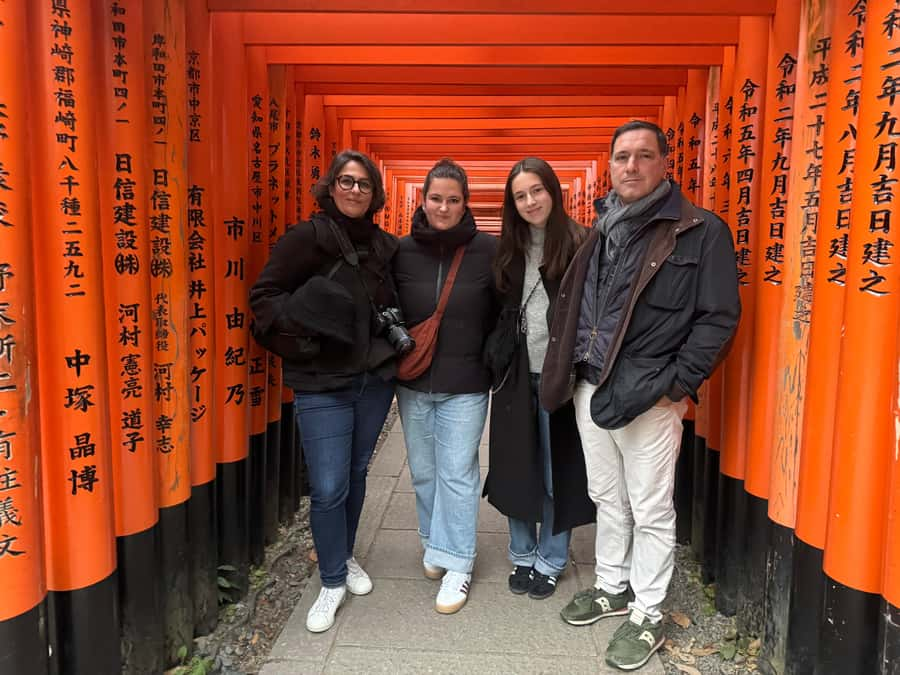
At $81 per person, this is not the cheapest way to see Fushimi Inari, Kiyomizu-dera, and Gion. You can reach the sights independently for much less, paying mainly for transport and admission. The value comes from the guide, the efficient route, the cultural explanations, and the photos.
The included 500 yen Kiyomizu-dera admission, traditional sweet, free Wi-Fi, and professional photos add some practical value. The public transportation fare, about 400 yen, is extra, as are meals, drinks, and personal purchases.
For a solo visitor or couple, the price can make sense if you want context and do not want to spend time working out shrine etiquette or transport connections. It is also useful if you have only a short stay and want to cover several major Kyoto sights in one morning.
For a larger family, the total cost rises quickly. In that case, compare the price with visiting independently and hiring a guide for only one site. Still, the photo service may be worth more to a family than to someone who already travels with a good camera and does not need help taking pictures.
The five-star feedback points to the same strengths: Ikki’s English, his warmth, his explanations of Shinto and Buddhist customs, his local knowledge, and his care with photographs. Those are the reasons to book, not simply the number of sights checked off.
Who will enjoy this Kyoto tour most?
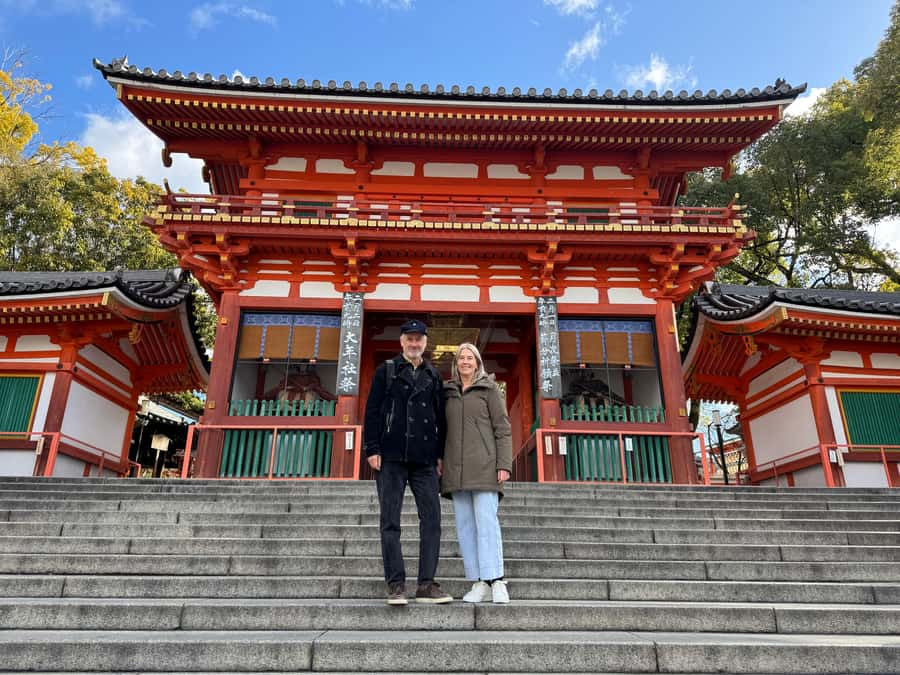
I would recommend it to first-time visitors who want a clear introduction to Kyoto’s major cultural sights. It is also a good match for people who like to ask questions rather than walk silently behind a guide.
Couples and families may appreciate the included photos. Solo visitors benefit from having someone to take pictures and explain the customs that can be difficult to understand from signs alone.
This tour also suits people with limited time. In one morning, you see Fushimi Inari, Kiyomizu-dera, and Gion without spending a full day moving between them. The route gives you a useful foundation, leaving later time for food, shopping, or a quieter temple visit.
I would hesitate to recommend it if you dislike early mornings, cannot manage moderate walking, or want a fully private vehicle. It is also a poor fit for anyone traveling with a stroller or needing wheelchair access.
A small point deserves attention: the experience information also refers to Kasuga Grand Shrine, but the described route centers on Fushimi Inari, Kiyomizu-dera, and Gion in Kyoto. If Kasuga is important to your plans, ask the provider to clarify whether it is part of your specific departure, since the meeting point and main itinerary are clearly Kyoto-based.
What to bring and how to prepare
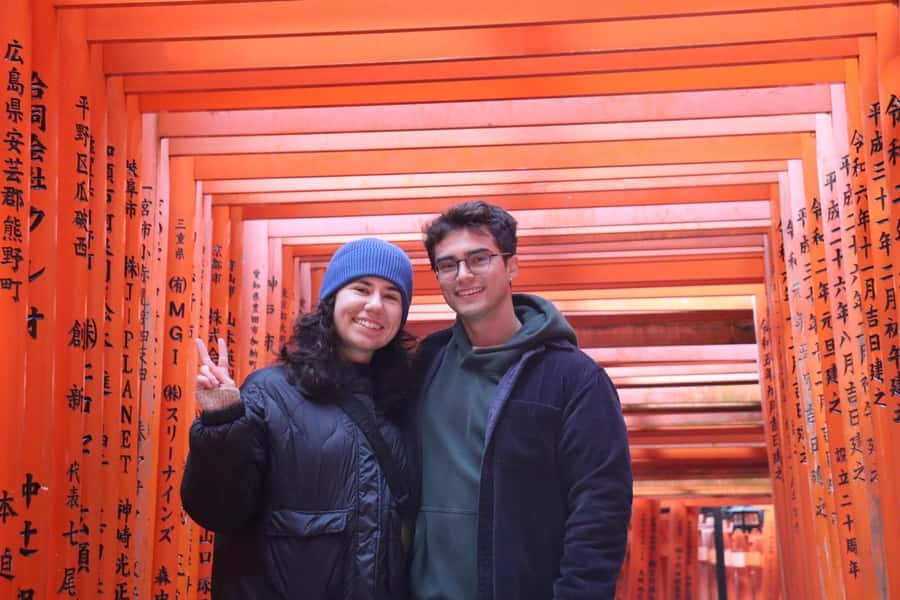
Have breakfast before the tour, since only a sample of traditional sweets is included. Carry water, money for about 400 yen in transportation, and anything else you need for a half-day walk.
Wear shoes you would trust on slopes and temple paths. Lightweight clothing and a small bag are more practical than heavy luggage, especially when using public transportation.
Arrive at Kyoto Station early enough to find the central exit, the yellow map, and the 7-Eleven without rushing. The no-late-entry rule is strict, so do not cut it close because of a delayed train or confusion inside the station.
Keep your camera ready, but also leave room to listen. The photographs are a useful bonus, while the explanations about prayer, shrine behavior, and the difference between Shinto and Buddhism are what give the morning its lasting value.
Should you book it?
Book this tour if you want an early, guided introduction to Kyoto’s best-known cultural sights and value a local voice more than the lowest possible price. The combination of Fushimi Inari before the worst crowds, Kiyomizu-dera’s city views, Gion’s traditional streets, cultural instruction, sweets, and professional photos gives the morning a lot of range.
Skip it if you need an accessible route, cannot walk moderate distances, or prefer to explore at your own pace. For everyone else, especially first-time visitors with limited time, the $81 price is reasonable when you use the guide and the early timing to understand Kyoto rather than simply photograph it.
FAQ
Where does the tour begin?
It begins at the central exit of Kyoto Station, near Kyoto Tower. The guide waits by the yellow map next to the 7-Eleven and holds a sign with the OTAKU hopper logo.
Where does the tour end?
The activity ends back at the meeting point near Kyoto Station.
Which sights are included?
The described route includes Fushimi Inari Shrine, Kiyomizu-dera Temple, and the Gion district.
Is transportation included?
No. Public transportation is used during the tour, and the fare is about 400 yen per person.
Is the Kiyomizu-dera entrance fee included?
Yes. The 500 yen entrance fee for Kiyomizu-dera Temple is included.
Is food included?
Meals and drinks are not included. You do receive a sample of Kyoto’s traditional sweets.
Is the tour suitable for wheelchair users or strollers?
No. The tour is not suitable for wheelchair users, and baby strollers and baby carriages are not allowed. Comfortable walking shoes are recommended because the route involves a moderate amount of walking.
More Temple Sunrise Tours in Kyoto
- Angkor Wat Sunrise or Sunset Tour with Guide from Siem Reap
★ 5.0 · 12,109 reviews - Siem Reap: Angkor Wat: Small-Group Sunrise or Sunset Tour
★ 5.0 · 9,444 reviews - Siem Reap: Angkor Wat 2-Day Tour with Sunrise and Sunset
★ 4.9 · 4,429 reviews - Angkor Wat Sunrise tour with Small – Group and Guide tours
★ 5.0 · 3,655 reviews
Just added around Kyoto
- Osaka/Kyoto: Katsuoji, Kinkakuji, Arashiyama 1-Day Bus Tour★ 4.6 · 33 reviews
- Kyoto:Kiyomizu-dera Temple Rent a kimono and ride a rickshaw★ 4.8 · 7 reviews
- Kyoto: Wagashi (Japanese sweets) Cooking near Fushimiinari★ 5.0 · 40 reviews
- Kyoto: Kimono/Yukata Rental 5 Minute from Kiyomizu-dera★ 4.7 · 89 reviews
- Kyoto Fushimiinari:Wagashi Making & Small Group Tea Ceremony★ 5.0 · 14 reviews
- Kyoto: Samurai Sword & Kimono Action Filming Experience★ 4.8 · 78 reviews
- KYOTO: Tempio Kiyomizu Pagode Gion “Geisya” (Guida Italiana)★ 4.7 · 17 reviews
- Best of Kyoto: Red Gates of Fushimi Inari & Kiyomizu Temple★ 4.8 · 36 reviews
Fushimi Inari Shrine Tours, compared.
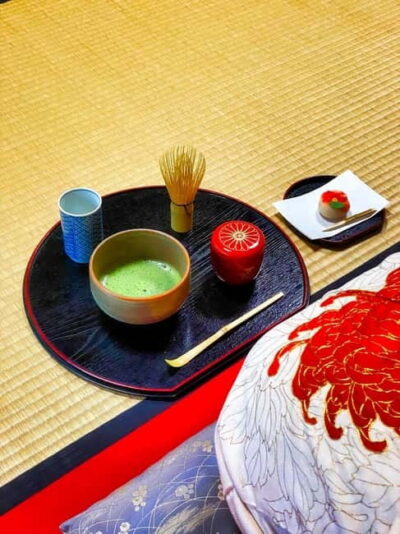
Tea Ceremony in a Traditional Tea House in Kiyomizu
Read our review →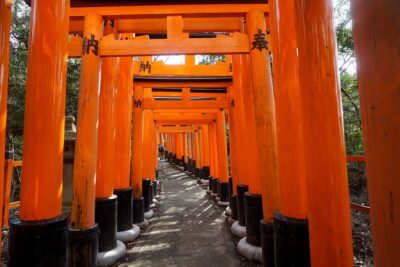
Fushimi Inari Hidden Hiking Tour (Private Option Available)
Read our review →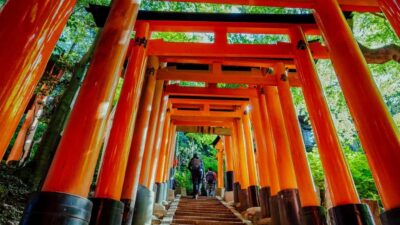
Osaka/Kyoto:Kinkakuji,Arashiyama,FushimiInariShrine,NaraPark
Read our review →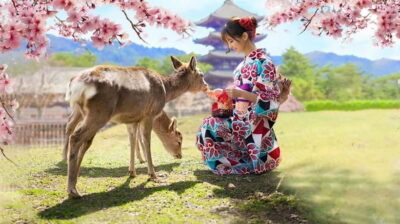
Kyoto/Osaka: Nara, Fushimi Inari Taisha, Arashiyama Bus Tour
Read our review →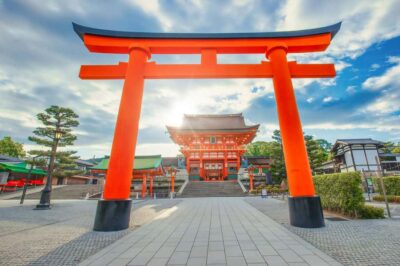
Osaka/Kyoto: Arashiyama, Nara & Fushimi Inari Shrine w/Lunch
Read our review →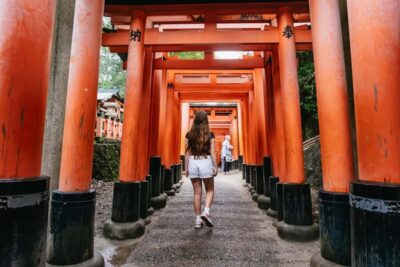
Nijo Castle, Kiyomizu & Fushimi Inari Guided Tour
Read our review →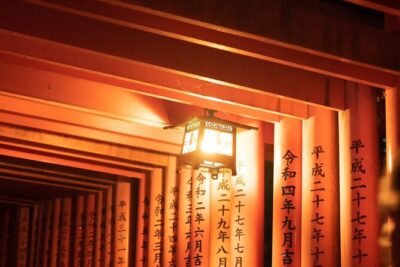
Browse the lists this tour appears in