
REVIEW · FUSHIMI INARI SHRINE TOURS
Kyoto: Early Morning Fushimi Inari Shrine – Beat the Crowds
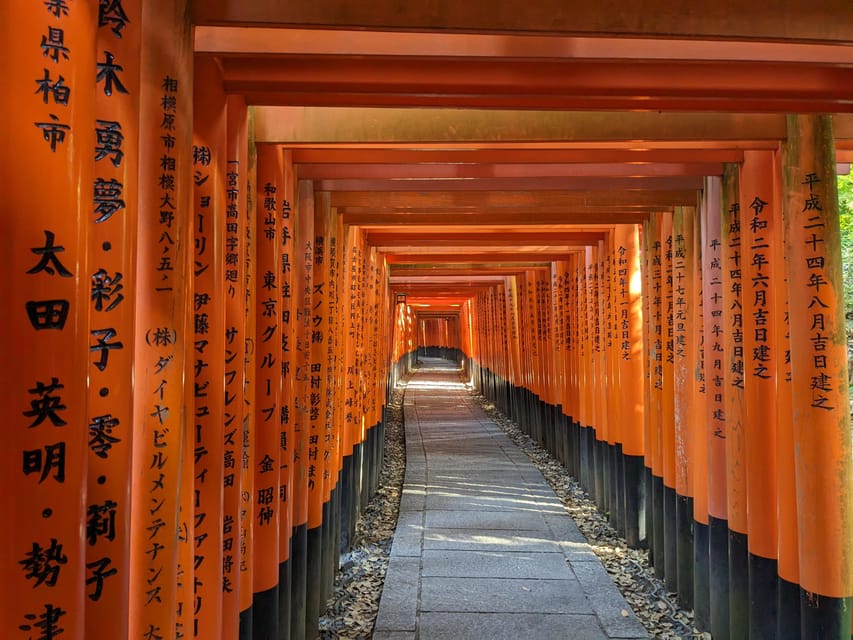
Fushimi Inari is at its best before Kyoto wakes up. This early morning walk lets you see the famous orange torii tunnels with far fewer people, cooler air, and enough quiet to notice the shrine as a place of worship rather than just a photo stop. I especially like the local guide, who can explain the fox figures, offerings, and customs that are easy to miss on your own.
I also like the sensible route: you spend about 90 minutes at the main shrine, then continue to a viewpoint and a quieter spot with its own story. The drawback is clear, too. This is a mountain walk, and the tour is not suitable for children under 10, people with mobility, heart, respiratory, or back problems, people with low fitness, or anyone over 70.
Key points at a glance
- Early access: Start before the daytime crowds and summer heat make Fushimi Inari harder to enjoy.
- A 150-minute guided walk: See the main shrine, a viewpoint, and a quieter local spot near the mountain route.
- Strong local guiding: Guides including Teppei, Akino, Hiro, Masa, Maru, and Yoshi have been praised for clear explanations and warm, personal help.
- Cultural detail: Learn how to show respect at the shrine and what the torii gates, fox statues, and Inari traditions mean.
- Photo-friendly timing: The orange gate tunnels are much easier to photograph without editing people out.
- Small-group or private format: The experience can be arranged as a private tour or with a small group.
Why early morning changes Fushimi Inari
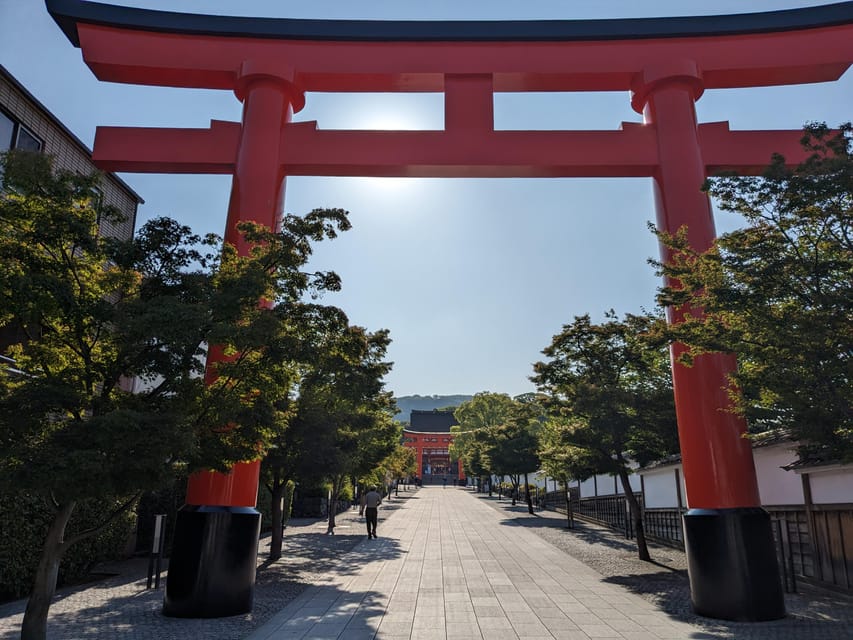
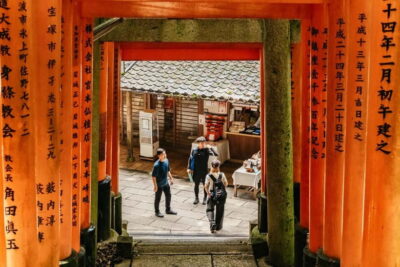
Fushimi Inari Taisha is one of Japan’s instantly recognizable sights. Its long rows of orange torii gates climb Mount Inari behind the main shrine, creating a path that feels almost unreal in photographs. The fame brings a price: by later morning, the lower shrine grounds and first torii tunnels can be packed.
The early start is the main reason to book this experience. You get a quieter first look at the shrine, and you have a better chance of taking a clean photograph beneath the gates. You can also hear your guide without fighting through noise and foot traffic.
There is a useful distinction here. The tour does not simply promise a quick photo at the entrance. You spend time learning why the shrine matters to local people and how its symbols fit into Japanese religious practice. That makes the visit more than a stop for a familiar image.
Fushimi Inari has been Japan’s most visited spot since 2016, according to the activity information. That fact explains why timing matters so much. Even an early start does not guarantee complete solitude, but it gives you the best available chance to enjoy the shrine at a calmer pace.
More Temple Sunrise Tours in Japan
- Kyoto Morning Highlights Tour: Fushimi, Kiyomizu-dera & Gion
★ 5.0 · 6 reviews - Tokyo Morning Tour: Asakusa, Meiji Shrine and Tsukiji Fish Market
★ 5.0 · 128 reviews - Tokyo Morning Tour : Meiji Shrine, Asakusa and Fish Market
★ 5.0 · 102 reviews
Meeting your guide at JR Inari Station
The meeting point is easy to identify if you follow the instructions closely. Your guide waits outside, across from the main entrance to JR Inari Station, holding a bright yellow DeepExperience signboard.
Allow extra time for the train. One participant arrived late after assuming a non-express train would make the trip in fewer stops. The guide handled the delay kindly, but arriving on time is still the considerate choice, especially when a small group is waiting.
Starting at Inari Station also puts you in the right setting immediately. You do not waste the first part of the tour crossing Kyoto from a hotel district. You meet beside the shrine’s own station and begin with the religious site that gives the neighborhood its identity.
The activity is offered in English, with private and small-group options available. A private format may suit you if you want to ask many questions or move at your own pace. A small group can offer good value at the same $70 per-person price, though the exact group size is not stated.
Inside Fushimi Inari Taisha
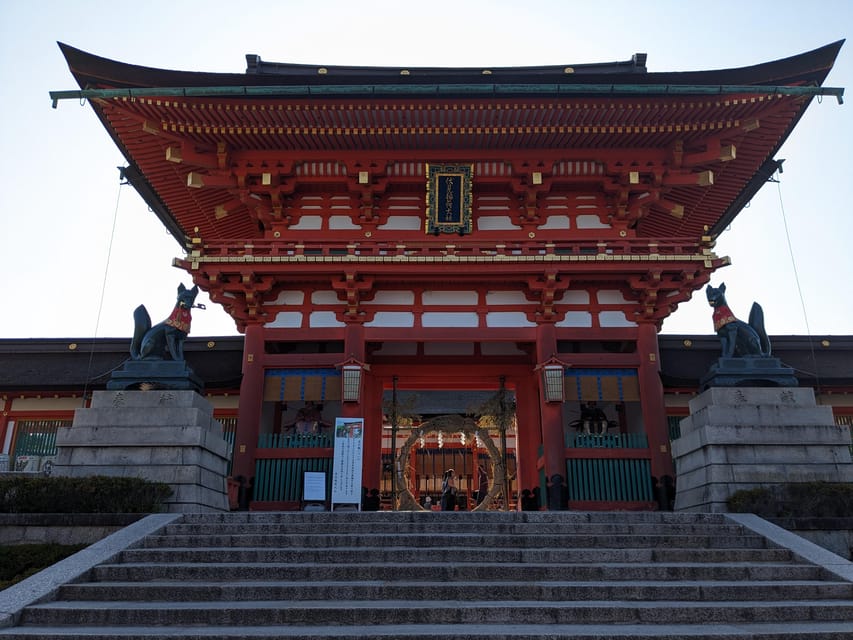
The main guided section lasts about 90 minutes. That is enough time for an introduction to the shrine, the torii gates, the fox imagery, and the proper way to pay respect at key points.
Your guide can help you read the site in ways you may miss alone. Inari is associated with traditions that include agriculture, business, prosperity, and protection. Fox figures appear throughout the shrine because foxes are regarded as messengers of Inari. The tour information and guide experiences specifically point to explanations of deities, torii, local customs, and shrine etiquette.
The torii gates are not simply decorative. They have been donated over time, and their repeated form marks a transition into sacred space. Walking through them with some context changes the experience. Instead of seeing a long orange tunnel, you begin to notice how the gates frame the mountain path and separate the shrine grounds from ordinary city life.
Hiro, one of the guides, has been praised for explaining how to show respect before each main torii. That practical help is valuable. Japanese shrine customs can feel mysterious when you are unfamiliar with them, and a short explanation lets you participate without guessing.
The lower shrine area is the most crowded part during the day. An early visit gives you more room to stop, listen, and take pictures. Still, remember that Fushimi Inari is an active place of worship. Keep your voice low at prayer areas, avoid blocking paths, and treat the gates and shrine buildings with care.
The mountain path and the real physical effort
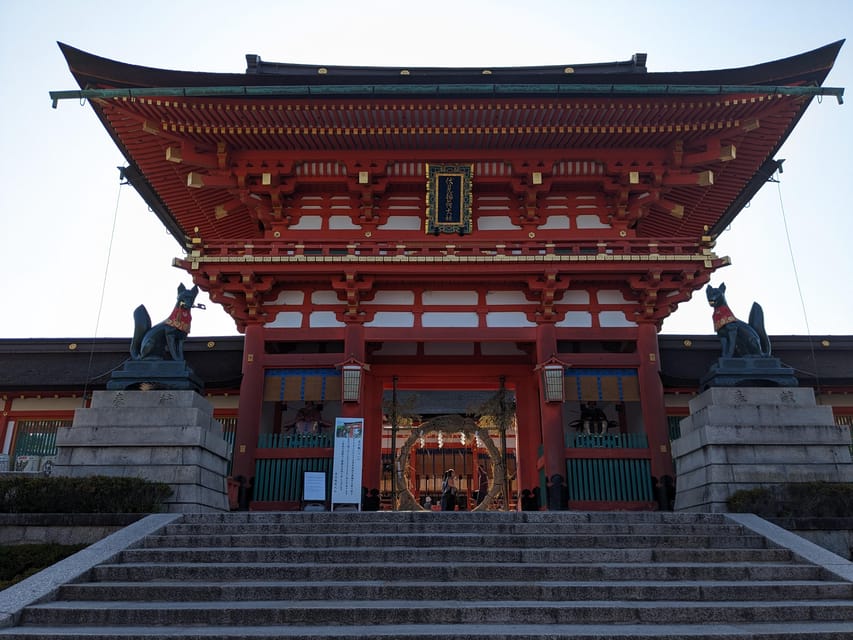
The route continues uphill through the torii gates. The description calls it a scenic walk through a holy mountain, and that wording matters: you are not taking a flat city stroll.
One participant initially worried about a 2.5-hour mountain hike, then found it became the highlight of the Japan trip. That does not mean the route is easy for everyone. It means the walk can feel rewarding when you are prepared and comfortable with a sustained uphill outing.
Wear comfortable shoes and light, comfortable clothing. You should also avoid bringing luggage or a large bag. Baby strollers and baby carriages are not allowed, and the route is not suitable for wheelchair users.
The activity specifically excludes people with back problems, mobility impairments, heart problems, respiratory issues, altitude sickness, or low fitness. Children under 10 and people over 70 are also listed as unsuitable. These limits are important, not a minor footnote. If anyone in your party has a health concern, this is the time to choose a different Fushimi Inari visit rather than hope the climb will be manageable.
The early hour helps with heat, especially in summer. One July participant valued both the cooler conditions and the lack of crowds. Even so, bring water and expect a physical walk. The activity data does not state the exact elevation gain, number of steps, or turnaround point, so you should not book it expecting a precisely measured hiking route.
More Fushimi Inari Shrine Tours in Kyoto:
- Kyoto: Tea Ceremony in a Traditional Tea House in Kiyomizu
★ 4.9 · 3,519 reviews - Fushimi Inari Hidden Hiking Tour (Private Option Available)
★ 5.0 · 1,750 reviews - Osaka/Kyoto:Kinkakuji,Arashiyama,FushimiInariShrine,NaraPark
★ 4.1 · 1,596 reviews - Kyoto/Osaka: Nara, Fushimi Inari Taisha, Arashiyama Bus Tour
★ 4.7 · 1,275 reviews
The viewpoint after the torii tunnels
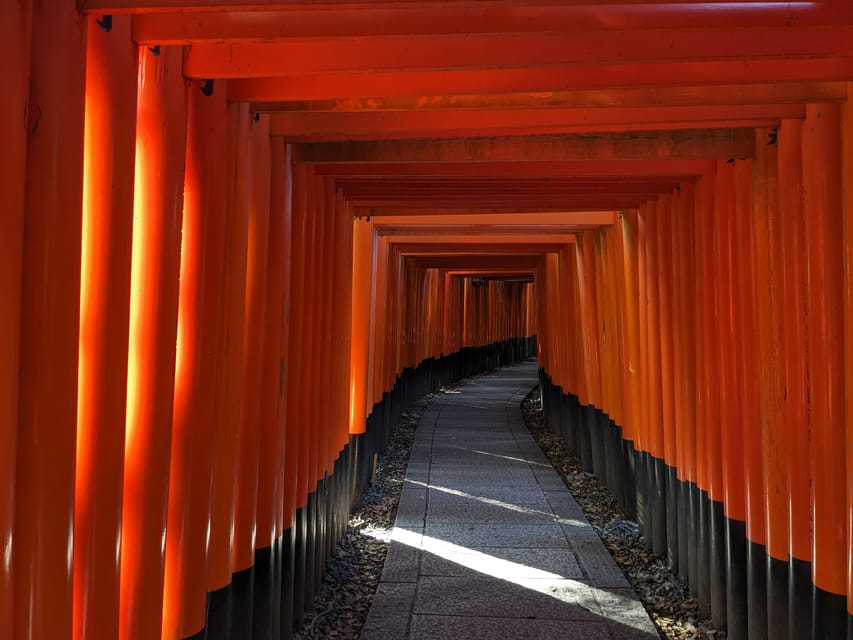
The itinerary includes about 30 minutes for sightseeing at a viewpoint. This gives the tour a welcome change of pace after the repeated gates and uphill walking.
A viewpoint helps you understand the shrine’s position on the mountain rather than seeing only the path directly in front of you. The appeal is not just the picture. You get a sense of how the sacred area rises above the surrounding city, and your guide can connect the view to Kyoto’s wider setting.
Conditions will vary with weather and season. Clear skies should offer the strongest views, while cloudy or wet weather may create a quieter mood but reduce visibility. The activity does not promise a specific panorama, so I would treat the viewpoint as a useful part of the walk rather than book the tour solely for one photograph.
A quieter stop with a local story
The final portion includes a 30-minute guided visit to a tucked-away spot. One guide described a small fountain connected with a local legend that it could cure all illness. The tour information does not identify the exact place by name, so you should see this as a special stop within the route rather than a separately advertised attraction.
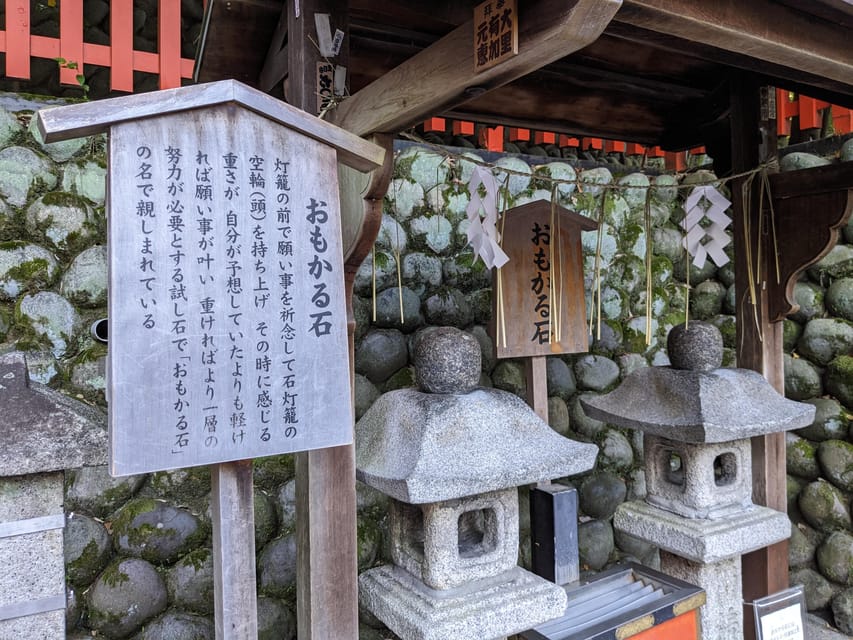
This is the sort of detail a guide can add to a major sight. Fushimi Inari is famous for its main gate tunnels, but the smaller structures, fountains, side paths, and local beliefs often give the place its character. A guide can tell you why a particular spot matters instead of leaving you to pass it without context.
The tour also includes a special souvenir unique to Inari and not available elsewhere. The exact item is not specified, so do not book this expecting a particular type of gift. The value is in receiving something tied to this shrine rather than another generic Kyoto keepsake.
After the final stop, you return to Inari Station. The full experience lasts 150 minutes, or two and a half hours.
The guides make the difference
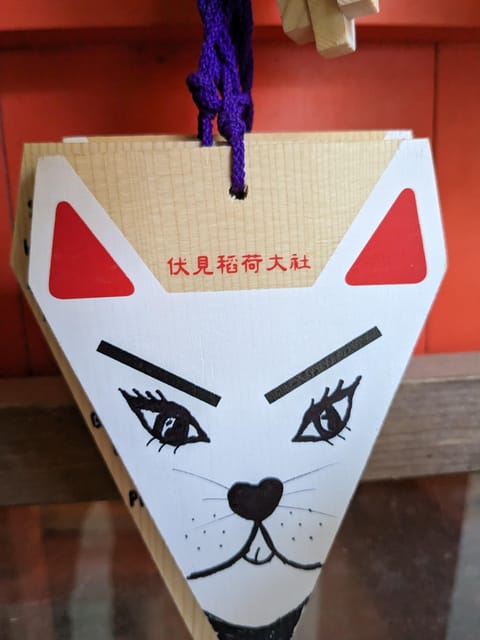
The strongest part of this activity is the quality of its human side. Guides named Teppei, Akino, Hiro, Masa, Maru, and Yoshi are praised for warmth, clear communication, patience, and a genuine connection to Kyoto.
Teppei appears repeatedly in the feedback, and the details are more useful than a simple star rating. He has been described as taking time to answer questions, explaining each area clearly, offering Kyoto tips, and helping a late-arriving group without making the situation uncomfortable. Another participant said his enthusiasm helped turn a demanding mountain walk into the highlight of the trip.
Akino has been praised for her cultural knowledge and for giving practical suggestions for eating and drinking in Kyoto and Hiroshima. She even accompanied one group on the train afterward to help them arrive safely. That kind of extra care cannot be guaranteed, but it shows the personal style this company’s guides aim for.
Maru helped with photographs while explaining Japanese culture, history, and traditions. Hiro is described as a Kyoto native who enjoys sharing the city’s customs and the story of the shrine. Yoshi is praised for being friendly, generous, and engaging.
Guides can change, and the activity does not guarantee a particular person. Still, the consistent pattern is important: this is not only a walk to a famous place. The guide is a central part of what you are paying for.
Is $70 a fair price?
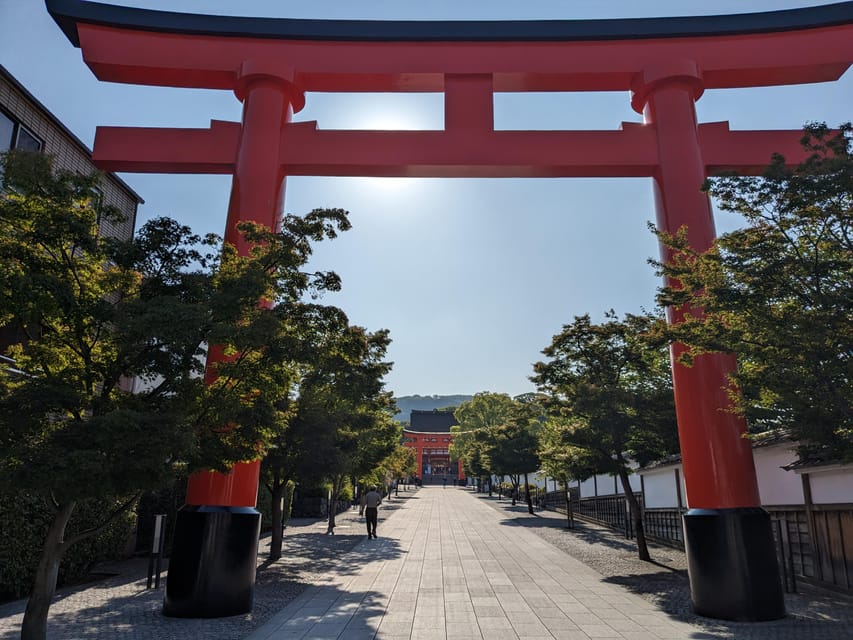
At $70 per person, this is not the cheapest way to see Fushimi Inari. You can visit the shrine independently, and entry to the shrine itself is not presented as a separate paid attraction here.
The question is what you need. If you only want to photograph the orange gates, visiting alone early may be enough. You can save the tour fee and set your own pace.
I think the price becomes easier to justify if you want three things: an early start, cultural explanation, and help on the mountain route. You are paying for an English-speaking local guide, a planned walk, shrine etiquette, stories about Inari, a viewpoint, a quieter stop, and a special souvenir. The photo advantage also matters. A clean image at Fushimi Inari is far more likely early than during the crowded middle of the day.
Private or small-group options can make the cost feel more reasonable if you are traveling with family or friends who want a shared guide. The exact pricing difference between formats is not supplied, so check the available option before booking.
Free cancellation up to 24 hours before the activity and reserve-now, pay-later booking add flexibility. That is useful when Kyoto weather or a complex Japan itinerary is still changing.
Who should book this Fushimi Inari tour?
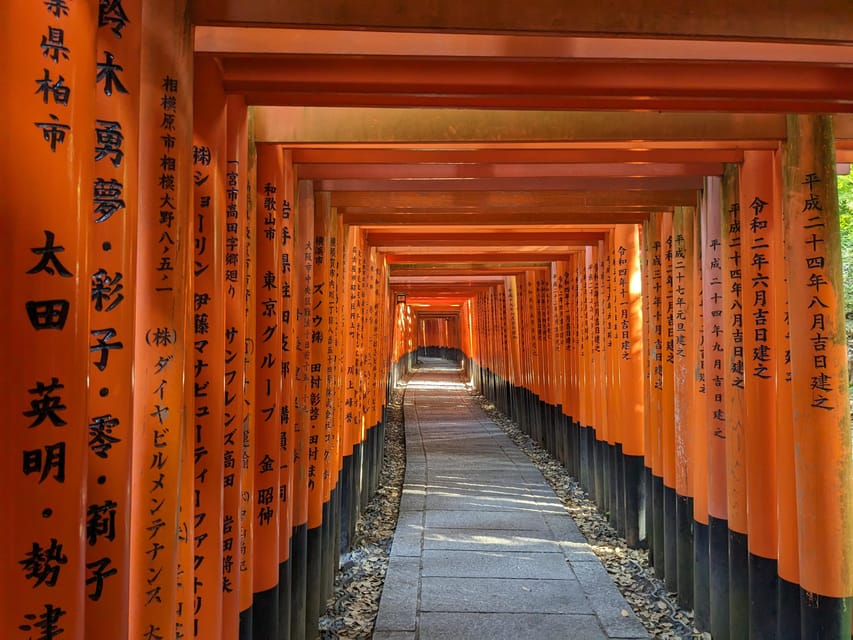
I would recommend it to first-time visitors who want help understanding Japanese shrine customs. It also suits photographers who care about crowd-free views, couples or friends who prefer a guided morning, and anyone who would otherwise walk through the torii gates without knowing what they are seeing.
It is a good fit for people who enjoy asking questions. The guides have been especially appreciated for taking time with explanations, offering Kyoto suggestions, and adjusting their help to the group.
I would not choose it for a relaxed, flat sightseeing morning. The mountain route requires comfortable shoes and a reasonable level of fitness. It is also a poor match for anyone with the listed mobility, heart, back, respiratory, or age-related restrictions.
If you are traveling with young children, note the minimum age of 10. Strollers and large bags are not allowed, so plan accordingly.
What to bring and how to prepare
Keep your preparation simple:
- Wear shoes suitable for an uphill mountain walk.
- Choose comfortable clothing that works for an early start.
- Leave luggage and large bags behind.
- Do not bring a stroller or baby carriage.
- Arrive at the station meeting point on time.
- Check the train carefully so you do not board a slower service by mistake.
- Be ready for changing weather and a physical route.
The activity information does not specify food, drinks, hotel pickup, or transport beyond meeting at JR Inari Station. Plan to handle those needs separately.
Should you book it?
Book this tour if you want Fushimi Inari at its calmest practical hour and you value a guide who can explain the place beyond the orange gates. The early timing, strong guide feedback, viewpoint, local story, and Inari-specific souvenir give it more substance than a quick photo visit.
Skip it if you are comfortable exploring alone, only want the lower shrine area, or cannot manage a mountain walk. For most fit first-time visitors who want cultural context and a better chance at uncrowded photographs, $70 is a fair price for a well-planned morning.
FAQ
Where does the Fushimi Inari tour meet?
Your guide waits outside, across from the main entrance to JR Inari Station, holding a bright yellow DeepExperience signboard.
How long does the activity last?
The activity lasts 150 minutes, or two and a half hours. It includes about 90 minutes at Fushimi Inari Taisha, 30 minutes at a viewpoint, and 30 minutes at a quieter guided stop.
Is the tour conducted in English?
Yes. The tour has a live English-speaking guide.
Can I book a private tour?
Yes. Private and small-group options are available.
What should I bring?
Bring comfortable shoes and comfortable clothing. Large bags, luggage, baby strollers, and baby carriages are not allowed.
Who should not take this tour?
The activity is not suitable for children under 10, people with back, heart, mobility, or respiratory problems, wheelchair users, people with altitude sickness, people with low fitness, or people over 70.
More Temple Sunrise Tours in Kyoto
- Angkor Wat Sunrise or Sunset Tour with Guide from Siem Reap
★ 5.0 · 12,109 reviews - Siem Reap: Angkor Wat: Small-Group Sunrise or Sunset Tour
★ 5.0 · 9,444 reviews - Siem Reap: Angkor Wat 2-Day Tour with Sunrise and Sunset
★ 4.9 · 4,429 reviews - Angkor Wat Sunrise tour with Small – Group and Guide tours
★ 5.0 · 3,655 reviews
Just added around Kyoto
- Osaka/Kyoto: Katsuoji, Kinkakuji, Arashiyama 1-Day Bus Tour★ 4.6 · 33 reviews
- Kyoto:Kiyomizu-dera Temple Rent a kimono and ride a rickshaw★ 4.8 · 7 reviews
- Kyoto: Wagashi (Japanese sweets) Cooking near Fushimiinari★ 5.0 · 40 reviews
- Kyoto: Kimono/Yukata Rental 5 Minute from Kiyomizu-dera★ 4.7 · 89 reviews
- KYOTO: Tempio Kiyomizu Pagode Gion “Geisya” (Guida Italiana)★ 4.7 · 17 reviews
- Kyoto Fushimiinari:Wagashi Making & Small Group Tea Ceremony★ 5.0 · 14 reviews
- Kyoto: Samurai Sword & Kimono Action Filming Experience★ 4.8 · 78 reviews
- Best of Kyoto: Red Gates of Fushimi Inari & Kiyomizu Temple★ 4.8 · 36 reviews
Fushimi Inari Shrine Tours, compared.
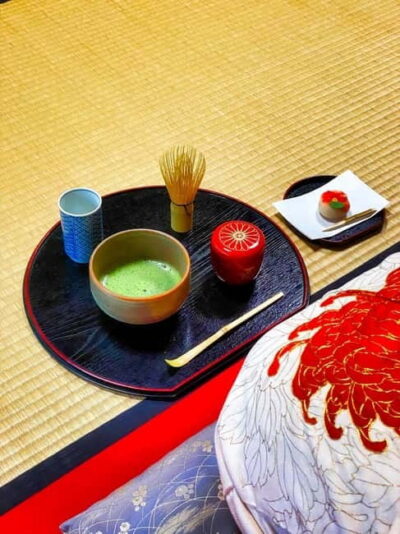
Tea Ceremony in a Traditional Tea House in Kiyomizu
Read our review →
Fushimi Inari Hidden Hiking Tour (Private Option Available)
Read our review →
Osaka/Kyoto:Kinkakuji,Arashiyama,FushimiInariShrine,NaraPark
Read our review →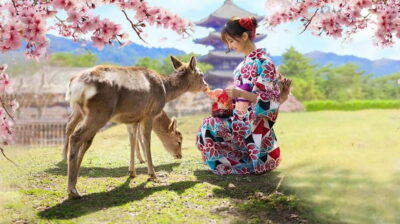
Kyoto/Osaka: Nara, Fushimi Inari Taisha, Arashiyama Bus Tour
Read our review →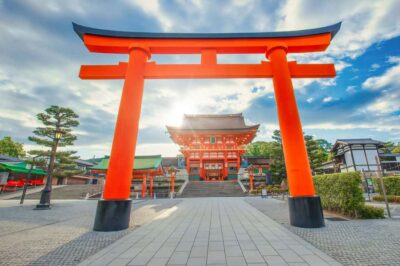
Osaka/Kyoto: Arashiyama, Nara & Fushimi Inari Shrine w/Lunch
Read our review →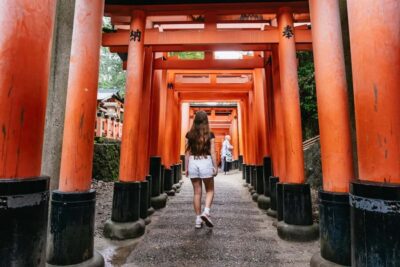
Nijo Castle, Kiyomizu & Fushimi Inari Guided Tour
Read our review →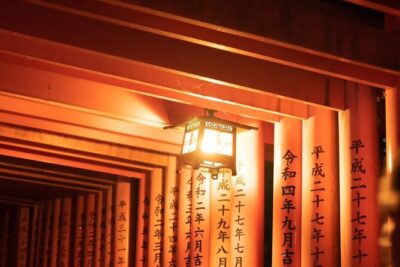
Browse the lists this tour appears in