
REVIEW · FUSHIMI INARI SHRINE TOURS
Kyoto: Kiyomizu-dera, Fushimi Inari & Gion Geisha District
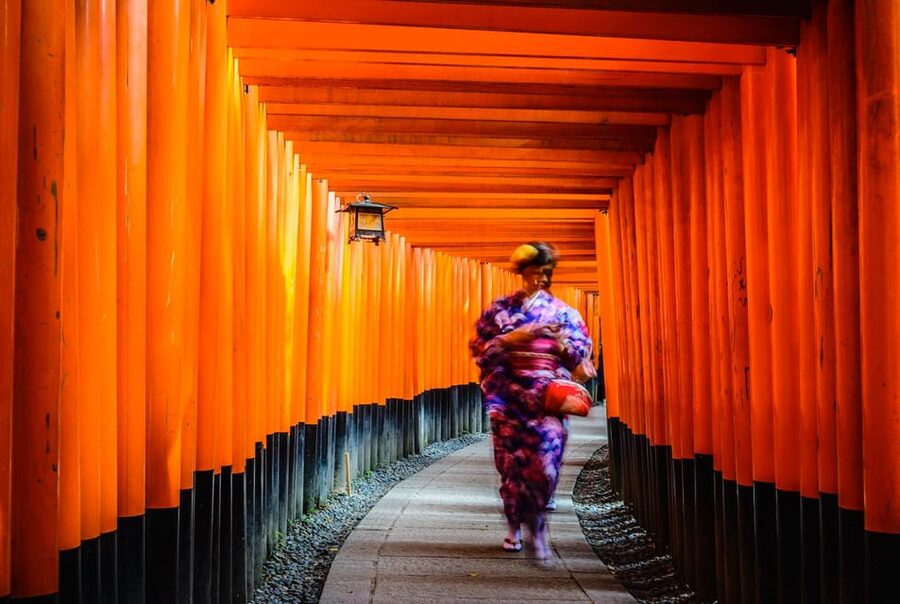
The torii gates of Fushimi Inari are the star here: a long orange corridor that rises into the wooded hills behind Kyoto. Add Kiyomizu-dera, old merchant streets, and Gion, and you get a compact look at the city’s sacred and traditional sides. I especially like the private format and the chance to ask questions as you go.
I also like that Roberto, a Kyoto City Certified Tourist Guide, uses images on an iPad to explain details that are easy to miss. He takes photos and videos during the walk, too. The main drawback is the pace: four hours covers a lot, and the route includes stairs, walking, and public transport.
Key Points at a Glance
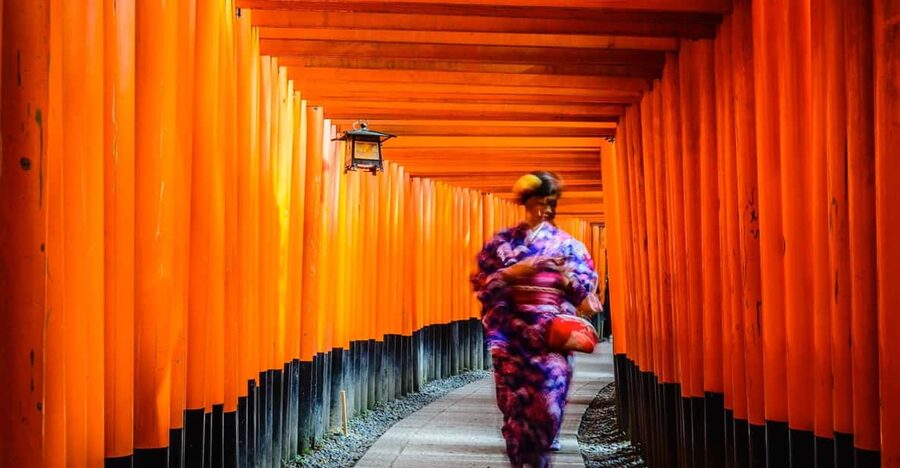
- Fushimi Inari first: Walk beneath part of the famous trail of 1,000 vermilion torii gates and learn about the shrine’s Shinto roots.
- Kiyomizu-dera’s power spots: Visit areas connected with love, longevity, and academic success, with the 500-yen admission fee paid separately.
- A private tour with Roberto: The guide speaks English and Spanish and can adjust explanations to your interests.
- Kyoto’s old streets: Walk through Sannenzaka and Ninenzaka, where wooden buildings and traditional shops create one of the city’s most recognizable scenes.
- Gion as the finale: Learn how geisha and maiko work while walking through Kyoto’s best-known entertainment district.
- Practical city help: Public trains and buses are part of the route, giving you useful experience with Kyoto transport.
Four Hours from Torii Gates to Gion
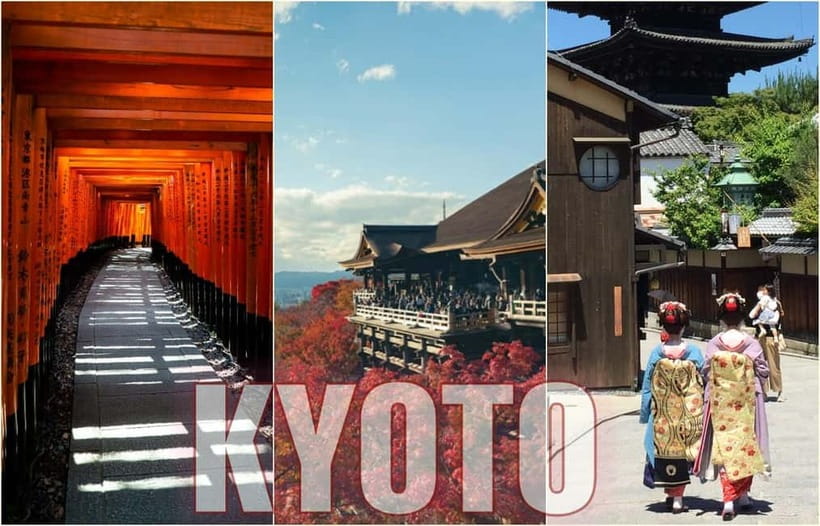
This tour works because it links four places that are often visited separately. You begin at Kyoto Station, reach Fushimi Inari by train, continue to Kiyomizu-dera, then walk downhill through the old streets toward Gion.
That order is sensible. Fushimi Inari is easiest to visit early, before you spend energy on the longer walk and temple grounds. The tour does not attempt to cover the entire mountain trail, but its 75-minute stop gives you time to pass through a substantial section of the torii gates and hear what makes the shrine important.
You finish in Gion rather than returning to Kyoto Station. That gives you freedom to continue your evening in the district, eat nearby, or take a bus or taxi back to your hotel. It also means you should plan your next move before the tour ends.
More Fushimi Inari Shrine Tours in Kyoto:
- Kyoto: Tea Ceremony in a Traditional Tea House in Kiyomizu
★ 4.9 · 3,519 reviews - Fushimi Inari Hidden Hiking Tour (Private Option Available)
★ 5.0 · 1,750 reviews - Osaka/Kyoto:Kinkakuji,Arashiyama,FushimiInariShrine,NaraPark
★ 4.1 · 1,596 reviews
Meeting Roberto at Kyoto Station
The meeting point is in front of the 7-Eleven Heart-In at the JR Kyoto Station Central Entrance, on the Kyoto Tower side of the station. Look for Roberto holding an iPad and a red card marked RBRT.
This is a useful meeting point, but Kyoto Station is large and can feel confusing if you arrive at the last minute. Give yourself extra time to find the Kyoto Tower side exit. Once you meet the guide, the first train ride takes about 10 minutes.
Roberto’s role is more than pointing out buildings. He explains cultural details with images on an iPad, which helps when a shrine symbol, Buddhist figure, or traditional custom is difficult to understand from a distance. His friendly manner and willingness to take photos are especially useful if you want a record of the day without relying on hurried self-timer shots.
Fushimi Inari and the Orange Gate Trail
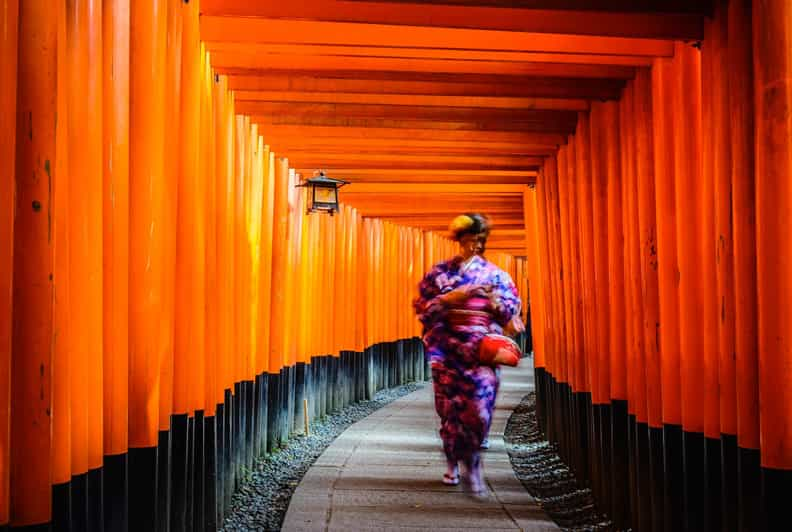
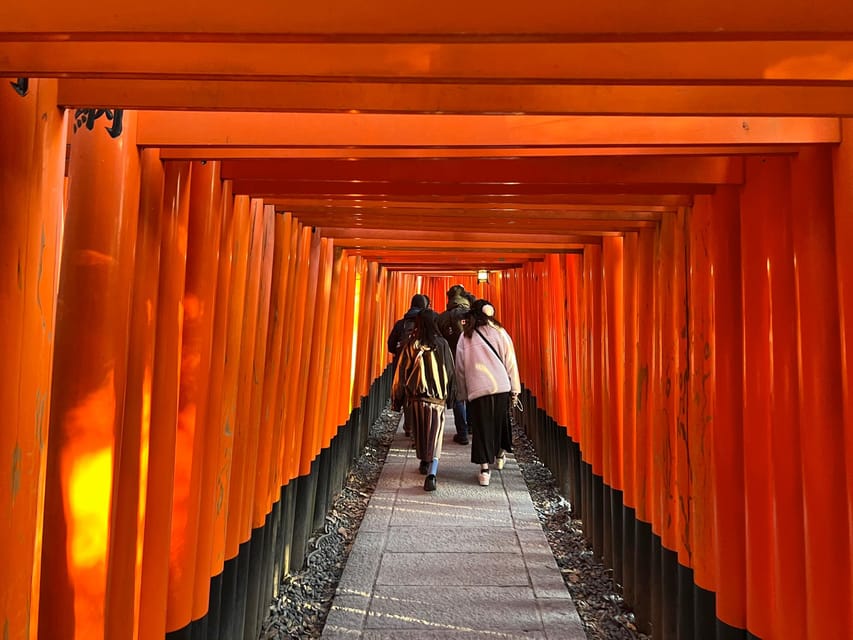
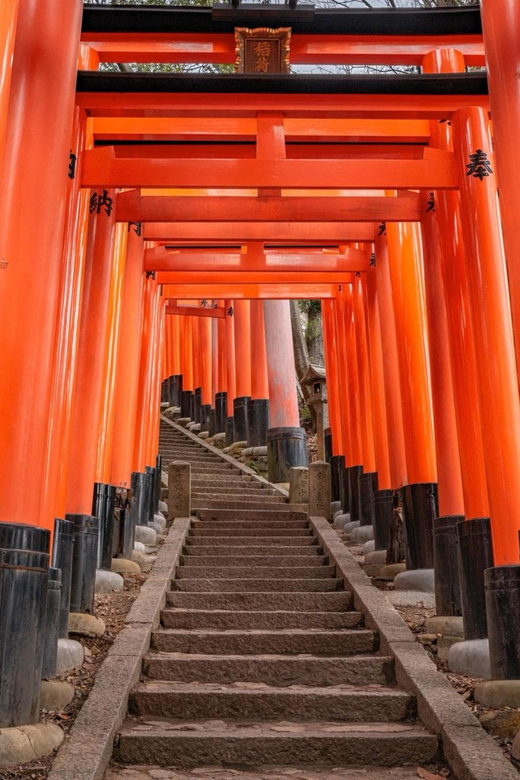
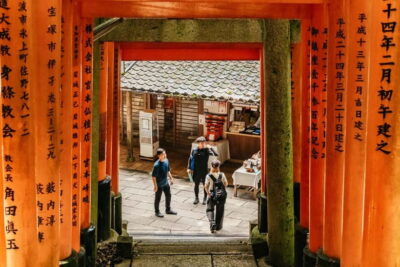
Fushimi Inari Taisha is dedicated to Inari, a Shinto deity associated with rice, agriculture, and prosperity. The shrine’s most famous feature is its long sequence of vermilion torii gates, donated over time by individuals and businesses.
The color is hard to miss. Gate after gate creates a narrow orange passage through the trees, with changing light and glimpses of the hillside between the posts. You will walk through a portion of the route during the 75-minute visit, rather than completing every path on the mountain.
That distinction matters. Fushimi Inari can occupy several hours if you walk all the way to the upper shrine areas. On this tour, you get the main visual experience and an explanation of Shinto without turning the morning into a full mountain hike.
I like having a guide here because the shrine can otherwise become a photo stop with little context. Roberto explains the origins of Fushimi Inari and the role of Shinto, helping you understand why torii gates mark the transition into sacred space. The information gives purpose to the walk without making it feel like a classroom.
Wear shoes with good grip. The route includes slopes and steps, and the day contains more walking after this stop. Bring water, particularly if you are visiting in warm weather.
Kiyomizu-dera and Its Three Wishes
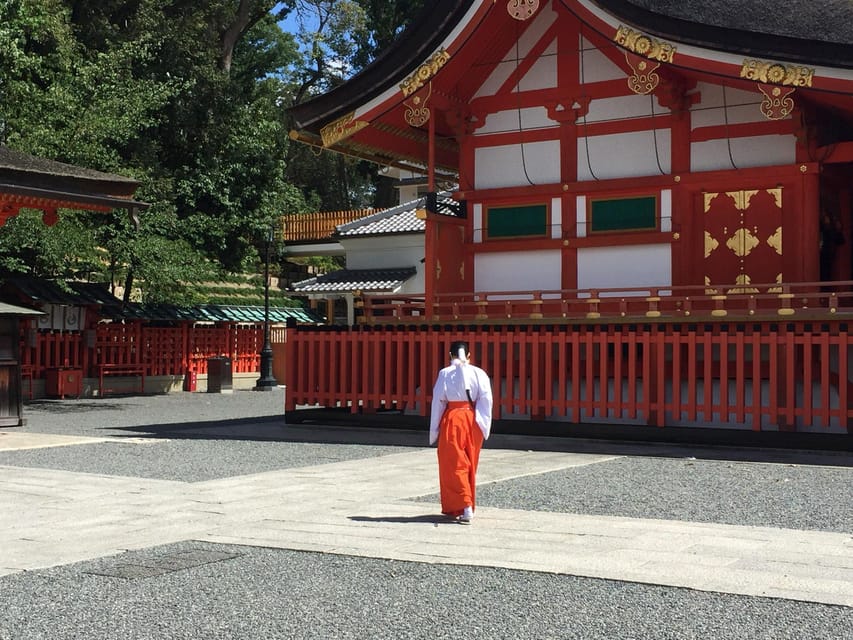
After Fushimi Inari, you take public transport for about 30 minutes before reaching Kiyomizu-dera. The temple visit lasts roughly 80 minutes, making it the longest stop of the tour.
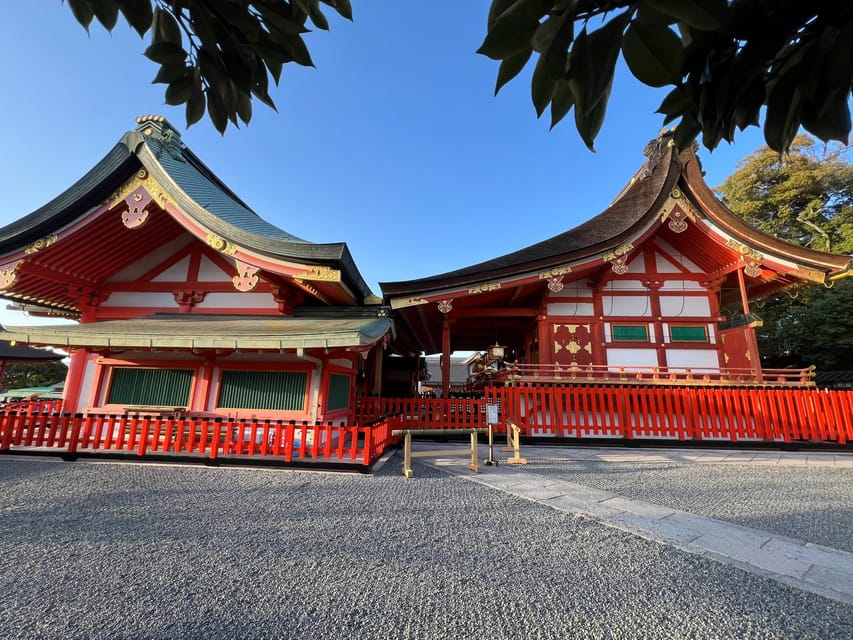
Kiyomizu-dera is one of Kyoto’s signature temples, known for its elevated wooden stage and broad views across the city. The experience here is not just about taking in the architecture. Roberto points out the temple’s well-known power spots, linked with love, longevity, and academic success.
These areas add a personal layer to the visit. You can approach the temple with a particular hope in mind, or simply enjoy the customs as part of Kyoto’s religious life. The tour explains the meaning behind the sites instead of leaving you to guess what everyone is doing.
Admission to Kiyomizu-dera costs 500 yen, about US$3.10, and is not included. Transportation and food are also separate expenses. Carry cash, since the tour specifically advises it and small payments are easier when moving between several stops.
The temple grounds can be crowded, and the route includes stairs and uneven walking surfaces. You should not choose this tour if you have significant mobility limitations, back problems, or a low level of fitness. Wheelchair users and visually impaired visitors may also find the route unsuitable.
Same country, a different morning at the gates:
- Kyoto: Tea Ceremony Ju-An at Jotokuji Temple
★ 4.9 · 3,207 reviews - Kyoto/Osaka: Nara, Fushimi Inari Taisha, Arashiyama Bus Tour
★ 4.7 · 1,275 reviews - Kyoto Arashiyama Walking Tour: Bamboo, Monkeys, Gardens & Secrets
★ 5.0 · 1,216 reviews - Arashiyama Bamboo, Temple, Monkeys, or Secret Sake Brewery
★ 4.8 · 886 reviews
Sannenzaka and Ninenzaka on Foot
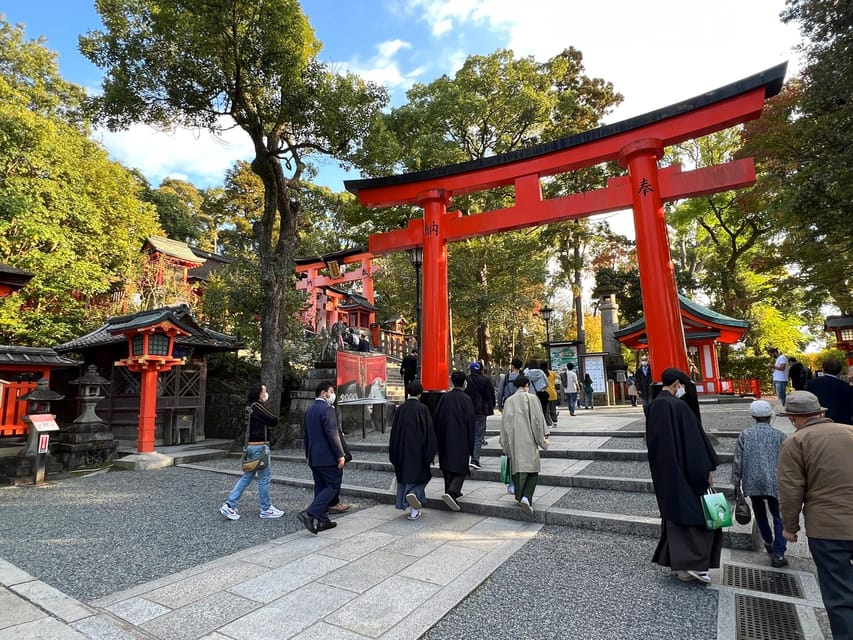
From Kiyomizu-dera, the tour moves into Sannenzaka and Ninenzaka. Each walking section is listed at about 10 minutes, followed by another 12 minutes on foot toward Gion.
These streets offer a different mood from the shrine and temple. Wooden buildings, tiled roofs, souvenir shops, and traditional merchant houses line the route. The streets preserve the look of old Kyoto, even though they are now popular with shoppers and sightseers.
You will have time to see the architecture and browse, but this is not a dedicated shopping tour. The short walking sections keep the day moving toward Gion. If you want to linger over every shop, sample food, or take a slow series of photographs, you may feel the schedule is tight.
Still, this portion is valuable because it connects Kiyomizu-dera to the city around it. Instead of stepping from one isolated attraction to another, you walk through the historic streets that make the eastern temple area feel like a complete Kyoto district.
Comfortable clothing and walking shoes are essential. Large bags and luggage are not allowed on the activity, so leave suitcases at your hotel.
Gion, Geisha, and Maiko Explained Clearly
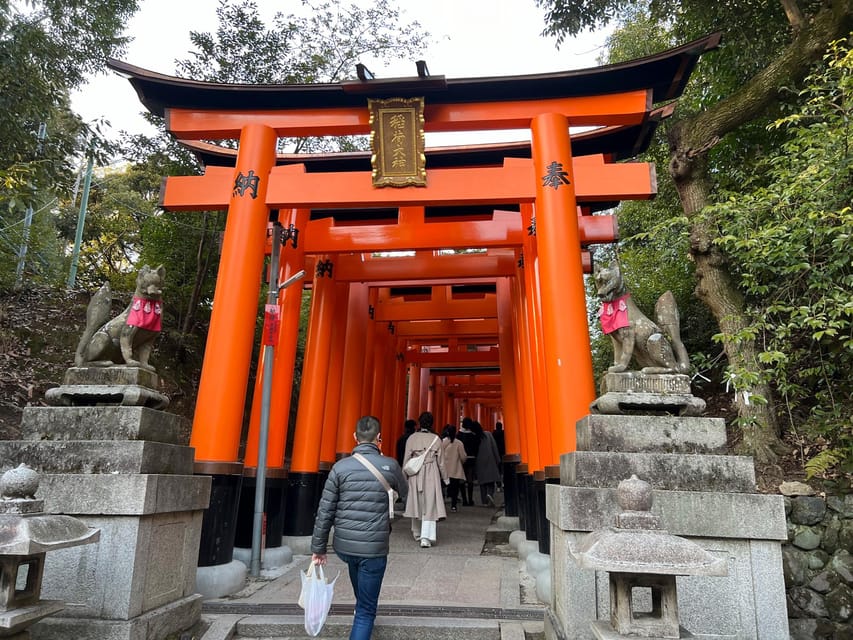
The tour ends with a 15-minute walk through Gion, Kyoto’s best-known geisha district. Gion includes shops, restaurants, ochaya teahouses, and rows of traditional machiya merchant houses.
An ochaya is a teahouse where geisha and maiko provide entertainment for guests. The district can be misunderstood, especially by first-time visitors who expect a staged show or a simple photo opportunity. Roberto focuses on the facts of geisha and maiko culture, helping you understand the difference between an established geisha and an apprentice maiko.
The short Gion walk gives you an introduction rather than a full evening of entertainment. No geisha performance, meal, or tea ceremony is included. That keeps the tour focused and affordable, but you should book a separate evening activity if you want to see a performance.
Gion is also the point where the tour ends. You can continue exploring on your own, take a city bus, or use a taxi to return to your hotel. The finish is practical for anyone planning dinner in central Kyoto.
What the $90 Price Gets You
At $90 per person, this is not the cheapest way to visit these sights. You still pay your own train and bus fares, and Kiyomizu-dera admission costs 500 yen. Food and drinks are also outside the price.
The value comes from the private guide and the amount covered in four hours. You are not simply paying for transport between attractions. Roberto explains Shinto, Buddhism, temple customs, geisha culture, and the details of each district. He also uses visual material on an iPad and takes photos for you.
For a first visit to Kyoto, that can be worthwhile. Public transport is part of the experience, and Roberto can help you understand how to move around the city. The practical advice is useful beyond this one morning or afternoon.
The price makes less sense if you already know Kyoto well, speak confidently about its religious traditions, or prefer to explore slowly without a fixed route. Independent visitors can reach all four areas on their own. You are paying for interpretation, structure, and personal attention.
The private format matters most for couples, families, or small groups with shared interests. You can ask about a temple symbol, stop for a photo, or request more detail about geisha culture without holding up a large group.
Who Should Book This Kyoto Walk
I would choose this tour for a first or second visit to Kyoto, especially if you want the major sights without spending a full day on them. It suits people who appreciate context but do not want long lectures.
It is also a good fit if you are unsure about Kyoto’s public transport. The train and bus rides are short, but they give you a practical introduction to moving between the station, southern Kyoto, and the eastern temple district.
The route is less suitable for anyone who needs a slow pace or step-free access. You should expect several hours of walking, slopes, stairs, and busy temple streets. People over 75 and visitors with mobility or vision impairments are specifically advised not to choose this activity.
Bring:
- Comfortable walking shoes
- Water
- Comfortable clothes
- Cash for transport and temple admission
The tour is offered in English and Spanish. It is private, and cancellation is free up to 24 hours in advance. You can also reserve now and pay later, which helps if your Kyoto schedule is still changing.
How This Tour Compares with a Self-Guided Visit
A self-guided visit gives you more control. You can spend half a day on the Fushimi Inari trail, shop longer in Ninenzaka, or return to a temple later when the light is better. It also costs less once you have paid ordinary transport and admission fees.
The guided option gives you a clearer story. Fushimi Inari, Kiyomizu-dera, and Gion are visually impressive, but their meaning is not always obvious. A certified local guide can connect the symbols, rituals, buildings, and customs in a way that signs and guidebooks may not.
The four-hour schedule is the tradeoff. You get a strong introduction to several parts of Kyoto, but not a slow, detailed study of any one site. I see this as a useful orientation tour rather than a complete treatment of the city.
Final Verdict: A Strong First-Day Introduction
Book this tour if you want Kyoto’s most recognizable sights explained in plain language, with a private guide and a route that ends in Gion. Roberto’s explanations, photographs, iPad visuals, and practical transport advice add real value to a packed half-day.
Skip it if you dislike walking, need accessible routes, or want to explore each site at your own pace. For everyone else, $90 is reasonable when you value personal guidance and want to see Fushimi Inari, Kiyomizu-dera, the old streets, and Gion in one well-planned outing.
FAQ
How long does the tour last?
The tour lasts four hours.
Where does the tour start?
It starts in front of the 7-Eleven Heart-In at the JR Kyoto Station Central Entrance, on the Kyoto Tower side. Roberto holds an iPad and a red card marked RBRT.
Where does the tour finish?
The tour finishes in Gion. From there, you can take a city bus or taxi to your hotel.
Is the tour private?
Yes. The activity is arranged as a private group tour.
Which languages are available?
The live guide is available in English and Spanish.
Is transportation included?
No. The tour uses public trains and buses, but your transportation costs are not included.
Is Kiyomizu-dera admission included?
No. Entry costs 500 yen, approximately US$3.10, and is paid separately.
Is food included?
No. Food and drinks are not included.
What should I bring?
Bring comfortable shoes, water, comfortable clothes, and cash.
Can I cancel for a full refund?
Yes. You can cancel up to 24 hours in advance for a full refund. You can also reserve now and pay later.
Just added around Kyoto
- Osaka/Kyoto: Katsuoji, Kinkakuji, Arashiyama 1-Day Bus Tour★ 4.6 · 33 reviews
- Kyoto:Kiyomizu-dera Temple Rent a kimono and ride a rickshaw★ 4.8 · 7 reviews
- Kyoto: Wagashi (Japanese sweets) Cooking near Fushimiinari★ 5.0 · 40 reviews
- Kyoto: Kimono/Yukata Rental 5 Minute from Kiyomizu-dera★ 4.7 · 89 reviews
- KYOTO: Tempio Kiyomizu Pagode Gion “Geisya” (Guida Italiana)★ 4.7 · 17 reviews
- Kyoto Fushimiinari:Wagashi Making & Small Group Tea Ceremony★ 5.0 · 14 reviews
- Kyoto: Samurai Sword & Kimono Action Filming Experience★ 4.8 · 78 reviews
- Best of Kyoto: Red Gates of Fushimi Inari & Kiyomizu Temple★ 4.8 · 36 reviews
Fushimi Inari Shrine Tours, compared.
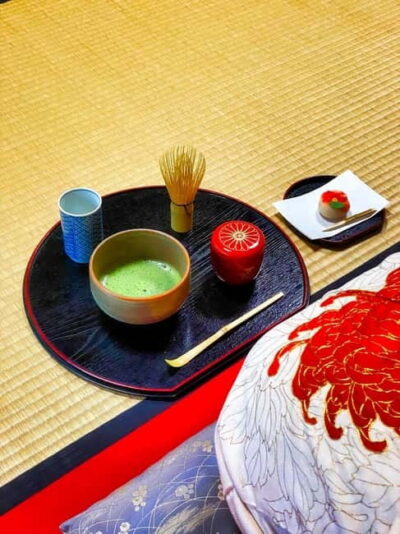
Tea Ceremony in a Traditional Tea House in Kiyomizu
Read our review →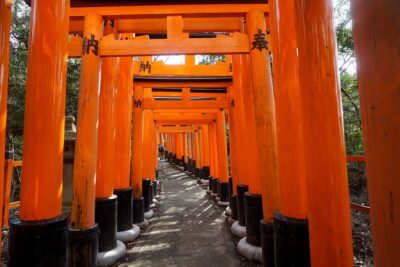
Fushimi Inari Hidden Hiking Tour (Private Option Available)
Read our review →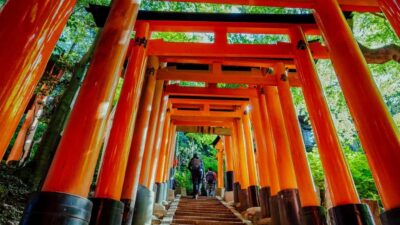
Osaka/Kyoto:Kinkakuji,Arashiyama,FushimiInariShrine,NaraPark
Read our review →
Kyoto/Osaka: Nara, Fushimi Inari Taisha, Arashiyama Bus Tour
Read our review →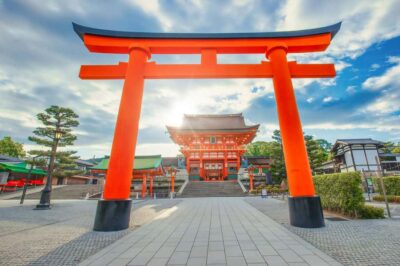
Osaka/Kyoto: Arashiyama, Nara & Fushimi Inari Shrine w/Lunch
Read our review →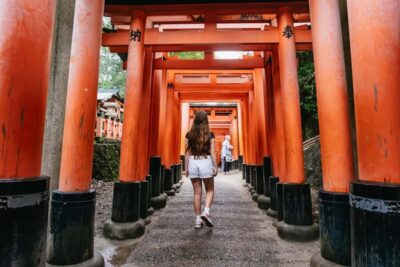
Nijo Castle, Kiyomizu & Fushimi Inari Guided Tour
Read our review →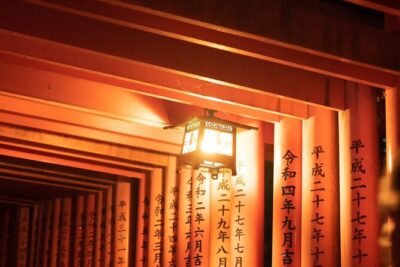
Browse the lists this tour appears in