
REVIEW · KYOTO TEMPLE TOURS
Kyoto Zen Meditation & Garden Tour at a Zen Temple with Lunch
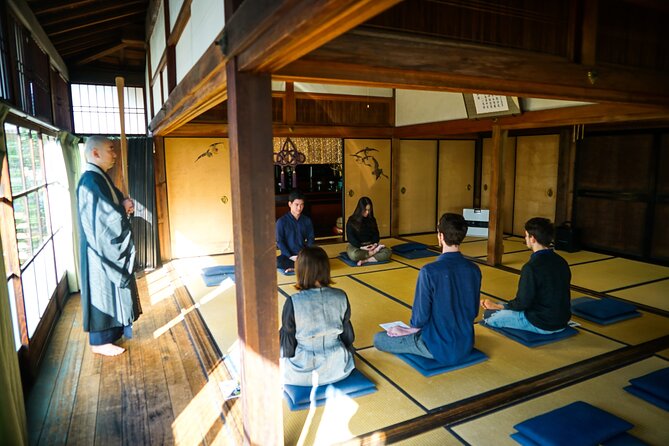
The most meaningful part of this Kyoto outing is the guided zazen session with a Zen monk. You do not simply look at temple buildings and gardens from the outside. You learn how to sit, how to hold your attention, and what to expect during meditation, with your guide helping translate and explain the monk’s instruction.
I like two things in particular. First, the small group, capped at seven people, gives you time to ask questions and keeps the temple visit calm. Second, the traditional Buddhist lunch turns the tour into a full half-day experience rather than another quick temple stop. The main consideration is timing: on the 10:45 departure, lunch comes at about 2:15, so eat a solid breakfast.
The tour is a good match for anyone curious about Zen, Buddhism, or quiet reflection, not only experienced meditators. It is less suitable if you need a flexible start, have strict dietary restrictions, or prefer a fast-moving sightseeing tour with little silence.
Key points to know before booking
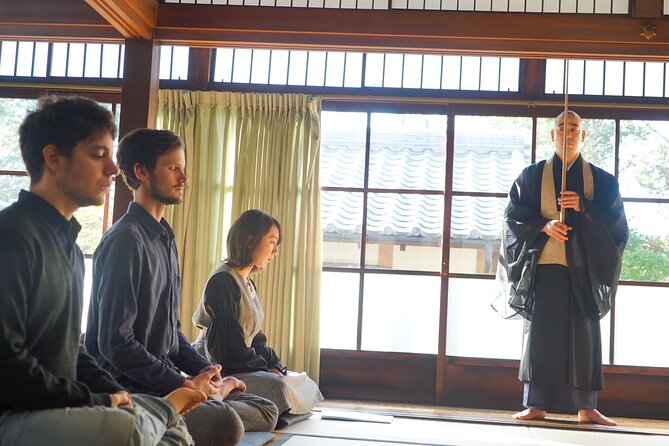
- Meditation with a resident monk: Learn the basics of zazen in a temple setting, with guidance before and during the session.
- A very small group: The maximum is seven people, so your guide can answer questions and help with translation.
- Several temple experiences in one morning: Walk through the Tofukuji area, visit Zen temples, and spend time in a dry garden.
- Traditional Buddhist lunch included: The meal is based on food historically served by Zen monks and is part of the tour price.
- Guides who add cultural context: Yutaka, Yukata, and Hikari are named in the tour’s guest feedback as especially warm and effective at explaining Kyoto and Zen.
- Strict timing matters: Arrive early. If you miss the group, you cannot join later, reschedule, or receive a refund.
Why this is more than a standard Kyoto temple walk
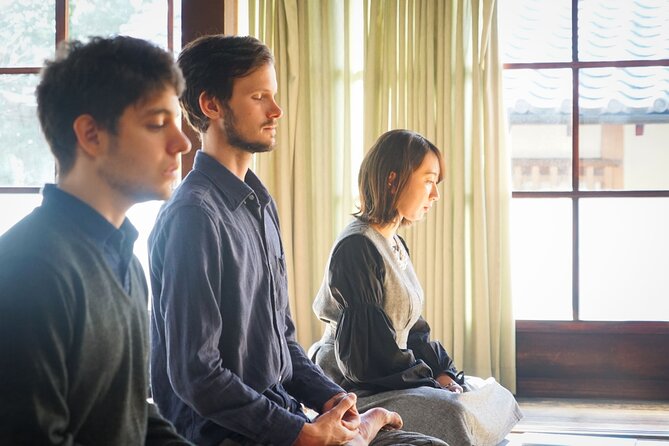
Kyoto has no shortage of temple tours. Many give you a few facts, point out a garden, and move on to the next photo stop. This experience takes a different route by making meditation the center of the morning.
You begin near Tofukuji, one of Kyoto’s major Zen temple areas. The walk introduces you to the streets and religious sites around the temple complex before moving toward the meditation experience. Along the way, your guide explains Zen Buddhism, the relationship between Buddhism and Shinto, and the purpose of the buildings and gardens you see.
That context matters. A dry garden can look like a neat arrangement of stones and raked gravel if you do not know what you are looking at. With explanation, you have a better chance of understanding why the garden is designed for stillness, attention, and contemplation rather than decoration alone.
The experience is also personal in a useful way. Guides such as Yutaka have been praised for sharing their connection to Kyoto, while Hikari has helped prepare people for a monk’s instructions and translated questions afterward. Your assigned guide may differ, but the format gives you a human bridge into a tradition that can otherwise feel difficult to approach.
More Trips with Lunch in Kyoto:
- Osaka/Kyoto: Arashiyama, Nara & Fushimi Inari Shrine w/Lunch
★ 4.4 · 754 reviews - Inside of Fushimi Inari – exploring and lunch with locals
★ 4.9 · 30 reviews - Teotihuacan, Guadalupe Shrine & Tlatelolco Day Tour with Lunch
★ 5.0 · 11,603 reviews
Walking through Tofukuji and its Zen surroundings
The first part takes place around Tofukuji, one of the five major Zen temples in Kyoto. You walk rather than simply arriving at one building, which gives the morning a more natural rhythm and lets you see how temples, smaller religious sites, and ordinary streets fit together.
Your guide points out Buddhist temples and nearby Shinto references, helping you separate the two traditions while also explaining how they have shaped Japanese life together. This is especially useful if you are visiting Japan for the first time and find that Buddhist and Shinto sites can seem visually similar at a glance.
Expect a walking tour with stops for explanation and reflection rather than a strenuous hike. The exact order can vary, but the experience includes temple grounds, a Zen garden, and a smaller temple connected with meditation practice.
The smaller setting is part of the appeal. Large Kyoto temples can be impressive but crowded and visually busy. A quieter meditation temple gives you room to notice small details and ask what the practice means rather than rushing to the next landmark.
The dry garden, with time to actually look
The garden visit is not treated as a quick photograph stop. Your guide explains the dry garden, then gives you time to sit quietly and take in the arrangement of stones, gravel, and open space.
You do not need to know Zen philosophy to appreciate this pause. The garden offers a break from the usual Kyoto routine, where you may spend a whole day moving from one famous site to another. Here, the point is partly to stop moving.
I especially like that the garden is paired with meditation instruction. On its own, a garden visit can be beautiful but brief. Connected to the later zazen session, it gives you a visual introduction to the same ideas of attention and restraint.
The tradeoff is that this tour asks you to slow down. If your ideal Kyoto morning includes packing in as many attractions as possible, the quiet pauses may feel long. If you have been looking for a calmer pace, they are likely to be the most valuable part.
What the zazen session is really like
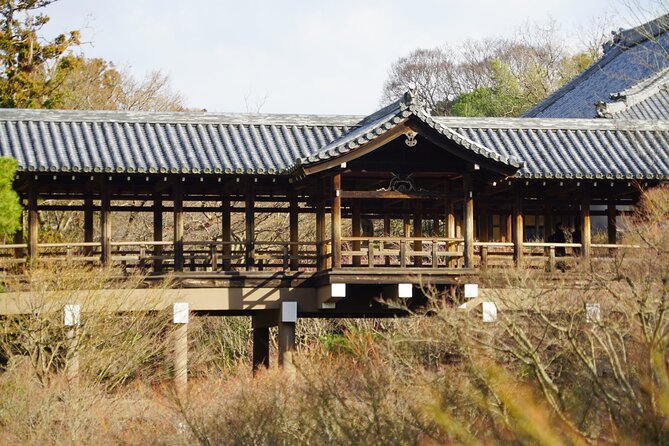
The meditation session is the heart of the experience. You learn the fundamentals of zazen, or Zen meditation, in a temple used for Zen practice. A resident monk leads the session, and your guide prepares you beforehand so you understand what will happen.
One detailed account describes about an hour of meditation, with a short break in the middle. The monk spoke Japanese, while the guide explained the instructions and later translated additional comments and questions. The exact timing and translation arrangement may depend on the day, but you should expect your guide to help you follow the session.
This is not presented as a theatrical demonstration. You are asked to sit quietly and follow the instructions. During the meditation, private conversation is generally not allowed because other people are practicing. You may receive written material to read silently during the session.
That rule is important. Some people find the silence refreshing. Others may be surprised by how formal the experience feels. Do not book this expecting a casual conversation with a monk from the moment you enter the room. The exchange comes after the meditation, when questions can be asked and translated.
You also do not need to arrive as an experienced meditator. The session is an introduction, and the guide explains the basic method and mindset. You may find sitting still harder than expected, especially if you are tired or uncomfortable, but that is part of the honest experience rather than a flaw in the tour.
The presence of a monk makes this feel different from a general wellness class. You are learning within a working religious setting, with its own rules of silence and respect. For anyone interested in Buddhism, philosophy, or meditation, this is the part that gives the morning its weight.
A few more temple visits around Kyoto worth a look
- Kyoto: Tea Ceremony Ju-An at Jotokuji Temple
★ 4.9 · 3,207 reviews - Kyoto/Osaka: Nara, Fushimi Inari Taisha, Arashiyama Bus Tour
★ 4.7 · 1,275 reviews - Arashiyama Bamboo, Temple, Monkeys, or Secret Sake Brewery
★ 4.8 · 886 reviews - Kyoto: Arashiyama Bamboo Forest, Monkeys, Matcha & Temple Tour
★ 5.0 · 759 reviews
Lunch after meditation: satisfying, but check the timing
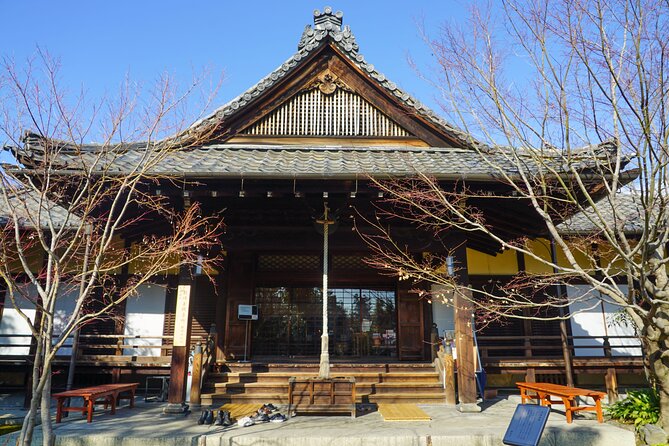
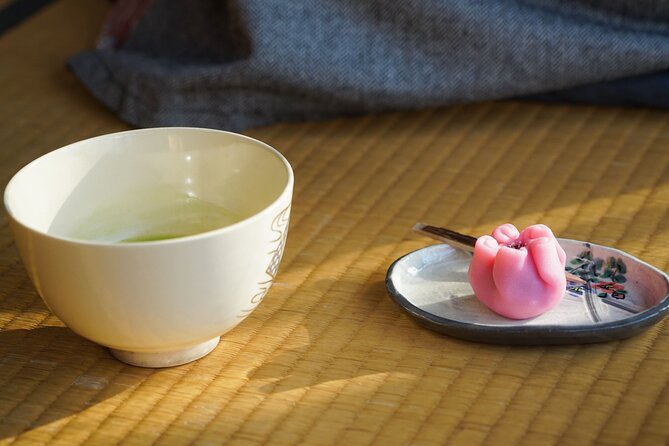
A traditional Buddhist meal is included. It is based on food historically served by Zen monks and is intended to give you a taste of temple dining rather than a generic restaurant lunch.
The meal has practical value as well as cultural interest. By the time you finish walking and meditating, you will be ready to eat. Several detailed accounts describe the Kyoto-style lunch as generous and enjoyable, including praise from people who are normally selective about food.
The 10:45 departure requires planning. Lunch is scheduled for roughly 2:15, after meditation, so you should eat a good breakfast or brunch. If you start the day hungry, the first half may feel unnecessarily long.
Dietary planning needs care. The food is prepared in kitchens outside the tour company’s control, so allergy-free meals and every dietary substitution cannot be guaranteed. You can submit a dietary request by the day before, but requests made on the day cannot be accepted. If you have a serious allergy or a strict medical diet, contact the operator before booking and do not assume the meal can be changed.
Guides who make the cultural details easier to follow
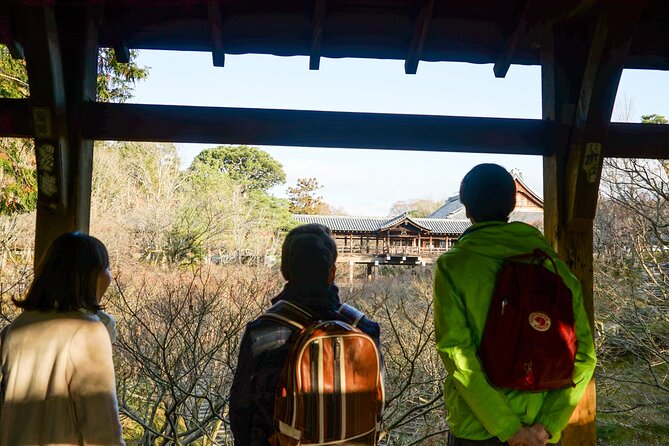
A strong guide matters here because the subject is not always easy to explain in simple sightseeing language. Yutaka is repeatedly praised for his clear English, enthusiasm for Kyoto, and ability to explain the history and meaning behind the temples. Yukata is described as especially attentive, including for solo participants, while Hikari has been singled out for careful preparation and translation during meditation.
You may not receive one of these exact guides, but these names show what the role involves. The guide is not only walking you from one place to another. You can expect help with temple etiquette, explanations of Zen practice, translation of questions, and background on Buddhism and Shinto.
Solo visitors should find the small group format comfortable. The quiet nature of the tour also makes it a sensible choice if you want a reflective morning without having to arrange a private temple visit.
For couples and families with older children, the experience can provide a shared focus beyond taking photographs. The minimum age is 12, and the meditation rules mean younger children are not part of the program.
Price, group size, and what you receive for $110.10
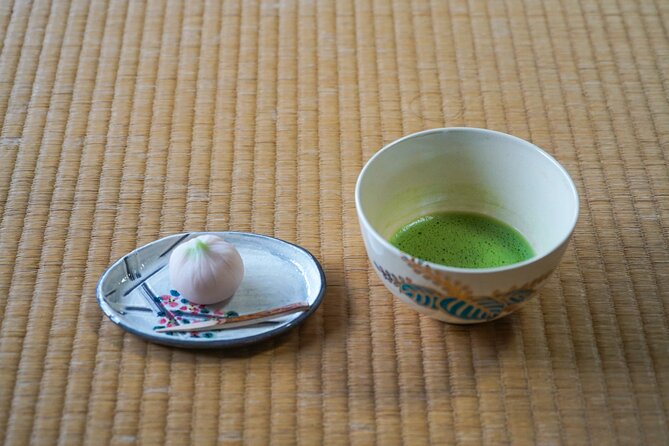
At $110.10 per person, this is not the cheapest way to see a Kyoto temple. You are paying for more than admission, though. The price includes a guide, temple access, garden visits, a meditation session with a monk, and lunch, all within about four and a half hours.
The small group helps justify the cost. With a maximum of seven people, the guide has a reasonable chance to answer individual questions and explain unfamiliar points without turning the session into a lecture for a large crowd.
The meditation is also difficult to arrange independently. You could visit Tofukuji on your own, but finding a suitable Zen session, understanding the instructions, and communicating with a monk would require extra planning. Here, the guide handles that bridge.
Value depends on what you want from Kyoto. If you mainly want famous buildings and scenic photographs, a self-guided temple visit will cost less. If you want a structured introduction to Zen practice and a traditional meal, the combination makes the price easier to defend.
The tour is booked as a mobile-ticket activity, and confirmation is provided when you reserve. Free cancellation is available if you cancel at least 24 hours before the local start time. Changes or cancellations inside that 24-hour window are not refunded.
Timing, clothing, weather, and the meeting point
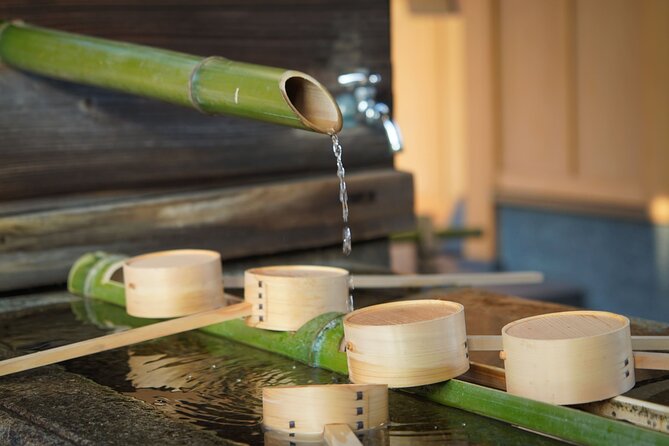
The tour starts at the FamilyMart Nakai Tofukuji location at 12-chome-232 Honmachi in Kyoto’s Higashiyama Ward. It is near public transportation, but you should still allow extra time to find the exact meeting point.
Punctuality is not a minor request. The group leaves on time, and you cannot join later if you miss it. Build in a cushion for train delays, unfamiliar streets, and the possibility that you may need a moment to locate the convenience store.
Wear clothing that allows you to sit comfortably. In winter, temple floors can be very cold, so thick socks are a smart choice. Summers in Kyoto are hot and humid, making water and a hat important for the walking sections.
The experience ends near Chishaku-in Temple, although the practical plan says the group may disband at the last shop rather than return exactly to the original meeting point. This matters if you have a fixed afternoon reservation. Treat the final location as near Chishaku-in and confirm the day’s instructions with your guide.
Who should book this Zen morning
I would choose this tour if you want to understand Kyoto through its religious traditions rather than simply collect temple photographs. It is particularly well suited to:
- First-time visitors who want an introduction to Zen Buddhism
- Solo visitors who prefer a small, organized group
- People curious about meditation but unsure how to begin
- Returning Kyoto visitors looking for a different kind of temple experience
- Anyone interested in a traditional Buddhist meal
- Couples or families with participants aged 12 and over
I would think twice if you need a fully customizable meal, dislike sitting silently, or have only a short time in Kyoto and want to cover several major sights. The tour has a clear pace and a clear purpose. It is not designed as a quick hop-on, hop-off overview.
Should you book it?
Book this experience if the idea of sitting with a monk, learning the basics of zazen, and understanding a Zen garden appeals to you. The combination of a seven-person maximum, guide translation, temple access, and lunch gives you more substance than a standard walking tour.
The main cautions are simple: arrive early, plan for a late lunch on the 10:45 departure, prepare for silence, and discuss dietary needs before the day begins. If those conditions suit you, this is a thoughtful and unusually direct way to encounter Kyoto’s Zen tradition.
FAQ
How long does the Kyoto Zen meditation and garden tour last?
The tour lasts approximately four hours and 30 minutes.
Where does the tour begin?
It begins at FamilyMart Nakai Tofukuji, located at 12-chome-232 Honmachi, Higashiyama Ward, Kyoto, 605-0981, Japan.
Where does the tour end?
The activity ends near Chishaku-in Temple. Although the itinerary says the group returns to the meeting point, the practical plan is to disband at the last shop.
Is lunch included?
Yes. A traditional Buddhist meal historically served by Zen monks at Zen temples is included.
What time is lunch on the 10:45 departure?
For the 10:45 start, lunch is planned for about 2:15, after the meditation experience. You should eat enough breakfast or brunch beforehand.
How many people can join the tour?
The tour has a maximum of seven participants.
Can children join the experience?
Participants must be at least 12 years old.
What happens if I arrive late?
You cannot join the tour, receive a refund, or reschedule if you are late and miss the group. The tour starts on time.
Just added around Kyoto
- Osaka/Kyoto: Katsuoji, Kinkakuji, Arashiyama 1-Day Bus Tour★ 4.6 · 33 reviews
- Kyoto:Kiyomizu-dera Temple Rent a kimono and ride a rickshaw★ 4.8 · 7 reviews
- Kyoto: Wagashi (Japanese sweets) Cooking near Fushimiinari★ 5.0 · 40 reviews
- Kyoto: Kimono/Yukata Rental 5 Minute from Kiyomizu-dera★ 4.7 · 89 reviews
- Kyoto: Samurai Sword & Kimono Action Filming Experience★ 4.8 · 78 reviews
- KYOTO: Tempio Kiyomizu Pagode Gion “Geisya” (Guida Italiana)★ 4.7 · 17 reviews
- Kyoto Fushimiinari:Wagashi Making & Small Group Tea Ceremony★ 5.0 · 14 reviews
- Best of Kyoto: Red Gates of Fushimi Inari & Kiyomizu Temple★ 4.8 · 36 reviews
Kyoto Temple Tours, compared.
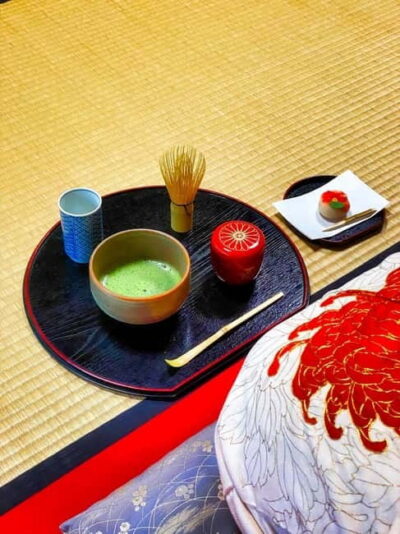
Tea Ceremony in a Traditional Tea House in Kiyomizu
Read our review →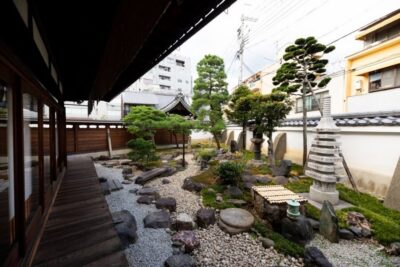
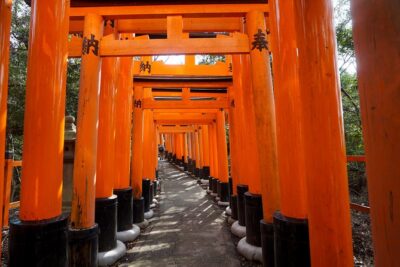
Fushimi Inari Hidden Hiking Tour (Private Option Available)
Read our review →
Osaka/Kyoto:Kinkakuji,Arashiyama,FushimiInariShrine,NaraPark
Read our review →
Kyoto/Osaka: Nara, Fushimi Inari Taisha, Arashiyama Bus Tour
Read our review →
Kyoto Arashiyama Walking Tour: Bamboo, Monkeys, Gardens & Secrets
Read our review →
Arashiyama Bamboo, Temple, Monkeys, or Secret Sake Brewery
Read our review →
Arashiyama Bamboo Forest, Monkeys, Matcha & Temple Tour
Read our review →Browse the lists this tour appears in