
REVIEW · KYOTO TEMPLE TOURS
Kyoto: Zen Meditation at a Private Temple with a Monk
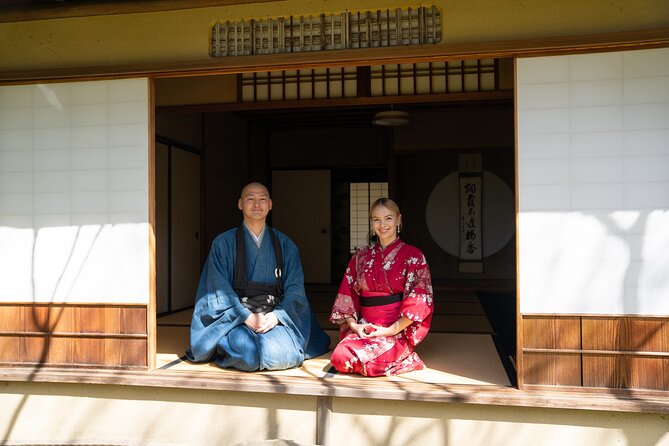
Kyoto’s famous temples can feel crowded and formal. This experience takes you to a private temple not open to the general public, where a monk explains Zazen and leads you through seated meditation. The quiet garden, tea, and open conversation make this feel more personal than a standard temple visit.
I especially like two things here: you do not simply watch a Buddhist ritual, and the monk makes the practice understandable for beginners. I also like the English support from guides such as Soma and Satoru, who translate the monk’s teaching and help the session feel relaxed. The main drawback is the price, $91 per person for 90 minutes, plus the slightly confusing meeting point at the toilet in Kodaiji Park.
Key points to know
- A private temple setting: Visit a temple that is not open to ordinary public sightseeing.
- A real Zazen lesson: Learn posture, breathing, focus, and the purpose of seated meditation from a monk.
- Tea and conversation included: Finish with matcha, sweets, garden views, and time for questions.
- Strong English support: Guides including Soma, Satoru, Ruko, and Kohtaro have helped interpret the monk’s words.
- Good for first-time meditators: You do not need previous meditation experience.
- Plan your arrival carefully: Meet at the northern side of the toilet in Kodaiji Park, then walk about 10 minutes.
A quieter side of Kyoto near Kodaiji Park
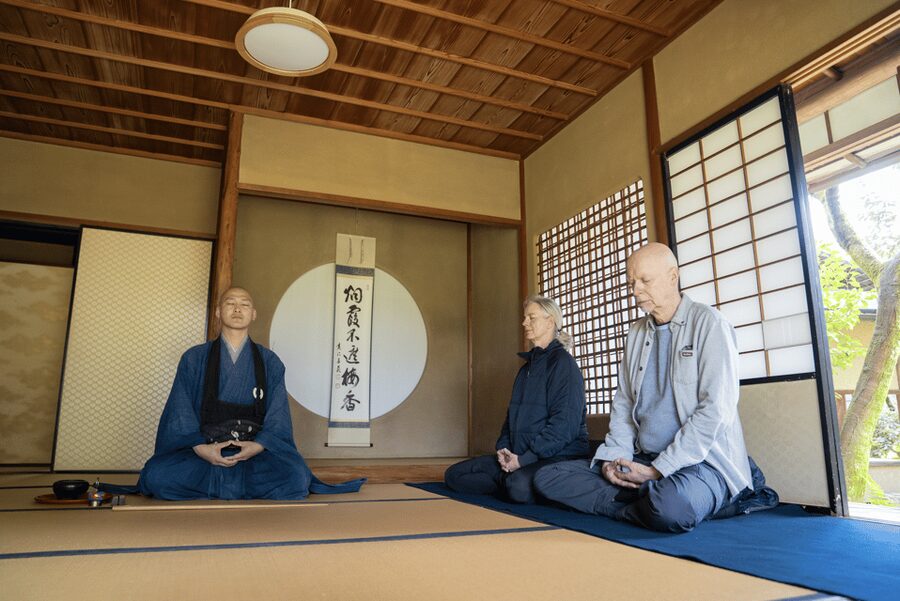
The best part of this experience is the change of pace. Kodaiji and the surrounding Higashiyama streets are among Kyoto’s most visited areas, yet the session moves you away from the usual sightseeing rhythm and into a private temple space.
You meet your English-speaking guide at Kodaiji Park. The exact meeting point is the toilet, on its northern side. This sounds oddly specific, but it matters. The park itself is broad enough that a map pin may not put you right beside the guide, so read the day-of instructions closely and go to the toilet rather than simply aiming for the middle of the park.
From there, you walk for about 10 minutes. The short walk is useful because it gives you time to leave the crowds behind and settle into the mood of the session. Transportation is not included, but none is needed between the meeting point and the temple.
The guides vary by date. Soma and Satoru receive especially warm praise for their clear English, friendly manner, and careful interpretation. Ruko has also helped with translation and photographs, while Kohtaro has guided the meditation and discussion. Your guide may differ, but the structure remains the same.
More Private Temple Tours in Japan
- Fushimi Inari Hidden Hiking Tour (Private Option Available)
★ 5.0 · 1,750 reviews - Kyoto Early Bird English Tour: Fushimi Inari & Gion(Private opt)
★ 5.0 · 139 reviews - Kyoto: Fushimi Inari Hidden Hike (Private)
★ 5.0 · 31 reviews
Entering a temple closed to ordinary visitors
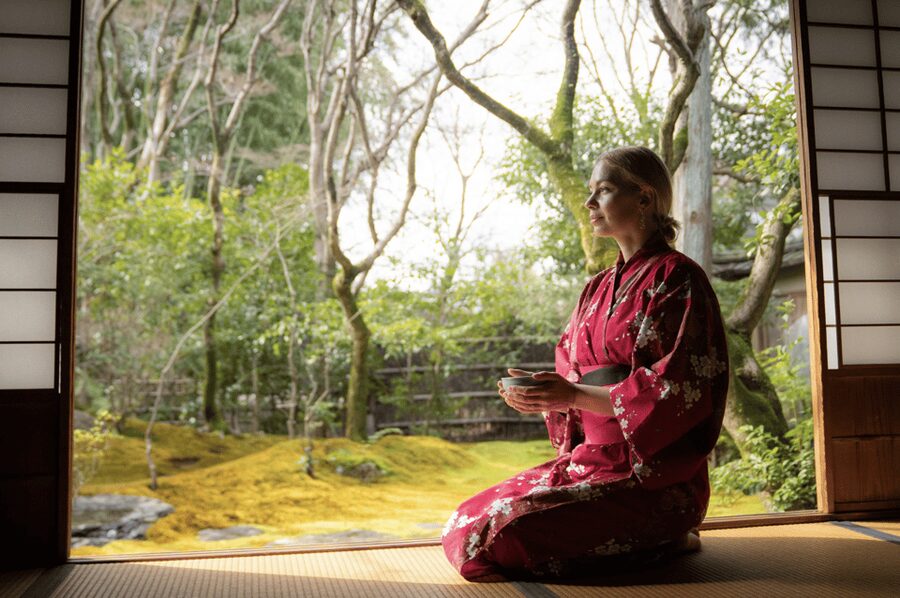
The temple is one of the experience’s biggest draws. You are not simply checking another famous gate and garden off your Kyoto list. You enter a place that is not open to the general public, meet a monk, and learn about the space through conversation.
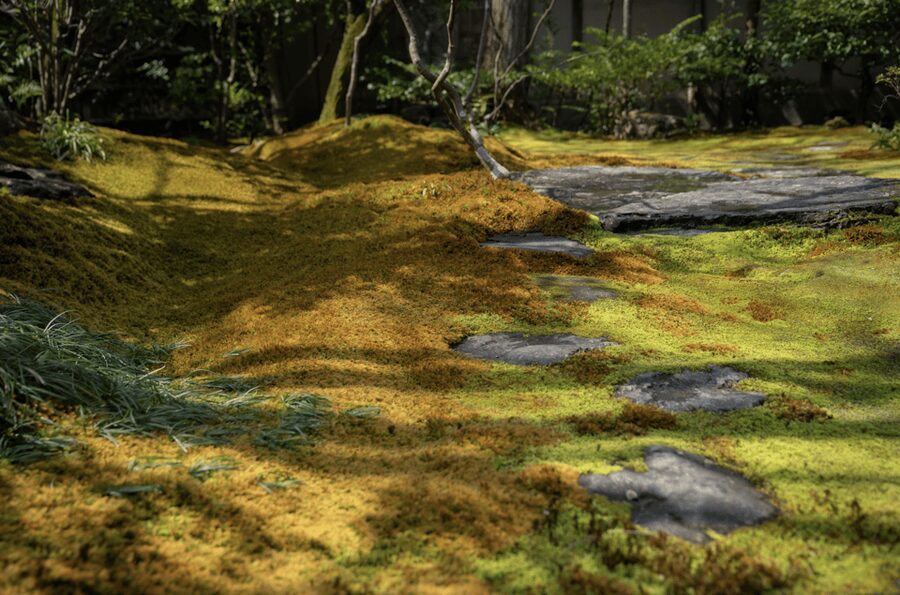
The setting is described as peaceful, with a carefully tended garden and moss-covered areas. Several sessions have taken place early in the morning, when the nearby streets were especially quiet. Evening times are also available, and one participant found a 7 p.m. start more appealing than the original morning option.
The garden is not just a photo stop. It gives you a visual sense of the quiet, ordered surroundings that support Zen practice. You may stroll through it after the meditation, and photographs with the monk and around the temple are allowed.
Keep your expectations sensible. This is not a full temple tour or a long religious retreat. You get roughly one hour at the private temple within a 90-minute activity, including the lesson, meditation, tea, conversation, and garden time.
Learning what Zazen actually asks of you
The monk begins with an explanation of Zen and Zazen, the seated meditation practice at the center of the session. You learn the basic purpose of the practice, along with posture and technique before trying it yourself.
That introduction is important if you have never meditated. Zazen is not presented as a mysterious performance. The monk explains how to sit, how to breathe rhythmically, and how to deal with the steady flow of thoughts that can make silence uncomfortable.
You are asked to bring attention back to the present rather than chase every thought. The session also touches on setting aside ego and ordinary worries. That may sound lofty, but the practical lesson is simple: sit, breathe, notice what your mind is doing, and return to the practice.
The actual meditation can last around 20 minutes, based on descriptions of the session. For a first formal meditation, that is long enough to feel meaningful without turning the experience into an endurance test. If you already meditate, you may appreciate having a teacher and a traditional setting rather than practicing alone in a hotel room.
The monk usually teaches in Japanese, with your guide interpreting in English. Translation naturally adds a pause between each speaker, but this format has worked well because it lets the monk speak in his own voice while giving you access to the meaning.
Why beginners often get the most from it
You do not need a Buddhist background or a regular meditation habit. In fact, the structure may be most useful if you have tried meditation apps or quiet breathing at home but have never had someone correct your posture or explain the purpose behind the practice.
The monk’s role is not only to lead a silent sitting. He explains the principles first, then gives you a chance to ask questions afterward. That makes the experience more approachable than a formal ceremony where you are expected to know when to sit, bow, or move.
The atmosphere also helps. Several accounts describe the monk as friendly, open, and easy to talk with. The session has been described as calm rather than stern, and the guides help keep the tone warm. That matters when you are trying meditation for the first time and are worried about doing it incorrectly.
You should still expect a real period of silence and concentration. If sitting still is uncomfortable for you, 20 minutes can feel longer than it sounds. People with mobility impairments may find the format difficult, and the activity is not suitable for children under 12.
More Private Temple Tours in Kyoto
- Kyoto to Arashiyama Day Trip – Private & Personalized
★ 4.2 · 22 reviews - Kyoto: Nara, Todaiji, Kasuga Taisha Shrine Private Full Day
★ 4.9 · 18 reviews - Kyoto: Half-Day Private Tour Gion Geisha District & Kiyomizu
★ 4.4 · 7 reviews - Kyoto: Private Walking Tour with Kiyomizu Temple & Gion
★ 5.0 · 7 reviews
Tea, sweets, and a conversation with the monk
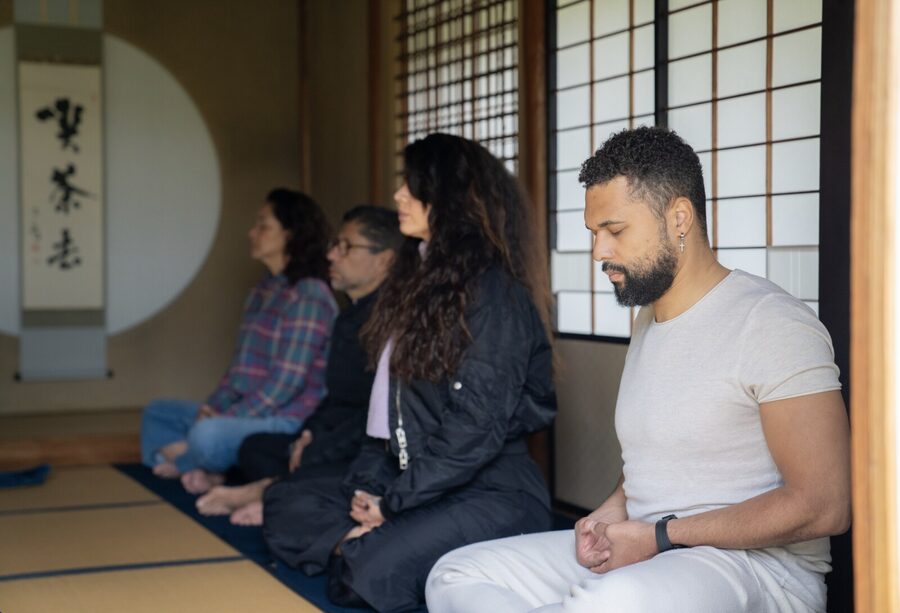
After the sitting practice, the experience shifts from instruction to conversation. Tea is served, and several descriptions refer to matcha and small sweets. This is a pleasant transition after the quiet meditation, and it gives you a natural chance to ask questions.
The conversation can cover Zen, meditation, Buddhism, and the monk’s daily life. The value here is not only religious information. You get a personal view of what it is like to live and practice as a Buddhist monk in Japan.
The monk’s openness is one of the strongest parts of the session. You can ask about the practice, the temple, or the ideas behind Zen. Some sessions have allowed extra conversation when time permitted, but you should not count on a longer private consultation. The advertised duration is 90 minutes.
The guide remains important during this part. English translation allows you to ask detailed questions even when the monk teaches in Japanese. The best guides do more than translate words. They explain context, keep the conversation moving, and make sure you are not left guessing about what is happening.
A garden walk that gives the lesson room to settle
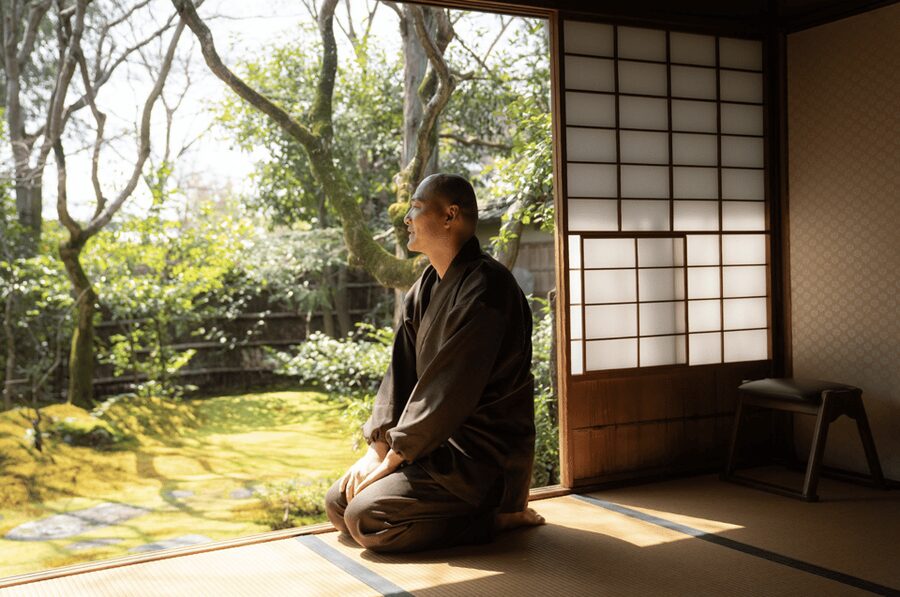
The garden visit comes at the right point. After sitting quietly and talking about the mind, you can walk through a calm outdoor space rather than return straight to a crowded street.
You may take photographs of the garden and with the monk. The garden has been described as especially beautiful in rainy weather and as a lush, mossy place during other visits. Since the temple is private, the walk feels more personal than a quick pass through a famous public garden filled with tour groups.
Do not treat the photo opportunity as the main purpose. The pictures are a nice record, but the garden works best as a quiet ending to the lesson. You can look more closely at the setting, enjoy the tea, and allow the practice to feel less like a scheduled attraction.
The monk may also answer further questions during or after the garden visit. The exact amount of free conversation depends on timing and group size, so think of it as a valuable possibility rather than a guaranteed private meeting.
How the 90 minutes are used
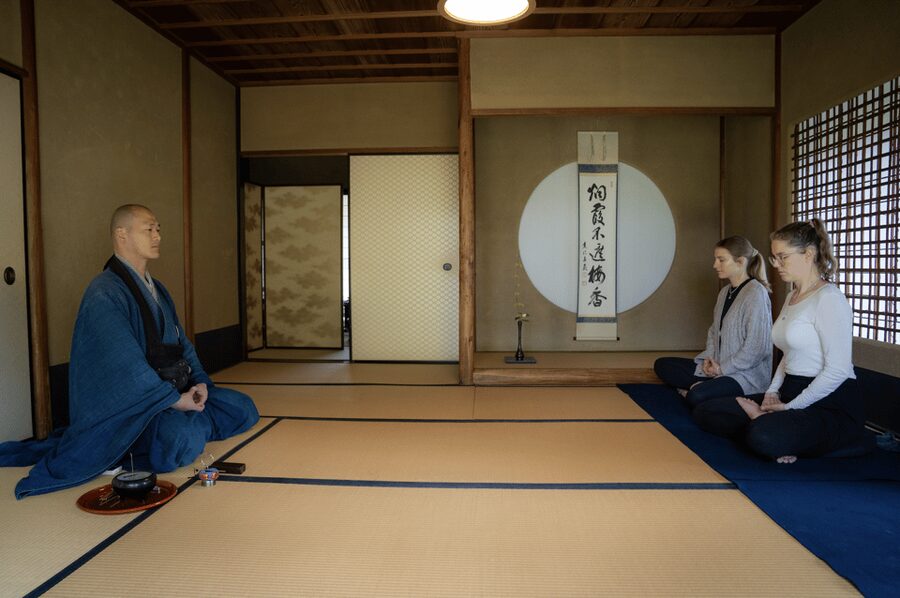
The published schedule is straightforward:
- Meet the guide at Kodaiji Park.
- Walk about 10 minutes to the private temple.
- Hear a short introduction to Japanese culture and Zen.
- Listen to the monk explain Zazen.
- Practice seated meditation with guidance.
- Drink tea, often with sweets.
- Ask questions and visit the garden.
- Walk back to Kodaiji Park.
The temple portion lasts about one hour, with the full activity lasting 90 minutes. That is enough time for a proper introduction and practice, but not enough for a long retreat or an extensive temple tour.
A private or small-group format is available. A small group can make the experience feel more intimate and gives you a better chance to ask questions. A larger group would make the setting less personal, so check the group option when booking if that matters to you.
Is $91 a fair price?
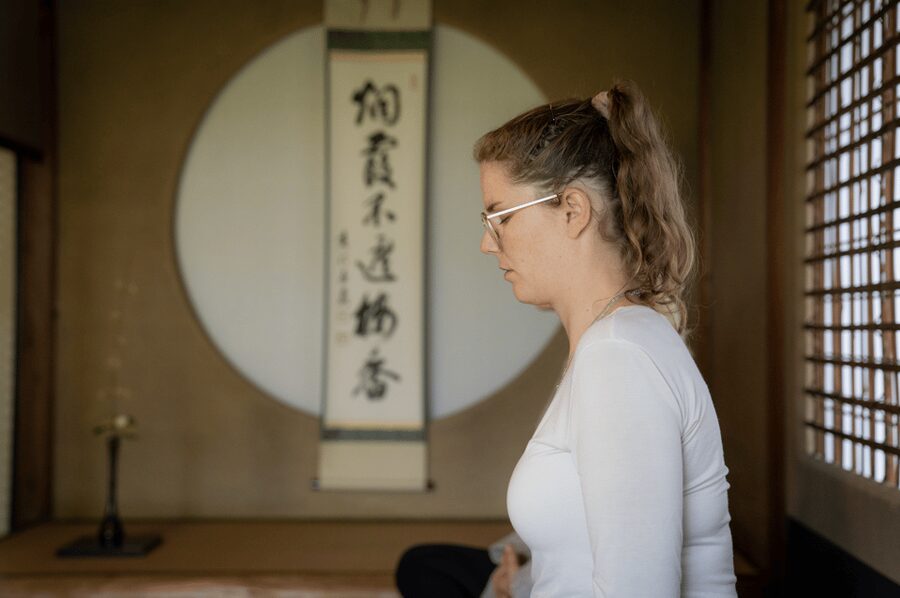
At $91 per person, this is not a budget activity. If you only want to sit quietly for 10 minutes in a temple garden, the price will feel high.
The value comes from the access and the teaching. You are paying for entry to a private temple, an English-supported lesson from a monk, guided Zazen practice, tea, garden time, and a chance to ask questions. Public temple admission alone would not provide this kind of personal exchange.
I would compare it with the cost of other small-group cultural activities in Kyoto rather than with the price of entering a public temple. The private setting and interpreter are the features that make the price easier to justify.
This is also a good use of time if you have already seen several shrines and temples. Instead of adding another quick stop to your list, you spend 90 minutes learning how one part of Japanese religious culture is practiced.
Still, value depends on your interest. If you dislike meditation, sitting silently, or talking about spiritual practice, the price will not rescue the experience. If you want a thoughtful cultural activity and have room in your budget, the private access makes it more distinctive.
Choosing the right time and preparing for the visit
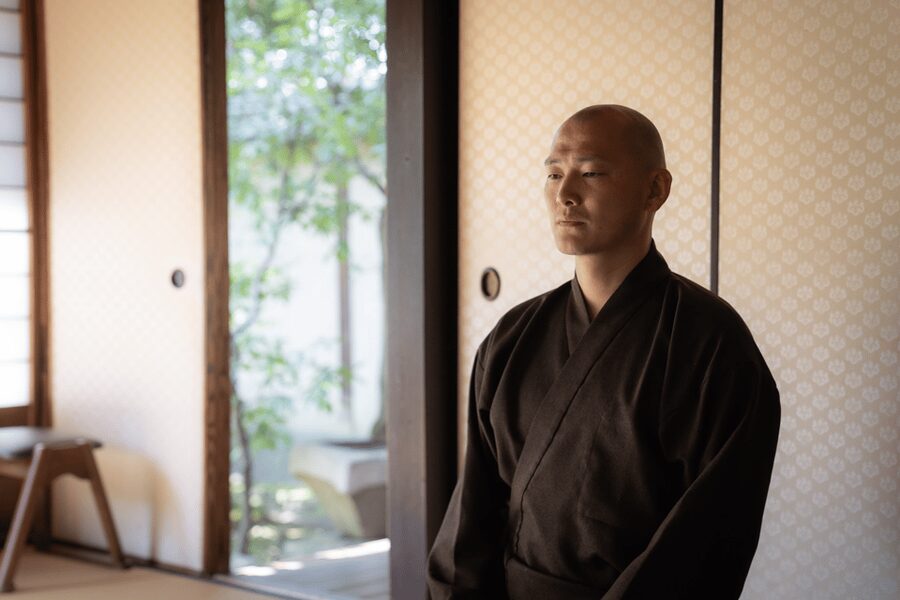
Morning sessions are a strong choice if you want a quiet start to the day. One early session took place before the nearby streets had filled, which helped the temple feel even more removed from Kyoto’s main sightseeing flow.
Evening sessions can work well after a day of sightseeing. One participant preferred a 7 p.m. start, finding it more relaxing than a morning appointment. Check the available start times for your date rather than assuming the activity runs only in the morning.
Wear clothing that allows you to sit comfortably. The activity does not list transportation, and you will walk 10 minutes from Kodaiji Park, so comfortable shoes are sensible. The experience is not suitable for people with mobility impairments, claustrophobia, or a fear of heights.
Children under 12 cannot join. Teenagers may enjoy the session, especially if they are open to a quiet cultural activity, but a parent should decide if they are ready for the silent meditation period.
Cancellation is free up to 24 hours before the start time, and you can reserve now and pay later. Those terms are useful if your Kyoto schedule is still changing.
Who should book this Kyoto Zen experience?
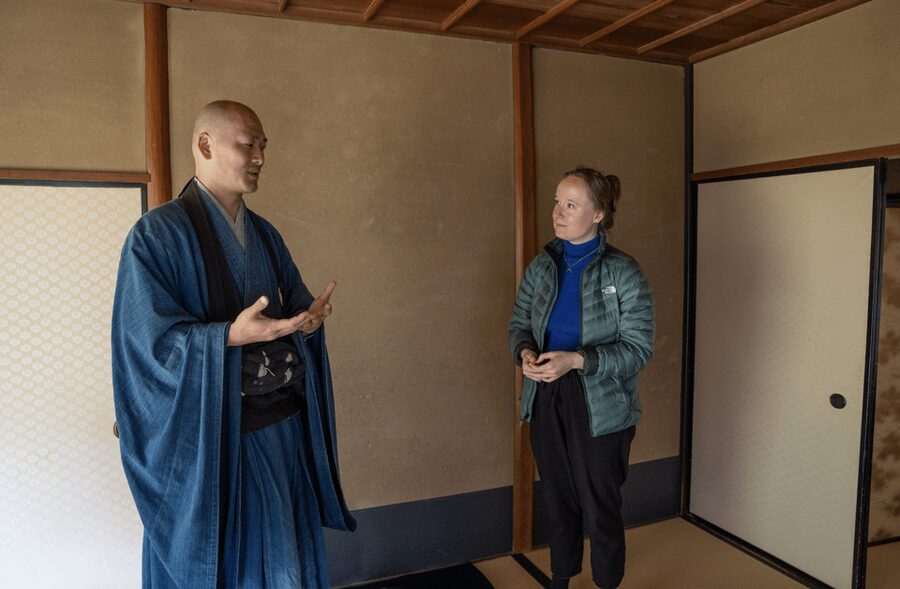
I would recommend it to you if you fit one or more of these descriptions:
- You are trying formal meditation for the first time.
- You want to meet a monk rather than only photograph a temple.
- You enjoy small-group cultural activities with time for questions.
- You have already seen Kyoto’s major public temples and want a different kind of visit.
- You want English interpretation during a Japanese-language teaching.
- You need a calm break from a packed sightseeing schedule.
- You are curious about how Zen ideas connect with daily life.
I would be more cautious if your main goal is a long meditation retreat, a detailed survey of Buddhist history, or a large temple complex with many buildings to explore. This is a focused introduction, not a full course in Zen or a day-long spiritual program.
Should you book it?
Book this experience if the idea of sitting with a monk in a private Kyoto temple sounds more appealing than another quick photo stop. The strongest reasons are the personal teaching, the quiet garden, the tea, and the chance to ask direct questions through an English-speaking guide.
The $91 price requires a genuine interest in the subject, and the meeting point deserves careful attention. Go to the northern side of the toilet at Kodaiji Park, allow time for the 10-minute walk, and expect a calm but structured session.
For a first formal meditation, this is a friendly way to begin. For experienced meditators, it offers a traditional setting and a chance to discuss the practice with someone who lives it. If that exchange matters to you, this is one of Kyoto’s more personal cultural activities.
FAQ
How long does the Zen meditation experience last?
The full activity lasts 90 minutes. About 10 minutes are used to walk from Kodaiji Park to the temple, and the temple visit, lesson, meditation, tea, and garden time take about one hour.
Where is the meeting point?
Meet at the toilet in Kodaiji Park. The guide waits on the northern side of the toilet.
Is transportation included?
No. Transportation is not included, but the temple is reached on foot in about 10 minutes from Kodaiji Park.
Is the experience offered in English?
Yes. The live guide speaks English and interprets the monk’s teaching when needed. The monk may lead the meditation in Japanese.
Do I need meditation experience?
No. The monk explains Zazen, including posture and techniques, before you practice. The activity is suitable for beginners, as well as people who already meditate.
Is tea included?
Yes. The experience ends with tea, and descriptions of the session also refer to matcha and sweets.
Who cannot take part?
The activity is not suitable for children under 12, people with mobility impairments, people with claustrophobia, or people afraid of heights.
Just added around Kyoto
- Osaka/Kyoto: Katsuoji, Kinkakuji, Arashiyama 1-Day Bus Tour★ 4.6 · 33 reviews
- Kyoto:Kiyomizu-dera Temple Rent a kimono and ride a rickshaw★ 4.8 · 7 reviews
- Kyoto: Wagashi (Japanese sweets) Cooking near Fushimiinari★ 5.0 · 40 reviews
- Kyoto: Kimono/Yukata Rental 5 Minute from Kiyomizu-dera★ 4.7 · 89 reviews
- Kyoto Fushimiinari:Wagashi Making & Small Group Tea Ceremony★ 5.0 · 14 reviews
- Kyoto: Samurai Sword & Kimono Action Filming Experience★ 4.8 · 78 reviews
- KYOTO: Tempio Kiyomizu Pagode Gion “Geisya” (Guida Italiana)★ 4.7 · 17 reviews
- Best of Kyoto: Red Gates of Fushimi Inari & Kiyomizu Temple★ 4.8 · 36 reviews
Kyoto Temple Tours, compared.
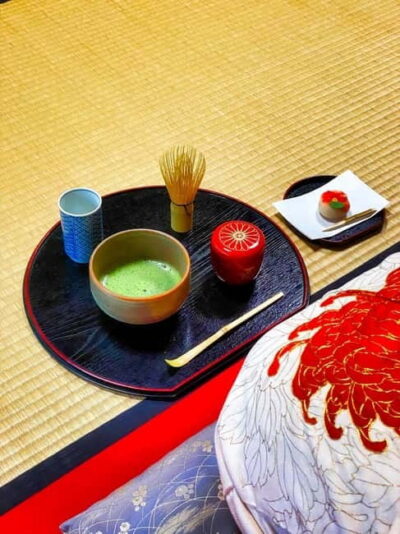
Tea Ceremony in a Traditional Tea House in Kiyomizu
Read our review →
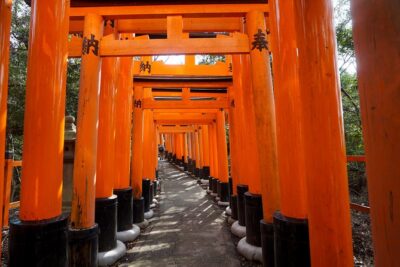
Fushimi Inari Hidden Hiking Tour (Private Option Available)
Read our review →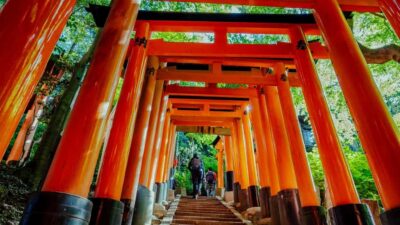
Osaka/Kyoto:Kinkakuji,Arashiyama,FushimiInariShrine,NaraPark
Read our review →
Kyoto/Osaka: Nara, Fushimi Inari Taisha, Arashiyama Bus Tour
Read our review →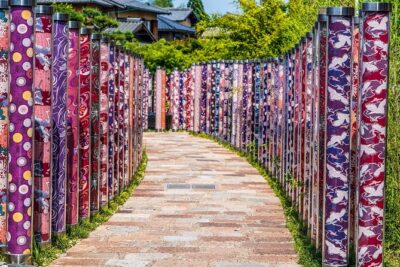
Kyoto Arashiyama Walking Tour: Bamboo, Monkeys, Gardens & Secrets
Read our review →
Arashiyama Bamboo, Temple, Monkeys, or Secret Sake Brewery
Read our review →
Arashiyama Bamboo Forest, Monkeys, Matcha & Temple Tour
Read our review →Browse the lists this tour appears in