
REVIEW · FUSHIMI INARI SHRINE TOURS
Kyoto: Wagashi (Japanese sweets) Cooking near Fushimiinari
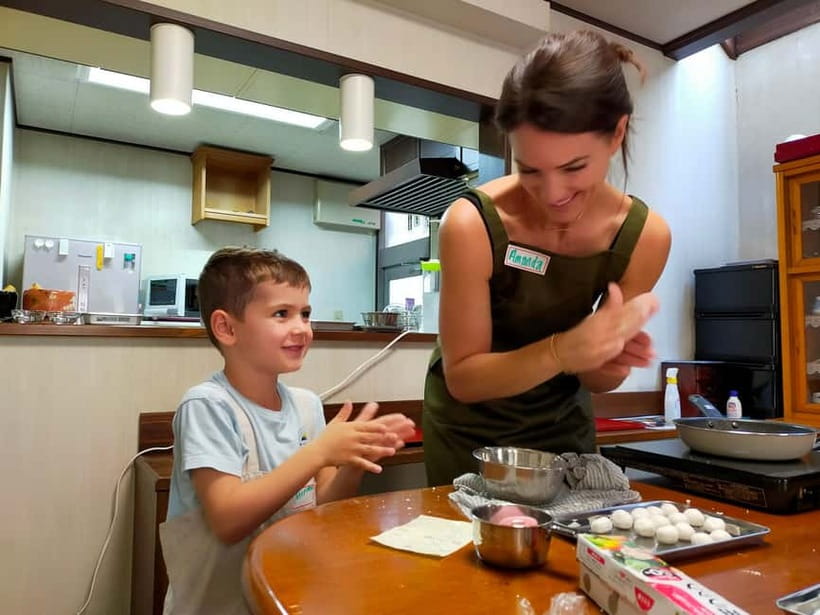
Making wagashi in a real Japanese home gives this Kyoto activity its charm. You settle into a traditional room, look onto a garden, and learn from Miho, an English-speaking licensed guide interpreter, before preparing about three seasonal sweets yourself. I like the hands-on format and the quiet tea service afterward. The one catch is that the menu changes, and the class is not suitable for children under six or wheelchair users.
I also like the small group limit of six. It gives Miho time to explain techniques, answer questions, and adjust the pace. At $84, the price is not low for a sweet-making class, but it includes ingredients, tea, instruction, and taxes, and the two-and-a-half-hour visit feels more personal than a quick demonstration.
Key points at a glance
- A real Japanese home near Fushimi Inari: Cook and eat in a traditional Japanese room with garden views.
- Three sweets, made by you: The menu may include mochi, dango, and dorayaki, though recipes change with the season.
- Miho teaches in clear English: She explains ingredients, methods, Japanese food customs, and practical tips for trying the recipes at home.
- A calm matcha finish: Prepare or enjoy matcha, arrange your sweets, and eat them in the washitsu room.
- Small groups of six or fewer: You get direct help instead of standing at the back of a large class.
- Good for older children and vegetarians: Children 12 and under need a guardian, and vegetarian and vegan participation is available with advance notice.
A quiet change of pace near Fushimi Inari
Fushimi Inari is famous for its long rows of vermilion shrine gates, but Kyoto is not only about moving from one major sight to the next. This class offers a slower two-and-a-half hours in a private-feeling setting, where the main event is learning how Japanese sweets are shaped, cooked, and served.
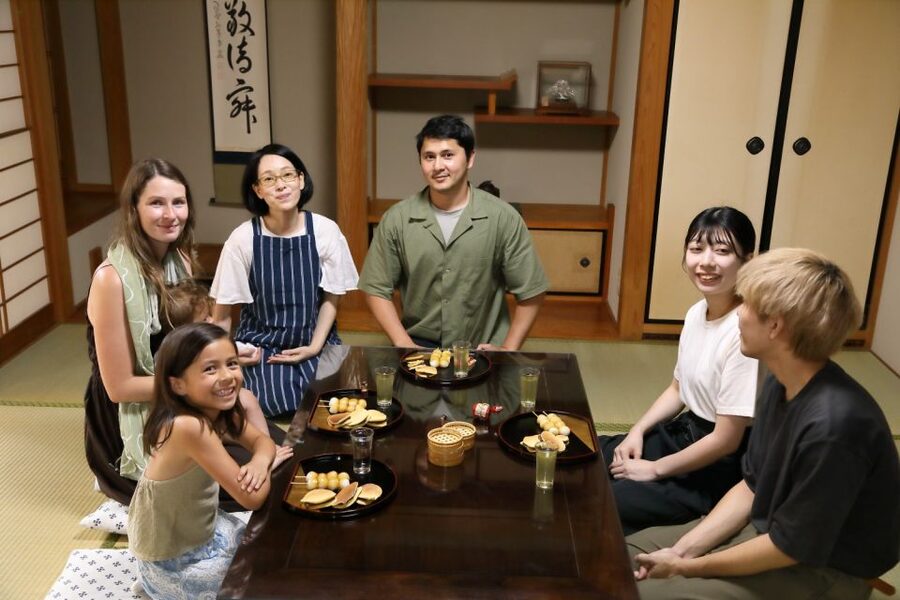
The setting matters. You begin in an authentic Japanese room rather than a standard cooking school kitchen. The garden view, tatami-style atmosphere, and tea service help you understand that wagashi is tied to presentation and hospitality, not just sugar and flour.
You should expect a friendly home-style experience, not a formal culinary course. The goal is to give you useful techniques, cultural background, and the pleasure of making something with your own hands. The class is conducted in English, and Miho’s work as a licensed guide interpreter means you can ask about more than the recipes.
More Fushimi Inari Shrine Tours in Kyoto:
- Kyoto: Tea Ceremony in a Traditional Tea House in Kiyomizu
★ 4.9 · 3,519 reviews - Fushimi Inari Hidden Hiking Tour (Private Option Available)
★ 5.0 · 1,750 reviews - Osaka/Kyoto:Kinkakuji,Arashiyama,FushimiInariShrine,NaraPark
★ 4.1 · 1,596 reviews
What you make during the 150-minute class
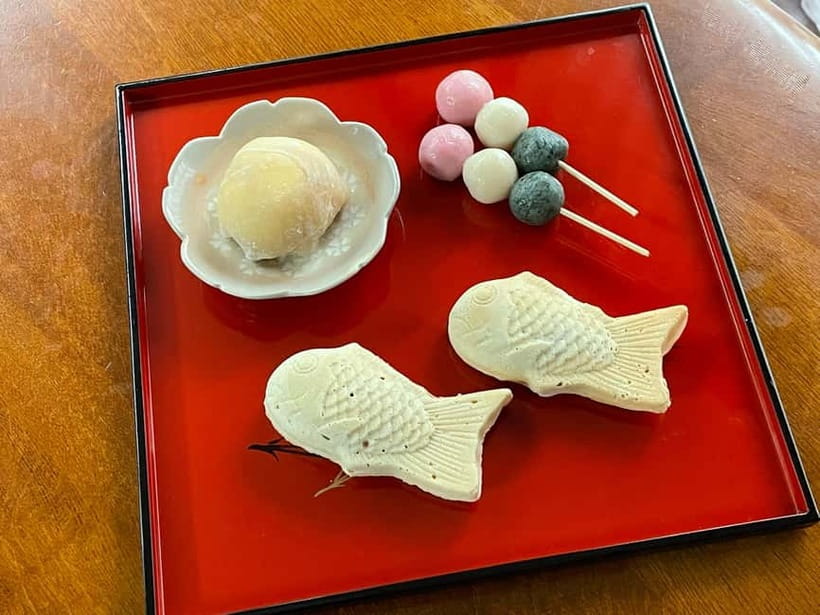
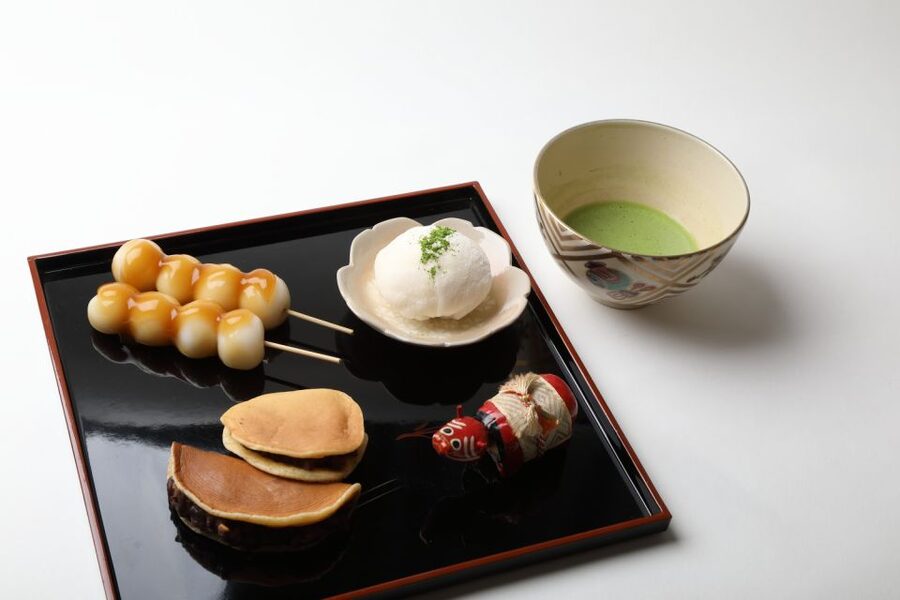
The class normally covers about three types of wagashi. The exact menu changes by season, so you should not book expecting one fixed set of recipes. Examples from past sessions include mochi, dango, and dorayaki, along with mochi ice cream and other sweets.
The session begins with an introduction and demonstration. Miho shows you the process before you start, which is useful because Japanese sweets can look simple while depending on small details such as texture, moisture, timing, and shaping.
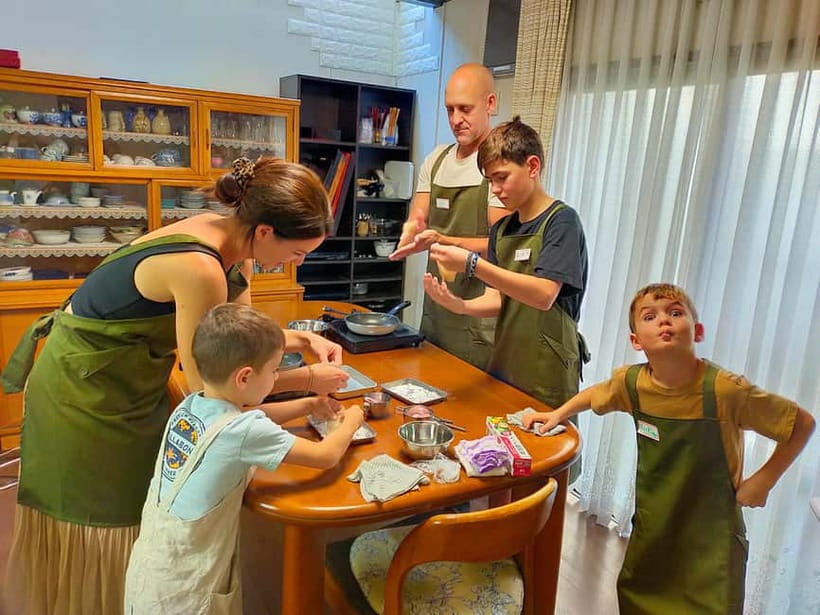
Then you work on the sweets yourself, either alone or with a partner. This is not just a demonstration where you watch someone else do the difficult parts. You mix, shape, cook, and assemble the items with guidance. If you have never handled mochi dough or prepared dango, Miho can explain each step as you go.
The pace suits curious beginners. You do not need professional cooking skills, and the class is designed to be understandable in English. At the same time, it offers enough detail for anyone who wants to repeat the recipes at home. Several dishes are made in a quantity that may leave you with some to take away, depending on the day’s menu and how much you prepare.
Why wagashi is more than a sweet snack
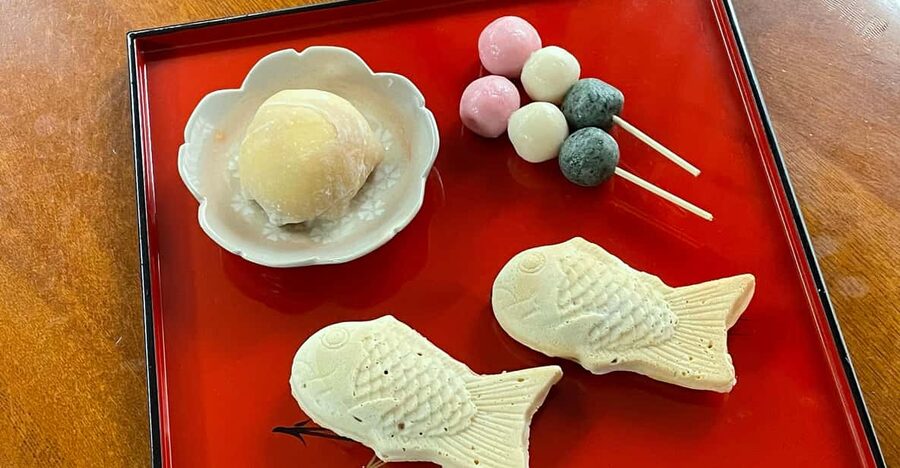
Wagashi includes a broad range of Japanese sweets, many of which are made to accompany green tea. Texture matters as much as sweetness. A soft mochi, chewy dango, or filled dorayaki offers a different experience from the cakes and pastries most visitors know.
The class gives you a chance to see how ingredients are handled rather than simply buying a finished sweet from a shop. Miho also explains practical matters such as where to find ingredients and how to approach the recipes at home. That makes the activity useful after your holiday, especially if you have access to an Asian supermarket.
The visual side is important, too. Wagashi is often shaped and arranged with care, and the final tea setting lets you see why appearance is part of the experience. You prepare your own tray, sit in the traditional room, and eat the sweets with tea while looking toward the garden.
The tea service and traditional room
After the cooking, the class shifts from work to sitting down. You enjoy the sweets with tea in the washitsu, the traditional Japanese room. Matcha is part of the experience, and Miho may also show you how to whisk it.
This closing section gives the class a natural rhythm. You learn, make, and then pause to enjoy what you prepared. It feels closer to being welcomed into someone’s home for tea than to finishing a standard tourist activity and being sent on your way.
The garden view adds to the calm, but keep your expectations sensible. This is a cooking class in a home with a garden view, not a dedicated garden tour. The garden supports the setting rather than serving as a separate attraction.
More Cooking Classes in Kyoto:
- Kyoto Home Cooking Class &Supermarket tour near Fushimiinari
★ 5.0 · 31 reviews - Cooking Class in a former Artist Monastery in the Heart of Monopoli
★ 5.0 · 18 reviews - Private Tour: Grand Palace,Wat Phra Kaew, Museum&Cooking Class
★ 5.0 · 7 reviews
Miho’s teaching style and the group size
Miho is the named host and teacher, and her role is central to the experience. She teaches in English, gives clear instructions, and talks about Japanese culture alongside the recipes. You can ask questions about ingredients, cooking methods, matcha, or places to buy supplies.
A group of no more than six is a real advantage. You should have a reasonable chance to see the demonstrations and receive individual help while shaping the sweets. If fewer people book on your date, the session may become nearly private. That can allow a slower pace and more conversation, though you should not book on the assumption that you will have the class alone.
The class works well for couples, friends, and families with older children. One parent and a child can work together, and children aged 12 or younger must participate with a guardian. The minimum age is six, so families with preschool children need another plan for this part of the day.
What the $84 price includes
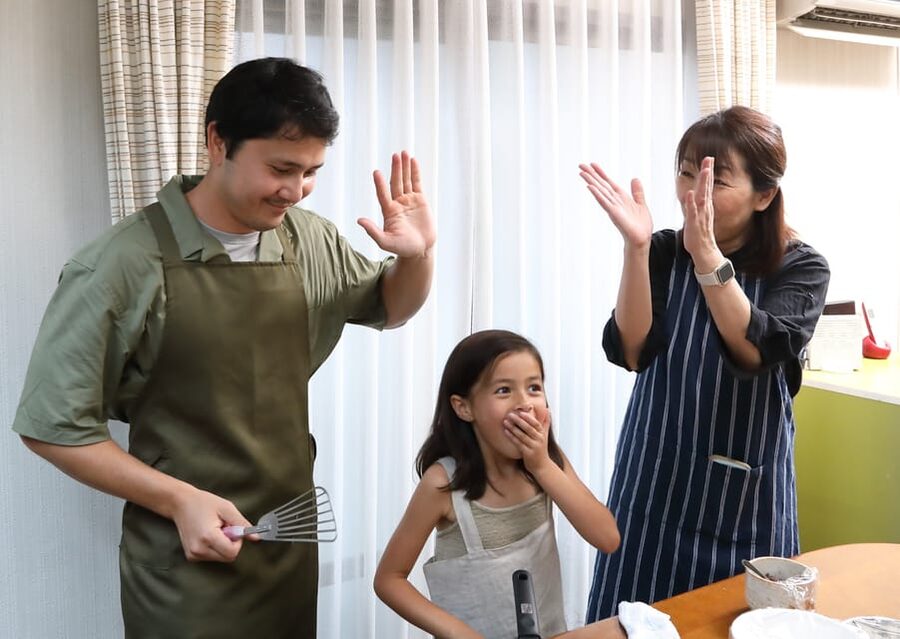
The cost is $84 per person. That puts the class above a casual market snack or a short sampling stop, so the value depends on what you want from your Kyoto day.
You are paying for 150 minutes of instruction, all cooking ingredients and seasonings, tea, the English-speaking instructor, and taxes. You also get access to a small-group setting and a traditional home environment. For me, the strongest value is the combination of hands-on cooking and cultural conversation, rather than the amount of food alone.
The activity can also give you something to take home. Past class menus have produced enough sweets for some participants to save a portion after tasting them in the tea room. Still, this is not a meal replacement. Wagashi is served in modest portions, and you should plan other food if you need lunch or dinner.
Hotel pickup and drop-off are not included. You need to make your own way to the venue near Fushimi Inari, so allow time to reach the meeting point and avoid arriving rushed. The supplied details do not specify an exact walking route or meeting landmark, so check the booking information carefully before setting out.
Who will enjoy this Kyoto activity most
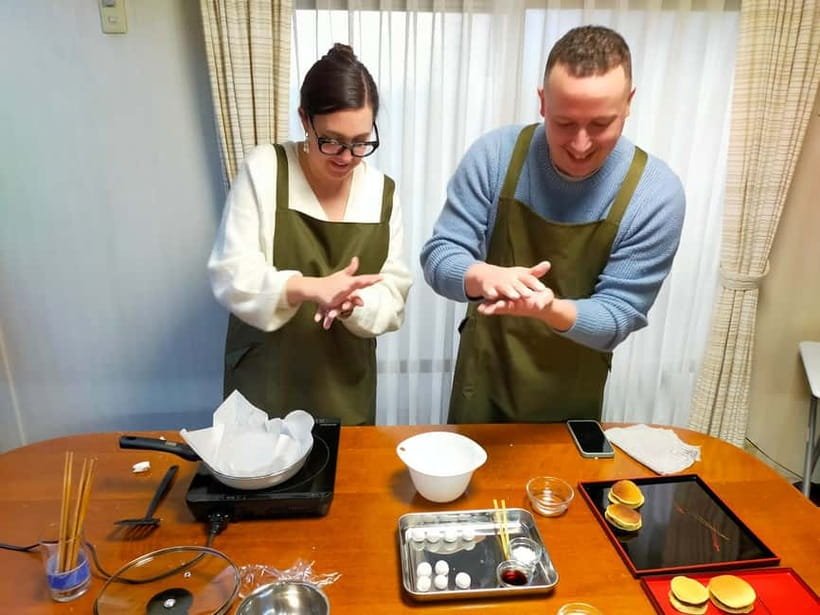
This class fits you if you like food, Japanese culture, and smaller activities where you can take part instead of simply watching. It is especially appealing if you have already seen major temples and shrines and want a more personal afternoon.
It is also a good choice for anyone interested in manga or anime sweets. You get to see how familiar-looking treats are actually made, then learn techniques that may be possible to repeat at home.
Families can enjoy it, provided the children are at least six and younger participants have a guardian. The activity has simple tasks that can keep children involved, but it is still a two-and-a-half-hour class. Children who dislike sitting, listening, or following food instructions may find the pace less comfortable.
Vegetarians are welcome, and the class is vegan-friendly. You need to tell the provider about food restrictions in advance. Since the menu changes by season, advance notice is particularly important if you need ingredient adjustments.
Who should think twice before booking
This may not suit you if you want a fast, highly polished cooking demonstration with a fixed menu. The recipes can change, and the point is to participate rather than simply receive a tasting plate.
You may also prefer another activity if you have limited mobility. The experience takes place in a traditional Japanese home, and wheelchair users are specifically listed as unsuitable. The available information does not give details about seating, stairs, or bathroom access, so ask the provider directly if you have mobility concerns that are not covered by the wheelchair restriction.
The English instruction is a strength for English speakers, but the activity information does not promise instruction in another language. It says the class can accommodate English and non-English speakers, so contact the provider in advance if language support is important to you.
A useful match for a Fushimi Inari day
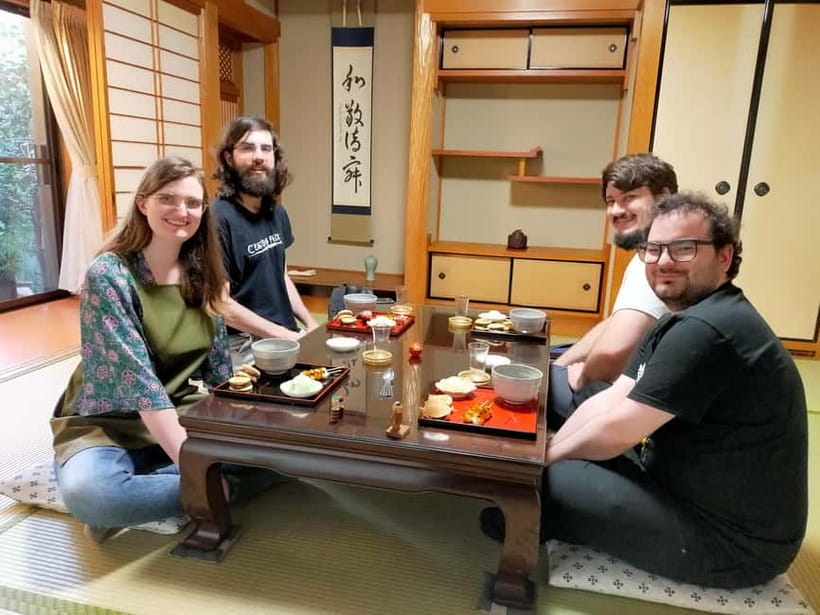
The location near Fushimi Inari makes this easy to pair with a visit to the shrine area, but do not pack the day too tightly. The class lasts 150 minutes, and you will want enough time to arrive, cook without watching the clock, and enjoy the tea at the end.
This is a better fit after a busy morning than as a rushed stop between two timed attractions. The experience depends on conversation, careful preparation, and sitting down at the finish. Give it room in your schedule.
Because the menu is seasonal, the class can also offer a different experience on a return visit. You should not assume that a second booking will repeat the same three sweets. Ask ahead if you have a particular recipe in mind.
Booking details worth knowing
You can cancel up to 24 hours before the activity for a full refund. A reserve-now, pay-later option is available, which helps if your Kyoto schedule is still changing.
The class is offered in small groups of up to six participants. Ingredients, seasonings, tea, the instructor, and taxes are included. Transportation, hotel pickup, and hotel drop-off are not included.
Children under six cannot participate. Children aged 12 and under need to attend with a guardian. Tell the provider about allergies, vegetarian needs, vegan needs, or other food restrictions before the class.
Should you book this wagashi class?
Book it if you want a hands-on food experience with a personal host, especially if you like Japanese sweets or want a quiet break near Fushimi Inari. The strongest parts are the small group, clear English instruction, chance to make roughly three sweets, and the final tea service in a traditional room.
At $84, it is not the cheapest way to eat wagashi in Kyoto. It is good value if you want instruction, cultural context, ingredients, and a memorable setting rather than a simple snack. Skip it if you need a wheelchair-accessible activity, dislike changing menus, or have only a narrow gap between sightseeing plans.
For families, couples, and solo visitors who enjoy learning by doing, this is one of the more personal ways to spend an afternoon in Kyoto.
FAQ
How long does the wagashi cooking class last?
The activity lasts 150 minutes, or two and a half hours.
Where does the class take place?
It takes place near Fushimi Inari in Kyoto, in a house with traditional Japanese rooms and garden views.
How many people can join the class?
The group is limited to six participants.
Is the class taught in English?
Yes. The class is conducted in English, and the instructor is an English-speaking licensed guide interpreter.
How many Japanese sweets will I make?
You will prepare about three types of wagashi. The menu may change depending on the season.
Which sweets might be included?
Past class examples include mochi, dango, dorayaki, and mochi ice cream. The exact menu is seasonal.
Is tea included?
Yes. Tea is included, and you enjoy the sweets with tea in the traditional Japanese room. Matcha may also be prepared as part of the experience.
Are vegetarian and vegan participants welcome?
Yes. Vegetarians are welcome, and the activity is vegan-friendly. You need to provide advance notice about food restrictions.
Can children join the class?
Children under six cannot participate. Children aged 12 and under must attend with a guardian.
Is hotel transportation included?
No. Hotel pickup and drop-off are not included, so you need to arrange your own transportation to and from the activity.
More Dessert Tours in Kyoto
- Kamakura: Half day Walking tour & Japanese sweets
★ 5.0 · 11 reviews - Bangkok: Grand Palace, Wat Pho with Mango Dessert Tastings
★ 4.8 · 8 reviews
Just added around Kyoto
- Osaka/Kyoto: Katsuoji, Kinkakuji, Arashiyama 1-Day Bus Tour★ 4.6 · 33 reviews
- Kyoto:Kiyomizu-dera Temple Rent a kimono and ride a rickshaw★ 4.8 · 7 reviews
- Kyoto: Kimono/Yukata Rental 5 Minute from Kiyomizu-dera★ 4.7 · 89 reviews
- Kyoto Fushimiinari:Wagashi Making & Small Group Tea Ceremony★ 5.0 · 14 reviews
- Kyoto: Samurai Sword & Kimono Action Filming Experience★ 4.8 · 78 reviews
- KYOTO: Tempio Kiyomizu Pagode Gion “Geisya” (Guida Italiana)★ 4.7 · 17 reviews
- Best of Kyoto: Red Gates of Fushimi Inari & Kiyomizu Temple★ 4.8 · 36 reviews
- Kyoto: Sake Brewery and Tasting Tour in Fushimi★ 4.8 · 55 reviews
Fushimi Inari Shrine Tours, compared.
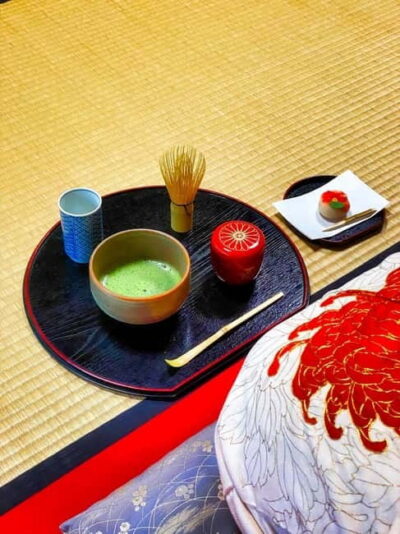
Tea Ceremony in a Traditional Tea House in Kiyomizu
Read our review →
Fushimi Inari Hidden Hiking Tour (Private Option Available)
Read our review →
Osaka/Kyoto:Kinkakuji,Arashiyama,FushimiInariShrine,NaraPark
Read our review →
Kyoto/Osaka: Nara, Fushimi Inari Taisha, Arashiyama Bus Tour
Read our review →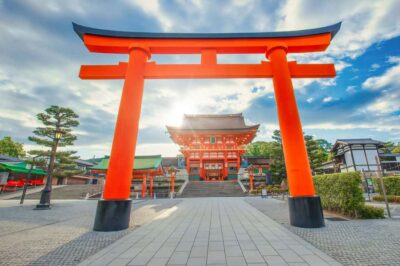
Osaka/Kyoto: Arashiyama, Nara & Fushimi Inari Shrine w/Lunch
Read our review →
Nijo Castle, Kiyomizu & Fushimi Inari Guided Tour
Read our review →
Browse the lists this tour appears in