
REVIEW · FUSHIMI INARI SHRINE TOURS
Kyoto: Sake Brewery and Tasting Tour in Fushimi
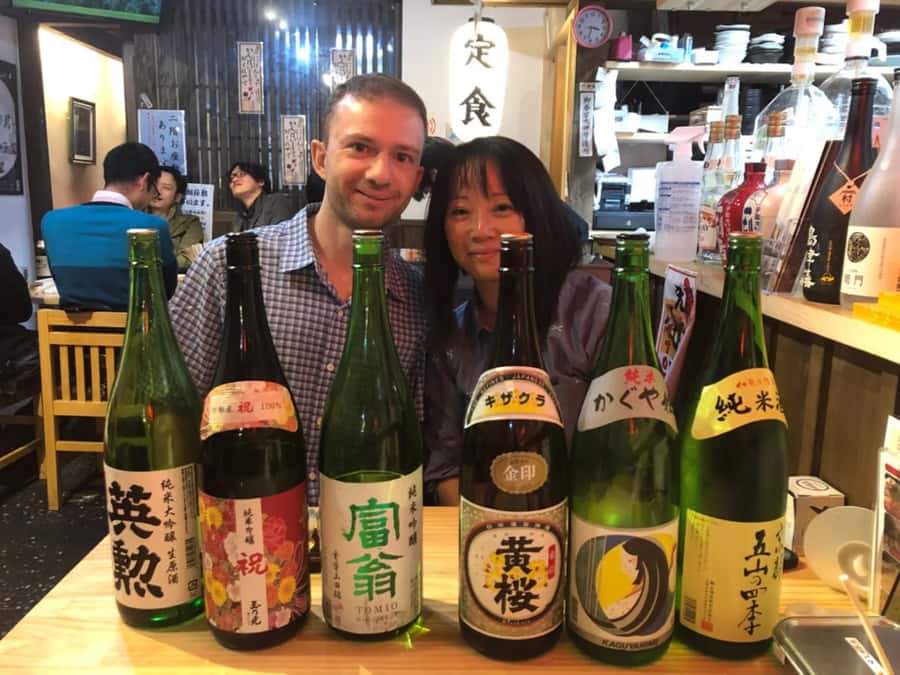
Fushimi is Kyoto’s sake country, and this three-hour tour gives you a good way to understand it one glass at a time. You’ll walk beside canals and old brewery buildings, visit the Gekkeikan Okura Sake Museum, and finish with 18 different sakes in a small local bar.
I like the mix of tasting and place. You are not parked at a counter for three hours. You see the water, shrines, shops, and historic buildings that explain why Fushimi became a major brewing district. I also like the small group size, capped at nine, which gives you room to ask about sake, food, or almost anything else in Japan.
The main drawback is the walking in summer. Fushimi can be hot and humid, and one afternoon included a long stretch in full sun at 36 C. The museum can also feel a little dry if you are more interested in drinking than exhibits. Still, the relaxed guides, generous tasting, and clear introduction to sake make this a strong pick for curious adults.
Key points at a glance
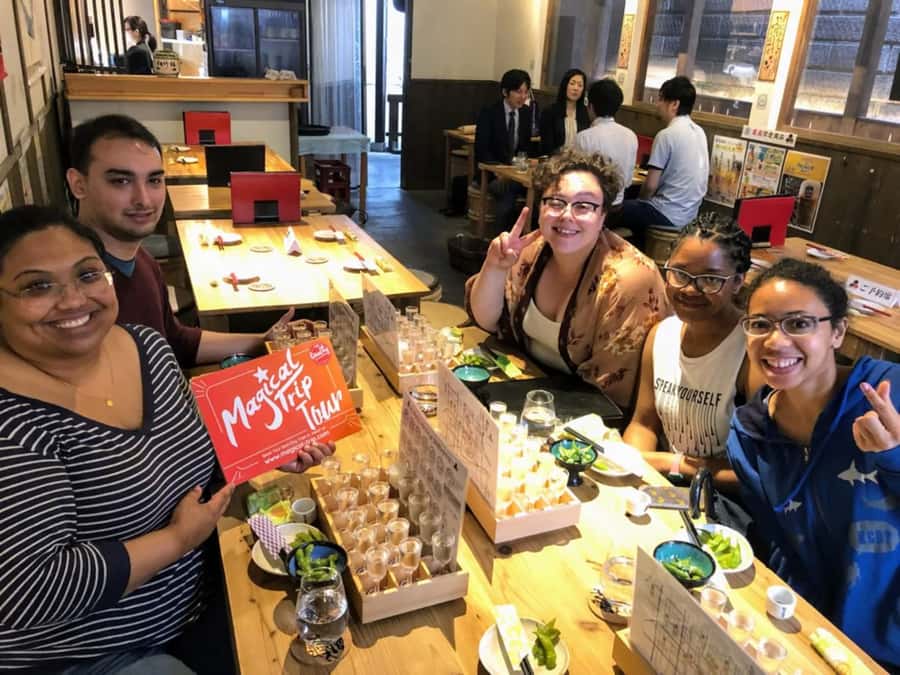
- Taste 18 Kyoto-made sakes: The final tasting gives you a broad look at styles, flavors, and aromas, though the quantity means pacing matters.
- See Fushimi beyond the bar: The route includes canals, the Fushimi Jukkokubune boats, Gokonomiya Shrine, liquor shops, and old historical sites.
- Visit the Gekkeikan Okura Sake Museum: A one-hour stop covers traditional tools, brewing, and Fushimi’s long connection with sake.
- Learn from an English-speaking guide: Guides including Kumi, Yuki, Nami, Shinya, Rika, and Matt have helped make the tour personal and easy to follow.
- Keep the group small: With no more than nine people, you can ask questions and receive help choosing among the tastings.
- Plan for heat and steps: Some areas do not suit wheelchairs or strollers, and summer walkers should bring water and a hat.
Why Fushimi is the right place for a sake tour
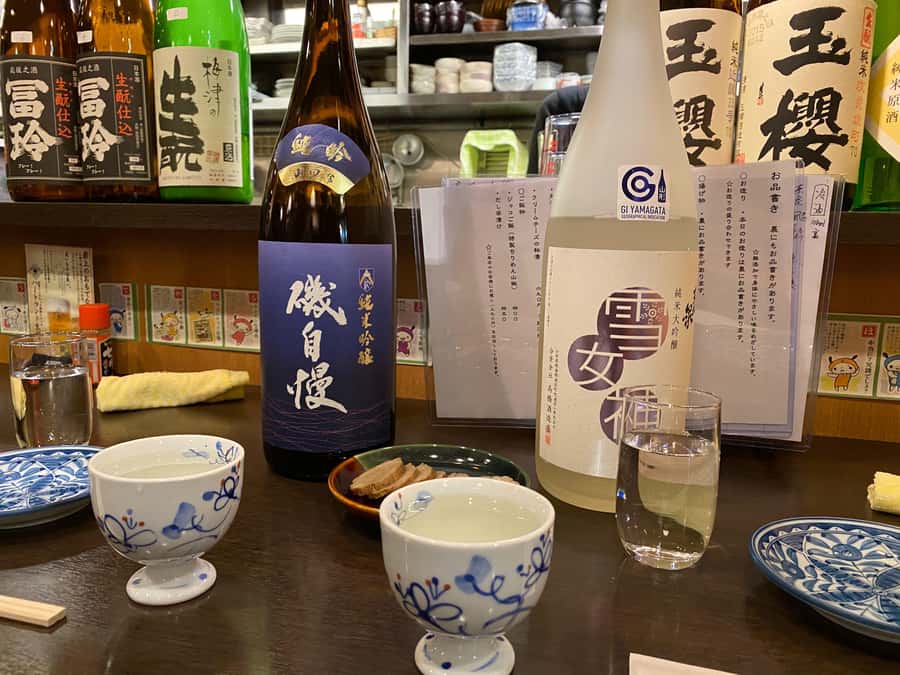
Fushimi is one of Japan’s major sake-producing areas, and its water is a big part of the story. The district has long been valued for clear, soft water, which helps brewers make sake with a smooth character. You do not need to be a sake expert to appreciate the setting. The point is to connect the drink in your glass with the neighborhood around you.
The tour begins at Chushojima Station, at the North Gate. Your guide carries a MagicalTrip sign, so the meeting point should be easy to spot, but arrive early. This experience starts on time, and if you miss the group, you cannot join later, reschedule, or receive a refund.
From the station, you walk through Fushimi rather than heading straight indoors. That is important. You see a working district with sake shops and old brewing connections instead of treating sake as just another tasting menu. The route is gentle in spirit, but it includes outdoor walking, uneven access at some locations, and exposure to the weather.
More Fushimi Inari Shrine Tours in Kyoto:
- Kyoto: Tea Ceremony in a Traditional Tea House in Kiyomizu
★ 4.9 · 3,519 reviews - Fushimi Inari Hidden Hiking Tour (Private Option Available)
★ 5.0 · 1,750 reviews - Osaka/Kyoto:Kinkakuji,Arashiyama,FushimiInariShrine,NaraPark
★ 4.1 · 1,596 reviews
Fushimi Jukkokubune and the canals
One of the first short stops is Fushimi Jukkokubune, a canal area associated with the traditional flat-bottomed boats once used to move goods through Fushimi. The visit lasts only about five minutes, so think of it as a quick orientation rather than a full sightseeing stop.
The canal scenery helps explain the shape of the district. Water mattered for brewing, but it also helped move sake and other goods. This early pause gives you a pleasant photo opportunity and a sense of the riverside side of Fushimi before the museum provides the technical background.
Do not expect a long boat ride on this tour. The stop is brief. Its value comes from setting the scene and breaking up the walk.
Inside the Gekkeikan Okura Sake Museum
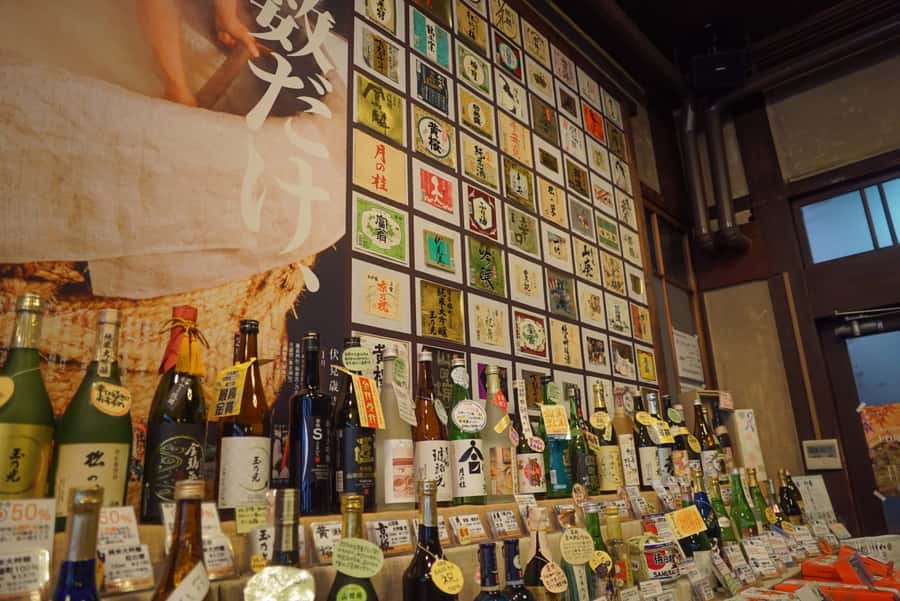
The Gekkeikan Okura Sake Museum occupies a renovated brewery, and you spend about an hour here. This is the most useful stop for understanding how sake is made. Displays show the tools and stages involved in brewing, giving you something solid to think about when you reach the tasting.
You learn why Fushimi became famous for sake and how local water shaped its brewing tradition. The exhibits also provide historical context about the drink, so the later tasting is not just a parade of labels. You begin to notice that sake is more than one standard flavor.
I would give the museum your attention even if museums are not usually your thing. It can feel a little dry compared with the tasting, but that is partly because it asks you to look closely at process rather than simply enjoy the finished product. The one-hour visit is long enough to be useful without taking over the entire afternoon.
This is also where a good guide makes a real difference. Guides such as Yuki, Kumi, Nami, and Shinya have been praised for explaining brewing clearly and answering questions. Ask about anything that confuses you. The tour is designed for beginners, but people who already know some sake can still ask about production and local styles.
Short stops with local character
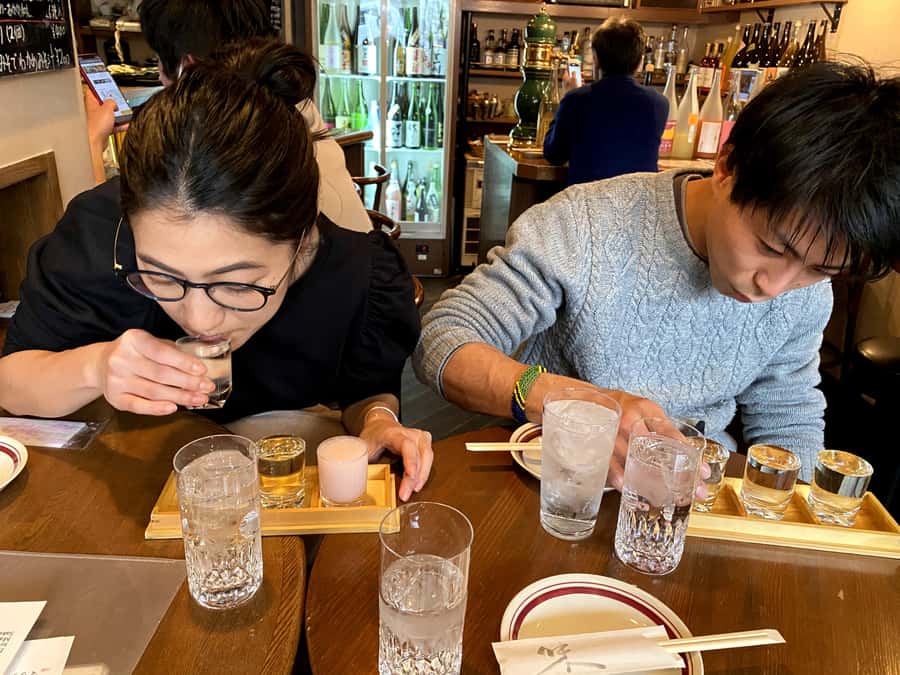
After the museum, the route includes brief visits to Fushimi Yume Hyakushu Cafe and Kizakura Kappa Country. The first stop lasts around 10 minutes, while the Kappa stop takes about 20 minutes.
Kappa are mythical Japanese water creatures, often shown with a dish-like hollow on the top of the head. Kizakura Kappa Country uses this familiar figure as part of its sake and local culture presentation. It is an unusual detail, and it keeps the tour from becoming a straight lesson in brewing equipment.
These stops are not major attractions in the way a Kyoto temple might be. Their purpose is lighter: you get more local context, a pause in the walk, and another way to connect Japanese folklore with the area’s water and sake culture.
The route also takes you past liquor stores and the Teradaya Inn area. The Teradaya is tied to the final years of the Edo period, when Japan’s old feudal government was coming to an end. Your guide explains that history as you walk, so you get a little political and cultural background alongside the sake.
This broader mix is one of the tour’s strengths. You can ask about Japanese customs, Kyoto, or the end of the Edo period, not just fermentation. Fuji, Mary, and several other guides have been singled out for being happy to answer questions beyond the main subject.
More Drinks Tours in Kyoto:
- Arashiyama Bamboo, Temple, Monkeys, or Secret Sake Brewery
★ 4.8 · 886 reviews - Kyoto: Fushimi Sake Brewery Tour – 18 Tastings in 2.5 Hours
★ 4.7 · 36 reviews - Japanese Sake Breweries Tour in Kyoto Fushimi
★ 4.3 · 13 reviews - Kyoto: Fushimi Sake District Tour with Boat Ride
★ 4.6 · 10 reviews
Gokonomiya Shrine and a quieter side of Kyoto
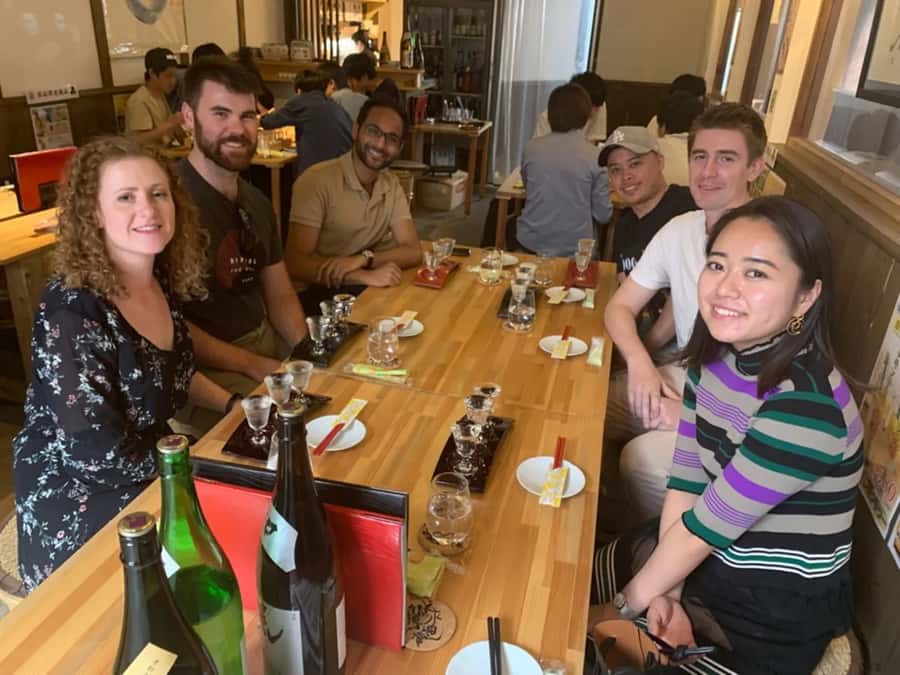
The walk ends its sightseeing portion at Gokonomiya Shrine, where you spend about 15 minutes at the main hall. This is a short cultural stop, not a full shrine tour, but it adds a calm finish to the outdoor route.
I like having a shrine included because it changes the pace. After learning about commercial brewing and sampling the area’s folklore, you get a more traditional place for reflection and photos. It also shows you a side of Fushimi that is easy to miss if you come only for a brewery tasting.
The stop is not meant to replace Kyoto’s major temple visits. Instead, it fits neatly into the neighborhood walk and helps the experience feel local rather than staged around alcohol alone.
The 18-sake tasting at Fushimi Saka Gura Kouji
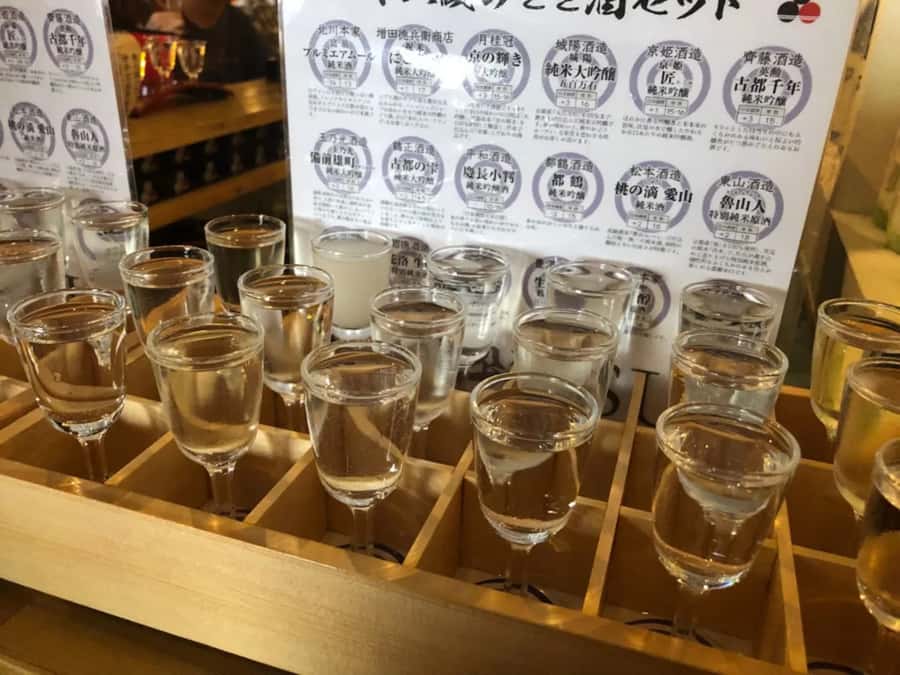
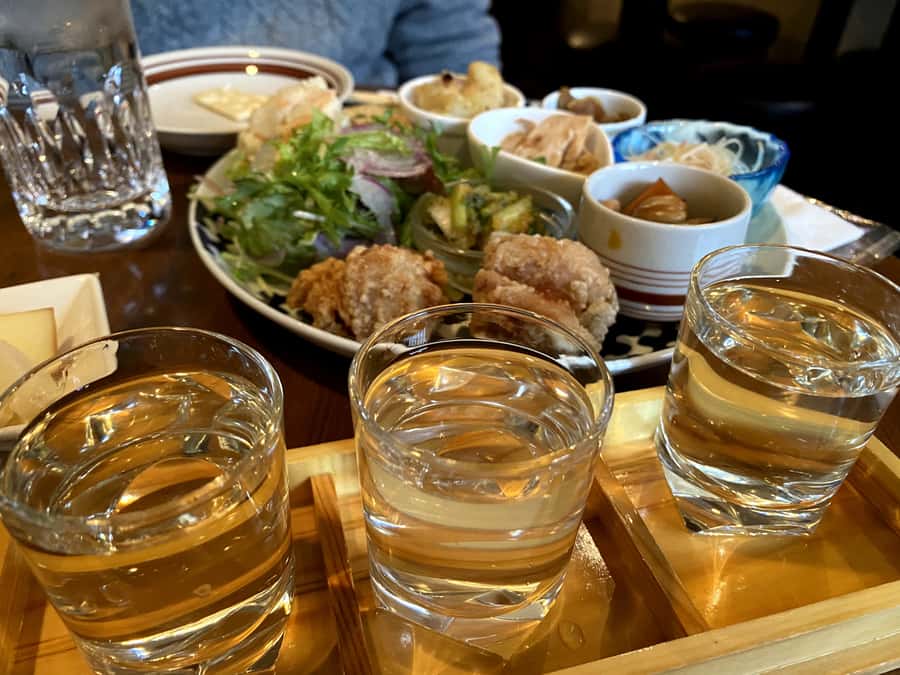
The final hour takes place at Fushimi Saka Gura Kouji, described as a low-key or hidden bar where you taste 18 locally brewed sakes. This is the main attraction for many people, and it delivers variety rather than one carefully selected pour.
Tasting 18 kinds lets you compare aroma, sweetness, smoothness, and finish across Kyoto-made bottles. You may find a favorite that you would not have chosen from a menu. The guide helps you make sense of the differences, which is especially helpful if Japanese sake labels are new to you.
The tasting is generous, so pace yourself. Eighteen samples can be a lot, particularly after walking for two hours. Eat when food is offered, drink water, and do not feel obliged to finish every pour. The goal is to notice differences, not to prove anything.
One useful point: the tasting is broad, but not every sample will feel premium. One person who enjoyed the tour still felt that fewer, higher-quality selections might have been better. That is a fair criticism. If you want a tightly focused tasting of rare or high-end sake, this may feel too wide-ranging. If you want an accessible introduction with plenty of comparison, the variety is a plus.
Some snacks or food may be provided along the way, but the operator cannot guarantee food free from allergens or meet every dietary restriction. Substitutions may not always be possible. Tell the guide about your needs, but do not book this expecting a fully controlled food experience.
What the guides add to the afternoon
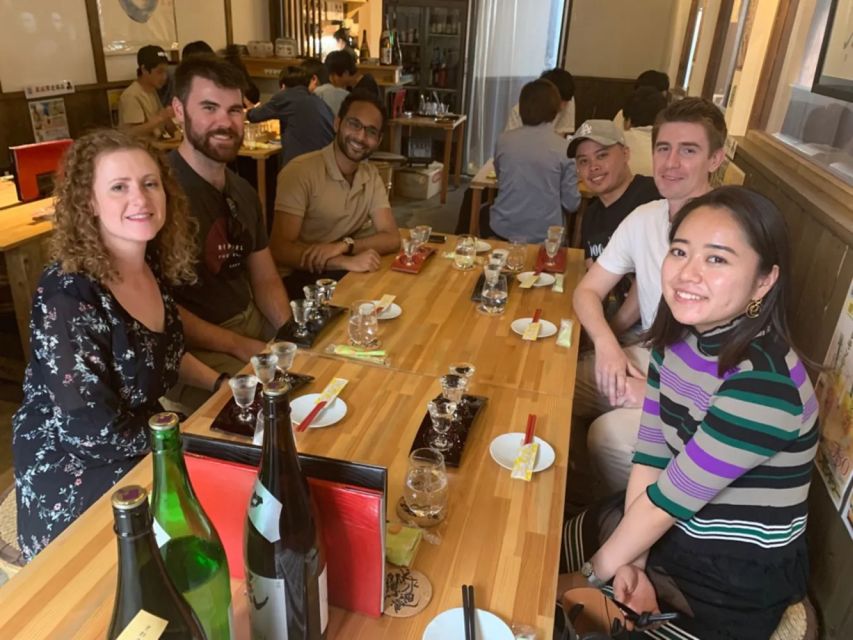
The guides are central to the experience. Names attached to especially strong tours include Matt, Kumi, Rika, Yuki, Fuji, Nami, Shinya, Nobu, Marie, and Mary. You may not receive one particular guide, but the pattern is clear: this works best when you engage with the person leading it.
The strongest guides do more than recite brewing facts. They explain unfamiliar terms, answer questions about Japanese culture, suggest food, and help you choose among the sake pours. A friendly guide can also make a museum display feel less formal.
The group limit of nine matters here. You are not one face in a large crowd. You can ask why one sake tastes lighter than another, what to order later, or how sake fits into Japanese meals. If you are shy about asking questions, the small format makes it easier to join in.
The tour is in English. It suits someone new to sake, but it is not limited to beginners. People with previous sake experience can use the tasting to compare Kyoto styles and ask more specific questions.
Is $96 a fair price?
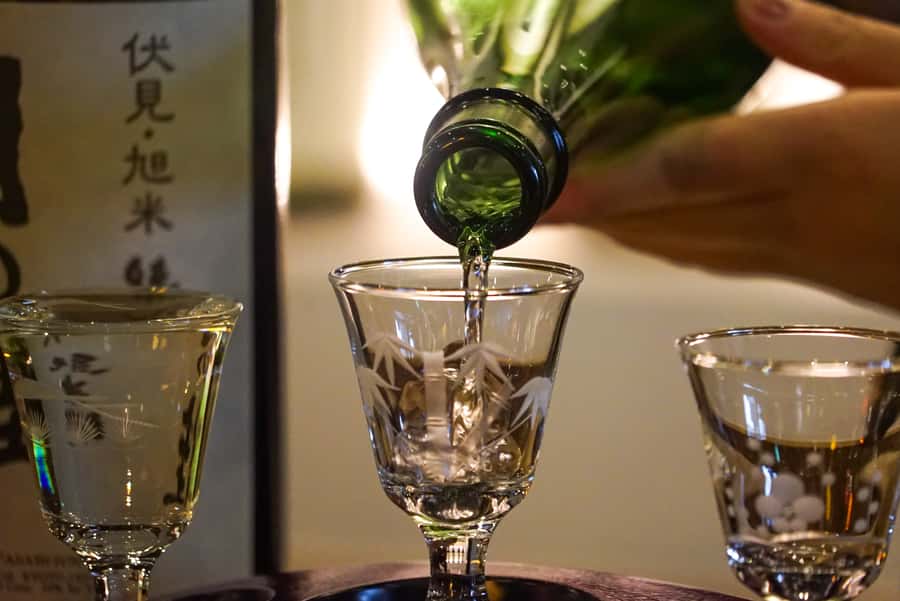
At $96 per person, this is not a cheap walk. The price includes the English-speaking local guide, museum and brewery admission, the 18-sake tasting, and photos taken during the tour.
I think the value depends on what you would otherwise do in Fushimi. If you plan to visit the museum and pay for several tastings on your own, the guided structure may justify the cost. You are also paying for the route, local explanation, and help interpreting the sake, not just the liquid in each glass.
The price is harder to justify if you want only a short brewery visit or one excellent tasting. You could prefer a simpler, self-guided afternoon. This tour earns its cost through variety and context: canals, shrine, folklore, Edo-period history, brewing displays, and a substantial tasting in one compact outing.
A 4.8 rating from 55 ratings points to a consistently well-received experience, with especially strong marks for the guides and the amount learned. The main cautions are the heat, the museum’s slower pace, and the fact that 18 samples favor breadth over luxury.
Timing, age rules, and comfort
The tour lasts three hours. Starting times vary, so check availability when booking. Give yourself enough time to reach Chushojima Station and find the North Gate meeting point.
Only people aged 20 and over may taste sake. The experience is not suitable for children under 15, and anyone under 20 cannot take part in the alcohol tasting. For minors who are permitted under the booking rules, snacks or other food may be offered instead, but this is clearly an adult-focused activity.
Some locations are not accessible by wheelchair or stroller. Ask before booking if mobility access is important to you, since the route includes walking through an older district and visiting places with limited access.
Summer requires extra care. Bring water, wear a hat, and expect strong heat and humidity. The tour can still run in rain, but suitable clothing and shoes will make the walk easier. Comfortable footwear is sensible in every season.
Cancellation is free up to 24 hours before the start time, and you can reserve now and pay later. Those flexible terms help, but they do not protect you from arriving late, so plan around the fixed start.
Who should book this Fushimi experience?
I would book this tour if you want more than a drink. It suits you if you enjoy local neighborhoods, small museums, cultural history, and guided tastings. It is also a good choice if sake menus usually leave you guessing.
You will get the most from it if you ask questions and approach the 18 pours as a comparison exercise. Bring a curious mind, not just a strong appetite for alcohol.
I would think twice if you dislike walking in heat, have strict food or allergy needs, use a wheelchair or stroller, or want only rare, high-end sake. The 18 samples are a lot, the museum is more educational than flashy, and some stops are brief.
Should you book it?
Book it if you want a friendly, well-organized introduction to Fushimi with a real sense of place. The combination of the Gekkeikan museum, canals, shrine, Edo-period stories, and 18-sake tasting gives you a fuller afternoon than a brewery visit alone.
Skip it if you would rather choose your own bars or focus on one premium tasting. For most adults visiting Kyoto who want to understand sake without doing all the research themselves, the small group, local route, and patient guides make the $96 worthwhile.
FAQ
Where does the sake tour meet?
Meet at the North Gate of Chushojima Station. Your guide will be holding a board marked MagicalTrip.
How long does the tour last?
The experience lasts three hours.
How many kinds of sake can I taste?
The tour includes tastings of 18 kinds of sake made in Kyoto.
Is the tour conducted in English?
Yes. The tour has a live English-speaking guide.
How large is the group?
The tour is limited to nine participants.
What does the tour include?
It includes a local guide, entry to the sake museum and brewery, 18 sake tastings, and photos taken during the tour.
Can people under 20 drink sake on the tour?
No. Sake tasting is not allowed for anyone under 20. Some food or snacks may be provided instead.
Is the tour suitable for children?
The experience is not suitable for children under 15. People under 20 cannot take part in the sake tasting.
Can I cancel or pay later?
You can cancel up to 24 hours before the tour for a full refund. You can also reserve now and pay later.
More Food and Drink Tours in Kyoto
- Bangkok by Night: Temples, Markets and Food Tuk-Tuk Tour
★ 5.0 · 3,752 reviews - Bangkok: Markets, Temples and Food Night Tour by Tuk Tuk
★ 4.9 · 2,371 reviews - 1-Day Snow Monkeys, Zenko-ji Temple & Sake in Nagano
★ 5.0 · 1,020 reviews - Nagano: Snow Monkeys, Zenkoji Temple & Sake Day Trip
★ 4.9 · 833 reviews
More Brewery Visits in Kyoto
Just added around Kyoto
- Osaka/Kyoto: Katsuoji, Kinkakuji, Arashiyama 1-Day Bus Tour★ 4.6 · 33 reviews
- Kyoto:Kiyomizu-dera Temple Rent a kimono and ride a rickshaw★ 4.8 · 7 reviews
- Kyoto: Wagashi (Japanese sweets) Cooking near Fushimiinari★ 5.0 · 40 reviews
- Kyoto: Kimono/Yukata Rental 5 Minute from Kiyomizu-dera★ 4.7 · 89 reviews
- Kyoto Fushimiinari:Wagashi Making & Small Group Tea Ceremony★ 5.0 · 14 reviews
- Kyoto: Samurai Sword & Kimono Action Filming Experience★ 4.8 · 78 reviews
- KYOTO: Tempio Kiyomizu Pagode Gion “Geisya” (Guida Italiana)★ 4.7 · 17 reviews
- Best of Kyoto: Red Gates of Fushimi Inari & Kiyomizu Temple★ 4.8 · 36 reviews
Fushimi Inari Shrine Tours, compared.
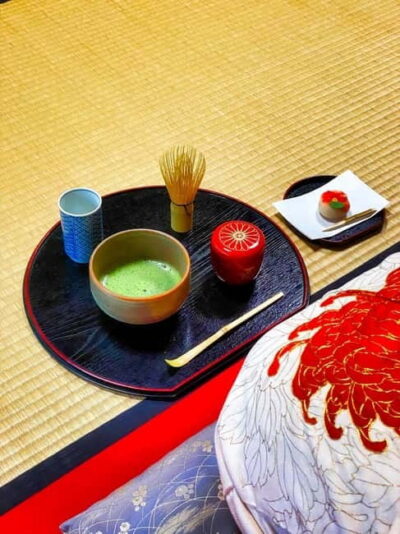
Tea Ceremony in a Traditional Tea House in Kiyomizu
Read our review →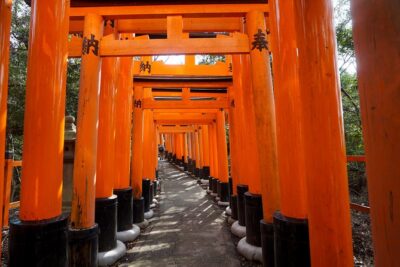
Fushimi Inari Hidden Hiking Tour (Private Option Available)
Read our review →
Osaka/Kyoto:Kinkakuji,Arashiyama,FushimiInariShrine,NaraPark
Read our review →
Kyoto/Osaka: Nara, Fushimi Inari Taisha, Arashiyama Bus Tour
Read our review →
Osaka/Kyoto: Arashiyama, Nara & Fushimi Inari Shrine w/Lunch
Read our review →
Nijo Castle, Kiyomizu & Fushimi Inari Guided Tour
Read our review →
Browse the lists this tour appears in