
REVIEW · FUSHIMI INARI SHRINE TOURS
Japanese Sake Breweries Tour in Kyoto Fushimi
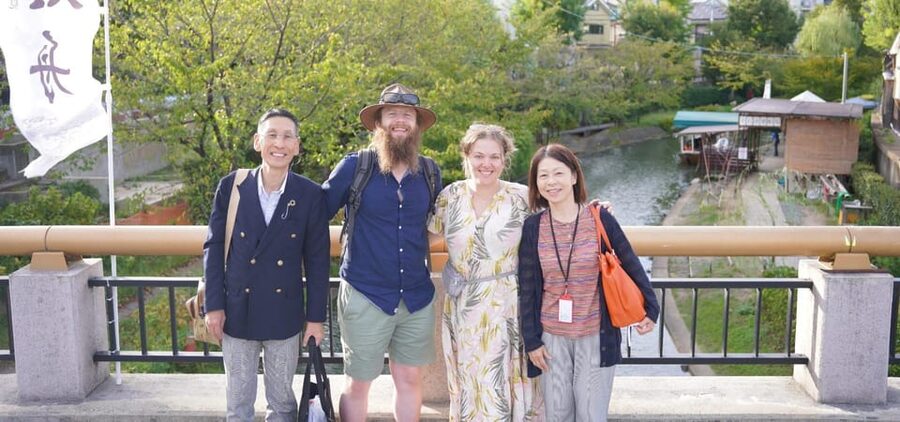
Fushimi is one of Japan’s best places to learn about sake, and this three-hour walk puts you right in the middle of it. You’ll visit the Gekkeikan Ōkura Sake Museum, see old brewery buildings, taste several types of sake, and finish at a small sake shop. I especially like the variety of stops and the chance to compare sake with Kyoto beer and sake ice cream.
I also like the connection to Fushimi’s past as a transport hub between Kyoto and Osaka. The tour is not perfect, though. Your experience depends heavily on the guide. Musaki, also called Bob, has brewing experience and can make the subject come alive, but one booking reported very little explanation beyond walking from one stop to the next. At $80, that difference matters.
Key points to know before booking
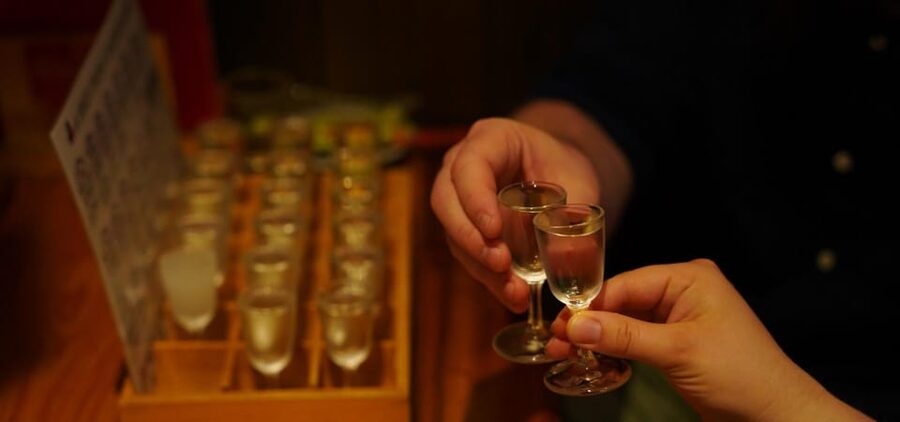
- Six tasting moments are included: You receive three sake samples at Gekkeikan, three at Aburacho, a glass of Kyoto Beer, and sake ice cream.
- Gekkeikan dates to 1637: The museum gives you a useful introduction to one of Fushimi’s best-known brewers.
- The walk covers several different settings: Expect a museum, brewery-related attractions, a sake alley, a historic former brewery office, and a specialist tasting shop.
- The tour ends at Aburacho: This is useful if you want to continue tasting or buy sake after the guided portion.
- The boat ride costs extra: A Jukkokubune cruise is not included and requires a separate 1,500-yen payment at the dock.
- Under-20 visitors can join: Alcohol cannot legally be served to them, but juice and other non-alcoholic choices are available.
Starting beside the sake barrel at Chushojima Station
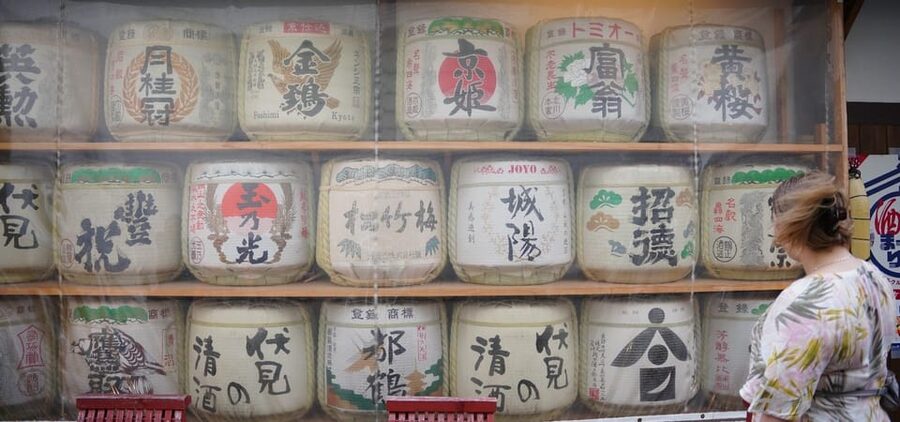
The meeting point is the sake barrel object just outside the north exit ticket gate at Chushojima Station. Look for the guide holding a sign marked 888. Take care here, since another station with a similar name, JR Sumiyoshi Station, can cause confusion.
Chushojima is a fitting starting point. Fushimi is not only a place where sake is made. It was also a working transport center, and boats once carried people, rice, sake, and other goods between Fushimi and Osaka. The route brings you through streets tied to that older commercial life.
The walking is easy in terms of distance. The itinerary lists several five-minute walks between stops, so you are not spending the afternoon on long transfers. Still, wear shoes that are comfortable on city streets. This is a walking tour with several standing tastings, not a seated food-and-drink session.
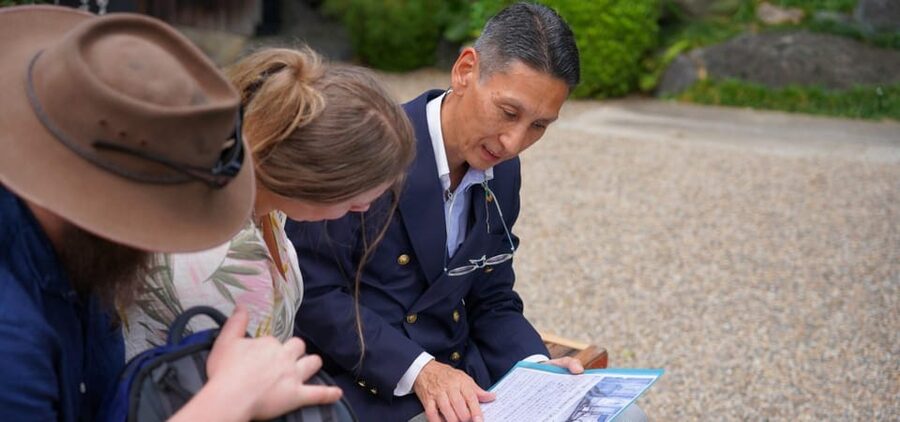
The advertised guide languages are English, Chinese, and Japanese. If you are new to sake, I would pay close attention to the guide’s teaching style when you book. Musaki, also called Bob, has worked in sake brewing and has received strong praise for explaining the area and the production process. One less successful experience found the commentary too limited, so it is fair to say the guide is a major part of the value.
More Fushimi Inari Shrine Tours in Kyoto:
- Kyoto: Tea Ceremony in a Traditional Tea House in Kiyomizu
★ 4.9 · 3,519 reviews - Fushimi Inari Hidden Hiking Tour (Private Option Available)
★ 5.0 · 1,750 reviews - Osaka/Kyoto:Kinkakuji,Arashiyama,FushimiInariShrine,NaraPark
★ 4.1 · 1,596 reviews
Gekkeikan Ōkura Sake Museum and the 1637 story
The first major stop is the Gekkeikan Ōkura Sake Museum, where you spend about 35 minutes with a guide. Gekkeikan was founded in 1637, giving the visit a long historical frame rather than a quick look at modern bottles.
The museum is the best place on the route to understand the basic steps behind sake production. You can expect traditional brewing tools, information about the company, and an introduction to the role of rice, water, fermentation, and storage. The exact depth of the explanation will depend on your guide, but this is where you should ask questions.
Your admission is included, as is a commemorative Gekkeikan sake cup. You also receive a tasting set of three sake types at the brewery. That tasting is more useful if you slow down and compare the samples rather than simply choosing the one you like best.
Look for differences in aroma, sweetness, dryness, and texture. If the guide explains the labels, listen for terms that describe polishing and style. If not, ask directly what makes each sample different. The point is not to prove that one sake is better than another. It is to notice how much Japanese sake can vary.
One important caution: the museum visit may not satisfy you if you want a technical brewing lecture. A past booking found the museum explanation too brief. I would treat the stop as a solid introduction, then use the later tastings to ask more specific questions.
Kizakura Kappa Country and Kyoto beer
The next stop is Kizakura Kappa Country, with about five minutes set aside for a guided visit. That is a short stop, so do not expect a full brewery tour here. Its appeal is the chance to see another local producer and connect sake with Kizakura’s beer-making work.
You receive one glass of Kyoto Beer. This is a nice change of pace after the first sake tasting. It gives you a clear side-by-side reminder that Fushimi is not limited to one drink tradition. Kizakura is also associated with the first local beer made in the area, adding another small piece to the story.
The short timing means this is best viewed as a tasting and orientation stop. If beer is your main interest, the visit may feel quick. If you like comparing drinks, it breaks up the sake focus and keeps the afternoon from becoming a string of similar samples.
Drink slowly. Even though each pour may be small, the tour includes several alcoholic tastings. Water and a sensible pace will help you enjoy the later stops.
Fushimi Saka Gura Kouji, a brewery alley with many labels
After another short walk, you reach Fushimi Saka Gura Kouji for about 25 minutes. This area was created with support from 17 breweries belonging to the Fushimi Sake Brewers Association. That makes it a useful place to see how the district’s producers share a common home while keeping their own identities.
A sake alley can be more revealing than a single brewery visit. You can look at different labels, styles, and regional branding in one place. The guide can help you understand which bottles are connected to which breweries and how the local producers present their work.
The listed inclusions do not promise a specific tasting here, so budget for any extra food or drinks you choose to order. Eating and drinking expenses at the sake breweries and restaurants are not part of the $80 price.
This is also a good point to decide how much you want from the rest of the tour. If you already know sake well, you may enjoy browsing and comparing bottles. If you are a beginner, ask the guide to explain what to look for before you move on.
More Drinks Tours in Kyoto:
- Arashiyama Bamboo, Temple, Monkeys, or Secret Sake Brewery
★ 4.8 · 886 reviews - Kyoto: Sake Brewery and Tasting Tour in Fushimi
★ 4.8 · 55 reviews - Kyoto: Fushimi Sake Brewery Tour – 18 Tastings in 2.5 Hours
★ 4.7 · 36 reviews - Kyoto: Fushimi Sake District Tour with Boat Ride
★ 4.6 · 10 reviews
Fushimi Yume Hyakushu and sake ice cream
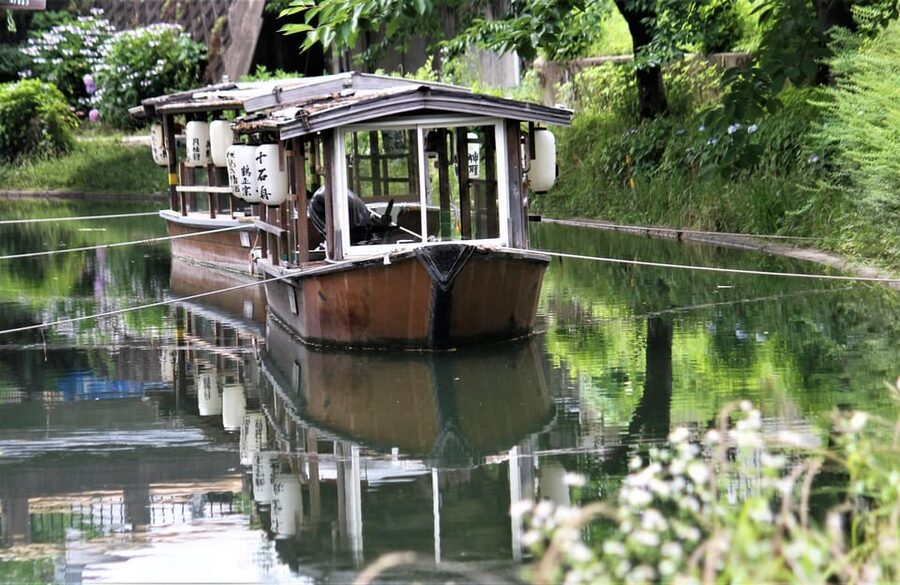
Fushimi Yume Hyakushu Cafe occupies the former Gekkeikan head office, built during the Taisho period. You spend about 35 minutes here, and the setting adds another layer to the tour. Instead of seeing only a production site, you get a sense of how a sake company used an older commercial building.
The stop includes sake ice cream. This is a small but memorable change from liquid tastings, and it gives you a chance to notice how sake flavors work with a sweet dessert. It is also a sensible pause before the final tasting session.
The building’s story connects the tour to Fushimi’s growth from the Edo period through the end of the Meiji era. Ships used the area as a logistics link between Fushimi and Osaka, carrying sake, rice, people, and other goods. The tour does not present Fushimi as a museum frozen in time. It shows how brewing, trade, buildings, and transport fit together.
A Jukkokubune boat ride is available in the area, but it is not included. You must pay 1,500 yen at the dock. The boat is a separate option, not a guaranteed part of the three-hour walking route, so ask about timing if you are considering it. One person felt the boat was not mentioned clearly enough, so do not assume it will be built into your tour.
Aburacho, the final test of your palate
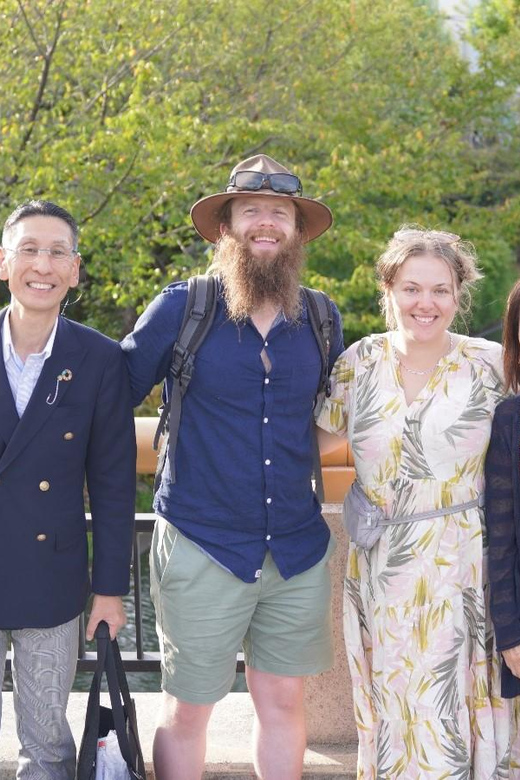
The tour ends at Ginjo Shubo Aburacho, where you spend about 40 minutes. This is the longest stop after the museum and the best place to put your tasting skills to work.
The included tasting set has three types of Japanese sake. You can compare them with the earlier Gekkeikan samples and think about which flavors suit you. This is where the tour should move beyond simply telling you that sake is made from rice. You want to know what is in your glass and why it tastes different.
Ask the guide or staff to identify each sample before you taste it. Ask which is sweeter, drier, lighter, fuller, more aromatic, or better suited to food. One booking reported receiving three samples without enough explanation, which is a useful warning for anyone new to sake. Do not be shy about asking for the names and characteristics.
The final stop also gives you a practical chance to choose a bottle if you find a style you enjoy. The tour finishes here rather than returning you to the station, so note the location before you start. You can continue exploring Fushimi afterward, but you will need to arrange your own way back.
What you get for $80
At $80 per person, this is not the cheapest way to sample sake in Kyoto. The price covers three hours with a live guide, admission to the Gekkeikan museum, the commemorative cup, three Gekkeikan samples, a Kyoto Beer, sake ice cream, and three more sake samples at Aburacho.
That package has real value if you want context. You are paying for a route through several related sites, not only for the alcohol in the glass. The museum, old commercial buildings, brewery alley, and transport history help explain why Fushimi became such an important sake district.
The value is weaker if your main goal is simply to drink. You will pay extra for food and drinks at the other stops, and the Jukkokubune ride costs another 1,500 yen. You could also walk parts of Fushimi on your own. The guide must provide useful explanations for the $80 to feel worthwhile.
This is why I would book it with a clear plan. Come ready to ask questions, especially during the two main tastings. If your guide gives detailed answers, the route offers a good introduction to sake. If the commentary is limited, the tour becomes an expensive escorted walk between places you could reach yourself.
Who will enjoy this Fushimi walk
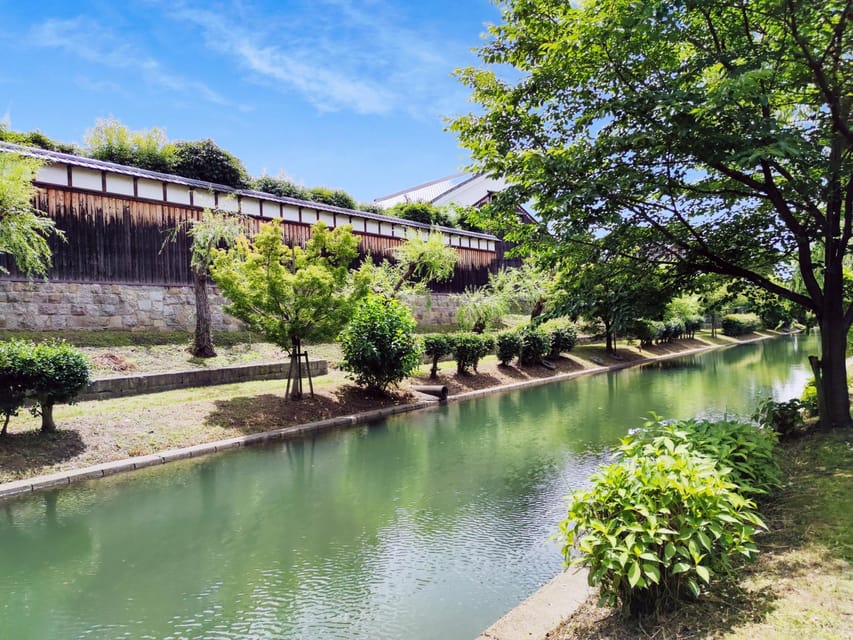
I would recommend it most to a first-time sake drinker who wants an easy introduction without planning several separate visits. You get a structured route, a local guide, a museum, several tasting points, and a bit of Fushimi’s past in one afternoon.
It also suits anyone who likes comparing drinks. The shift from sake to Kyoto beer and then sake ice cream keeps the experience varied. The final tasting at Aburacho is especially useful if you want to identify a style you might order or buy later.
The tour can also work for mixed-age groups. People under 20 may join, but Japanese law prohibits them from drinking alcohol. Non-alcoholic drinks and juices are available, so younger participants can still take part in the walking and cultural parts.
I would hesitate if you want a long production-floor visit or a highly technical class. The listed stops are short in places, and the guide’s level of explanation can shape the experience. It is also not suitable for people over 80, according to the activity information.
Free cancellation is available up to 24 hours before the start, and you can reserve while paying later. That helps if your Kyoto schedule is still changing, but it does not change the basic question of value: you need to want the history and guided structure, not only the samples.
Should you book the Fushimi sake tour?
Book this tour if you want a well-organized first look at Fushimi, especially if you are curious about how sake is made and want several samples without arranging the route yourself. The Gekkeikan museum, old brewery buildings, Kyoto Beer, sake ice cream, and final Aburacho tasting give the afternoon good variety.
Before you go, decide that you will participate actively. Ask what each sake is, how the flavors differ, and which foods suit it. If your guide is Musaki, also called Bob, you may get especially useful brewing insight from his past work.
Skip it if you prefer independent wandering, already know sake well, or expect every stop to offer a detailed brewery lecture. At $80, the guide’s explanations are central. For the right person, this is a friendly and flavorful way to meet Fushimi. For someone seeking only a few drinks, it is harder to justify.
FAQ
Where does the tour meet?
Meet at the sake barrel object just outside the north exit ticket gate at Chushojima Station. The guide will hold a sign marked 888. Do not confuse this with JR Sumiyoshi Station, which has the same station name.
How long does the tour last?
The tour lasts three hours. Starting times vary, so check availability when booking.
Which languages are available?
Live guiding is available in English, Chinese, and Japanese.
What sake tastings are included?
You receive a tasting set of three Japanese sake types at Gekkeikan and another set of three Japanese sake types at Aburacho.
Is beer included?
Yes. The tour includes one glass of Kyoto Beer at Kizakura Brewery.
Is the Jukkokubune boat ride included?
No. The boat ride costs 1,500 yen, payable at the boat dock.
Can someone under 20 join the tour?
Yes. Participants under 20 can join, but drinking alcohol is illegal under Japanese law. Non-alcoholic drinks and juices are available.
More Food and Drink Tours in Kyoto
- Bangkok by Night: Temples, Markets and Food Tuk-Tuk Tour
★ 5.0 · 3,752 reviews - Bangkok: Markets, Temples and Food Night Tour by Tuk Tuk
★ 4.9 · 2,371 reviews - 1-Day Snow Monkeys, Zenko-ji Temple & Sake in Nagano
★ 5.0 · 1,020 reviews - Nagano: Snow Monkeys, Zenkoji Temple & Sake Day Trip
★ 4.9 · 833 reviews
More Brewery Visits in Kyoto
Just added around Kyoto
- Osaka/Kyoto: Katsuoji, Kinkakuji, Arashiyama 1-Day Bus Tour★ 4.6 · 33 reviews
- Kyoto:Kiyomizu-dera Temple Rent a kimono and ride a rickshaw★ 4.8 · 7 reviews
- Kyoto: Wagashi (Japanese sweets) Cooking near Fushimiinari★ 5.0 · 40 reviews
- Kyoto: Kimono/Yukata Rental 5 Minute from Kiyomizu-dera★ 4.7 · 89 reviews
- Kyoto Fushimiinari:Wagashi Making & Small Group Tea Ceremony★ 5.0 · 14 reviews
- Kyoto: Samurai Sword & Kimono Action Filming Experience★ 4.8 · 78 reviews
- KYOTO: Tempio Kiyomizu Pagode Gion “Geisya” (Guida Italiana)★ 4.7 · 17 reviews
- Best of Kyoto: Red Gates of Fushimi Inari & Kiyomizu Temple★ 4.8 · 36 reviews
Fushimi Inari Shrine Tours, compared.
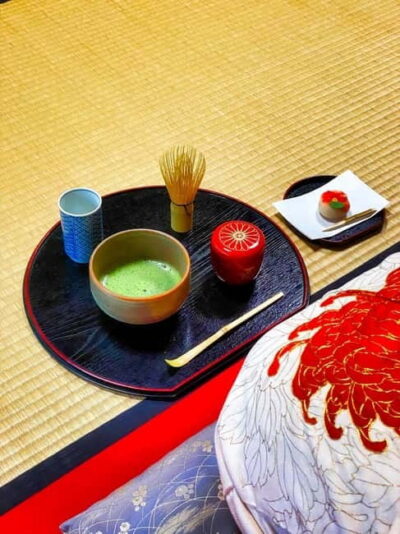
Tea Ceremony in a Traditional Tea House in Kiyomizu
Read our review →
Fushimi Inari Hidden Hiking Tour (Private Option Available)
Read our review →
Osaka/Kyoto:Kinkakuji,Arashiyama,FushimiInariShrine,NaraPark
Read our review →
Kyoto/Osaka: Nara, Fushimi Inari Taisha, Arashiyama Bus Tour
Read our review →
Osaka/Kyoto: Arashiyama, Nara & Fushimi Inari Shrine w/Lunch
Read our review →
Nijo Castle, Kiyomizu & Fushimi Inari Guided Tour
Read our review →
Browse the lists this tour appears in