
REVIEW · FUSHIMI INARI SHRINE TOURS
Kyoto: Fushimi Inari Shrine and Tofukuji Temple E-Bike Tour
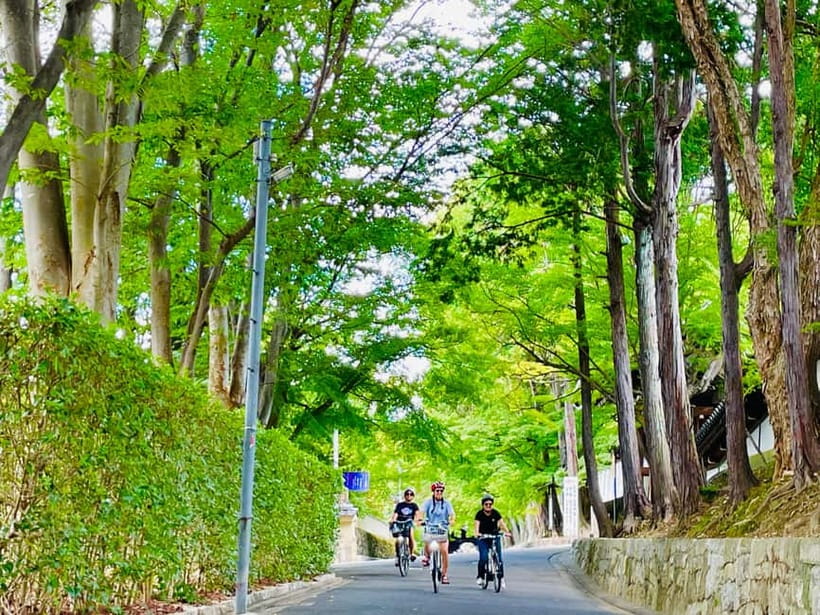
Fushimi Inari Shrine is the headline, but the best part of this four-hour ride is how you get there. You pedal through Gion, quiet residential streets, river paths, and less-visited shrines instead of simply arriving by train with the crowds. Maki’s warm storytelling ties together geisha customs, samurai history, daily life, Shinto, and Buddhism.
I like two things right away: the electric bikes make Kyoto’s occasional slopes manageable, and the small group, limited to eight people, keeps the ride personal. Maki also takes photos, pauses often, and welcomes questions. The main consideration is time. You cover a lot of ground, so you may want more time at Fushimi Inari itself.
Key points
- A better route to Fushimi Inari: Reach Kyoto’s famous shrine by cycling through Gion, suburbs, riverside paths, and quieter temple areas.
- Maki is central to the experience: Expect clear English, local stories, humor, cultural explanations, and careful direction on city roads.
- Easy electric cycling: The bikes help on steeper sections and when your legs begin to tire, though you still need to be comfortable riding.
- Two religions in one morning or afternoon: Learn how Shinto shrine customs differ from Buddhist temple practice at Fushimi Inari and Tofukuji.
- A small-group format: With no more than eight participants, stops feel more manageable and questions are easier to ask.
- A four-hour introduction to Kyoto: This suits you if you want culture and sightseeing without spending a full day inside temples and shrines.
Why this Kyoto e-bike route works
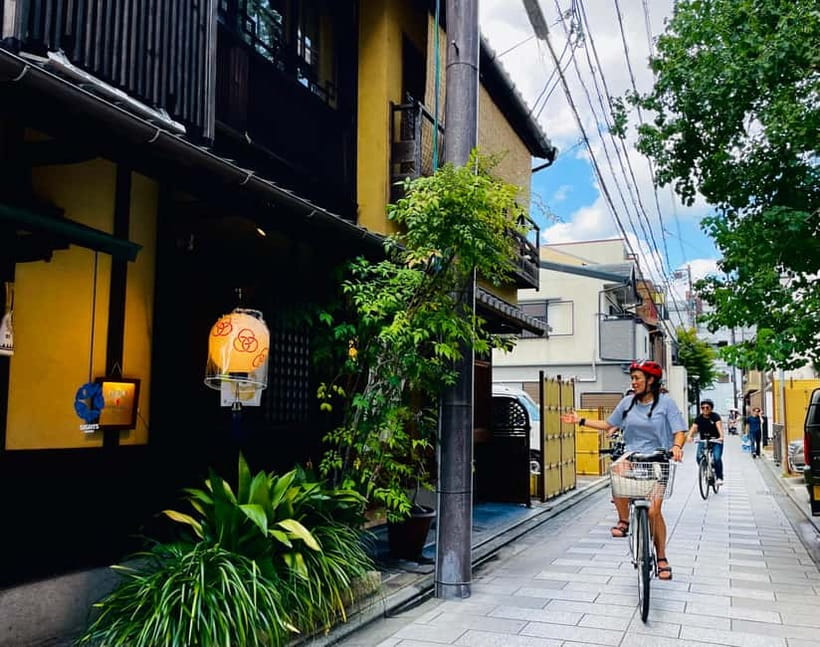
Kyoto can be awkward to explore. The famous sites are spread out, buses fill quickly, and walking between them takes time. An e-bike solves part of that problem while giving you a closer look at ordinary streets and local neighborhoods.
This tour begins at Pedal Adventure Kyoto, near Higashiyama-Sanjyo. You first receive an orientation to riding in Japan, learn how the electric assistance works, and get a helmet. That short introduction matters, especially if you are not used to cycling on the left side of the road or riding in a city.
The route is not presented as a race. You ride in a group, stop regularly, and follow Maki’s directions through quieter streets and busier sections. Several people found the cycling easy, even when they had worried about keeping up. Still, you should be comfortable on a bicycle and ready for a mix of cycling and walking.
More Fushimi Inari Shrine Tours in Kyoto:
- Kyoto: Tea Ceremony in a Traditional Tea House in Kiyomizu
★ 4.9 · 3,519 reviews - Fushimi Inari Hidden Hiking Tour (Private Option Available)
★ 5.0 · 1,750 reviews - Osaka/Kyoto:Kinkakuji,Arashiyama,FushimiInariShrine,NaraPark
★ 4.1 · 1,596 reviews
Gion reveals more than geisha folklore
The ride through Gion gives you an early lesson in how Kyoto presents its traditions. Maki explains geisha culture and local customs while you move through one of the city’s best-known historic districts.
Gion can feel polished and crowded around its most famous lanes, but the value here is not just seeing a pretty street. You get context for the customs you will notice during the rest of your time in Japan. Maki’s explanations connect visible details with the wider culture, rather than leaving you to guess what a doorway, ritual, or shrine practice means.
The route also moves beyond the postcard version of Kyoto. You pass through residential areas and see the quieter side of the city, including streets where people live and work. That change of pace is important. You are not spending four hours moving from one major sight to another. You are also seeing how Kyoto functions between the headline attractions.
Because the group is small, you can ask questions as you go. Maki is especially good at mixing personal stories with history and customs, which helps keep the explanations from feeling like a memorized lecture. Her humor is part of the appeal, but the information remains the main point.
Fushimi Inari, approached by bicycle
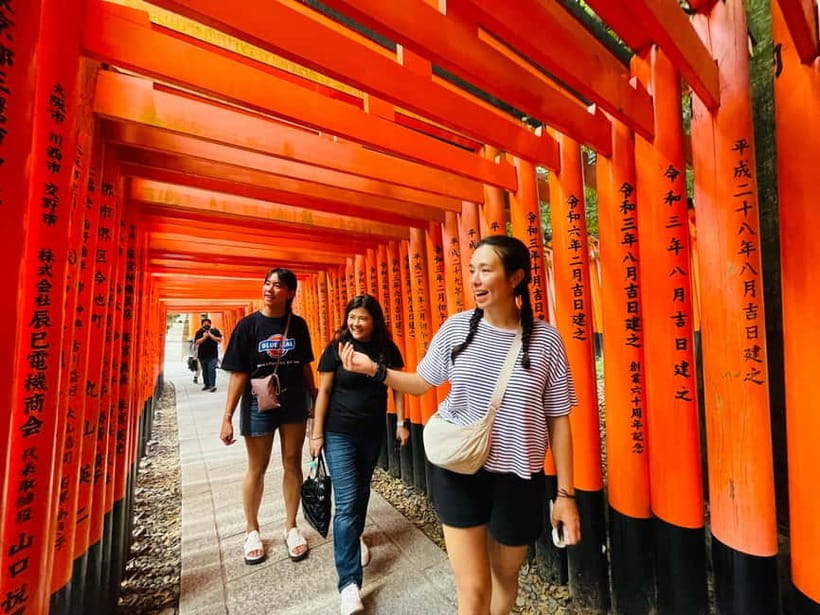
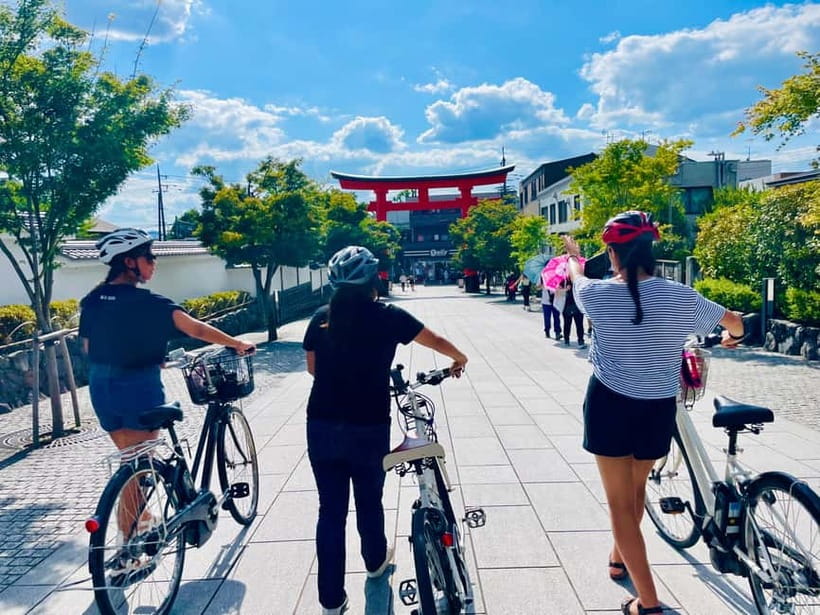
Fushimi Inari Shrine is Kyoto’s most famous stop on this route and one of Japan’s best-known religious sites. Its rows of orange torii gates climb the wooded slopes behind the main shrine buildings, creating the image most people associate with the site.
The tour gives you an introduction to the shrine and to Shintoism. That makes a real difference. Without guidance, it is easy to treat Fushimi Inari as a dramatic photo setting and miss the meaning of the rituals, gates, and worship practices around you.
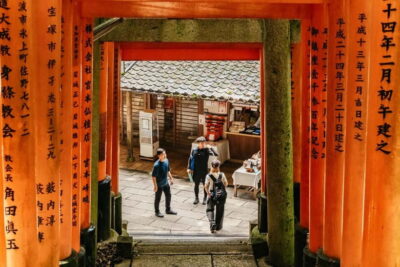
You should expect some walking here. The tour is not only an e-bike ride, and the shrine area can be busy. The main gates and lower paths attract many people, so Maki’s explanations help you focus on what you are seeing rather than simply following the crowd.
There is one practical trade-off. Four hours must also include the ride from central Kyoto, Gion, other stops, Tofukuji, and the return journey. One participant wanted more time at Fushimi Inari, and that is a fair point. If your main goal is to walk far up the torii-covered mountain, plan a separate visit. If you want to understand the shrine and include it in a wider Kyoto route, this format works well.
Arriving by bicycle also changes the experience. You see the transition from central Kyoto to the southeastern part of the city instead of appearing suddenly at the station. The journey becomes part of the sightseeing.
Tofukuji offers a quieter pause
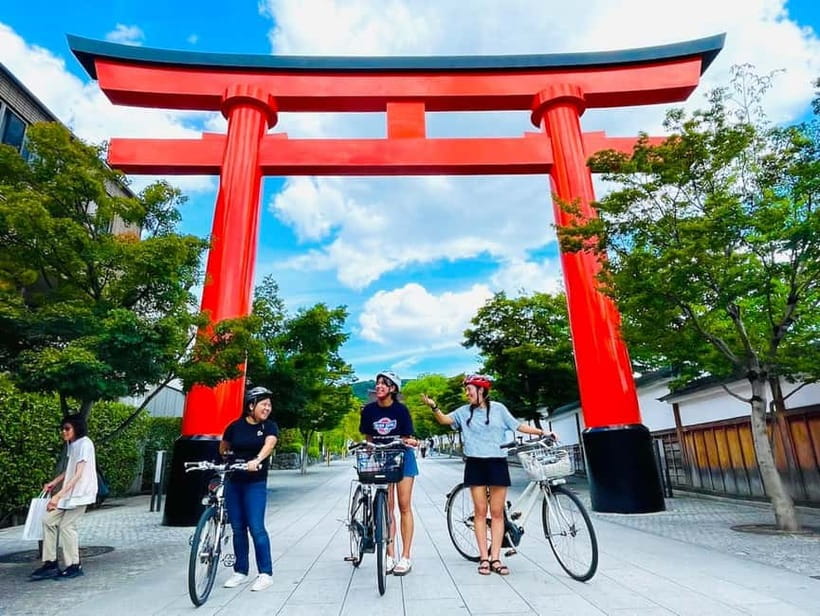
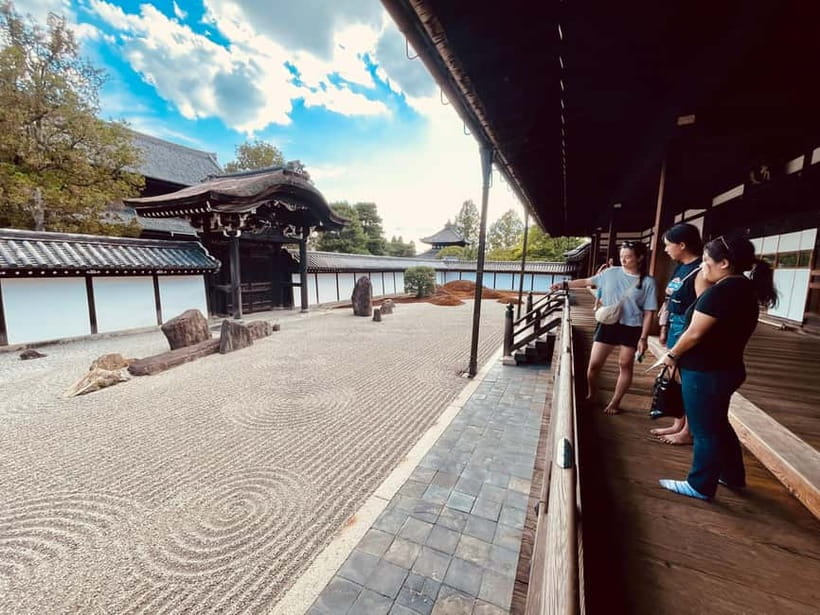
Tofukuji Temple provides a useful contrast to Fushimi Inari. After the shrine’s strong visual impact, the temple gives you space to slow down and consider Buddhist practice.
The Zen garden is the key stop here. You have time to sit, look, and enjoy a calmer setting rather than rushing through another landmark. This pause is one of the strongest parts of the route for anyone who feels that temple visits can blur together after a few hours.
Maki explains the difference between Shinto shrines and Buddhist temples, helping you understand why both traditions are present in Kyoto and how their customs differ. That comparison is more useful than a list of names and dates. It gives you a framework for recognizing what you see later on your own.
The temple stop also makes the itinerary feel balanced. Fushimi Inari is active, famous, and highly photographed. Tofukuji is more reflective. Together, they show two different sides of religious Kyoto.
More Cycling Tours in Kyoto:
- Kyoto: Hidden Gems E-Bike Tour Through Backstreets & Temples
★ 4.9 · 54 reviews - Kyoto: Half-day Guided Bike Tour with Fushimi Inari
★ 4.9 · 21 reviews - Bangkok: Temples, Canals & Local Life Bike Tour
★ 4.9 · 3,511 reviews - Bangkok: Night Bike Tour with Temples & Flower Market Visit
★ 4.8 · 751 reviews
The cycling itself is part of the sightseeing
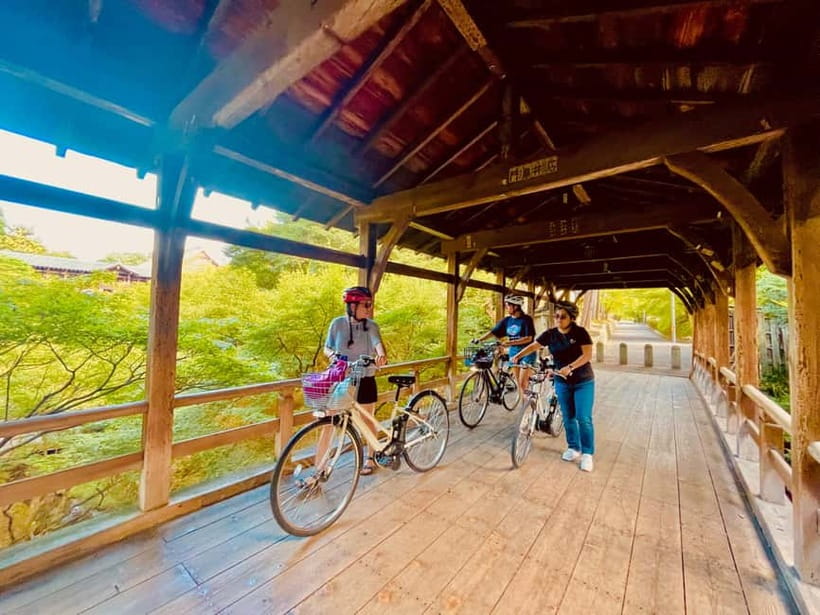
The e-bikes are not just a way to save energy. They let you connect several parts of the city in a half day without turning the experience into a hard physical workout.
The bikes are described as clean, sturdy, and well maintained. Electric assistance is particularly useful on steeper sections and late in the ride, when you may already have spent hours cycling and walking. You still pedal, but the motor reduces the strain.
Maki begins with basic road guidance and leads the group through a mixture of side streets and busier roads. Several riders specifically felt safe under her direction. That does not mean the ride is risk-free or suitable for everyone. You need to pay attention, follow instructions, and remain comfortable around city traffic.
The route includes scenic stretches along rivers and creeks. The ride back toward the shop, including a riverside section, is often described as a pleasant way to finish. After the temple visits and city streets, the water and open views give the final part a lighter feel.
You should wear comfortable clothing and shoes. Sunscreen is sensible on sunny days, and a water bottle is useful even though water is included. A camera is also worth bringing, particularly because Maki is happy to take group and family photos.
Maki makes the history easy to follow
The strongest thread through this experience is Maki’s guiding style. She speaks English well, explains clearly, and uses humor without turning the tour into a comedy act. Her approach is personal: alongside formal history, she shares stories about Japanese life and customs.
She also uses visual material, including a binder with pictures, to explain some subjects. That can help when you are trying to understand a building, historical figure, or ritual while standing in a busy public place.
Maki’s range is broad. You may discuss:
- Geisha culture and Kyoto customs
- Shinto beliefs and shrine etiquette
- Buddhist temples and Zen gardens
- Samurai battles and Japanese history
- Local infrastructure and daily life
- Traditions that may not be obvious to a first-time visitor
The guide’s attitude matters on a bicycle tour because the group is moving constantly. You need someone who can give instructions, manage stops, watch the roads, and still keep the cultural side interesting. Maki’s care with the group is repeatedly reflected in the experience, including helping with photos and answering questions.
One small point to keep in mind is that explanations are usually given after the group stops. Riders spread out while cycling, so you need to gather around Maki to hear everything. One person suggested a microphone and earpiece, which could help in a larger group or noisy area. With a maximum of eight people, this is usually manageable, but stay close at stops.
What the four-hour timing means
Four hours is a smart length for this particular route. You get a real introduction to Kyoto without committing a full day to cycling, and the pace leaves room for temple visits, questions, photos, and short breaks.
The experience includes a snack and water bottle, along with the electric bicycle, helmet, insurance, and entrance fees for two places. Those inclusions make the $83 price easier to assess. You are paying for equipment, a local guide, admission, and a carefully planned route, not simply for bicycle rental.
I consider the price reasonable if you value explanation and convenience. You could visit Fushimi Inari on your own for less, but you would need to plan the route, manage the roads, interpret the religious customs, and find your own way to the quieter areas. The tour’s value comes from combining transport, sightseeing, and cultural guidance in one half day.
Lunch is not included, so plan to eat before or after the ride. Hotel pickup and drop-off are also not included. You make your own way to Pedal Adventure Kyoto near Higashiyama-Sanjyo.
Starting times vary, so check availability when booking. Free cancellation is available up to 24 hours in advance, and the reserve-now, pay-later option gives you some flexibility while arranging a Kyoto itinerary.
Who should book this ride
This tour suits first-time visitors who want a broad introduction to Kyoto. It is also a good choice if you enjoy cycling but do not want a demanding full-day route.
Families with teenagers can do well here. The stated minimum age is 12, and several families with teenagers enjoyed the combination of movement, stories, and famous sights. Children younger than 12 cannot join, and the activity is not suitable for pregnant women or people with mobility impairments.
You should choose another format if you want long, quiet visits at every temple or an extended climb through the torii gates at Fushimi Inari. This is a moving tour with several stops, not a slow study of one shrine.
It also works well early in a Kyoto visit. Maki explains what you are looking at, how shrine and temple customs differ, and how local life fits around the major sights. Afterward, you will have a better base for exploring Kyoto independently.
My verdict on the Pedal Adventure Kyoto tour
I would book this tour if I wanted to see Fushimi Inari but also hoped to understand more of Kyoto than its famous photographs. The route, the e-bikes, and the small group make the city easier to cover, while Maki adds the cultural detail that independent sightseeing often misses.
Book it for the mix of quiet streets, major shrines, local stories, and manageable cycling. Do not book it expecting unlimited time at Fushimi Inari or a completely traffic-free ride. You will need to stay alert, keep with the group, and accept that the itinerary favors variety over depth.
At $83, the tour offers solid value for a four-hour experience, especially with equipment, insurance, water, a snack, admissions, and a live English-speaking guide included. For a lively first look at Kyoto, this is a practical and enjoyable choice.
FAQ
How long is the Kyoto e-bike tour?
The tour lasts four hours. It includes cycling, walking, cultural explanations, temple and shrine visits, photo opportunities, and rest stops.
Where does the tour meet?
The meeting point is Pedal Adventure Kyoto, near Higashiyama-Sanjyo. Hotel pickup and drop-off are not included.
Which places does the tour visit?
The route includes Gion, Fushimi Inari Shrine, and Tofukuji Temple. It also passes through residential areas, quieter shrines and temples, riverside routes, and other parts of Kyoto.
Is the guide available in English?
Yes. The tour includes a live English-speaking guide. Maki leads the experience and explains Japanese history, customs, religion, geisha culture, and local life.
What is included in the price?
The price includes the local guide, electric bicycle, helmet, insurance, snack, water bottle, and entrance fees for two places. Lunch is not included.
What should I bring?
Wear comfortable clothing and shoes suitable for cycling and walking. Bring sunscreen, a water bottle, and a camera. Water is included, but carrying your own bottle is recommended for hydration.
Who cannot take part in the tour?
The activity is not suitable for children under 12, pregnant women, or people with mobility impairments. You should also be comfortable riding a bicycle and following road directions.
More E-Bike Rides in Kyoto
- Angkor Sunrise Bike Tour / E-Bike or Tuk Tuk
★ 5.0 · 615 reviews - E-Bike Nara Highlights – Todaiji, Knives, Deer, Shrine
★ 4.8 · 186 reviews - Morning Monastery E-bike Tour
★ 5.0 · 71 reviews - From Siem Reap: Angkor Wat Sunrise and Temples E-Bike Tour
★ 5.0 · 52 reviews
Just added around Kyoto
- Osaka/Kyoto: Katsuoji, Kinkakuji, Arashiyama 1-Day Bus Tour★ 4.6 · 33 reviews
- Kyoto:Kiyomizu-dera Temple Rent a kimono and ride a rickshaw★ 4.8 · 7 reviews
- Kyoto: Kimono/Yukata Rental 5 Minute from Kiyomizu-dera★ 4.7 · 89 reviews
- Kyoto: Wagashi (Japanese sweets) Cooking near Fushimiinari★ 5.0 · 40 reviews
- Kyoto Fushimiinari:Wagashi Making & Small Group Tea Ceremony★ 5.0 · 14 reviews
- Kyoto: Samurai Sword & Kimono Action Filming Experience★ 4.8 · 78 reviews
- KYOTO: Tempio Kiyomizu Pagode Gion “Geisya” (Guida Italiana)★ 4.7 · 17 reviews
- Best of Kyoto: Red Gates of Fushimi Inari & Kiyomizu Temple★ 4.8 · 36 reviews
Fushimi Inari Shrine Tours, compared.
Tea Ceremony in a Traditional Tea House in Kiyomizu
Read our review →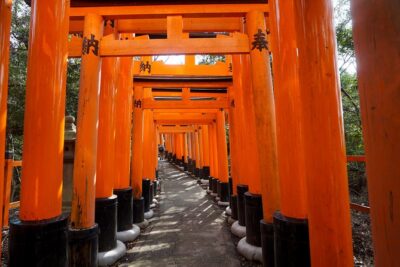
Fushimi Inari Hidden Hiking Tour (Private Option Available)
Read our review →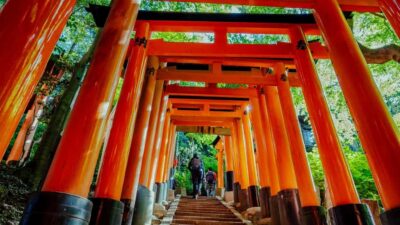
Osaka/Kyoto:Kinkakuji,Arashiyama,FushimiInariShrine,NaraPark
Read our review →
Kyoto/Osaka: Nara, Fushimi Inari Taisha, Arashiyama Bus Tour
Read our review →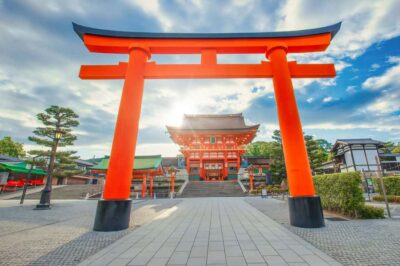
Osaka/Kyoto: Arashiyama, Nara & Fushimi Inari Shrine w/Lunch
Read our review →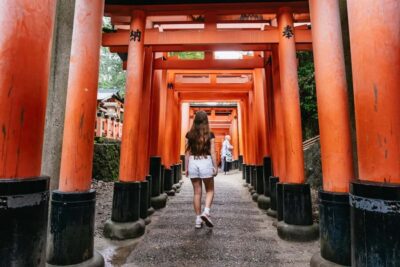
Nijo Castle, Kiyomizu & Fushimi Inari Guided Tour
Read our review →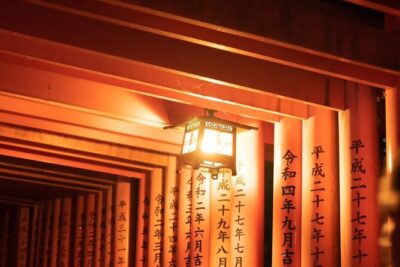
Browse the lists this tour appears in