
REVIEW · KYOTO TEMPLE TOURS
KYOTO-NARA: Giant Buddha Deer Pagoda “Geisya” (Italian, full day)
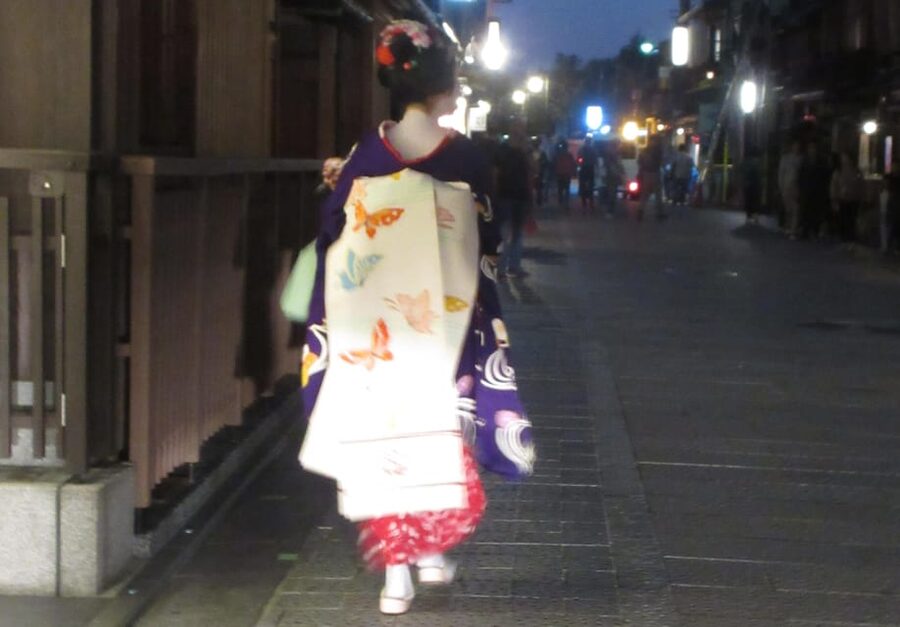
Nara’s giant Buddha and free-roaming deer make a memorable morning, but this tour gives you more than a quick temple stop. You also get a guided walk to Kiyomizu-dera and through Kyoto’s Gion-kobu area, where Maiko and Geiko artists work.
I like the clear Italian-language guidance and the practical help with trains, buses, temples, and questions along the way. I also like the small group, limited to 15 people, which leaves room for photography and personal requests. The main drawback is the long day and fairly brisk schedule, especially if you want unhurried time at both Nara and Kiyomizu-dera.
Key points at a glance
- Omae’s Italian guidance: A Japanese guide who lived in Italy for more than a decade has been praised for fluent Italian, humor, local stories, and patient answers.
- Two major temple visits: The day includes Todai-ji in Nara and Kiyomizu-dera in Kyoto, with entrance fees and scheduled transport included.
- Nara’s tame deer: Deer roam freely around the temple park, and you can buy special crackers to feed them.
- A useful Kyoto to Nara combination: You cover two historic cities in one day without arranging the trains, buses, and temple admissions yourself.
- Gion without overpromising sightings: You walk through the Gion-kobu area, connected with professional Maiko and Geiko artists, but the itinerary does not promise a performance or a guaranteed encounter.
- Flexible, small-group format: The provider can adjust timing and itinerary details on request when practical, and assistance is available throughout the day.
Why this Kyoto and Nara day works
This is a good choice if you have one free day in Kyoto and want to see two of the area’s most important cultural sights. Nara supplies the big visual moment: Todai-ji’s enormous Buddha hall and the deer that wander through the surrounding park. Kyoto supplies the more layered afternoon, with a pilgrimage route, temple views, shops, and Gion streets.
The tour costs $176 per person. That is not a budget outing, but the price includes the planned train and bus fares, admission to the listed monuments, and a full day of live Italian guidance. You are paying for convenience as much as sightseeing. The guide handles the connections and adds historical, religious, and cultural explanation that can be hard to piece together on your own.
The value is strongest for first-time visitors, Italian speakers, and anyone who does not want to manage Japanese transport on a packed day. It is less compelling if you already know Kyoto and Nara well, speak Japanese comfortably, or prefer to set your own pace at every temple.
More Full-Day Trips in Kyoto:
- Kyoto: Nara, Todaiji, Kasuga Taisha Shrine Private Full Day
★ 4.9 · 18 reviews - Siem Reap: Full-Day Angkor Wat Guided Tour with Sunset
★ 4.9 · 3,803 reviews - Full-Day Angkor Wat Sunrise Private Tour with Guide from Siem Reap
★ 5.0 · 2,920 reviews
Starting at Kyoto Station
The meeting point is in the open space between the four escalators in front of the taxi terminal, not the bus terminal. It is just outside the north central entrance to Kyoto Station, on the east side.
Use Kyoto Tower as your visual check. From the meeting point, you should see the tower in front of the station toward the upper left, not the right. This detail matters because Kyoto Station is large, and a vague meet-me-at-the-station instruction would not be much help.
You receive confirmation and more precise meeting details the day before. Still, give yourself time to find the correct exit and terminal area. The day begins with a 45-minute train ride to Nara Station, followed by a 15-minute bus ride to the temple area.
That first train ride is practical rather than scenic. Its importance is that you can settle into the day while your guide explains what is ahead. Since the day uses public transport, you should expect transfers and walking rather than a private vehicle waiting at each stop.
Todai-ji and Nara’s enormous Buddha
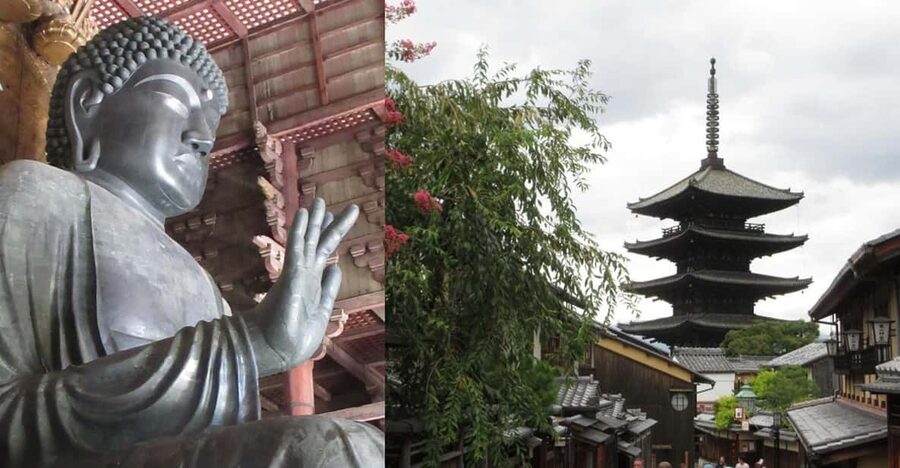
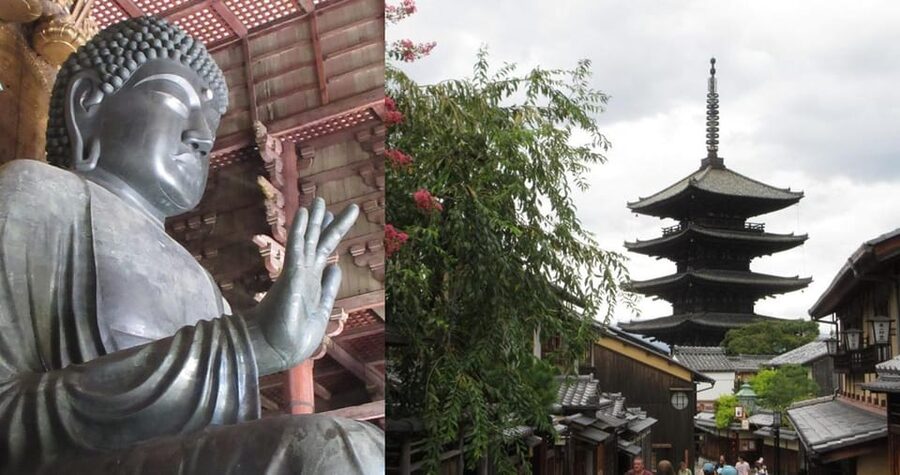
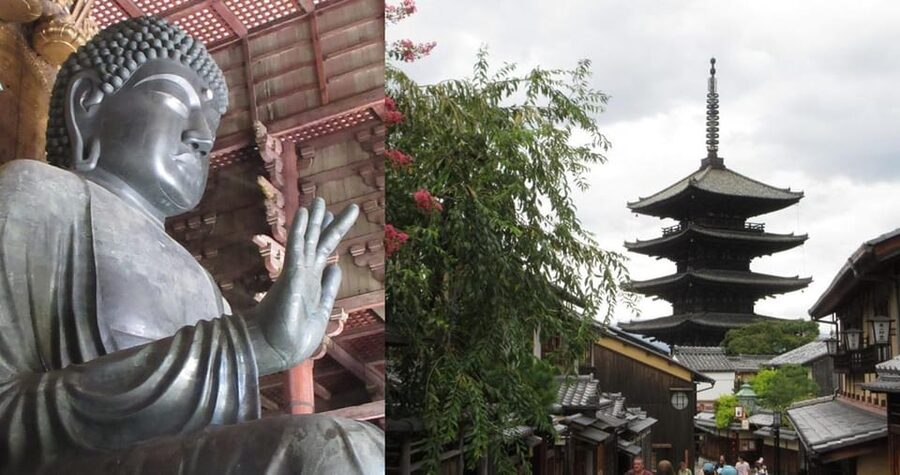
Todai-ji is the morning centerpiece. You get about 90 minutes for a guided visit, sightseeing, and some shopping. The temple is famous for its giant Buddha statue, one of Japan’s largest, and the surrounding monuments include sites designated as national treasures.
The scale is the point. The Buddha is not an intimate statue tucked into a quiet side chapel. It is a grand religious work presented in a vast temple setting, and the guide helps connect the building, statue, and Buddhist practice. That context gives the visit more weight than a quick photo stop.
The tour description promises explanations of popular Buddhist devotion, local stories, and details not usually found in basic guidebooks. The strongest praise for the guide, Omae, centers on this kind of interpretation. He has been described as explaining monuments clearly in polished Italian, adding mythological legends, and answering questions without rushing people through every stop.
You also get some free time to look around and take photographs. That balance matters. A guide who speaks continuously can turn a temple into a lecture, while a guide who says too little leaves you staring at an impressive building without understanding it. The available feedback suggests Omae usually gives participants both explanation and breathing room.
Ninety minutes is enough for the main temple visit, but it is not a leisurely half-day exploration of Nara Park. If you want to inspect every corner, browse at length, or linger over photographs, you may find the schedule tight. The tour is designed to give you the major experience before moving on.
Meeting Nara’s free-roaming deer
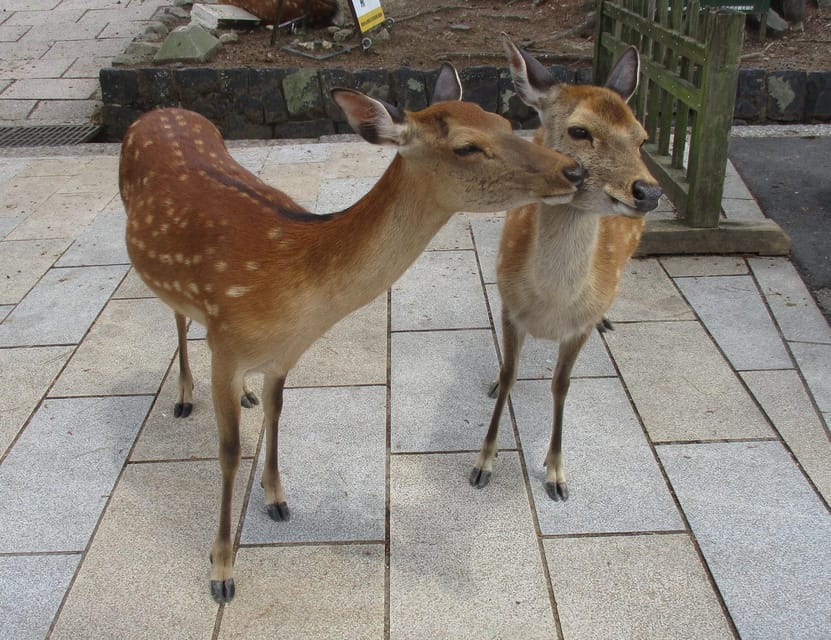
The park around Todai-ji is home to numerous tame deer. They move among the paths and public spaces, creating one of Nara’s most recognizable scenes. You can buy special crackers from designated stalls and feed them.
This is a charming part of the morning, but treat it as an animal encounter rather than a petting-zoo visit. The deer are accustomed to people, yet you should still follow the guide’s instructions and handle the food sensibly. The appeal comes from seeing these animals sharing a historic city park with residents and visitors.
The deer also make Nara feel different from Kyoto. Kyoto’s famous sights are often defined by gates, lanes, gardens, and temple buildings. Nara adds open space and animals directly into the visit. You get a change of rhythm after the enclosed grandeur of Todai-ji.
The walk to nearby Ukimido takes about five minutes, followed by roughly ten minutes at the site. Ukimido is included as a short visit and walk, with some of it listed as passing by. Think of it as a brief scenic pause within the Nara portion, not a second major temple tour.
A few more temple visits around Kyoto worth a look
- Kyoto: Tea Ceremony Ju-An at Jotokuji Temple
★ 4.9 · 3,207 reviews - Kyoto/Osaka: Nara, Fushimi Inari Taisha, Arashiyama Bus Tour
★ 4.7 · 1,275 reviews - Arashiyama Bamboo, Temple, Monkeys, or Secret Sake Brewery
★ 4.8 · 886 reviews - Kyoto: Arashiyama Bamboo Forest, Monkeys, Matcha & Temple Tour
★ 5.0 · 759 reviews
Returning to Kyoto for a useful break
After the Nara visits, you take a 45-minute train back to Kyoto Station. The schedule includes about an hour of break time there before the afternoon portion begins.
This break is welcome. Nara and Todai-ji involve walking, and the day continues on foot in Kyoto. Use the pause to eat, buy a drink, or simply reset before the Kiyomizu-dera climb and Gion walk.
The supplied details do not specify a restaurant or included lunch, so plan for your own meal during this break. That gives you freedom, but it also means the $176 price does not cover lunch.
The return to Kyoto helps the day feel organized rather than like a long one-way excursion. You begin and finish in Kyoto, with the ancient capital of Nara placed neatly into the morning.
Walking the route to Kiyomizu-dera
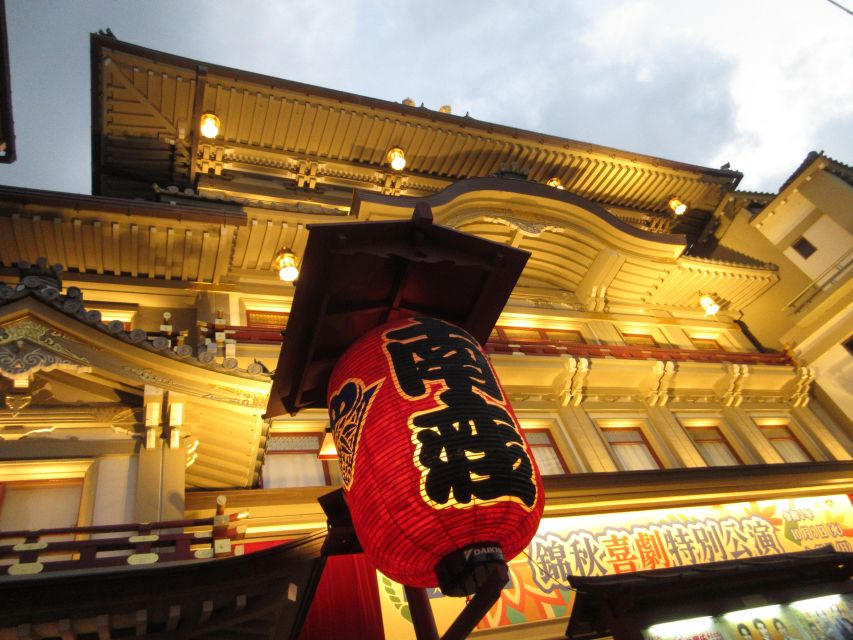
The afternoon begins with a 15-minute bus ride, followed by about 15 minutes on foot to Kiyomizu-dera. The approach follows old pilgrimage routes that developed from the eighth century to the present day.
This route is part of the experience, not just a way to reach the temple. The streets are lined with souvenir shops, sweet shops, bars, and other small businesses aimed at visitors of all ages. You get a sense of how a religious approach has also become a popular public district.
That commercial side is worth understanding before you arrive. You should not expect an untouched historic lane. The route offers plenty to browse and eat, but it can also feel busy and tourist-focused. The guide’s role is useful here because you can separate the important religious features from the shopping frontage.
Kiyomizu-dera receives about an hour of guided attention. The temple is one of Kyoto’s essential visits, and the guide explains the historical, cultural, and religious details behind the buildings and route. An hour is enough to cover the principal sights, but again, this is a highlights visit rather than a slow architectural study.
You should also expect walking and some uneven or inclined sections on the approach. The activity is listed as wheelchair accessible, but the route includes bus travel and walking, so discuss your exact needs with the provider before booking. The available information confirms accessibility, but it does not give detailed information about every surface or transfer.
Gion-kobu and the world of Maiko and Geiko
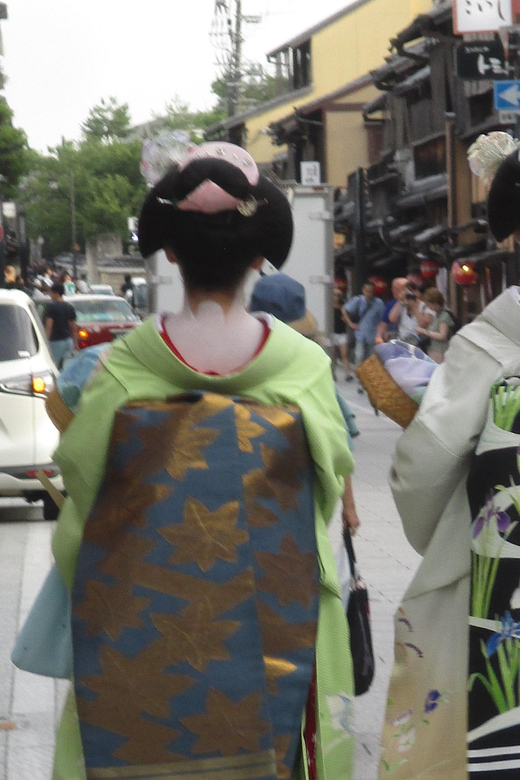
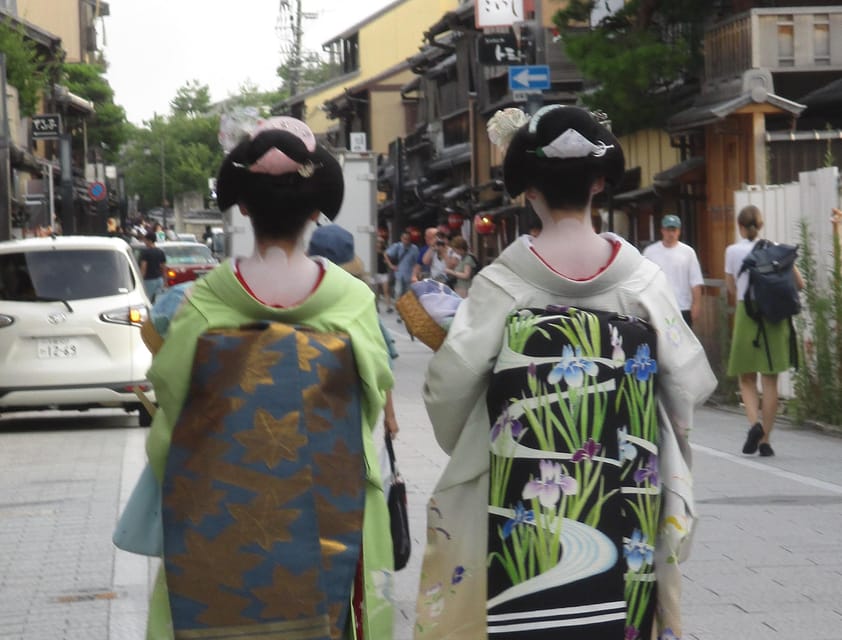
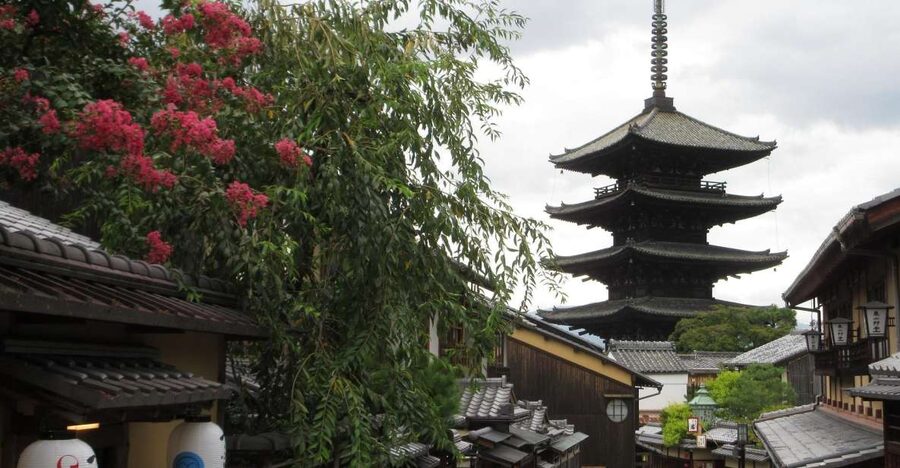
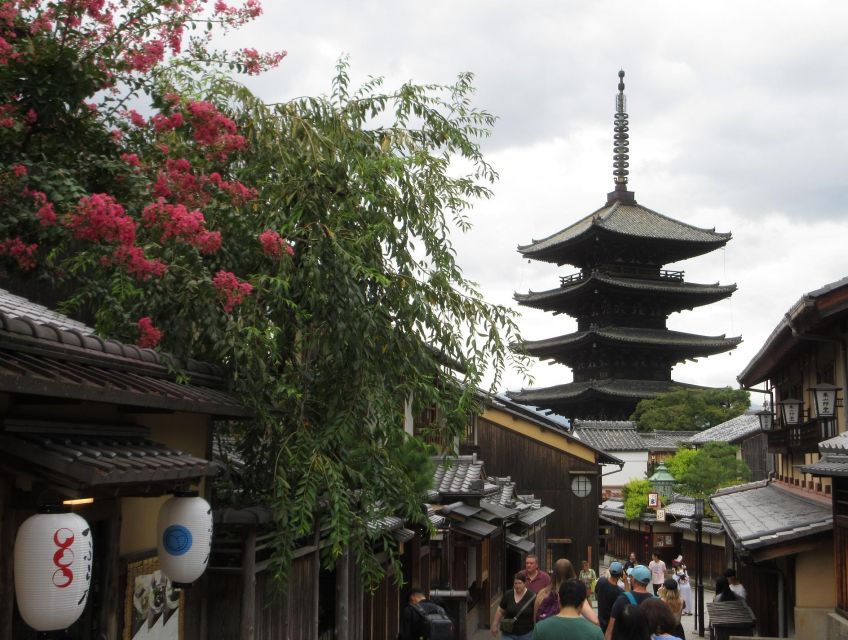
From Kiyomizu-dera, the group walks for about 20 minutes to Gion, then spends around 20 minutes on a guided visit. A final ten-minute walk brings you to Pontocho, where the tour finishes.
Gion-kobu is associated with professional Maiko and Geiko artists. The word Geisya appears in the tour description, but Maiko and Geiko are the more useful terms to know when discussing Kyoto’s traditional entertainment districts.
The area offers cultural context, not a staged show. You may see signs, buildings, lanes, and working districts connected with this tradition, but no performance or guaranteed meeting with an artist is included. That distinction is important. Treat the neighborhood as a place where people work, not as a set for photographs.
The 20-minute guided visit is short. It gives you an introduction and helps you understand why Gion matters, but it will not cover every lane or explain the entire world of Kyoto’s traditional arts. If Gion is your main reason for booking, you may want extra independent time after the tour, assuming your schedule permits.
Ending at Pontocho is convenient for an evening meal or further exploration, but the tour does not include dinner. The finish also means you are not returned to Kyoto Station by the guide. Plan your next move before you leave the group.
The Italian guide makes the difference
The strongest part of this experience is the guide. Omae has received repeated praise for fluent Italian, warmth, humor, and a strong grasp of the places visited. He is Japanese and lived in Italy for more than a decade, which helps explain why participants describe his Italian as exceptionally polished.
That language support is valuable at temples. You are not merely translating names and dates. You are asking why people pray in a certain way, what a legend means, and how a religious building fits into Japanese life. Good interpretation turns those questions into part of the visit.
The guide also provides practical assistance during the day. That includes help with the scheduled transport and support if you have questions or reasonable requests. The group is limited to 15 people, which should make it easier to hear explanations and ask for clarification than on a large coach tour.
The information also says that itineraries and schedules can be adjusted on request as far as practical. Do not read this as a private custom tour with unlimited changes. The day still depends on train, bus, temple, and group timing. But the option is useful if you have a specific need or want to discuss pacing before the tour.
Timing, walking, and group size
The full day combines train rides, bus rides, and several walking sections. The listed movement includes 45 minutes by train each way, 15-minute bus rides in both Kyoto and Nara, and walks of five, ten, 15, 20, and ten minutes at different points.
Those figures do not include every step taken inside temple grounds or around the park. Wear comfortable shoes and expect a full sightseeing day. The schedule is not extreme, but it is active.
The small group helps. Fifteen people is enough to keep the outing social without turning every stop into crowd management. You still need to stay with the group and respect the fixed departure times, especially after the Nara visit and Kyoto Station break.
Past ratings average 4.7 from 15 reviews, with the clearest praise going to the guide’s Italian, preparation, humor, and ability to explain legends. One lower-scoring response felt the program could have been fuller for the time and cost. That is a fair warning: the tour covers a lot, but it does so through selected highlights.
Who should book this day
I would point this tour toward Italian-speaking visitors who want cultural explanation, transport help, and a well-planned first look at Nara and Kyoto. It also suits families and couples who prefer a guide’s structure but still want some independent time for photos and browsing.
It is a particularly good fit if you are nervous about using Japanese trains and buses or want to ask questions in Italian throughout the day. The included fares and admissions remove several small decisions, and the guide can offer free practical information about traveling elsewhere in Japan.
You may want another option if you dislike fixed schedules, want a long lunch, or plan to spend half a day at only one temple. The Nara deer and Todai-ji receive the most time in the morning, while Kiyomizu-dera and Gion are covered in shorter blocks.
Should you book it?
Book this tour if you want the major Nara sights plus two important Kyoto areas in one organized day, especially with Italian guidance. The guide’s language ability and personal explanations appear to be the main reason to choose it, while the included transport and admissions make the $176 price easier to justify.
Skip it if you already know the temples, prefer independent wandering, or want long, quiet visits. For everyone else, this is a strong first-day cultural overview, with enough local explanation to make the famous sights more meaningful and enough free space to keep the experience from feeling completely scripted.
FAQ
Where does the tour start?
It starts at Kyoto Station, in the space between the four escalators in front of the taxi terminal, just outside the north central entrance. Kyoto Tower should appear in the upper left from this position.
Where does the tour finish?
The tour finishes at Pontocho after the Gion visit and a final walk of about ten minutes.
Is the tour conducted in Italian?
Yes. The live tour guide language is Italian, and the tour includes historical illustrations in Italian.
Who is the guide?
The guide highlighted in the available information is Omae, a Japanese guide who lived in Italy for more than a decade. He has been praised for fluent Italian, humor, explanations, and answers to questions.
How long is the tour?
It is a full-day experience lasting one day. Starting times vary, so you need to check availability when booking.
Are transportation costs included?
Yes. The scheduled train and bus fares listed for the tour are included.
Are temple admission fees included?
Yes. Entrance fees for the monuments included in the program are covered.
Can the itinerary be adjusted?
Flexible itineraries and schedules can be requested when practical. Changes are subject to reasonable limits and the needs of the tour schedule.
Is the tour wheelchair accessible?
Yes, the activity is listed as wheelchair accessible. Because the day includes trains, buses, and walking routes, discuss specific mobility requirements with the provider before the tour.
Just added around Kyoto
- Osaka/Kyoto: Katsuoji, Kinkakuji, Arashiyama 1-Day Bus Tour★ 4.6 · 33 reviews
- Kyoto:Kiyomizu-dera Temple Rent a kimono and ride a rickshaw★ 4.8 · 7 reviews
- Kyoto: Kimono/Yukata Rental 5 Minute from Kiyomizu-dera★ 4.7 · 89 reviews
- Kyoto: Wagashi (Japanese sweets) Cooking near Fushimiinari★ 5.0 · 40 reviews
- Kyoto Fushimiinari:Wagashi Making & Small Group Tea Ceremony★ 5.0 · 14 reviews
- Kyoto: Samurai Sword & Kimono Action Filming Experience★ 4.8 · 78 reviews
- KYOTO: Tempio Kiyomizu Pagode Gion “Geisya” (Guida Italiana)★ 4.7 · 17 reviews
- Best of Kyoto: Red Gates of Fushimi Inari & Kiyomizu Temple★ 4.8 · 36 reviews
Kyoto Temple Tours, compared.
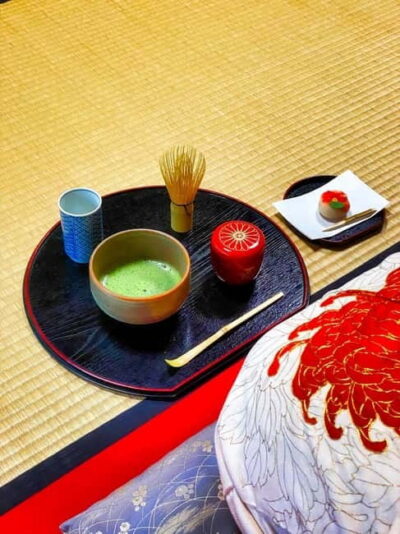
Tea Ceremony in a Traditional Tea House in Kiyomizu
Read our review →
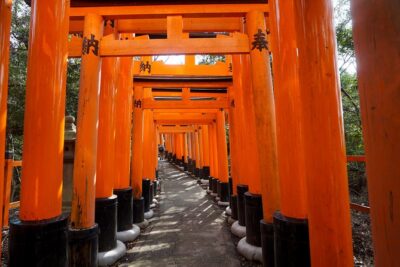
Fushimi Inari Hidden Hiking Tour (Private Option Available)
Read our review →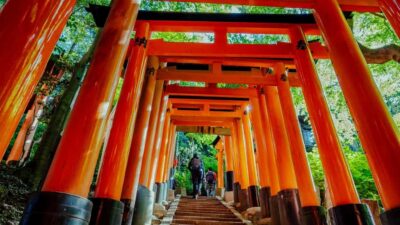
Osaka/Kyoto:Kinkakuji,Arashiyama,FushimiInariShrine,NaraPark
Read our review →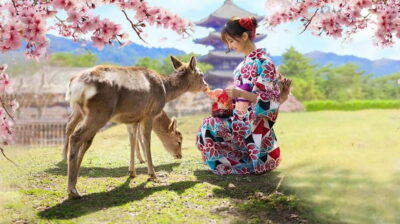
Kyoto/Osaka: Nara, Fushimi Inari Taisha, Arashiyama Bus Tour
Read our review →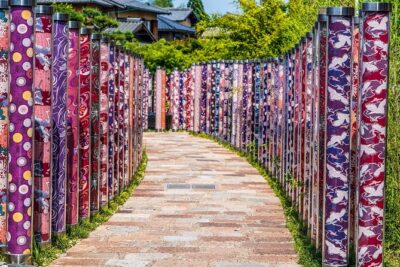
Kyoto Arashiyama Walking Tour: Bamboo, Monkeys, Gardens & Secrets
Read our review →
Arashiyama Bamboo, Temple, Monkeys, or Secret Sake Brewery
Read our review →
Arashiyama Bamboo Forest, Monkeys, Matcha & Temple Tour
Read our review →Browse the lists this tour appears in