
REVIEW · KYOTO TEMPLE TOURS
KYOTO Tea Ceremony with kimono near by Imamiya Jinjya Shrine
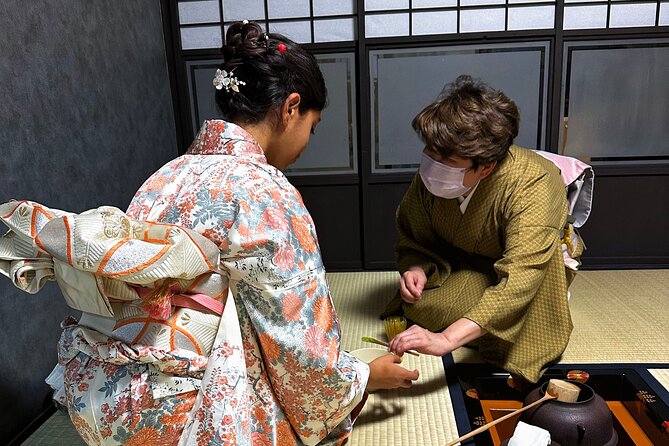
Putting on a kimono is not a quick costume change here. You choose from a collection of Nishijin garments, then receive help with the layered dressing, accessories, and hair. After a short photo session, you sit with a tea master and learn the quiet rules behind each movement. The dressing itself becomes part of the cultural lesson, not just a prelude to pictures.
I especially like two things: you get to prepare your own cup of tea, and the tea room has been used by three generations. The small group size, capped at 12, also gives the session a more personal feel. The main consideration is time. Ninety minutes passes quickly, and the kimono dressing can feel busy if several people arrive at once, so arrive early and have an idea of your preferred colors.
Key points at a glance
- Three-generation tea room: The ceremony takes place near Daitoku-ji Temple, an area closely linked with Japanese tea culture.
- Nishijin kimono selection: Choose a color and pattern, then receive help with traditional layered dressing.
- Hair styling and photos: Your hair is arranged before the kimono, followed by a simple photo session.
- Tea master demonstration: A practitioner with 30 years of study explains the ceremony while preparing tea and seasonal sweets.
- Hands-on matcha making: You do not only watch. You have the chance to whisk tea and serve it.
- Small group setting: The activity accepts no more than 12 participants and returns to the starting point.
Choosing a Kimono in Kyoto’s Nishijin Tradition
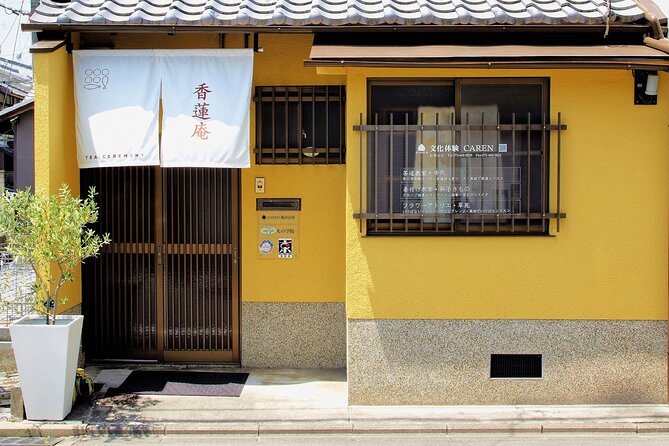
The experience begins at Tea Ceremony Caren, at 74-4 Murasakino Daitokujicho in Kyoto’s Kita Ward. This is near Imamiya Jinjya Shrine and Daitoku-ji Temple, away from the most crowded sightseeing streets. The setting matters because Daitoku-ji has long connections with Japanese tea practice, giving the activity a fitting neighborhood rather than a random studio location.
You choose a kimono from a sizable collection of colors and patterns. If you know you prefer a soft floral design, a bold color, or something more subdued, decide before you arrive. The staff work efficiently, and making a quick choice helps the whole group move along.
The dressing is a serious process. A kimono is not simply wrapped around you and tied with one belt. You wear several layers, and the staff adjust each part so the garment sits correctly. This takes more care than putting on a rental costume, but it also shows why traditional dress is an art in its own right.
The staff dress both women and men. Women can also have their hair arranged before the kimono is put on. The hair styling is described as simple, not a full salon treatment, but it helps complete the look for the ceremony and photographs.
You should expect some movement and standing during this opening portion. The process can feel a little hectic if everyone arrives at the same time. Arriving early is a useful tip, especially if you are with family or a larger group.
A few more temple visits around Kyoto worth a look
- Kyoto: Tea Ceremony Ju-An at Jotokuji Temple
★ 4.9 · 3,207 reviews - Kyoto/Osaka: Nara, Fushimi Inari Taisha, Arashiyama Bus Tour
★ 4.7 · 1,275 reviews - Arashiyama Bamboo, Temple, Monkeys, or Secret Sake Brewery
★ 4.8 · 886 reviews
Why the Photo Session Is More Than a Quick Snapshot
Once dressed, you have a short photo session. The staff help with poses and take pictures, so you do not need to depend entirely on your own phone or ask another participant to handle the camera.
This is one of the most enjoyable practical benefits of the experience. Kimono sleeves, belts, hair, and patterns are difficult to show in an ordinary travel selfie. A few guided poses give you photographs that capture the full outfit, not just your face.
The photo time is simple rather than a professional studio shoot. Keep your expectations in line with that. The purpose is to record the moment before the tea ceremony, not to provide a long portrait session with multiple backdrops.
The photo portion also lets you settle into the clothing. Once you have seen the kimono on yourself and adjusted to sitting and moving in it, the ceremony feels less like dress-up and more like a formal cultural activity.
Entering a Tea Room Used for Three Generations
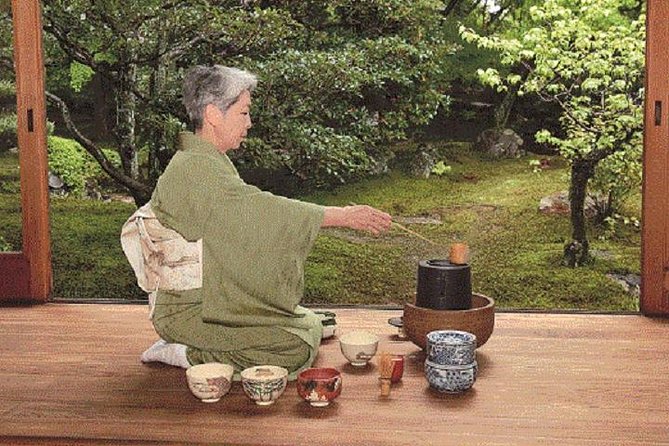
The tea room has been used by the same family for three generations. The building is described as somewhat old, but that is part of its character. You are not entering a modern attraction built only for short photo stops. The space has a lived-in connection to the practice.
The tea room is near Daitoku-ji Temple, an important setting for anyone interested in Japanese tea culture. One account of the experience includes a walk to the temple area after dressing, adding a little more atmosphere to the transition from the preparation room to the ceremony. The exact flow can depend on the session, so follow the staff’s instructions on the day.
The group size is limited to 12. That is not a private lesson, but it is small enough for the instructor to explain the movements and include people in the hands-on portion. Solo participants are not left out, and families can take part together.
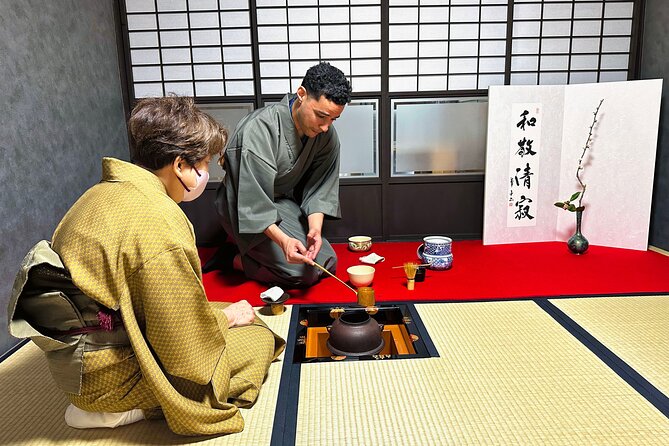
The setting encourages a slower pace. Once the tea master begins, the activity shifts away from photographs and toward observation. You watch the placement of the utensils, the preparation of the tea, and the careful sequence of movements.
Watching a Tea Master With 30 Years of Study
A tea master who has studied the ceremony for 30 years leads the demonstration. The point is not simply to show you how to make matcha. You learn why the ceremony is performed in a particular order and how manners shape the experience.
The guide provides interpretation about the history and customs of tea ceremony. In some sessions, a translator explains the tea master’s Japanese presentation, which adds an important layer. The tea master can concentrate on the ritual itself while the interpreter gives you the cultural context.
You learn how to sit, receive the tea, appreciate the seasonal sweet, and handle the cup. These details may seem small, but they show the thought behind the ceremony. The focus is on respect, attention, and sharing a moment with another person.
The demonstration has a calm, measured rhythm. If you prefer fast sightseeing, this may feel slow. I see that as the point, but it is worth knowing before you book. The ceremony asks you to watch closely rather than fill every minute with activity.
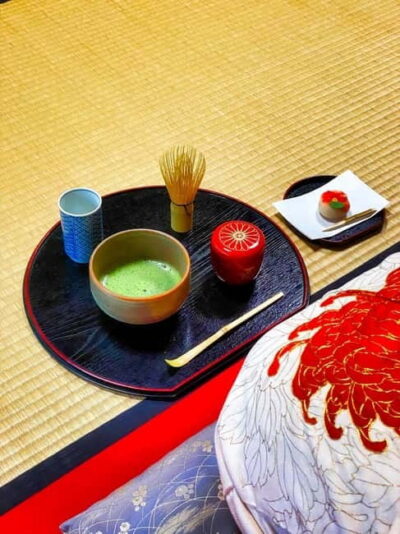
Seasonal sweets are served with the tea. The combination is traditional and gives the bitter matcha a pleasant balance. The included food and drink are modest, but they are an important part of the lesson rather than an unrelated snack.
Same country, a different morning at the gates:
- Kyoto: Tea Ceremony in a Traditional Tea House in Kiyomizu
★ 4.9 · 3,519 reviews - Fushimi Inari Hidden Hiking Tour (Private Option Available)
★ 5.0 · 1,750 reviews - Osaka/Kyoto:Kinkakuji,Arashiyama,FushimiInariShrine,NaraPark
★ 4.1 · 1,596 reviews - Kyoto Arashiyama Walking Tour: Bamboo, Monkeys, Gardens & Secrets
★ 5.0 · 1,216 reviews
Making Your Own Cup of Matcha
The most valuable part of the session is the chance to prepare tea yourself. After watching the master, you receive guidance on the steps and whisk your own cup.
You are not expected to perform like someone with decades of practice. The staff encourage beginners and explain what to do. One person can often prepare tea for another, which turns the activity into a shared experience for couples, families, or friends.
This hands-on part makes the ceremony easier to remember. Watching a demonstration can be beautiful, but doing the movements yourself helps you understand the care involved. You become aware of the whisk, the bowl, the pace, and the need to remain attentive.
The tea-making portion also works well for people who are unsure about formal cultural activities. You do not need previous experience with matcha or Japanese etiquette. The instructions are presented for beginners, and the atmosphere is friendly rather than intimidating.
Still, this is a traditional ceremony, not a casual tea tasting. If you expect a large selection of drinks or a long food menu, this will not meet that goal. The focus is one carefully prepared cup, seasonal sweets, and the meaning of the ritual.
How Much Value You Get for $99.49
At $99.49 per person, this is not the cheapest kimono rental or tea demonstration in Kyoto. The price includes several parts: kimono use, dressing assistance, hair styling, photographs, a professional instructor, tea, sweets, and the guided ceremony.
I think the value is strongest if you want several Kyoto experiences combined into one organized visit. A separate kimono rental can involve arranging the clothing yourself, finding a suitable place for photographs, and learning little about the ceremony. Here, the staff handle the practical work and connect the clothing to the tea tradition.
The tea master’s long study also gives the session more substance than a simple matcha workshop. You are paying for instruction, presentation, and cultural explanation, not just the drink.
The value is less convincing if you mainly want to wear a kimono for an entire day or explore Kyoto independently. This is a 90-minute activity, and the clothing is used for the session rather than as an all-day rental. Think of it as a focused cultural appointment, not a full-day costume hire.
The small group limit helps. With no more than 12 participants, you have a better chance of receiving help with photos, asking questions, and taking part in the tea preparation.
Who Will Enjoy This Kyoto Experience Most
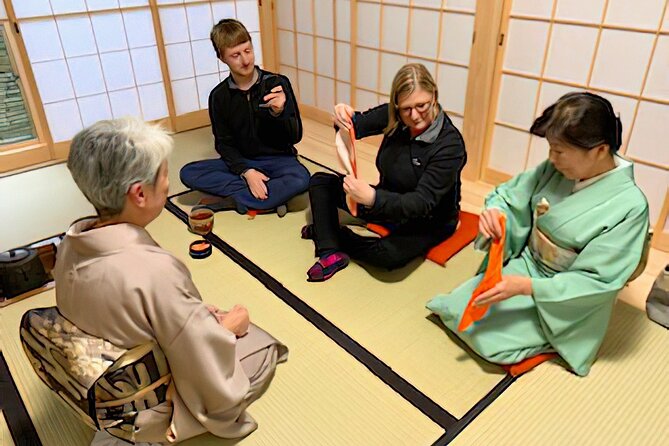
This is a strong choice for first-time visitors who want a clear introduction to two familiar parts of Japanese culture: kimono and tea ceremony. You receive enough explanation to understand what you are seeing without needing prior knowledge.
It suits couples and families especially well. Parents and children can dress together, and even teenagers may enjoy the photographs and the chance to prepare tea. The activity also works for a solo participant. You can still take part in making tea, and the staff assist with photographs.
It is also a thoughtful option for a multi-generational group. The dressing process can be shared, while the ceremony itself provides a quiet break from crowded temples and busy shopping streets.
You should choose another activity if you dislike formal clothing, sitting through a demonstration, or following set manners. The kimono is layered and fitted, and the ceremony values patience. You will enjoy it more if you approach it as a lesson in attention rather than a quick photo stop.
The session also requires good weather. If poor weather causes cancellation, you are offered another date or a full refund. The activity may also be canceled if the minimum number of participants is not reached.
Practical Details Before You Go
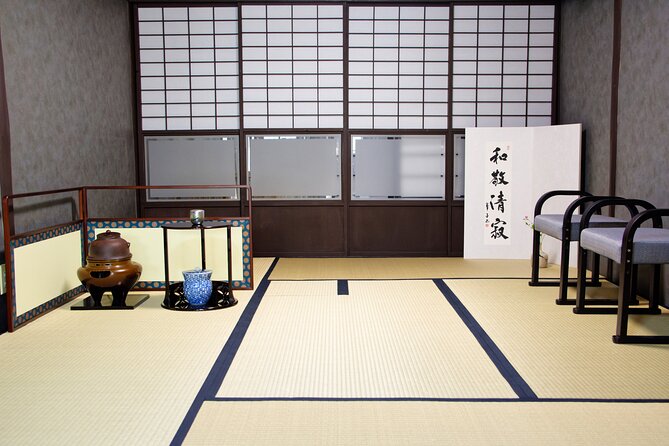
The meeting point is Tea Ceremony Caren, at 74-4 Murasakino Daitokujicho, Kita Ward, Kyoto, 603-8231. The activity ends at the same place. Private transportation is not included, but the location is near public transportation.
Plan your timing carefully. The official duration is about one hour and 30 minutes, but you should avoid scheduling another important appointment immediately afterward. Dressing, hair styling, photographs, explanation, and the ceremony all need room to run at a comfortable pace.
Choose your kimono color early. The staff have a collection to select from, but a busy group can make the opening feel rushed. Arriving a little early gives you more breathing room.
The activity provides a mobile ticket, and confirmation is sent when you book. Cancellation is free up to 24 hours before the start time. Inside that window, changes are not accepted and the payment is not refunded.
Should You Book This Tea Ceremony?
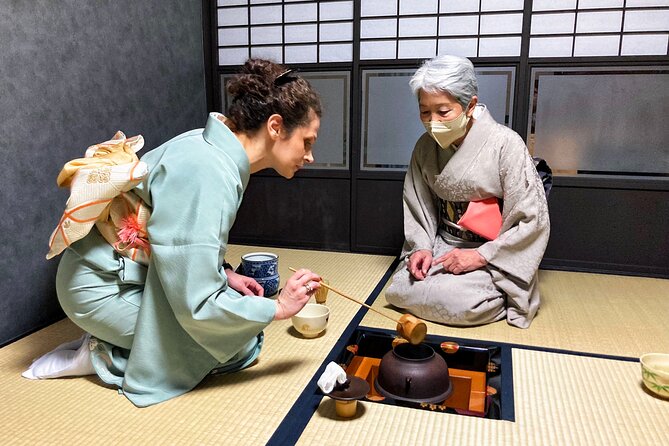
I would book it if you want a compact, well-organized introduction to Kyoto’s tea culture and traditional dress. The strongest reasons are the three-generation tea room, the experienced tea master, the careful kimono dressing, and the chance to prepare tea yourself.
The price makes sense for visitors who would otherwise book separate kimono, hair, photo, and tea activities. It is less suitable for anyone seeking a long kimono rental or a private ceremony.
Arrive early, pick a color in mind, and allow yourself to slow down. If you do that, this 90-minute session can give you more than a few attractive photographs. It can help you understand why Japanese tea ceremony places such value on preparation, manners, and one shared moment.
FAQ
Where does the tea ceremony take place?
It begins and ends at Tea Ceremony Caren, 74-4 Murasakino Daitokujicho, Kita Ward, Kyoto, 603-8231, Japan.
How long does the activity last?
The experience lasts approximately one hour and 30 minutes.
Is the kimono included?
Yes. You choose an authentic kimono from the collection and receive assistance putting it on.
Is hair styling included?
Yes. The staff help arrange your hair before you put on the kimono.
Are photographs part of the experience?
Yes. A simple photo session takes place after you are dressed, and staff assist with taking photographs and posing.
Do I get to make tea myself?
Yes. After the tea master demonstrates the ceremony, you have the opportunity to prepare your own cup of Japanese tea.
Is food included?
Tea and seasonal sweets are included. The listed inclusions also cover coffee and/or tea.
How many people can join the activity?
The experience has a maximum of 12 participants.
Is transportation included?
No. Private transportation is not included. The activity starts and ends at the meeting point, which is near public transportation.
Can I cancel for a refund?
You can cancel for a full refund up to 24 hours before the experience begins. Cancellations or changes made less than 24 hours before the start time are not refunded or accepted.
Just added around Kyoto
- Osaka/Kyoto: Katsuoji, Kinkakuji, Arashiyama 1-Day Bus Tour★ 4.6 · 33 reviews
- Kyoto:Kiyomizu-dera Temple Rent a kimono and ride a rickshaw★ 4.8 · 7 reviews
- Kyoto: Wagashi (Japanese sweets) Cooking near Fushimiinari★ 5.0 · 40 reviews
- Kyoto: Kimono/Yukata Rental 5 Minute from Kiyomizu-dera★ 4.7 · 89 reviews
- KYOTO: Tempio Kiyomizu Pagode Gion “Geisya” (Guida Italiana)★ 4.7 · 17 reviews
- Kyoto Fushimiinari:Wagashi Making & Small Group Tea Ceremony★ 5.0 · 14 reviews
- Kyoto: Samurai Sword & Kimono Action Filming Experience★ 4.8 · 78 reviews
- Best of Kyoto: Red Gates of Fushimi Inari & Kiyomizu Temple★ 4.8 · 36 reviews
Kyoto Temple Tours, compared.
Tea Ceremony in a Traditional Tea House in Kiyomizu
Read our review →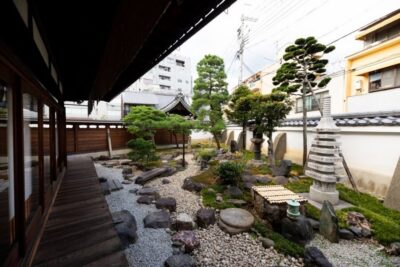
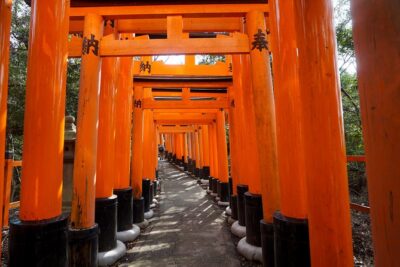
Fushimi Inari Hidden Hiking Tour (Private Option Available)
Read our review →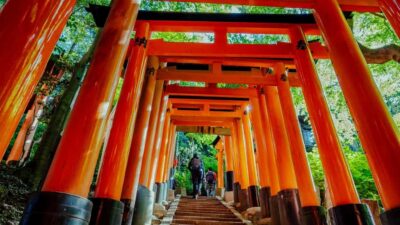
Osaka/Kyoto:Kinkakuji,Arashiyama,FushimiInariShrine,NaraPark
Read our review →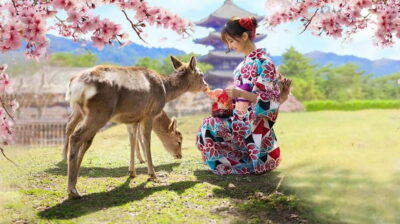
Kyoto/Osaka: Nara, Fushimi Inari Taisha, Arashiyama Bus Tour
Read our review →
Kyoto Arashiyama Walking Tour: Bamboo, Monkeys, Gardens & Secrets
Read our review →
Arashiyama Bamboo, Temple, Monkeys, or Secret Sake Brewery
Read our review →
Arashiyama Bamboo Forest, Monkeys, Matcha & Temple Tour
Read our review →Browse the lists this tour appears in