
REVIEW · KYOTO TEMPLE TOURS
Kyoto and Nara Day Trip from Kyoto
Kyoto’s grandest sights and Nara’s Great Buddha make a strong one-day pairing. You’ll move from shogun-era Kyoto to temple-filled Nara, with an English-speaking guide, entry fees, and air-conditioned transport taking care of the hard parts. Guides such as KC, Momo, Yuki, and Yoshito have been praised for clear English, humor, and careful timekeeping.
I like the smart mix of five major stops and the chance to see Nara’s free-roaming deer without arranging separate trains and buses. I also like the practical choice of lunch plans, including a Western set menu, Indian thali, or no lunch. The tradeoff is time: this is a busy sightseeing day, and you will not linger long at every temple.
Key points at a glance
- Five major cultural stops: Visit Nijo Castle, Kinkaku-ji, Kyoto Imperial Palace, Kasuga Shrine, and Todai-ji.
- A useful Kyoto and Nara combination: See two historic cities in one day without changing trains or planning every transfer.
- The Great Buddha and Nara deer: Todai-ji gives you the architectural and religious centerpiece, while Nara Park adds a lighter outdoor stop.
- English-speaking licensed guide: Guides explain the religious and political background, help keep the group together, and answer questions.
- Lunch is optional: Choose Western lunch, Indian thali, or no lunch. Special dietary needs must be arranged carefully in advance.
- A long, active day: The tour runs about 10 to 11 hours, with walking, stairs, temple grounds, and fixed departure times.
Why this Kyoto and Nara day works
At $194.85 per person, this is not a cheap sightseeing bus. But the cost covers transportation between widely separated sights, admission fees, and a national government licensed English guide. You are paying for a full day of structure, not just a ride between attractions.
I see the value most clearly if you have only a short stay in Kyoto, dislike navigating unfamiliar bus routes, or want historical context as you go. Nijo Castle, Kinkaku-ji, and the Imperial Palace are spread across Kyoto. Nara lies farther south, and Todai-ji and Kasuga Shrine require additional planning once you arrive.
The day begins at 8:20 a.m. at the JTB Sunrise Tours Desk in the basement of Kyoto Avanti, near Kyoto Station. The tour ends around 6:30 p.m. at Kyoto Station, with no hotel drop-off. Build in extra time to find the meeting point, especially if Kyoto Station is new to you.
The group can include up to 40 people. That is large enough to make the day efficient, but it also means you must listen for meeting instructions and return to the bus on time. Seats may not be assigned.
More Day Trips in Kyoto:
- Kyoto 1 Day Tour from Kyoto
★ 4.0 · 582 reviews - Osaka/Kyoto: Katsuoji, Kinkakuji, Arashiyama 1-Day Bus Tour
★ 4.6 · 33 reviews - Kyoto to Arashiyama Day Trip – Private & Personalized
★ 4.2 · 22 reviews
Nijo Castle and the world of the shogun
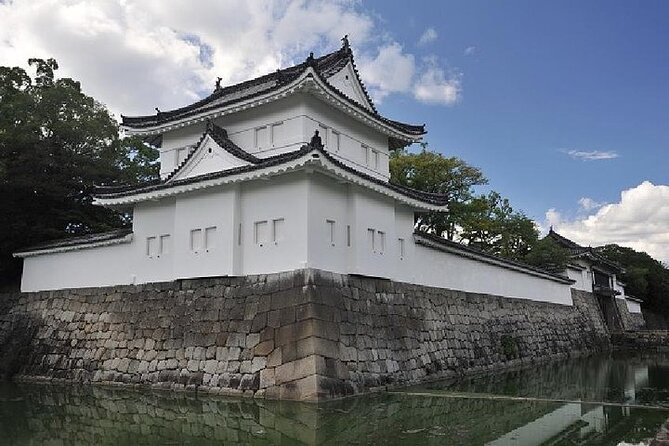
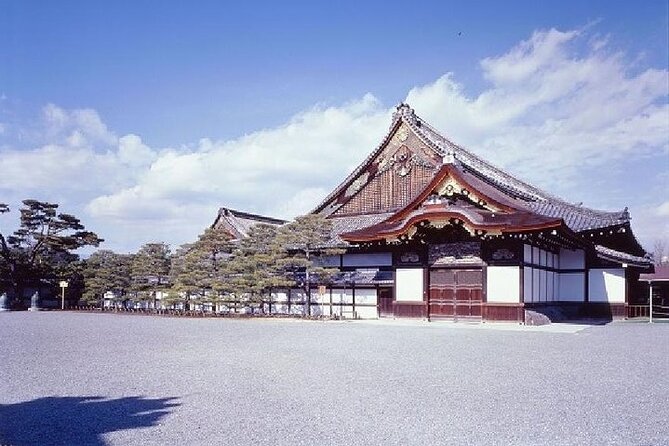
Nijo Castle is an excellent first stop because it gives you a clear look at political Japan, not only religious Japan. Built in 1603 for the Tokugawa shogun, it provided lodging in Kyoto and served as a show of authority close to the Imperial Palace.
You have about 50 minutes here, with admission included. The contrast is part of the appeal: the exterior can look formal and guarded, while the interior contains elaborate carvings and decorative details meant to display power.
You may need to remove your shoes inside the castle. Wear socks and shoes that are easy to take off and put back on. With less than an hour, you will get an introduction rather than a slow study of every room, so listen closely when the guide points out the most important features.
Nijo Castle is also one of the stops most affected by the calendar. It closes on Tuesdays in January, July, August, and December, as well as from December 26 through January 3. If it is closed, the tour visits Ryoan-ji Temple instead. No refund is offered for this substitution.
Kinkaku-ji, Kyoto’s golden photo stop
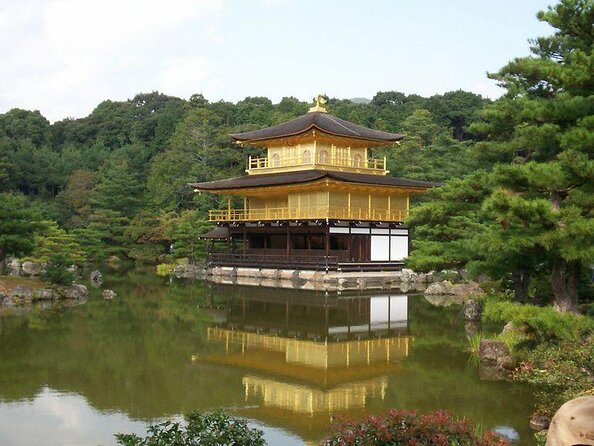
Kinkaku-ji, the Golden Pavilion, is the day’s most instantly recognizable sight. The wooden structure is covered in thin layers of gold leaf and sits beside a pond, with carefully arranged garden scenery around it.
The visit lasts about 45 minutes. That is enough to see the pavilion, follow the main route, and take photographs, but not enough for a slow garden visit. The grounds can feel busy, so your best approach is to stay alert to the guide’s meeting instructions and take your photographs when the view opens.
The pavilion itself is the main attraction, but the setting matters just as much. The pond and surrounding garden frame the building in a way that changes with the light and weather. I would not judge this stop by how long you spend inside. The point is the composed view, followed by a short walk through the grounds.
Kyoto Imperial Palace and its ceremonial setting
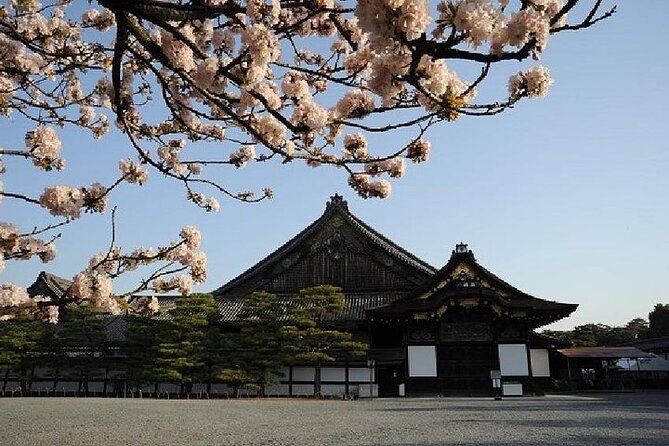
The Imperial Palace stop lasts about 40 minutes and focuses on the former residence of Japan’s emperors. You can see the Shishin-den, a hall associated with important state ceremonies, along with the palace grounds.
This stop adds a useful counterpoint to Nijo Castle. At the castle, you are looking at the shogun’s power. At the palace, you are seeing the imperial side of Kyoto’s political story.
Admission is listed as free, but the visit still follows the group schedule. The palace is closed on Mondays, on the following day when Monday is a holiday, and during Imperial Household Agency events. When it cannot be visited, the tour goes to Kitano Tenmangu Shrine. If the closure falls on the 25th, the alternative is Nishi Hongan-ji Temple.
Those substitutions are practical, but they do change the feel of the morning. Check the date of your tour if the palace is a priority. The operator does not offer a refund when an alternate site is used.
A few more temple visits around Kyoto worth a look
- Kyoto: Tea Ceremony Ju-An at Jotokuji Temple
★ 4.9 · 3,207 reviews - Kyoto/Osaka: Nara, Fushimi Inari Taisha, Arashiyama Bus Tour
★ 4.7 · 1,275 reviews - Arashiyama Bamboo, Temple, Monkeys, or Secret Sake Brewery
★ 4.8 · 886 reviews - Kyoto: Arashiyama Bamboo Forest, Monkeys, Matcha & Temple Tour
★ 5.0 · 759 reviews
The ride south to Nara
After the Kyoto sights, the bus heads south toward Nara. This is when the air-conditioned transport becomes especially useful. You can rest between stops while the guide continues explaining Japanese culture, religion, and history.
If you choose a lunch option, the meal is included before the Nara portion. The Western option is a set menu. The Indian option is a vegetarian thali with three curries, vegetable pakora, yogurt, naan or roti, rice, salad, and one non-alcoholic drink.
You must choose your lunch type when booking. The meal cannot be changed on the day. Vegetarian requests for the Western menu must be made in advance, and halal, gluten-free, and other special meal requests are not available. If you choose no lunch, you have free time to eat independently in the Kyoto Station area, so check exactly how your selected option fits the day.
Kasuga Shrine and its lanterns
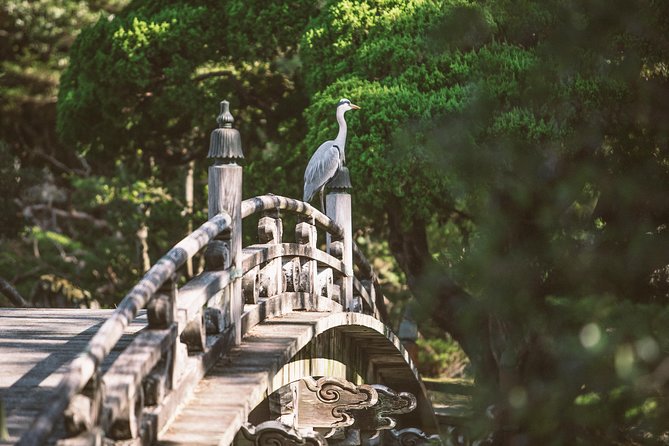
Kasuga Grand Shrine gives the Nara portion a different mood from Todai-ji. This Nara-period shrine is a World Heritage site, known for more than 3,000 lanterns and its connection to the deer of Nara Park, which are traditionally regarded as messengers of the shrine.
You have about an hour here. The tour also plans to enter the Main Sanctuary special visit area, although events or operating conditions can prevent access. If that happens, the substitute is the Kasuga Taisha Museum or Todaiji Museum.
Kasuga can be one of the more atmospheric stops, but remember that this is still a group visit. You may want more time to examine the lanterns, shrine buildings, and forested paths than the schedule allows. Keep an eye on the return time, since the Nara portion comes late in a long day.
Todai-ji and the Great Buddha
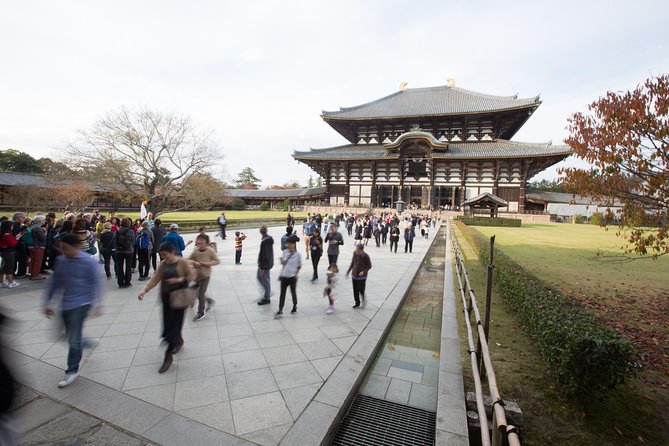
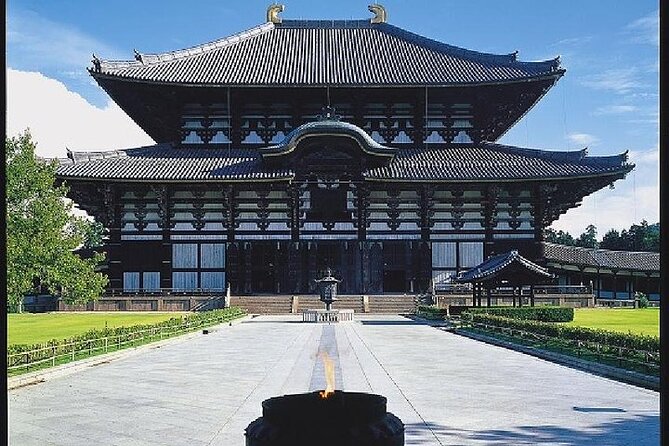
Todai-ji is the major architectural and religious highlight. The temple complex is tied to the Nara period and contains the Great Buddha Hall, one of the world’s largest wooden structures. Inside, the bronze Great Buddha gives the visit its scale and drama.
The planned stop lasts about 1 hour and 10 minutes, the longest single visit on the schedule. That extra time helps, since you must walk through the complex, see the hall, take in the statue, and return to the meeting point.
Todai-ji is impressive even if you have already seen many Japanese temples. The huge wooden hall and enormous Buddha make the space feel different from the more delicate pavilion at Kinkaku-ji or the ceremonial buildings in Kyoto. The guide’s explanations are particularly useful here because the building, statue, and temple complex carry religious meaning that is easy to miss if you only take photographs.
Nara Park and the deer
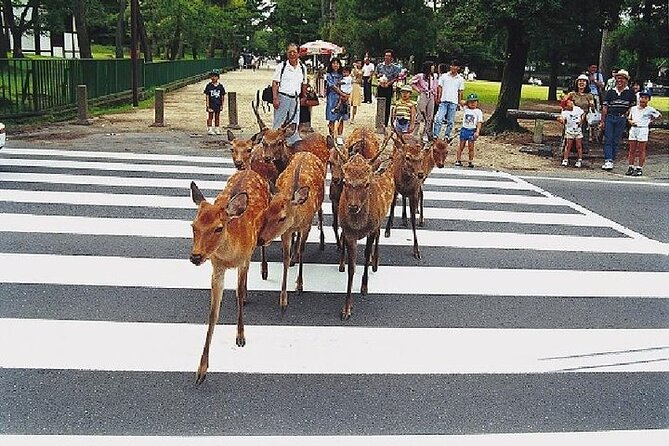
Nara Park adds an open-air finish to a day filled with buildings. The deer move freely through the park, and you may see them near the paths and shrine grounds. They are a major part of the Nara visit, but they are not simply decorative animals.
Pay attention to the guide’s warnings. Some deer can be pushy, especially when they expect food. Keep your belongings secure, follow local instructions, and do not let the excitement of a close photograph make you forget the meeting time.
The park visit is enjoyable, but it is also where the schedule can feel tight. Some people want more free time in Nara to walk, watch the deer, and explore at their own pace. This tour gives you an introduction, not an unhurried afternoon.
What the guides add to the day
The strongest part of this format is the guide. A good guide turns a sequence of buildings into a story about emperors, shoguns, Buddhism, Shinto practice, and the changing role of Kyoto and Nara.
Several guides associated with this tour, including KC, Momo, Yuki, Yoshito, Tammy, Etsuko, and Miyuki, have been singled out for fluent English, humor, historical detail, and attention to group needs. You cannot guarantee a particular guide when booking, but the pattern is clear: the guide’s role is more than pointing out buildings.
You should expect reminders about bus departure times, walking routes, and safety. That structure matters because the itinerary has little spare time. Guides have also helped with photographs and practical directions, including the return journey for people continuing to Osaka.
The bus ride creates useful breathing space, but do not assume the day will feel leisurely. You are covering a lot of ground, and punctuality keeps the entire group moving.
Walking, pace, and who should book
You should be comfortable walking through temple grounds, palace grounds, shrine approaches, and park paths. The tour is not presented as a specialist walking trip, but the combination of five sites, stairs or uneven areas, and repeated boarding and unloading makes it active.
I would recommend it to:
- First-time visitors who want a broad introduction to Kyoto and Nara
- People staying in Kyoto who prefer a planned day
- English-speaking visitors who want explanations at each site
- Families who value transport and a clear schedule
- Anyone who wants Nara’s Great Buddha and deer without arranging a separate day
I would hesitate if you prefer long, quiet visits at one or two temples. Independent visitors can spend more time at Nara Park, linger at Kinkaku-ji, or pause for meals when they choose. This tour trades that freedom for coverage.
Children aged five and under may join free, but they do not receive a bus seat or lunch unless booked at the child rate. Anyone under 18 needs written parental permission, and those under 15 or not yet in middle school must travel with a parent or guardian.
Timing, meeting point, and cancellation
The meeting point is the JTB Sunrise Tours Desk in the basement of Kyoto Avanti, at 31 Higashikujō Nishisannōchō, near Kyoto Station. The exact location can be confusing if you do not know the station, so arrive early rather than trying to find it at 8:19.
The tour lasts about 10 to 11 hours and ends at Kyoto Station around 6:30 p.m. Road congestion can change the order and arrival times. Since there is no hotel drop-off, plan your evening from Kyoto Station.
You can cancel for a full refund up to 24 hours before the local start time. Changes or cancellations made within 24 hours are not accepted for a refund. Confirmation is sent within 48 hours, subject to availability.
Should you book this Kyoto and Nara tour?
Book it if you want the main cultural sights in one organized day and value a guide who can explain what you are seeing. The combination of Nijo Castle, Kinkaku-ji, the Imperial Palace, Todai-ji, Kasuga Shrine, and Nara Park is hard to arrange efficiently on your own in a single day.
Skip it if your priority is slow exploration. The price is fair for the included admissions, transport, and guide, but you pay with a tight schedule and limited free time. Choose lunch carefully, wear comfortable shoes, arrive early at Kyoto Avanti, and treat the day as a focused first look at Kyoto and Nara rather than a complete visit to either city.
FAQ
How long does the Kyoto and Nara tour last?
The tour lasts approximately 10 to 11 hours. It starts at 8:20 a.m. and the Kyoto start and end option finishes at Kyoto Station around 6:30 p.m.
Where does the tour start and finish?
It starts at the JTB Sunrise Tours Desk in the basement of Kyoto Avanti near Kyoto Station. It finishes at Kyoto Station, and hotel drop-off is not provided.
Is lunch included?
Lunch is included only when you select a lunch option while booking. You can choose a Western-style set menu, an Indian thali lunch, or no lunch. Dietary requests must be made in advance, and halal and gluten-free options are not available.
What happens if Kyoto Imperial Palace is closed?
The tour visits Kitano Tenmangu Shrine instead. If the closure falls on the 25th, the alternative is Nishi Hongan-ji Temple.
What happens if Nijo Castle is closed?
The tour visits Ryoan-ji Temple instead. Nijo Castle closes on certain Tuesdays in January, July, August, and December, and from December 26 through January 3.
Are admission fees and transportation included?
Yes. Admission fees for the listed sites and transportation costs are included. The tour also includes a national government licensed English guide interpreter.
Just added around Kyoto
- Osaka/Kyoto: Katsuoji, Kinkakuji, Arashiyama 1-Day Bus Tour★ 4.6 · 33 reviews
- Kyoto:Kiyomizu-dera Temple Rent a kimono and ride a rickshaw★ 4.8 · 7 reviews
- Kyoto: Wagashi (Japanese sweets) Cooking near Fushimiinari★ 5.0 · 40 reviews
- Kyoto: Kimono/Yukata Rental 5 Minute from Kiyomizu-dera★ 4.7 · 89 reviews
- KYOTO: Tempio Kiyomizu Pagode Gion “Geisya” (Guida Italiana)★ 4.7 · 17 reviews
- Kyoto Fushimiinari:Wagashi Making & Small Group Tea Ceremony★ 5.0 · 14 reviews
- Kyoto: Samurai Sword & Kimono Action Filming Experience★ 4.8 · 78 reviews
- Best of Kyoto: Red Gates of Fushimi Inari & Kiyomizu Temple★ 4.8 · 36 reviews
Kyoto Temple Tours, compared.
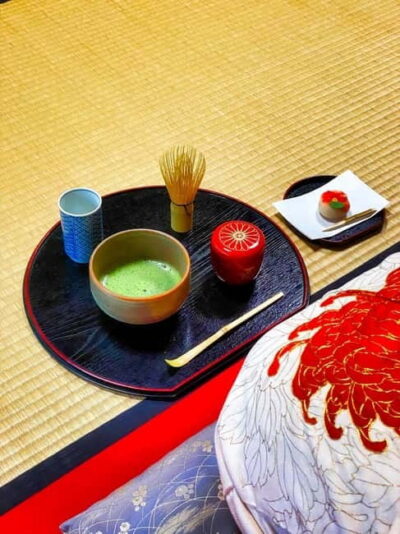
Tea Ceremony in a Traditional Tea House in Kiyomizu
Read our review →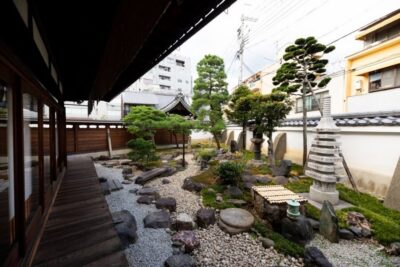
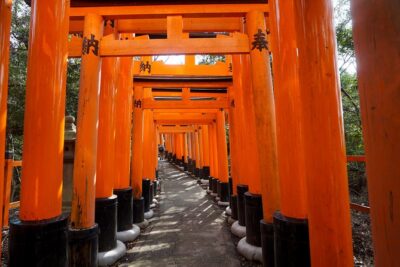
Fushimi Inari Hidden Hiking Tour (Private Option Available)
Read our review →
Osaka/Kyoto:Kinkakuji,Arashiyama,FushimiInariShrine,NaraPark
Read our review →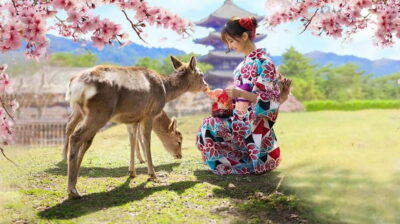
Kyoto/Osaka: Nara, Fushimi Inari Taisha, Arashiyama Bus Tour
Read our review →
Kyoto Arashiyama Walking Tour: Bamboo, Monkeys, Gardens & Secrets
Read our review →
Arashiyama Bamboo, Temple, Monkeys, or Secret Sake Brewery
Read our review →
Arashiyama Bamboo Forest, Monkeys, Matcha & Temple Tour
Read our review →Browse the lists this tour appears in