
REVIEW · KYOTO TEMPLE TOURS
Kyoto 1 Day Tour from Kyoto
Kyoto packs centuries of Japan into a small area, but its famous sights are spread across the city. This nine-hour guided bus tour gives you a clean sweep of the big names: Nijo Castle, the Golden Pavilion, the Imperial Palace, Fushimi Inari, Sanjusangendo, and Kiyomizu-dera. It is a lot of Kyoto in one day, and you will take plenty of photos.
I like two things here. First, admissions and transportation are included, so you are not stopping at every gate to sort out tickets or puzzle over city buses. Second, guides such as KC, Miyuki, Michi, Yuki, and Yoshitaka Harada have earned strong praise for clear English, humor, and practical care, especially in hot, rainy, or crowded conditions.
The tradeoff is simple: six major stops mean a brisk pace. You will walk from parking areas, keep an eye on the clock, and sometimes leave a temple just as you are getting settled. A few people also found a guide hard to hear or too quick, so this suits an efficient sightseeing day more than slow, solitary temple time.
Six useful facts before you book
- Six major Kyoto sights in one day: The route covers a castle, pavilion, palace, shrine, Buddhist hall, and hillside temple.
- The bus saves time: Kyoto traffic can be slow, but a reserved, climate-controlled coach avoids repeated ticket-buying and route planning.
- Lunch is optional: Choose a Western-style set meal, an Indian thali meal, or no lunch and eat near Kyoto Station.
- Fushimi Inari requires a walk: The bus parking area is about 15 minutes from the shrine, one way.
- The meeting point is underground: JTB Sunrise Tours Desk is in the basement of Avanti near Kyoto Station, so allow time to find it.
- The day is weather-proof only up to a point: The bus is heated and air-conditioned, but the temples and walking sections are outdoors.
What this Kyoto day tour is really trying to do
This is an overview tour, not a slow study of Kyoto. The route gives you a quick look at several parts of the city and pairs each place with commentary from a National Government Licensed English Guide Interpreter.
That matters in Kyoto. A beautiful gate can be easy to photograph and just as easy to misunderstand. At Nijo Castle, the guide can explain the shogun’s role. At Fushimi Inari, you get more than a walk beneath red gates. At Sanjusangendo, the hundreds of statues make a stronger impression when you understand what you are seeing.
The coach also makes the route practical. Reaching all six sites on your own in a single day would require careful planning, transfers, and patience with Kyoto traffic. Here, you can sit down between stops while the guide talks about Japanese customs, daily life, history, and the next destination.
The group can reach up to 40 people. That keeps the price reasonable, but it also means you must stay alert when the guide moves through crowds. A guide with a strong voice and a clear meeting point makes a big difference. Some guides, including KC and Miyuki, were especially praised for keeping people together and making the day fun.
More Day Trips in Kyoto:
- Kyoto and Nara Day Trip from Kyoto
★ 4.5 · 445 reviews - Osaka/Kyoto: Katsuoji, Kinkakuji, Arashiyama 1-Day Bus Tour
★ 4.6 · 33 reviews - Kyoto to Arashiyama Day Trip – Private & Personalized
★ 4.2 · 22 reviews
Finding the 8:20 a.m. meeting point near Kyoto Station
The tour starts at 8:20 a.m. at the JTB Sunrise Tours Desk in the basement of Avanti, at Higashikujō Nishisannōchō 31. The end point is Kyoto Station, around 5:30 p.m.
The location is close to the station, but the basement setting can make it less obvious than expected. Give yourself extra time, especially if you are carrying luggage or are not familiar with Kyoto Station’s many levels and exits. One person needed nearly an hour to find the correct place, so do not treat this as a last-minute arrival.
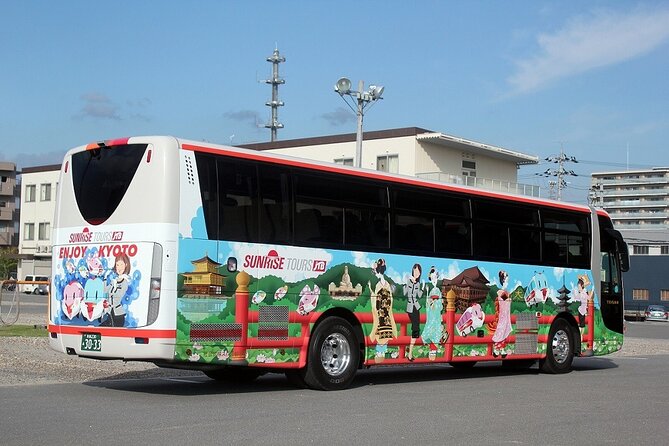
A mobile ticket is provided. Once aboard, the air-conditioned and heated bus becomes your useful refuge between stops. Seats may not be assigned, so you cannot count on sitting with a particular companion or in a preferred row.
The day starts early because the route is ambitious. That early departure is worth it if you have only a short stay in Kyoto. If you already have several days in the city, you may prefer visiting fewer sights at a slower pace.
Nijo Castle, where power wore gold leaf
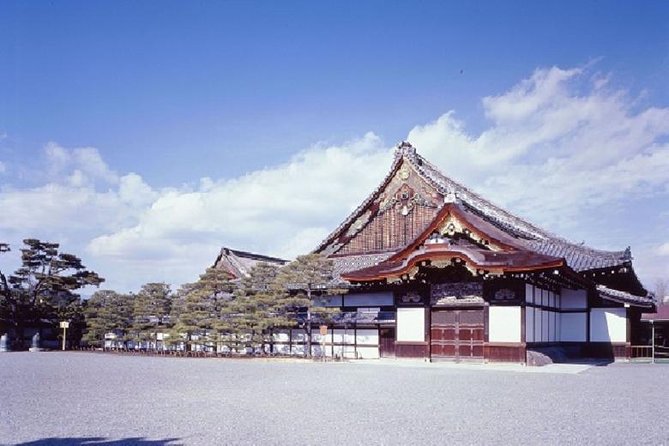
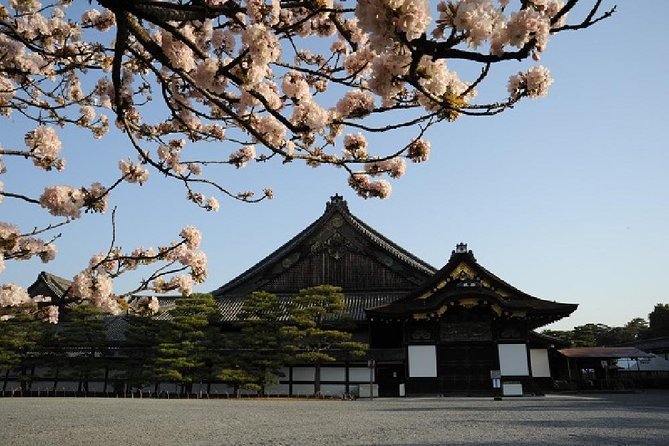
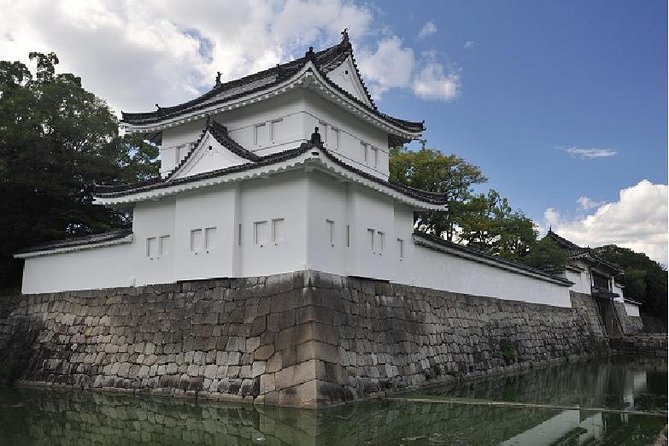
The first stop is Nijo Castle, a World Heritage site completed in 1626. Tokugawa shoguns used it for lodging in Kyoto and as a strong political counterpoint to the Imperial Palace.
You enter a place that looks defensive from the outside but becomes lavish inside. The tour includes about 50 minutes, enough to see the decorated chambers, carved details, and gold-leaf ornament without spending the whole morning there.
Nijo Castle is a strong opening stop because it explains an important part of Kyoto’s political story. The Imperial family lived at the palace, while the shogun represented military power. The buildings make that relationship easier to grasp than a date-filled lecture.
The limitation is time. The castle complex contains more than you can absorb in 50 minutes. If you love architecture, painted screens, or castle history, you may wish you had longer. Still, the guide’s explanation gives the visit shape, and the included admission keeps the group moving.
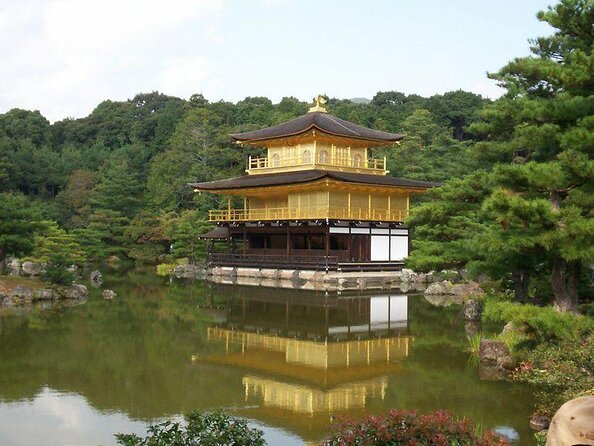
Kinkaku-ji, Kyoto’s famous Golden Pavilion
Kinkaku-ji is the short, dazzling stop. The wooden pavilion is covered in thin layers of pure gold and reflects across a pond in a carefully arranged Japanese garden.
You have about 45 minutes here. That is enough to walk the main viewing path, pause for photographs, and see the garden, but not enough for a relaxed wander through every corner. The setting can be busy, and the most famous view is also the one everyone wants.
This is the stop that often feels most instantly recognizable. It is also the place where expectations can work against you. The pavilion itself is not large, and you do not enter the building. The pleasure is in the contrast between the gold exterior, dark water, garden, and surrounding greenery.
Your guide helps put the site in context, but photography will take up part of the visit. If you want quiet contemplation, this may feel rushed. If you want to see Kyoto’s signature image without spending half a day getting there, the 45-minute visit does its job.
Same country, a different morning at the gates:
- Kyoto: Tea Ceremony in a Traditional Tea House in Kiyomizu
★ 4.9 · 3,519 reviews - Kyoto: Tea Ceremony Ju-An at Jotokuji Temple
★ 4.9 · 3,207 reviews - Fushimi Inari Hidden Hiking Tour (Private Option Available)
★ 5.0 · 1,750 reviews - Osaka/Kyoto:Kinkakuji,Arashiyama,FushimiInariShrine,NaraPark
★ 4.1 · 1,596 reviews
Kyoto Imperial Palace and its restrained elegance
The Imperial Palace was the Emperor’s residence until about 150 years ago. The visit lasts roughly 40 minutes and shifts the mood from Nijo Castle’s display to a more restrained style.
The palace grounds provide a useful contrast. Here, you can think about ceremonies, court life, and the long connection between Kyoto and Japan’s imperial household. The architecture may appear simpler than the decorated castle, but that simplicity is part of its appeal.
The palace is closed to visitors on Mondays, the following day when Monday is a public holiday, and on days with an Imperial Household Agency event. In those cases, the tour visits Kitano Tenmangu Shrine instead. If the closure falls on the 25th, the replacement is Nishi Hongan-ji Temple.
There is no refund when one of these substitute sites is used. Check the date if the palace is a priority for you. If you are open to seeing another important Kyoto site, the replacement keeps the day moving, but it is not the same experience.
Fushimi Inari and the walk to the red torii
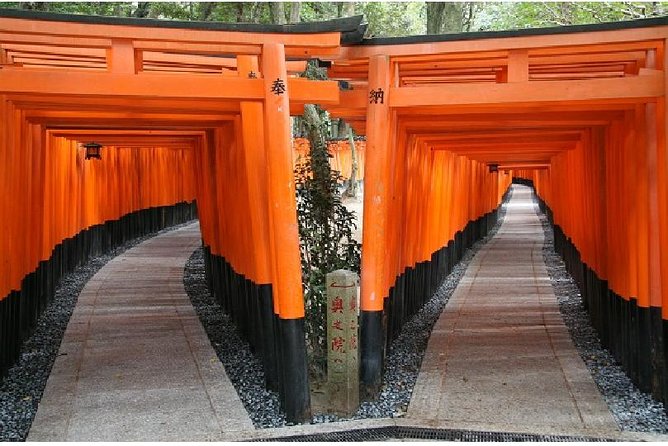
Fushimi Inari Taisha is the head shrine of roughly 40,000 Inari shrines across Japan. Its red Senbon Torii gates are one of Kyoto’s most familiar sights.
The scheduled visit is 30 minutes, but the practical detail matters more: you walk about 15 minutes each way from the bus parking area. That leaves limited time at the shrine itself, particularly if the group takes time to gather before moving.
You will see the lower section of the torii route, not hike the entire mountain trail. The gates create a striking corridor, but this stop is a taste rather than a full exploration. If you want to walk far uphill, pray quietly, or browse at length, return on your own another day.
The shrine can be crowded, and the group may stretch out. Stay close to the guide and note the bus return time. This is one of the stops where good organization matters most.
Sanjusangendo and its 1,001 Kannon figures
Sanjusangendo offers a very different kind of visual shock. The long wooden hall houses 1,001 life-size statues of Buddhist Kannon figures dating from the 13th century.
You have around 30 minutes inside. The hall itself is described as the world’s longest wooden structure, and its repeating rows of statues create a powerful sense of order and scale. This is less about outdoor scenery and more about seeing how religious art fills an entire interior.
The short visit is usually enough to take in the central effect, but you will not have much time for extended reading or close study. Follow the guide’s explanation, then allow the room itself to do some of the work. After several busy outdoor sites, this quieter hall offers a welcome change.
Kiyomizu-dera, Kyoto from the hillside terrace
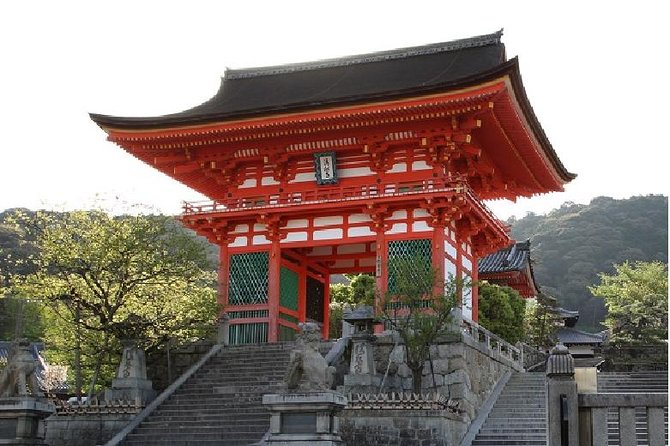
The final major stop is Kiyomizu-dera, with about 70 minutes to explore. You approach through a historic shopping lane lined with pottery shops before reaching the temple and its famous terrace.
The view across Kyoto is the payoff. From the hillside, the city opens below you, making this a fitting final stop before returning to the bus. The temple’s setting also gives you a last chance to experience Kyoto as a living city rather than a string of isolated monuments.
The route involves uphill walking and uneven surfaces. Comfortable shoes are essential, and the shopping lane can tempt you to linger longer than the schedule permits. Keep track of the meeting time.
Seventy minutes is more generous than the time given to several earlier stops, but it still will not cover every part of the temple area. You will need to choose between the terrace, temple buildings, views, and shops. I would make the terrace and main temple your priorities, then browse only if the group has time.
Lunch choices and the value of the $168.43 price
The listed cost is $168.43 per person. That is not a bargain-basement bus ride, but the price includes transportation, admission fees, and a licensed English-speaking guide. For six major sites in a single day, the value comes from time saved as much as from the tickets.
Lunch depends on the option you select. The Western-style lunch is available only with the appropriate booking choice, and vegetarian requests must be made in advance. Same-day changes are not accepted. Halal, gluten-free, and other special meal requests are not available.
An Indian thali lunch option is also offered. It includes three curries, vegetable pakora, yogurt, naan or roti, rice, salad, and a non-alcoholic drink. Those choosing the Indian meal eat in a separate dining area, and you cannot switch between the two meal options on the day.
The no-lunch option gives you free time to eat near Kyoto Station. This can be the better choice if you have a particular restaurant in mind or need more control over your meal. It also avoids paying for food you may not want.
Some people accidentally booked without lunch and still found good choices around Kyoto Station. That arrangement is practical, but it gives you less time to browse if the return is close to your onward train.
The pace, guide quality, and weather factor
The most praised part of this experience is often the guide. KC is described as funny, warm, and attentive, including on a day above 40 degrees Celsius. Miyuki received similar praise for explaining the route almost continuously and looking after the group. Yoshitaka Harada was noted for explaining customs, daily life, and Japanese habits in a way that added meaning to the sites.
That said, the experience is not identical every day. Some guides speak too softly, walk too fast, or begin explanations before the whole group has caught up. If you have hearing concerns, stay near the guide and ask to move closer when needed.
The tour runs in rain and cold, but the bus only solves the problem between stops. Bring weather protection, water, and shoes suitable for steady walking. You may also want a small bag that is easy to carry through temple grounds and shopping lanes.
A few minutes of lateness can affect the whole group. The schedule is tight, and waiting at one stop can reduce time at another. I would set a phone alarm for every bus meeting time rather than relying on memory.
Who will get the most from this tour?
This tour suits you if:
- You have one full day in Kyoto and want the major sights handled for you.
- You prefer historical explanation to figuring out every site alone.
- You value a comfortable bus and included admissions.
- You are comfortable walking at a steady pace.
- You want a broad first look before choosing places to revisit.
It is less suitable if you want long, quiet visits, extensive shopping time, or a flexible lunch. Independent visitors with several days in Kyoto can spread these places across separate mornings and afternoons.
Families can join, but note the child policy. Children up to age five may join free, but they do not receive a bus seat or lunch unless booked at the child rate. Anyone under 18 needs written parental permission, and anyone under 15 or not yet in middle school must be accompanied by a parent or guardian.
The tour allows service animals and most people can participate, but the walking sections and temple approaches still require ordinary mobility. The group size can reach 40, so this is organized sightseeing rather than a private tour.
Should you book the Kyoto one-day tour?
Book it if you want maximum coverage with minimum planning. The route hits six of Kyoto’s best-known cultural sites, includes the main entry fees and transport, and gives you a guide who can turn a busy day into a coherent story.
Skip it if your ideal Kyoto day means sitting in one temple garden for an hour, exploring Fushimi Inari’s mountain trail, or changing plans whenever the light looks good. The $168.43 price is fair for the access and convenience, but you pay with flexibility.
For a first visit or a short stay, I would consider this a strong practical choice. Arrive early at Avanti’s basement desk, wear good shoes, choose your lunch option carefully, and treat the day as a brisk introduction rather than the final word on Kyoto.
FAQ
How long does the Kyoto one-day tour last?
The experience lasts approximately 9 hours and 40 minutes. It starts at 8:20 a.m. and ends at Kyoto Station around 5:30 p.m.
Where does the tour start?
It starts at the JTB Sunrise Tours Desk in the basement of Avanti, at Higashikujō Nishisannōchō 31 in Kyoto’s Minami Ward.
Where does the tour finish?
The tour ends at Kyoto Station, at approximately 5:30 p.m.
What sights are included?
The route includes Nijo Castle, Kinkaku-ji Temple, Kyoto Imperial Palace, Fushimi Inari Taisha Shrine, Sanjusangendo Temple, and Kiyomizu-dera Temple.
Is lunch included?
Lunch is included only when you select a lunch option at booking. Choices include a Western-style set menu, an Indian thali lunch option, or no lunch.
Can vegetarian meals be requested?
Vegetarian meals can be requested for the Western-style lunch, but you must provide the request when booking. Same-day changes are not accepted. Halal, gluten-free, and other meal requests are not available.
What happens if Kyoto Imperial Palace is closed?
The tour visits Kitano Tenmangu Shrine when the palace is closed, except when the closure falls on the 25th, when Nishi Hongan-ji Temple is visited instead.
What happens if Nijo Castle is closed?
Nijo Castle is closed on Tuesdays in January, July, August, and December, with some holiday adjustments. When it is closed, the tour visits Ryoan-ji Temple instead.
How large is the group?
The tour can have a maximum of 40 participants. Seats on the bus may not be designated.
Just added around Kyoto
- Osaka/Kyoto: Katsuoji, Kinkakuji, Arashiyama 1-Day Bus Tour★ 4.6 · 33 reviews
- Kyoto:Kiyomizu-dera Temple Rent a kimono and ride a rickshaw★ 4.8 · 7 reviews
- Kyoto: Wagashi (Japanese sweets) Cooking near Fushimiinari★ 5.0 · 40 reviews
- Kyoto: Kimono/Yukata Rental 5 Minute from Kiyomizu-dera★ 4.7 · 89 reviews
- Kyoto Fushimiinari:Wagashi Making & Small Group Tea Ceremony★ 5.0 · 14 reviews
- Kyoto: Samurai Sword & Kimono Action Filming Experience★ 4.8 · 78 reviews
- KYOTO: Tempio Kiyomizu Pagode Gion “Geisya” (Guida Italiana)★ 4.7 · 17 reviews
- Best of Kyoto: Red Gates of Fushimi Inari & Kiyomizu Temple★ 4.8 · 36 reviews
Kyoto Temple Tours, compared.
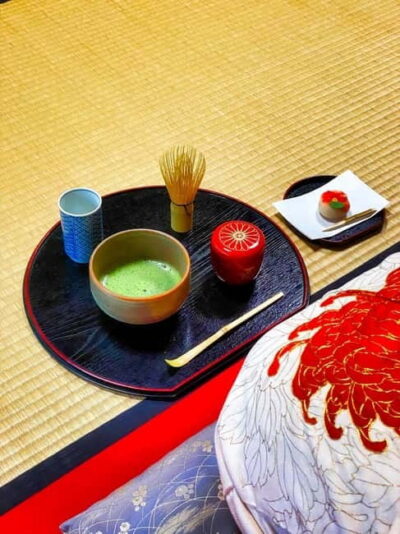
Tea Ceremony in a Traditional Tea House in Kiyomizu
Read our review →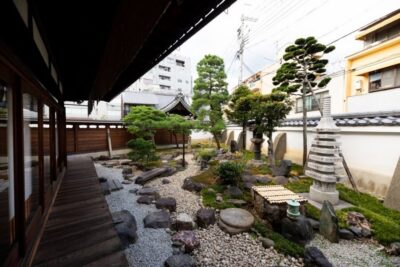
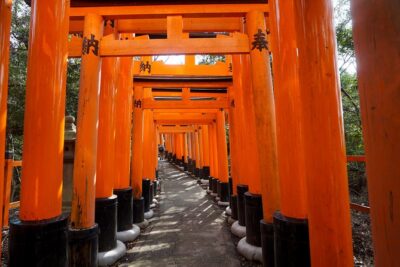
Fushimi Inari Hidden Hiking Tour (Private Option Available)
Read our review →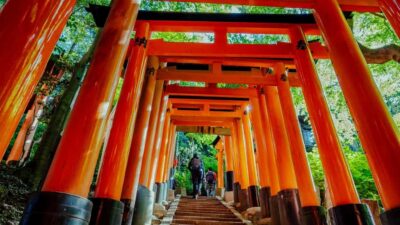
Osaka/Kyoto:Kinkakuji,Arashiyama,FushimiInariShrine,NaraPark
Read our review →
Kyoto/Osaka: Nara, Fushimi Inari Taisha, Arashiyama Bus Tour
Read our review →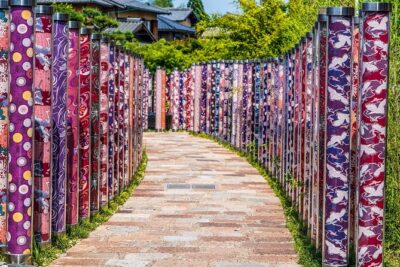
Kyoto Arashiyama Walking Tour: Bamboo, Monkeys, Gardens & Secrets
Read our review →
Arashiyama Bamboo, Temple, Monkeys, or Secret Sake Brewery
Read our review →
Arashiyama Bamboo Forest, Monkeys, Matcha & Temple Tour
Read our review →Browse the lists this tour appears in