
REVIEW · KYOTO TEMPLE TOURS
Kyoto: Zen Experience in a Hidden Temple
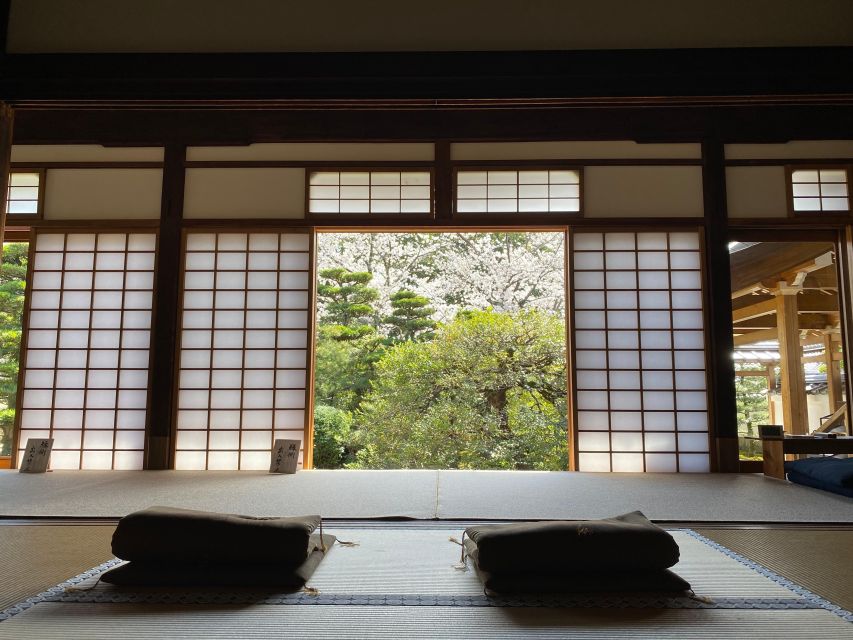
At Jusho-in Temple, you sit quietly before a 400-year-old garden while Eitetsu Nishida, the temple’s 16th-generation abbot, teaches the basics of zazen. This is not a quick photo stop. It gives you time to slow down, ask questions, and see how meditation and tea fit into Zen practice. The calm setting and the abbot’s friendly humor make the experience easy to approach, even if your mind refuses to sit still.
I like the two 20-minute meditation sessions, with a pause between them for stretching and questions. I also like the thoughtful tea service, where matcha is paired with seasonal Japanese sweets and explained as part of Zen culture, not just served as a drink. The main drawback is physical: sitting upright for 20 minutes can be hard, especially if you are unused to floor seating. Chairs are available, but rented kimono are not a good match for this activity.
Key Points to Know Before You Book
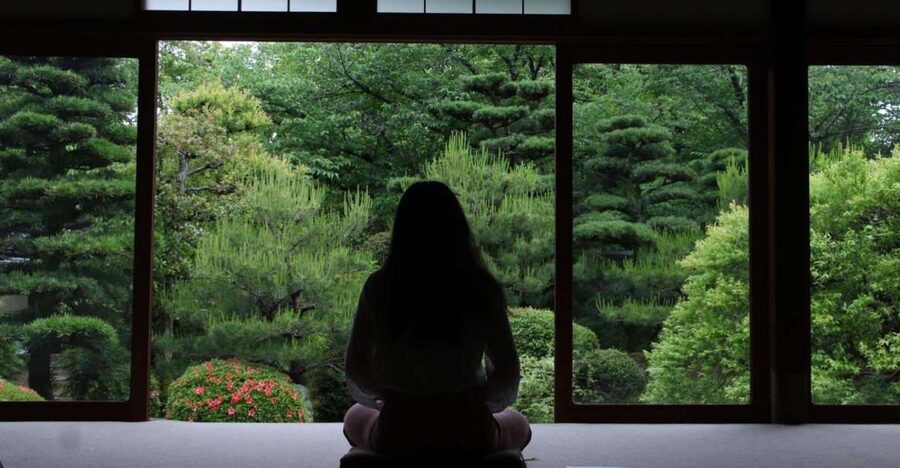
- Meditate with Abbot Eitetsu Nishida: The 16th-generation priest leads the zazen instruction and joins you for the meditation.
- Two 20-minute sessions: A short break makes the practice manageable for beginners and gives you time to ask questions.
- Tea in a historic garden: Matcha, seasonal sweets, and the Jusho-in garden form the second half of the experience.
- A quieter side of Kyoto: Jusho-in is one of 46 sub-temples within the large Myoshin-ji complex.
- Professional photographs included: A photographer records the session and sends the photo data within a few days.
- Small-group or private format: English guidance is provided, with private and small-group options available.
Why This Two-Hour Zen Visit Feels Different
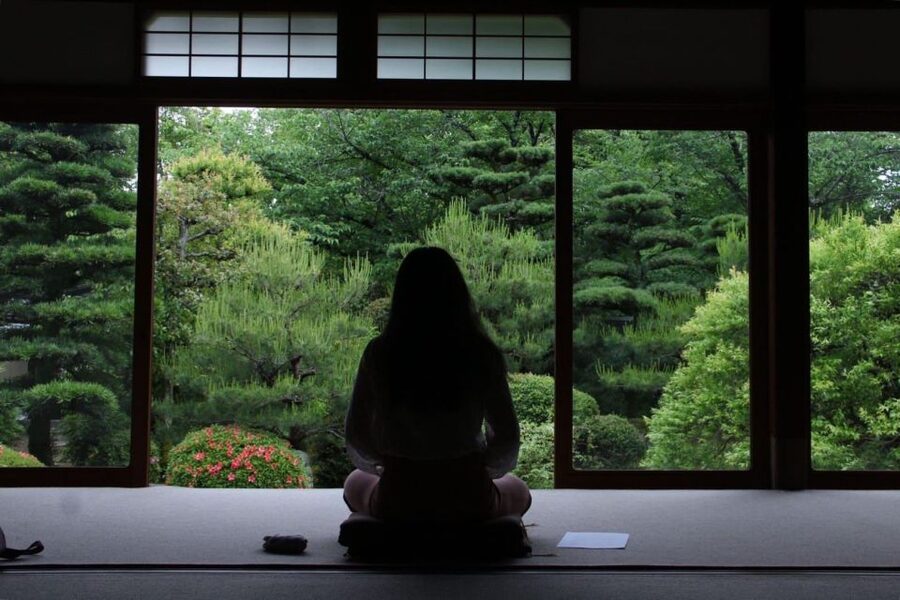
Kyoto has no shortage of temples, gardens, and tea experiences. Many are busy, scheduled, and built around looking rather than doing. This visit at Jusho-in takes a slower route. You are guided into a working Zen setting, shown how to sit, and given time to try the practice before tea brings the session back to conversation.
The temple dates from 1599 and belongs to Myoshin-ji, one of Japan’s largest Zen temple complexes. Jusho-in itself is one of 46 sub-temples inside the grounds. That matters because the experience feels removed from Kyoto’s busiest sightseeing circuit, even though it remains within the city.
I particularly like the way the visit joins two activities that are often treated separately: zazen and tea. After sitting quietly, you learn how matcha is prepared, received, and enjoyed with a traditional sweet. The connection is simple. Both practices ask you to pay attention to small movements, texture, taste, and the passing moment.
A few more temple visits around Kyoto worth a look
- Kyoto: Tea Ceremony Ju-An at Jotokuji Temple
★ 4.9 · 3,207 reviews - Kyoto/Osaka: Nara, Fushimi Inari Taisha, Arashiyama Bus Tour
★ 4.7 · 1,275 reviews - Arashiyama Bamboo, Temple, Monkeys, or Secret Sake Brewery
★ 4.8 · 886 reviews
Meeting at Myoshin-ji’s North Gate
The meeting point is at the north gate of Myoshin-ji, listed as 18 Taniguchisonomachi. Your exact meeting point can vary by booking option, so check your confirmation carefully. From the gate, an English-speaking guide leads the group through the temple complex to Jusho-in.
Allow enough time to reach the gate without rushing. The complex is large, and the walk to the sub-temple is part of the experience. You are leaving ordinary city traffic behind and entering a collection of smaller religious spaces, each with its own quiet atmosphere.
The tour finishes back at the north gate. Hotel pickup and drop-off are not included, so you arrange your own way to and from Myoshin-ji. If you have extra time, the wider complex deserves a walk before or after the two-hour session.
Entering Jusho-in Temple
Jusho-in was founded in 1599 and has roughly 420 years of history. Its appeal is not grand scale. The smaller temple setting creates the stillness needed for meditation, with the garden providing a natural focus beyond the open room.
The garden is attributed to Eitoku Kano, a major 16th-century painter. Its design has remained unchanged since it was created. You see a different mood in each season: cherry blossoms in spring, fresh greenery in summer, autumn color, and snow in winter.
The garden is not simply background scenery. During zazen, it gives your eyes a quiet place to rest if you choose to meditate with them slightly open. In cooler weather, the doors may remain open to the garden, and blankets can be provided. That can make the setting feel more connected to nature, but it also means you should dress for the season.
Learning Zazen From Eitetsu Nishida
Eitetsu Nishida is the 16th-generation abbot of Jusho-in. Before becoming a monk, he worked as a national public servant for 10 years. He later completed three and a half years of demanding Buddhist training.
The formal background is impressive, but his approachable personality is just as important here. The session is designed for people who may know very little about Zen. The abbot explains the purpose of zazen, how to sit, and how to handle the mind’s constant urge to wander.
Zazen is seated meditation. In Rinzai Zen, the form of Zen practiced here, direct experience is placed ahead of relying only on written teachings. The aim is not to perform meditation perfectly or force your mind to become blank. You learn to sit, notice what arises, and return your attention to the practice.
That distinction helps beginners. You do not need prior meditation experience, and you do not need to arrive with a spiritual goal. You only need patience and a willingness to try something unfamiliar.
Same country, a different morning at the gates:
- Kyoto: Tea Ceremony in a Traditional Tea House in Kiyomizu
★ 4.9 · 3,519 reviews - Fushimi Inari Hidden Hiking Tour (Private Option Available)
★ 5.0 · 1,750 reviews - Osaka/Kyoto:Kinkakuji,Arashiyama,FushimiInariShrine,NaraPark
★ 4.1 · 1,596 reviews - Kyoto Arashiyama Walking Tour: Bamboo, Monkeys, Gardens & Secrets
★ 5.0 · 1,216 reviews
Two Twenty-Minute Sessions, With Time to Reset
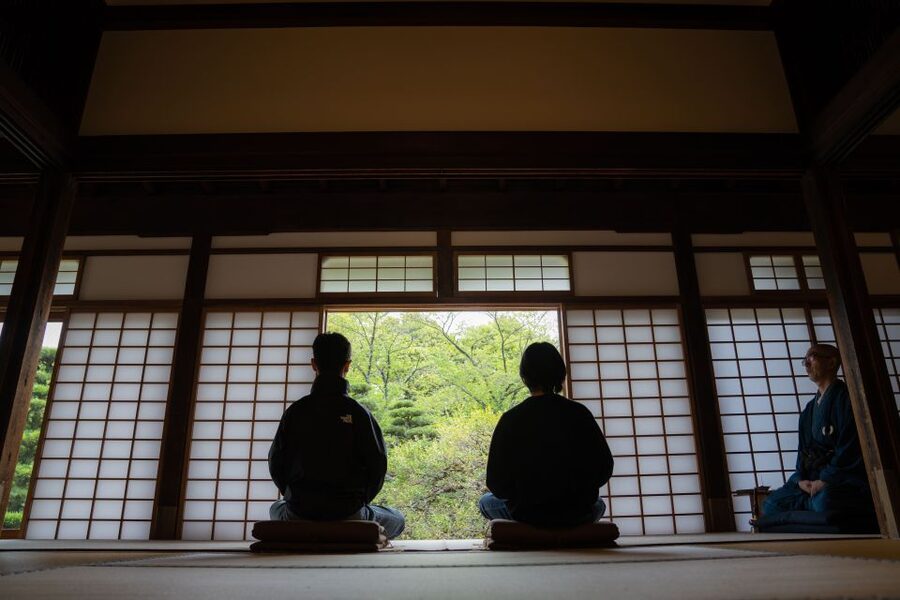
The meditation is divided into two 20-minute periods. I consider this a smart format. One long session could feel daunting if you have never sat on a floor in silence, while two shorter sessions let you learn from the first attempt.
Between the sessions, you can stretch and ask questions. This pause also gives the guide and temple assistants a chance to clarify posture and other points. Several people who have tried the experience found the sessions challenging in a useful way, especially when attempting to stop chasing every thought.
Sitting position is the practical issue to take seriously. You may sit cross-legged, but you are not required to force a posture that causes pain. Chairs are available for those who need them. The experience is open to all ages, but it is not wheelchair accessible.
Do not wear a rented kimono for this activity if you can avoid it. The clothing can make floor seating and meditation uncomfortable. There are no special clothing requirements otherwise, so simple, flexible clothes are the sensible choice.
Understanding Zen Without Heavy Religious Language
The explanations cover Zen philosophy and Rinzai Buddhism in a way that connects the ideas to what you are doing. Zen is a branch of Mahayana Buddhism that gives strong weight to zazen and direct experience. Rinzai Zen is associated with sudden insight, often called satori, reached through disciplined practice.
You will not leave with a complete education in Buddhism after two hours. That is not the purpose. The value is that you receive a clear introduction from someone who lives within the tradition, then immediately test one part of it yourself.
English interpretation is provided. The quality of communication can depend on the session and interpreter. Nicolas and Ursula have been praised for clear, helpful guidance, while other sessions have included a request for the abbot to speak in Japanese with translation more consistently because his English accent can be difficult for some people to follow.
That is worth knowing if you want a lecture-style explanation. The heart of the experience is the guided practice, the setting, and the chance to speak with the temple team. If every philosophical detail must be perfectly clear, ask questions during the breaks and tea time.
Matcha, Seasonal Sweets, and the Garden View
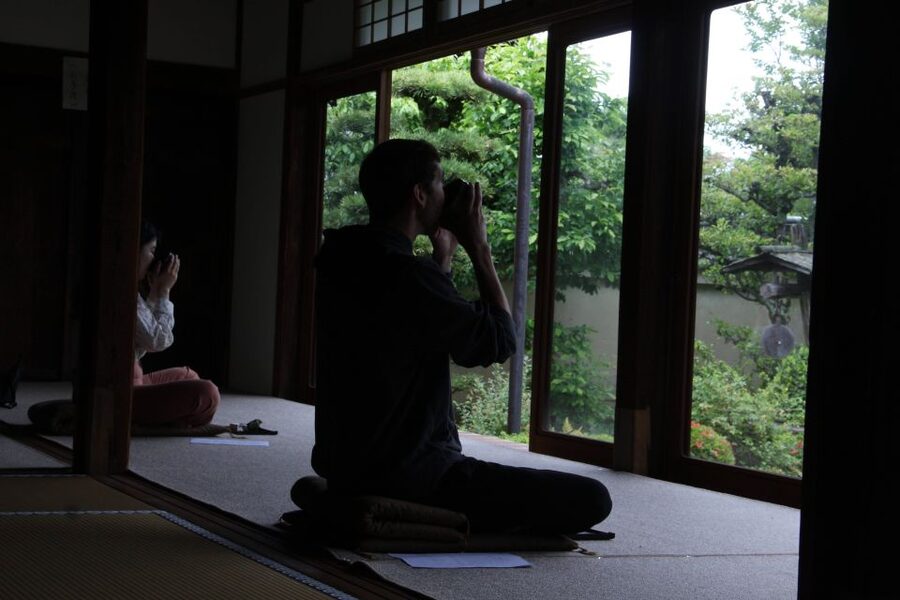
After zazen, the mood changes from silent practice to a gentle tea lesson. Eitetsu explains matcha and its place in Japanese culture, while the tea team shows you how to receive and drink it.
The matcha is served with a seasonal Japanese sweet, often wagashi. The pairing is deliberate. The sweet balances the bitter tea, and the act of receiving it gives you another chance to pay attention to etiquette and detail.
This is not presented as a full formal tea ceremony with a long sequence of ritual movements. It is a focused tea experience connected to the meditation session. You learn enough to understand the care behind the preparation without spending the entire visit watching a demonstration.
The garden makes this section especially pleasant. You can sit with the tea and sweets while looking out across the historic grounds. It is also the best time to talk with the monk, ask about Zen, or simply let the quiet continue.
The Photograph Keeps the Memory Practical
A photographer works during the experience, including the meditation and tea portions, and you receive the digital photographs within a few days. This is a useful inclusion because you can concentrate on the session instead of asking a companion to document every moment.
The photographs also capture something difficult to recreate later: you seated in the temple, the garden beyond you, and the small details of the tea service. They are not a substitute for being present, but they make a pleasant record of a quiet morning.
The final group photograph completes the visit. If you prefer not to be photographed, check with the guide at the start so expectations are clear.
Is the $109 Price Fair?
At $109 per person, this is not a budget temple visit. You are paying for more than entry. The price includes the English-speaking guide, temple admission, the abbot’s teaching, two meditation sessions, matcha and sweets, and professional photographs sent afterward.
The strongest part of the value is access. You are not just entering a historic temple garden for a few minutes. You spend focused time with the chief priest, receive instruction in a practice that can be hard to understand from a book, and have room for questions.
The experience also avoids the cost of assembling separate activities. A general temple visit, a tea service, and a meditation class would each take planning, and they would not necessarily connect as naturally. Here, the sequence has a clear purpose.
I would consider the price worthwhile if you want a personal cultural activity rather than another sightseeing stop. It is less compelling if you mainly want to photograph the garden or wander through Myoshin-ji without a scheduled program.
Who Will Get the Most From This Visit?
This experience suits first-time meditators particularly well. You receive clear instruction, two manageable sessions, and access to chairs if floor seating becomes difficult. You also get enough explanation to understand that struggling with distraction is normal.
It works for couples, families with older children, and solo visitors. One family group included ages from children to adults, and the format allowed everyone to take part. Private bookings are available, while small groups keep the setting personal without making it feel overly formal.
It is also a good choice for someone who has visited Kyoto before and wants a quieter activity. Several people have found it more memorable than another trip through a crowded attraction because it gives them time to stop and reflect.
I would think twice if you dislike silence, floor seating, structured activities, or religious settings. The tour is welcoming, but it is still a meditation experience. You cannot rush through the quiet portions and expect the same benefit.
Practical Details That Affect Your Day
The activity lasts two hours and operates rain or shine. Rain may actually suit the temple setting, but bring clothing that keeps you comfortable on the walk through Myoshin-ji.
Seating is assigned in reservation order. If where you sit matters to you, book early rather than expecting to choose on arrival. The experience is not wheelchair accessible, and hotel transportation is not provided.
Weapons, sharp objects, alcohol, and drugs are not allowed. There are bathrooms at the temple area, and chairs and blankets may be available when needed.
Cancellations receive a full refund up to 24 hours before the start time. After that point, no refund is available. You can also reserve now and pay later, which helps if your Kyoto schedule is still changing.
Should You Book the Jusho-in Zen Experience?
Book it if you want to understand Kyoto through practice rather than observation. The best parts are the quiet garden, the warm and humorous abbot, the carefully paced meditation, and the matcha service that gives the visit a satisfying second half.
The main cautions are clear: floor seating can be demanding, the setting is not wheelchair accessible, and translation may vary slightly between sessions. None of those issues changes the core value, but they should shape your expectations.
For $109, I would choose this over another standard temple stop if you have two hours to spare and want something personal, calm, and culturally grounded. It gives you a rare chance to slow down inside one of Kyoto’s historic Zen compounds, then carry the experience home through the photographs, tea ritual, and meditation practice.
FAQ
Where does the Zen experience take place?
It takes place at Jusho-in Temple, one of 46 sub-temples within the Myoshin-ji complex in Kyoto.
Where is the meeting point?
The meeting point is at the north gate of Myoshin-ji, listed as 18 Taniguchisonomachi. The exact point may vary depending on the booking option.
How long does the activity last?
The experience lasts two hours, including explanations, meditation, tea, sweets, and the final photograph.
Is the tour offered in English?
Yes. An English-speaking live guide is provided, and interpretation supports the abbot’s explanations.
Who leads the meditation?
Eitetsu Nishida, the 16th-generation abbot of Jusho-in, leads the zazen instruction and joins the meditation.
How long are the meditation sessions?
You take part in two 20-minute zazen sessions, with a break between them for stretching and questions.
Do I need meditation experience?
No. The experience is open to beginners, and the abbot and temple team explain the basics before you sit.
Can I use a chair during meditation?
Yes. Chairs are available for people who need assistance with floor seating.
Is the tour wheelchair accessible?
No. The experience is not wheelchair accessible.
What is included in the price?
The price includes the guide, temple entry, the chief priest’s sermon, Japanese tea and sweets, and photographs taken with a single-lens reflex camera. The photo data is sent within a few days.
Can I cancel for a full refund?
Yes. You can receive a full refund if you cancel at least 24 hours before the activity. Cancellations after that time are not refundable.
Just added around Kyoto
- Osaka/Kyoto: Katsuoji, Kinkakuji, Arashiyama 1-Day Bus Tour★ 4.6 · 33 reviews
- Kyoto:Kiyomizu-dera Temple Rent a kimono and ride a rickshaw★ 4.8 · 7 reviews
- Kyoto: Wagashi (Japanese sweets) Cooking near Fushimiinari★ 5.0 · 40 reviews
- Kyoto: Kimono/Yukata Rental 5 Minute from Kiyomizu-dera★ 4.7 · 89 reviews
- KYOTO: Tempio Kiyomizu Pagode Gion “Geisya” (Guida Italiana)★ 4.7 · 17 reviews
- Kyoto Fushimiinari:Wagashi Making & Small Group Tea Ceremony★ 5.0 · 14 reviews
- Kyoto: Samurai Sword & Kimono Action Filming Experience★ 4.8 · 78 reviews
- Best of Kyoto: Red Gates of Fushimi Inari & Kiyomizu Temple★ 4.8 · 36 reviews
Kyoto Temple Tours, compared.
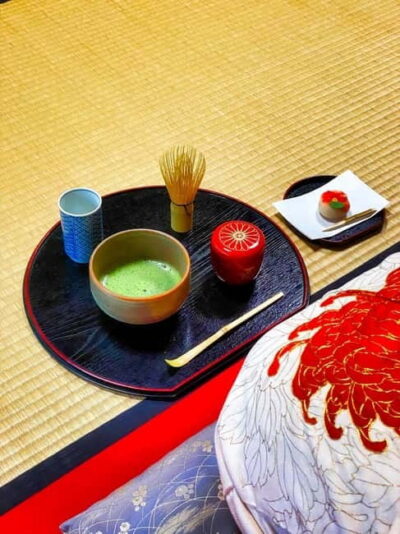
Tea Ceremony in a Traditional Tea House in Kiyomizu
Read our review →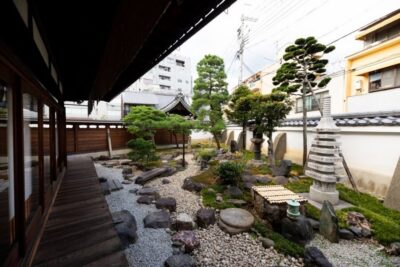
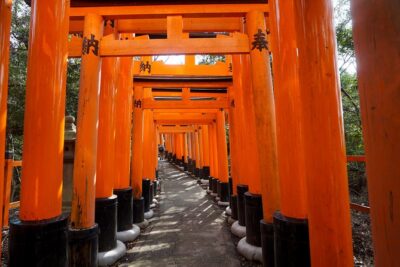
Fushimi Inari Hidden Hiking Tour (Private Option Available)
Read our review →
Osaka/Kyoto:Kinkakuji,Arashiyama,FushimiInariShrine,NaraPark
Read our review →
Kyoto/Osaka: Nara, Fushimi Inari Taisha, Arashiyama Bus Tour
Read our review →
Kyoto Arashiyama Walking Tour: Bamboo, Monkeys, Gardens & Secrets
Read our review →
Arashiyama Bamboo, Temple, Monkeys, or Secret Sake Brewery
Read our review →
Arashiyama Bamboo Forest, Monkeys, Matcha & Temple Tour
Read our review →Browse the lists this tour appears in