
REVIEW · FUSHIMI INARI SHRINE TOURS
From Osaka: Nara Deer & Kyoto Kiyomizudera Sightseeing Tour
Nara’s free-roaming deer and Kyoto’s bright red torii gates make this 10-hour day trip a smart way to see three major Japanese sights without piecing together several train rides. You get Nara Park, Todai-ji, Fushimi Inari, Kiyomizudera, Kyoto’s old lanes, and Osaka shopping in one long sweep.
I like the easy transport from Osaka and the useful mix of temples, shrines, wildlife, and shopping. I also like that the route includes both famous highlights and smaller Kyoto streets such as Sannenzaka, Ninenzaka, and Hanamikoji. The tradeoff is simple: this is a driver-guided shared tour, so you get basic introductions rather than long, detailed temple talks.
Key points at a glance
- Feed Nara’s free-roaming shika deer: Nara Park gives you about 80 minutes for deer, photos, and a short break.
- Walk beneath Fushimi Inari’s torii gates: You have roughly an hour to explore the shrine complex, though not enough time to walk the full mountain route.
- Spend the longest stretch at Kiyomizudera: About three and a half hours covers the temple, nearby lanes, shopping, and several Kyoto stops.
- Expect transport rather than a traditional guided tour: Your driver handles the route, timing, and basic introductions in English, Chinese, Japanese, or Traditional Chinese.
- Budget for two entrance fees: Todai-ji costs JPY 600 for adults and JPY 300 for children. Kiyomizudera costs JPY 400 for adults and JPY 200 for children.
- Keep your phone charged: Pickup and meeting details are coordinated through WhatsApp, and Kyoto reunions may use a shared map location.
What this Osaka day trip is really designed to do
This tour is built for coverage. In one day, you move from Nara’s deer park to major Kyoto shrines and temples, then return to Osaka for shopping. It is not slow travel, but it solves a real problem for short stays: how to see the classic sights without arranging separate transport.
The schedule gives you a broad look at the Kansai area. Nara supplies open space, deer, and Todai-ji. Kyoto supplies the most recognizable religious sites and old lanes. Osaka finishes the day with food, shops, and city energy around Shinsaibashi-suji.
You should think of the driver as a practical escort. The driver gets you there, gives basic attraction information, watches the clock, and helps the group stay together. If you want detailed explanations of Buddhist art, shrine customs, architecture, or Japanese history, you may want to hire a licensed guide at one of the sites.
That distinction matters. The tour’s overall rating is 4.2 from 27 reviews, with especially strong praise for the route, smooth organization, friendly drivers, and comfortable vans. But one clear weakness is the limited English commentary on some departures. A small-group driver-guide may speak limited English and may not provide commentary while driving.
More Fushimi Inari Shrine Tours in Osaka:
- Sagano Romantic Train & Arashiyama, Kiyomizudera, Fushimi Inari Taisha Day Tour
★ 4.5 · 171 reviews - Kyoto: Immersive Arashiyama & Fushimi Inari by Private Car
★ 5.0 · 35 reviews - From Osaka: Kyoto, Nara, Fushimi Inari & Arashiyama Day Tour
★ 4.4 · 19 reviews
Starting in Osaka: meet early and be exact
The main meeting point is at Nipponbashi Exit 2, near 1-chome-3-6 Nipponbashi in Chuo Ward. The designated parking point is listed as 1-chome-3 Nipponbashi Parking. Pickup options may be available, but the operator must confirm that your hotel falls within the service area.
You receive the guide’s contact details and vehicle information one day before departure. The guide also adds you to a WhatsApp group, so download the app before the tour and keep your phone charged with mobile data or Wi-Fi access.
This is not a departure where arriving five minutes late is harmless. The vehicle leaves on time, and late arrival or going to the wrong meeting point can mean no refund. I would arrive early, check the WhatsApp messages, and keep the exact pickup address open on your phone.
The vehicle is air-conditioned, and tolls and parking are included. Large luggage is discouraged because storage space is limited. Food and drinks are not allowed inside the vehicle, so eat before departure and plan to buy lunch during the day.
Nara Park: deer first, with about 80 minutes
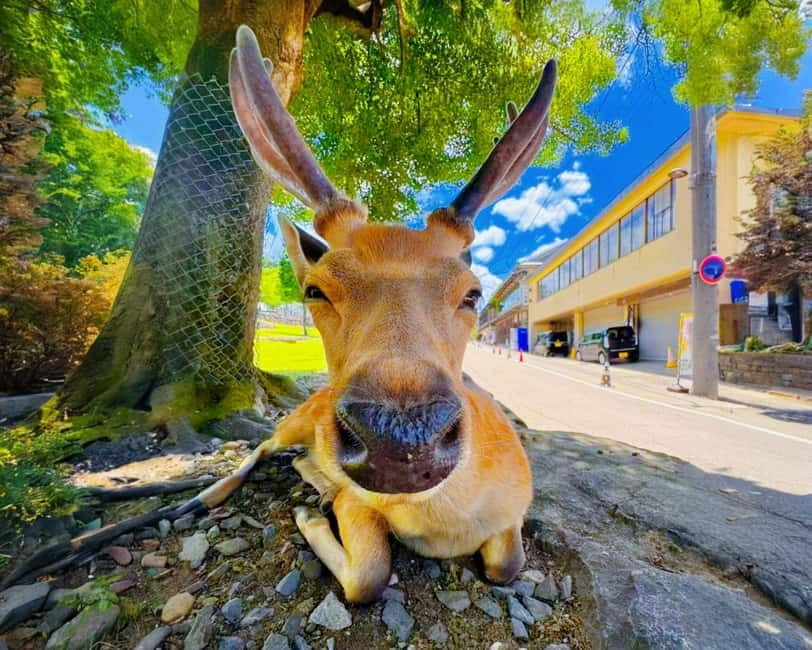
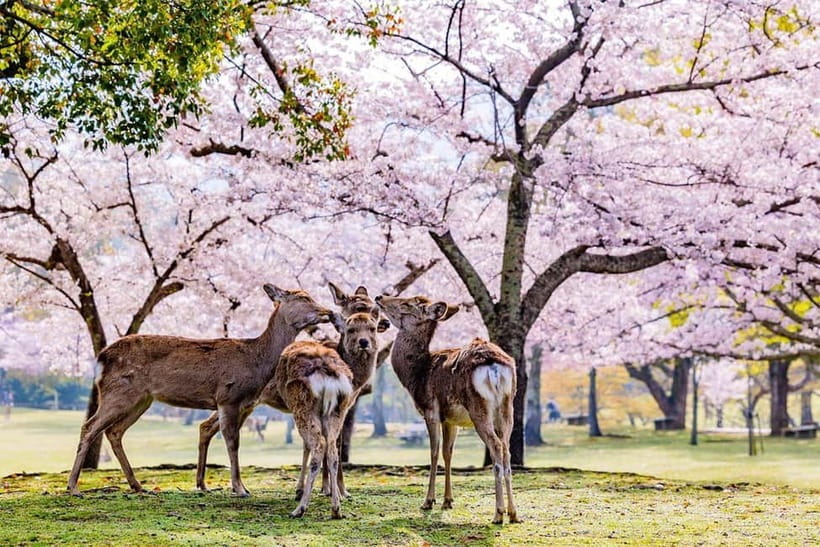
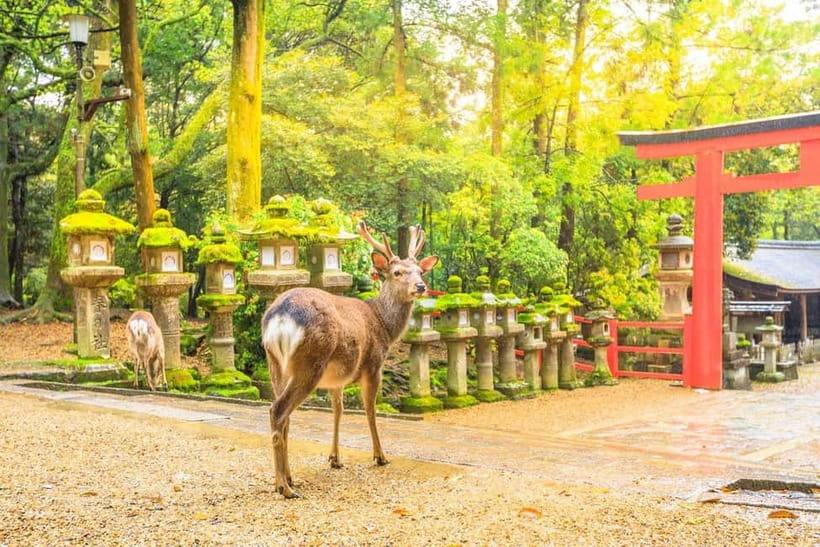
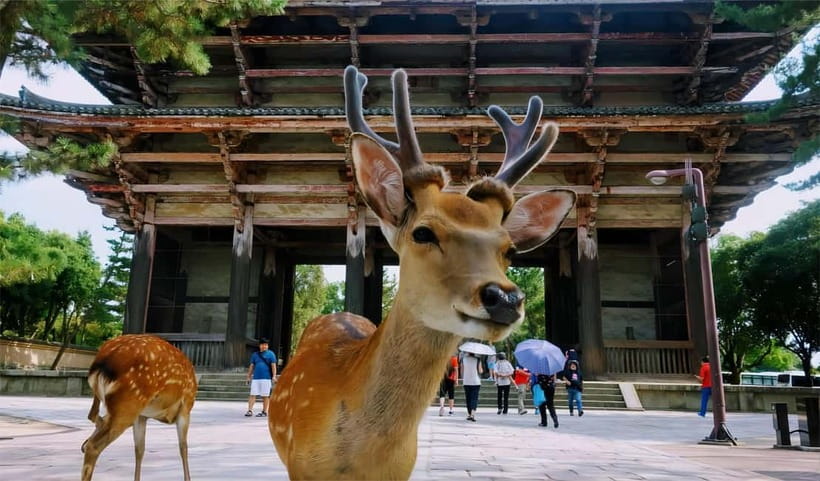
Nara Park is the day’s most playful stop. Hundreds of free-roaming shika deer move through the park, and you have about 80 minutes for a visit, photographs, and time with the animals.
The deer are the main attraction, but the setting matters too. You are not looking at animals behind a fence. They move through a public park beside paths, trees, and historic buildings. That makes the visit memorable, though you should still treat them as wild animals and follow local instructions when feeding them.
The schedule is long enough for a proper first look, but it is not an all-morning Nara visit. You will need to keep an eye on the meeting time, especially if you stop often for photographs or buy food for the deer.
Nara Park works well for families, but small children need close supervision around the animals. Children under three can join free without occupying a seat, but you must tell the operator in advance if a child is two or younger.
Todai-ji: a major temple with an extra entrance fee
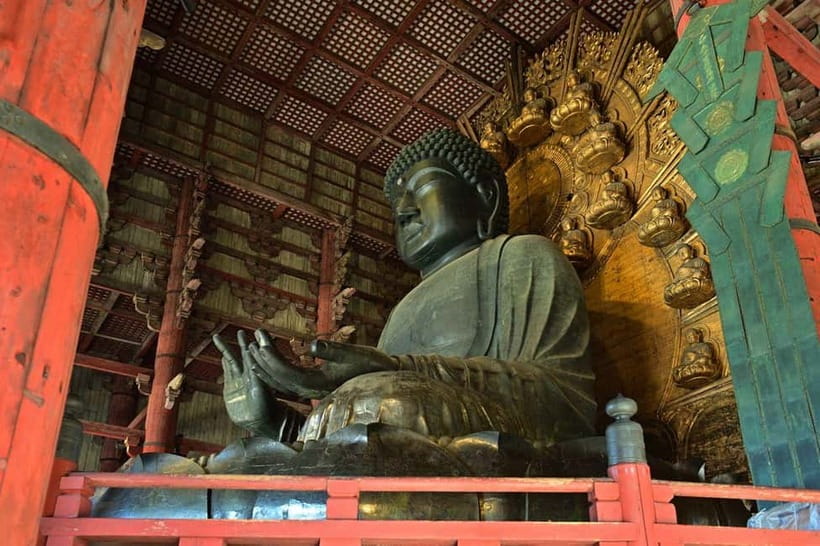
From the park, the tour continues to Todai-ji, with about one hour for photographs, free time, and sightseeing. The temple is one of Nara’s key sights, and the visit gives you a chance to add a major religious building to the outdoor deer experience.
Todai-ji requires a separate ticket. Adults pay JPY 600 and children pay JPY 300. That is not a large extra cost, but you should include it when comparing the tour price with a fully inclusive package.
One hour is enough for a focused visit, especially after Nara Park. It is not enough for a leisurely study of every part of the extensive temple grounds. If Todai-ji is your main reason for visiting Nara, an independent day in the city would give you more freedom. If you want a first look before continuing to Kyoto, the timing is practical.
A few more temple visits around Osaka worth a look
- Kyoto and Nara Day Trip from Osaka
★ 4.0 · 175 reviews - Osaka: Minoh, Katsuoji Temple, & Minoh Falls Full-day Tour
★ 4.9 · 172 reviews - Osaka Temple Cool Foot Bath & Matcha Experience〈45min〉
★ 4.9 · 82 reviews - Osaka: Mind & Spirit Balance Temple Reiki Healing
★ 5.0 · 41 reviews
Fushimi Inari: one hour beneath the red torii gates
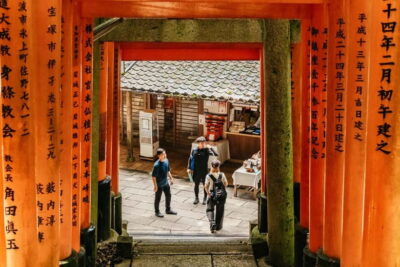
Fushimi Inari Taisha is famous for its Senbon Torii, the long corridors of red-orange gates that climb the wooded hillside. The tour allows about one hour at the shrine, including photographs, free time, and sightseeing.
That hour lets you enter the shrine grounds and walk beneath the most recognizable gates. It does not give you time to take the full uphill route at a relaxed pace. You should decide early how far you want to walk, then turn back in time for the meeting point.
Fushimi Inari is also one of the stops where crowd levels can shape your experience. The tour schedule does not promise a quiet visit, so patience and comfortable shoes help. The path can become tiring, particularly when combined with a full day of walking through Nara and Kyoto.
The driver provides basic information, but this is not a long shrine lecture. If you want to understand the religious meaning of the fox imagery, the shrine’s history, or the role of the gates, consider arranging a licensed guide separately.
Kiyomizudera: the day’s main Kyoto stop
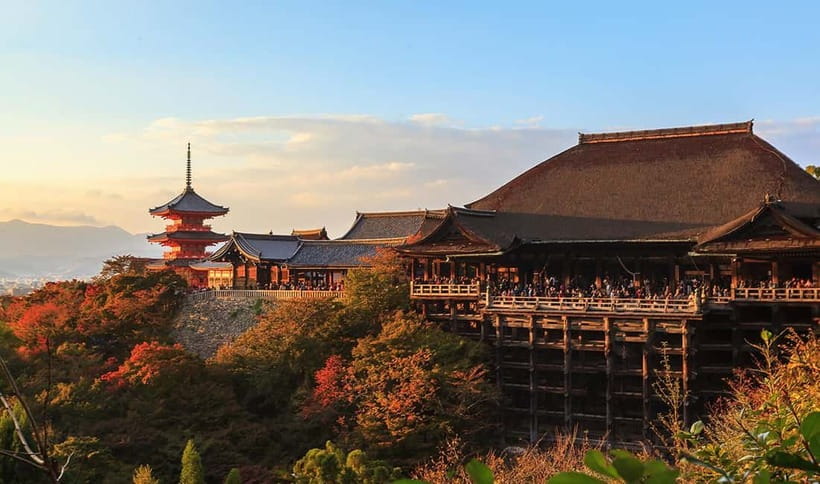
Kiyomizudera receives the longest block of time, about three and a half hours. That is the strongest part of the schedule for anyone who wants more than a quick photograph.
The UNESCO-listed temple is one of Kyoto’s defining sights and is described as the city’s oldest Buddhist temple. Its setting on the hillside gives the visit a strong sense of place, while the temple itself offers the day’s major architectural focus.
Admission is separate. Adults pay JPY 400 and children pay JPY 200. The entrance fee is modest, but remember that both Todai-ji and Kiyomizudera are excluded from the tour price.
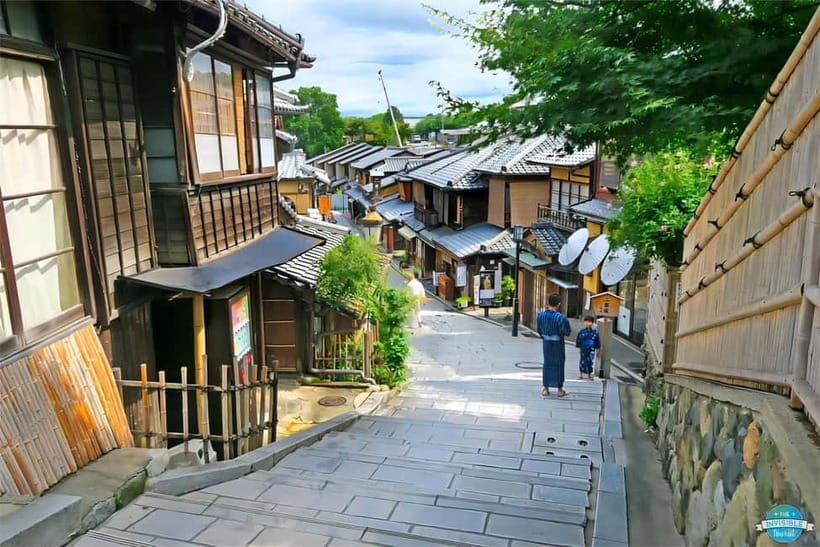
The long Kiyomizudera stop also includes several nearby streets. Sannenzaka and Ninenzaka are traditional-looking lanes with shops, snack stops, and good places to browse. You get about 30 minutes at each listed street, so the schedule encourages a short wander rather than a long shopping session.
This part of Kyoto can be crowded, and the lanes are not simply a quiet extension of the temple. You may find yourself moving slowly around other groups, stopping for photographs, and choosing between browsing and sitting down for a break. Comfortable shoes are essential.
Hanamikoji, Gion, and Yasaka Shrine
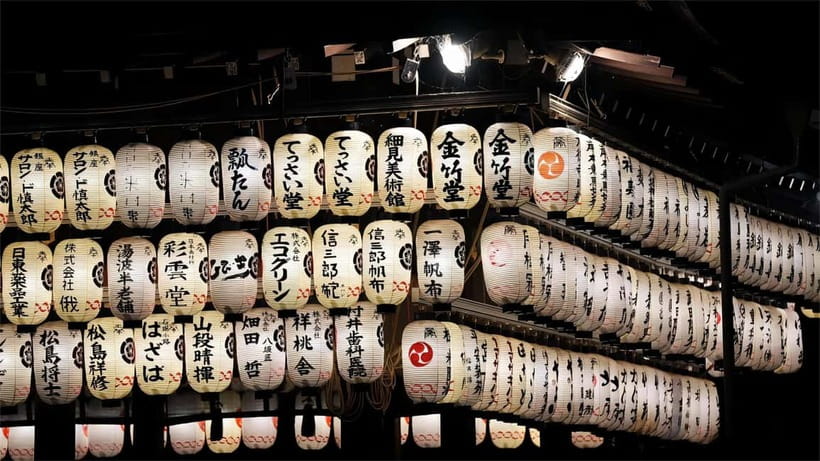
The route continues through Hanamikoji Street and Gion, giving you short looks at one of Kyoto’s best-known traditional districts. Each stop lasts about 30 minutes, with time for walking, photographs, sightseeing, or shopping.
Hanamikoji offers a different mood from the temple grounds. Its appeal comes from the traditional streetscape and the chance to see an older side of Kyoto without spending the whole day in one neighborhood. The visit is brief, so treat it as an orientation walk rather than a detailed district tour.
Gion adds another short stop for photographs and shopping. You should follow local signs and rules about photography, especially around private properties and working geisha districts. The supplied schedule promises time in the area, but it does not promise a geisha sighting or a private cultural experience.
Yasaka Shrine receives about 30 minutes for a visit, photographs, and free time. It gives you one more religious site before the return to Osaka. After Kiyomizudera and Fushimi Inari, the shrine may feel like a quick final stop, but it helps round out the Kyoto portion of the day.
Shinsaibashi-suji gives the day a modern finish
The advertised highlights include Shinsaibashi-suji Shopping Street in downtown Osaka, described as the final contrast to the temples and shrines. The detailed stop list focuses on the Kyoto sequence before the return drive, so confirm the exact timing and drop-off plan with the operator.
Shinsaibashi-suji is useful at the end of a sightseeing day because you can shift from monuments to shops, restaurants, and Osaka’s modern city center. It is a good place to continue independently if your drop-off point allows it.
The tour offers 12 possible Osaka drop-off areas, including Chuo, Naniwa, Tennoji, Fukushima, Minato, Joto, and others. Your final location may affect how easily you continue your evening, so check the selected drop-off option when booking.
Transport, timing, and the cost of a long day
At $69 per person, the tour offers strong value if you want transport between Osaka, Nara, and Kyoto. A private vehicle, fuel, tolls, parking, and a full day of movement are included. You also avoid the work of coordinating several train journeys and finding each site on your own.
The price is less attractive if you want a slow, detailed visit at every temple. The itinerary covers a lot of ground, and the return drive can take about 75 minutes before additional drop-offs. Traffic may lengthen the day, particularly during busy holiday periods.
The listed schedule includes roughly one hour of initial coach travel, the Nara and Kyoto stops, then a return drive. Exact departure and arrival times can change with traffic. Do not schedule a time-sensitive evening activity immediately after the tour.
The tour is also a shared experience. Pickup delays can happen when other passengers struggle to find their meeting points. One account describes a hotel pickup working well but a delayed departure caused by other pickups. This is a useful reminder that shared transport trades some control for a lower price.
A vehicle makes this route easier than public transport for many people, especially families and anyone who wants one continuous day. The cost is your flexibility. You stay with the group, follow the driver’s meeting times, and cannot simply extend your time at one favorite site.
What the guide can and cannot provide
The driver handles transport, basic attraction introductions, and time management. English, Chinese, Japanese, and Traditional Chinese services are available, but the exact level of spoken explanation can vary.
Leo is one guide named in the feedback, and he was praised for punctual pickup, steady driving, and helping a passenger safely after the return. Other comments also praise friendly drivers, smooth planning, and clear explanations during the journey.
At the same time, you should not book this expecting a full cultural lecture. One English-language experience had little commentary and required the passenger to use WhatsApp, a charged phone, data, and Google Maps when meeting the driver in Kyoto. That is not a serious problem if you are comfortable navigating digitally, but it can feel unsettling if you expect a guide holding a sign at every stop.
For the best experience, read about each temple before departure or hire an on-site licensed guide where available. The tour gives you access and transport. You provide much of the deeper context.
Who should book this tour
I would recommend this tour to a first-time visitor staying in Osaka who has only one day for Nara and Kyoto. It is also a good fit for families, small groups, and anyone who values an air-conditioned vehicle over a complex rail itinerary.
The route suits people who want famous sights rather than a quiet, single-city visit. You will see deer, a major Buddhist temple, a major shrine, Kyoto’s old lanes, and Osaka shopping in one day.
I would be more cautious if you dislike fixed schedules, need detailed historical interpretation, or want to spend half a day at one temple. The walking adds up, and the return traffic can be tiring.
Wear comfortable shoes and clothes. Keep your phone charged, download WhatsApp, bring only a small bag, and arrive well before departure. Those simple steps address the main practical problems reported with this type of shared tour.
Should you book the Nara and Kyoto day trip?
Book it if you want maximum sightseeing coverage for $69 and accept a fast pace. The strongest parts are Nara Park, the long Kiyomizudera visit, and the convenience of having one driver connect Osaka with two major cultural cities.
Skip it if your priority is expert guiding, free time, or a relaxed Kyoto day. In that case, choose one destination and arrange a licensed guide or independent visit.
For most short-stay visitors, this is a sensible first look at Nara and Kyoto. Just see it for what it is: a well-packed transport and sightseeing day, not a private cultural tour.
FAQ
How long is the tour?
The tour lasts about 10 hours. The exact departure and return times depend on availability, traffic, and the selected pickup option.
Where is the main meeting point?
The main meeting point is Nipponbashi Exit 2 near 1-chome-3-6 Nipponbashi, Chuo Ward, Osaka. The listed parking point is 1-chome-3 Nipponbashi Parking.
Is hotel pickup available?
Pickup is optional and depends on your hotel location. The operator contacts you to confirm your hotel name and address, and you should confirm that your hotel is within the pickup area before booking.
What languages are available?
Host or greeter services are listed in Chinese, English, Japanese, and Traditional Chinese. Small groups may have a driver-guide with limited English and limited commentary while driving.
Are entrance tickets included?
No. Todai-ji tickets cost JPY 600 for adults and JPY 300 for children. Kiyomizudera tickets cost JPY 400 for adults and JPY 200 for children.
Is lunch included?
No. Lunch is not included, so plan to buy food during the day or before departure. Food and drinks are not allowed inside the vehicle.
How much time is spent at Nara Park?
The schedule allows about 80 minutes at Nara Park for a visit, photographs, free time, and viewing the deer.
How much time is available at Kiyomizudera?
The Kiyomizudera portion lasts about three and a half hours. This also gives you time to visit nearby Sannenzaka and Ninenzaka.
What should I bring?
Bring comfortable shoes and comfortable clothing. A charged phone is important because WhatsApp is used for communication and meeting details.
What happens if I arrive late?
The bus leaves on time, with no exception stated. Late arrival, a wrong meeting point, or a no-show may result in no refund and no alternative date.
Just added around Osaka
- Osaka Temple :Warm Bamboo Oil Massage – Deep Restore〈60min〉★ 4.9 · 19 reviews
- Osaka/Kyoto: Kiyomizudera Fushimi Inari, Nara Tour w/ Pickup★ 4.5 · 8 reviews
- Osaka: Temple Tour and Traditional Calligraphy Lesson★ 4.9 · 24 reviews
- Osaka Temple :Warm Bamboo Oil Massage – Deep Restore〈90min〉★ 5.0 · 14 reviews
- Osaka Temple Head Spa &Matcha Facial – Refresh & Glow〈90min〉★ 5.0 · 24 reviews
- Osaka Temple Cool Foot Bath & Matcha Experience〈45min〉★ 4.9 · 82 reviews
- Osaka: Mind & Spirit Balance Temple Reiki Healing★ 5.0 · 41 reviews
- Osaka Morning Tour: Shitennoji Temple, Shinsekai &Doutonbori★ 5.0 · 23 reviews
Fushimi Inari Shrine Tours, compared.
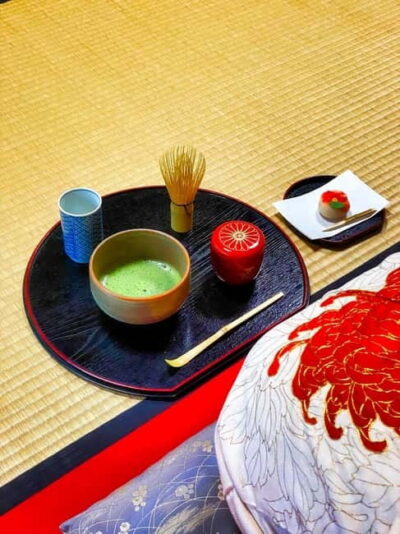
Tea Ceremony in a Traditional Tea House in Kiyomizu
Read our review →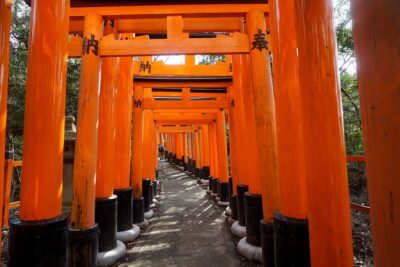
Fushimi Inari Hidden Hiking Tour (Private Option Available)
Read our review →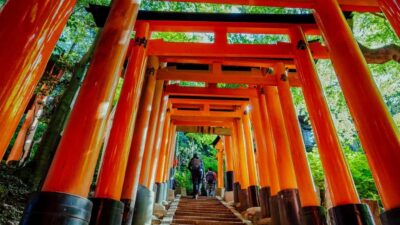
Osaka/Kyoto:Kinkakuji,Arashiyama,FushimiInariShrine,NaraPark
Read our review →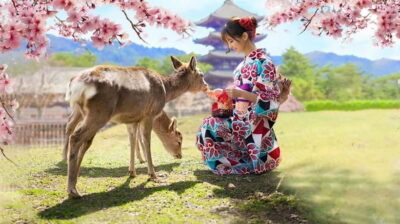
Kyoto/Osaka: Nara, Fushimi Inari Taisha, Arashiyama Bus Tour
Read our review →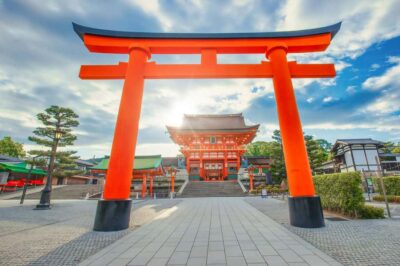
Osaka/Kyoto: Arashiyama, Nara & Fushimi Inari Shrine w/Lunch
Read our review →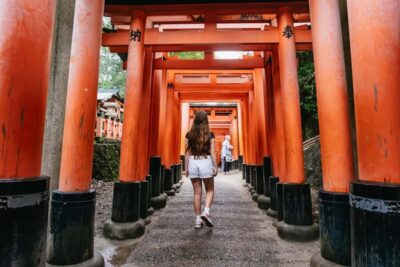
Nijo Castle, Kiyomizu & Fushimi Inari Guided Tour
Read our review →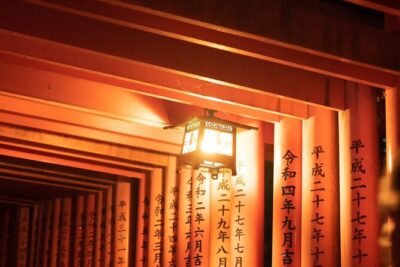
Browse the lists this tour appears in