
REVIEW · MEIJI SHRINE & SENSO-JI TOURS
From Asakusa: Old Tokyo, Temples, Gardens and Pop Culture
Asakusa is the doorway, but the real story is how East Tokyo changes block by block. In four hours, you move from the incense and pagoda of Senso-ji to Ueno’s market stalls, Akihabara’s anime shops, and the quiet paths of Koishikawa Korakuen.
I like the small group of eight and the fact that local train rides and standard admissions are covered. I also like the human touch: guides such as Taka, Michelle, and Toru have been praised for being warm, clear, and good with families.
The catch is pace. Six stops in four hours means you are seeing each area through a guide’s explanation rather than touring every museum or shop at length. Wear good shoes and expect a walking-heavy morning or afternoon.
Key points to know before booking
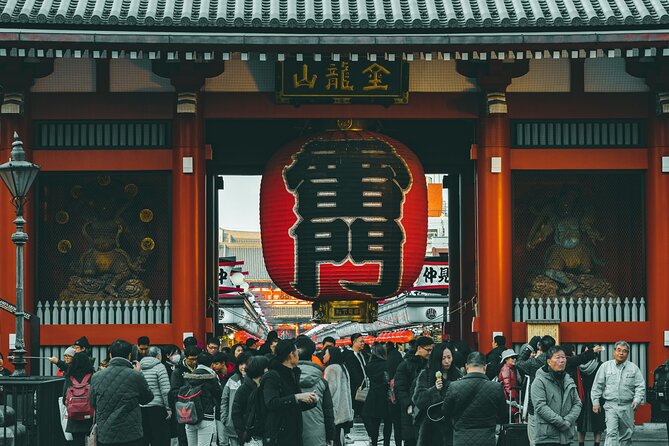
- Senso-ji gives you the best start: Learn how Asakusa grew around one of Japan’s oldest Buddhist temples.
- Ueno and Okachimachi show working Tokyo: Ameya-Yokocho brings market noise, food stalls, and everyday shopping rather than polished department stores.
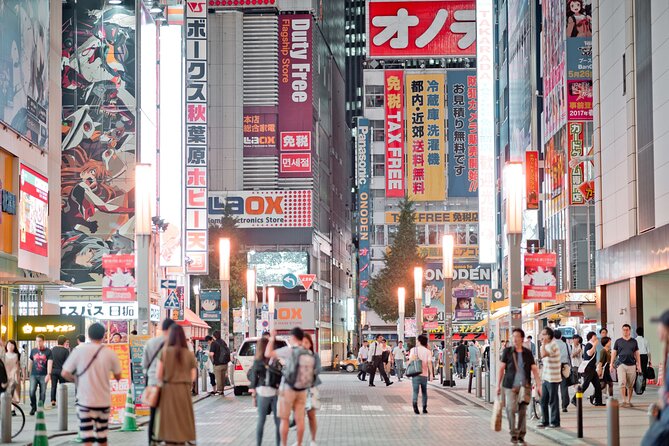
- Akihabara explains modern pop culture: See how an electronics district became a center for anime, manga, gaming, and cosplay.
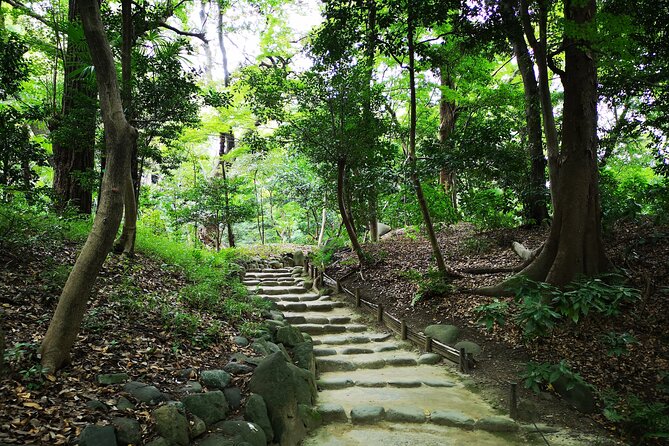
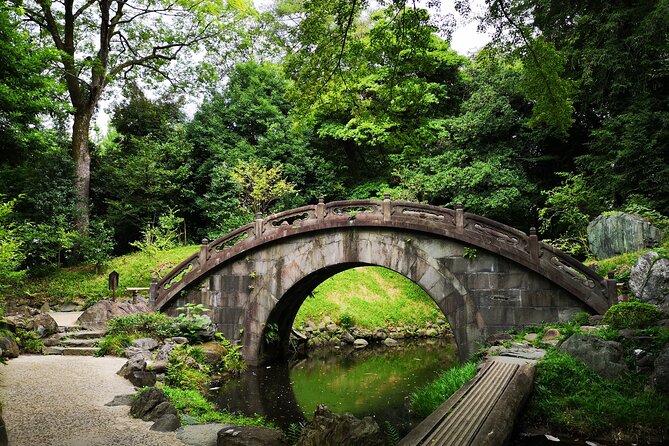
- Koishikawa Korakuen changes the mood: Its Edo-era garden offers ponds, paths, seasonal flowers, and a needed pause from city streets.
- The price includes useful extras: At $68 per person, local trains, standard admissions, and the guide are included, while food and Tokyo National Museum admission are not.
- The guide can shape the day: Past guide names include Taka, Takee, Michelle, and Toru, with Michelle noted for speaking Italian fluently.
A four-hour lesson in how East Tokyo works
This is not a tour built around one grand sight. It is a connected walk through several neighborhoods that explain different parts of Tokyo’s character.
You start at Kamiya Bar in Asakusa, at 1-chōme-1-1 Asakusa. From there, the route covers Asakusa, Senso-ji, Ueno, Okachimachi, Koishikawa Korakuen, and Akihabara. The listed sightseeing time adds up to four hours, so the schedule is fairly tight.
That tight schedule can be a benefit. You get a useful first look at several districts without spending a whole day in one part of the city. It also means you should not expect long museum visits, a full shopping session, or an unhurried meal.
The tour is conducted in English and is limited to eight people. That is a sensible size for city streets, temple courtyards, and crowded market lanes. A guide can usually keep the group together more easily than on a large coach tour, and you have a better chance to ask questions.
More Meiji Shrine and Senso-ji Tours in Tokyo:
- Tokyo: Asakusa Walking Tour with Sensoji Temple Visit
★ 4.8 · 1,583 reviews - Tokyo Panoramic 1 Day: Meiji Shrine, Asakusa, Odaiba and SKYTREE®
★ 4.5 · 1,222 reviews - Tokyo: Asakusa and Tokyo’s Oldest Temple Senso-ji Tour
★ 4.9 · 352 reviews
Asakusa and the first view of old Tokyo
Asakusa is the right place to begin because it shows Tokyo at its most traditional. The neighborhood is closely tied to Senso-ji, but the guide also explains how the area developed beyond the temple grounds.
You will spend about 45 minutes touring Asakusa, followed by about 15 minutes at Senso-ji. That gives you time to understand the setting before focusing on the temple itself.
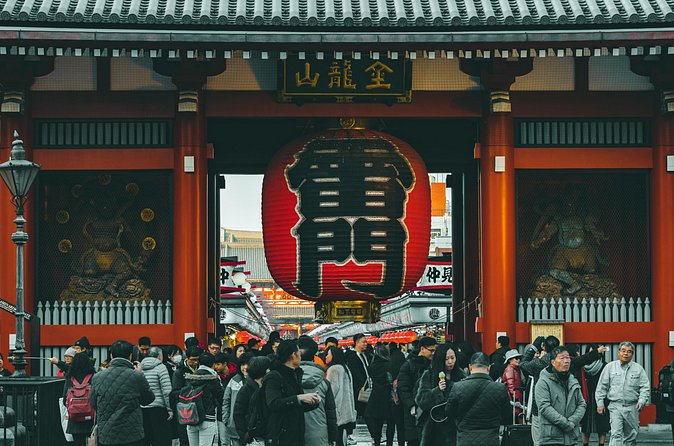
Senso-ji is an early Buddhist temple in Japan and one of Tokyo’s most familiar sights. Your guide explains its background and points out how religious life, shopping, and tourism meet here. The value is not just seeing the temple gate or taking a photograph. You begin to understand why Asakusa has remained a major gathering place.
Nakamise-dori leads toward the temple and is lined with shops selling snacks, souvenirs, and traditional goods. It can be crowded, especially at popular times, so this is not the place for a slow browse if you are following the schedule.
I like the way the tour uses Asakusa as a history lesson rather than treating it as a single photo stop. You also hear about the neighborhood’s role a century ago, when the first subway in Asia began operating between Asakusa and Ueno. That detail connects the temple district to the city’s later growth.
The meeting point at Kamiya Bar is practical, but check the exact location before setting out. Asakusa has several major streets and transport exits, and arriving a little early will help you begin calmly.
Ueno and Okachimachi, where Tokyo gets practical
From Asakusa, the route continues toward Ueno. This part of the tour moves away from temple architecture and into the daily commerce of East Tokyo.
You spend about 25 minutes in Ueno and another 25 minutes in Okachimachi. Ueno is known for museums, cherry blossoms, and public spaces, while Okachimachi leads toward the Ameya-Yokocho market area.
The market is one of the most useful parts of the route for anyone who wants to see a less polished side of central Tokyo. Shops and stalls sell food and goods in close quarters, and the atmosphere is built around trade rather than luxury branding.
That difference matters. Tokyo is often presented through spotless stations, tall buildings, and carefully arranged storefronts. Ueno and Okachimachi show another city: busy, practical, noisy, and shaped by generations of small businesses.
You will not get a full visit to every Ueno museum. Admission to the Tokyo National Museum is not included, and the tour does not promise a museum session. If that museum is a major goal, plan a separate visit.
The strength here is the guide’s context. You can ask how the districts changed, how transport affected their growth, and why the market still feels different from a corporate shopping street. The 25-minute stops are enough for orientation, but not for a long meal or serious shopping.
Food and drinks are not included, so do not count on this tour as a lunch outing. You might find something tempting at Ameya-Yokocho, but the schedule may leave little time to stop.
Koishikawa Korakuen, a quiet turn in the route
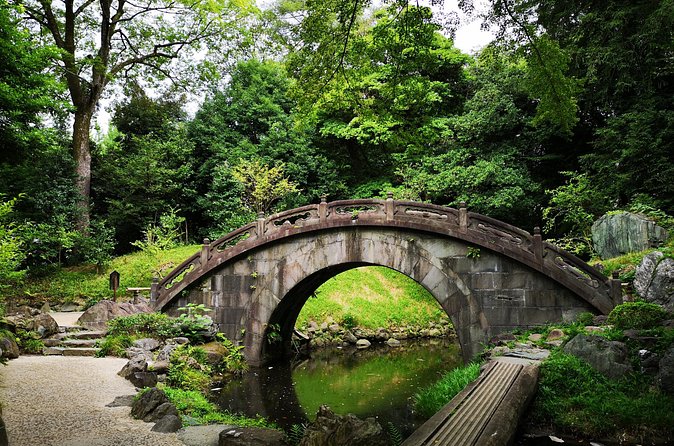
Koishikawa Korakuen provides the strongest change of pace. After streets, shops, and transport connections, you reach a traditional Japanese garden with paths, water, seasonal plantings, and carefully framed views.
The scheduled time here is about 45 minutes, including sightseeing and scenic views along the way. That is long enough to appreciate the garden’s design without turning the tour into a full garden study.
Koishikawa Korakuen dates to the Edo period, and its appeal changes with the calendar. Cherry blossoms make spring especially attractive, while autumn brings strong seasonal color. The garden is also valuable outside those periods because it offers a clear contrast with the city around it.
I like this stop because it prevents the tour from becoming a simple chain of urban neighborhoods. You see Tokyo’s crowded public face, then enter a place designed for quiet movement and controlled views.
Do not expect complete solitude. This is still a sightseeing stop within a major city, and the four-hour schedule keeps you moving. Still, it is a good place to slow down, listen to the guide, and notice how older Japanese garden design uses ponds, paths, and borrowed scenery.
The order deserves attention. The supplied route places Koishikawa Korakuen before Akihabara, while the broader description presents Akihabara first and the garden afterward. Routes can be arranged around the day’s movement, so confirm the precise sequence when booking if the order matters to you.
A few more temple visits around Tokyo worth a look
- Nikko: Kegon Falls, Lake Chuzenji & Toshogu Temple
★ 4.6 · 1,577 reviews - Tokyo: Nikko Toshogu Shrine and Kegon Waterfall Tour
★ 4.5 · 1,266 reviews - Tokyo: Mt. Fuji, Kamakura, Big Buddha, & Lake Ashi Day Trip
★ 4.5 · 867 reviews - Tokyo: Zen Meditation at a Private Temple with a Monk
★ 5.0 · 510 reviews
Akihabara and the city’s pop-culture engine
Akihabara is the most modern-looking stop. The district is widely known as Electric Town and has been associated with electronics since before the war. Its identity later shifted toward anime, manga, gaming, cosplay, and other forms of Otaku culture.
You spend about 45 minutes here. That is enough to understand the district’s character and walk among the signs, shops, and themed storefronts. It is not enough for a serious electronics hunt or a long shopping trip.
The guide’s role is particularly useful in Akihabara. Without context, the district can feel like a wall of bright signs and unfamiliar characters. With an explanation of how the electronics trade developed and how pop culture took over parts of the area, the streets become easier to read.
You may see cosplayers and displays that make the neighborhood feel closer to a manga or anime setting than an ordinary shopping street. The appeal is not only the merchandise. It is the way entertainment, commerce, and everyday city life share the same sidewalks.
Families may appreciate this stop if children already like gaming or anime. One family had a particularly hands-on visit with guide Takee, including origami and a stop at a pub. That kind of extra interaction is not listed as a guaranteed part of the tour, so treat it as a sign of the guide’s personal style rather than a promised activity.
If you are not interested in Japanese pop culture, Akihabara may be the least compelling stop. Even then, its history as an electronics center and its unusual street atmosphere make it useful for understanding how Tokyo adapts old commercial districts to new interests.
The guides are a major part of the value
A walking tour lives or dies by its guide. Here, the guide is not only leading you between locations but also explaining why these places belong in one story.
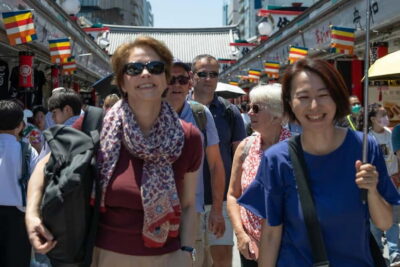
Taka, also written as Takee in one account, was praised for being engaging, informative, and good with children. Michelle was described as professional, friendly, and fluent in Italian as well as English. Toru was remembered as especially kind and available, more like an experienced travel companion than someone simply pointing out sights.
Those details matter because the tour crosses religious, commercial, historical, and pop-culture subjects in a short time. A guide who can adjust explanations for adults and children will make the route much easier to enjoy.
The experience is offered in English. If you need another language, do not assume it is available, although Michelle’s Italian ability may be useful if she is assigned to your departure.
The activity has a rating of 4.6 from 15 reviews, which suggests strong satisfaction but is not a large enough sample to erase the normal differences between guides, weather, group chemistry, and personal interests. Book it for the route and format first, then regard the guide quality as an important bonus.
Is $68 good value for four hours?
At $68 per person, this is not the cheapest way to walk around East Tokyo. You could visit several neighborhoods independently for less, especially if you already understand the train system and enjoy researching temples and markets on your own.
The value comes from what is bundled. Guide costs, standard admissions, and local train rides are included. You are paying for a clear route, historical explanation, and the ability to move between districts without planning every connection yourself.
The local transport inclusion is useful because the neighborhoods are spread across East Tokyo. You avoid having to calculate separate fares during the tour, though you should still expect plenty of walking.
Food and drinks are extra. Tokyo National Museum admission is also extra if you choose to visit it. Custom requests can create additional costs, so the base price is easiest to judge when you follow the planned route.
I would call the price fair for a first day in Tokyo, especially if you want orientation and context rather than a list of isolated sights. It is less attractive for a repeat visitor who already knows Asakusa, Ueno, Akihabara, and the train system.
Who will get the most from this tour?
This tour suits you if you want a broad introduction to Tokyo’s older eastern districts and newer cultural centers. It works especially well for first-time visitors who prefer a guide’s explanation to self-guided wandering.
Families may like the manageable group size and the chance to connect temple culture with anime and gaming. The positive experience with children and origami suggests that some guides are willing to make the day personal, though that is not guaranteed.
It also suits you if you enjoy contrasts: a Buddhist temple followed by a market, a garden followed by pop culture. The route gives you a better sense of how Tokyo contains many different cities within one rail network.
You may want something else if your main goal is a long temple visit, a full museum day, extensive shopping, or a food tour. The schedule is too short for deep time at each stop.
Wear comfortable shoes. The tour is wheelchair accessible, but you should still consider the amount of walking, street movement, and time spent in busy public areas when deciding if the pace fits your needs.
Practical details that affect the day
The tour lasts four hours, with starting times depending on availability. It is worth checking the forecast because much of the experience takes place outdoors.
The meeting point is Kamiya Bar in Asakusa. Bring comfortable shoes and arrive ready to walk between sights and use local trains.
You can cancel up to 24 hours before the start for a full refund, and you can reserve now while paying later. Those policies are useful if your Tokyo schedule is still changing.
The group is capped at eight people. That does not make the tour private in the sense of a guide assigned only to your party, but it does keep the group small enough for questions and easier movement.
Should you book this East Tokyo tour?
Book it if you want a compact, guided introduction to the way East Tokyo has changed from temple district to market quarter, electronics center, pop-culture hub, and garden city. The strongest feature is the range of neighborhoods, not any single admission.
I would especially recommend it for first-time visitors, families, and anyone who wants a guide to connect the dots. The combination of Senso-ji, Ameya-Yokocho, Akihabara, and Koishikawa Korakuen gives you more perspective than a temple-only outing.
Skip it if you prefer to spend hours inside museums, shop at your own speed, or explore one neighborhood slowly. At $68, the tour earns its price through explanation, transport, and structure. If that is what you need, it is a smart first look at old and new Tokyo.
FAQ
How long does the tour last?
The tour lasts four hours.
Where does the tour meet?
The meeting point is Kamiya Bar in Asakusa.
Which neighborhoods are included?
The route includes Asakusa, Senso-ji, Ueno, Okachimachi, Koishikawa Korakuen, and Akihabara.
Is the tour offered in English?
Yes. The tour has a live English-speaking guide.
How many people are in the group?
The group is limited to eight participants.
Are local train rides included?
Yes. Local train rides and standard costs during the tour are included.
Is Tokyo National Museum admission included?
No. Admission to Tokyo National Museum is not included if you choose to visit.
Can I cancel for a refund?
Yes. You can cancel up to 24 hours in advance for a full refund.
Just added around Tokyo
- Tokyo:Nikko UNESCO World Heritage Sites Private 1-Day Tour★ 3.8 · 6 reviews
- Tokyo: Snow Monkey Park and Zenkoji Temple Private Day Tour★ 4.7 · 127 reviews
- Tokyo War History Tour: Yasukuni Shrine & War Museum★ 4.5 · 6 reviews
- Tokyo: Sensoji Temple & Street Food: Private Tour with guide★ 4.6 · 8 reviews
- Tokyo: Shibuya Sky, Harajuku & Meiji Shrine Highlights Tour★ 4.5 · 9 reviews
- Tokyo’s Kitchen: Tsukiji Market Food & Culture Walk★ 4.7 · 74 reviews
- Tokyo: Nikko Private Sightseeing Day Trip with Driver★ 5.0 · 10 reviews
- Tokyo → Nikko:Private Customizable Day Trip (English Driver)★ 4.9 · 26 reviews
Meiji Shrine & Senso-ji Tours, compared.
Asakusa Walking Tour with Sensoji Temple Visit
Read our review →
Tokyo Panoramic 1 Day: Meiji Shrine, Asakusa, Odaiba and SKYTREE®
Read our review →
Asakusa Senso-ji Temple and Old Tokyo Walking Tour
Read our review →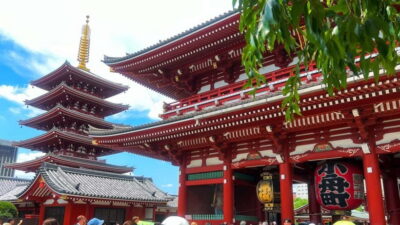
Asakusa and Tokyo’s Oldest Temple Senso-ji Tour
Read our review →
Meiji Shrine Walking Tour — Shinto & Imperial System
Read our review →
Meiji Jingu Shrine and Shinto Culture Walking Tour
Read our review →
Meiji Shrine Walking Tour — Shintoism & Imperial System
Read our review →Browse the lists this tour appears in