
REVIEW · MEIJI SHRINE & SENSO-JI TOURS
Tokyo: Meiji Shrine Walking Tour — Shintoism & Imperial System
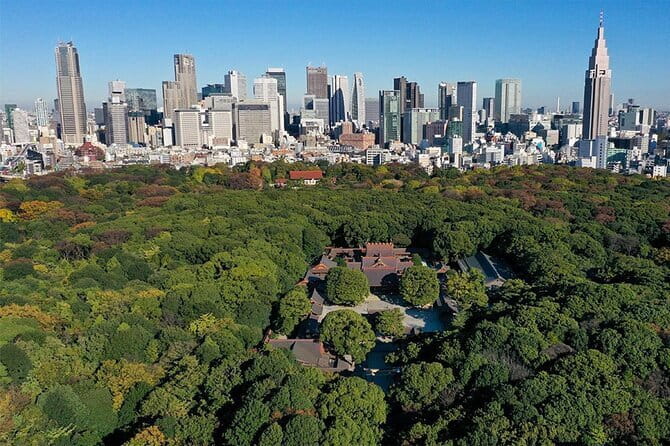
Meiji Shrine gives you one of Tokyo’s sharpest contrasts: Harajuku’s busy streets fade behind a wide forest path, giant torii gates, and the calm rhythm of Shinto worship. This 90-minute walk connects the setting to Japan’s imperial system, so you get more than a quick shrine photo stop.
I like the small-group limit of 15 and the choice of two departure times. I also like the practical focus: your guide explains the purification ritual, sake barrels, omikuji, ema, and omamori instead of leaving you to guess what each item means.
The main drawback is the short duration. You get a clear introduction to Meiji Shrine and its garden, but not a slow, open-ended visit. The meeting point at Harajuku Station is convenient, though you need to arrive ready to walk.
Key points at a glance
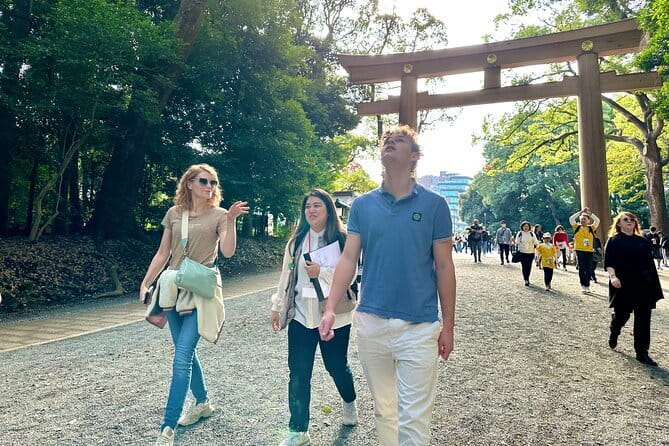
- A forest escape in central Tokyo: The route begins at Harajuku and follows quiet paths toward the shrine.
- One of Japan’s largest wooden torii gates: The gate is made from ancient cypress brought from Taiwan.
- A useful introduction to Shinto: You learn how to purify yourself, pray, and use shrine items respectfully.
- Imperial history is part of the walk: The guide explains the connection between Meiji Shrine and Japan’s imperial system.
- Small group, personal pace: The maximum is 15 people, with English-speaking guides such as Yuuki, Nana, Keiko, Nonoka, and Nanami associated with the experience.
- Good value at $21.22: Admission to the Meiji Shrine Garden is included, along with a guided visit lasting about an hour and a half.
Leaving Harajuku for Meiji Shrine
The tour starts at Harajuku Station, at 1 Chome-18 Jingumae in Shibuya. That location makes sense for a Tokyo sightseeing day because Meiji Shrine sits beside one of the city’s best-known shopping and youth-culture districts.
You begin by entering through the Harajuku gate. Within minutes, the urban noise gives way to a broad path under trees. This change is the first pleasure of the experience. You are still in central Tokyo, but the shrine grounds create a strong sense of distance from the traffic and shop signs.
The path is easy to understand, though this is still a walking tour. You spend most of the time outdoors, moving through the forest and shrine grounds rather than sitting in one place. Wear shoes you can walk in and bring water in warm weather.
The tour’s small-group format matters here. A guide can stop to explain a gate or ritual without turning the walk into a lecture for a large crowd. The listed maximum is 15 people, which is not a private tour, but it is small enough to make questions practical.
More Temple Walking Tours in Japan
- Tokyo: Asakusa Walking Tour with Sensoji Temple Visit
★ 4.8 · 1,583 reviews - Tokyo: Meiji Shrine Walking Tour — Shinto & Imperial System
★ 4.9 · 266 reviews - Tokyo: Meiji Jingu Shrine and Shinto Culture Walking Tour
★ 5.0 · 245 reviews
The giant torii and the forest path
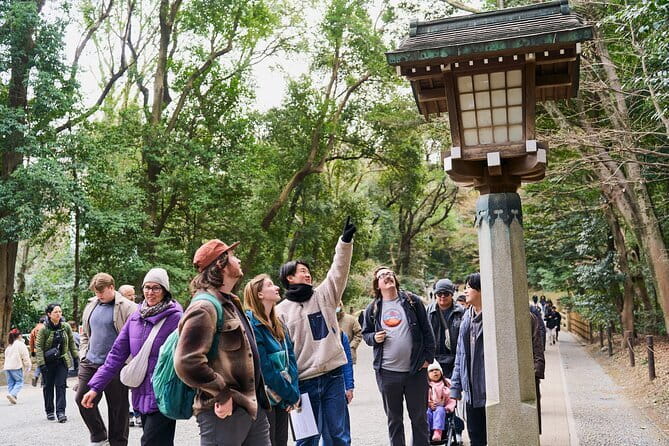
One of the first major sights is the large wooden torii gate. It is made from ancient cypress brought from Taiwan, and its scale gives the entrance a quiet sense of ceremony.
A torii marks the boundary between ordinary space and a Shinto sacred area. That simple idea becomes easier to understand when you walk under such a large gate and then continue along the long forest path. The route does not rush you straight to the shrine building. The approach itself prepares you for the visit.
Your guide can add the meaning behind the gate, the forest, and the arrangement of the grounds. That context is important because Meiji Shrine can otherwise look like a peaceful walk with a large building at the end. The guided explanation helps you see the site as a place shaped by ritual and imperial history.
The path also gives the tour its strongest mood. One guide, Nonoka, has been praised for being friendly and enthusiastic, while another, Nanami, has been especially appreciated for explaining details ranging from the shrine’s creation to flowers that bloom around the grounds. Those comments point to the kind of guide-led experience you can expect: not just dates and names, but small observations that help you notice the setting.
The forest can feel cooler than the surrounding streets in summer. That does not make the walk air-conditioned or effortless, but the shade is a real benefit. If you are visiting Tokyo during hot weather, the timing of the tour may affect your comfort, so use the two available departure options to choose a time that suits you.
Sake barrels and the first Shinto lessons
Along the way, you pass displays of sake barrels. These are visually striking, but the useful part is learning why they appear at a shrine and how offerings fit into Shinto practice.
You also visit the purification fountain. This is one of the most helpful stops for anyone who has not spent time at Japanese shrines. Your guide explains the basic ritual so you can approach the main shrine with more confidence and respect.
The details matter because shrine customs are easy to copy incorrectly. A short explanation of purification, prayer, and shrine etiquette turns the visit from a photo opportunity into a more thoughtful cultural stop. You do not need prior knowledge of Shinto to follow along.
The tour also covers Shintoism in broader terms. The information provided does not promise an academic course, and the 90-minute length puts a natural limit on how much history can fit. Still, the subject is central to the route, not a last-minute comment added at the end.
I especially like that the guide connects religious practice with the imperial system. Meiji Shrine is not only a quiet wooded site. It also helps you think about the period and institutions linked to Emperor Meiji. That wider frame gives the shrine a more complicated identity than a simple religious monument.
Praying at Meiji Jingu

The main shrine is the heart of the visit. Here, you have time to offer a prayer, look around the grounds, and use the traditional items available at the shrine.
You can draw a distinctive type of omikuji, write a wish on an ema, and browse omamori charms. Each item offers a different way to take part. The omikuji gives you a fortune, the ema lets you write a wish on a wooden plaque, and omamori are charms connected with protection and good fortune.
Your guide helps explain what these objects mean and how they fit into shrine practice. That is valuable if you want to do more than take a picture of the main building. It also lets you decide how much participation feels right for you. You can observe, pray, write a wish, or simply listen.
The guide is part of the experience’s strongest feature. Yuuki has been described as patient and generous with explanations. Nana has been praised for putting Shinto rituals and history into context. Keiko has a clear personal connection to the shrine and its culture, while Nanami is noted for explaining a wide range of details. These names are useful to know, but your assigned guide can vary.
English ability is important for a tour built around explanation. Keiko and the other guides associated with this activity are described as speaking English well, and the experience is designed for an English-speaking audience. As with any guided tour, the quality of your visit will depend partly on the individual guide and the questions you bring.
More Temple Walking Tours in Tokyo
- Tokyo: Meiji Shrine and Shinto Culture Walking Tour
★ 5.0 · 225 reviews - Tokyo: Asakusa Temple & Shrine Walking Tour with Local Guide
★ 5.0 · 105 reviews - Tokyo’s Kitchen: Tsukiji Market Food & Culture Walk
★ 4.7 · 74 reviews - Tokyo Asakusa & Senso-Ji Walking tour With A Guide
★ 4.5 · 40 reviews
Meiji Shrine Garden and Mori no Terrace
Admission to the Meiji Shrine Garden is included in the price. That is a meaningful addition because you are not paying separately for the garden during the visit.
The route includes time to enjoy this quieter part of the grounds before finishing near CAFÉ Mori no Terrace. The café offers light meals and drinks, and the nearby shop sells charms, traditional goods, and items exclusive to Meiji Jingu.
Do not expect a long café break. The planned stop is about 15 minutes, so this works best as a brief pause or a chance to browse after the main shrine visit. If you want a full meal or a long shopping session, you will need to do that after the tour.
The café and shop also provide a useful ending. You can finish the walk with a drink, look at shrine goods, or buy a charm while the explanations are still fresh. The setting remains quiet and wooded, which makes it a pleasant final stop before returning to the meeting point.
The activity ends back where it began. That makes it easy to continue your day in Harajuku or move on by public transportation. Since the tour is near public transportation, it fits neatly into a larger Tokyo schedule.
What $21.22 gets you
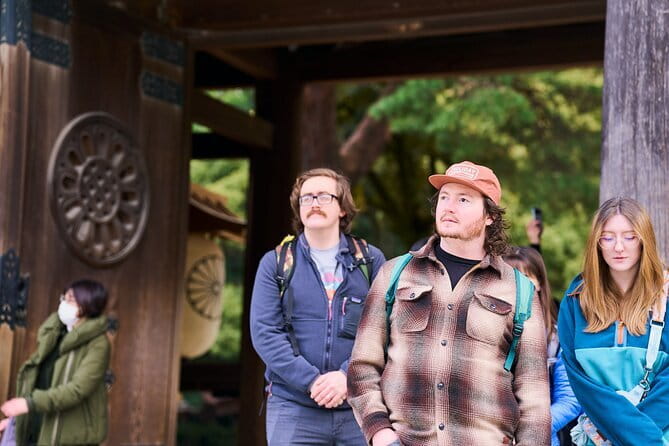
At $21.22 per person, this is a fairly modest cost for a guided introduction to one of Tokyo’s major cultural sites. The value comes less from the length and more from the interpretation.
You are paying for a local guide, a small group, a structured route, and admission to the Meiji Shrine Garden. The shrine grounds themselves do not require an admission ticket, so the guide’s explanations and the garden access make up much of the paid value.
I would consider this a good choice if you want a cultural visit with clear pacing. You arrive at a known meeting point, walk a set route, learn the basic customs, and finish at the same place. You do not need to plan every turn or research each object while walking.
The price is less compelling if you already know Shinto rituals, Meiji Shrine, and the imperial period well. It is also not the right format if you want hours of independent exploration. The tour is an introduction, not a full study of the shrine complex.
With more than 20 bookings in the recent month and a maximum of 15 people, demand appears steady. Book ahead if the departure time matters to you, but keep in mind the strict cancellation rule: you receive a full refund only when you cancel at least 24 hours before the start time. Changes or cancellations within 24 hours are not refunded.
Who should choose this walk

I would recommend this tour to a first-time Tokyo visitor who wants a calm cultural stop without giving up half a day. The route offers a useful balance of nature, ritual, architecture, and history.
It also suits solo visitors. A small group gives you company without requiring you to arrange a private guide. One guide, Yuuki, has been particularly appreciated for patience, which is useful if you want to ask questions or need time with English explanations.
Families and mixed-interest groups may also find the format practical. Someone interested in religion can focus on Shinto customs, while another person can enjoy the forest, torii gate, and shrine buildings. The walk is not aimed at specialists, so you do not need a background in Japanese history.
It may be less suitable for anyone looking for a long, slow garden visit. The planned itinerary moves through four main parts in about 90 minutes. You will see the key areas, but the schedule does not leave unlimited time for photography, shopping, or quiet personal reflection.
The tour is also a poor fit if you dislike guided pacing. You will be walking with a group and following the guide’s route. That structure is exactly what makes the experience easy for many people, but independent explorers may prefer to visit Meiji Shrine alone.
Practical advice before you go
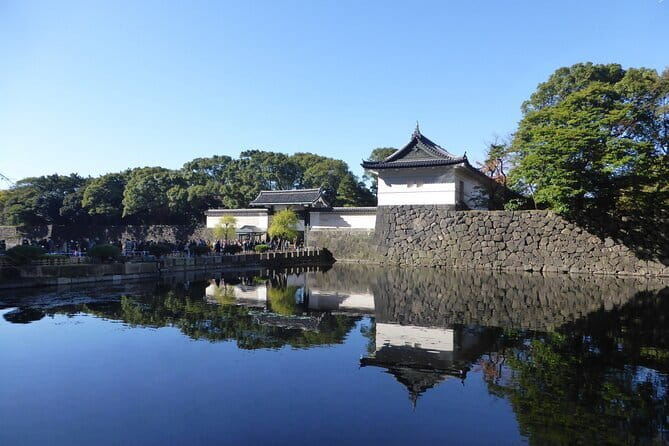
Meet at Harajuku Station and allow enough time to find the exact starting point at 1 Chome-18 Jingumae. Your confirmation arrives when you book, so keep those details available on your phone.
Choose between the two tour times based on the rest of your day and the weather. The forest provides shade, but you are still outdoors. Comfortable walking shoes will serve you better than anything chosen only for style.
Keep the visit respectful. Meiji Shrine is an active religious site, not only a sightseeing attraction. Listen during the purification and prayer explanations, and follow the guide’s instructions when you approach the shrine.
Bring questions. The best use of 90 minutes is to ask about the connection between the shrine, Shinto, and the imperial system. A guide can give you context that a sign or quick online search may not provide.
Finally, leave a little time after the tour if you want to browse the shrine shop or have a light drink at Mori no Terrace. The scheduled stop is brief, but you can continue independently once the guided portion ends.
Should you book the Meiji Shrine walk?
Book it if you want clear cultural context in a short format, especially if this is your first visit to Meiji Shrine. The forest path, huge torii, purification fountain, shrine rituals, garden admission, and explanation of the imperial system give you a well-shaped introduction for $21.22.
Skip it if you already understand Shinto practice and prefer to set your own pace. For everyone else, this is an efficient way to experience one of Tokyo’s most peaceful sites while learning what you are actually seeing.
FAQ
Where does the Meiji Shrine walking tour start?
It starts at Harajuku Station, at 1 Chome-18 Jingumae, Shibuya, Tokyo 150-0001, Japan.
How long does the tour last?
The tour lasts approximately 1 hour and 30 minutes.
How large is the tour group?
The activity has a maximum of 15 travelers.
Is admission to the Meiji Shrine Garden included?
Yes. Admission to the Meiji Shrine Garden is included in the tour price.
What can I see during the walk?
You can see the large wooden torii gate, forest paths, sake barrel displays, the purification fountain, Meiji Jingu Shrine, the shrine garden, and the café and shop at Mori no Terrace.
Can I cancel for a full refund?
Yes, if you cancel at least 24 hours before the experience starts. Cancellations or changes made less than 24 hours before the start time are not refunded.
More Meiji Shrine and Senso-ji Tours in Tokyo
- Tokyo Panoramic 1 Day: Meiji Shrine, Asakusa, Odaiba and SKYTREE®
★ 4.5 · 1,222 reviews - Tokyo: Asakusa and Tokyo’s Oldest Temple Senso-ji Tour
★ 4.9 · 352 reviews - Tokyo: 1 Day Bus Tour with Meiji-Jingu,Odaiba,lunch&Skytree
★ 4.6 · 156 reviews - Tokyo Morning Tour: Asakusa, Meiji Shrine and Tsukiji Fish Market
★ 5.0 · 128 reviews
Just added around Tokyo
- Tokyo:Nikko UNESCO World Heritage Sites Private 1-Day Tour★ 3.8 · 6 reviews
- Tokyo: Snow Monkey Park and Zenkoji Temple Private Day Tour★ 4.7 · 127 reviews
- Tokyo War History Tour: Yasukuni Shrine & War Museum★ 4.5 · 6 reviews
- Tokyo: Sensoji Temple & Street Food: Private Tour with guide★ 4.6 · 8 reviews
- Tokyo: Shibuya Sky, Harajuku & Meiji Shrine Highlights Tour★ 4.5 · 9 reviews
- Tokyo: Nikko Private Sightseeing Day Trip with Driver★ 5.0 · 10 reviews
- Tokyo → Nikko:Private Customizable Day Trip (English Driver)★ 4.9 · 26 reviews
- Tokyo’s Kitchen: Tsukiji Market Food & Culture Walk★ 4.7 · 74 reviews
Meiji Shrine & Senso-ji Tours, compared.

Asakusa Walking Tour with Sensoji Temple Visit
Read our review →
Tokyo Panoramic 1 Day: Meiji Shrine, Asakusa, Odaiba and SKYTREE®
Read our review →
Asakusa Senso-ji Temple and Old Tokyo Walking Tour
Read our review →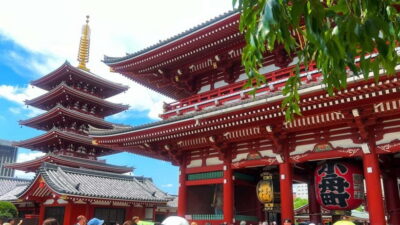
Asakusa and Tokyo’s Oldest Temple Senso-ji Tour
Read our review →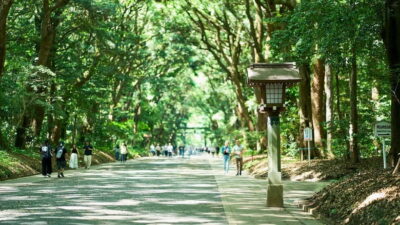
Meiji Shrine Walking Tour — Shinto & Imperial System
Read our review →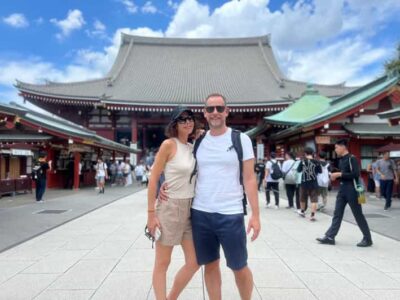
Meiji Jingu Shrine and Shinto Culture Walking Tour
Read our review →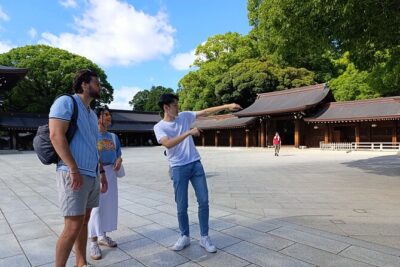

1 Day Bus Tour with Meiji-Jingu,Odaiba,lunch&Skytree
Read our review →Browse the lists this tour appears in