
REVIEW · MEIJI SHRINE & SENSO-JI TOURS
Tokyo: Meiji Shrine Walking Tour — Shinto & Imperial System
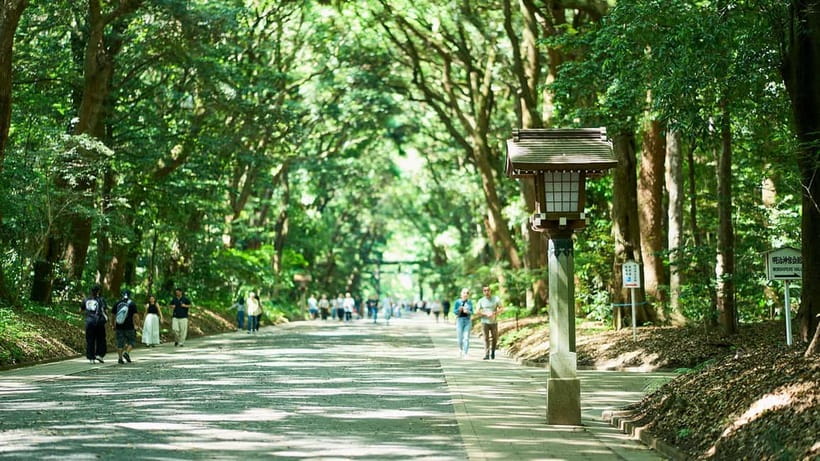
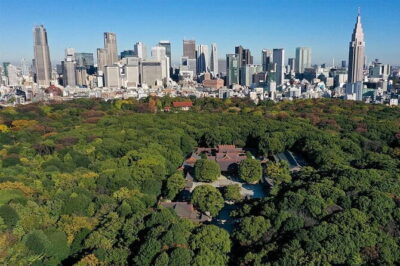
The most striking part of this tour is how quickly Tokyo disappears. From Harajuku Station, you enter a forest of roughly 100,000 trees, and city noise gives way to birdsong and footsteps. I like the quiet forest approach and the chance to learn why the center of the path is reserved for the kami, or deities.
I also like the tour’s human scale. With no more than 10 people, guides such as Keiko, Yuuka, Ayaka, Yuki, and Nonoka can answer questions, help with shrine customs, and take photos. The possible drawback is that the tour is in English only, and the walking route may last anywhere from 90 to 135 minutes.
Key points worth knowing
- The forest changes the mood: A short walk from Harajuku leads into a shaded sacred woodland of about 100,000 trees.
- The torii has real presence: The 12-meter Big Torii uses a 1,500-year-old Taiwanese cypress.
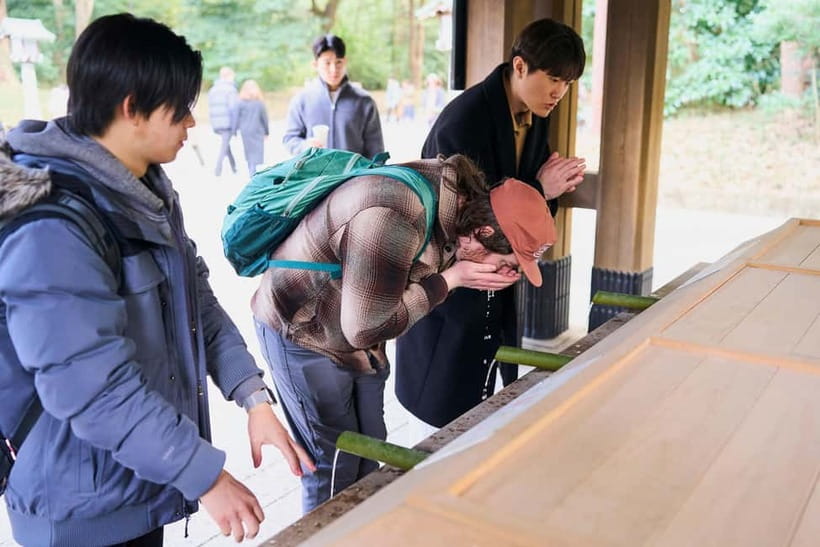
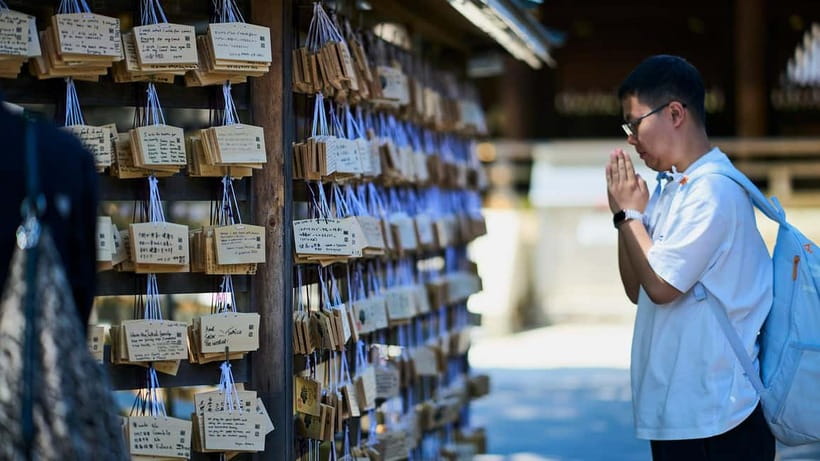
- You learn what to do: Your guide explains how to walk, bow, purify yourself, pray, buy charms, and handle fortunes respectfully.
- The history has a clear storyline: The tour connects Emperor Meiji, Shinto, the imperial system, the samurai era, and Japan’s move toward modern life.
- The group stays small: A maximum of 10 people makes it easier to ask questions and get help with photos or rituals.
- The final café stop is useful: Café Mori no Terrace gives you a chance to sit down, have Japanese tea and light snacks, and browse the gift shop.
Starting at Harajuku Station
The tour begins near Harajuku Station, with the exact meeting point depending on the option you book. The listed coordinates are 35.6700901, 139.7024662, but check your booking details carefully because the meeting arrangement can vary.
Harajuku is an easy place to reach and a useful launch point for Meiji Shrine. You begin in one of Tokyo’s busiest areas, then move toward the shrine grounds. That contrast is part of the experience. The tour does not simply show you a famous building. It shows how a major religious site can sit beside one of the city’s most energetic districts.
The route returns to Harajuku Station at the end. The advertised duration is 90 to 135 minutes, so leave room in your schedule for the longer version. A morning departure can be especially appealing if you prefer cooler air and fewer crowds, though the shrine remains a popular stop throughout the day.
More Temple Walking Tours in Japan
- Tokyo: Asakusa Walking Tour with Sensoji Temple Visit
★ 4.8 · 1,583 reviews - Tokyo: Meiji Jingu Shrine and Shinto Culture Walking Tour
★ 5.0 · 245 reviews - Tokyo: Meiji Shrine and Shinto Culture Walking Tour
★ 5.0 · 225 reviews
Walking through the forest to the first torii
The first stretch leads toward Meiji Jingu Ichino Torii, the shrine’s first major gateway. Your guide sets the tone here by explaining the difference between an ordinary public road and a sacred approach.
One useful lesson is where to walk. The center of the path, called seichu, is traditionally reserved for deities. You are expected to keep to the side as you approach and pass through the torii. It is a small gesture, but knowing it keeps you from wandering into a custom you do not understand.
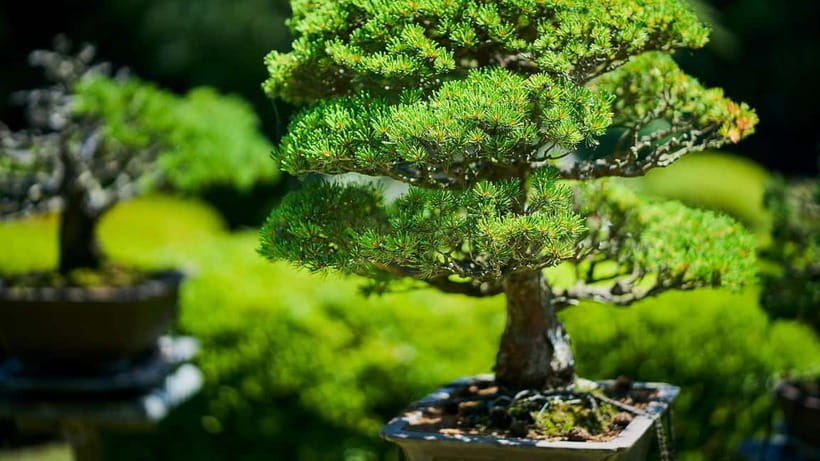
The forest is not just a decorative screen around the shrine. It creates a pause between the city and the sacred grounds. You may hear birds and footsteps more clearly than traffic. The route is mostly about atmosphere at first, so listen as much as you look.
Your guide may also point out details you would probably pass without context. Yuuka, for example, has used old photographs to show what the area looked like before the shrine was built. That kind of visual comparison helps you understand that this peaceful woodland is tied to a modern historical project, not simply an untouched patch of nature.
Sake barrels and the link between faith and daily life
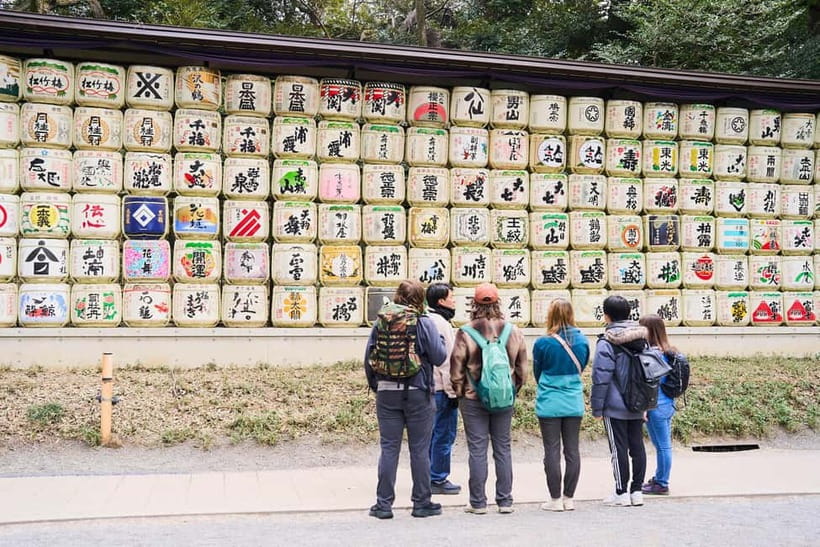
The path continues past the consecrated wine barrels and sake barrels. These displays are among the most photographed details at Meiji Shrine, but they are more useful when someone explains why they are there.
The barrels represent offerings connected with the shrine. They also show how Shinto ceremonies are tied to food, drink, agriculture, craft, and community life. This is one reason a guided visit is more rewarding than a quick walk to the main hall. You see an attractive wall of barrels, but you also gain a way to read it.
The tour lists both consecrated wine barrels and consecrated sake barrels as separate stops. In practice, the guide uses this part of the walk to discuss offerings and the relationship between Japanese tradition and the shrine. It is a short section, about 15 minutes in total across the listed stops, so it does not slow the tour down.
The 12-meter Big Torii
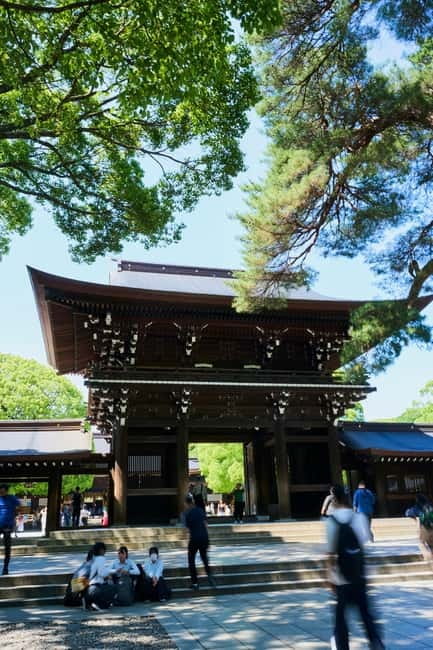
The Big Torii is the visual high point of the approach. At about 12 meters tall, it is difficult to miss. The gate was made from a Taiwanese cypress said to be about 1,500 years old, giving it a physical weight that matches its religious purpose.
This is a good place for photos, but remember that the gate is part of the sacred route, not just a landmark. Your guide can show you how to approach and pass through it with respect. You will also hear how the gate marks a change from ordinary city space to shrine grounds.
The tour gives this stop enough time for both explanation and pictures. That matters because the gate is easy to photograph in seconds, while its scale and material are worth taking in slowly. If you enjoy architecture and natural materials, this may be one of the most memorable parts of the walk.
More Temple Walking Tours in Tokyo
- Tokyo: Meiji Shrine Walking Tour — Shintoism & Imperial System
★ 5.0 · 209 reviews - Tokyo: Asakusa Temple & Shrine Walking Tour with Local Guide
★ 5.0 · 105 reviews - Tokyo’s Kitchen: Tsukiji Market Food & Culture Walk
★ 4.7 · 74 reviews - Tokyo Asakusa & Senso-Ji Walking tour With A Guide
★ 4.5 · 40 reviews
Emperor Meiji, Empress Shoken, and modern Japan
The central story of the tour is not only Shinto. It is also the story of Emperor Meiji and Japan’s transformation from the samurai era to a modern state.
The guide explains the imperial system and the role of the Meiji period in shaping modern Japan. The tour presents the imperial system as a tradition stretching back roughly 2,600 years, while also focusing on the changes associated with Emperor Meiji. For first-time visitors, this gives useful context before you see the shrine itself.
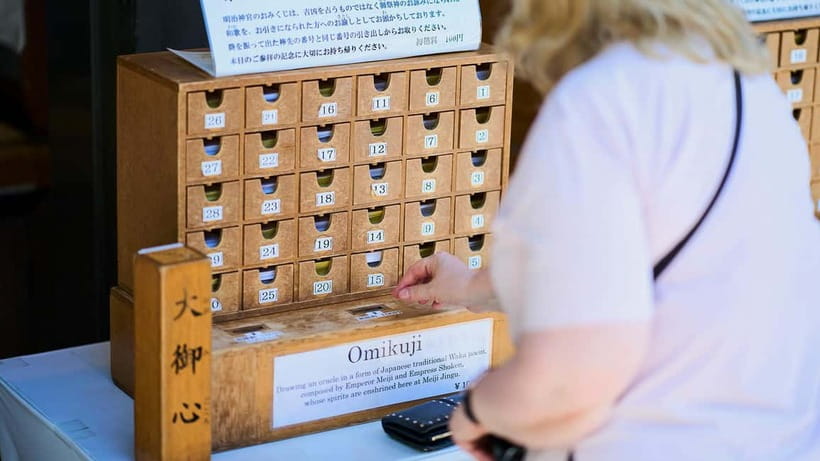
Meiji Shrine was dedicated to Emperor Meiji and Empress Shoken. Their legacy is presented through the shrine’s history and through the poems connected with them. One special feature is the Omigokoro, a type of omikuji featuring poems written by Emperor Meiji and Empress Shoken. English translations make these easier for international visitors to understand.
This is an important distinction. An omikuji is not simply a fortune slip in the usual sense. Here, the poem offers a short reflection connected with the imperial couple. Your guide can help explain the meaning and show you how the custom fits into a shrine visit.
The historical section is strongest when it stays tied to visible places. You are not sitting in a classroom hearing a long lecture. You are walking past gates, offerings, trees, and buildings while the guide connects each detail to the wider story.
Main shrine: learning Shinto without feeling awkward
At the main shrine, you have free time for sightseeing, shopping, and paying your respects. This is the section where practical guidance matters most.
Shinto is Japan’s ancient religion, with an emphasis on nature, harmony, purity, and respect for the divine. The tour explains the basic customs so you can take part without guessing. That may include where to walk, how to approach the shrine, and how to behave near the worship area.
You can purchase omamori, protective charms sold for different purposes. The shrine also offers the Omigokoro poems. Some people may simply want a keepsake, while others may connect with the spiritual side of the visit. The guide does not need to tell you what to believe. The value is in helping you understand what you are seeing and giving you space to respond in your own way.
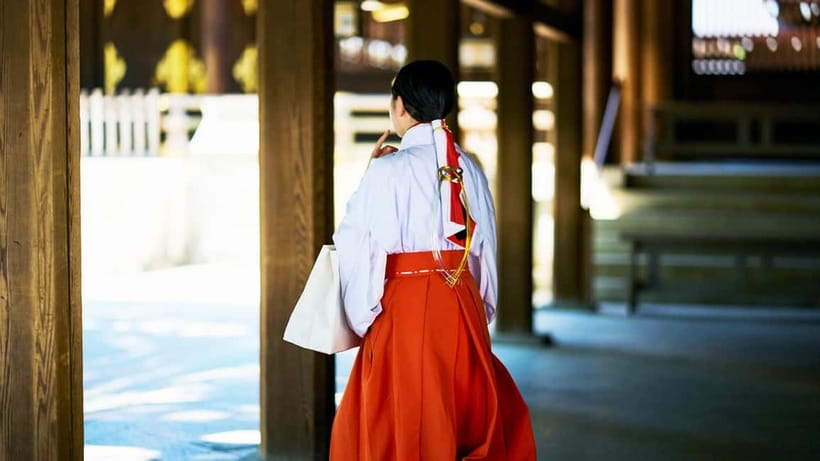
Several guides have been praised for making this part easy for first-time visitors. Keiko has helped people with fortunes and shrine customs. Yuuki has been described as patient and clear when explaining Shinto traditions. Ayaka has helped visitors understand where to find amulets and fortunes, while also making the rituals feel less intimidating.
Your guide may also help you take photos. That is a small service, but it makes a difference when you are traveling alone or in a small family group. One useful example from the tour experience is a guide helping visitors understand wishes, prayers, and New Year customs.
You might see a wedding or another ceremony during your visit, but this is not guaranteed. If one is taking place, keep a respectful distance and follow your guide’s advice. The shrine is an active religious site, not a stage set for tourists.
Forest Terrace and Café Mori no Terrace
After the main shrine, the group heads to Forest Terrace Meiji Jingu and Café Mori no Terrace. The listed break lasts about 15 minutes, so think of it as a short rest rather than a full meal stop.
You can have Japanese tea and light snacks while looking out at the surrounding scenery. This is a practical finish after walking under the trees and across the shrine grounds. It also gives you time to ask a final question or compare notes with your guide.
The gift shop offers souvenirs connected with the shrine and the forest. Two unusual examples are eco-blocks made from fragrant Japanese camphor and miniature barrels of sacred sake. These are more distinctive than generic Tokyo merchandise and pack easily if you want a small reminder of the visit.
The café stop is also where the tour becomes less formal. Guides such as Nonoka have added Tokyo food suggestions during the visit, which can be useful if this is your first day in the city. Do not expect a long café break, but appreciate it as a calm place to finish.
How the guides shape the experience
The strongest feature of this tour is the guide. The route itself is free to walk, and you can visit Meiji Shrine without booking a tour. What you pay for is interpretation, timing, and confidence.
The guide team includes Keiko, Yuuka, Ayaka, Yuki, Yuuki, Nonoka, Nono, Mayuko, Mia, Nanami, and others. Individual styles vary, but the most praised qualities are clear English, patience, warmth, and an ability to explain customs without making them feel like a test.
Some guides have adjusted the walk to the group’s interests. A solo participant received a more personal explanation, while another visitor appreciated a guide’s help with photographs. Small groups can also make it easier to stop and ask about symbols, Shinto and Buddhist differences, waka and haiku, or the meaning of a particular ritual.
The English-only format is important to note. Japanese language support is not available, so this tour is designed for visitors who can follow an English explanation. The upside is that the activity stays focused rather than switching among several languages.
Is $23 a fair price?

At $23 per person, the tour offers good value if you want cultural context rather than a simple walk through the grounds. Meiji Shrine itself is the main attraction, and you could visit independently. The fee pays for a small group, an English-speaking guide, explanations of etiquette, historical background, and help with the practical details of the visit.
The value is highest if you are new to Japan, unsure how to behave at a shrine, or interested in the Meiji period and the imperial system. It is also useful for solo visitors who want someone to take photos and answer questions.
The value is lower if you have already studied Shinto, know shrine etiquette, and prefer wandering alone. You will also want to compare the timing with your plans, since the tour can run for two hours or more and includes a café break.
Free cancellation up to 24 hours before the activity and a reserve-now, pay-later option make the booking less rigid. Still, check the exact start time and meeting point before you commit.
Who should book this Meiji Shrine tour?
I would recommend it to first-time visitors to Tokyo, families, solo travelers, and anyone who wants a gentle introduction to Japanese customs. It is particularly useful at the beginning of a Japan trip because the lessons about shrines, offerings, fortunes, and respectful behavior can help you at other sacred sites later.
History fans will appreciate the connection between the samurai era, Emperor Meiji, the imperial system, and modern Japan. Nature lovers will enjoy the forest approach, while photographers will have plenty of chances to capture the torii, sake barrels, tree-lined paths, and shrine buildings.
I would be less likely to choose it if you want a fast photo stop or a completely independent visit. The tour moves at a guided pace and includes explanation throughout. You should also be comfortable walking for up to 135 minutes and participating in English.
Final call: book it if you want meaning with the scenery
Book this tour if you want Meiji Shrine to be more than a beautiful forest and a large wooden gate. The guide helps you understand how to enter, where to walk, how to pray, what the sake barrels mean, and why the shrine matters to Tokyo.
At $23, the small group and practical cultural guidance make sense for most first-time visitors. Choose an experienced guide such as Keiko, Yuuka, Ayaka, or Yuki when the option allows, arrive ready to walk, and leave enough time for the café stop. If you prefer complete freedom and already understand Shinto customs, visit independently instead.
FAQ
Where does the Meiji Shrine walking tour begin?
The tour offers a starting location at Harajuku Station. The exact meeting point may vary depending on the option booked.
Where does the tour finish?
The listed drop-off locations are at Harajuku Station.
How long does the tour last?
The tour lasts between 90 and 135 minutes, depending on the selected time and option.
What language is the tour conducted in?
The tour is conducted in English. Japanese language support is not available.
How many people are in the group?
The group is limited to 10 participants.
How much does the tour cost?
The listed price is $23 per person.
What can I see at Meiji Shrine during the tour?
The route includes the first torii, consecrated wine and sake barrels, the 12-meter Big Torii, imperial poetry connected with Emperor Meiji and Empress Shoken, the main shrine, and Forest Terrace Meiji Jingu.
Can I buy souvenirs during the tour?
Yes. At the shrine, you can purchase omamori protective charms and Omigokoro poems. At the gift shop, you may find camphor eco-blocks and miniature barrels of sacred sake.
Can I cancel the booking for a refund?
You can cancel up to 24 hours in advance for a full refund. A reserve-now, pay-later option is also available.
More Meiji Shrine and Senso-ji Tours in Tokyo
- Tokyo Panoramic 1 Day: Meiji Shrine, Asakusa, Odaiba and SKYTREE®
★ 4.5 · 1,222 reviews - Tokyo: Asakusa and Tokyo’s Oldest Temple Senso-ji Tour
★ 4.9 · 352 reviews - Tokyo: 1 Day Bus Tour with Meiji-Jingu,Odaiba,lunch&Skytree
★ 4.6 · 156 reviews - Tokyo Morning Tour: Asakusa, Meiji Shrine and Tsukiji Fish Market
★ 5.0 · 128 reviews
Just added around Tokyo
- Tokyo:Nikko UNESCO World Heritage Sites Private 1-Day Tour★ 3.8 · 6 reviews
- Tokyo: Snow Monkey Park and Zenkoji Temple Private Day Tour★ 4.7 · 127 reviews
- Tokyo War History Tour: Yasukuni Shrine & War Museum★ 4.5 · 6 reviews
- Tokyo: Sensoji Temple & Street Food: Private Tour with guide★ 4.6 · 8 reviews
- Tokyo: Shibuya Sky, Harajuku & Meiji Shrine Highlights Tour★ 4.5 · 9 reviews
- Tokyo: Nikko Private Sightseeing Day Trip with Driver★ 5.0 · 10 reviews
- Tokyo → Nikko:Private Customizable Day Trip (English Driver)★ 4.9 · 26 reviews
- Tokyo’s Kitchen: Tsukiji Market Food & Culture Walk★ 4.7 · 74 reviews
Meiji Shrine & Senso-ji Tours, compared.

Asakusa Walking Tour with Sensoji Temple Visit
Read our review →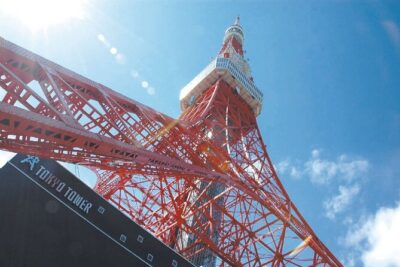
Tokyo Panoramic 1 Day: Meiji Shrine, Asakusa, Odaiba and SKYTREE®
Read our review →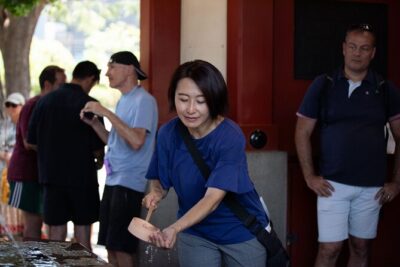
Asakusa Senso-ji Temple and Old Tokyo Walking Tour
Read our review →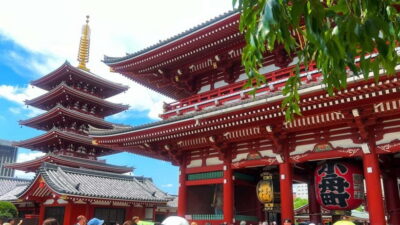
Asakusa and Tokyo’s Oldest Temple Senso-ji Tour
Read our review →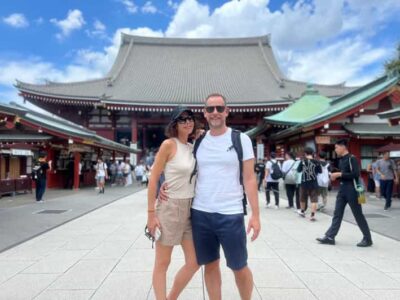
Meiji Jingu Shrine and Shinto Culture Walking Tour
Read our review →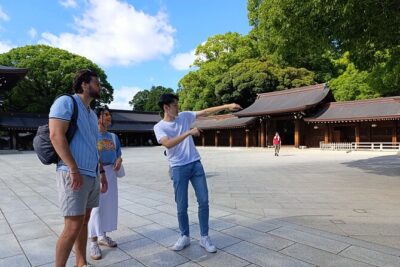
Meiji Shrine Walking Tour — Shintoism & Imperial System
Read our review →
1 Day Bus Tour with Meiji-Jingu,Odaiba,lunch&Skytree
Read our review →Browse the lists this tour appears in