
REVIEW · MEIJI SHRINE & SENSO-JI TOURS
Tokyo: Meiji Shrine and Shinto Culture Walking Tour
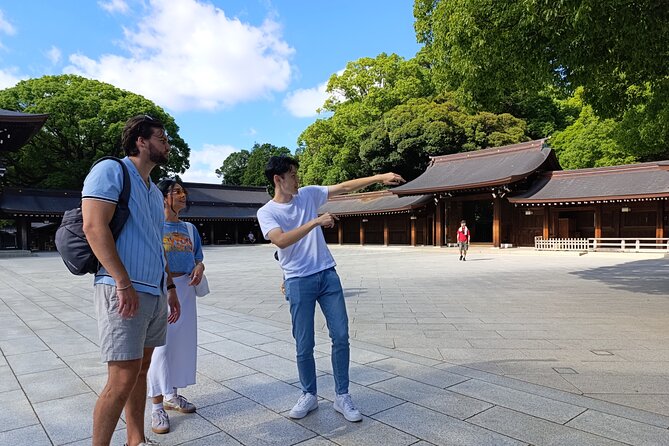
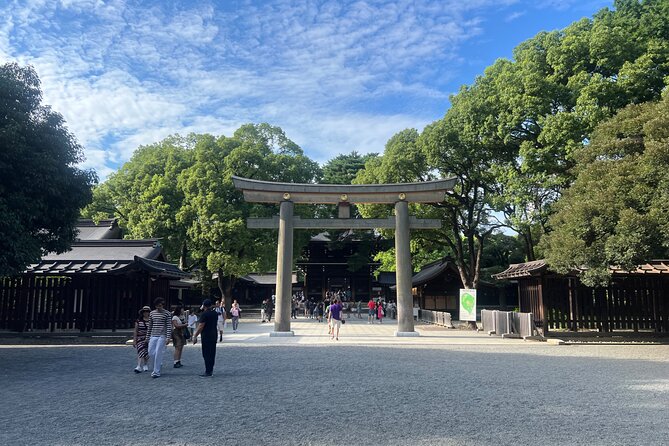
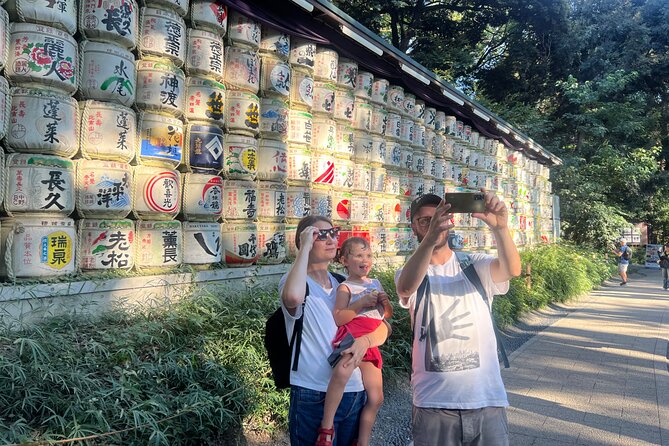
Meiji Jingu can feel like another world. A broad forest path leads from Harajuku into a sacred Shinto shrine complex, and a guide helps you notice the meaning behind the bows, cleansing ritual, sake barrels, and prayer steps. The largest torii is 12 meters tall and 17.1 meters wide, so the entrance makes a strong first impression.
I like the small maximum group of 15, which gives you room to ask questions. I also like the price: at $18, you are paying mainly for cultural context, not a long list of costly extras. The main consideration is that this is a walking tour, and the experience may feel brief if you want a slow, independent visit.
- Walk beneath a 12-meter wooden torii at one of Tokyo’s best-known Shinto shrines.
- Learn practical shrine customs, including bowing and ritual hand cleansing.
- Understand Meiji Jingu’s forest, a 70-hectare planted setting in central Tokyo.
- Hear about Emperor Meiji and Empress Shoken, whose spirits the shrine honors.
- Ask questions in a group capped at 15 people, rather than following a large crowd.
- Meet at Starbucks Coffee in WITH HARAJUKU and finish back at the same point.
Why Meiji Jingu Makes a Good First Shinto Visit
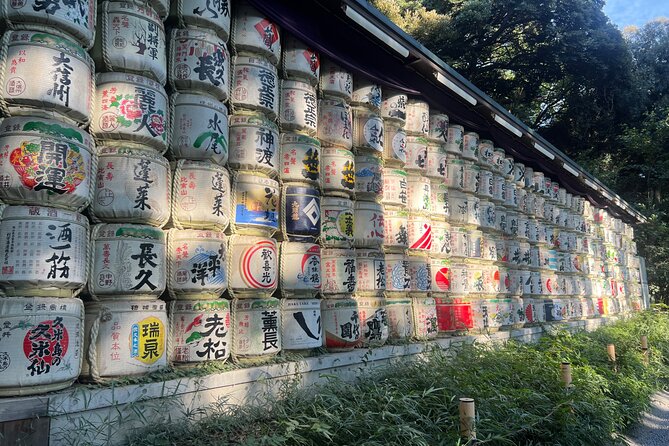
Meiji Jingu is an easy place to begin learning about Shinto because the setting gives the customs room to breathe. You leave the busy Harajuku area and follow a wooded approach toward the shrine. The change is striking, even though you remain in one of Tokyo’s busiest districts.
The shrine was established in 1920 and honors the deified spirits of Emperor Meiji and Empress Shoken. That gives the visit a clear link to Japan’s modern era, not just to distant religious tradition. Your guide can connect the shrine’s rituals with the emperor’s place in the country’s transformation.
I like this mix of quiet setting and modern history. You are not only looking at a beautiful gate or building. You are learning why people behave in certain ways at a Shinto shrine and how those actions show respect.
The grounds cover about 70 hectares and form an artificial forest. Do not expect a wild woodland or a mountain pilgrimage. This is a designed city sanctuary, but its scale helps soften the noise and density around Harajuku.
Meeting at Harajuku and Starting the Walk
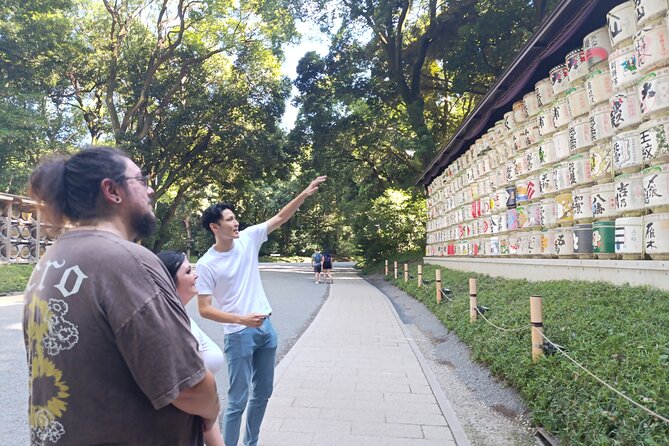
The meeting point is Starbucks Coffee at WITH HARAJUKU, at 1-chome 14-30 Jingumae, Shibuya, Tokyo 150-0001. The tour ends back at this same meeting point, which makes the plan simple if you want to continue exploring Harajuku afterward.
You receive a mobile ticket, and confirmation comes when you book. The activity is near public transportation, but the supplied details do not name a particular station or give a precise walking route. I would allow enough time to find the coffee shop inside or around the WITH HARAJUKU complex rather than arriving at the last minute.
The group can include up to 15 people. That is not a private tour, but it is small enough for a guide to explain details without shouting across a large crowd. It also gives you a reasonable chance to ask about customs that puzzle you.
Guides have included Yumi, Sara, Haydn, Matt, and Benjamin. Their approach can vary, but the strongest part of the experience is the human explanation: how to act at the gate, what the cleansing ritual means, and why the shrine matters.
More Temple Walking Tours in Japan
- Tokyo: Asakusa Walking Tour with Sensoji Temple Visit
★ 4.8 · 1,583 reviews - Tokyo: Meiji Shrine Walking Tour — Shinto & Imperial System
★ 4.9 · 266 reviews - Tokyo: Meiji Jingu Shrine and Shinto Culture Walking Tour
★ 5.0 · 245 reviews
The Forest Approach to Meiji Jingu
The first part of the visit takes you along a forested path toward the main shrine area. This is more than a walk between two photo stops. The approach helps mark a transition from ordinary city life to sacred ground.
Your guide can point out how visitors should behave as they enter. Shinto etiquette often begins before you reach the main buildings, and a simple bow at the torii is one of the details many people miss when visiting alone.
The path is part of the appeal, but it also explains why comfortable shoes matter. The tour lasts about two hours and includes walking through the shrine grounds. You should be ready to keep moving at a gentle sightseeing pace rather than spending the whole visit in one place.
The trees provide shade and a sense of separation, though the tour remains outdoors. Rain can change the feel of the walk, so bring suitable clothing. A rainy visit is still possible, but the path may be less comfortable and your attention may turn toward staying dry.
The Towering Torii and Shrine Etiquette
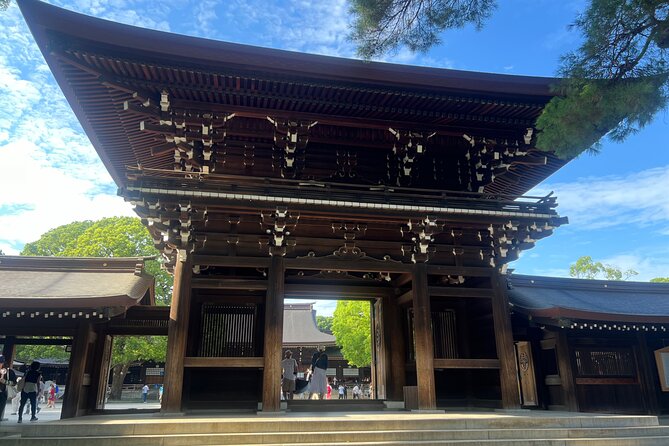
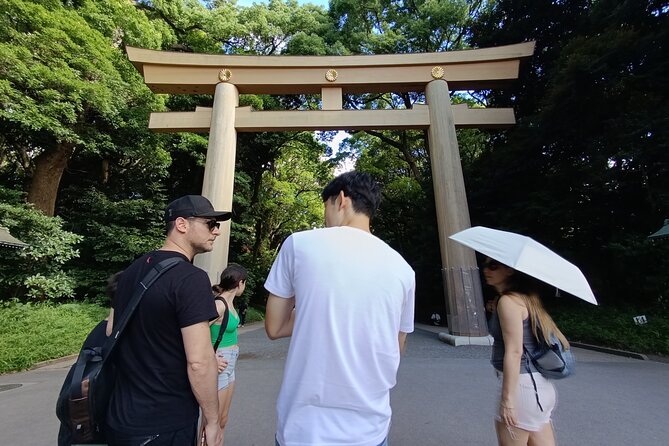
One of the first memorable details is the large wooden myojin-style torii. It is 12 meters tall and 17.1 meters wide, making it the largest wooden torii of its kind in Japan according to the tour details.
Size matters here. The gate does not feel like a small decorative entrance. It signals that you are crossing into a sacred space, and your guide can explain the proper way to approach it. You may learn to bow before entering and again after leaving, rather than treating the gate as a simple landmark.
This is where a guide earns the $18 price. You can photograph the torii on your own, but a short explanation gives the action a purpose. You are less likely to copy other people without understanding what you are doing.
The gate also gives you a useful lesson in Shinto symbolism. The tour does not ask you to become an expert in Japanese religion. Instead, it helps you read the setting through small actions and visible objects.
Cleansing, Bowing, and Prayer at the Shrine
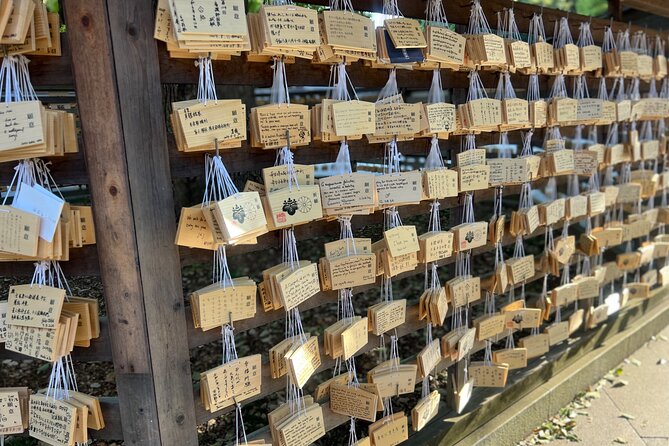
At the shrine, the guide explains customs that are easy to overlook. One important step is ritual cleansing at the water basin. You may learn how visitors use the ladle to rinse their hands and mouth before approaching the main worship area.
This is a practical part of the tour because it answers the question many first-time visitors have: what am I supposed to do here? You can watch other people, but watching does not always tell you what an action means or which steps matter.
The guide can also explain how to bow and pray at the shrine. Shinto worship has a recognizable sequence, and understanding it lets you take part respectfully without turning the moment into a performance for your camera.
Keep in mind that this is a cultural walking tour, not a private religious ceremony. The guide explains the customs and symbolism, while you decide how actively you want to participate. That makes it suitable for people who are curious about Shinto but do not share the faith.
More Temple Walking Tours in Tokyo
- Tokyo: Meiji Shrine Walking Tour — Shintoism & Imperial System
★ 5.0 · 209 reviews - Tokyo: Asakusa Temple & Shrine Walking Tour with Local Guide
★ 5.0 · 105 reviews - Tokyo’s Kitchen: Tsukiji Market Food & Culture Walk
★ 4.7 · 74 reviews - Tokyo Asakusa & Senso-Ji Walking tour With A Guide
★ 4.5 · 40 reviews
Understanding Emperor Meiji and Empress Shoken
Meiji Jingu is dedicated to Emperor Meiji and Empress Shoken. The tour uses the shrine as a doorway into the period when Japan changed rapidly and moved into the modern era.
A guide can make that history easier to follow than a plaque alone. Matt, for example, has been praised for explaining the Meiji Restoration and the emperor’s achievements in a memorable way. Yumi has also combined shrine information with useful Tokyo orientation, which can help early in a city visit.
Do not expect a full political history course in two hours. The time is shared between the grounds, customs, and historical background. Still, the link between the shrine and modern Japan gives the visit more weight than a simple look at traditional architecture.
The shrine’s importance also comes from its setting. The artificial forest was created as part of the shrine grounds, so the trees are not an untouched ancient woodland. That does not make the setting less meaningful. It shows how a modern city can create a place designed for quiet, ritual, and memory.
What the Guides Add to the Experience
The guide is the central reason to choose this tour instead of visiting Meiji Jingu alone. The shrine is open and accessible, but its customs are not always self-explanatory.
Sara has led families through the forest and explained the main points of Shinto practice in a friendly, interactive way. Benjamin has focused on Japanese customs with a calm approach, including bowing and ritual cleansing. Haydn has led small groups through the shrine and spent time explaining Shinto culture in detail.
These examples also point to a practical truth: the quality of your visit depends partly on the guide assigned that day. The experience provider is Traveling Tokyo, but no single guide is guaranteed in the details provided. You should book this for the structure and cultural explanation, not for one named individual.
The small group helps. With a limit of 15, you can ask why a ritual is done, what a symbol means, or how the shrine fits into Tokyo’s history. If you prefer to wander silently and set your own pace, a self-guided visit may suit you better.
Is Two Hours Enough?
Two hours is a sensible length for a first visit. It gives you time to walk through the forest, discuss the torii, learn basic shrine etiquette, and see the principal Meiji Jingu area without turning the outing into a half-day commitment.
The limit is equally clear. You will not study every corner of the grounds in detail. The listed itinerary centers on Meiji Jingu, with the main shrine stop lasting about one hour, while the full activity takes roughly two hours. The remaining time is used for walking and explanation.
I see the duration as a strength if your Tokyo schedule is tight. You can fit the tour into a morning or afternoon and still have time for other plans in Harajuku or nearby parts of the city.
If you want long photo stops, private conversation, or a wide-ranging discussion of every part of Shinto, two hours may feel short. Treat it as an introduction with useful habits you can carry into other shrine visits.
The $18 Price and What You Receive
At $18 per person, this is an inexpensive guided cultural experience for central Tokyo. Admission to Meiji Jingu is included, and you receive a guide plus historical insight into the district.
The value comes from interpretation rather than exclusive access. You are not paying for a private entrance, a meal, transportation, or a special ceremony. You are paying to understand what you are seeing and to avoid missing the small rituals that give the visit meaning.
That makes the tour especially useful early in a Japan trip. Once you learn how to bow, cleanse your hands, and approach a shrine respectfully, you can use those lessons elsewhere. The guide may also offer practical Tokyo tips, as Yumi has done during past tours.
Tips are not included, so plan to handle gratuity separately if you choose to give one. The supplied details do not state a required amount.
Who Should Book This Walk
I would choose this tour if you are visiting a Shinto shrine for the first time, want cultural context without a full-day commitment, or prefer asking questions instead of reading signs on your own.
It also fits families. The route introduces customs through visible actions, and Sara’s interactive approach has worked well with a family group. People who enjoy history will appreciate the connection to Emperor Meiji, while photographers will have plenty to notice in the torii and forested approach.
It may be less suitable if you have difficulty with outdoor walking or want a completely private experience. Most people can participate, but the activity is a walking tour, and the group may include as many as 15 people.
Rain is another consideration. The tour can still operate in wet weather, but you will spend much of the time outside. Wear shoes and clothing that can handle a forest path and changing conditions.
Booking Details and Cancellation
You can book with a mobile ticket, and confirmation is provided at the time of booking. The start point is the Starbucks Coffee at WITH HARAJUKU, and the tour returns there at the end.
Free cancellation is available if you cancel at least 24 hours before the start time. Canceling or changing the booking less than 24 hours ahead does not qualify for a refund, and all cut-off times use local Tokyo time.
The tour is near public transportation, but you should check your route to the meeting point before departure. That small bit of planning matters in Harajuku, where a busy area and a large complex can make a last-minute meeting harder than expected.
Should You Book the Meiji Jingu Tour?
Book it if you want Meiji Jingu to mean more than a large torii, a wooded path, and a quick photograph. For $18, the guide adds useful explanations about Shinto customs, Emperor Meiji, and the respectful way to use the shrine.
I would especially recommend it for first-time visitors, families, and anyone who wants a short cultural activity near Harajuku. Skip it if you prefer complete independence, need a slower pace, or already feel comfortable with Japanese shrine etiquette.
The best reason to go is simple: the tour helps you understand what you are doing. That turns a beautiful stop into a more thoughtful part of your Tokyo visit.
FAQ
How long does the Meiji Jingu walking tour last?
The tour lasts approximately two hours.
What is the price of the tour?
The price is $18 per person.
Is admission to Meiji Jingu included?
Yes. Admission to the shrine is included.
Where does the tour begin?
The tour begins at Starbucks Coffee at WITH HARAJUKU, 1-chome 14-30 Jingumae, Shibuya, Tokyo 150-0001.
Where does the tour end?
The activity ends back at the meeting point.
How large is the tour group?
The activity allows a maximum of 15 people.
Is the tour available with a mobile ticket?
Yes. A mobile ticket is available.
What does the guide explain?
The guide explains Meiji Jingu, Shinto culture, shrine rituals, Japanese customs, and historical details about the district.
Are tips included in the price?
No. Tips are not included.
Can I cancel for a full refund?
Yes, if you cancel at least 24 hours before the experience start time. Cancellations made less than 24 hours ahead are not refunded.
More Meiji Shrine and Senso-ji Tours in Tokyo
- Tokyo Panoramic 1 Day: Meiji Shrine, Asakusa, Odaiba and SKYTREE®
★ 4.5 · 1,222 reviews - Tokyo: Asakusa and Tokyo’s Oldest Temple Senso-ji Tour
★ 4.9 · 352 reviews - Tokyo: 1 Day Bus Tour with Meiji-Jingu,Odaiba,lunch&Skytree
★ 4.6 · 156 reviews - Tokyo Morning Tour: Asakusa, Meiji Shrine and Tsukiji Fish Market
★ 5.0 · 128 reviews
Just added around Tokyo
- Tokyo:Nikko UNESCO World Heritage Sites Private 1-Day Tour★ 3.8 · 6 reviews
- Tokyo: Snow Monkey Park and Zenkoji Temple Private Day Tour★ 4.7 · 127 reviews
- Tokyo War History Tour: Yasukuni Shrine & War Museum★ 4.5 · 6 reviews
- Tokyo: Shibuya Sky, Harajuku & Meiji Shrine Highlights Tour★ 4.5 · 9 reviews
- Tokyo: Sensoji Temple & Street Food: Private Tour with guide★ 4.6 · 8 reviews
- Tokyo: Nikko Private Sightseeing Day Trip with Driver★ 5.0 · 10 reviews
- Tokyo → Nikko:Private Customizable Day Trip (English Driver)★ 4.9 · 26 reviews
- Tokyo’s Kitchen: Tsukiji Market Food & Culture Walk★ 4.7 · 74 reviews
Meiji Shrine & Senso-ji Tours, compared.
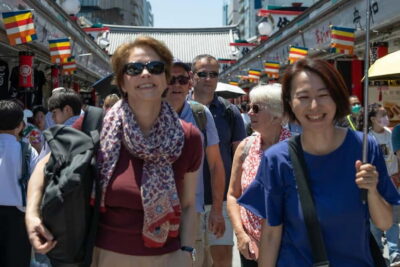
Asakusa Walking Tour with Sensoji Temple Visit
Read our review →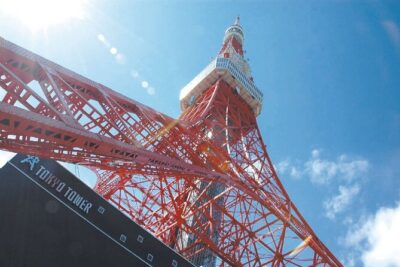
Tokyo Panoramic 1 Day: Meiji Shrine, Asakusa, Odaiba and SKYTREE®
Read our review →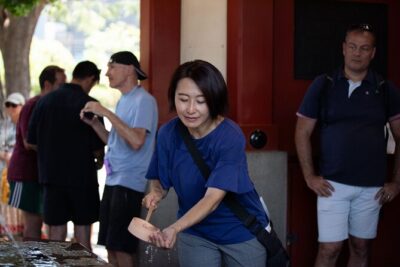
Asakusa Senso-ji Temple and Old Tokyo Walking Tour
Read our review →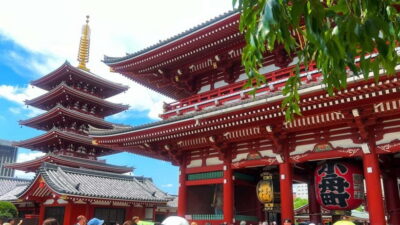
Asakusa and Tokyo’s Oldest Temple Senso-ji Tour
Read our review →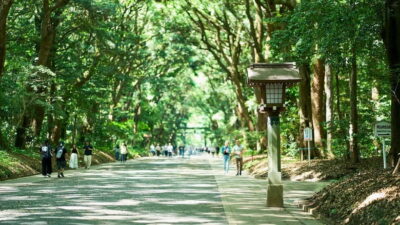
Meiji Shrine Walking Tour — Shinto & Imperial System
Read our review →
Meiji Jingu Shrine and Shinto Culture Walking Tour
Read our review →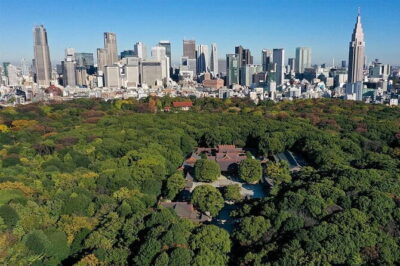
Meiji Shrine Walking Tour — Shintoism & Imperial System
Read our review →
1 Day Bus Tour with Meiji-Jingu,Odaiba,lunch&Skytree
Read our review →Browse the lists this tour appears in