
REVIEW · MEIJI SHRINE & SENSO-JI TOURS
Tokyo: Asakusa and Tokyo’s Oldest Temple Senso-ji Tour
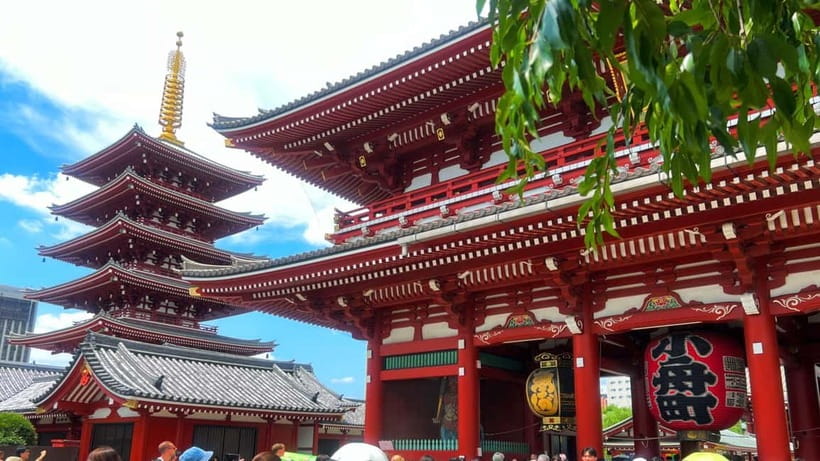
Asakusa gives you Tokyo’s old soul in a compact walk. You pass beneath the huge Kaminarimon Gate, follow Nakamise Street toward Senso-ji, and learn how this 7th-century Buddhist temple fits into the story of Edo, modern Tokyo, and post-war recovery. I like the mix of famous sights and quieter corners, plus the practical help with temple customs, local snacks, and souvenirs.
I also like the small-group limit of 10. Guides such as Shino, Embla, Nicolas, and Aska have been praised for clear English, good pacing, and the ability to keep a group together in heavy crowds. The main drawback is the setting itself: Asakusa can be extremely busy, so photo stops may feel hurried and the two-hour route cannot cover the whole district.
Key points at a glance
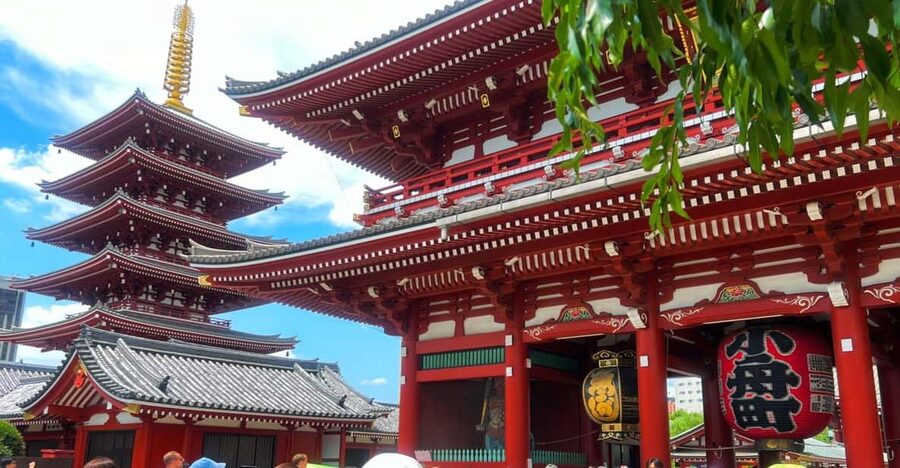
- Kaminarimon starts the story: Learn why this giant gate and its red lantern are such powerful symbols of Asakusa.
- Nakamise is more than a shopping street: Your guide points out traditional snacks, crafts, and souvenir choices along the approach to the temple.
- Senso-ji comes with context: Hear about its 7th-century origins, Buddhist customs, legends, and rebuilding after wartime destruction.
- Asakusa Shrine adds a different layer: Compare the Buddhist temple with a Shinto shrine and learn how the two traditions appear side by side.
- Small groups make a difference: With no more than 10 people, it is easier to ask questions and stay with the guide.
- The price is unusually low: At $14 for two hours with a live English-speaking guide, this is an easy-value introduction to traditional Tokyo.
Why Asakusa is one of Tokyo’s best first walks
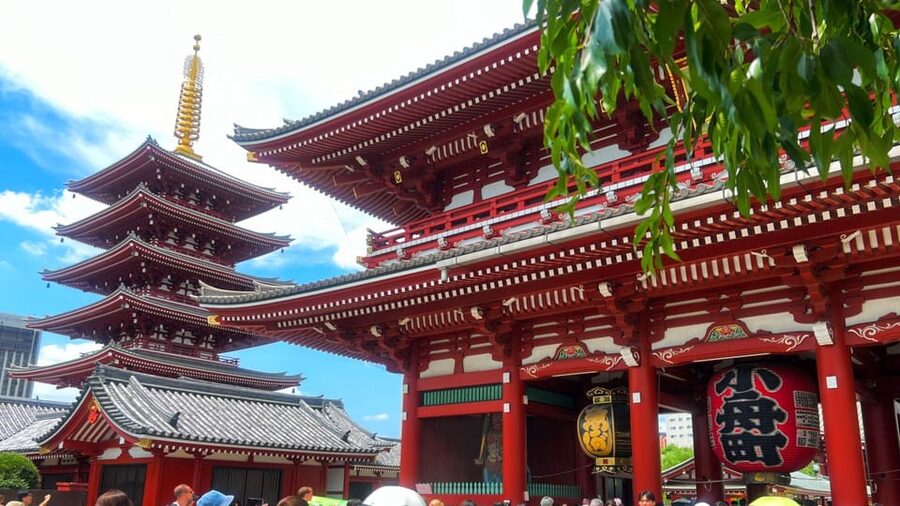
Tokyo can feel enormous and hard to read on a first visit. Asakusa helps. In a small area, you get a historic gate, a shopping street, a major Buddhist temple, a Shinto shrine, old neighborhood lanes, and a working sense of how traditional customs fit into present-day city life.
This tour is not simply a photo stop at Senso-ji. The guide explains the district’s change from the Edo period through the years after World War II. You hear about samurai-era Tokyo, former geisha districts, small shrines, and the local life that sits behind the main tourist route.
That context matters. Without it, Kaminarimon is just a giant red gate and Nakamise is just a row of souvenir shops. With a good explanation, each place becomes easier to understand. The guide can also explain how to behave at a temple or shrine, which is useful if you have never visited a Japanese religious site before.
The experience has earned a 4.9 rating from 352 bookings, with particular praise for the guides’ clear English, local recommendations, friendliness, and ability to explain customs without making the tour feel stiff. That is important here. Asakusa is crowded and visually busy, so having someone set the route and point out what matters saves time and attention.
More Meiji Shrine and Senso-ji Tours in Tokyo:
- Tokyo: Asakusa Walking Tour with Sensoji Temple Visit
★ 4.8 · 1,583 reviews - Tokyo Panoramic 1 Day: Meiji Shrine, Asakusa, Odaiba and SKYTREE®
★ 4.5 · 1,222 reviews - Tokyo: Meiji Shrine Walking Tour — Shinto & Imperial System
★ 4.9 · 266 reviews
Meeting near Asakusa Station
The walk begins in front of the Starbucks closest to Asakusa Station. The meeting coordinates are 35.7119461, 139.7979446, and the tour asks you to download WhatsApp so the guide can contact you and arrange a smooth meeting.
I would arrive a little early. The starting point is simple enough, but Asakusa has several railway and subway entrances, and the station area can be confusing if you are rushing. Keep your phone available for WhatsApp messages, especially since guides have used it to share their location and help delayed participants reconnect with the group.
The tour lasts two hours and is conducted in English. Group size is limited to 10, though the actual number may be smaller. One solo visitor joined a group of only two participants, while another group had seven people. That range gives you a fair idea of the experience: it is more personal than a large coach tour, but it is still a shared walk rather than a private guide.
Kaminarimon, Tokyo’s theatrical front door
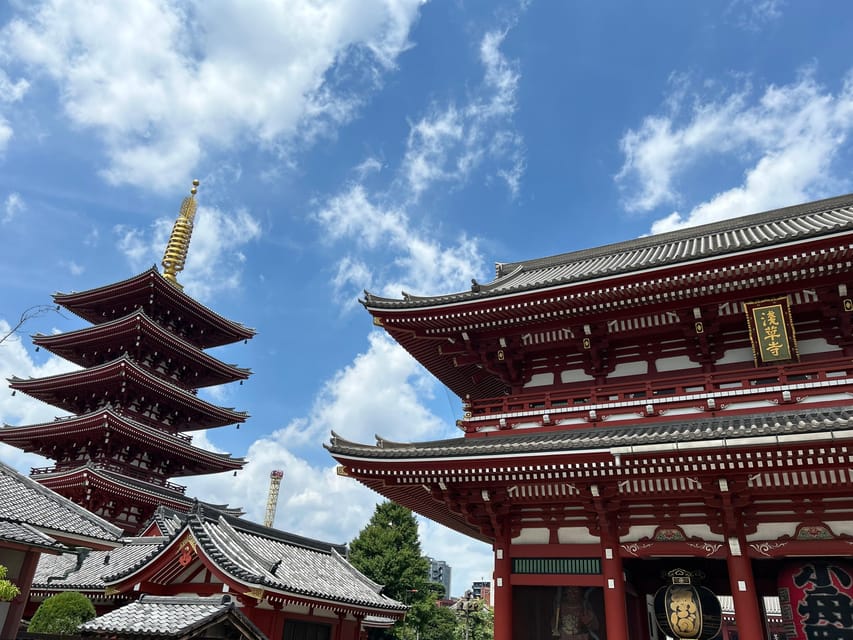
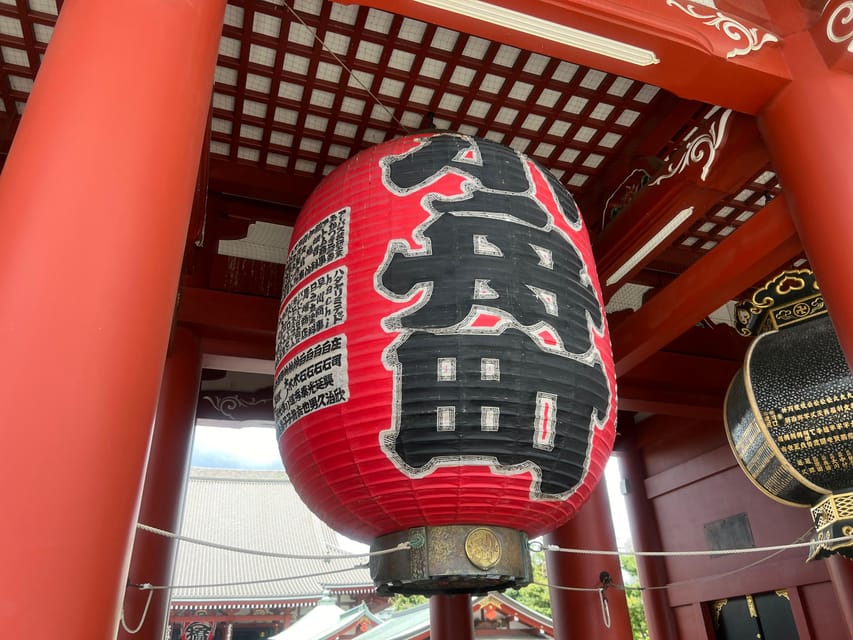
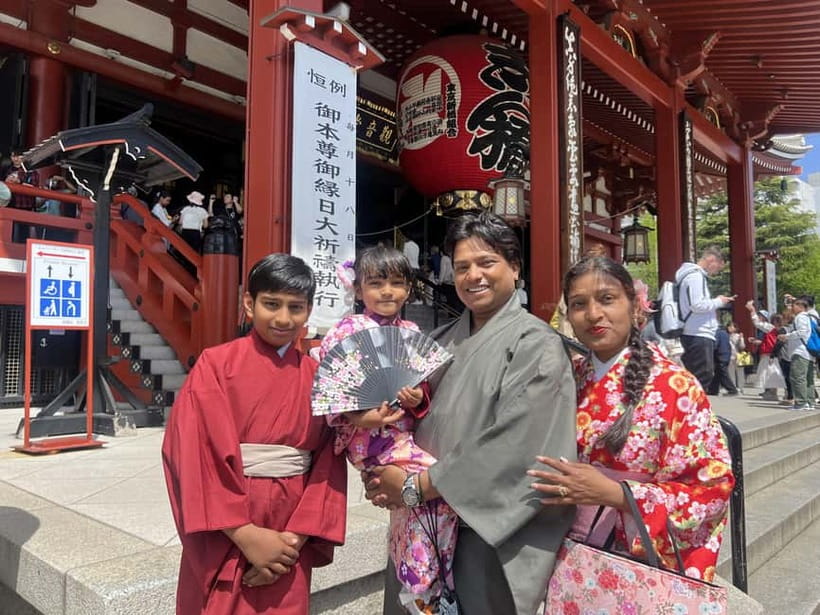
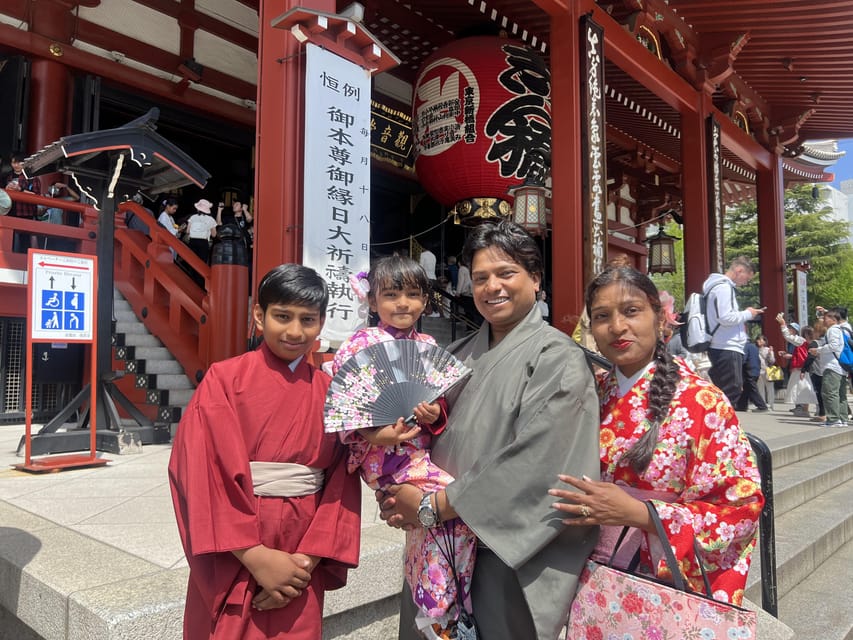
The first major stop is Kaminarimon, or Thunder Gate. Allow about 30 minutes here for photographs, orientation, and explanation.
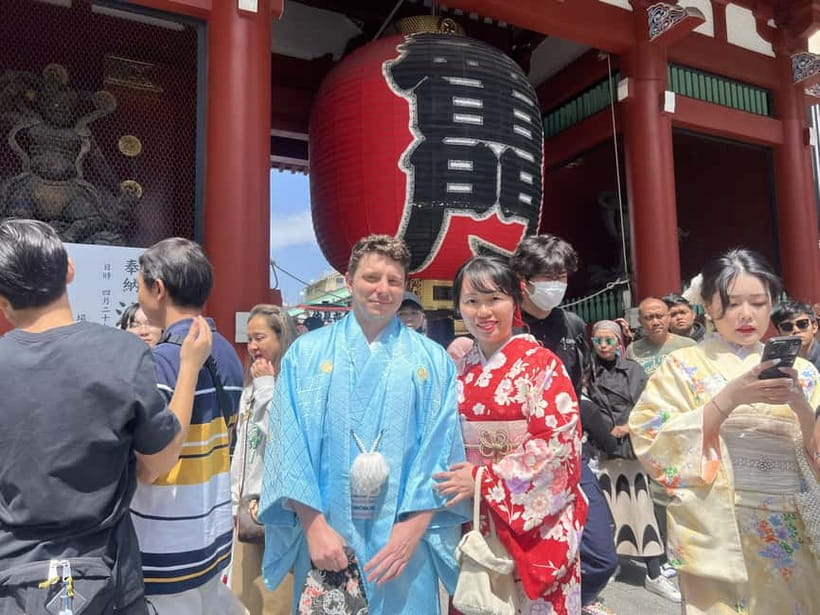
The gate is one of Asakusa’s instantly recognizable sights, with its enormous red lantern and imposing guardian figures. It makes a strong opening because it announces that you are entering a place built around worship, commerce, and public spectacle. Your guide can explain the gate’s role in the approach to Senso-ji and connect its imagery to Japanese religious tradition.
This is also where the group may first feel the crowds. Kaminarimon is a popular meeting and photo point, so you may need to stand to one side while the guide speaks. A small group helps, but do not expect a quiet setting. Keep close to the guide and listen for practical instructions about where to regroup.
A useful strength of this stop is that the guide does not rush straight to the temple. You get a short introduction to the neighborhood before entering its main ceremonial route. Guides such as Shino and Nicolas have been praised for explaining not only the monument itself, but also the surrounding history and religious meaning.
Nakamise Street, snacks and souvenir judgment
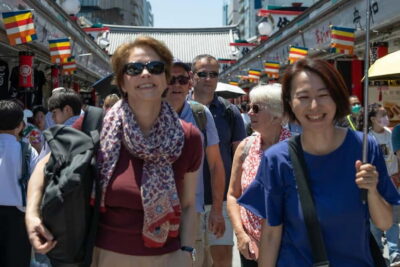
From Kaminarimon, the walk continues along Nakamise Shopping Street for about 20 minutes. This is the traditional commercial approach to Senso-ji, lined with shops selling sweets, small gifts, seasonal items, and objects connected with Japanese culture.
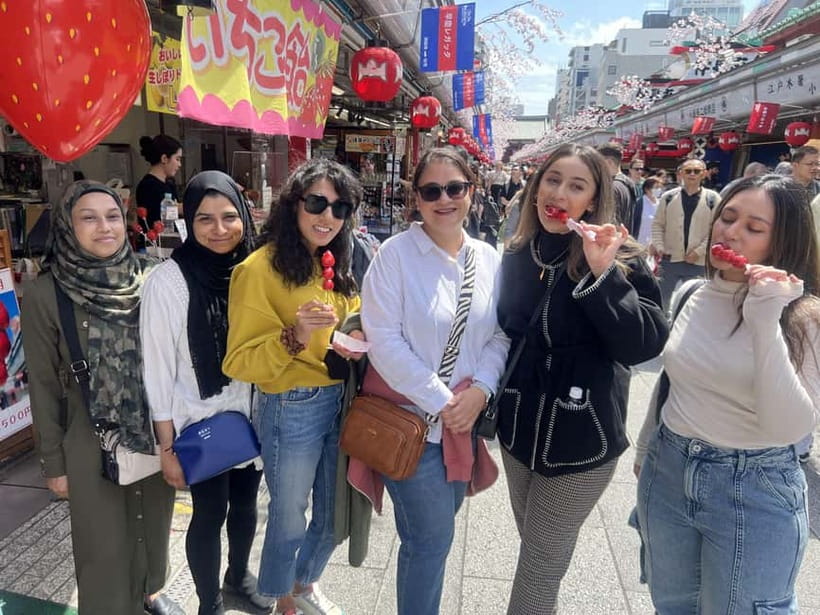
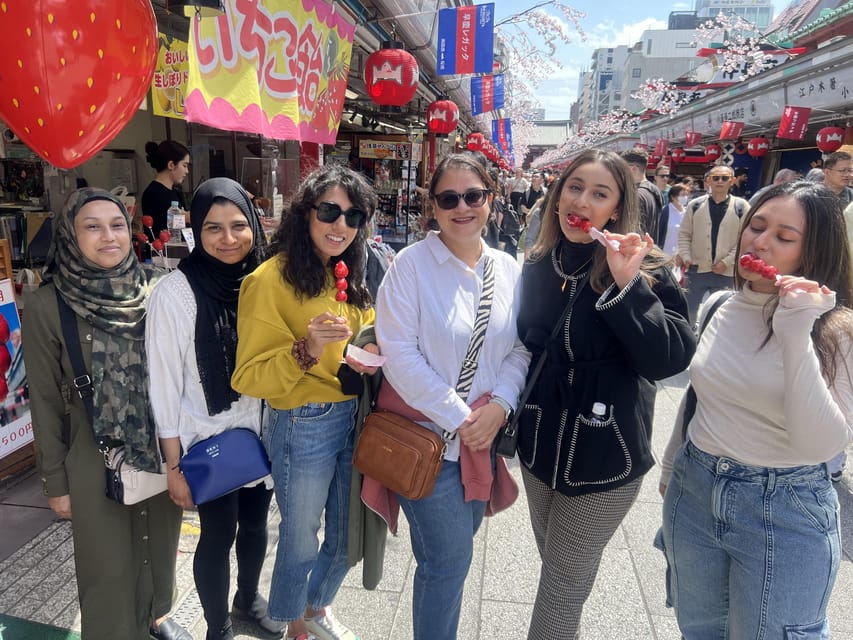
The street is attractive, colorful, and crowded. You will see lanterns, shop signs, traditional designs, and plenty of food to tempt you. The tour is not built around a meal, but guides have pointed out local specialties and explained which foods and souvenirs carry genuine meaning. One guide recommended ningyo-yaki, a small red bean-filled cake associated with Asakusa. That sort of tip can be more useful than a generic list of restaurants.
The short time here is both a strength and a limitation. Twenty minutes gives you enough background to understand the street without turning the tour into a shopping expedition. It also leaves time for Senso-ji. On the other hand, you probably will not have time to browse every shop or buy much during the guided portion.
I would treat Nakamise as a preview. Note the foods and crafts that interest you, then return after the tour if you want to shop at your own pace. Your guide may also recommend places to eat or pottery shops for later. That practical follow-up is one reason this works well early in a Tokyo visit.
A few more temple visits around Tokyo worth a look
- Nikko: Kegon Falls, Lake Chuzenji & Toshogu Temple
★ 4.6 · 1,577 reviews - Tokyo: Nikko Toshogu Shrine and Kegon Waterfall Tour
★ 4.5 · 1,266 reviews - Tokyo: Mt. Fuji, Kamakura, Big Buddha, & Lake Ashi Day Trip
★ 4.5 · 867 reviews - Tokyo: Zen Meditation at a Private Temple with a Monk
★ 5.0 · 510 reviews
Senso-ji, the heart of the route
The tour spends about 30 minutes at Senso-ji, including a guided walk and photo stop. Founded in the 7th century, it is one of Tokyo’s oldest and best-known temples.
The temple grounds give you several things to look at at once: large gates, bright colors, incense, worshippers, architectural details, and a broad approach crowded with people. A guide helps separate the important parts from the visual noise. You learn about the temple’s origins, its place in local history, and the legends connected with the site.
The religious guidance is especially helpful. Several guides have shown groups how to approach the temple and follow basic customs, including the proper way to pray. You may also have the chance to try an omikuji fortune, a small ritual detail that gives you a more active connection to the visit. The supplied information does not promise that every departure includes one, so think of it as a possible part of the stop rather than a guaranteed feature.
Senso-ji was damaged during World War II and rebuilt afterward, giving the site a clear link between ancient tradition and modern Tokyo. That story helps explain why the temple feels both old and renewed. Your guide may also discuss Buddhism, local beliefs, and the way religious sites function in Japanese daily life.
The main limitation is time. Thirty minutes is enough for an introduction, a few questions, and a guided look at key areas. It is not enough for a slow architectural study or a full visit to every corner. If Senso-ji becomes a highlight for you, plan to return independently after the tour.
Asakusa Shrine and the meeting of two traditions
The final major stop is Asakusa Shrine, with about 30 minutes for a guided visit and photographs. It sits close to Senso-ji but offers a different religious setting, since it is a Shinto shrine rather than a Buddhist temple.
This pairing is one of the best parts of the route. You do not need a specialist background to notice that the spaces feel different, but the guide can explain the distinction in plain English. You also get a clearer picture of how Buddhist and Shinto traditions appear next to each other in Japan.
The shrine stop gives the tour a calmer change of rhythm after Kaminarimon, Nakamise, and the main temple grounds. Guides have explained how to pray at the shrine and answered questions about local customs, which can make the visit feel less like a quick photograph and more like a cultural encounter.
Aska, Shino, Embla, Nicolas, Joe, and other guides have been praised for handling questions, sharing stories, and keeping the pace comfortable. One guide was especially noted for staying calm when part of the group moved slowly, then becoming more direct when the schedule required it. That balance matters on a walking tour: you want time for questions, but you also want to reach every planned stop.
What the guides add to the experience
The route is easy to follow on a map. You could walk from Kaminarimon to Nakamise, Senso-ji, and Asakusa Shrine without a guide. The value lies in what you would miss along the way.
The strongest guides add three things:
- Religious manners: You learn how to approach a temple or shrine, how the rituals differ, and why the actions matter.
- Local food advice: You get help identifying Asakusa specialties and choosing meaningful souvenirs rather than buying at random.
- Neighborhood context: You hear about geisha districts, old lanes, post-war rebuilding, and the district’s role in Tokyo’s history.
The guide roster changes. Shino has been praised for local knowledge and recommendations, Embla for organization and patient answers, Nicolas for storytelling and flexibility, Aska for cultural explanations, and Joe for an energetic, informal style. Other departures have been led by Naoya, Ryota, Connie, Haydn, Jae, Yota, and Shona.
That variety means the tone may differ from one departure to another. The consistent pattern is an English-speaking guide who explains the area, answers questions, and stays attentive to the group. Some guides are more formal, while others feel like a friendly local showing you around.
Is two hours enough for Asakusa?
Two hours is a good length for a first look. The route has enough substance to feel worthwhile, but it does not take up half your day. I would schedule it near the start of your Tokyo stay, then use the guide’s recommendations to decide what deserves a second visit.
The pace is walking-focused, with stops at four main places. You should be comfortable standing, walking through crowds, and keeping up with the group. The tour is not designed for extended shopping, a long meal, or a leisurely visit inside every part of Senso-ji.
Crowds can affect the experience. Nakamise and the temple approach are popular, and one guide had to work hard to keep the group together. If you dislike busy streets, choose your departure time carefully by checking the available start times. The tour page does not specify which times are quieter, so the exact crowd level cannot be promised.
Hot weather can also matter. A guide was praised for watching the group’s comfort during a very hot day, but you should still dress for outdoor walking and bring water. The tour takes place outside across a busy historic district, not in a series of air-conditioned rooms.
Is $14 good value?
At $14 per person, this is strong value if you want an introduction rather than a full-day private tour. The fee covers the walking tour, a live English-speaking guide, and access to the listed Asakusa, Nakamise, and Senso-ji areas. You are paying mainly for interpretation, route planning, and cultural explanation.
The value is highest for first-time visitors, solo visitors, and anyone unsure how to read a temple or shrine. A guide can answer small questions that guidebooks often skip, from prayer customs to the meaning of a local snack. The small group also makes it easier to ask about restaurants, souvenirs, and other Tokyo stops.
It is less useful if you already know Asakusa well or prefer to explore silently at your own speed. The tour does not include a meal, private transportation, or a long shopping session. You will still want free time afterward if you hope to browse Nakamise or explore more of the neighborhood.
Free cancellation up to 24 hours before the start and a reserve-now, pay-later option make the low price easier to fit into a changing itinerary. Check the available departure times before booking, since the duration is fixed at two hours.
Who should book this Asakusa walk?
I would recommend it to:
- First-time Tokyo visitors who want a clear introduction to traditional Japan
- Solo visitors who prefer a small shared group
- Families who want help with temple manners and local customs
- History fans interested in Edo, wartime destruction, and rebuilding
- Food-focused visitors who want suggestions for Asakusa snacks
- Anyone with only a few hours in the district
I would be more cautious if you want a private, slow-paced photography walk or an in-depth study of Buddhist architecture. The tour covers a lot in two hours, so it favors explanation and orientation over long periods at one site.
Should you book the Senso-ji and Asakusa tour?
Book it if you want a low-cost, well-organized introduction to old Tokyo with a live English-speaking guide. The route covers the right first stops, and the small group keeps the experience more personal than a large sightseeing walk.
The best reason to go is not simply seeing Senso-ji. It is learning how Kaminarimon, Nakamise, the temple, and Asakusa Shrine fit together, then leaving with useful food, shopping, and Tokyo advice. Keep your expectations realistic about crowds and the short stop at each place.
For $14, two hours, and a group capped at 10, I consider this an easy recommendation for a first visit. If Asakusa already feels familiar, spend the money on an independent return visit instead.
FAQ
How long does the Asakusa and Senso-ji tour last?
The tour lasts two hours.
Where does the tour start?
You meet in front of the Starbucks closest to Asakusa Station. The meeting coordinates are 35.7119461, 139.7979446.
Which language is the tour conducted in?
The tour is conducted in English with a live English-speaking guide.
How large is the group?
The group is limited to 10 participants.
Which places are included in the walking route?
The route includes Kaminarimon, Nakamise Shopping Street, Senso-ji Temple, and Asakusa Shrine. The tour returns to the Starbucks near Asakusa Station.
Is admission included?
Access to Asakusa, Senso-ji Temple, and Nakamise Shopping Street is included with the walking tour.
Can I cancel the tour for a refund?
Yes. You can cancel up to 24 hours in advance for a full refund. A reserve-now, pay-later option is also available.
Just added around Tokyo
- Tokyo:Nikko UNESCO World Heritage Sites Private 1-Day Tour★ 3.8 · 6 reviews
- Tokyo: Snow Monkey Park and Zenkoji Temple Private Day Tour★ 4.7 · 127 reviews
- Tokyo War History Tour: Yasukuni Shrine & War Museum★ 4.5 · 6 reviews
- Tokyo: Sensoji Temple & Street Food: Private Tour with guide★ 4.6 · 8 reviews
- Tokyo: Shibuya Sky, Harajuku & Meiji Shrine Highlights Tour★ 4.5 · 9 reviews
- Tokyo → Nikko:Private Customizable Day Trip (English Driver)★ 4.9 · 26 reviews
- Tokyo’s Kitchen: Tsukiji Market Food & Culture Walk★ 4.7 · 74 reviews
- Tokyo: Nikko Private Sightseeing Day Trip with Driver★ 5.0 · 10 reviews
Meiji Shrine & Senso-ji Tours, compared.
Asakusa Walking Tour with Sensoji Temple Visit
Read our review →
Tokyo Panoramic 1 Day: Meiji Shrine, Asakusa, Odaiba and SKYTREE®
Read our review →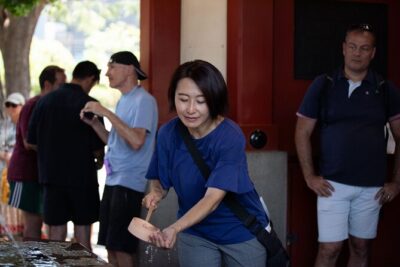
Asakusa Senso-ji Temple and Old Tokyo Walking Tour
Read our review →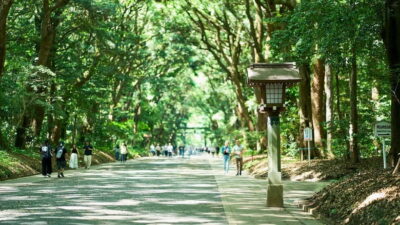
Meiji Shrine Walking Tour — Shinto & Imperial System
Read our review →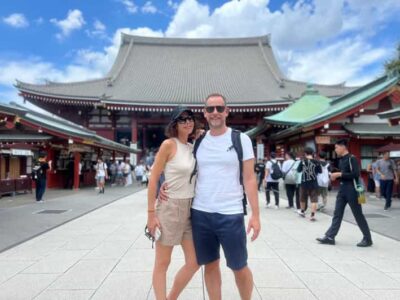
Meiji Jingu Shrine and Shinto Culture Walking Tour
Read our review →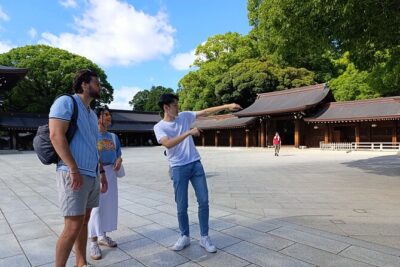
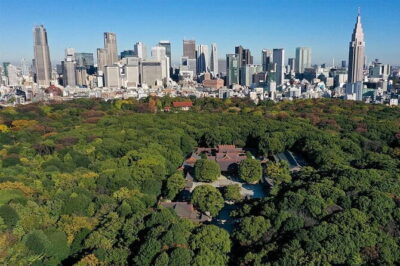
Meiji Shrine Walking Tour — Shintoism & Imperial System
Read our review →
1 Day Bus Tour with Meiji-Jingu,Odaiba,lunch&Skytree
Read our review →Browse the lists this tour appears in