
REVIEW · TOKYO TEMPLE TOURS
Tokyo: Zen Meditation at a Private Temple with a Monk
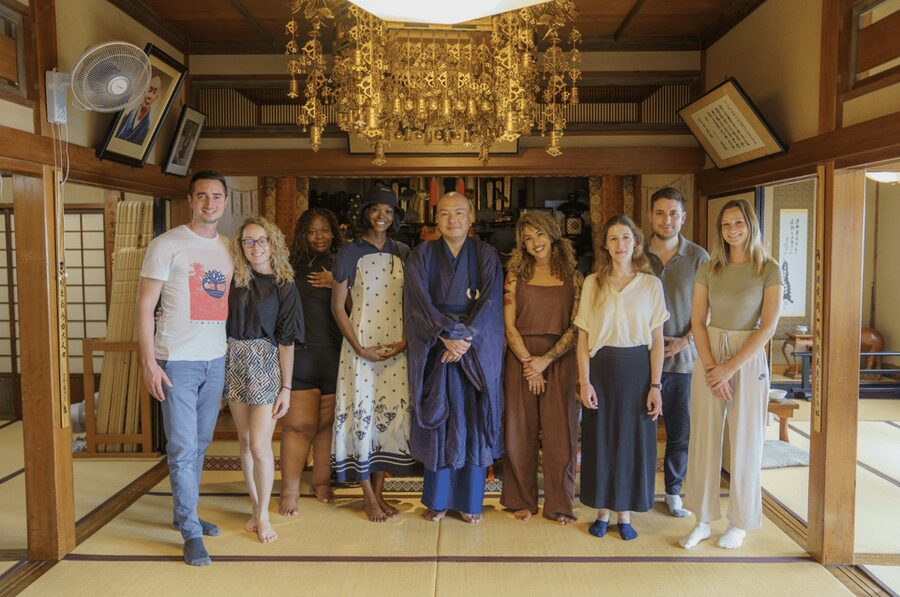
A quiet temple in central Tokyo is a fine place to slow down, especially when the city outside is moving at full speed. This 90-minute Zen experience takes you into a private Asakusa temple more than 400 years old, where monk Namiki-san explains Zazen and leads meditation.
I like the rare access to a temple not open to the general public, and I like the simple mix of meditation, calligraphy, tea, and conversation. Guides such as Tamami, Kazu, and Shota help translate and explain the setting clearly. The main consideration is that the meditation periods may feel short if you already practice Zen or want a more demanding retreat.
At a Glance: What Makes This Experience Special
- A private 400-year-old temple: Enter a quiet religious space in Asakusa that is not open for ordinary public visits.
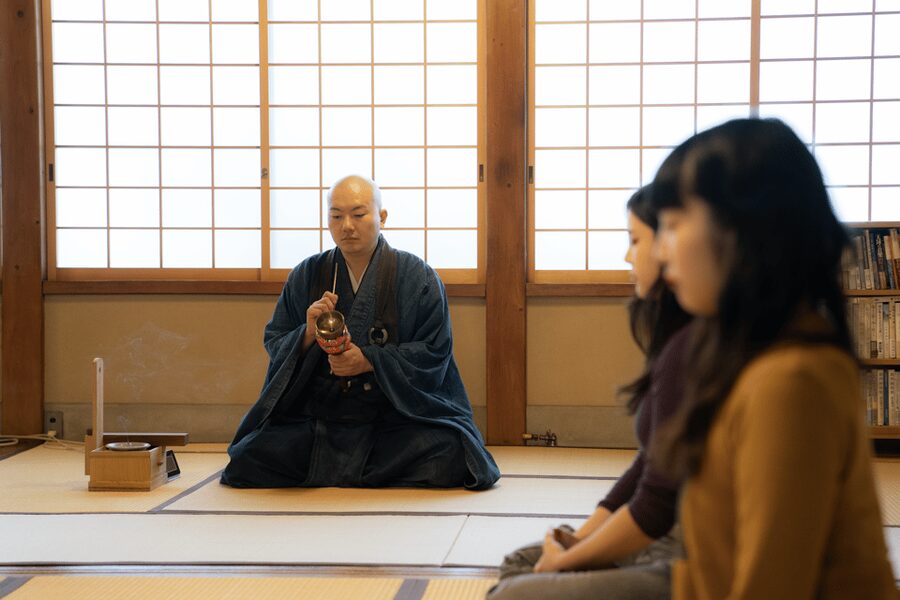
- Meditation with a resident monk: Namiki-san explains the purpose and posture of Zazen, then leads the practice.
- More than sitting still: The session can include calligraphy, chanting, matcha, sweets, and questions about Zen.
- Personal English support: Guides including Tamami, Kazu, and Shota explain the monk’s words and Japanese customs.
- Easy central meeting point: Meet near Family Mart, about two minutes from Tawaramachi Station on the Ginza Line.
- A gentle introduction: You do not need previous meditation experience, though experienced practitioners may want longer sitting time.
Entering a Private Asakusa Temple
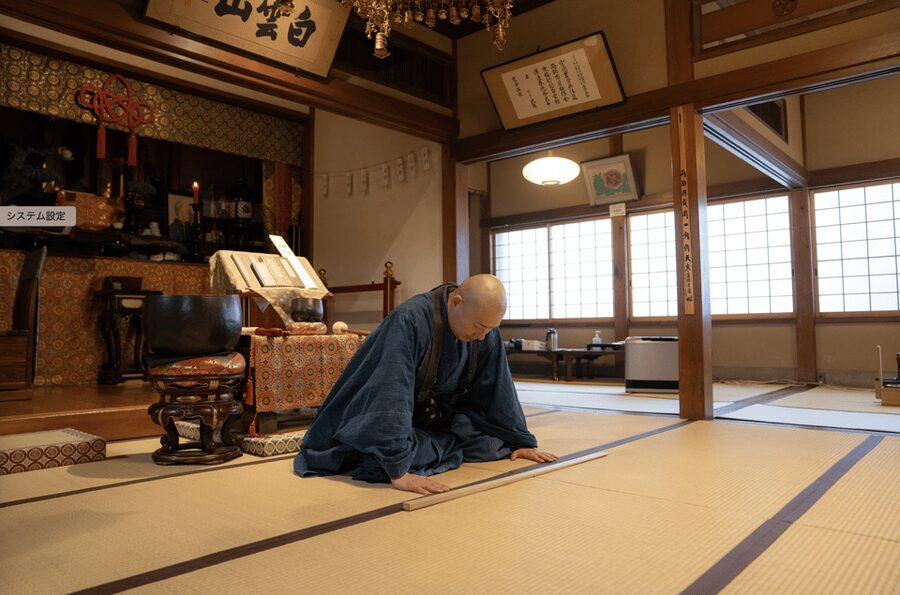
The experience begins in the Asakusa area, but not at the usual sightseeing stops around Senso-ji. You meet your guide in front of a Family Mart near Tawaramachi Station, then continue to a temple that is not generally open to the public.
Pay attention to the meeting instructions. There are two Family Mart branches in the area, so going to the wrong one could start the morning with an unnecessary bit of Tokyo detective work. The meeting point is about a two-minute walk from Tawaramachi Station on the Ginza Line.
Once inside, the mood changes quickly. Asakusa can be noisy and crowded, yet the temple offers a much quieter setting. The age of the building and the fact that it remains a working religious place give the visit a sense of purpose that a museum display cannot quite match.
You are not simply looking at old architecture. You are being invited into a place where meditation, chanting, tea, and daily practice still have meaning. That distinction matters if you want more than a quick photograph of a temple roof.
The guide provides a short introduction to Japanese culture and Zen before the monk joins the session. This helps put the ritual in context without turning the first part into a long lecture.
More Private Temple Tours in Japan
- From Tokyo: Nikko World Heritage Site Private Full-Day Trip
★ 4.9 · 243 reviews - From Tokyo: Private Tour Snow Monkey Park & Zenko-ji Temple
★ 4.7 · 184 reviews - Tokyo Zen Meditation at Private Temple with Monk
★ 5.0 · 178 reviews
Learning Zazen from Namiki-san
Zazen means seated meditation, and it is the heart of this experience. Namiki-san explains the basic principles and techniques before you sit, so you are not left wondering what to do with your posture, breathing, or attention.
The emphasis is on breathing rhythmically, settling the mind, and facing yourself without clinging to ego or everyday concerns. That wording may sound grand, but the actual exercise is practical: sit, pay attention, and notice what happens when you stop chasing every thought.
The meditation is suitable for beginners. You do not need to know Buddhist terminology, and you are not expected to arrive with a polished spiritual practice. The guide and monk make the activity approachable, which is important when you are sitting with people you have just met.
Several sessions have included two meditation periods of about 10 minutes each. Another format has included a longer sitting period, so the exact balance can vary. If you already meditate, you should understand that this is an introduction rather than a full morning of formal Zazen.
That shorter format is also part of the appeal. Ten minutes is long enough to feel the difference between ordinary sightseeing and deliberate stillness, but not so long that a first-time participant becomes uncomfortable or restless.
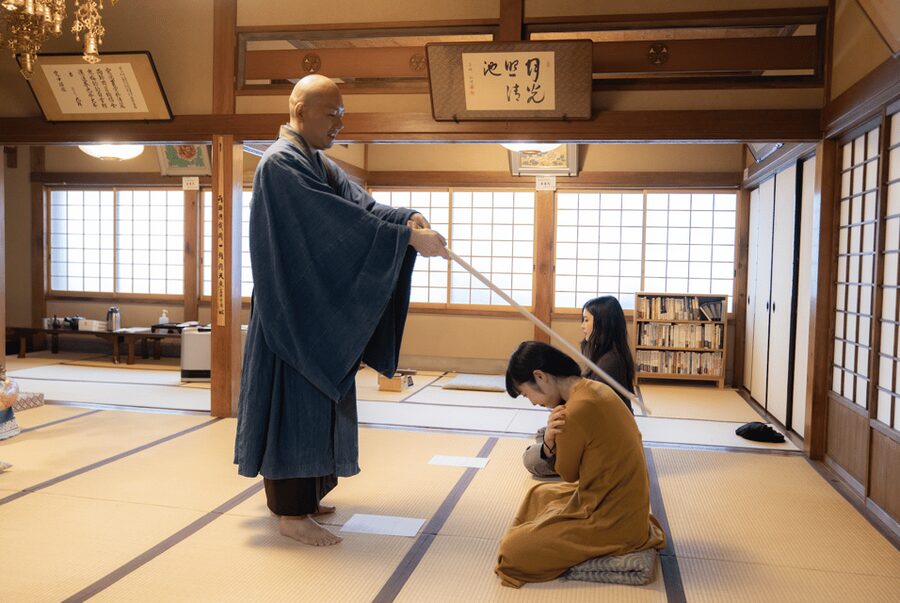
One especially interesting option is the meditation stick. Ask Namiki-san about it if you want to understand how it is used. Do not assume it is a punishment or a theatrical prop. It is connected with maintaining alertness during seated practice, and the monk can explain the custom.
The Monk’s Teaching and Open Conversation
The monk is not there only to demonstrate posture. The later conversation gives you a chance to ask about Zen, temple life, meditation, and Japanese culture.
Namiki-san comes from a family with three generations of monks, adding a personal connection to the temple’s long history. His style is described as warm, patient, and sometimes funny, which helps keep the conversation human rather than overly formal.
The guide’s role is important here. English explanations and translation make it possible to ask more than a few simple questions. Tamami, in particular, has been praised for clear translation and for helping the exchange feel natural. Kazu and Shota have also guided sessions.
This is one of the strongest parts of the activity for curious visitors. You can ask how Zen differs from other forms of meditation, what daily temple life involves, or how the monk approaches stress and attention. The discussion can also touch on ordinary Japanese life, not just religious theory.
The practical advice is often simple: give full attention to small actions, avoid comparing yourself with others, keep your surroundings orderly, and look closely at the root of anger. You do not have to accept every teaching as a life rule. The value is in hearing how a practicing monk applies these ideas.
The format also gives you a chance to speak rather than simply listen. If you have a question, save it for the discussion. This is a much better time to ask about Buddhism than during the quiet meditation itself.
Calligraphy with Chanting
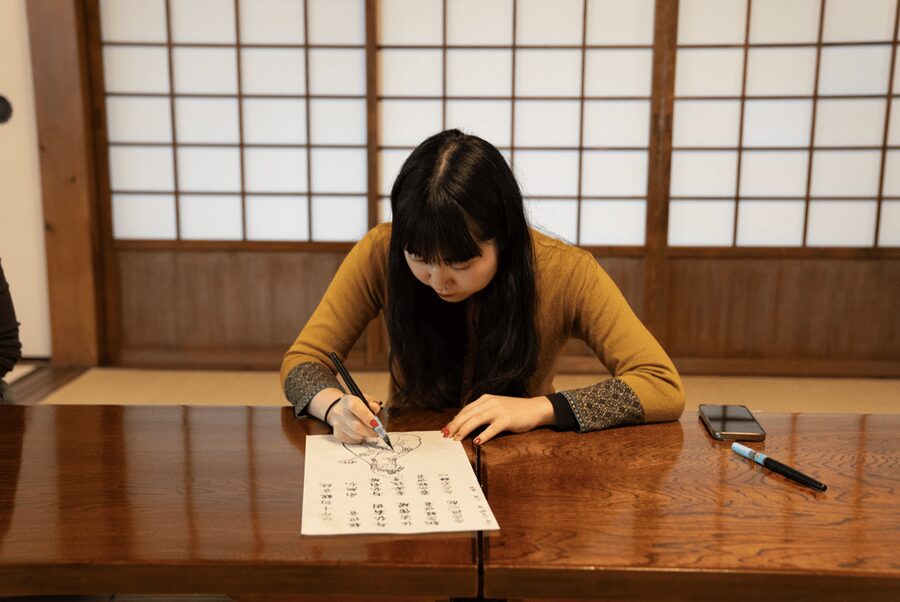
Calligraphy is an extra part of the experience that many people find memorable. You receive the chance to create a piece of Japanese writing while the monk chants, turning a familiar cultural activity into something slower and more focused.
You should not expect an advanced calligraphy lesson or a long art workshop. The point is attention to the movement of the brush, the shape of the characters, and the sound of the chanting around you.
This activity works well after meditation because it keeps the same quiet mood while giving your hands something to do. It also leaves you with a physical reminder of the visit. One participant kept the finished calligraphy at home as a prompt to continue making time for meditation.
The calligraphy portion may not be included in every short description of the activity, but it has been part of the experience described by many recent participants. If it matters to you, confirm the current format when booking.
More Private Temple Tours in Tokyo
- Tokyo: Nikko World Heritage Private Day Trip Hotel Pick-up
★ 4.8 · 145 reviews - Tokyo: Snow Monkey Park and Zenkoji Temple Private Day Tour
★ 4.7 · 127 reviews - Tokyo: Nikko Private Day Tour with English Speaking Driver
★ 4.8 · 97 reviews - Nikko Full Day Private Tour with English Speaking Driver
★ 5.0 · 79 reviews
Matcha, Sweets, and a Simple Tea Ceremony
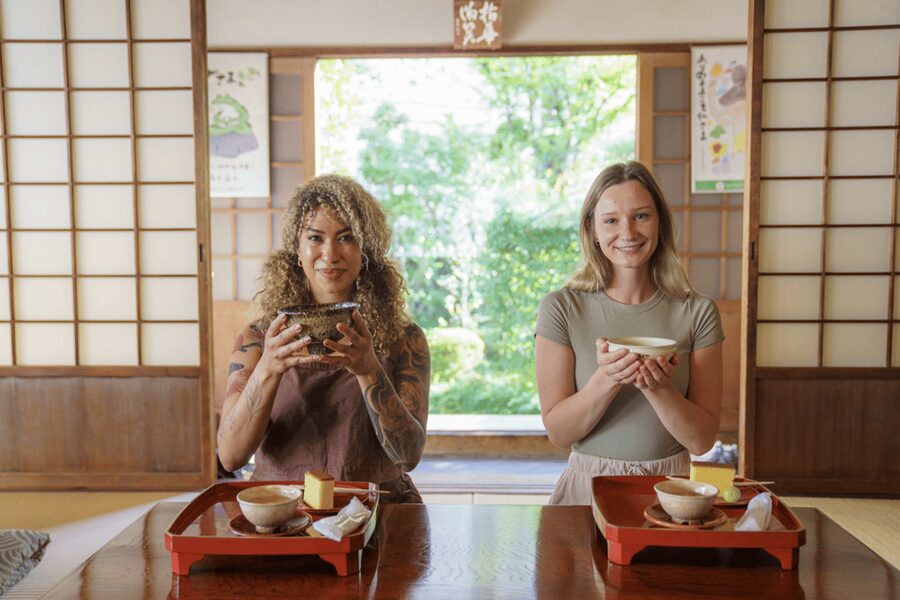
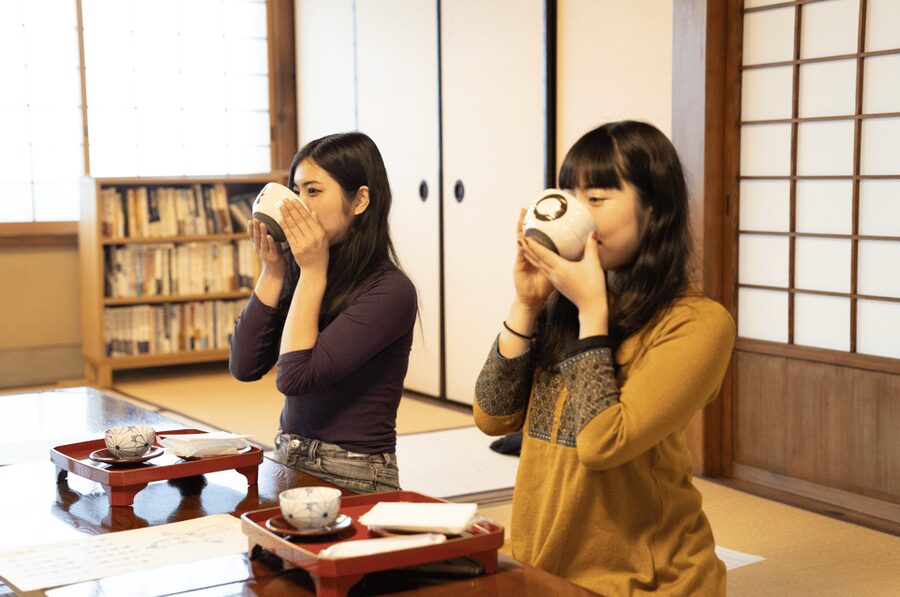
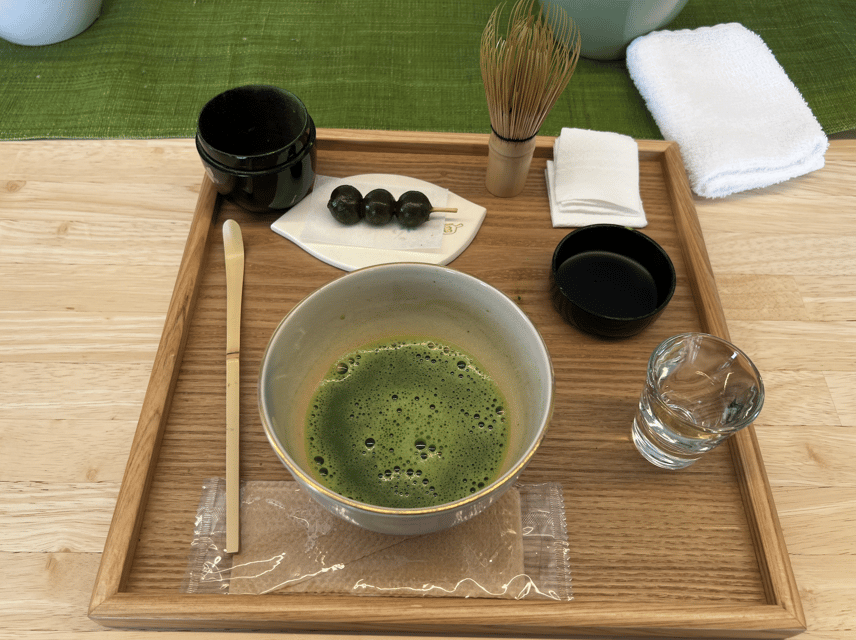
The session ends with matcha tea, traditional sweets, and conversation. This is not presented as a full-length formal tea school lesson. Instead, it is a compact introduction to the gestures, taste, and calm pace associated with Japanese tea culture.
The sweets provide a small contrast to the earthy matcha. More important, the tea gives the group a natural reason to sit together after meditation and talk with the monk.
I like this ending because it prevents the activity from feeling like a meditation class that simply stops when the timer ends. The tea creates a social close, while the questions let you process what you have just done.
You can also take photographs inside the temple and with the monk. Be respectful about when you use your camera, particularly during meditation or chanting. The guide can help with photos at suitable moments, and Tamami has been especially helpful with this practical detail.
Why the $55 Price Can Make Sense
At $55 per person, this is not the cheapest way to spend 90 minutes in Tokyo. You could visit a public temple for little or no entrance cost, and you could practice meditation alone.
That comparison misses what you are paying for. The fee includes temple entry, an English-speaking guide, monk-led instruction, matcha, and access to a private setting that ordinary visitors cannot simply walk into. You are also paying for translation, coordination, and the chance to ask questions directly.
The value is strongest if you want cultural context. A meditation app cannot tell you what this particular monk thinks about daily life, and a public temple visit usually does not include a personal explanation of Zazen.
The value is weaker if you only want a long silent meditation. The activity is built around several elements, and the sitting periods may be fairly brief. Experienced meditators may prefer a retreat or a dedicated Zen center with more time on the cushion.
For a first encounter with Zen during a Tokyo trip, the price feels reasonable. You receive a focused cultural experience without spending half a day away from the city’s other sights.
Who Should Book This Asakusa Experience?
I would recommend it to first-time meditators, culturally curious visitors, couples, solo travelers, and anyone who wants a calmer start to a day in Tokyo. It also suits people who are interested in Buddhism but do not want a heavily academic lecture.
You do not need to identify as spiritual. Several parts of the session are simply about attention, breathing, brushwork, tea, and conversation. Even if you are not interested in Buddhism, the experience offers a respectful look at a living Japanese tradition.
It can also work well for people who have tried meditation but struggle to practice alone. The monk gives you a clear structure, while the quiet temple removes some of the distractions that make home practice difficult.
I would be more cautious if you dislike sitting on the floor, want complete silence throughout, or expect a rigorous religious retreat. The activity includes talking, translation, tea, and calligraphy, so it is a cultural program as much as a meditation session.
Families with children should consider the child’s ability to sit quietly and take part respectfully. The supplied details do not specify age requirements, so ask the operator before booking for younger participants.
Practical Details Before You Go
The listed duration is 90 minutes. Some sessions may divide the time differently, with meditation, calligraphy, tea, and questions receiving varying amounts of attention. If you want more time for meditation, tell the guide early and keep your expectations flexible.
Transportation is not included. You must make your own way to the meeting point near Tawaramachi Station. The tour uses English, and the guide will contact you through WhatsApp, so download the app before the day of the activity.
The activity offers free cancellation up to 24 hours in advance, and you can reserve now while paying later if that option is available during booking. Check the starting time and current conditions before you confirm.
Wear clothing that allows you to sit comfortably. The available information does not specify a dress code, but you are entering a sacred space, so modest, tidy clothing is a sensible choice.
Arrive early enough to identify the correct Family Mart. Tokyo’s station exits and convenience stores can look confusing when you are rushing, and this is an experience that benefits from beginning calmly.
Should You Book It?
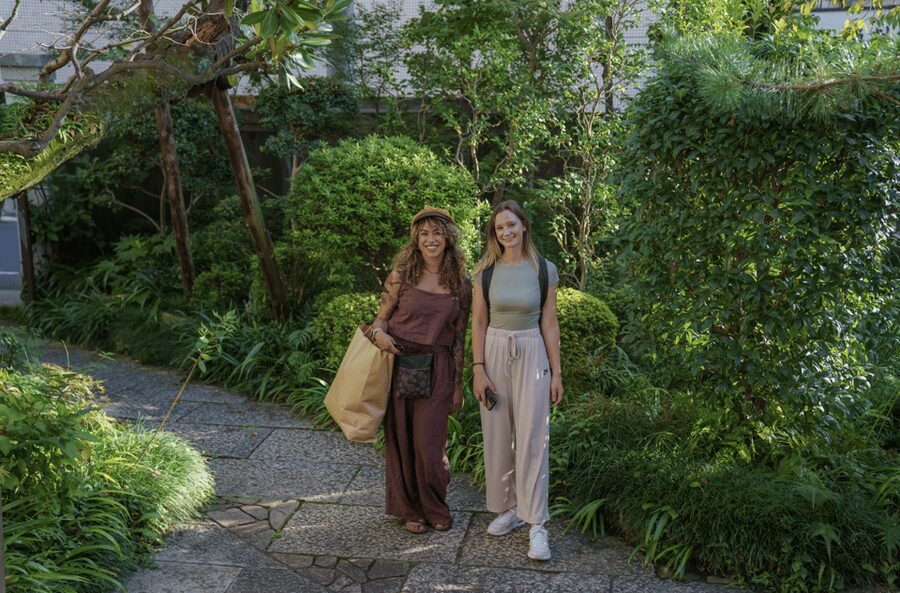
Book this experience if you want personal contact with a monk, a private temple setting, and a gentle introduction to Zen that includes more than meditation. The strongest combination is the quiet temple, clear translation, open questions, and the unexpected calligraphy and tea.
Skip it if your main goal is a long, silent sitting session or a formal multi-hour retreat. For most visitors, though, the 90-minute format hits a useful middle ground: enough time to slow down and learn something real, without taking over your Tokyo itinerary.
FAQ
Where does the Zen meditation experience meet?
Meet in front of Family Mart in the Asakusa area, about two minutes from Tawaramachi Station on the Ginza Line.
Are there two Family Mart locations nearby?
Yes. There are two branches in the area, so check the meeting instructions carefully and go to the correct one.
How long does the experience last?
The advertised duration is 90 minutes. The balance between meditation, calligraphy, tea, and discussion may vary.
Is the temple open to the general public?
The experience takes you into a private temple that is not open to the general public for ordinary visits.
Who leads the meditation?
Resident monk Namiki-san explains Zazen and leads the meditation. An English-speaking guide supports the session and translates when needed.
Is the activity conducted in English?
Yes. The activity includes a live English-speaking guide. Guides named for different sessions include Tamami, Kazu, and Shota.
Do I need previous meditation experience?
No. The activity explains the principles and techniques of Zazen before you practice, making it suitable for beginners.
Is matcha included?
Yes. Matcha tea is included, along with the tea experience at the end of the session.
Is calligraphy included?
Calligraphy has been part of the experience, along with chanting, tea, and sweets. Confirm the current format if calligraphy is essential to your plans.
Can I take photographs?
Photographs and videos are allowed. Take them at suitable times, and follow the guide’s direction during meditation, chanting, and other quiet parts of the visit.
Just added around Tokyo
- Tokyo:Nikko UNESCO World Heritage Sites Private 1-Day Tour★ 3.8 · 6 reviews
- Tokyo: Snow Monkey Park and Zenkoji Temple Private Day Tour★ 4.7 · 127 reviews
- Tokyo War History Tour: Yasukuni Shrine & War Museum★ 4.5 · 6 reviews
- Tokyo: Sensoji Temple & Street Food: Private Tour with guide★ 4.6 · 8 reviews
- Tokyo: Shibuya Sky, Harajuku & Meiji Shrine Highlights Tour★ 4.5 · 9 reviews
- Tokyo: Nikko Private Sightseeing Day Trip with Driver★ 5.0 · 10 reviews
- Tokyo → Nikko:Private Customizable Day Trip (English Driver)★ 4.9 · 26 reviews
- Tokyo’s Kitchen: Tsukiji Market Food & Culture Walk★ 4.7 · 74 reviews
Tokyo Temple Tours, compared.
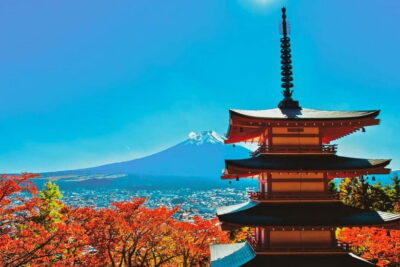
Mt.Fuji,Kawaguchiko Oishi Park,Arakurayama Sengen Park
Read our review →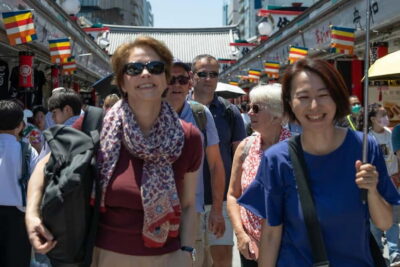
Asakusa Walking Tour with Sensoji Temple Visit
Read our review →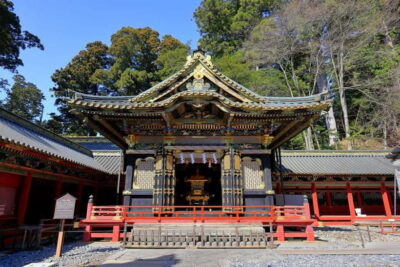
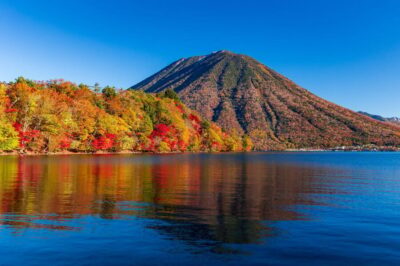
Nikko Toshogu Shrine and Kegon Waterfall Tour
Read our review →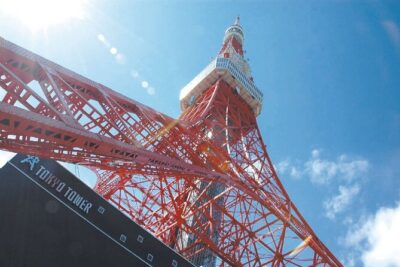
Tokyo Panoramic 1 Day: Meiji Shrine, Asakusa, Odaiba and SKYTREE®
Read our review →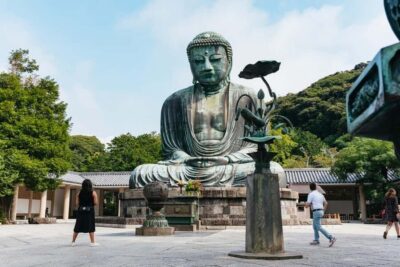
Mt. Fuji, Kamakura, Big Buddha, & Lake Ashi Day Trip
Read our review →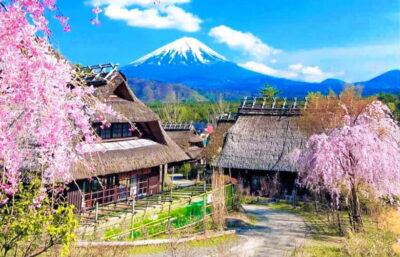
Mt. Fuji Heritage Tour: Traditional Villages, Lakes & Shrine
Read our review →
Samurai Entertainment Night Show in Kanda Shrine
Read our review →Browse the lists this tour appears in