
REVIEW · MEIJI SHRINE & SENSO-JI TOURS
Tokyo Morning Tour: Meiji Shrine, Asakusa & Fish Market
Tokyo shows its best morning face on this tour. You begin beneath the trees of Meiji Shrine, move on to the stalls and sushi counters of Tsukiji Outer Market, then finish among the temple gates and snack shops of Asakusa. It is a smart route through three very different sides of the city.
I like the mix of quiet ritual and good eating. I also like the English-speaking guides, including Yosuke, Lax, Lex, Yo yo, Remu, and Ken, who are praised for clear explanations and warm attention to families. The main drawback is pace: three major areas in 270 minutes leaves limited time for lingering, and food costs are not listed as included.
Key points at a glance
- Meiji Shrine first: Begin with a calm walk and an introduction to Shinto customs before Tokyo gets busier.
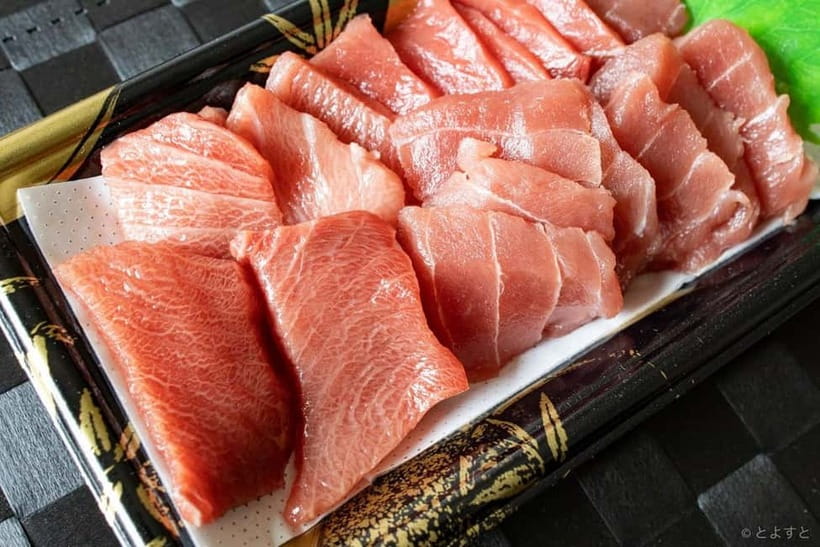
- Tsukiji for breakfast: Spend 110 minutes around the outer market, with fresh sushi and sashimi as the central draw.
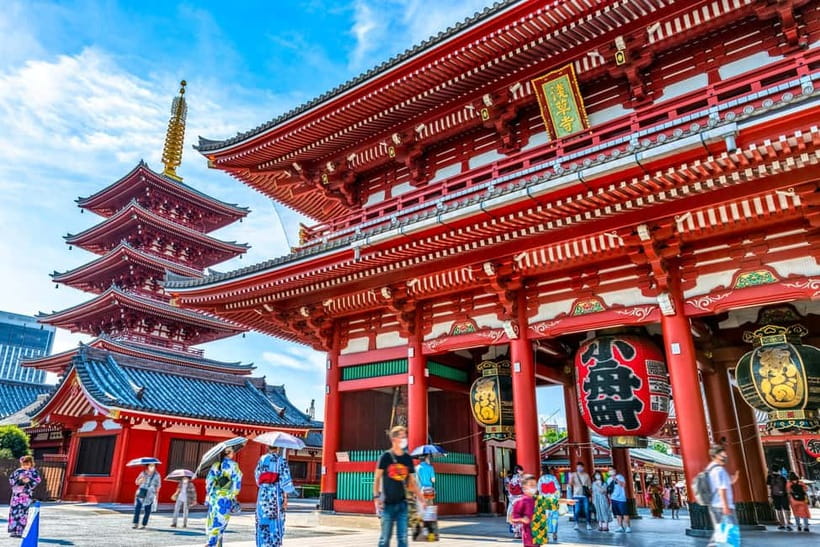
- Asakusa by foot: Walk through the old temple district, stopping for croquettes and Japanese sweets.
- Senso-ji included: The tour covers admission to Tokyo’s famous Buddhist temple.
- Guide-led context: Expect history, religion, food advice, and help with questions in English.
- Simple city connection: Meet at IKEA Harajuku, pay about 550 yen for public transport, and finish in Asakusa.
Why this morning route works in Tokyo
Tokyo can feel like a wall of train lines, tall buildings, shopping arcades, and signs. This tour gives you a clean first look at the city by linking three places that feel quite different.
Meiji Shrine gives you quiet and space. Tsukiji brings you close to Tokyo’s food culture. Asakusa offers old temples, street snacks, and a slower walking rhythm. You get the contrast without spending a full day crossing back and forth across the city.
The order matters. Starting at Meiji Shrine lets you see the shrine in the morning, when the grounds are suited to a peaceful walk. Tsukiji then supplies the food stop, and Asakusa makes a natural final base because the tour ends there.
I would treat this as a cultural orientation with food along the way, not as a full food tour or a detailed temple study. You will see and taste plenty, but you will not have unlimited time at each stop.
More Temple Sunrise Tours in Japan
- Tokyo Morning Tour: Asakusa, Meiji Shrine and Tsukiji Fish Market
★ 5.0 · 128 reviews - Tokyo Morning Tour : Meiji Shrine, Asakusa and Fish Market
★ 5.0 · 102 reviews - Tokyo Early Morning Tour Asakusa Meiji Shrine (Private Opt)
★ 5.0 · 69 reviews
Meeting at IKEA Harajuku
The meeting point is in front of IKEA Harajuku. That is easy to identify if you are already in the Harajuku area, but you should allow time to reach it. The tour does not include public transport, and the expected fare is about 550 yen.
The route uses transport between districts, but the exact train or subway details are not provided. Bring an IC card if you have one, or keep some yen ready. You will also walk through shrine grounds, market streets, and temple areas, so comfortable shoes are a sensible choice.
Because the start time can vary, check the available departure when booking. This is specifically a morning experience, and that timing is part of its appeal. You are not signing up for an afternoon sightseeing circuit that happens to include these sites.
Meiji Shrine: a quiet opening in the city
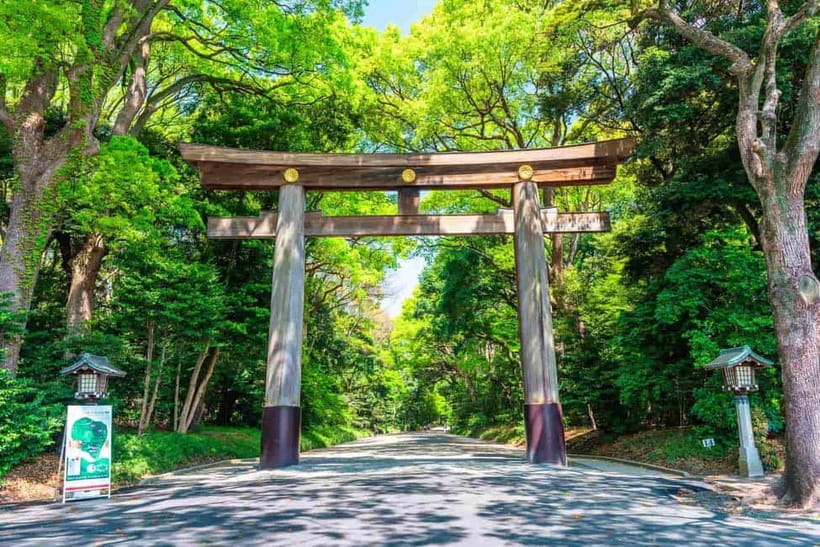
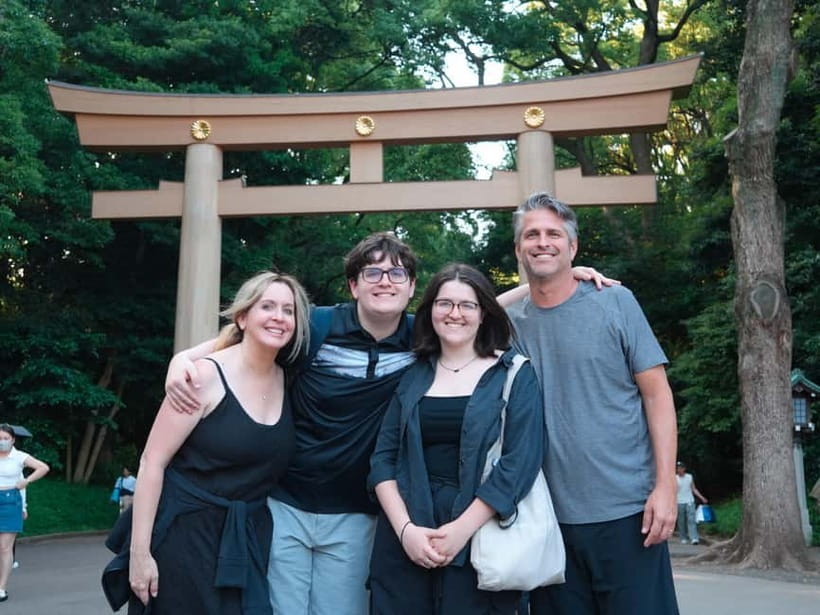
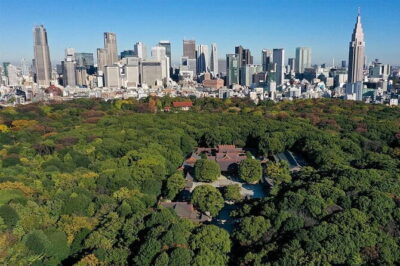
The first stop is Meiji Shrine, with about one hour set aside for a visit. The shrine is dedicated to Emperor Meiji and Empress Shoken, and it is one of Tokyo’s best-known Shinto sites.
The value here is not only the building at the end of the approach. The walk through the shrine grounds gives you a break from Harajuku’s shops and traffic. Your guide can explain Shinto customs and help you understand how to behave respectfully at a Japanese shrine.
That guidance is useful if this is your first visit to Japan. You may learn how shrine practices differ from Buddhist temple customs, how to approach a shrine, and why the setting feels different from a place of worship in the West. The supplied tour details specifically emphasize historical and religious insight, and this is where that background matters most.
One hour is enough for an introduction, a walk, and questions. It is not enough for a slow, private exploration of every path. If you want long periods of silence or photography, the group schedule may feel brisk.
The guide quality matters here. Lax has been praised for a thoughtful and engaging style, while Lex is described as clear, friendly, and well prepared when explaining Meiji Shrine. Yosuke is also noted for his understanding of Japanese history, culture, and religion. Guide assignments can vary, so you should not assume you will have one particular person, but the range of named guides gives you a useful idea of the guiding style to expect.
Tsukiji Outer Market: Tokyo through food
The tour allows 110 minutes at Tsukiji Outer Market, the longest stop of the morning. That is sensible. The market is not just one attraction to photograph. It is a collection of food shops, counters, stalls, and narrow streets where you can see how much Japanese daily life revolves around careful preparation and fresh ingredients.
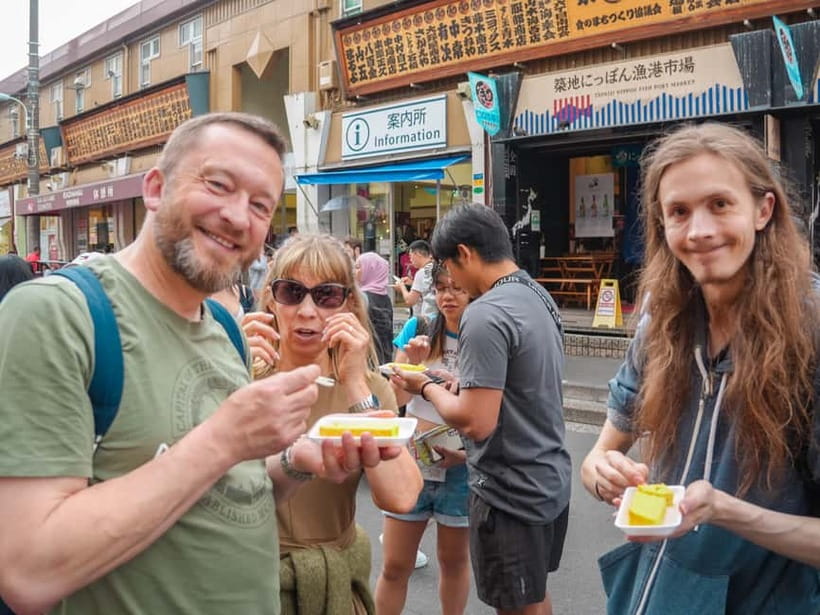
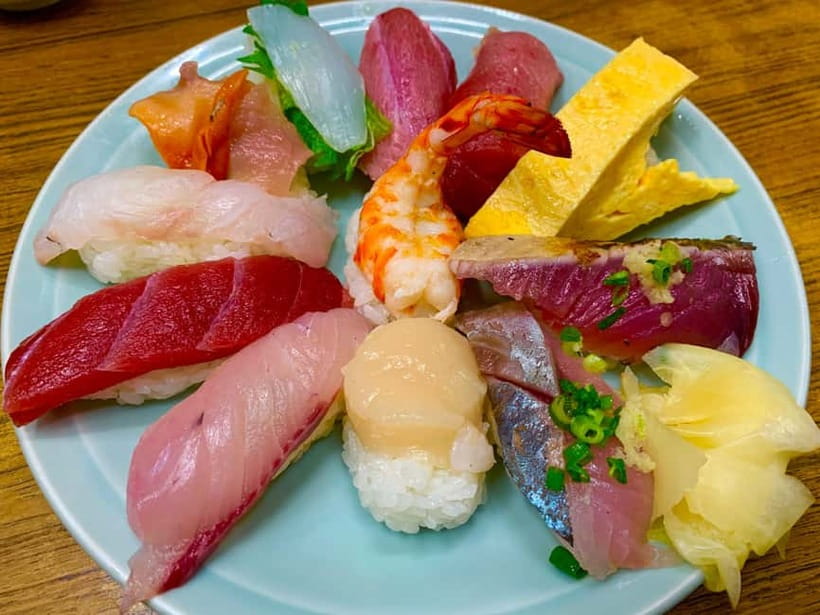
The central promise is fresh sushi and sashimi. Keep in mind that food is not listed among the included items, so plan to pay for anything you eat. The description highlights tasting market food, but it does not provide a fixed menu, number of tastings, or spending allowance.
That uncertainty can be a plus. You may have room to choose what interests you rather than accept a set plate. It also means your final cost depends on your appetite and choices. If you are comparing this tour with a food package, ask yourself if you prefer flexibility or a meal already covered in the price.
A guide can make Tsukiji much easier to understand. You will have someone to point out the role of different foods, explain what you are seeing, and help keep the visit tied to Japanese culture rather than turning it into a quick snack stop. Yosuke has been praised for particularly strong explanations at the market.
The 110-minute window gives you time to look around, eat, and ask questions, but do not expect a long restaurant meal plus a complete tour of every lane. Market visits work best when you stay alert and move with the group. It is also wise to keep your belongings close in crowded areas, although the tour information does not give specific crowd or storage guidance.
For many people, this will be the most memorable section. Meiji Shrine shows Tokyo’s spiritual side, while Tsukiji lets you connect with the city through taste. That pairing keeps the morning from feeling like a string of monuments.
Same country, a different morning at the gates:
- Tokyo:Mt.Fuji,Kawaguchiko Oishi Park,Arakurayama Sengen Park
★ 4.4 · 2,682 reviews - Tokyo: Asakusa Walking Tour with Sensoji Temple Visit
★ 4.8 · 1,583 reviews - Nikko: Kegon Falls, Lake Chuzenji & Toshogu Temple
★ 4.6 · 1,577 reviews - Tokyo: Nikko Toshogu Shrine and Kegon Waterfall Tour
★ 4.5 · 1,266 reviews
Asakusa and Senso-ji: old Tokyo with snacks
The final stop is Asakusa, where you have about an hour to visit, walk, shop, and see the district. The tour ends here, which is convenient if you want to continue exploring on your own afterward.
Asakusa is centered on Senso-ji, one of Tokyo’s best-known Buddhist temples. Admission to Senso-ji is included, along with admission to Meiji Jingu Shrine and Tsukiji Fish Market as listed in the tour details. The temple gives the morning a useful religious contrast: Meiji Shrine introduces Shinto, while Senso-ji represents Buddhism.
Your guide can help explain the difference between the two traditions. That context is especially valuable because the buildings and rituals can otherwise blur together when you are seeing several major sites in one morning. Margaret’s comments about learning the difference between Buddhism and Shinto reflect exactly the kind of background that can make the route more meaningful.
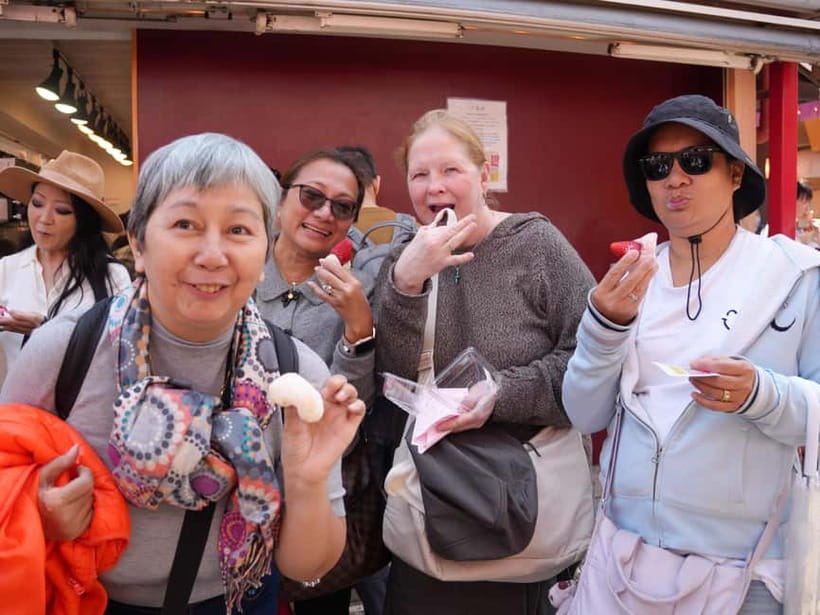
Asakusa is also the most snack-friendly part of the tour. You are expected to try croquettes and traditional Japanese sweets while walking through the district. Again, food purchases are not listed as included, so carry extra yen.
An hour passes quickly here. You can see Senso-ji, walk the historic streets, sample a few items, and browse, but you probably will not have time for a long shopping session. If Asakusa is high on your personal list, use the tour as an introduction and return later for a more relaxed visit.
Finishing here is one of the route’s practical strengths. You are not sent back to Harajuku after the final stop. You can keep exploring Asakusa, visit more of the surrounding area, or make your own way to another part of Tokyo.
The guides make the difference
A tour covering shrines, a market, food, and two religions needs more than directions. It needs a guide who can connect the stops.
The strongest praise goes to the guides’ personal care and communication. Yosuke is described as positive, attentive, fluent in English, and eager to answer questions. Lax is praised for being thoughtful, professional, patient, and well read about Japan. Yo yo is described as kind, passionate, and especially good with families.
Ken and Remu are also named as guides who explain Japanese culture clearly. Remu is associated with strong explanations of Shinto and Buddhism, while Ken is praised for making cultural information part of an enjoyable morning. These comments suggest that the guide is not simply leading you from one address to the next.
You should still remember that guide assignments vary. The experience may feel more energetic with one guide and more reflective with another. The overall rating is 4.9 from 44 reviews, which is a strong signal, but no tour is identical for every group.
The activity is conducted in English. That makes the guide especially useful at the shrine and temple, where small customs and religious terms can be hard to understand from signs alone.
What $83 gets you
At $83 per person, the tour is not the cheapest way to visit these three districts. You can reach them independently for less, especially if you already know Tokyo’s transport system and are happy to read signs or use a guidebook.
The price becomes easier to justify if you value explanation and structure. You are paying for an English-speaking guide, historical insight, photos taken during the tour, and admission to Meiji Jingu Shrine, Tsukiji Fish Market, and Senso-ji Temple. You also avoid spending time working out how to connect Harajuku, Tsukiji, and Asakusa on your own.
Food and public transport are extra. Add about 550 yen for transport, plus your own budget for sushi, sashimi, croquettes, and sweets. Since no fixed food amount is given, keep your spending flexible.
I see the tour as good value for a first morning in Tokyo if you want cultural explanations and a planned route. It is less compelling if you are an experienced Tokyo visitor, prefer to move alone, or want a slow meal and long shopping stops.
The included photos may also matter to families or solo visitors who want a few pictures without asking strangers. They are a small practical benefit, though the details about how many photos you receive are not provided.
Timing, pace, and who should book
The total duration is 270 minutes, or four and a half hours. The listed visits add up to about three hours and ten minutes, leaving time for transport and movement between districts.
That is a fairly full morning. You will walk, eat, listen, and change neighborhoods several times. I would not schedule a demanding appointment immediately after the finish unless you leave a generous buffer. The tour ends in Asakusa, not at the original meeting point.
This experience suits:
- First-time visitors who want a clear introduction to Tokyo
- Families looking for food, temples, and manageable cultural stops
- People interested in Shinto, Buddhism, and Japanese customs
- Solo visitors who want company and photos
- Anyone who prefers a guide to handle the route between districts
It may not suit you if you want a dedicated fish-market food crawl, a full-day temple tour, or hours of independent shopping. The schedule gives you a well-shaped overview, not complete freedom.
The free cancellation policy allows cancellation up to 24 hours in advance for a full refund. You can also reserve now and pay later, which helps if your Tokyo schedule is still changing.
Should you book this Tokyo morning tour?
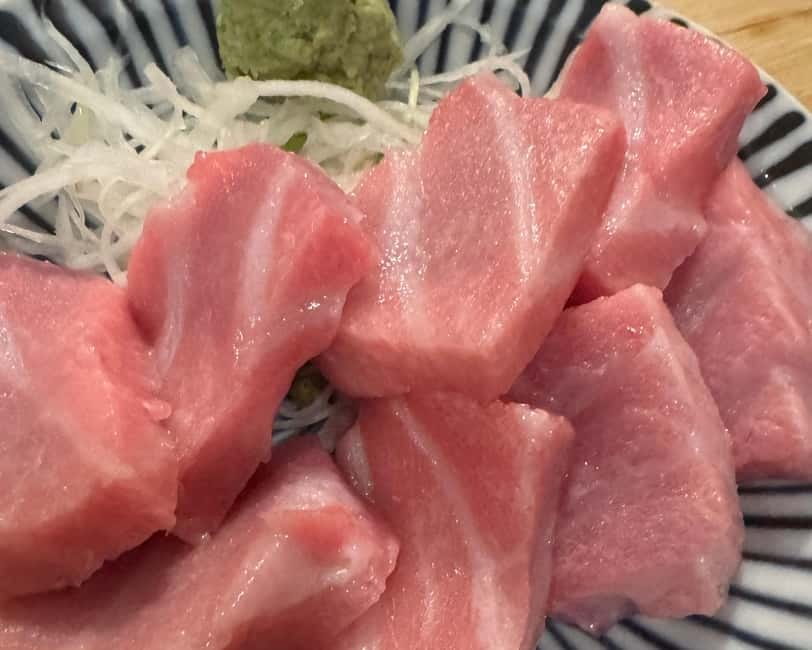
Book it if you want Tokyo explained as well as seen. The combination of Meiji Shrine, Tsukiji, and Asakusa gives you three strong contrasts in one morning: calm Shinto practice, food culture, and Buddhist temple life.
I especially recommend it for a first or second day in the city. The guide can give you useful cultural footing before you set out on your own, and the finish in Asakusa leaves the rest of your day open.
Skip it if you already know these districts or want to control every minute. The pace is purposeful, food is extra, and the $83 price is mainly paying for the guide, admissions, and convenience. For the right visitor, that is a fair trade for a well-planned introduction to Tokyo.
FAQ
Where does the tour meet?
The meeting point is in front of IKEA Harajuku.
Where does the tour finish?
The tour finishes in Asakusa.
How long does the experience last?
The total duration is 270 minutes, or four and a half hours.
What places are visited?
The tour visits Meiji Shrine, Tsukiji Outer Market, and Asakusa, including Senso-ji Temple.
Is transportation included?
Public transportation is not included. The expected fare is around 550 yen.
Is food included in the price?
Food is not listed among the included items. The experience highlights sushi, sashimi, croquettes, and traditional Japanese sweets, so you should budget separately for anything you eat.
Is an English-speaking guide provided?
Yes. The tour includes a live English-speaking guide.
What admissions are included?
Admission to Meiji Jingu Shrine, Tsukiji Fish Market, and Senso-ji Temple is included.
Can I cancel for a refund?
Yes. You can cancel up to 24 hours in advance for a full refund. You can also reserve now and pay later.
More Temple Sunrise Tours in Tokyo
- Angkor Wat Sunrise or Sunset Tour with Guide from Siem Reap
★ 5.0 · 12,109 reviews - Siem Reap: Angkor Wat: Small-Group Sunrise or Sunset Tour
★ 5.0 · 9,444 reviews - Siem Reap: Angkor Wat 2-Day Tour with Sunrise and Sunset
★ 4.9 · 4,429 reviews - Angkor Wat Sunrise tour with Small – Group and Guide tours
★ 5.0 · 3,655 reviews
More Meiji Shrine and Senso-ji Tours in Tokyo
- Tokyo Panoramic 1 Day: Meiji Shrine, Asakusa, Odaiba and SKYTREE®
★ 4.5 · 1,222 reviews - Tokyo: Asakusa and Tokyo’s Oldest Temple Senso-ji Tour
★ 4.9 · 352 reviews - Tokyo: Meiji Shrine Walking Tour — Shinto & Imperial System
★ 4.9 · 266 reviews - Tokyo: Meiji Jingu Shrine and Shinto Culture Walking Tour
★ 5.0 · 245 reviews
Just added around Tokyo
- Tokyo:Nikko UNESCO World Heritage Sites Private 1-Day Tour★ 3.8 · 6 reviews
- Tokyo: Snow Monkey Park and Zenkoji Temple Private Day Tour★ 4.7 · 127 reviews
- Tokyo War History Tour: Yasukuni Shrine & War Museum★ 4.5 · 6 reviews
- Tokyo: Sensoji Temple & Street Food: Private Tour with guide★ 4.6 · 8 reviews
- Tokyo: Shibuya Sky, Harajuku & Meiji Shrine Highlights Tour★ 4.5 · 9 reviews
- Tokyo: Nikko Private Sightseeing Day Trip with Driver★ 5.0 · 10 reviews
- Tokyo → Nikko:Private Customizable Day Trip (English Driver)★ 4.9 · 26 reviews
- Tokyo’s Kitchen: Tsukiji Market Food & Culture Walk★ 4.7 · 74 reviews
Meiji Shrine & Senso-ji Tours, compared.
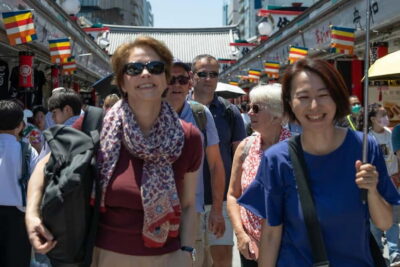
Asakusa Walking Tour with Sensoji Temple Visit
Read our review →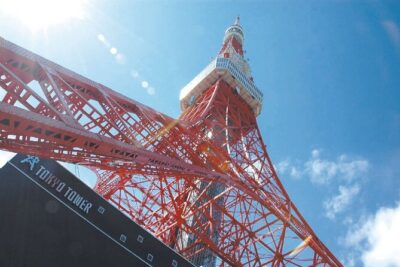
Tokyo Panoramic 1 Day: Meiji Shrine, Asakusa, Odaiba and SKYTREE®
Read our review →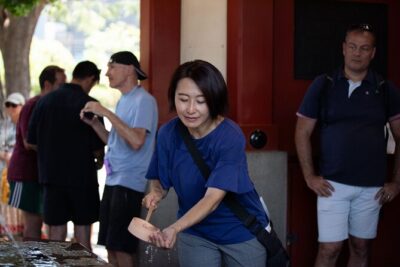
Asakusa Senso-ji Temple and Old Tokyo Walking Tour
Read our review →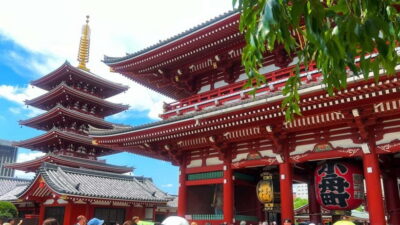
Asakusa and Tokyo’s Oldest Temple Senso-ji Tour
Read our review →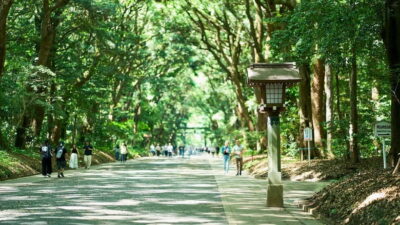
Meiji Shrine Walking Tour — Shinto & Imperial System
Read our review →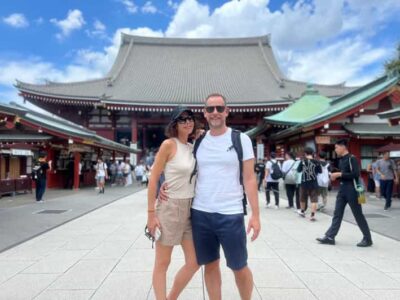
Meiji Jingu Shrine and Shinto Culture Walking Tour
Read our review →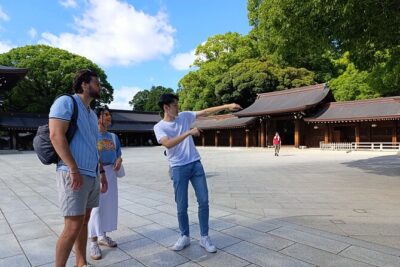
Meiji Shrine Walking Tour — Shintoism & Imperial System
Read our review →Browse the lists this tour appears in