
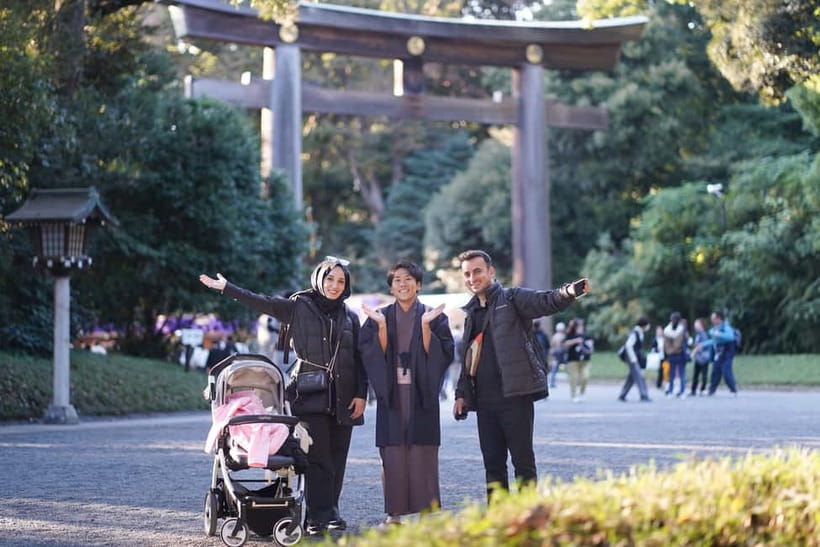
REVIEW · MEIJI SHRINE & SENSO-JI TOURS
Join a Unique Cultural Ceremony at Tokyo’s Meiji Shrine
The unusual heart of this Meiji Shrine experience is access to a traditional Shinto prayer ceremony, known as gokito. You walk through the shrine’s quiet forest, enter a wooden hall, and watch priests chant and perform music. It offers far more than a quick shrine photo stop.
I like the small group of six or fewer, which gives the guide room to explain customs and answer questions. I also like the mix of quiet observation and hands-on cultural detail, including a Japanese snack, a traditional dance show, and time to learn how the ritual fits into Japanese life.
The main consideration is the price: $183 per person is a serious spend for 2.5 hours. Meiji Shrine also requires plenty of walking, so this suits curious visitors who value a focused cultural experience more than a low-cost sightseeing stroll.
Key points at a glance
- Rare access to gokito: Watch a traditional Shinto prayer ritual with priests, chanting, flutes, and drums.
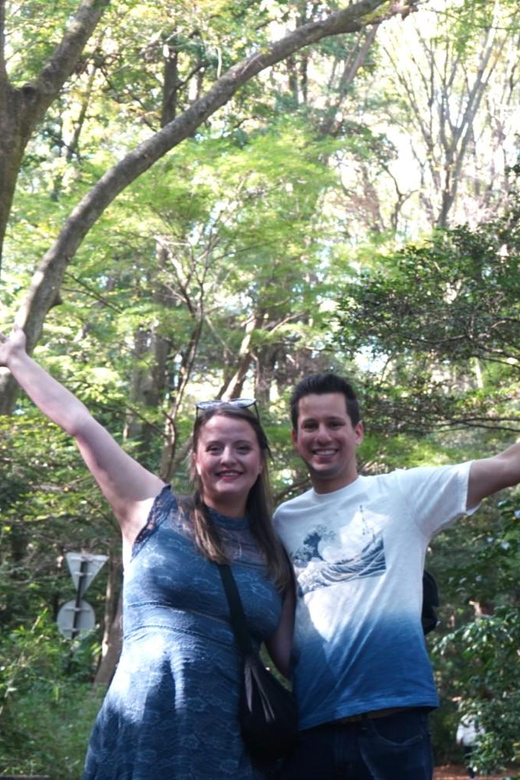
- A forest walk in central Tokyo: Leave JR Yoyogi Station and soon trade city noise for the tree-lined paths of Meiji Shrine.
- Personal guidance: English and Japanese are available, with guides such as Alex and Kohei praised for clear explanations and thoughtful instruction.
- More than a shrine visit: The 2.5-hour outing includes local snacks and a traditional dance show.
- Very small group: Six participants or fewer makes it easier to ask questions and follow the ceremony respectfully.
- Plan for walking and cash: Bring comfortable shoes, a drink, and coins for the offering box or shrine goods.
Why the Meiji Shrine ceremony is the main event
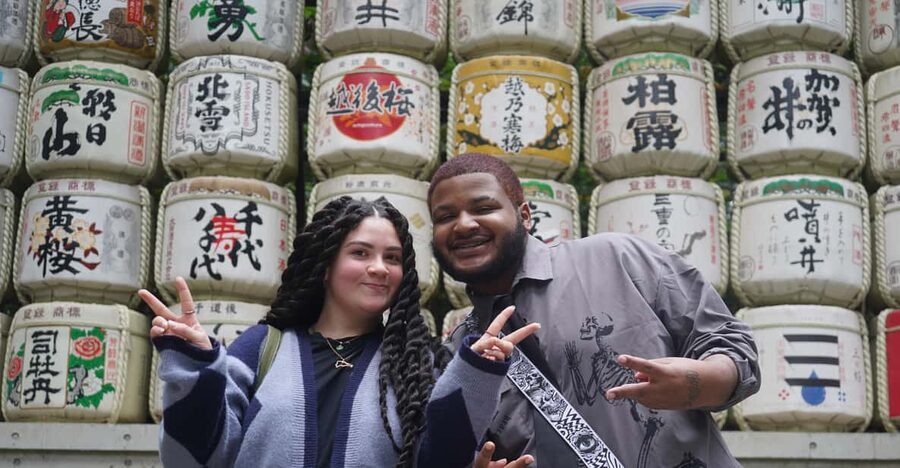
Most people visit Meiji Shrine to walk through the forest, pass through its gates, and offer a brief prayer. This tour adds something much less common: a chance to observe a formal Shinto prayer ceremony from inside a ceremonial hall.
The ceremony is called gokito. Priests in traditional robes perform an ancient prayer while chants, flutes, and drums fill the space. You do not need to understand every word. The point is to sit quietly, listen, and notice the rhythm, sounds, and atmosphere.
The setting matters. You step into a wooden hall with high ceilings, polished floors, and the scent of cypress. That change from the open shrine grounds to the more formal interior helps you understand that this is not simply a performance arranged for sightseeing. It is a sacred act, and your guide helps you take part as a respectful observer.
The experience is presented as cultural rather than religious instruction. That makes it a good fit if you are curious about Japan’s customs but do not follow Shinto. You can appreciate the ceremony’s music, movement, silence, and setting without pretending to know more than you do.
More Meiji Shrine and Senso-ji Tours in Tokyo:
- Tokyo: Asakusa Walking Tour with Sensoji Temple Visit
★ 4.8 · 1,583 reviews - Tokyo Panoramic 1 Day: Meiji Shrine, Asakusa, Odaiba and SKYTREE®
★ 4.5 · 1,222 reviews - Tokyo: Asakusa and Tokyo’s Oldest Temple Senso-ji Tour
★ 4.9 · 352 reviews
From JR Yoyogi Station into the forest
You meet at JR Yoyogi Station, at the West Gate. When you walk outside, look for the map on the left. Staff will be waiting in Japanese-style clothing, which should make the meeting point easier to spot.
Starting at Yoyogi is practical. You do not have to find your way through the shrine grounds on your own, and the guide can lead you into the correct approach. The tour also finishes back at the same meeting point, a simple arrangement if you have plans afterward.
Once you leave the station area, the mood changes quickly. The walk through Meiji Jingu’s forest is one of the tour’s strongest parts. You get a break from Tokyo’s traffic, signs, and crowds, and the guide can point out details that are easy to miss when you are simply heading toward the main shrine buildings.
This is not a long countryside hike, but it is still a walking tour. Meiji Shrine requires a lot of walking, and the path is a real part of the experience rather than a short transfer between attractions. Wear comfortable shoes and bring a drink, especially if you are beginning your Tokyo visit after a long flight.
Learning the meaning behind the shrine visit
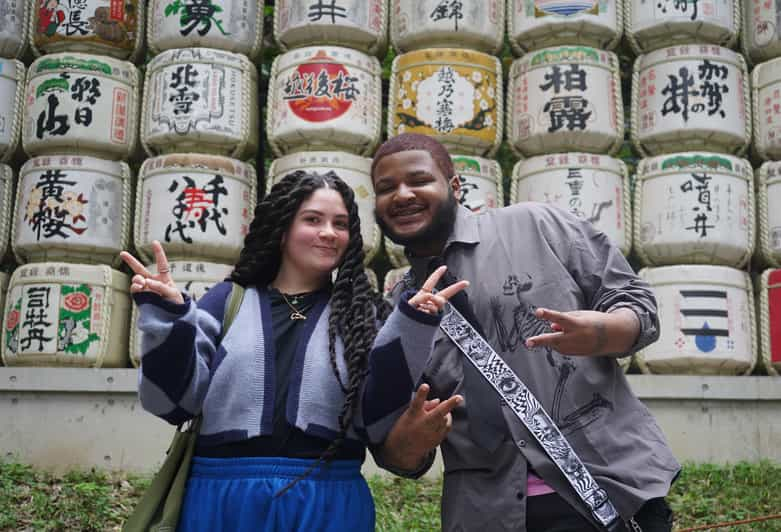
A good guide changes the quality of a shrine visit. Without context, you may see a gate, a cleansing area, a prayer hall, and a few customs without understanding how they connect. Here, the guide explains what you are seeing and helps you approach the ceremony properly.
The tour is available in English and Japanese. Alex, one of the guides praised for this experience, is known for fluent English, engaging slides, and clear explanations. Kohei is also noted for thoughtful guidance that gives more meaning to each stage of the visit. Guide assignments can vary, so you should not book on the assumption that one particular person will lead your group.
The guide’s experience living abroad is useful because it allows Japanese customs to be explained in terms that make sense to someone from outside Japan. That matters at Meiji Shrine, where quiet gestures and formal behavior may otherwise seem mysterious.
You are not just being told facts. You are being shown how to slow down, watch, listen, and take part without treating the shrine like a stage set. That is especially helpful for first-time visitors who want a little more than photographs and a quick explanation of Shinto.
Inside the gokito prayer ceremony
The ceremony is the part that gives this tour its higher price. The fee for the traditional prayer ritual is included, so you do not pay an additional participation charge on the day.
Inside the hall, priests in traditional robes carry out the prayer. Chants provide the main sound, joined by flutes and drums. The combination can feel formal and powerful, even if you have no religious connection to Shinto.
You should expect to sit quietly and follow your guide’s instructions. This is not the place for casual conversation or a phone recording. Audio recording is not allowed, and that rule makes sense here. The value comes partly from being present without trying to turn every sound into a souvenir.
Some people will find the ceremony calming. Others may notice the solemn atmosphere more than the details of the prayer itself. You do not need to force a reaction. Simply listening to the music and watching the priests is enough.
The ritual also gives you a better sense of the difference between a shrine visit arranged for tourists and a ceremony connected to living religious practice. The tour does not ask you to become a believer. It gives you a respectful window into a part of Japanese culture that is usually closed to casual sightseeing.
A few more temple visits around Tokyo worth a look
- Nikko: Kegon Falls, Lake Chuzenji & Toshogu Temple
★ 4.6 · 1,577 reviews - Tokyo: Nikko Toshogu Shrine and Kegon Waterfall Tour
★ 4.5 · 1,266 reviews - Tokyo: Mt. Fuji, Kamakura, Big Buddha, & Lake Ashi Day Trip
★ 4.5 · 867 reviews - Tokyo: Zen Meditation at a Private Temple with a Monk
★ 5.0 · 510 reviews
Snack, dance, and a gentler finish
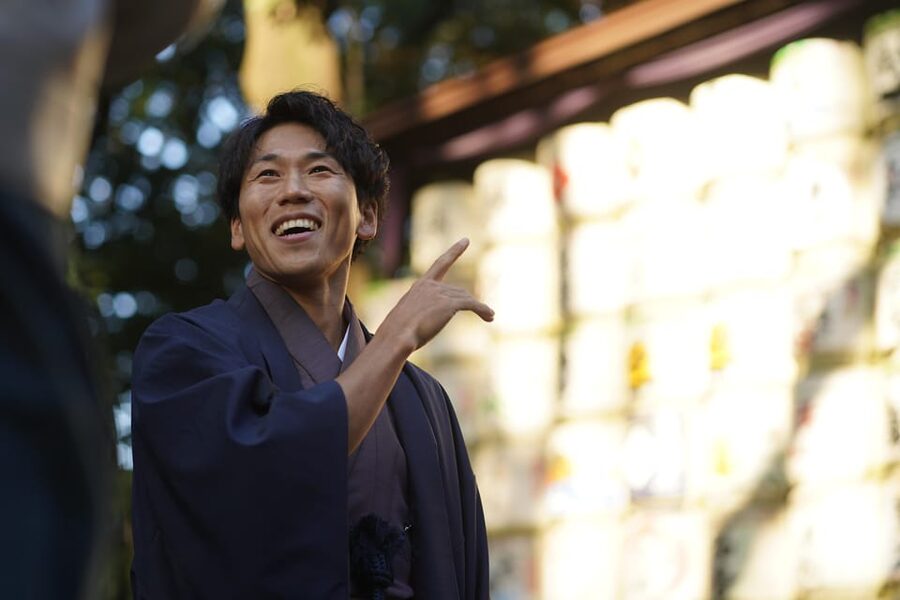
The visit includes a local Japanese snack and a traditional dance show. These details keep the experience from becoming too solemn or abstract.
The snack is a small but useful cultural bridge. One guide even shared the recipe for the snack served during the experience, giving you something practical to remember and possibly recreate later. Do not expect a full meal. Bring your own drink, and plan food separately if you need lunch or breakfast.
The dance show adds movement and color after the stillness of the prayer ceremony. It also gives the guide another way to explain Japanese customs through action rather than a long lecture. The precise snack and presentation may vary, but both are included elements of the visit.
I like this balance. You begin with a quiet walk, watch a formal ceremony, then finish with food and performance. It keeps the 2.5-hour outing varied without losing its central focus.
Is $183 a fair price?
At $183 per person, this is not a budget introduction to Meiji Shrine. You can walk through the shrine grounds independently for far less. If your goal is simply to see the torii gates, forest, and main buildings, book this only if the ceremony and personal guidance matter to you.
The price makes more sense when you consider what is bundled together: all fees and taxes, the ritual fee, an English or Japanese-speaking guide, a small group capped at six, the forest walk, local snack, and traditional dance show.
The small group is important. With six people or fewer, the guide has a better chance to answer individual questions and make sure everyone understands how to behave during the ceremony. That is different from following a large group through a shrine while trying to hear a guide at the back.
I would view this as a specialist cultural experience, not a standard sightseeing tour. You are paying for access and interpretation. If you value authentic ceremonies and careful explanation, the cost can be reasonable for a one-time Tokyo visit. If you are watching every yen or prefer to explore at your own pace, it may feel too expensive for the short duration.
Who will enjoy this experience most?
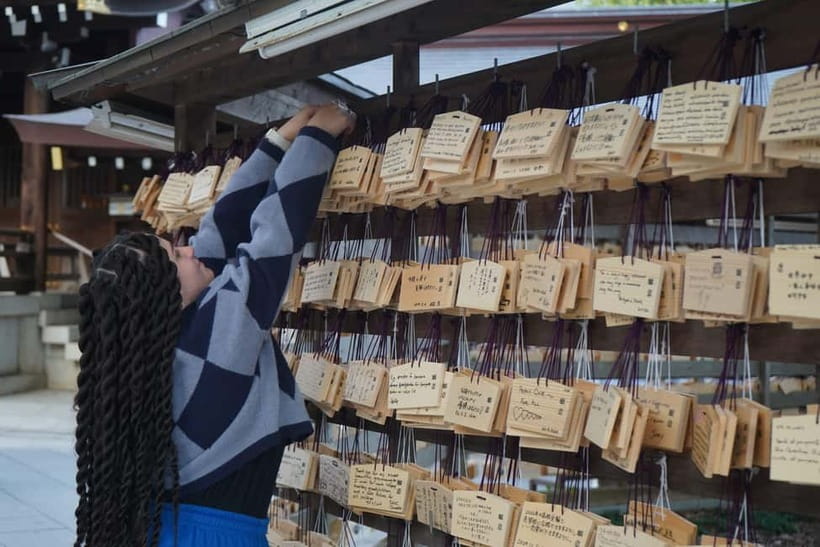
This is especially well suited to first- or second-time visitors who want to begin a Japan trip with something calm and meaningful. It gives you cultural context early, which can help you understand other shrines, festivals, and customs during the rest of your visit.
It also suits people who enjoy listening and observing. The ceremony is not an interactive workshop, and much of its impact comes from silence. If you need constant activity, shopping, or a long list of photo stops, you may find the pace slow.
You will probably get the most from this tour if you are comfortable with respectful cultural boundaries. Do not arrive intoxicated, and alcohol and drugs are not allowed. People with a cold should not take part.
Families and people using a wheelchair or pram should note the mixed message in the practical details. The activity is listed as wheelchair accessible, and wheelchair and pram use is available, but Meiji Shrine also involves a lot of walking and may not suit people who have difficulty walking. Ask about your specific mobility needs before booking.
Practical details that affect your day
The tour lasts 2.5 hours, with starting times available according to the date you choose. Since the outing begins and ends at JR Yoyogi Station, you can pair it with other Tokyo plans, but allow yourself enough time to reach the West Gate without rushing.
Bring:
- Comfortable shoes for the long shrine paths
- A drink
- Cash for coins at the offering box
- Extra cash if you want to buy shrine goods
The offering coins and personal purchases are not included. The tour pays the fee for the formal ritual, but you still handle your own optional offerings and shopping.
Do not bring an expectation that you can record the ceremony. Audio recording is not allowed. A phone may be useful for ordinary meeting details, but the ceremony calls for attention rather than constant filming.
Cancellation is flexible up to 24 hours before the activity for a full refund. You can also reserve now and pay later, which helps if your Tokyo schedule is still taking shape.
How to decide if it fits your Japan trip
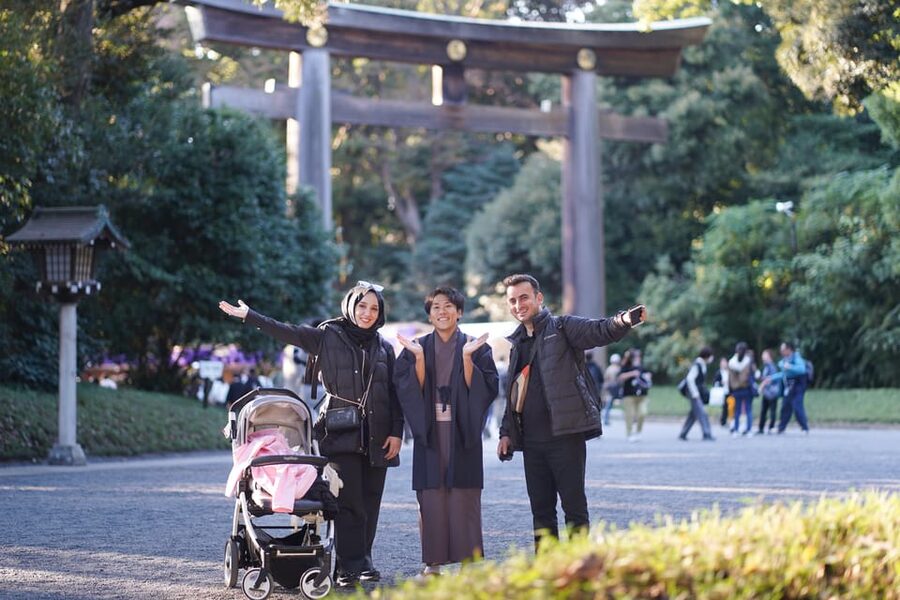
Choose this experience if you want a rare cultural encounter, clear English guidance, and a small group that lets you ask questions. The strongest parts are the ceremony, the forest setting, and the thoughtful explanations associated with guides such as Alex and Kohei.
Skip it if you only want a quick look at Meiji Shrine, dislike formal ceremonies, or consider $183 too much for a 2.5-hour activity. You can visit the shrine independently and spend your money elsewhere.
For the right person, this is an excellent way to begin a Tokyo trip. It gives you quiet time, a sense of place, and a respectful look at Japanese religious culture before the city’s faster pace takes over.
FAQ
Where does the tour begin?
It begins at JR Yoyogi Station. Meet outside the West Gate, where a map is located on the left. Staff will be waiting in Japanese-style clothing.
Where does the tour finish?
The activity ends back at the same meeting point at JR Yoyogi Station.
How long does the experience last?
The tour lasts 2.5 hours. Starting times depend on availability.
What languages are available?
The live guide service is available in English and Japanese.
What is included in the price?
All fees and taxes are included, along with the fee to experience the traditional Japanese prayer ritual.
Do I need to bring cash?
Yes. Bring cash for coins at the offering box and for any goods you may want to buy. These costs are not included.
Is the tour suitable for wheelchair users?
The activity is listed as wheelchair accessible, and wheelchair and pram use is available. However, Meiji Shrine requires a lot of walking, so it may not suit people who have difficulty walking.
Can I record the ceremony?
No. Audio recording is not allowed.
Can I cancel for a full refund?
Yes. You can cancel up to 24 hours in advance for a full refund. The activity also offers a reserve-now, pay-later option.
Just added around Tokyo
- Tokyo:Nikko UNESCO World Heritage Sites Private 1-Day Tour★ 3.8 · 6 reviews
- Tokyo: Snow Monkey Park and Zenkoji Temple Private Day Tour★ 4.7 · 127 reviews
- Tokyo War History Tour: Yasukuni Shrine & War Museum★ 4.5 · 6 reviews
- Tokyo: Sensoji Temple & Street Food: Private Tour with guide★ 4.6 · 8 reviews
- Tokyo: Shibuya Sky, Harajuku & Meiji Shrine Highlights Tour★ 4.5 · 9 reviews
- Tokyo: Nikko Private Sightseeing Day Trip with Driver★ 5.0 · 10 reviews
- Tokyo → Nikko:Private Customizable Day Trip (English Driver)★ 4.9 · 26 reviews
- Tokyo’s Kitchen: Tsukiji Market Food & Culture Walk★ 4.7 · 74 reviews
Meiji Shrine & Senso-ji Tours, compared.
Asakusa Walking Tour with Sensoji Temple Visit
Read our review →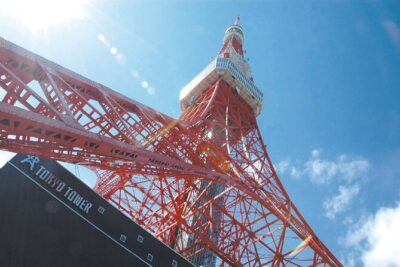
Tokyo Panoramic 1 Day: Meiji Shrine, Asakusa, Odaiba and SKYTREE®
Read our review →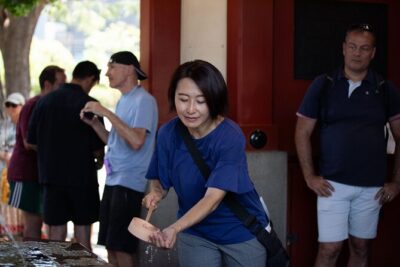
Asakusa Senso-ji Temple and Old Tokyo Walking Tour
Read our review →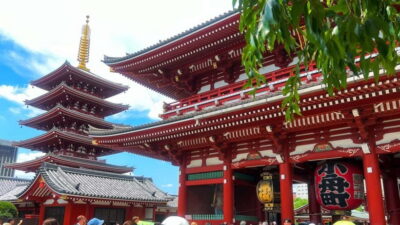
Asakusa and Tokyo’s Oldest Temple Senso-ji Tour
Read our review →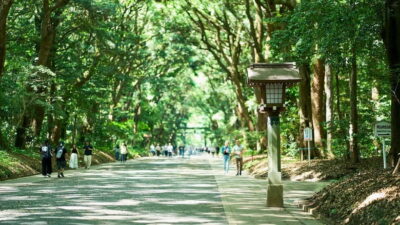
Meiji Shrine Walking Tour — Shinto & Imperial System
Read our review →
Meiji Jingu Shrine and Shinto Culture Walking Tour
Read our review →
Meiji Shrine Walking Tour — Shintoism & Imperial System
Read our review →Browse the lists this tour appears in