
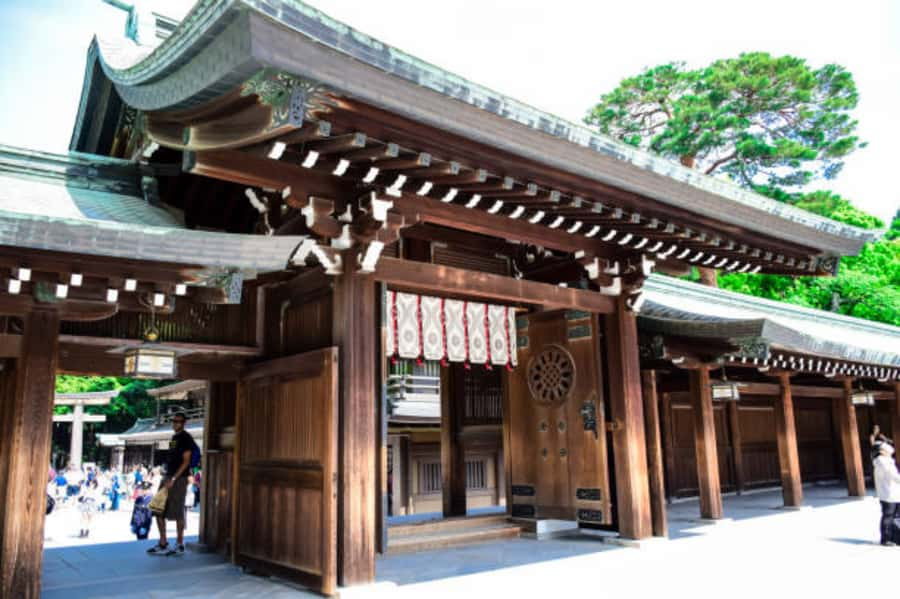
REVIEW · MEIJI SHRINE & SENSO-JI TOURS
Tokyo: Meiji Shrine Walking Tour with Local Guide
Tokyo’s Meiji Shrine is easy to visit on your own, but the approach and rituals are not always obvious. This walking tour explains why you bow at the torii, why the center of the path is left open, and how to cleanse and pray in the customary way.
I like the visit to the Imperial Fishing Platform, a quiet corner most people would miss, and the close look at details such as the turtle stone and sazare stone behind the main hall. The main consideration is simple: you need comfortable shoes, and the tour is conducted in English as a walking experience, not a short photo stop.
Key points to know before you book
- Learn the proper shrine customs: Practice bowing, cleansing, and praying with guidance rather than guessing.
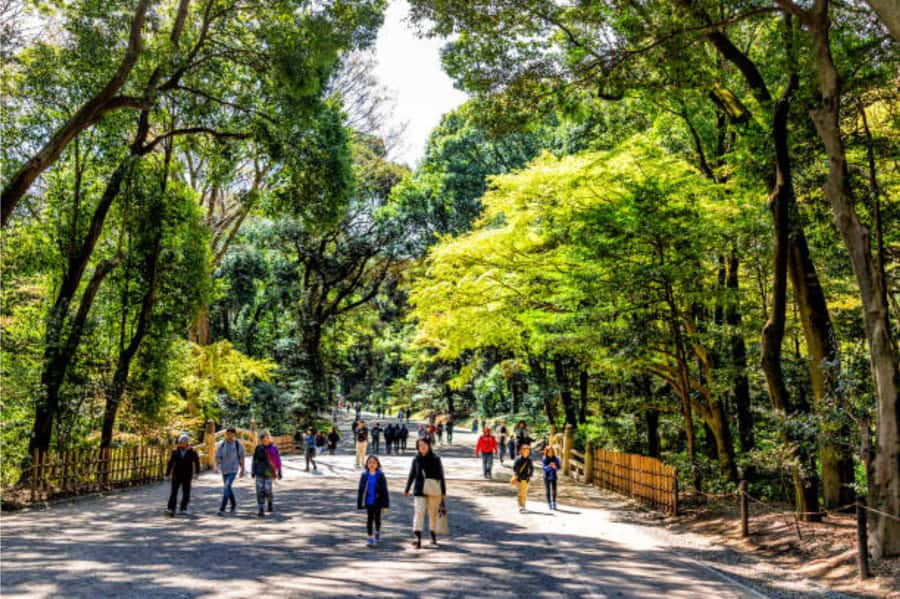
- Walk through a man-made sacred forest: The approach was designed to create a calm spiritual setting in central Tokyo.
- Visit the Imperial Fishing Platform: This peaceful corner offers a less familiar connection to the Imperial family and nature.
- See details beyond the main hall: The route includes the turtle stone, sazare stone, and the rear of the main hall.
- Finish by Harajuku Station: You can continue easily toward Harajuku’s shops, cafés, and nearby sights.
- Pay $20 per person: The price is reasonable if you want context, cultural help, and access to places you might skip alone.
Why Meiji Shrine works better with a guide
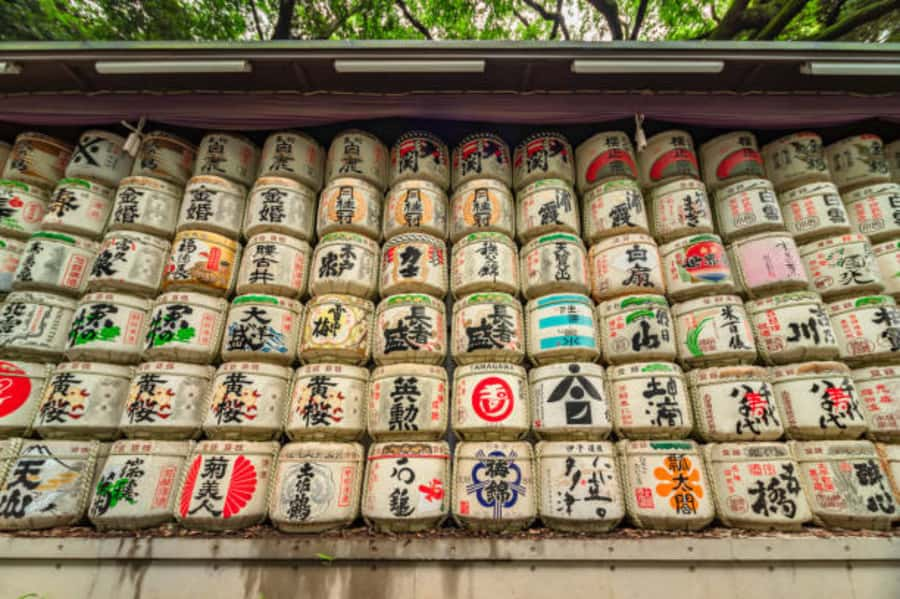
Meiji Shrine, or Meiji Jingu, is one of Tokyo’s best-known sacred sites. Its broad approach passes through a forested area that feels far removed from nearby Harajuku, yet the shrine is only steps from one of the city’s busiest youth-culture districts.
You can walk through the grounds without a guide. You can also bow at the torii, wash your hands, and offer a prayer by watching others. But that approach leaves you to work out the meaning of each action. This tour gives you the cultural basics at the moment you need them.
I particularly like that the experience focuses on how the shrine is used, not just when it was built. You learn how Tokyo residents behave when they visit, including the custom of bowing as you pass through the torii gate and keeping to the left side of the approach. The center is traditionally treated as the route of the gods, so people walk along the side.
That small detail changes the way you see the entire approach. Instead of treating the path as a simple walkway, you begin to notice its design, spacing, and quiet rules. It is a useful introduction to Japanese shrine etiquette, especially if this is your first visit to a Shinto site.
More Temple Walking Tours in Japan
- Tokyo: Asakusa Walking Tour with Sensoji Temple Visit
★ 4.8 · 1,583 reviews - Tokyo: Meiji Shrine Walking Tour — Shinto & Imperial System
★ 4.9 · 266 reviews - Tokyo: Meiji Jingu Shrine and Shinto Culture Walking Tour
★ 5.0 · 245 reviews
Starting at the outer worship hall
The tour begins at the Outer Worship Hall, where people come to show respect, make wishes, and pray. This is the most active part of the visit, so it provides a practical setting for learning the basic steps.
Your guide explains how to bow and how to cleanse before approaching the worship area. Cleansing is not just a quick rinse. The process has an order, and a guide can show you what to do without making you feel as if you are interrupting anyone.
You will also learn how to pray in the traditional way. The point is not to perform a complicated ceremony. It is to understand why people pause, cleanse, bow, and offer their wishes with care.
This is where the tour earns much of its $20 price. You are not only looking at a famous structure. You are being shown how to take part respectfully. If you have visited shrines on your own and felt unsure about the correct steps, this explanation can make the setting feel more welcoming.
The Outer Worship Hall can also be the busiest part of the route. Expect other people to be making offerings and taking photographs. The guide’s role is useful here because you can concentrate on the ritual rather than trying to decode every movement around you.
The forested approach and its quiet rules
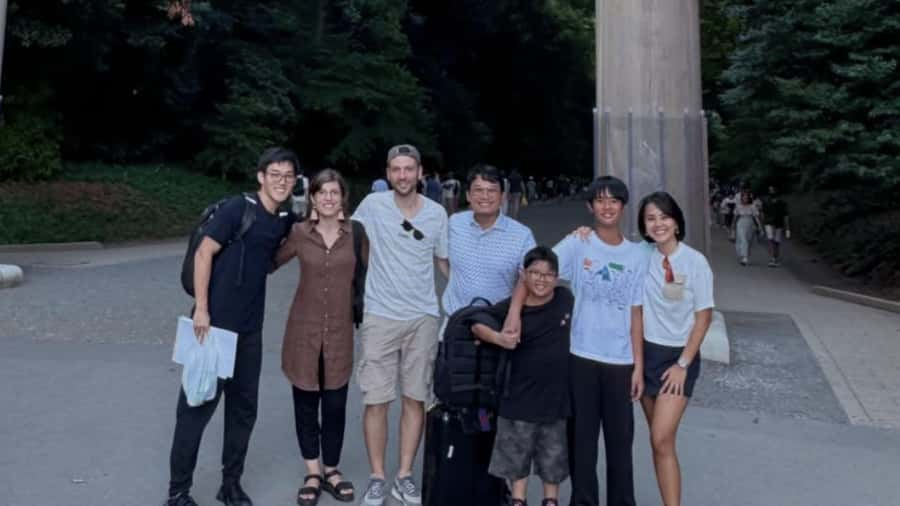
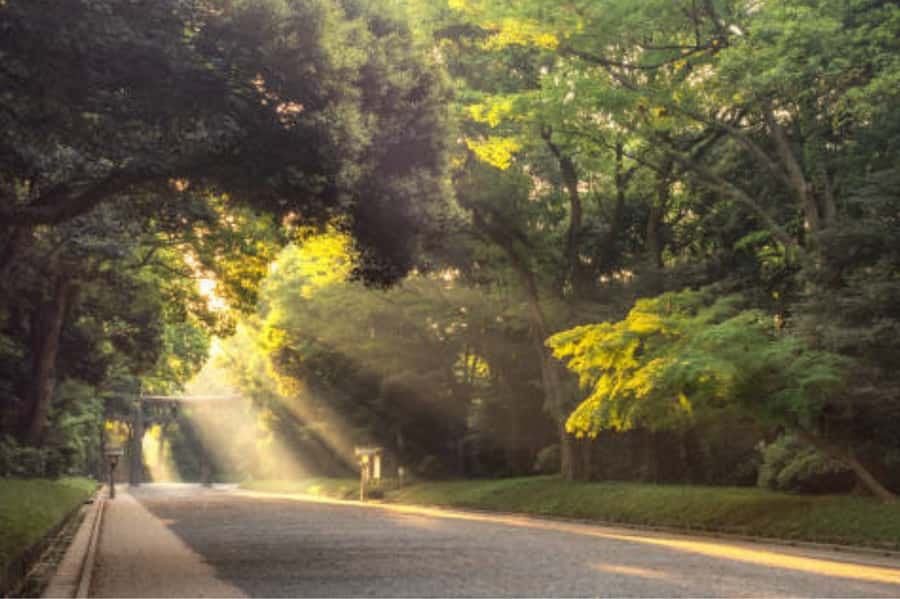
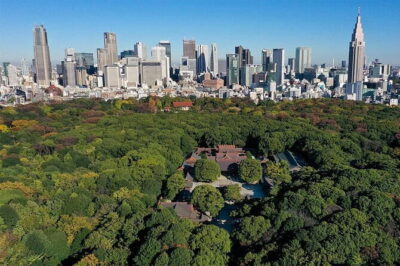
The path toward Meiji Shrine is one of the most memorable parts of the experience. Although you are in central Tokyo, the tree-lined approach creates a peaceful setting. The forest is not untouched wilderness. It is a designed space, created to give the shrine a sense of separation from the city.
That human-made quality is worth discussing. The calm does not happen by accident. The path, trees, torii gates, and open areas work together to shape your mood as you walk. A guide can point out how these elements form a sacred approach rather than simply a route from the station to the shrine.
You will also hear about the torii gates and the proper way to pass through them. Bowing before entering and again when leaving is a sign of respect. Keeping away from the center of the approach follows the idea that the middle belongs to the gods.
These instructions are simple, but they give the walk more meaning. You begin to notice that visitors are not all moving in the same way. Some stop to bow. Some keep to the side. Others hurry through without realizing the custom.
I like this part because it slows you down without forcing a formal lecture. You are walking, listening, and watching the shrine come into view. The tour treats the approach as part of the visit, not as empty space between the entrance and the main hall.
Looking behind the main hall
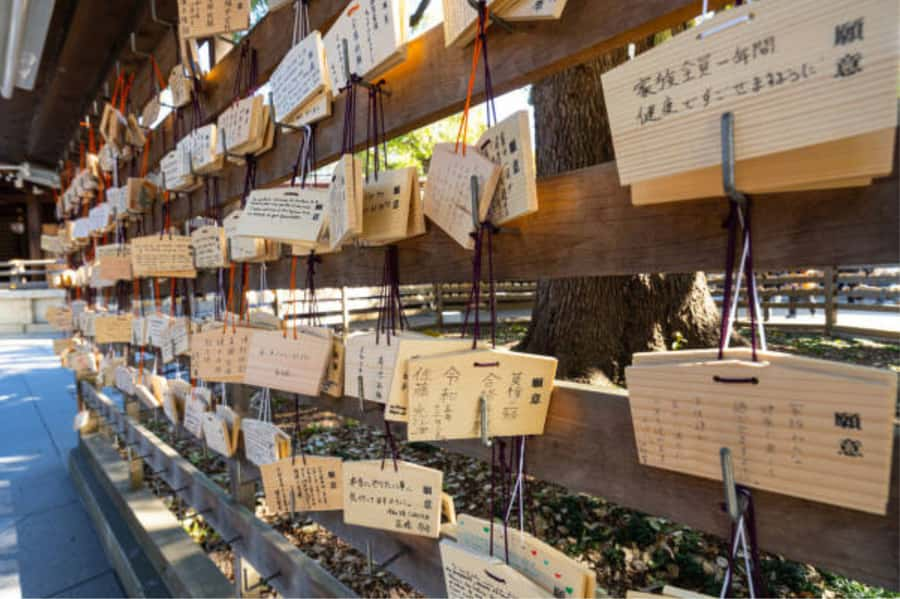
One of the more unusual parts of the route takes you behind the main hall. This is the sort of detail you might miss if you simply followed the main flow of people and stopped at the most obvious viewing point.
The guide points out the turtle stone and the sazare stone. These details may not mean much if you rush past them, but they give you a closer look at the shrine’s symbols and natural features. The turtle stone connects the setting with an animal often associated with longevity, while sazare stones have a place in Japanese cultural and literary tradition.
You do not need to be an expert in Shinto to appreciate this stop. What matters is that the tour draws your attention away from the large, impressive elements and toward smaller features with their own stories.
The rear of the main hall can also feel calmer than the front worship area. Do not expect a separate attraction with a long viewing platform or a major monument. This is a modest stop, but it is precisely the kind of place a self-guided first visit can overlook.
For me, these details make the tour feel more personal. You are not just being taken to the shrine’s biggest building. You are being shown how to look at the whole setting.
More Temple Walking Tours in Tokyo
- Tokyo: Meiji Shrine and Shinto Culture Walking Tour
★ 5.0 · 225 reviews - Tokyo: Meiji Shrine Walking Tour — Shintoism & Imperial System
★ 5.0 · 209 reviews - Tokyo: Asakusa Temple & Shrine Walking Tour with Local Guide
★ 5.0 · 105 reviews - Tokyo’s Kitchen: Tsukiji Market Food & Culture Walk
★ 4.7 · 74 reviews
The Imperial Fishing Platform
The Imperial Fishing Platform is the tour’s most distinctive stop. It is described as a quiet corner of the shrine connected with the Emperor’s pastimes and Japan’s respect for nature.
That makes it different from the usual Meiji Shrine visit. Most people come for the large torii, the forested approach, and the main worship hall. The fishing platform offers another angle, one tied to personal leisure and the relationship between the Imperial family and the natural setting.
The appeal is its calm character. You are not going there for a grand view or a major architectural display. You are going because it is a less familiar part of the grounds, and because the guide can explain why it matters.
This stop is especially worthwhile if you have already seen the main shrine area in photographs. It gives you a quieter memory to take away from the visit. I would also treat it as a reason to choose this guided walk over a basic route to the worship hall.
Keep your expectations in proportion. The experience does not promise a long nature walk, a ceremonial event, or access to restricted Imperial areas. It is a brief cultural stop within the shrine grounds. Its value comes from the explanation and the sense that you are seeing more than the standard route.
From sacred grounds to everyday Harajuku
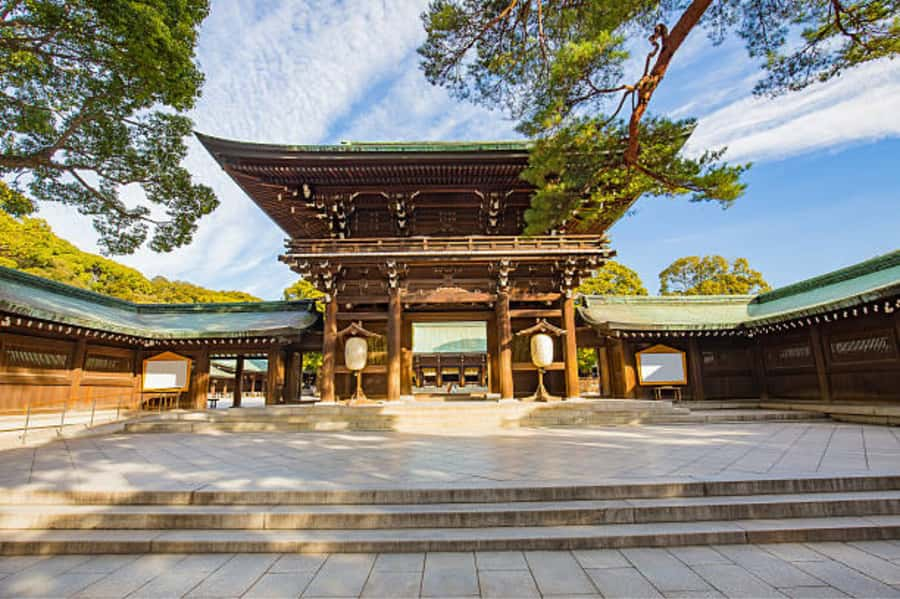
The tour finishes at the bicycle parking area, near Harajuku Station. At first, that may sound like an ordinary ending, but it suits the theme of the walk.
The bicycle parking area shows how traditional spaces fit beside normal city routines. People come to the shrine to pray, then return to work, shopping, school, cycling, or the train. You are still close to the sacred forest, but Harajuku’s everyday energy is nearby.
I like this contrast. Meiji Shrine is not an isolated historical display. It is part of modern Tokyo. The ending gives you a chance to talk with the guide about how older customs remain part of daily life, even in a city known for fashion, pop culture, and fast-moving streets.
The location is practical, too. Once the activity ends, you can use Harajuku Station to continue your day. The area gives you easy access to Harajuku’s shops and cafés, and it is a useful starting point for exploring nearby parts of Tokyo.
The information says the activity ends back at the meeting point, while also placing the finish near Harajuku Station. Confirm the exact return point when you meet the guide, especially if you have timed plans afterward.
What the $20 price gets you
At $20 per person, this is a modestly priced guided walk. You are paying for a local guide, the walking route, cultural explanations, and photo stops. There is no indication of an included meal, special admission, or transport, so the value rests on interpretation rather than extras.
That is a good deal if you want help with shrine manners and lesser-known details. The tour can prevent the common problem of arriving at a famous site, taking a few pictures, and leaving without understanding what you saw.
The price is less compelling if you are already comfortable visiting Japanese shrines and prefer to explore at your own pace. You may want more time at the worship hall, or you may not care about a guided explanation of the approach. In that case, a free self-guided visit may suit you better.
For a first visit to Meiji Shrine, I think the cost is fair. The tour adds value in three places: practical customs, the Imperial Fishing Platform, and details such as the turtle stone and sazare stone. These are not expensive extras, but they can make the visit more memorable.
The rating of 4.9 from 9 reviews suggests a very strong early response, though the sample is small. I would treat that as encouraging rather than as a guarantee that every group will have the same experience.
Meeting the guide and preparing for the walk
The meeting instruction is specific: look for the guide holding a blue A4-sized board. This should make the starting point easier to identify, but you still need to pay attention in a busy Tokyo area.
Wear comfortable shoes. The tour involves walking through the shrine grounds, and the route includes the approach, worship area, quieter corners, and the finish near Harajuku Station. The supplied information does not give a duration, distance, or group size, so do not plan a tightly timed appointment immediately afterward.
Bring a camera if you want to record the gates, forest path, shrine buildings, and quieter stops. At the same time, remember that this is an active place of worship. Follow the guide’s instructions about where and when to take photographs, and avoid treating every ritual moment as a photo opportunity.
The activity is conducted in English. Japanese and English are listed as the available languages, but the tour information specifically identifies English as the tour language. If you need another language, check before booking.
You can reserve now and pay later, and cancellation is available up to 24 hours in advance for a full refund. Those terms are helpful if your Tokyo schedule is still changing.
Who will enjoy this Meiji Shrine walk
This tour is a good fit for you if:
- You are visiting Meiji Shrine for the first time.
- You want to understand shrine etiquette instead of copying others.
- You enjoy small historical and cultural details.
- You prefer a quiet walking experience to a large sightseeing program.
- You want to finish near Harajuku Station.
- You like seeing how religious tradition fits into modern city life.
Families and older adults should consider the walking involved and choose sensible footwear. The activity does not list accessibility details, so ask before booking if you need specific assistance.
It may not suit you if you want a fast visit with only the major sights, or if you prefer total freedom to stop and wander. The route has a clear focus: Meiji Shrine customs, the sacred forest, the Imperial Fishing Platform, and lesser-seen details around the main hall.
Should you book this tour?
Book it if you want more than a photograph at the torii gate. For $20, you get a practical introduction to bowing, cleansing, and praying, plus access to explanations about the approach, the stones behind the main hall, and the Imperial Fishing Platform.
Skip it if you are already familiar with Shinto shrine customs and would rather explore independently. Also allow extra time around the scheduled walk, since the duration is not provided and the finish point should be confirmed with the guide.
For most first-time visitors, I would choose the tour. Meiji Shrine is easy to reach, but its quiet rules and smaller details are not always clear. A local guide helps you notice what is usually passed by, then leaves you near Harajuku Station with the rest of Tokyo ready to explore.
FAQ
How much does the Meiji Shrine walking tour cost?
The tour costs $20 per person.
What language is the tour conducted in?
The tour is conducted in English. Japanese and English are listed as the available languages.
What should I bring?
Bring comfortable shoes for walking and a camera if you want to take photographs.
Where do I meet the guide?
Look for the guide holding a blue A4-sized board at the stated meeting point.
Where does the tour finish?
The activity finishes near Harajuku Station, at the bicycle parking area. The information also says the activity ends back at the meeting point, so confirm the exact return location with the guide.
Can I cancel for a full refund?
Yes. You can cancel up to 24 hours in advance for a full refund. You can also reserve and pay later.
More Meiji Shrine and Senso-ji Tours in Tokyo
- Tokyo Panoramic 1 Day: Meiji Shrine, Asakusa, Odaiba and SKYTREE®
★ 4.5 · 1,222 reviews - Tokyo: Asakusa and Tokyo’s Oldest Temple Senso-ji Tour
★ 4.9 · 352 reviews - Tokyo: 1 Day Bus Tour with Meiji-Jingu,Odaiba,lunch&Skytree
★ 4.6 · 156 reviews - Tokyo Morning Tour: Asakusa, Meiji Shrine and Tsukiji Fish Market
★ 5.0 · 128 reviews
Just added around Tokyo
- Tokyo:Nikko UNESCO World Heritage Sites Private 1-Day Tour★ 3.8 · 6 reviews
- Tokyo: Snow Monkey Park and Zenkoji Temple Private Day Tour★ 4.7 · 127 reviews
- Tokyo War History Tour: Yasukuni Shrine & War Museum★ 4.5 · 6 reviews
- Tokyo: Sensoji Temple & Street Food: Private Tour with guide★ 4.6 · 8 reviews
- Tokyo: Shibuya Sky, Harajuku & Meiji Shrine Highlights Tour★ 4.5 · 9 reviews
- Tokyo: Nikko Private Sightseeing Day Trip with Driver★ 5.0 · 10 reviews
- Tokyo → Nikko:Private Customizable Day Trip (English Driver)★ 4.9 · 26 reviews
- Tokyo’s Kitchen: Tsukiji Market Food & Culture Walk★ 4.7 · 74 reviews
Meiji Shrine & Senso-ji Tours, compared.

Asakusa Walking Tour with Sensoji Temple Visit
Read our review →
Tokyo Panoramic 1 Day: Meiji Shrine, Asakusa, Odaiba and SKYTREE®
Read our review →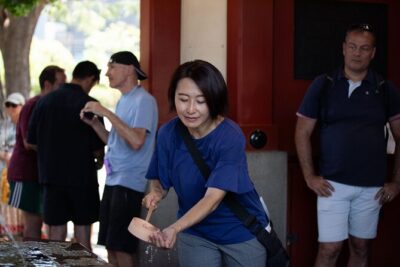
Asakusa Senso-ji Temple and Old Tokyo Walking Tour
Read our review →
Asakusa and Tokyo’s Oldest Temple Senso-ji Tour
Read our review →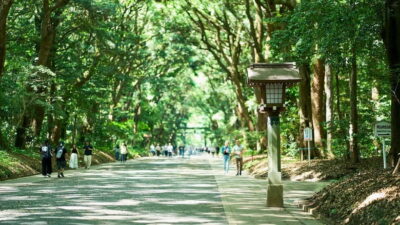
Meiji Shrine Walking Tour — Shinto & Imperial System
Read our review →
Meiji Jingu Shrine and Shinto Culture Walking Tour
Read our review →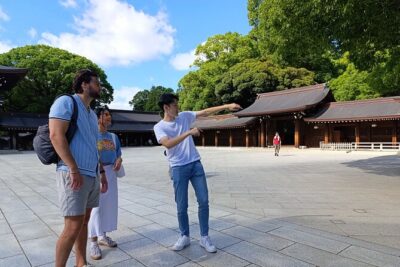
Meiji Shrine Walking Tour — Shintoism & Imperial System
Read our review →Browse the lists this tour appears in