
REVIEW · MEIJI SHRINE & SENSO-JI TOURS
Tokyo: Harajuku Meiji Shrine to Shibuya Crossing Guided Tour
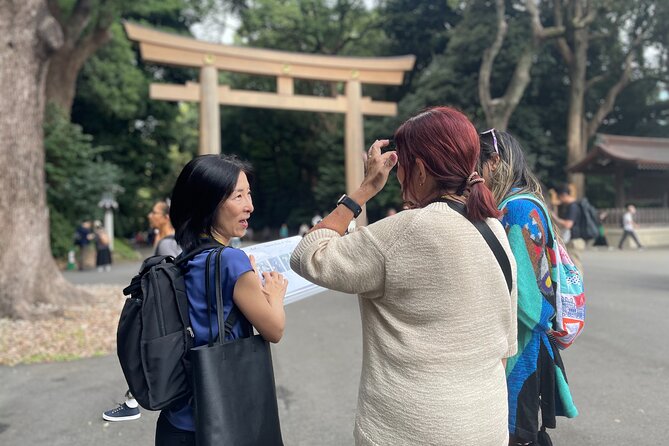
Meiji Jingu gives this short Tokyo tour its calm center. You leave JR Harajuku Station, pass into a broad forested shrine setting, and learn how to approach and pray at one of Japan’s most visited shrines for Hatsumode, the first shrine visit of the New Year. I like the clear mix of old and new, from shrine customs to Takeshita Street and Shibuya’s famous crossing.
I also like the small-group size, limited to 10 people, and the friendly, personal guiding reported from hosts including Shigure and Masahito. The main consideration is time: two hours moves quickly, so this is a focused introduction rather than a leisurely exploration of Harajuku and Shibuya.
Key points at a glance
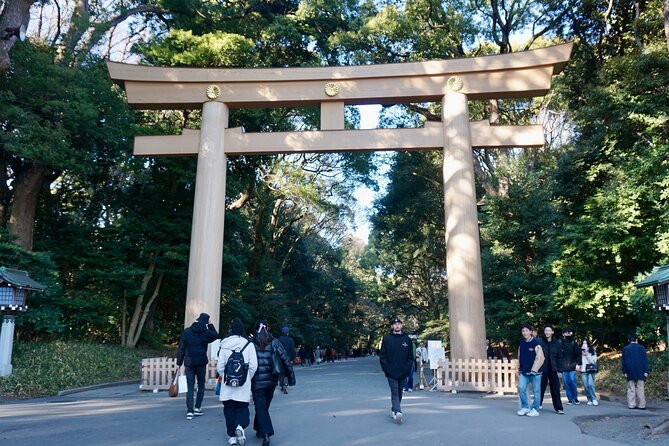
- Meiji Jingu sets the tone: Learn shrine etiquette, history, and the meaning of making a wish in Japan.
- The walk links three famous areas: Meiji Jingu, Harajuku’s Takeshita Street, and Shibuya.
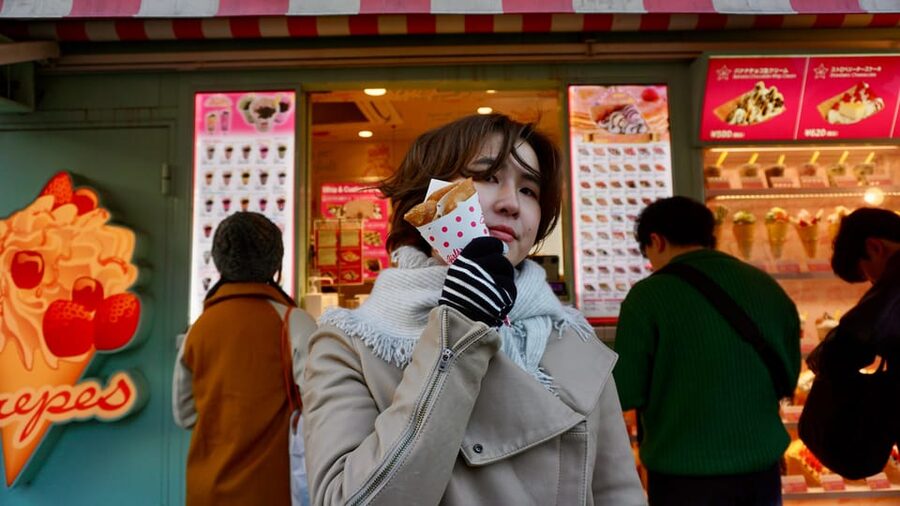
- A Japanese-style crepe adds a local food stop: This is a quick taste of Harajuku’s playful food culture.
- Small groups keep the walk personal: The tour accepts no more than 10 participants.
- Shibuya finishes the route with classic Tokyo views: Take group photos at Scramble Crossing and hear the story of Hachiko.
- The pace suits a first visit: Several guests praised the guide’s explanations, friendly manner, and well-judged timing.
Meiji Jingu, Tokyo’s quiet beginning
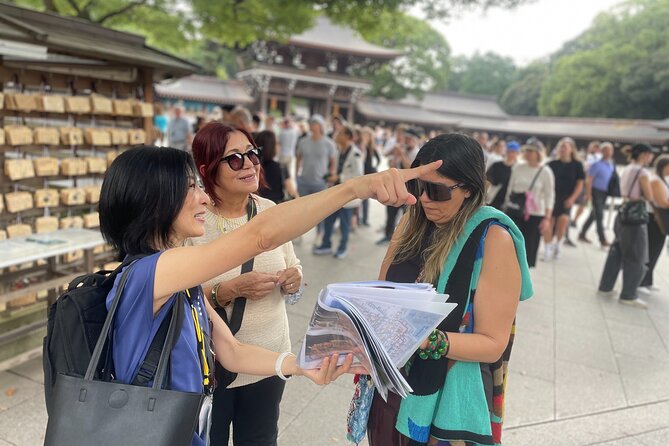
The tour begins at the west exit of JR Harajuku Station. Look for the guide holding a signboard marked gotcha. This meeting point is useful if you are new to the area, since Harajuku Station is a natural gateway to both Meiji Jingu and Takeshita Street.
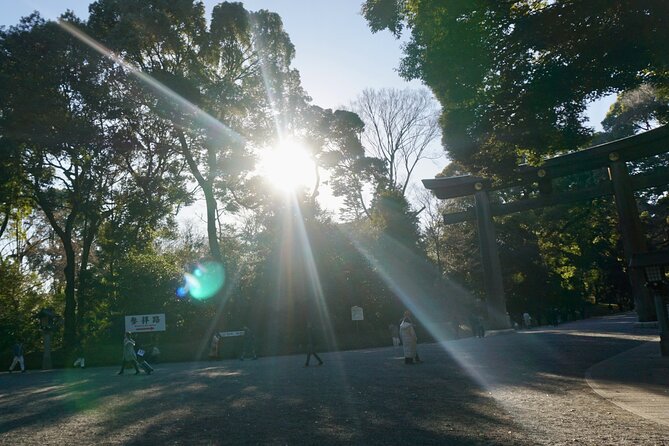
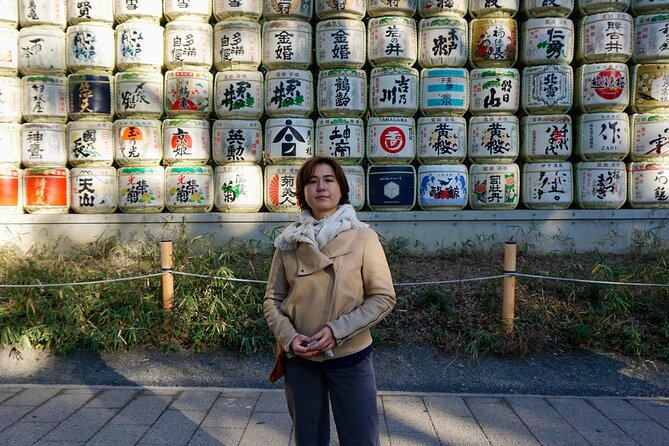
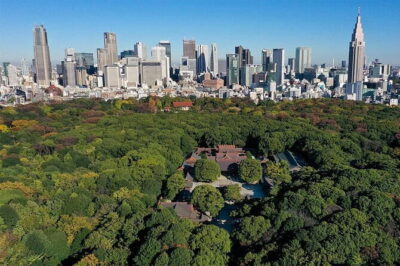
From the station, the mood changes fast. Meiji Jingu is known for its spacious grounds and strong sense of nature, a striking contrast to the shops and crowds just outside. The shrine honors Emperor Meiji and Empress Shoken, and the guide explains why it was created, how it became important, and what makes it such a major place for Hatsumode.
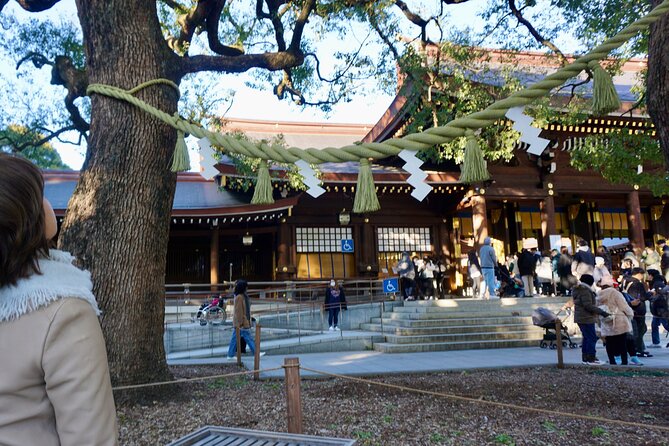
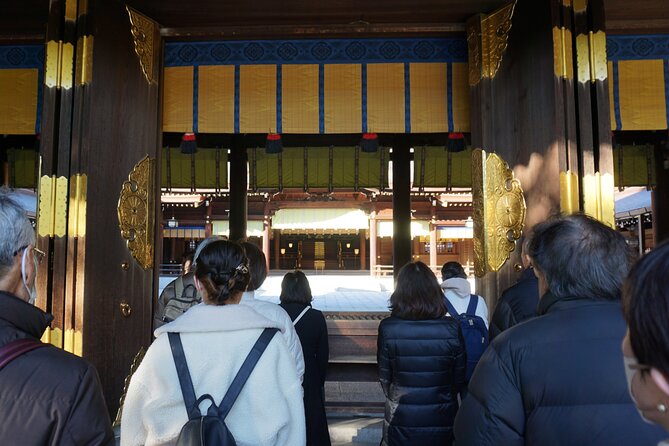
That context matters. A shrine can seem like little more than a pretty gate and a place to take pictures if you do not know what you are seeing. Here, you learn how to behave at the entrance, how to approach the worship area, and how to make a wish in a respectful way.
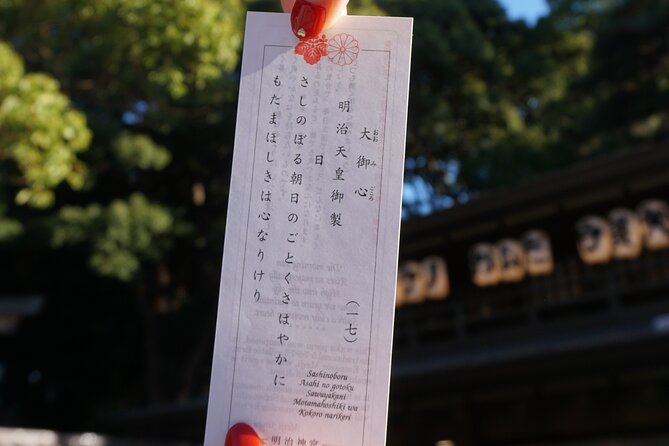
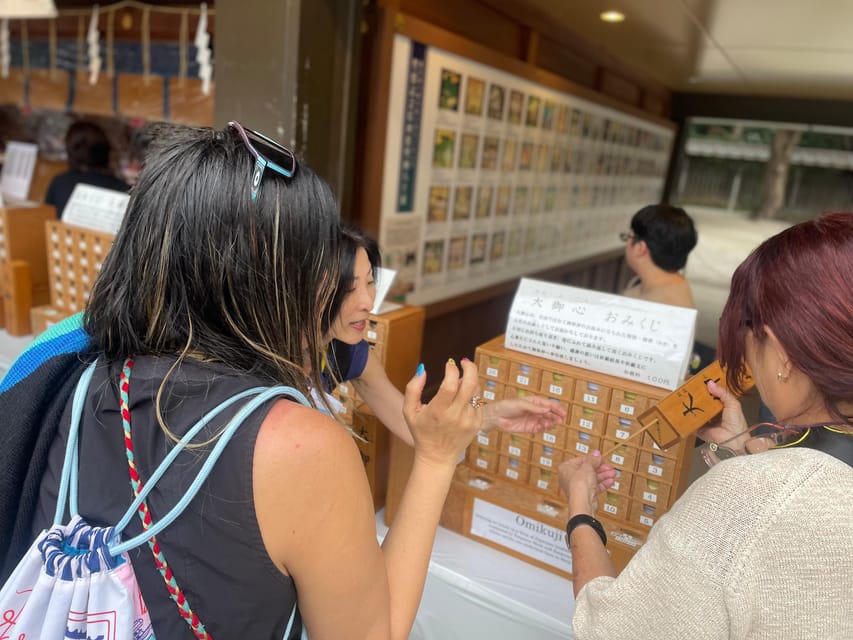
The tour includes the fee for an omikuji, a fortune paper. This gives you a simple, hands-on way to take part in a Japanese shrine custom rather than only listening to an explanation. The meaning of the fortune can also give you a useful reason to ask questions and compare customs with those in your own country.
One of the strongest parts of this stop is the chance to ask about Japanese culture in plain, practical terms. Masahito was praised for explaining customs and helping people make a wish at the shrine, while Shigure was described as attentive and generous with cultural information. Those details suggest that this tour works best when you engage with the guide instead of treating the shrine as a quick photo stop.
Meiji Jingu is also the part of the tour most likely to appeal to visitors who need a pause from central Tokyo’s noise. You get a short change of pace without leaving the city. Still, keep your expectations realistic. The visit is guided and time-limited, so you will not examine every corner of the shrine grounds.
More Meiji Shrine and Senso-ji Tours in Tokyo:
- Tokyo: Asakusa Walking Tour with Sensoji Temple Visit
★ 4.8 · 1,583 reviews - Tokyo Panoramic 1 Day: Meiji Shrine, Asakusa, Odaiba and SKYTREE®
★ 4.5 · 1,222 reviews - Tokyo: Asakusa and Tokyo’s Oldest Temple Senso-ji Tour
★ 4.9 · 352 reviews
From shrine gates to Takeshita Street
After the shrine, the route turns toward modern Harajuku. Takeshita Street is famous for its youth fashion, colorful shops, unusual snacks, and compact urban energy. The contrast with Meiji Jingu is the point: within a short walk, Tokyo shifts from sacred woodland to pop culture and street food.
The included Japanese-style crepe is a small but well-chosen stop. Harajuku crepes are usually prepared in a thin wrapper and filled with sweet ingredients, giving you a snack that is easy to eat while continuing along the street. The information provided does not specify the flavor or a particular crepe shop, so you should not book this expecting a full meal or a choice of a named signature item.
I like this stop because it gives the route a taste of local everyday entertainment. You are not only looking at storefronts. You get to try one of the foods most associated with Harajuku’s playful side. For many visitors, that makes the area easier to remember.
Takeshita Street can be crowded, and the two-hour schedule means you will not have much free time for shopping. If you want to browse cosmetics, clothing, or small gifts, plan to return on your own. The guided walk is designed to show you the district and keep the route moving toward Shibuya.
The small group matters here. A group capped at 10 is easier to keep together on a busy shopping street than a large bus group. You can also ask the guide what you are seeing instead of simply following a flag through the crowd. Still, the tour is not a private shopping guide, so the emphasis remains on the overall route.
Walking onward to Shibuya Crossing
The walk continues toward Shibuya, where the scenery changes again. This section connects the older shrine setting and Harajuku’s youth culture with one of Tokyo’s best-known city scenes.
Shibuya Scramble Crossing is the natural photo moment. When the signal changes, pedestrians move across the intersection from several directions at once, with tall buildings and electronic signs filling the background. The guide helps the group take pictures and brings everyone to a scenic point overlooking the crossing at the end of the experience.
That final viewpoint is useful because standing in the middle of the crossing gives you the famous experience, but looking down from above helps you understand its scale. The tour information does not name the exact viewing location, so the outlook may depend on the guide and current conditions. You should expect a photo opportunity, not a guaranteed reservation at a particular observatory.
The crossing can feel overfamiliar from photographs, yet it is still worth seeing in person. Its appeal comes from the rhythm: the lights stop traffic, the crowd moves, and the whole scene resets. A guide can help you enjoy it without spending half an hour guessing where to stand.
This is also where the time limit becomes most noticeable. Two hours is enough to reach Shibuya and take pictures, but it does not leave much room for a long coffee stop, shopping, or a separate visit to nearby attractions. If Shibuya is a major priority for you, treat this tour as an introduction and return later.
Hachiko and the human story behind the statue
The route includes the Hachiko statue, one of Shibuya’s most recognizable meeting points. Hachiko’s story is a sad one, centered on a dog remembered for extraordinary loyalty. The guide explains the story behind the statue, giving a human point to what might otherwise be just another popular photo location.
This is a good example of why a local guide can add value to a compact walking tour. You can photograph Hachiko on your own, but the background turns the statue into part of Tokyo’s social memory. The location is also practical. Many people use Hachiko as a meeting point, so knowing the story gives the area more meaning the next time you pass through.
The tour closes with a farewell overlooking Shibuya Crossing. That gives the walk a clear ending instead of leaving you at a random street corner. You can continue exploring Shibuya afterward, using the final viewpoint as a convenient orientation point.
More Guided Tours in Tokyo:
- Tokyo: Asakusa Temple & Shrine Walking Tour with Local Guide
★ 5.0 · 105 reviews - From Tokyo: Guided Day Trip to Nikko World Heritage Sites
★ 4.8 · 51 reviews - Tokyo Asakusa & Senso-Ji Walking tour With A Guide
★ 4.5 · 40 reviews - From Tokyo: Nikko Private Tour with English-speaking Guide
★ 4.6 · 31 reviews
What the two-hour pace really means
The route covers a lot in a short time: one of Tokyo’s major shrines, Harajuku’s best-known shopping street, a food sample, Shibuya Crossing, and Hachiko. That is excellent value in terms of orientation, but it also requires a steady pace.
You should be ready to walk between stops and keep up with a small group. The exact walking distance is not provided, and the tour description does not mention transportation between locations, so do not assume that a train or taxi is part of the experience. The route is presented as a walk through these connected districts.
The pace appears to be one of the tour’s strengths. One guest specifically described it as well judged, with plenty of information but no sense that the walk was dragging. That balance is important in Tokyo, where too much detail at the first stop can leave you rushing through the last one.
The English-speaking guides are another major part of the value. The strongest praise centers on friendly, attentive explanations and quick answers to questions. Shigure was noted for being especially attentive, while Masahito was praised for making shrine customs clear and enjoyable. The guide assigned to your date may be different, but the experience is built around live conversation rather than a recorded commentary.
Is $78 a fair price?
At $78 per person, this is not the cheapest way to walk through Harajuku and Shibuya. You can visit Meiji Jingu, Takeshita Street, Shibuya Crossing, and Hachiko without paying an admission fee for the route itself. The price is paying for structure, guidance, cultural explanation, the included omikuji fee, and the convenience of connecting these stops in one short outing.
For a first visit to Tokyo, that can be worthwhile. Meiji Jingu customs are easy to misunderstand, and a good explanation helps you participate with more confidence. The guide also saves you from planning the sequence yourself and gives the walk a human scale.
The value is strongest for solo visitors, couples, and small groups who want a quick orientation. It is also useful if you have only a short time in Tokyo and want to see several famous areas in one session. The maximum of 10 participants keeps the price more reasonable than a private tour while still allowing questions.
The value is weaker for experienced Tokyo visitors who already know these districts or prefer to explore at their own speed. You are paying for a guided overview, not extensive free time. Families with young children should also consider the two-hour walking pace and the need to remain with the group, though the provided information does not set a minimum age.
The included crepe and fortune paper are pleasant extras, but they should not be the main reason you book. The real product is the cultural explanation and the smooth connection between three very different parts of Tokyo.
Who should book this Harajuku to Shibuya walk?
I would choose this tour if you want a friendly first look at the area without spending half a day on a large organized excursion. It suits visitors who enjoy asking questions, trying a small local snack, and learning why a place matters.
It is especially well matched to:
- First-time visitors to Tokyo
- Solo visitors who want a small group
- People interested in Japanese shrine customs
- Couples who want classic Tokyo photo stops
- Visitors with limited time in Harajuku and Shibuya
- Anyone who prefers a live English explanation to exploring from a guidebook
I would skip it if your main goal is shopping on Takeshita Street, taking a slow shrine walk, or spending a long time at a Shibuya viewpoint. You will get a taste of each area, not a full day in any one of them.
Bring an open mind and a willingness to walk. The tour works best when you let the guide set the rhythm, then return later to the places that catch your interest.
Practical details before you reserve
The tour lasts two hours and is offered at various starting times, depending on availability. You meet at the west exit of JR Harajuku Station, where the guide carries the gotcha signboard.
The tour is conducted in English and is limited to 10 participants. A guide and the omikuji fortune paper are included. The Japanese-style crepe is listed as a highlight, but the supplied details do not clearly state whether its cost is included, so confirm that point when booking if it affects your budget.
You can reserve now and pay later, and cancellation is free up to 24 hours before the start time for a full refund. Those terms help if your Tokyo plans are still shifting.
Should you book it?
Book this walk if you want cultural context, friendly guiding, and efficient sightseeing in one compact route. The clearest strength is the guide’s role: you learn how to visit Meiji Jingu, understand a shrine custom, hear Hachiko’s story, and get help with the classic Shibuya photo.
Do not book it expecting an unhurried deep visit to each district. At $78, the tour makes sense when guidance and orientation matter more to you than free time. For a first day in western central Tokyo, it offers a practical introduction with a good balance of quiet shrine grounds, Harajuku treats, and Shibuya city energy.
FAQ
How long does the tour last?
The tour lasts two hours.
Where does the tour meet?
You meet at the west exit of JR Harajuku Station. The guide waits there with a signboard marked gotcha.
What language is the tour conducted in?
The live tour guide speaks English.
How many people can join the tour?
The group is limited to 10 participants.
Is the omikuji fortune paper included?
Yes. The omikuji fee is included.
Which places does the tour visit?
The route includes Meiji Jingu, Takeshita Street in Harajuku, Shibuya Scramble Crossing, and the Hachiko statue.
Is a Japanese-style crepe part of the experience?
Yes. Eating a Japanese-style crepe at Takeshita Street is included as one of the tour highlights. The supplied details do not specify whether the crepe cost is included.
Can I cancel for a full refund?
Yes. You can cancel up to 24 hours in advance for a full refund. You can also reserve now and pay later.
Just added around Tokyo
- Tokyo:Nikko UNESCO World Heritage Sites Private 1-Day Tour★ 3.8 · 6 reviews
- Tokyo: Snow Monkey Park and Zenkoji Temple Private Day Tour★ 4.7 · 127 reviews
- Tokyo War History Tour: Yasukuni Shrine & War Museum★ 4.5 · 6 reviews
- Tokyo: Sensoji Temple & Street Food: Private Tour with guide★ 4.6 · 8 reviews
- Tokyo: Shibuya Sky, Harajuku & Meiji Shrine Highlights Tour★ 4.5 · 9 reviews
- Tokyo: Nikko Private Sightseeing Day Trip with Driver★ 5.0 · 10 reviews
- Tokyo → Nikko:Private Customizable Day Trip (English Driver)★ 4.9 · 26 reviews
- Tokyo’s Kitchen: Tsukiji Market Food & Culture Walk★ 4.7 · 74 reviews
Meiji Shrine & Senso-ji Tours, compared.
Asakusa Walking Tour with Sensoji Temple Visit
Read our review →
Tokyo Panoramic 1 Day: Meiji Shrine, Asakusa, Odaiba and SKYTREE®
Read our review →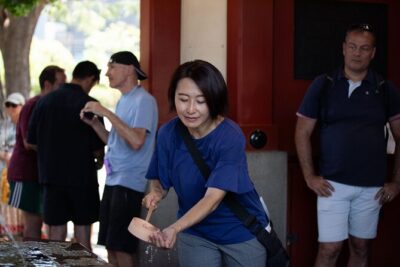
Asakusa Senso-ji Temple and Old Tokyo Walking Tour
Read our review →
Asakusa and Tokyo’s Oldest Temple Senso-ji Tour
Read our review →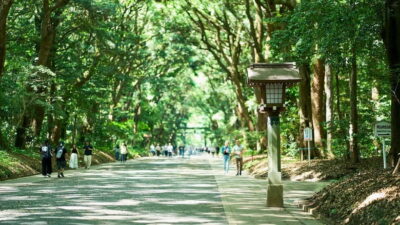
Meiji Shrine Walking Tour — Shinto & Imperial System
Read our review →
Meiji Jingu Shrine and Shinto Culture Walking Tour
Read our review →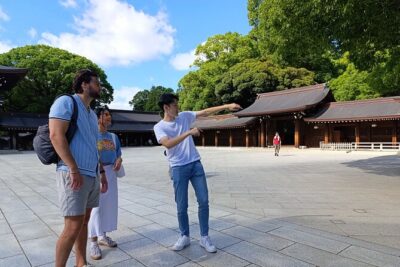
Meiji Shrine Walking Tour — Shintoism & Imperial System
Read our review →Browse the lists this tour appears in