
REVIEW · JAPAN TEMPLE TOURS
Miyajima: Cultural Experience in Zen Temple
At Tokujuji Temple, you trade Miyajima’s busy streets for a quiet cultural session in a traditional setting. You can dress in a kimono, learn the careful steps of a tea ceremony, practice Japanese calligraphy, or make an amulet from handmade kimono fabric. The activities are gentle, practical, and easy to follow.
I like the patient instruction, especially during calligraphy and kimono dressing. I also like the personal souvenirs: your finished calligraphy and handmade amulet give you something more meaningful than a quick photo.
The main consideration is time and mobility. Sessions last about one to two hours, but removing shoes, changing clothes, and sitting or standing during the activities may be difficult if you have limited mobility. Children under six cannot participate.
Key points at a glance
- Choose your cultural focus: Book an option featuring tea ceremony, calligraphy, amulet making, or a combination of activities.
- Wear a real kimono: Staff help you choose the kimono, obi, and accessories, then take photos in the temple garden.
- Learn matcha properly: The Ryurei-style ceremony uses a table and chairs, making it more approachable than a floor-based ceremony.
- Take home handmade work: Practice kanji and your Japanese name, then wrap your finished calligraphy to carry home.
- Make a personal amulet: Select from more than 300 handmade bags made from kimono fabric, then add a kumihimo cord and written wish.
- Small-group setting: English and Japanese instruction, a peaceful temple location, and a flexible cancellation policy make this easy to fit into a Miyajima day.
A quiet temple break from Miyajima’s main sights
Miyajima is famous for the red torii gate, Itsukushima Shrine, deer, shopping streets, and sea views. Those sights deserve your time, but the island can feel crowded, especially around the main shrine area. Tokujuji Temple offers a different rhythm.
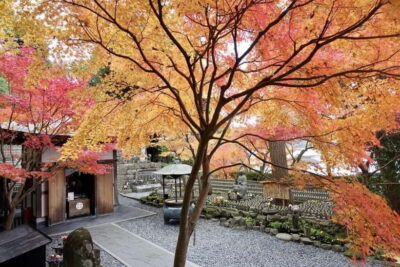
The activity takes place in and around the temple, with time in a Japanese garden for photographs. The setting matters. You are not simply trying on clothing in a shop or completing a craft at a tourist counter. The cultural activities take place in a temple environment, with greetings, ritual steps, and explanations that give the session a sense of purpose.
The staff are described as friendly, calm, and attentive. Yoko is specifically noted for speaking fluent English, while other instructors also provide clear English guidance. You should still expect some Japanese cultural terms and customs, but the activities are designed for international visitors and do not require prior knowledge.
A session normally lasts one to two hours. That makes it a useful addition to a day trip from Hiroshima, provided you allow enough time for the ferry, the walk to the meeting point, and Miyajima’s other sights. The exact meeting point depends on the option you book, so check your confirmation carefully.
A few more temple visits around Japan worth a look
- Kyoto: Tea Ceremony Ju-An at Jotokuji Temple
★ 4.9 · 3,207 reviews - Tokyo: Asakusa Walking Tour with Sensoji Temple Visit
★ 4.8 · 1,583 reviews - Nikko: Kegon Falls, Lake Chuzenji & Toshogu Temple
★ 4.6 · 1,577 reviews
Choosing and wearing your kimono
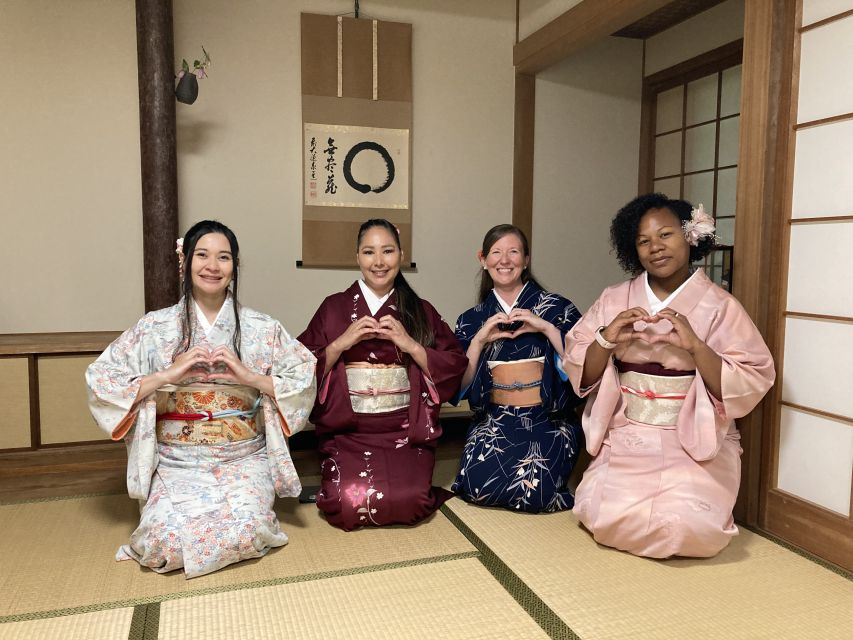
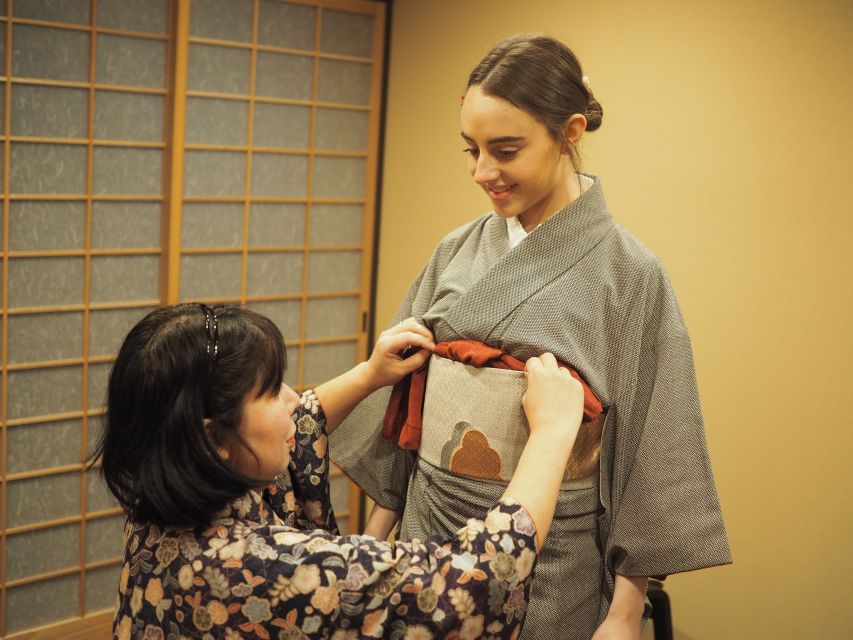
For many people, the kimono portion is the emotional center of the activity. You choose from the available clothing, and the staff help match the kimono with an obi and other pieces. The dressing process is part of the lesson. You see how several layers and accessories create the finished appearance.
The staff take care while dressing you, and the tone is relaxed rather than hurried. That matters because a kimono is not a costume you simply pull on. The obi is tied carefully, and the finished outfit changes how you move and sit. One practical point: you must remove your shoes to enter, so wear footwear that is easy to take off.
The clothing is available only with the option you select, so check the booking details before assuming every package includes kimono dressing. The same applies to the exact mix of tea, calligraphy, and amulet making.
Once dressed, you have time for photos in the garden. Staff take pictures for you, offer suggestions for poses, and send the images by email or AirDrop on site. This is useful if you are traveling alone or simply want to enjoy the moment without constantly holding your phone.
The garden photographs are a strong part of the value, but lighting can vary. One practical tip is to ask the staff to place you where your face is well lit. Outdoor shade and bright sun can produce very different results. You can also take your own pictures, so keep your phone handy after the formal photos are finished.
The tea ceremony, explained one careful movement at a time
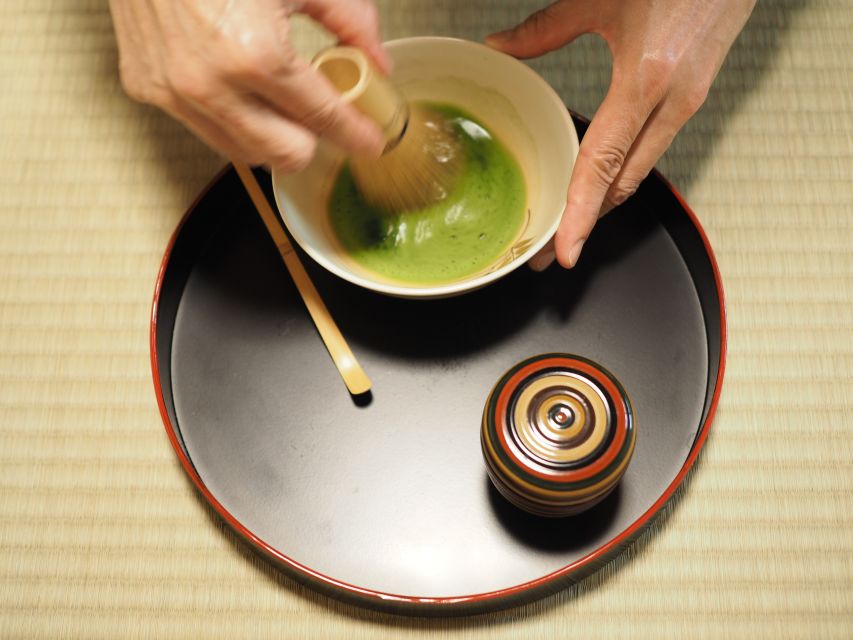
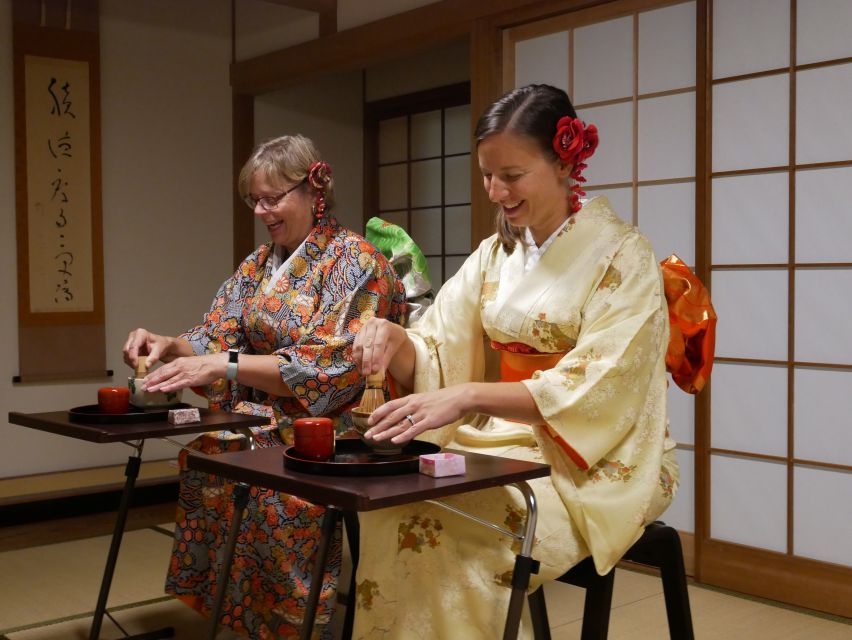
The tea ceremony follows the Ryurei style, which uses a table and chairs. This is a good choice for an introductory session because you do not need to kneel on the floor. You are shown the order of the ceremony, beginning with greetings and the purification of the utensils.
The tea master then prepares the matcha, cleans the tools, and closes the ceremony. The point is not simply to drink green tea. Each movement has a place, and the order teaches you how Japanese tea practice combines hospitality, attention, and respect.
You receive sweets with the tea, and the activity includes two types of sweets and two bowls of matcha tea. You learn how to receive and drink the tea correctly, then get a chance to prepare matcha yourself. The hands-on part is important. Watching the tea being made gives you the outline, but whisking it shows how much care goes into a seemingly simple bowl.
The tea may not suit every palate. Matcha has a strong, grassy taste and can be bitter without the sweets. The sweets balance it, and the ceremony gives you context that a cup of matcha in a café cannot provide.
This is also a fairly formal part of the session. You should listen closely to instructions and follow the order of the actions. The atmosphere is respectful, but not intimidating. If you have never attended a tea ceremony, the English explanations make the process approachable.
Calligraphy that becomes your own Japanese souvenir
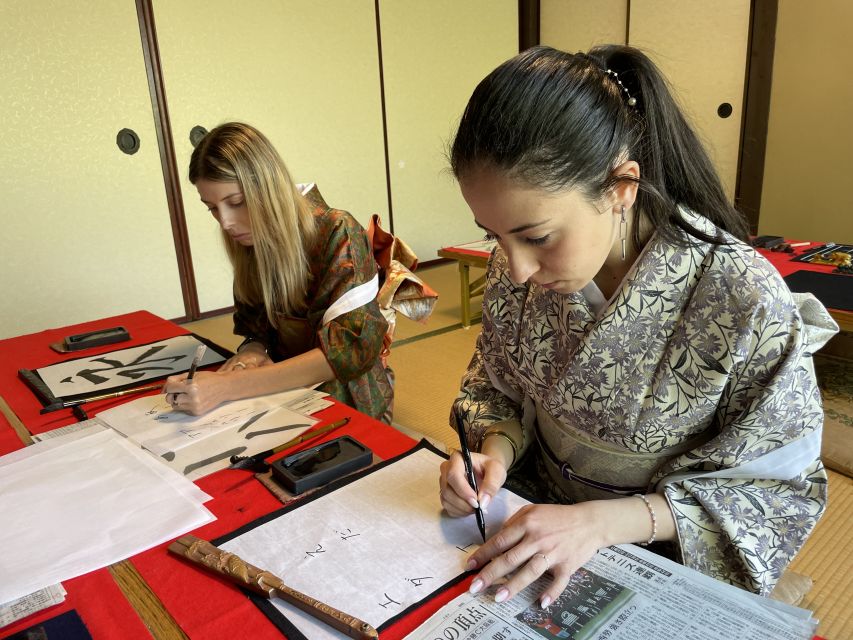
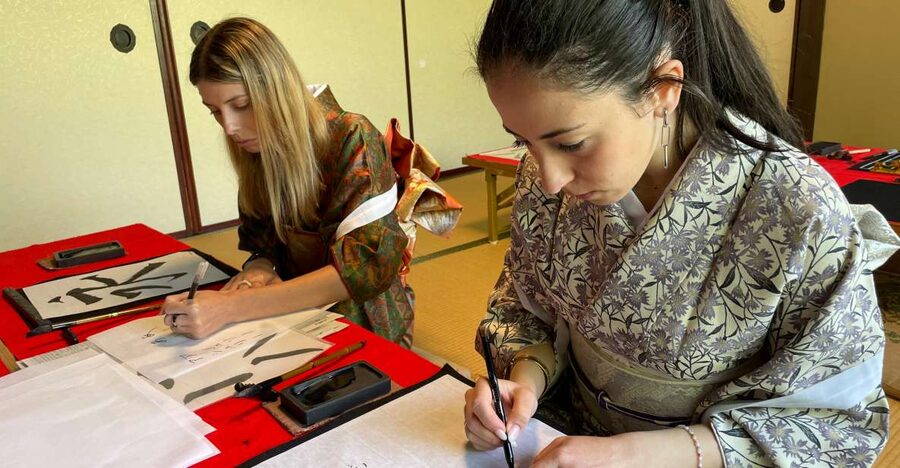
The calligraphy lesson starts with basic lines. Your instructor shows you how to control the brush and build the strokes step by step. You practice one or more kanji, the Chinese characters used in Japanese writing, on draft paper before making a finished piece.
The instructor also prepares a sample of your name. You then practice writing your name in Japanese, using hiragana or katakana. This gives the lesson a personal finish. You are not copying a random character simply because it looks attractive. You are learning how your own name can be represented in Japanese writing.
The final work is signed in Japanese and wrapped for the journey home. The result may not look like a professional calligrapher’s piece, and that is part of its charm. You can see the practice marks and the improvement from the first lines to the finished work.
Calligraphy suits people who enjoy a calm, focused activity. It also works well for families because the instructor can guide beginners through each stage. Younger children may need help with brush control, but children under six cannot participate in the activities.
The lesson takes concentration, so it is not the best choice if you want a fast photo stop. Give yourself time to practice. The calm pace is one of the reasons this activity feels different from a standard sightseeing visit.
Same country, a different morning at the gates:
- Kyoto: Tea Ceremony in a Traditional Tea House in Kiyomizu
★ 4.9 · 3,519 reviews - Tokyo:Mt.Fuji,Kawaguchiko Oishi Park,Arakurayama Sengen Park
★ 4.4 · 2,682 reviews - Fushimi Inari Hidden Hiking Tour (Private Option Available)
★ 5.0 · 1,750 reviews - Osaka/Kyoto:Kinkakuji,Arashiyama,FushimiInariShrine,NaraPark
★ 4.1 · 1,596 reviews
Making an amulet from kimono fabric
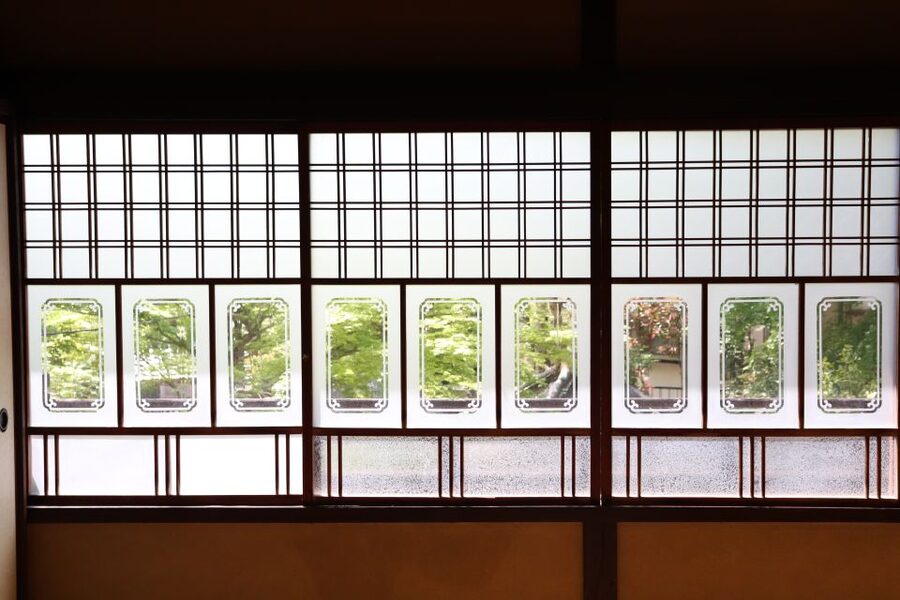
Amulet making takes place in the temple’s main hall. You choose from more than 300 handmade amulet bags made from kimono fabric. The large selection gives you room to choose based on color, pattern, or personal meaning.
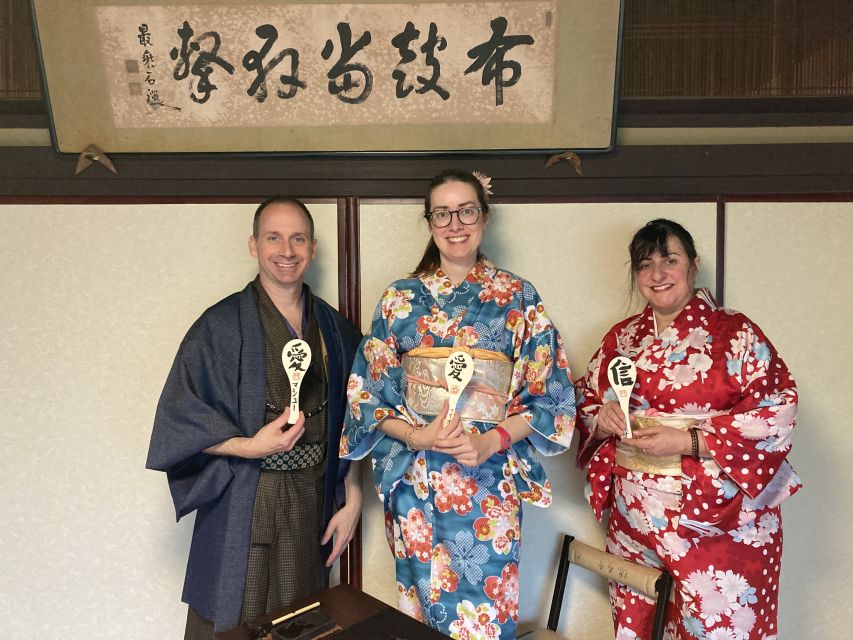
You then select a kumihimo cord. Kumihimo is a traditional braided cord, and here it becomes part of the amulet you are creating. You choose a wish and write or stamp it onto a small rice scoop, which represents carrying your wish forward.
The finished pieces are put together into an amulet made for you. Once it is complete, you greet Kinseki Jizou, the temple’s Buddha, to report that you have come to make a wish. That final step gives the craft a spiritual connection to the temple rather than leaving it as a simple souvenir project.
This option is especially good if you prefer making something with your hands to watching a demonstration. It also gives families and couples a personal activity, since each person can choose different fabric, cord, and wish.
The amulet option is not interchangeable with every other activity automatically. Read the package details closely. Some bookings focus on calligraphy and tea, while others include amulet making or several activities together.
How the activities fit together
The cultural options work well because they cover different types of learning. Kimono dressing is visual and social. The tea ceremony is based on observation and manners. Calligraphy is quiet and hands-on. Amulet making is creative and personal.
If you have about 90 minutes, you may need to focus on the activities included in your chosen package. If you have closer to two hours, you have more breathing room for dressing, photographs, and multiple lessons. Some sessions run longer than the advertised time when the schedule allows, but you should not count on extra time if you have a ferry or another reservation.
A combined session can be a good value for couples, families, and first-time visitors to Japan. You get a cultural explanation, a traditional outfit, photos, and something to take home. The price is $90 per person, which is not a budget activity, but it compares favorably with paying separately for a kimono rental, a formal tea experience, a guided craft, and professional-style photographs.
The value depends on your priorities. If you only want to wear a kimono for ten minutes, this may be more than you need. If you want patient help, several cultural activities, and a peaceful setting, the price is easier to justify.
What the session feels like for families
This is a notably adaptable family activity. Children, teenagers, parents, and grandparents can take part in different ways. A teenager may enjoy the kimono photos, while a parent prefers the tea ceremony and a grandparent chooses calligraphy or amulet making.
The staff are described as patient with children and encouraging during calligraphy. The activities also create natural pauses, so your group does not need to rush from one station to another. That said, the formal tea steps and brush work require attention. Very young children may find the pace slow, and children under six are not permitted.
For a family group, confirm that everyone’s selected option includes the same activities if you want to stay together. The meeting point can vary by booking, so keep the group’s confirmation details available.
Practical details that affect your decision
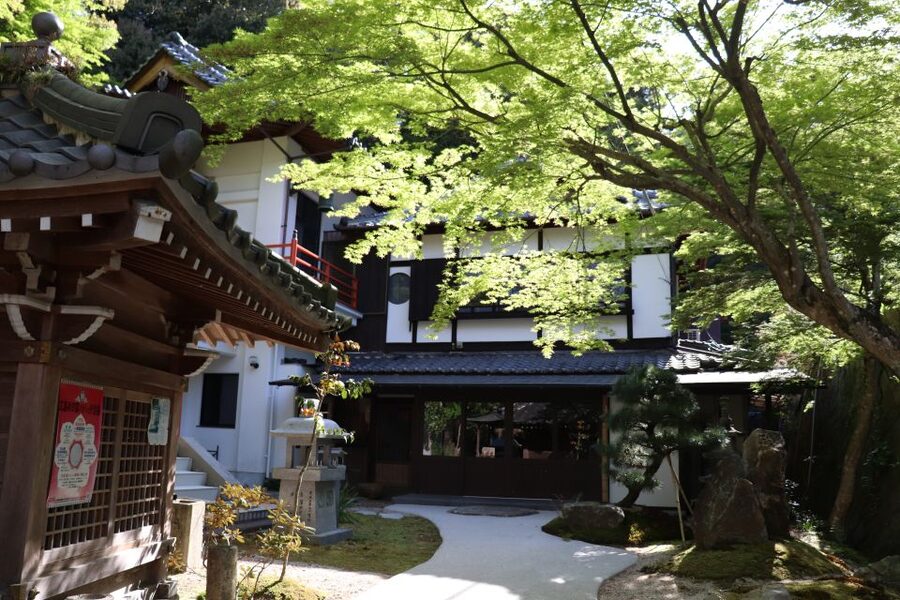
Instruction is available in English and Japanese. The English support is strong enough for the step-by-step activities, including tea preparation, calligraphy, and kimono dressing. Yoko is specifically noted as fluent in English, and the staff generally explain the cultural meaning behind the actions rather than giving only basic directions.
You must remove your shoes inside. The activity is not recommended for people with limited mobility, and the exact physical demands vary by option. Changing into a kimono, walking in the garden, and moving around the temple may all require some flexibility.
Photography is included in a practical way. Staff take pictures, and the images are sent by email or AirDrop on site. Bring a phone or email address you can access if you want to receive them before leaving.
The group can be small, which helps during dressing and calligraphy. A smaller group also makes it easier to ask questions and receive help with the tea procedure. Group size may vary, so check the availability shown for your date.
You can cancel up to 24 hours before the activity for a full refund, and you can reserve now and pay later. Those policies are useful when your Miyajima day depends on ferry timing or changing weather, although you still need to check the precise conditions attached to your booking.
Is Tokujuji Temple worth $90?
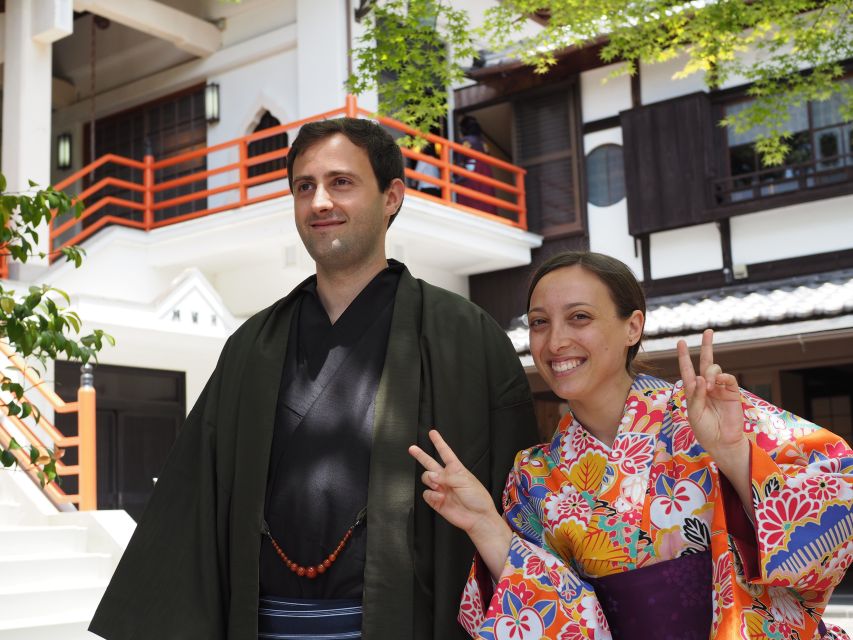
At $90 per person, this is best viewed as a bundled cultural session rather than a single lesson. The package can include kimono dressing, garden photographs, tea, calligraphy, and amulet making, depending on the option. You also receive matcha and sweets when the tea ceremony is included, plus the tools for calligraphy and your finished work.
The price makes the most sense if you want an organized introduction to several Japanese traditions. You avoid arranging separate activities, and the staff handle the parts that are difficult to manage alone, such as dressing, photographing the kimono, and preparing the ceremony tools.
It is less convincing for someone who already has a formal tea ceremony booked elsewhere or who prefers independent sightseeing. Miyajima has plenty to see without adding a scheduled activity. The strength here is the combination of instruction, personal attention, and keepsakes in one compact session.
Who should book this Miyajima activity?
I would choose this for a first visit to Japan, a special family outing, or a couple looking for more than shrine photographs. It is also a good fit if you want a quieter activity between sightseeing stops.
Book it if you enjoy:
- Wearing traditional clothing with help from experienced dressers
- Learning through simple, guided practice
- Taking home calligraphy or an amulet
- Having staff take photographs for you
- Spending time in a temple garden away from the busiest streets
Think twice if you dislike structured ceremonies, have difficulty removing shoes or changing clothes, or want a very short activity. Children under six cannot participate, and people with limited mobility may find the setting unsuitable.
For most people, the strongest choice is a package that combines kimono dressing with tea and calligraphy. Add amulet making if you want a second handmade souvenir and have enough time. The tea ceremony gives you cultural context, calligraphy gives you a lasting record of the day, and the kimono photographs capture the setting.
Should you book it?
Yes, if you want a friendly, well-paced introduction to Japanese customs during your time on Miyajima. The activity offers more substance than a costume photo session, yet it remains accessible to beginners. You learn the reason behind the tea movements, practice actual Japanese writing, and create something personal.
I would book it early if the timing fits your island visit, then plan the rest of the day around the session and the ferry. Choose the option carefully, arrive ready to remove your shoes, and allow enough time for the experience to unfold without rushing. At $90, it is a worthwhile splurge for a memorable cultural afternoon, especially for families and first-time visitors.
FAQ
Where does the cultural experience take place?
It takes place at Tokujuji Temple on Miyajima, in the Chugoku Region of Japan. The session includes access to a Japanese garden for photographs.
How long does the activity last?
The experience lasts about one to two hours. Starting times depend on availability and the option selected.
How much does it cost?
The listed price is $90 per person.
Which languages are available?
The lesson is offered in English or Japanese. Yoko is specifically noted as speaking fluent English.
Can I wear a kimono?
Yes, kimono dressing is included with the relevant booking option. You choose a kimono, and the staff help dress you and coordinate the outfit.
What happens during the tea ceremony?
You learn the formal sequence, including greetings, purifying the tools, preparing matcha, cleaning the tools, and closing the ceremony. The session uses the Ryurei style with a table and chairs.
Is matcha and food included?
The activity includes two bowls of matcha tea and two types of sweets.
Can I take home something I make?
Yes. In the calligraphy lesson, you practice kanji and your name in Japanese, then sign and wrap your finished work. The amulet-making option also lets you create a personal amulet.
Are children and people with limited mobility allowed to participate?
Children under six cannot participate. The activity is not recommended for people with limited mobility, and you must remove your shoes to enter.
Just added around Japan
- From Asakusa: Old Tokyo, Temples, Gardens and Pop Culture★ 5.0 · 47 reviews
- Private guided tour: Mt. Aso volcano, grasslands, Aso Shrine★ 5.0 · 19 reviews
- Goshuin Collecting tour at Asakusa Local Temples & Shrines, Tokyo★ 5.0 · 8 reviews
- Tokyo:Nikko UNESCO World Heritage Sites Private 1-Day Tour★ 3.8 · 6 reviews
- Tokyo Yokohama Night View Tour With Kamakura And Enoshima★ 3.5 · 14 reviews
- Tokyo: Snow Monkey Park and Zenkoji Temple Private Day Tour★ 4.7 · 127 reviews
- Tokyo War History Tour: Yasukuni Shrine & War Museum★ 4.5 · 6 reviews
- Tokyo to Nikko: Exclusive Private Day Trip★ 4.8 · 6 reviews
Japan Temple Tours, compared.
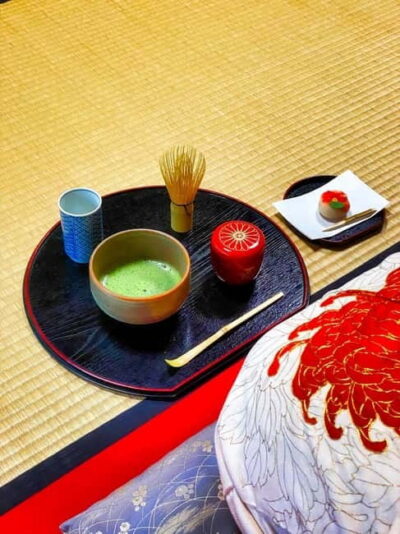
Tea Ceremony in a Traditional Tea House in Kiyomizu
Read our review →
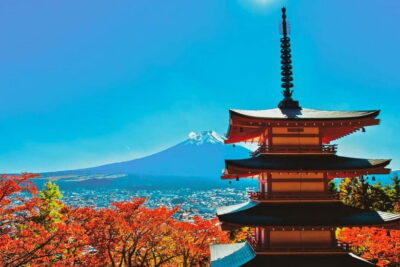
Mt.Fuji,Kawaguchiko Oishi Park,Arakurayama Sengen Park
Read our review →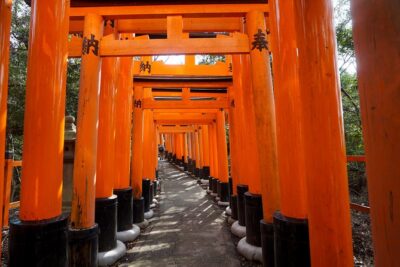
Fushimi Inari Hidden Hiking Tour (Private Option Available)
Read our review →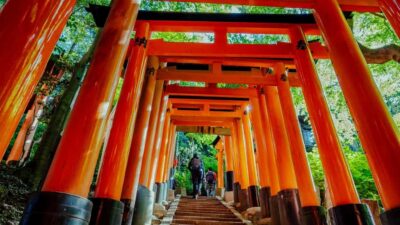
Osaka/Kyoto:Kinkakuji,Arashiyama,FushimiInariShrine,NaraPark
Read our review →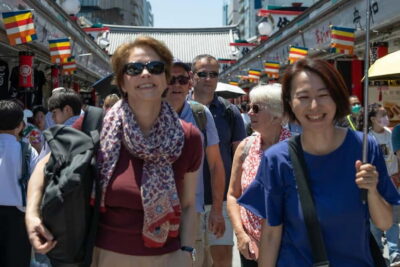
Asakusa Walking Tour with Sensoji Temple Visit
Read our review →
Kamakura & Enoshima Day Trip including Temple Tickets
Read our review →Browse the lists this tour appears in