
REVIEW · JAPAN TEMPLE TOURS
Hiroshima: Itsukushima Shrine and Miyajima Summit Tour
Miyajima makes you work for its best views. This half-day tour joins the island’s famous sea shrine with its mountain paths, ropeway, and summit outlooks, showing you why sea worship and mountain worship belong together here. I especially like the contrast between the shrine’s calm, open corridors and the wilder climb into the hills. I also like that this is a private tour, so your guide can explain details at your pace. The main catch is simple: the climb takes effort, and the final part of the tour may feel rushed if you stop often.
The tour is a good fit if you want more than a quick photograph of the torii gate. Guides Gordon Michasiw and Hine have been singled out for warm, personal help and for explaining Japanese customs beyond the usual sightseeing script. Bring water, sunscreen, and sturdy shoes. This is not a wheelchair-friendly outing, and it is not designed for anyone who finds moderate walking difficult.
Key points about the Miyajima summit tour
- Shrine and summit in one outing: See Itsukushima Shrine, then continue toward Miyajima’s sacred mountain.
- A private English-language experience: Your guide can adapt explanations and assistance to your group.
- Ropeway included: The cable car saves energy before the mountain walking begins.
- Shugendo explained on site: Learn how Buddhist, Shinto, and mountain ascetic practices meet on Miyajima.
- Classic cultural stops: The route includes Senjokaku Pavilion and the five-story pagoda.
- Allow for a demanding stretch: One section takes about 30 minutes on foot uphill, according to the tour information and participant experience.
Why Miyajima is more than a torii gate
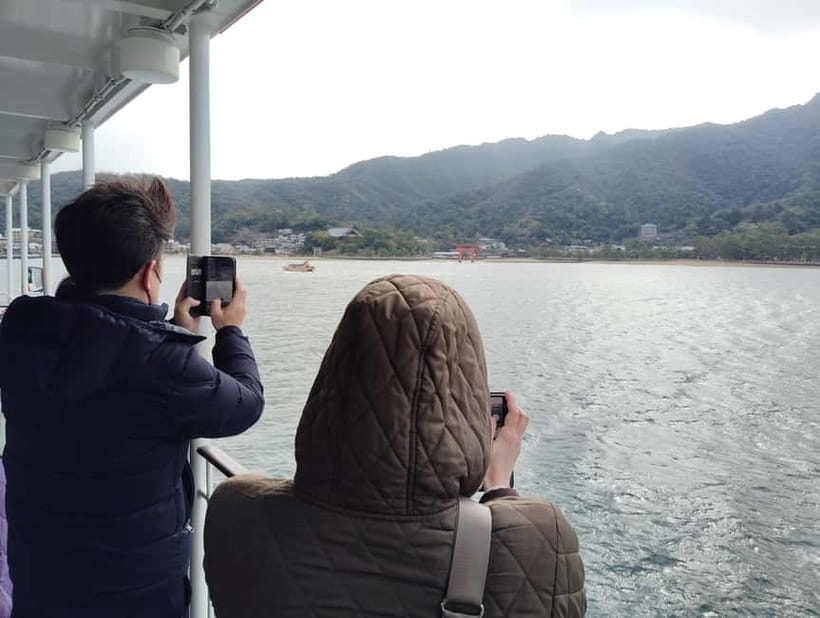
Most people first picture Miyajima’s large torii gate floating in the Seto Inland Sea. That image is deserved, but it only gives you the island’s front door. The deeper appeal comes from seeing how the shrine, shoreline, forested slopes, and summit form one sacred setting.
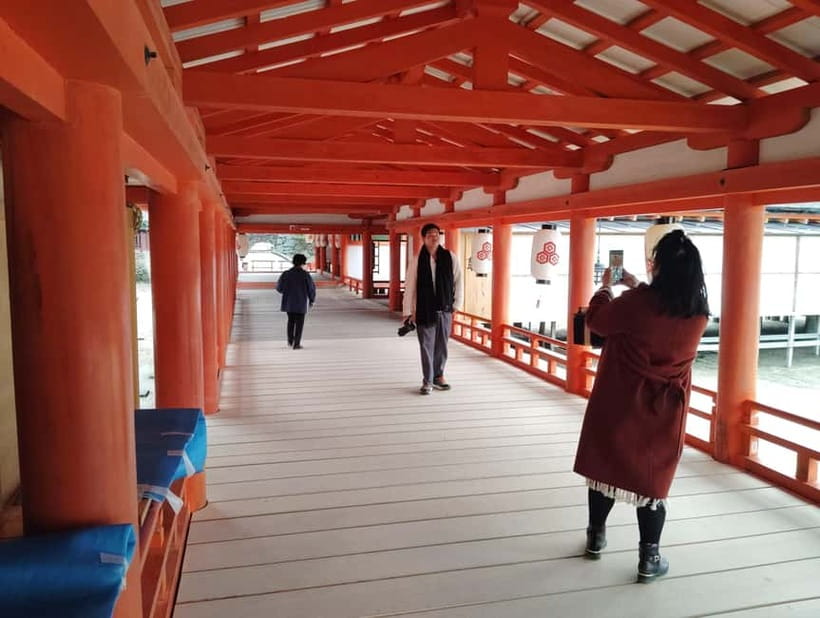
Itsukushima Shrine was built over the water on stilts. The design helped preserve the island’s sanctity, since the island itself was treated as sacred rather than as ordinary ground for construction. The result is a shrine that seems to hover between land and sea, especially when the tide is in.
This tour gives you time to consider that idea before taking you higher. On the mountain, worship is not limited to a hall or gate. The path itself becomes part of the experience. You learn about Shugendo, a practice tied to mountain asceticism that combines elements of Buddhism and Shinto. The point is not just to admire the view. It is to understand why the mountain was a place for discipline, prayer, and spiritual testing.
I like this pairing because it gives Miyajima a clear shape. The shrine presents the island’s relationship with the sea. The climb presents its relationship with the mountain. Together, they explain the island better than either stop could on its own.
A few more temple visits around Japan worth a look
- Kyoto: Tea Ceremony Ju-An at Jotokuji Temple
★ 4.9 · 3,207 reviews - Tokyo: Asakusa Walking Tour with Sensoji Temple Visit
★ 4.8 · 1,583 reviews - Nikko: Kegon Falls, Lake Chuzenji & Toshogu Temple
★ 4.6 · 1,577 reviews
Meeting your guide at Miyajima-guchi
The meeting point is in front of the Miyajima-guchi Tourist Information Center. Look for the guide holding a yellow sign with the DeepExperience logo. This is an important detail because Miyajima-guchi is the departure area for the island, while the tour itself finishes at the Miyajima ferry terminal.
The experience lasts 330 minutes, or five and a half hours. There is no hotel pickup or drop-off, so you need to reach the meeting point independently. The tour is conducted in English and is set up for a private group, which is useful if you want to ask questions about religion, architecture, or Japanese customs without competing with a large crowd.
The schedule has several fixed stops, but the walking portions mean you should not treat every minute as a rigid appointment. A participant found the ending rushed, so I would avoid adding a long meal or extensive shopping plan during the tour. If you want a quiet lunch, one guide, Hine, has taken a group to a peaceful tea house away from the busiest visitor areas. That sort of stop may depend on timing and should not be treated as a guaranteed part of the advertised route.
Itsukushima Shrine: where buildings meet the tide
The first major visit is Itsukushima Shrine, with about 30 minutes of guided time. That is enough to get the structure’s main story and see its key features, but it is not a long, unhurried museum visit. Your guide helps you read the shrine as a religious site rather than just a scenic backdrop.
Pay attention to the way the buildings sit above the water. The architecture reflects the belief that the island should not be disturbed. This helps explain why the shrine feels so open. Instead of being enclosed by a dense city block, it faces the sea, with the surrounding water and mountain providing the setting.
The famous torii gate is part of this visual connection. From the shrine area, you can see how the gate frames the sea and makes the boundary between sacred and ordinary space feel less fixed. Conditions at the shore can change with the tide, so the exact appearance of the gate and water will vary.
The guide’s role matters here. A short visit can easily become a checklist of gate, corridor, photograph, exit. With a good explanation, you begin to notice the choices behind the design: the use of stilts, the open approach to the sea, and the relationship between the shrine and the island’s sacred status.
The ropeway ride saves your legs
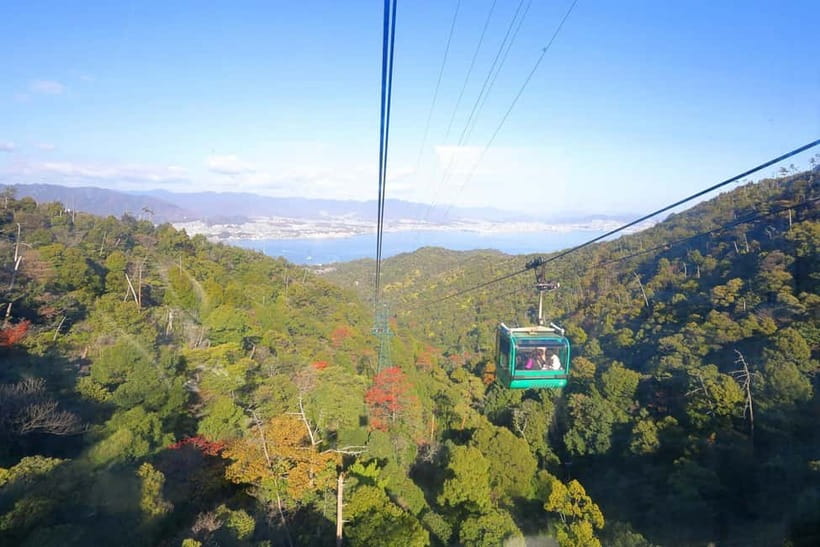
After the shrine, the route includes a cable car or ropeway ride lasting about 30 minutes. This is one of the practical strengths of the tour. You get access to the mountain without spending the entire outing on a steep uphill walk.
The ropeway does not remove the physical challenge altogether. It simply places you farther up the mountain before the remaining walk. You should still expect uneven ground and an uphill section. One participant described the climb as about 30 minutes on foot, and the tour specifically advises comfortable walking shoes and a moderate level of fitness.
I would treat the ropeway as a useful energy saver, not as a sign that this is an easy sightseeing ride. Wear shoes with a firm sole. Sandals, smooth casual shoes, or anything that becomes uncomfortable on slopes can make the second half less enjoyable. A hat, sunscreen, and water are also listed as essentials, particularly in warm weather.
The ride changes the rhythm of the day. The shrine visit is architectural and maritime. The ropeway shifts your attention toward the mountain, trees, and open views. It is a pleasant bridge between the two halves of the experience.
Same country, a different morning at the gates:
- Kyoto: Tea Ceremony in a Traditional Tea House in Kiyomizu
★ 4.9 · 3,519 reviews - Tokyo:Mt.Fuji,Kawaguchiko Oishi Park,Arakurayama Sengen Park
★ 4.4 · 2,682 reviews - Fushimi Inari Hidden Hiking Tour (Private Option Available)
★ 5.0 · 1,750 reviews - Osaka/Kyoto:Kinkakuji,Arashiyama,FushimiInariShrine,NaraPark
★ 4.1 · 1,596 reviews
Miyajima summit and the meaning of Shugendo
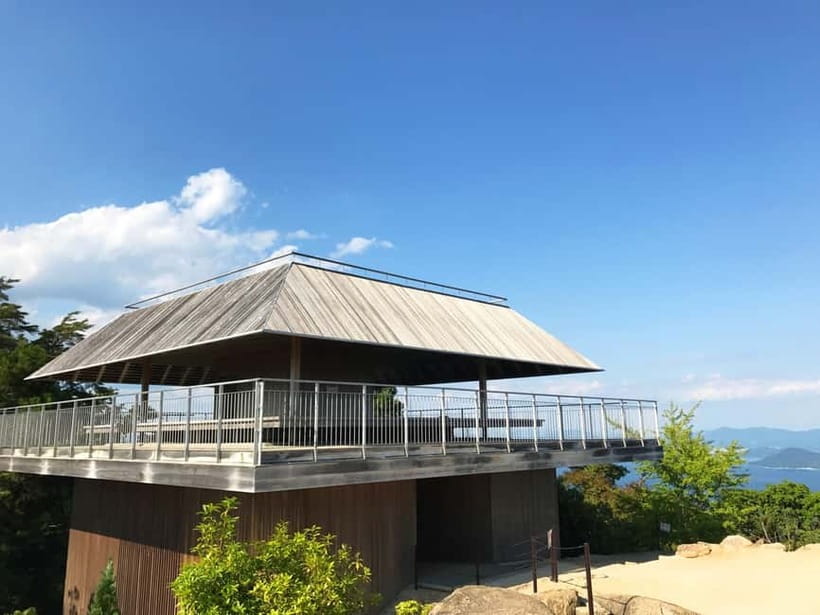
The longest guided section lasts about 75 minutes and focuses on the mountain and its spiritual traditions. This is the part that separates the tour from a standard shrine visit.
Shugendo is connected to mountain practice, physical hardship, and the search for religious insight through direct contact with nature. Your guide explains how Buddhist and Shinto ideas developed alongside mountain worship. The discussion helps you understand why Miyajima’s summit was not simply a place to look out over the sea. It was also a place where people came to practice, reflect, and test themselves.
The setting gives the subject weight. You are not hearing about mountain worship in a classroom while standing in a city. You are walking through the same broad type of environment that shaped these traditions. The path, slope, and changing views make the idea of spiritual effort feel concrete.
This section is also where the tour asks the most from you physically. You may find the climb manageable, but it is still a climb. The tour is not suitable for people with mobility impairments or wheelchair users. If you have a recent injury, tell your guide at the start. Gordon Michasiw was praised for helping a participant whose wife was walking with difficulty, which suggests that personal assistance may be available when a guide can safely provide it.
Do not expect a long rest stop after every incline. The timetable has several later sights, and the final portion can feel tight. Keep your pace steady rather than treating the first part of the mountain walk as a race.
The walk back brings smaller sights into view
The itinerary includes about 20 minutes on foot after the main mountain visit. This short walk connects the summit experience with the cultural sights below. It is another reason to wear proper shoes and keep water within reach.
The walking time is not just transport between attractions. It gives you a chance to notice how Miyajima’s sacred character extends beyond Itsukushima Shrine. You move from the broad view of the mountain back toward buildings and religious landmarks, linking the island’s natural and built features.
The tour does not promise a long independent wandering period. You will have some free time later, but this is mainly a guided route. If you want to explore every side path, browse shops, or linger for photographs, you may need to return on your own after the official tour ends.
Senjokaku Pavilion and the five-story pagoda
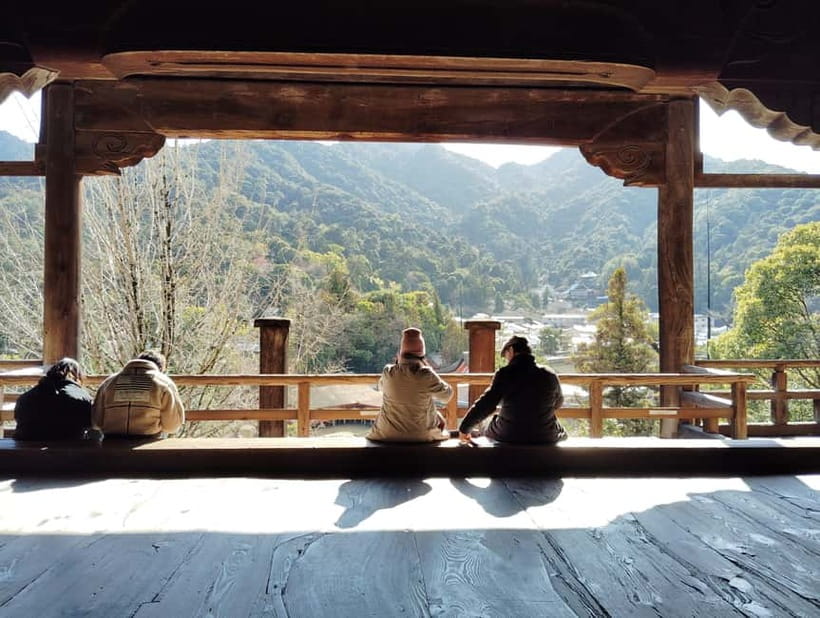
Senjokaku Pavilion receives about 15 minutes of guided time. Its name refers to a hall large enough to hold a thousand tatami mats, and the building’s broad, unfinished character gives it a different feel from the more formal shrine below. Your guide can place it within Miyajima’s religious and architectural story.
The five-story pagoda, called Itsukushima Jinja Gojunoto, follows with about 10 minutes. Its height and layered roof design make it an easy landmark to recognize, but the short stop means you should expect an introduction rather than a detailed architectural study.
These two visits work well near the end because they add variety. You have seen the shrine over the sea and the mountain associated with ascetic practice. Now you see a pavilion and pagoda that help fill out the island’s religious setting.
The route then allows about 15 minutes of guided time and free time before finishing at the Miyajima ferry terminal. That final window is useful for taking a last photograph, asking questions, or getting your bearings before continuing your day. It is not enough for a leisurely meal, so plan food separately.
What the $179 price includes
At $179 per person, this is not a budget way to see Miyajima. The price includes a professional guide, admission to Itsukushima Shrine, the ropeway fee, and the summit visit. Meals, hotel transfers, and other personal spending are not included.
The value depends on what you want from the island. If your plan is simply to see the shrine and torii gate, you can find a cheaper visit by arranging transport and admission yourself. You are paying more here for a private English-language guide, a structured route, cultural explanation, and help connecting the shrine with the mountain traditions.
For a private group, the cost can make more sense if several people are sharing the experience. You are also buying convenience: the ropeway is arranged, the shrine admission is covered, and the day has a clear sequence. The strongest value comes when you ask questions and use the guide’s knowledge. A silent escort would not justify the price.
The personal touch has been a strong part of the experience. Gordon Michasiw has been praised for explaining not only Miyajima’s sights and past but also Japanese life and customs. Hine has been praised for being helpful and for finding a quieter tea house during a busy day. These details matter because they show what a private guide can add when the fit is good.
Still, the tour is not a perfect value for every type of visitor. You may find the pace too structured if you prefer to spend long stretches alone. You may also feel hurried at the end if the mountain walk takes longer than expected.
Who should book this Miyajima experience?
I would choose this tour if you want context, not just photographs. It suits couples, families with older children, and small private groups that appreciate having one guide for the day. It is especially useful if you are curious about the meeting point between Shinto, Buddhism, and mountain practice.
It also suits anyone who wants help with the physical route. The guide cannot remove the climb, but can explain what lies ahead and may offer practical assistance. The private format gives you a better chance to communicate if you need to adjust your pace.
I would think twice if you have limited mobility, dislike uphill walking, or want a relaxed food-and-shopping day. Smoking is not allowed, and you should be prepared for moderate walking in addition to the ropeway ride.
The tour is offered with free cancellation up to 24 hours before the start, and you can reserve now and pay later. Those policies make it easier to hold a place while your Hiroshima plans settle, but the more important decision is physical: can you comfortably manage the mountain section?
FAQ
Where does the tour meet?
Meet in front of the Miyajima-guchi Tourist Information Center. The guide will hold a yellow sign with the DeepExperience logo.
Where does the tour finish?
The tour finishes at the Miyajima ferry terminal.
How long does the experience last?
The duration is 330 minutes, or five and a half hours.
Is the tour conducted in English?
Yes. The tour includes a live English-speaking guide.
Is this a private tour?
Yes. The group type is private.
Are the shrine admission and ropeway included?
Yes. Admission to Itsukushima Shrine and the ropeway fee are included.
Are meals included?
No. Meals are not included, and hotel pickup and drop-off are also not included.
Is the tour suitable for wheelchair users?
No. The experience is not suitable for wheelchair users or people with mobility impairments. You should also be prepared for a moderate amount of walking and an uphill section.
Should you book it?
Book this tour if you want Miyajima explained as a sacred island shaped by both sea and mountain. The shrine is the famous draw, but the summit walk and Shugendo discussion give the day its real purpose. The ropeway, included admission, private format, and attentive guides such as Gordon Michasiw and Hine add practical value.
Skip it if you only want a quick shrine visit, need step-free access, or prefer to set your own pace. For everyone else who can manage the climb, this is a thoughtful way to see Miyajima’s best-known sight and understand why the island’s mountain matters just as much as its sea.
Just added around Japan
- From Asakusa: Old Tokyo, Temples, Gardens and Pop Culture★ 5.0 · 47 reviews
- Private guided tour: Mt. Aso volcano, grasslands, Aso Shrine★ 5.0 · 19 reviews
- Goshuin Collecting tour at Asakusa Local Temples & Shrines, Tokyo★ 5.0 · 8 reviews
- Tokyo:Nikko UNESCO World Heritage Sites Private 1-Day Tour★ 3.8 · 6 reviews
- Tokyo Yokohama Night View Tour With Kamakura And Enoshima★ 3.5 · 14 reviews
- Tokyo: Snow Monkey Park and Zenkoji Temple Private Day Tour★ 4.7 · 127 reviews
- Tokyo War History Tour: Yasukuni Shrine & War Museum★ 4.5 · 6 reviews
- Tokyo to Nikko: Exclusive Private Day Trip★ 4.8 · 6 reviews
Japan Temple Tours, compared.
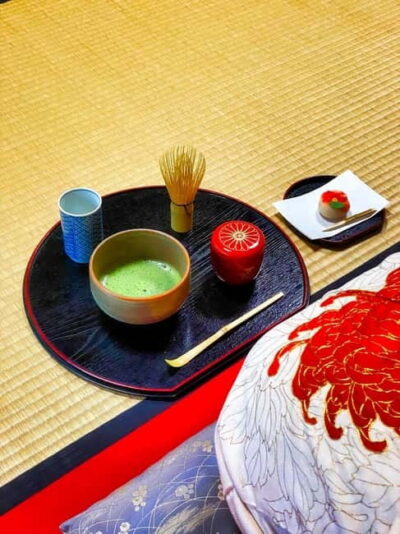
Tea Ceremony in a Traditional Tea House in Kiyomizu
Read our review →
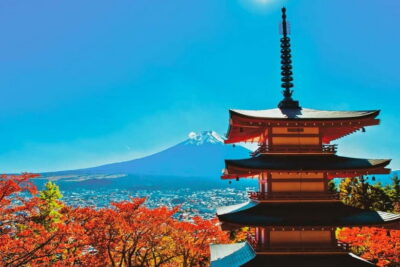
Mt.Fuji,Kawaguchiko Oishi Park,Arakurayama Sengen Park
Read our review →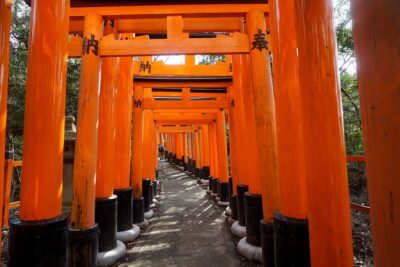
Fushimi Inari Hidden Hiking Tour (Private Option Available)
Read our review →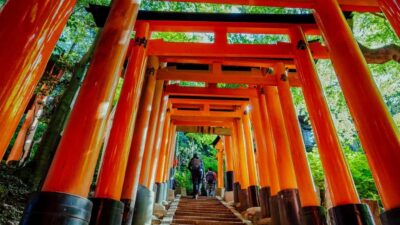
Osaka/Kyoto:Kinkakuji,Arashiyama,FushimiInariShrine,NaraPark
Read our review →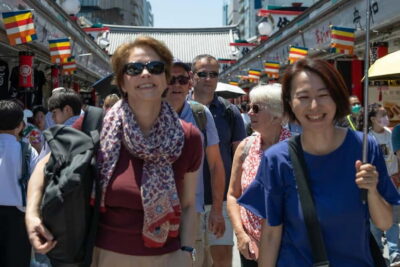
Asakusa Walking Tour with Sensoji Temple Visit
Read our review →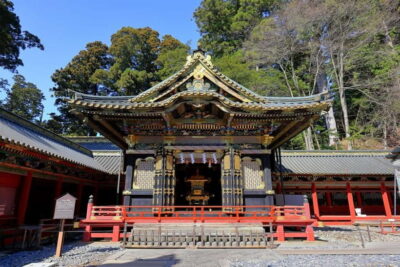
Kamakura & Enoshima Day Trip including Temple Tickets
Read our review →Browse the lists this tour appears in