
REVIEW · JAPAN TEMPLE TOURS
From Kanazawa: Eiheiji Buddhist Temple & Fukui Castle Town
Fukui is easy to skip on a Japan itinerary, but this day trip gives you a good reason to stop. You see original castle walls, a shrine hung with colorful origami cranes, and two rooms once used by Fukui’s daimyo before reaching Eiheiji, one of Japan’s great Zen temples.
I like the mix of city history and quiet temple time. I also like that guides such as Garrett and Mike explain the places in plain English and can introduce you to a practicing monk at Zuigenji. The main drawback is the pace: you cover a lot of ground, and Eiheiji may deserve more time than the schedule allows.
Key points to know before you book
- Dinosaur Square begins the Fukui story: Fukui Prefecture is known for major dinosaur discoveries, and the station area has playful statues to explore.
- Fukui Castle is unusual: Its original walls and moat now surround modern government buildings, while reinforced gates once served as the castle’s last defense.
- Zuigenji gives you rare access: Two rooms from Fukui Castle were moved here, including a preserved daimyo room, and a monk may explain the temple’s past.
- Atagozaka offers the city view: The stairway climbs a large hill to one of the best outlooks over modern Fukui.
- Eiheiji is the day’s grand finale: Cedar trees, mountain air, traditional buildings, working monks, and Zen history make it the emotional high point.
- The $143 price buys more than transport: It covers the guide, trains and buses connected with the tour, and admission to Zuigenji and Eiheiji, but not lunch.
Why this Fukui day trip works from Kanazawa
Kanazawa is famous for its gardens, old districts, and preserved samurai culture. Fukui offers a different kind of day. Its sights are less concentrated, so a guide and prearranged transport make a real difference.
The tour begins at Kanazawa Station at 8:30 in the morning, near the Information Center by the Shinkansen ticket gates. You take a train toward Fukui, with roughly 30 to 40 minutes of travel time depending on the service used. The route gives you mountain views to the west and avoids the hassle of figuring out local connections on your own.
This is a full day, generally returning to Kanazawa around 6:00 in the evening. You can also join or leave the tour in Fukui, which is useful if you are staying there rather than returning to Kanazawa.
The strongest reason to book is the interpretation. Fukui’s castle walls and temple rooms are easy to admire, but harder to understand without context. The guide connects them to the city’s daimyo past, the movement of buildings, and the role of Zen temples in Japanese life.
A few more temple visits around Japan worth a look
- Kyoto: Tea Ceremony Ju-An at Jotokuji Temple
★ 4.9 · 3,207 reviews - Tokyo: Asakusa Walking Tour with Sensoji Temple Visit
★ 4.8 · 1,583 reviews - Nikko: Kegon Falls, Lake Chuzenji & Toshogu Temple
★ 4.6 · 1,577 reviews
Dinosaur Square and Fukui’s first welcome
Fukui Station announces the prefecture’s scientific identity before you even leave the transport hub. Dinosaur statues fill the area, including artistic and humorous examples linked to Fukui’s major archaeological discoveries. Several dinosaurs have been named after the prefecture.
You have about ten minutes here, so this is a quick orientation rather than a museum visit. I like this opening because it is light and unexpected. You get your bearings, take a few photographs, and see how Fukui presents itself before moving into older layers of the city.
Do not expect a long dinosaur program. The value is the contrast. In a few minutes, the tour moves from modern public art and paleontology to castle walls that date back to the feudal period.
Fukui Castle ruins and the city inside the moat
The walk to Fukui Castle takes you into the older center of the city. The castle is not a complete reconstructed fortress. Instead, you see substantial original walls and the moat, along with a bridge built to reproduce its Edo period appearance.
One of the most striking details is what now sits inside the former castle grounds. Fukui’s prefectural office and police headquarters occupy the area. That mix of old stonework and modern administration gives the site a practical, distinctly Japanese character. This is not a polished historical enclosure set apart from daily life. It is part of the working city.
Fukui Castle also differs from many famous Japanese castles because it went for many years without a keep. The gates and surrounding defenses were strengthened to serve as the final line of protection. Your guide can make sense of this design, which may otherwise look like a castle missing its main building.
Plan for about an hour here. The walls are the main attraction, so this stop suits you if you enjoy structure, military planning, and urban history more than elaborate interiors. If you need a fully restored castle with towers and large exhibition rooms, this may feel modest.
A rainbow of cranes at the shrine
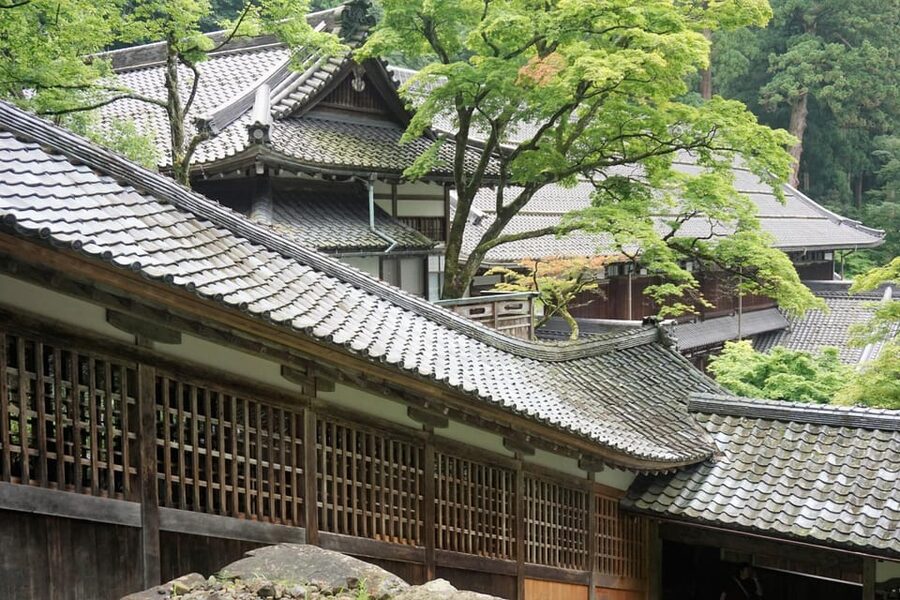
A short walk from the castle brings you to a shrine whose entrance has become known for rows of origami cranes. Their colors create the rainbow effect mentioned in the tour description, and the display gives the site a hopeful, human quality.
This is a small stop, but it breaks up the formal castle visit. The cranes are not just decoration. They express hope for a better future, which gives the visit more meaning than a quick photo stop.
The area around the shrine has a long recorded past, reaching back to before the 700s. The walk continues along the edge of a broad hill toward Zuigenji, letting you see how Fukui’s older religious sites fit into the city rather than treating them as isolated monuments.
Same country, a different morning at the gates:
- Kyoto: Tea Ceremony in a Traditional Tea House in Kiyomizu
★ 4.9 · 3,519 reviews - Tokyo:Mt.Fuji,Kawaguchiko Oishi Park,Arakurayama Sengen Park
★ 4.4 · 2,682 reviews - Fushimi Inari Hidden Hiking Tour (Private Option Available)
★ 5.0 · 1,750 reviews - Osaka/Kyoto:Kinkakuji,Arashiyama,FushimiInariShrine,NaraPark
★ 4.1 · 1,596 reviews
Zuigenji and the rooms carried from Fukui Castle
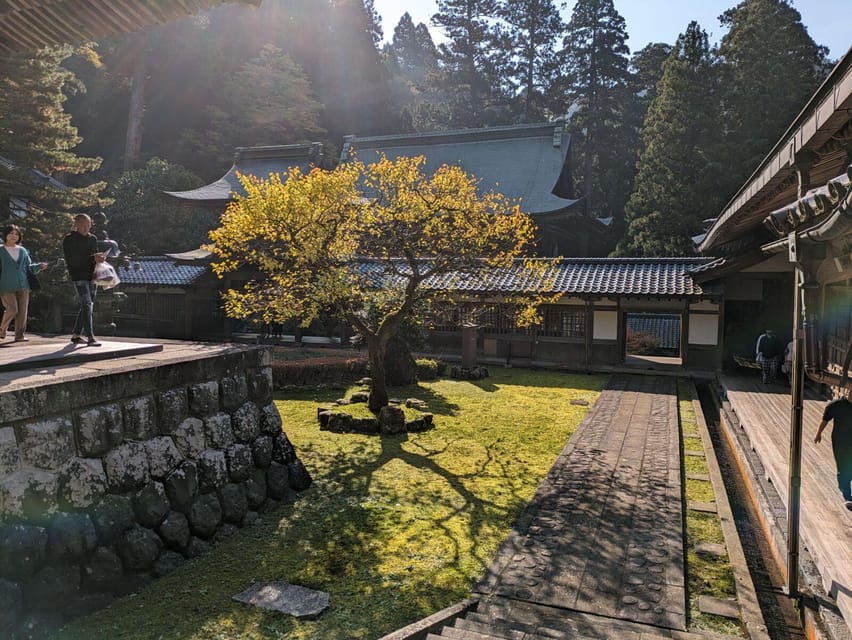
Zuigenji is one of the most valuable stops on the tour because it offers something you cannot get from castle walls alone. Two rooms from the former Fukui Castle were moved here. They were used by the daimyo for private business and sleep.
One room has been preserved in its original form. Look closely at the decoration, color, and fine details. This is where the wealth and rank of the upper class become visible in a personal setting. Instead of viewing a castle only as a defensive structure, you get a sense of how its ruler lived and worked.
The visit lasts about 30 minutes, but it can leave a strong impression. The scale is intimate. You are not looking across a large courtyard at a distant building. You are close to rooms that were once part of the lord’s private world.
The tour may also include a conversation with a practicing Zen monk. This has been one of the most praised parts of the experience. A monk can explain how the temple came to have the castle rooms and how the site is managed today. That direct exchange adds a human voice that a guidebook cannot provide.
The exact availability of this interaction can vary, so treat it as a possible feature rather than a guaranteed private meeting. Still, Zuigenji is worth visiting even without it.
Atagozaka, a short climb with a useful payoff
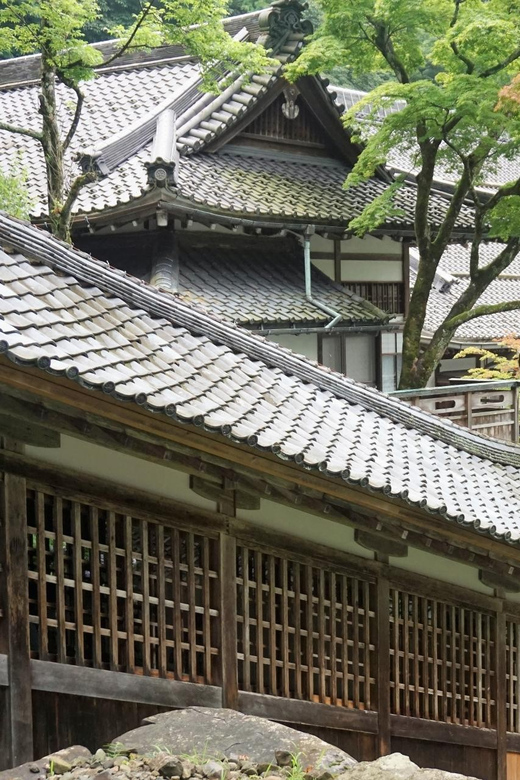
Atagozaka means Atago Slope, and the name is accurate. You climb a series of stairways toward the top of a large group of hills. The walk takes around 30 minutes and includes one of the oldest shrines in Fukui Prefecture.
This is not a mountain hike, but the steps require a little effort. Wear shoes you can walk in comfortably, especially if the weather is wet or winter conditions make the stairs slippery.
The reward is one of the best views of Fukui’s modern skyline. I like this stop because it gives you scale. After seeing the old castle site and temple rooms, you can look out over the city and understand how the historic center relates to the present-day streets.
The view also gives the morning a natural pause before lunch. You have moved through several centuries, and the skyline makes the point that Fukui is not preserved in the past.
Lunch in Fukui, with freedom to choose
Lunch is not included, and you get about an hour of free time in Fukui. This is a useful arrangement because you can choose what suits your appetite and budget rather than being tied to a fixed restaurant.
The information provided does not specify a restaurant or set menu, so you should treat lunch as independent time. Ask your guide for practical suggestions if you want help choosing. The tour also includes time in Fukui for people who prefer to browse or simply take a break.
The open lunch arrangement keeps the price more reasonable. At $143 per person, the cost covers a full day of guiding and several transport legs, but you still need to budget for food.
Eiheiji Temple, the quiet heart of the day
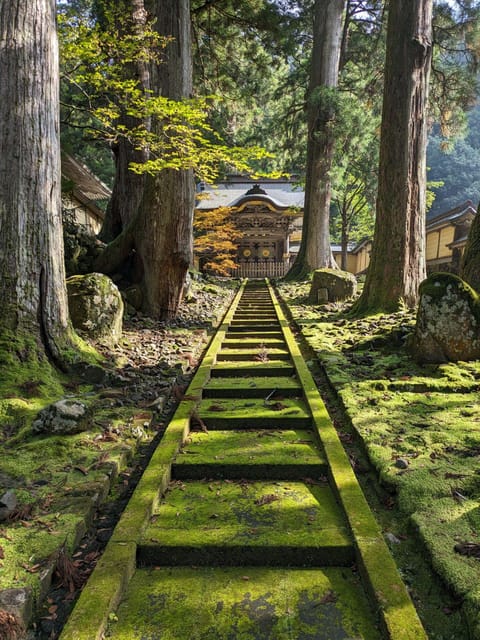
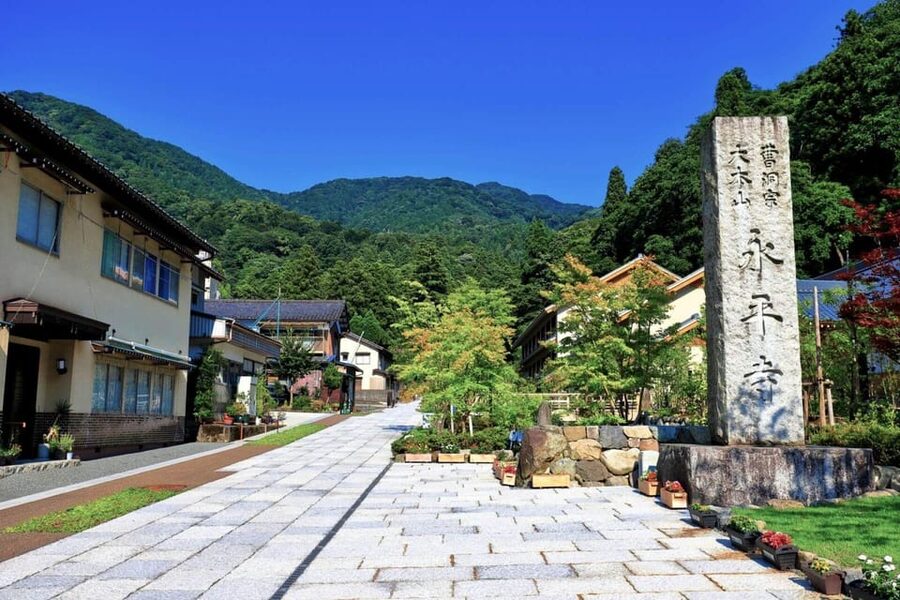
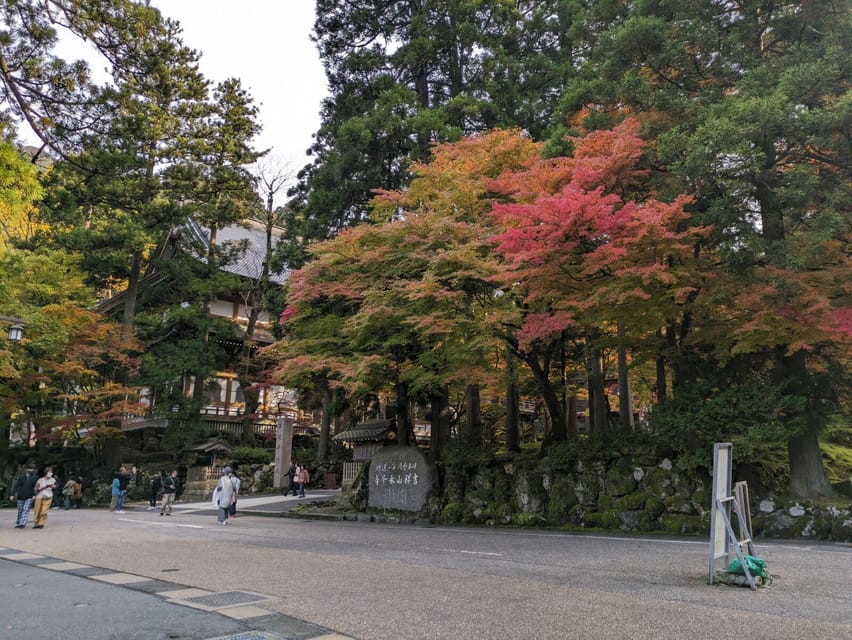
After lunch, a direct bus takes you to Eiheiji in about 30 minutes. The temple is one of the principal temples of the Zen Buddhist tradition and has existed since the 1200s. The buildings and cedar trees create a setting that feels far removed from Fukui’s station and government offices.
You have about 110 minutes at Eiheiji. That is enough to see the main complex, walk through its halls and grounds, and listen as your guide explains Zen Buddhism and the temple’s place in Japanese history. It is not enough to inspect every corner at a slow pace.
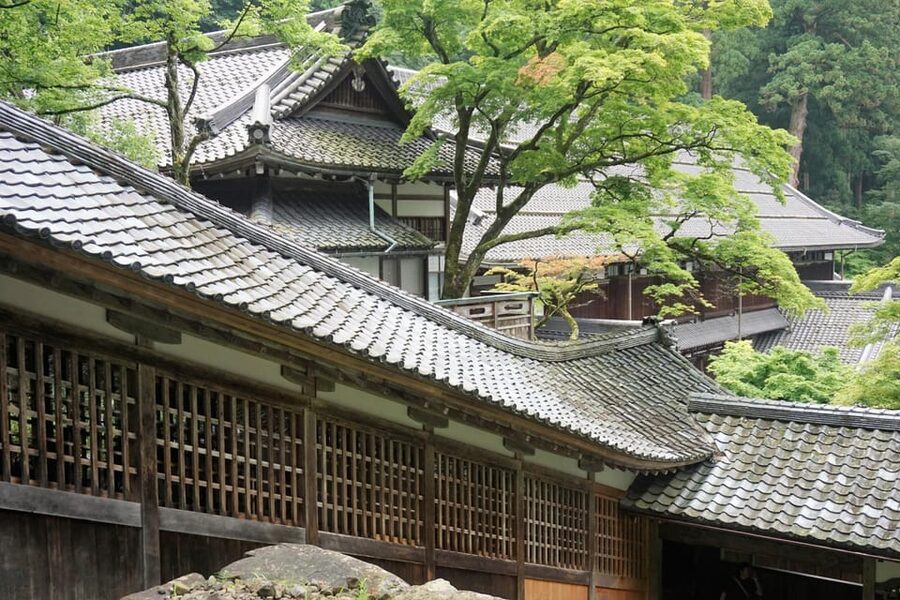
The setting is a major part of the appeal. Traditional architecture and tall cedar trees appear together from many angles. In winter, snow can make the temple especially quiet and atmospheric. In warmer weather, the trees and mountain surroundings remain the main visual draw.
You may also see novice monks carrying out their daily duties or monks at prayer. This matters because Eiheiji is not only a historic attraction. It remains a working religious center. You are seeing a living temple, not just old buildings arranged for display.
The tour does not promise a formal meditation session or a specific religious ceremony. What you do get is guided access to the temple’s history, architecture, and role in Zen practice. Your guide can also help you understand details that might otherwise seem mysterious, such as the relationship between the buildings and the rituals carried out within them.
One practical point: the return bus schedule can make the visit feel short. If Eiheiji becomes the main reason you booked, you may wish you had another hour. The tradeoff is that the organized return keeps the day moving and gets you back to Kanazawa at a reasonable time.
What the $143 price really covers
The price is not cheap, but it is easier to judge when you separate the costs. You are paying for an English-speaking guide, train travel connected with the Kanazawa and Fukui route, local buses, admission to Zuigenji, admission to Eiheiji, and guided visits throughout the day.
You are not paying for lunch or accommodation. Those exclusions are normal for a one-day sightseeing tour, but remember to add a meal to your budget.
I see the value in the transport alone. Fukui’s sights are spread across the city and outside it, with Eiheiji requiring a separate bus journey. Doing everything independently could cost less, but you would need to research the route, manage timing, and arrange the connections yourself.
The bigger value is the explanation at Zuigenji and Eiheiji. If you already know Fukui well and prefer to travel without a guide, you may not need this package. If you want the day to make sense rather than simply collect photographs, the price is fair.
Who will enjoy this day most
I would recommend this tour to you if you want a day beyond Kanazawa’s best-known sights. It works especially well for people interested in Japanese castles, Zen Buddhism, religious architecture, and local history.
It also suits anyone who prefers a clear plan. You change between train, walking routes, and buses several times, but the guide handles the sequence. The result is a broad day without the stress of working out each connection.
The pace may be demanding for anyone who dislikes stairs or long touring days. Atagozaka includes a climb, and Eiheiji involves considerable walking through a large temple complex. The schedule also leaves limited time for lingering at the most beautiful spots.
Families may enjoy the dinosaurs and the colorful cranes, while older visitors may appreciate the care shown by guides such as Mike and Garrett. One particularly useful quality is that the guides do more than recite facts. They can make the day feel relaxed and personal while still keeping to the schedule.
English is the tour language. If you need another language, this experience is not designed for that.
Practical details for a smoother day
Meet at Kanazawa Station at 8:30 in the morning, in front of the Information Center near the Shinkansen ticket gates, unless your booking option gives a different meeting point. The tour can also begin in Fukui Station, and drop-off options include both Fukui Station and Kanazawa Station.
Wear comfortable walking shoes. You will walk around the castle grounds, climb Atagozaka, and explore Eiheiji for nearly two hours. Bring enough money for lunch, and allow room in your day for changes because all activities depend on availability.
The return journey uses a direct bus from Eiheiji to Fukui, followed by the train to Kanazawa. The bus takes just under or around 30 minutes, and the train takes about 30 minutes. The expected arrival back in Kanazawa is around 6:00 in the evening.
Free cancellation is available up to 24 hours before departure, and you can reserve now while paying later. These terms help if your Japan plans are still shifting, but the key decision is whether you want a full, structured day rather than a slow independent visit.
Should you book the Fukui and Eiheiji tour?
Book it if you want to see the parts of Fukui that are difficult to link together on your own. The castle defenses, daimyo rooms, shrine cranes, hilltop view, and Eiheiji temple form a varied day with a clear story.
The strongest reason to go is the human detail at Zuigenji, especially the chance to hear from a Zen monk. The strongest visual reward is Eiheiji, with its old buildings and cedar-filled setting. The main caution is time. You may leave Eiheiji wishing you could stay longer.
At $143, this is best value for a first visit to Fukui, a visitor staying in Kanazawa, or anyone who wants an English-speaking guide to handle the transport and explain the religious sites. If you prefer unhurried temple time or want to explore Eiheiji in great detail, plan a separate visit instead.
FAQ
Where does the tour start?
The standard meeting point is Kanazawa Station at 8:30 in the morning, in front of the Information Center near the Shinkansen ticket gates. Some booking options may start at Fukui Station.
Can I join the tour in Fukui?
Yes. Fukui Station is listed as an alternative starting location.
How long is the tour?
It is a one-day experience. The expected return to Kanazawa is around 6:00 in the evening.
Is transportation included?
Yes. Transportation connected with the tour includes the train to and from Fukui Station from Kanazawa, the local Fukui bus, and buses between Fukui and Eiheiji.
Is lunch included?
No. Lunch is not included, and you have about one hour of free time in Fukui to arrange your own meal.
Is the tour conducted in English?
Yes. The live guide speaks English.
Are Eiheiji and Zuigenji admission fees included?
Yes. Entry to both Eiheiji Temple and Zuigenji Temple is included.
Will I meet a Buddhist monk?
A monk may speak with the group at Zuigenji, but this depends on availability. The tour includes a guided visit to the temple and its former castle rooms.
How much time is spent at Eiheiji?
The schedule allows about 110 minutes at Eiheiji, including guided time and free time.
Can I cancel for a full refund?
You can cancel up to 24 hours in advance for a full refund. The activity also offers a reserve now and pay later option.
Just added around Japan
- From Asakusa: Old Tokyo, Temples, Gardens and Pop Culture★ 5.0 · 47 reviews
- Private guided tour: Mt. Aso volcano, grasslands, Aso Shrine★ 5.0 · 19 reviews
- Goshuin Collecting tour at Asakusa Local Temples & Shrines, Tokyo★ 5.0 · 8 reviews
- Tokyo:Nikko UNESCO World Heritage Sites Private 1-Day Tour★ 3.8 · 6 reviews
- Tokyo Yokohama Night View Tour With Kamakura And Enoshima★ 3.5 · 14 reviews
- Tokyo: Snow Monkey Park and Zenkoji Temple Private Day Tour★ 4.7 · 127 reviews
- Tokyo War History Tour: Yasukuni Shrine & War Museum★ 4.5 · 6 reviews
- Tokyo to Nikko: Exclusive Private Day Trip★ 4.8 · 6 reviews
Japan Temple Tours, compared.
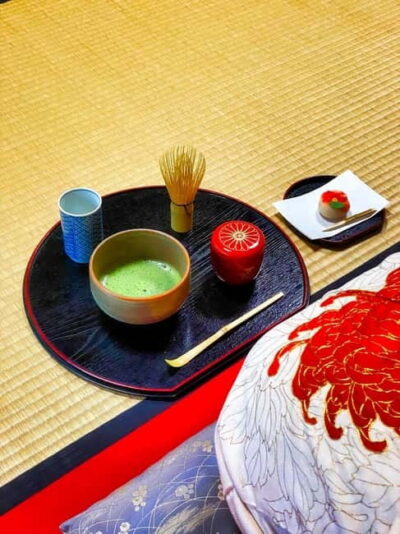
Tea Ceremony in a Traditional Tea House in Kiyomizu
Read our review →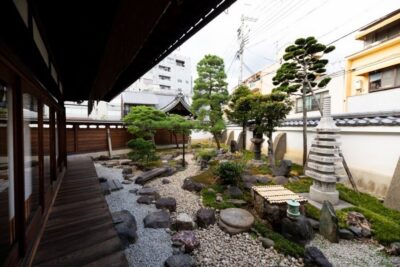
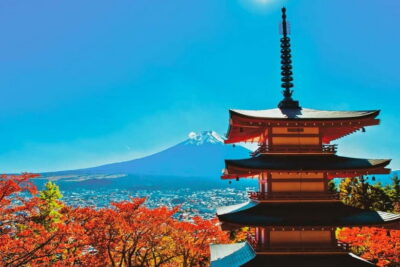
Mt.Fuji,Kawaguchiko Oishi Park,Arakurayama Sengen Park
Read our review →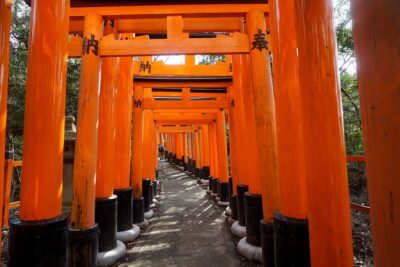
Fushimi Inari Hidden Hiking Tour (Private Option Available)
Read our review →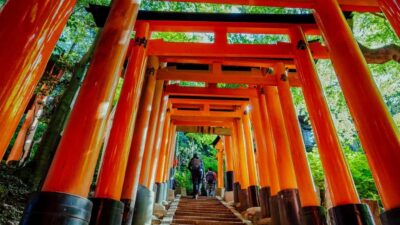
Osaka/Kyoto:Kinkakuji,Arashiyama,FushimiInariShrine,NaraPark
Read our review →
Asakusa Walking Tour with Sensoji Temple Visit
Read our review →
Kamakura & Enoshima Day Trip including Temple Tickets
Read our review →Browse the lists this tour appears in