
REVIEW · JAPAN TEMPLE TOURS
A trip to visit Ise Grand Shrine and experience Ama culture
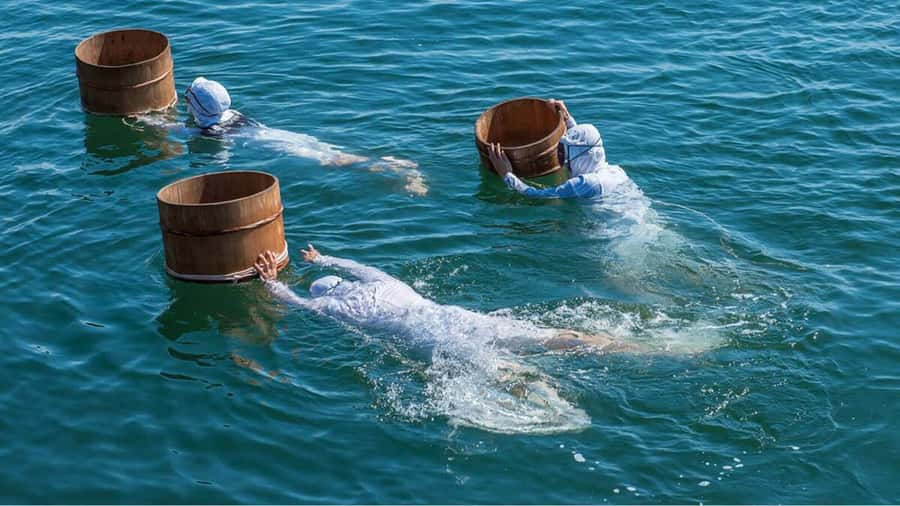
Ise Jingu and the women of the sea are the heart of this full-day outing. You move by private car between sacred forest, old shopping streets, a seafood meal, and the coastal world of the Ama, Japan’s traditional breath-hold sea harvesters. The day gives you two very different views of Mie: solemn Shinto custom and ordinary seaside life.
I like the mix of Ise Jingu and Okage Yokocho, which lets you pair Japan’s most important shrine with a walk through an old-style town. I also like the chance to eat seafood at an Ama hut and hear directly about a way of life that is now carried on by an aging generation.
The main caution is that Mikimoto Pearl Island can close, and the Ama program may change with the season. One booking also included an unexpected meal cost for the guide and an inconvenient return to a different station, so confirm the day’s plan, expenses, and drop-off point before you set out.
Key points to know before booking

- Ise Jingu is the day’s spiritual center: You visit one of Japan’s best-known Shinto sites with an English-speaking local guide.
- Okage Yokocho adds an easygoing counterpoint: Shop, snack, and walk through a recreated traditional town near the shrine.
- The Ama meal is more than lunch: At Hachiman Kamado, you can hear stories about sea harvesting while local seafood cooks over a grill.
- Ama programs can change: Mikimoto Pearl Island may be closed, and seasonal work such as wakame processing can replace the planned show.
- Kyohei is a useful local contact: He has personal experience as a sea harvester, while guide Emiko has been praised for clear explanations in English and German.
- Plan for extra costs: Food, admission, and transport fees are not included in the tour price.
Ise Jingu, Japan’s most important shrine visit
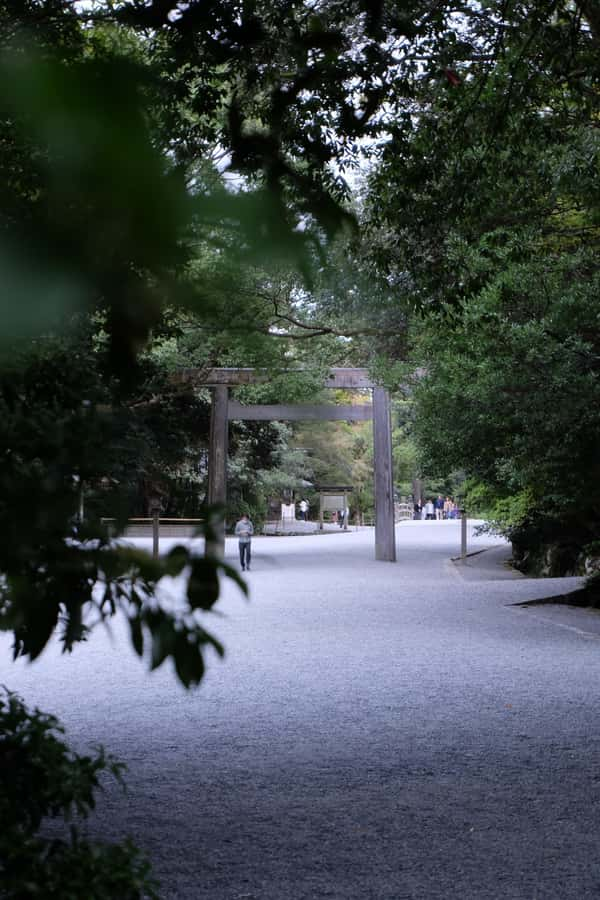
The day begins at 9:00 in Ise, Toba, or Shima, with the whole route handled by car. That matters here. The main stops are spread across the Ise-Shima area, and a private vehicle saves you from building a complicated day around local trains and buses.
Ise Jingu is not one single building. It is a large Shinto shrine complex with two principal areas, although the exact route and time spent at each site can be adjusted by your guide. The visit is less about checking off an architectural monument and more about observing how people approach a sacred place.
Expect a calm, formal setting. You will follow shrine customs, pass through wooded grounds, and learn about Shinto practices from your guide. Emiko has been praised for explaining religion and customs clearly in English and German, while Kyohei has guided visitors through the site in an approachable way.
I like this part of the day because it gives the rest of the outing a useful foundation. After you learn something about purification, prayer, and the role of Ise Jingu, the later visit to the Ama community feels less like a collection of tourist stops and more like a look at different parts of Japanese tradition.
The shrine can also be the busiest stop, so your guide’s pacing matters. A private tour gives you some control. You can ask for more explanation, pause when needed, or move on if your group has had enough. Families with young children have particularly valued that flexibility.
A few more temple visits around Japan worth a look
- Kyoto: Tea Ceremony Ju-An at Jotokuji Temple
★ 4.9 · 3,207 reviews - Tokyo: Asakusa Walking Tour with Sensoji Temple Visit
★ 4.8 · 1,583 reviews - Nikko: Kegon Falls, Lake Chuzenji & Toshogu Temple
★ 4.6 · 1,577 reviews
Okage Yokocho for food, shopping, and an old-town stroll
Near Ise Jingu, Okage Yokocho gives you a change of mood. Instead of quiet shrine grounds, you get traditional-looking streets lined with shops and places to eat. The program allows time to browse, snack, and walk without making the entire day a formal sightseeing lesson.
This is a good place to try local treats or buy small food souvenirs, but remember that shopping and snacks are your own expense. The stop works best when you treat it as breathing room between major visits rather than expecting a long guided tour of every shop.
Your guide can help you decide how much time to spend here. If you are traveling with children, it may be the easiest place to let the group wander at a slower pace. If you are focused on shrines and coastal culture, you can keep the visit short.
I like Okage Yokocho because it connects Ise Jingu to daily life. You see how a major religious site is supported by food, shops, and local traditions. It is also a practical place to pick up something to eat if your group needs a small snack before the seafood meal.
Hachiman Kamado and the Ama way of eating
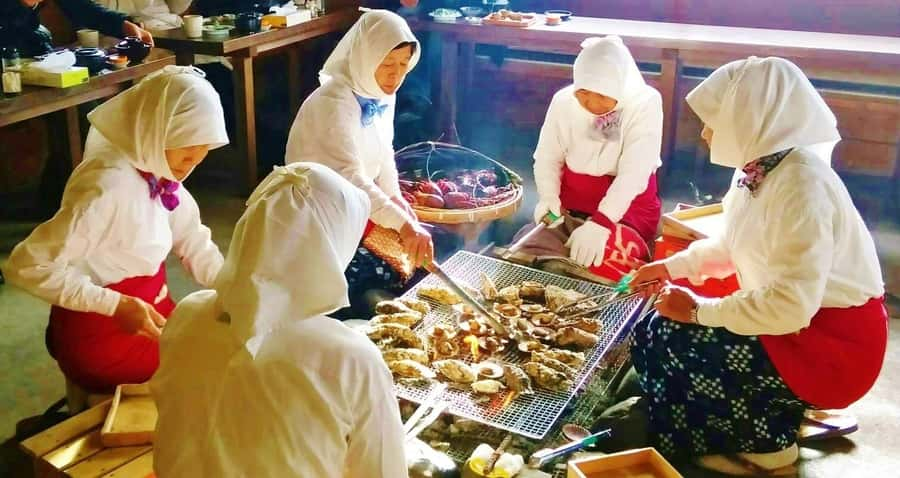
The most distinctive meal is planned at Hachiman Kamado, an Ama hut restaurant. These huts are tied to the coastal work of Ama women, who traditionally collect seafood through breath-hold harvesting without modern scuba equipment. The meal is designed to include local seafood cooked over a grill, with stories about the women and their work.
The setting matters as much as the food. You are not simply ordering seafood in an ordinary restaurant. You are eating in a place connected to a living coastal culture, while hearing about the work from people associated with it.
Still, keep your expectations precise. One person found that the meal took place at a restaurant run by an Ama woman rather than inside a traditional hut. Another had a meal at a real Ama hut and found it especially meaningful. The exact setting can vary, so ask your guide to confirm where lunch will be held.
There is also an important cost issue. Food and drinks are not included, and one booking resulted in the participant paying for the guide’s lunch as well. That may be local practice or a misunderstanding, but you should ask in advance: what will your meal cost, and is the guide’s meal included in the tour fee or paid separately?
The meal can be a highlight, especially if you enjoy food with a strong sense of place. It is less suitable if you need a quick, predictable lunch or do not eat seafood. The supplied information does not list substitute menus, so ask before booking if dietary needs matter to you.
Meeting the last generation of Ama workers
The Ama story is one of the strongest reasons to choose this experience. These women have worked in the sea for generations, collecting seafood through breath control and local knowledge. The day presents their work as a real community tradition, not simply a staged cultural display.
One especially striking detail is the age of some active Ama workers. A visitor described women still working at close to 80 years old and called them the last generation. That gives the meal and demonstration a bittersweet edge. You are not looking at a custom guaranteed to continue unchanged.
The activity is also personal because Kyohei has experience as a local sea harvester, collecting abalone and sea cucumber. That does not make him a specialist lecturer, but it can give conversations a direct, practical quality. You can ask about the work, the coast, and the changing future of the trade.
The guide match matters here. Kyohei has been described as punctual, funny, reliable, and attentive, even during very hot weather. Emiko has been praised for her language skills and for explaining Shinto practice. If you want detailed English interpretation, ask who will guide your group and what language support will be available.
Same country, a different morning at the gates:
- Kyoto: Tea Ceremony in a Traditional Tea House in Kiyomizu
★ 4.9 · 3,519 reviews - Tokyo:Mt.Fuji,Kawaguchiko Oishi Park,Arakurayama Sengen Park
★ 4.4 · 2,682 reviews - Fushimi Inari Hidden Hiking Tour (Private Option Available)
★ 5.0 · 1,750 reviews - Osaka/Kyoto:Kinkakuji,Arashiyama,FushimiInariShrine,NaraPark
★ 4.1 · 1,596 reviews
Mikimoto Pearl Island and the traditional Ama show
The planned afternoon stop is Mikimoto Pearl Island in Toba. The island visit connects Ama culture with Japan’s pearl industry and includes a traditional Ama demonstration. You may also learn about pearls and the coastal communities that made the area famous.
This is a useful pairing with the morning shrine visit. Ise Jingu represents formal religious tradition, while the pearl island and Ama program focus on work, food, and the sea. The two subjects are different, but together they create a fuller picture of the region.
Do not treat the demonstration as guaranteed without checking the date. One December booking found the island closed, and the guide had not confirmed that before the tour. That is a serious weakness because the Ama show is one of the central advertised activities.
Seasonal changes can also be worthwhile. During wakame season, one group replaced the Ama show with a visit to fishermen processing wakame algae. The participants spoke with people in the village and helped with the work. That is a less polished attraction, but it may offer a more direct look at coastal life.
If the island is open, you should expect a scheduled cultural presentation rather than an opportunity to watch an unscripted workday. If it is closed or seasonal conditions change the plan, your guide should explain the replacement clearly and help you decide how to use the available time.
A private car makes the long day easier
The advertised schedule runs from 9:00 to 17:00, giving you about eight hours on the ground. The tour information also refers to a private tour lasting nine hours, so confirm the exact duration when you book. The difference may reflect pickup time or local transport, but you should not assume the day ends at the same hour for every group.
Pickup can be arranged from accommodation in Ise, with additional charges outside Ise City. Meeting points in Ise, Toba, and Shima are also possible. The tour is conducted by car, and transport fees used during the day are not included, so ask for a clear estimate before paying.
A private group is a major advantage if you are traveling as a family or with several relatives. One large family group with toddlers received help from Kyohei and his colleagues, who adjusted the day to suit them. You can also ask to change the order or slow the pace, rather than following a fixed bus schedule.
The main transport warning is the final drop-off. One person was not returned to the original pickup point and was instead left at a distant train station, creating a 90-minute trip back. That is not a small inconvenience after a full day. Confirm the exact end point in writing, especially if you have a train reservation.
The tour is not suitable for wheelchair users. The day includes walking at the shrine and in Okage Yokocho, and the program does not promise step-free access.
What the tour costs you beyond the booking fee
No tour price is provided here, so value depends on the quote you receive and the size of your group. The private guide, car-based routing, pickup option, and local interpretation can be useful in an area where several major stops are spread out.
You must budget separately for food and drinks, admission fees, and transport used during the day. Ask whether the guide’s lunch is covered. Also ask if Mikimoto Pearl Island admission is included, since the information specifically lists admission as extra.
The value is strongest for a small private group that wants local context and does not want to plan every transfer. It is weaker if you mainly want a low-cost shrine visit, since you can visit Ise Jingu without paying for a full day of coastal sightseeing.
I would also ask these questions before booking:
- Is Mikimoto Pearl Island open on my date?
- Will the traditional Ama show run?
- If it does not, what replaces it?
- Where exactly will lunch take place?
- What will lunch cost, including the guide’s meal?
- What is the final drop-off location?
- Which guide will lead the day?
Clear answers will prevent the two biggest surprises: a missing main activity and an unexpected return journey.
Who will enjoy this Ise-Shima day most?
This outing suits you if you want more than a shrine visit. It combines spiritual customs, old-town strolling, local seafood, and the story of the Ama in one private day.
It is a particularly good fit for families, couples, and small groups that value flexibility. The guides have adjusted the pace for toddlers, changed activities for seasonal work, and offered local restaurant suggestions for longer stays in Ise-Shima.
You should also choose it if you care about meeting local people and learning how a regional tradition fits into modern Japan. The Ama portion has real human weight because the working generation is getting older.
You may want a different plan if your top priority is a guaranteed Ama demonstration, a fixed restaurant setting, or a low-cost itinerary with no extra fees. You should also reconsider if wheelchair access is essential.
Should you book this private Ise and Ama tour?
Book it if you want an easy, personal route through Ise-Shima and you are comfortable with some flexibility. The best version of the day gives you Ise Jingu, Okage Yokocho, a seafood meal linked to Ama culture, and a coastal visit led by a local guide with personal ties to the area.
Before booking, verify the island opening date, the Ama program, meal arrangements, all admission and transport costs, and the exact drop-off point. If those details are settled, this can be a thoughtful way to connect Ise’s sacred traditions with the working culture of its coast. If they are not, you may still have a good day, but it may not match the plan you expected.
FAQ
Where does the tour start and finish?
You can meet in Ise City, Toba City, or Shima City at 9:00. Pickup from accommodation is available, with additional charges outside Ise City. The tour ends around 17:00, but confirm the precise drop-off point because it may not always be the original pickup location.
How long does the tour last?
The schedule runs from 9:00 to 17:00, which is about eight hours. The tour information also describes the private tour as lasting nine hours, so confirm the exact timing when booking.
Is transportation included?
The tour is conducted by car, but fees for transportation used during the day are not included. Pickup service from accommodation is included in principle, with additional charges outside Ise City.
Is lunch included?
No. Food and drinks are not included. Lunch is planned at Hachiman Kamado or another Ama-related restaurant, but you should confirm the location and ask whether you must also pay for the guide’s meal.
Is the Ama show at Mikimoto Pearl Island guaranteed?
No. The island may be closed, and the program can change with seasonal conditions. One alternative has been watching fishermen process wakame algae and helping with that work.
Is the tour accessible for wheelchair users?
No. The activity is listed as unsuitable for wheelchair users and includes walking at the shrine and through Okage Yokocho.
Can I cancel or pay later?
You can cancel up to 24 hours in advance for a full refund. A reserve-now, pay-later option is also available.
Just added around Japan
- From Asakusa: Old Tokyo, Temples, Gardens and Pop Culture★ 5.0 · 47 reviews
- Private guided tour: Mt. Aso volcano, grasslands, Aso Shrine★ 5.0 · 19 reviews
- Goshuin Collecting tour at Asakusa Local Temples & Shrines, Tokyo★ 5.0 · 8 reviews
- Tokyo:Nikko UNESCO World Heritage Sites Private 1-Day Tour★ 3.8 · 6 reviews
- Tokyo Yokohama Night View Tour With Kamakura And Enoshima★ 3.5 · 14 reviews
- Tokyo: Snow Monkey Park and Zenkoji Temple Private Day Tour★ 4.7 · 127 reviews
- Tokyo War History Tour: Yasukuni Shrine & War Museum★ 4.5 · 6 reviews
- Tokyo to Nikko: Exclusive Private Day Trip★ 4.8 · 6 reviews
Japan Temple Tours, compared.
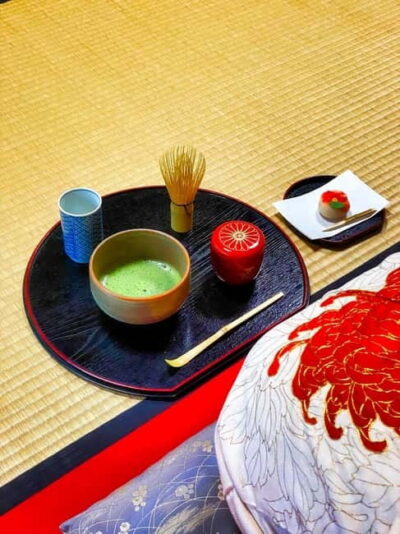
Tea Ceremony in a Traditional Tea House in Kiyomizu
Read our review →
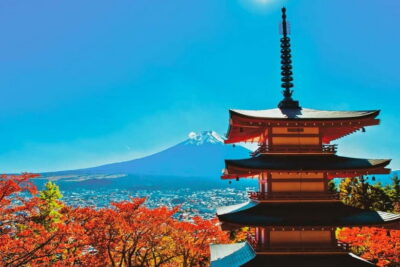
Mt.Fuji,Kawaguchiko Oishi Park,Arakurayama Sengen Park
Read our review →
Fushimi Inari Hidden Hiking Tour (Private Option Available)
Read our review →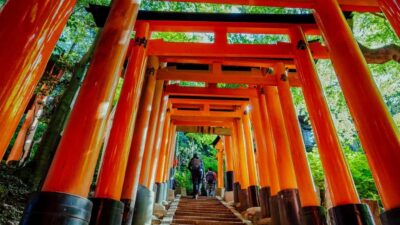
Osaka/Kyoto:Kinkakuji,Arashiyama,FushimiInariShrine,NaraPark
Read our review →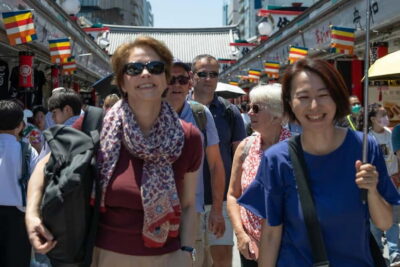
Asakusa Walking Tour with Sensoji Temple Visit
Read our review →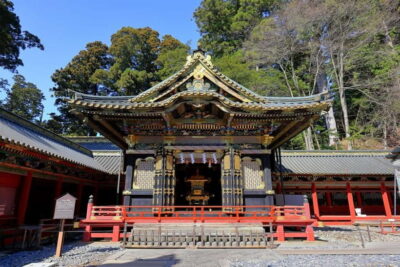
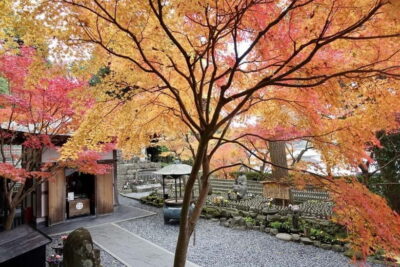
Kamakura & Enoshima Day Trip including Temple Tickets
Read our review →Browse the lists this tour appears in