
REVIEW · AZERBAIJAN TEMPLE TOURS
Baku: Gobustan, Mud Volcano, Fire Temple & Burning Mountain
A field of bubbling mud, a hillside that burns without a campfire, and rock carvings made thousands of years ago give this trip its unusual appeal. You move from ancient art to oil history and Zoroastrian fire worship in one long day outside Baku. I especially like the mix of natural oddities and major sights, and the chance to see places that are hard to combine by taxi.
I also like that the 1846 mechanically drilled oil well and Bibi-Heybat Mosque add useful context to the better-known fire sites. Guides such as Javid have been praised for clear explanations, language skills, and careful attention to the group. The main caution is timing: traffic, road conditions, and a late lunch can push the day well past the advertised six to seven hours.
Key points at a glance
- Ancient Gobustan carvings: See rock art said to be more than 20,000 years old, with about an hour for the site.
- Mud volcanoes by 4×4: The half-hour visit explains why Azerbaijan has more mud volcanoes than any other country.
- Fire and faith: Ateshgah Fire Temple and Yanardag show two very different sides of Azerbaijan’s fire tradition.
- Baku’s oil story: Stop at the world’s first mechanically drilled oil well, dated to 1846.
- Useful mosque stop: Bibi-Heybat offers a short look at one of Baku’s key Islamic monuments.
- Flexible pricing: The $27 base rate may not include lunch or entrance fees, so compare packages before booking.
Why this unusual Baku day trip works
Many day trips from Baku focus on one theme. This one links several: prehistoric rock art, geology, Islamic architecture, oil production, and fire worship. That variety is the main reason to choose it.
You start with a pickup from your Baku hotel or selected meeting point. Transport is by air-conditioned vehicle, and private transfers are available. A private group option also gives you more control over the pace, though the supplied price is not necessarily the price of a private departure.
The route reaches sites around 40 to 60 minutes from Baku, but the full day is not simply driving out and back. You should expect several stops, short walks, guided explanations, and time on the road between the Absheron sites.
The tour is listed as six to seven hours. I would keep your evening open. One recent schedule began at 9am and did not return until around 6pm, with lunch as late as 3pm. That does not make the trip a bad choice, but it does make it a poor fit for a fixed evening reservation.
A few more temple visits around Baku worth a look
- Baku: Gobustan, Mud Volcano, Fire Mount, Temple Lunch Entry
★ 4.9 · 3,246 reviews - Baku: Gobustan, Volcanoes, Fire Temple and Yanardag Day Trip
★ 4.7 · 433 reviews - Gobustan & Mud, Fire Temple, Burning Mountain (Group & Private)
★ 4.5 · 418 reviews
Gobustan’s stone record of early life
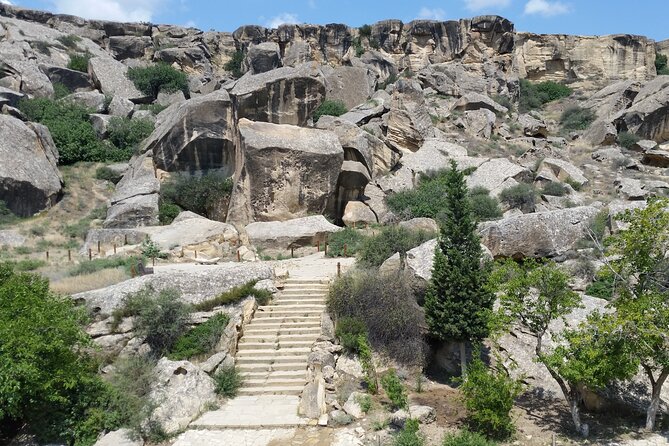
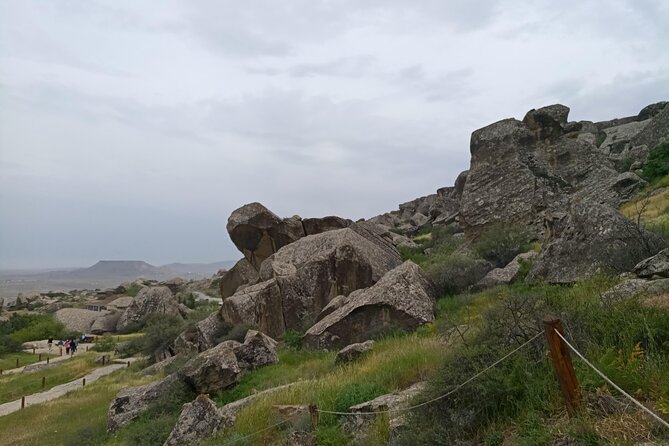
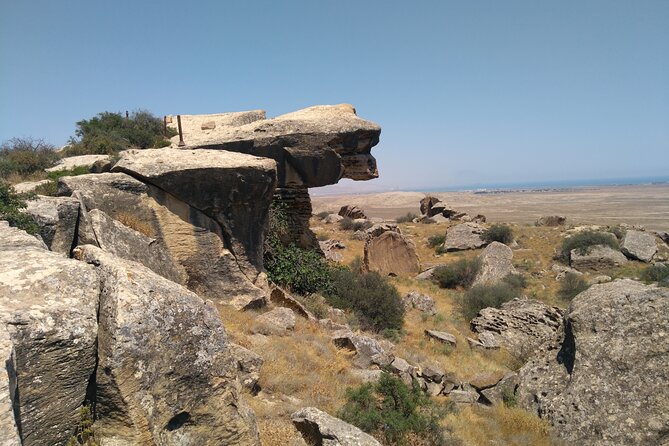
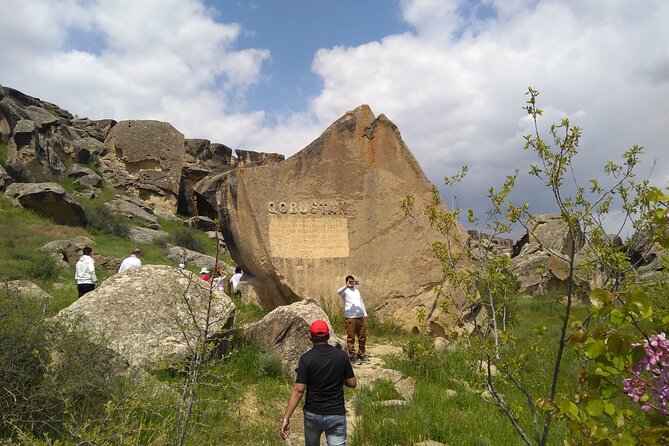
Gobustan Rock Art Cultural Landscape is the most historically important stop. You get about an hour here, enough for a guided visit and photographs without turning the day into a long museum-style tour.
The carvings show people, animals, boats, and scenes connected with early life. They are often dated to more than 20,000 years ago, giving you a direct link to people who lived in this dry part of present-day Azerbaijan long before Baku became an oil city.
I like this stop because the drawings are not presented in isolation. They help you picture how people used the area, moved across it, and recorded what mattered to them. Your guide’s explanation is useful here, since the marks can be easy to overlook if you only walk past them and take photographs.
The visit is outdoors, so wear comfortable shoes and clothes. The time at Gobustan is guided, but it is still a fairly short stop. If you want a long, slow archaeological visit, you may find the schedule brisk.
Mud volcanoes and the rough road beyond Gobustan
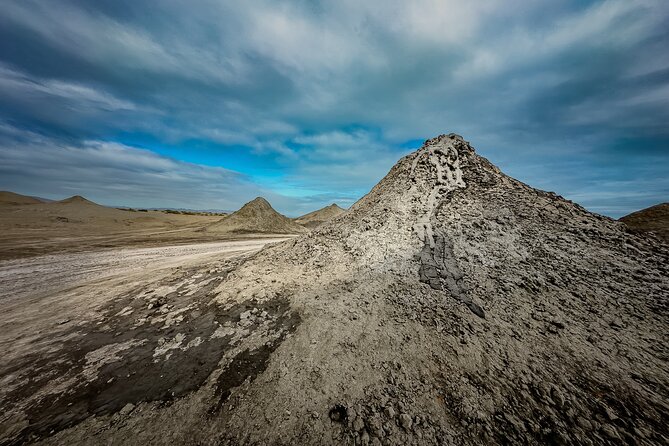
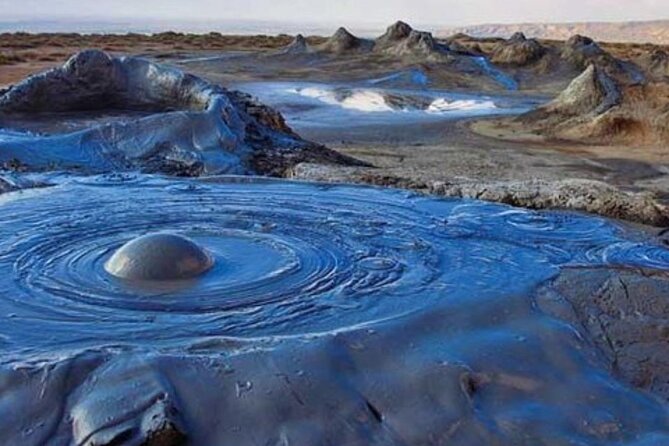
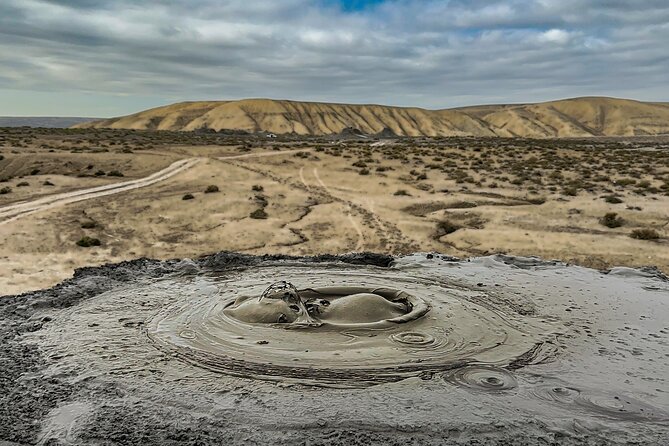
Azerbaijan is known for having more mud volcanoes than any other country, and this tour takes you to the Gobustan area to see them. The volcanoes are not fiery cones like those in a classic volcanic park. They are mounds that release mud, gases, and other material from below the ground.
The guide explains how they form, then gives you about 30 minutes for the visit. The sight is strange and memorable: gray mud, small bubbling openings, and a broad, bare setting. You are looking at geology in action, but on a small scale.
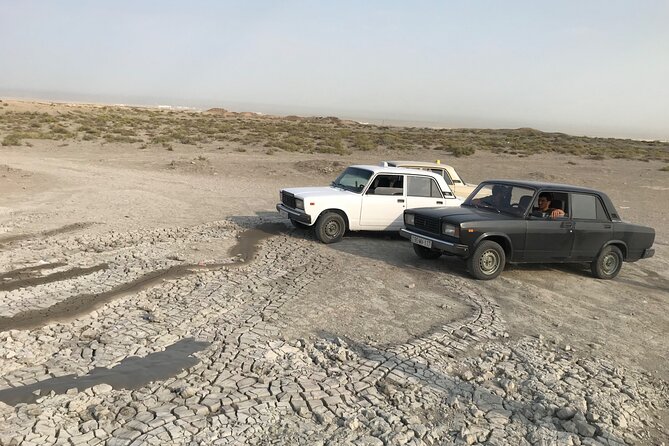
A 4×4 charge is included in the listed package details. That matters because access to the mud volcanoes can require a rougher vehicle than the main tour car. Ask at booking if your selected option includes this cost, especially if several package choices appear on the booking page.
This is one of the places where practical footwear matters most. You should also bring cash, as requested in the tour information. The site is not a polished attraction with long indoor facilities, so keep your expectations focused on the unusual natural setting rather than comfort or extensive visitor services.
Bibi-Heybat Mosque in a compact 15-minute stop
Bibi-Heybat Mosque is a short stop, listed at about 15 minutes. That is enough for photographs and a guided introduction, but not enough for a slow architectural visit or extended time inside.
The mosque is an important Islamic monument in Baku and gives the day a needed change of mood. After the open rock carvings and muddy volcanic cones, you move into a religious and architectural setting tied to the city’s Muslim identity.
The brief timing means you should treat this as an orientation stop. If religious buildings are a major reason for your trip, you may want to return to Bibi-Heybat separately. On this route, its value is in showing how Azerbaijan’s story is not limited to fire, oil, and ancient ruins.
Dress comfortably and respectfully for a religious site. The supplied information does not set out a detailed dress code, so simple, modest clothing is the sensible choice.
Same country, a different morning at the gates:
- Gobustan-Mud Volcan-Fire Temple and Mountain Tour/Entrance inc
★ 5.0 · 267 reviews - Baku:Gobustan Mud Volcanoes Temple & Entry tickets included
★ 4.8 · 178 reviews - Baku: Gobustan/Absheron guided tour with lunch and tickets
★ 4.8 · 158 reviews - Gobustan, Mud volcanoes, Fire temple, Fire mountain PRIVATE TOUR
★ 5.0 · 47 reviews
The 1846 oil well and Baku’s industrial past
The stop at the world’s first mechanically drilled oil well, dated to 1846, adds a strong link to Baku’s modern history. It is easy to think of Azerbaijan only in terms of old fire worship, but oil changed the region and helped shape Baku’s growth.
This stop is brief compared with Gobustan and Ateshgah, yet it helps connect the rest of the route. Natural gas and mud are part of the geology here, while oil turned that underground wealth into an industry with worldwide importance.
I consider this one of the most useful details on the trip because it gives you a clearer sense of why Baku became such an important city. The site may appeal most to anyone interested in engineering, energy, or the story behind Baku’s rapid development.
The supplied schedule does not give a separate visit length for the well, so expect an explanatory stop rather than a long museum visit. Your guide’s commentary will make the difference.
Ateshgah Fire Temple and the meaning of eternal flame
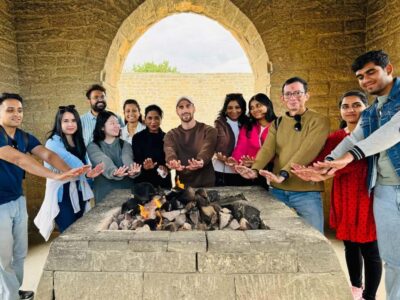
Atesgah Fire Temple is the main cultural stop for many people. The site is linked with fire worship and is often associated with Zoroastrian traditions, though the complex also reflects the movement of people and beliefs across the region.
You have about 45 minutes here. That gives you time to look around the temple complex, hear the explanation, and take photographs. The central idea is easy to understand: natural gas from below the ground once fed flames that appeared to burn continuously.
The modern presentation of an eternal flame may not look exactly as you expect. The original natural gas supply is no longer the sole source of the displayed fire, but the connection between the site, underground gas, and religious practice remains the reason it matters.
This is where a good English-speaking guide is especially helpful. Javid, named in the tour feedback, has been praised for speaking several languages and for taking care of practical needs as well as explaining the sites. Other guide experiences have been less positive, so guide quality may vary by departure.
The entrance fee is included only with the relevant package. If you buy the basic option, the listed combined ticket for Ateshgah Fire Temple and Yanardag is 15 AZN.
Yanardag, the burning hillside
Yanardag Reserve, also called Burning Mountain, is a different kind of fire site. Instead of a temple complex, you see flames rising from a hillside where underground gas reaches the surface.
The visit is listed at about 30 minutes and includes the village of Mammadli. The stop is easy to understand at a glance, but the guide’s explanation gives it more meaning. This is not a campfire or a temporary display. It is a natural gas phenomenon tied to the geology of the Absheron Peninsula.
Yanardag is likely to be one of the most memorable photographs of the day, especially if you have never seen a hillside burn. Still, it is a compact visit. Do not expect a large park or hours of walking.
The fire site and Ateshgah work well together because they show two responses to the same underground forces. At Ateshgah, fire became part of religious practice. At Yanardag, it remains a raw natural sight.
A final look at the Heydar Aliyev Cultural Center
The day ends with an outside stop at the Heydar Aliyev Cultural Center before you return to your hotel. The building is known for its flowing, curved design, which contrasts sharply with the older stone, brick, and religious architecture seen earlier.
The information provided describes this as a stop outside, so plan on photographs rather than an interior museum visit. It is a convenient final view of modern Baku, especially after a day spent outside the city.
This last stop also helps frame the whole route. You begin with prehistoric marks in stone and finish with a bold contemporary building. The contrast is one of the better features of the schedule.
What the $27 price really includes
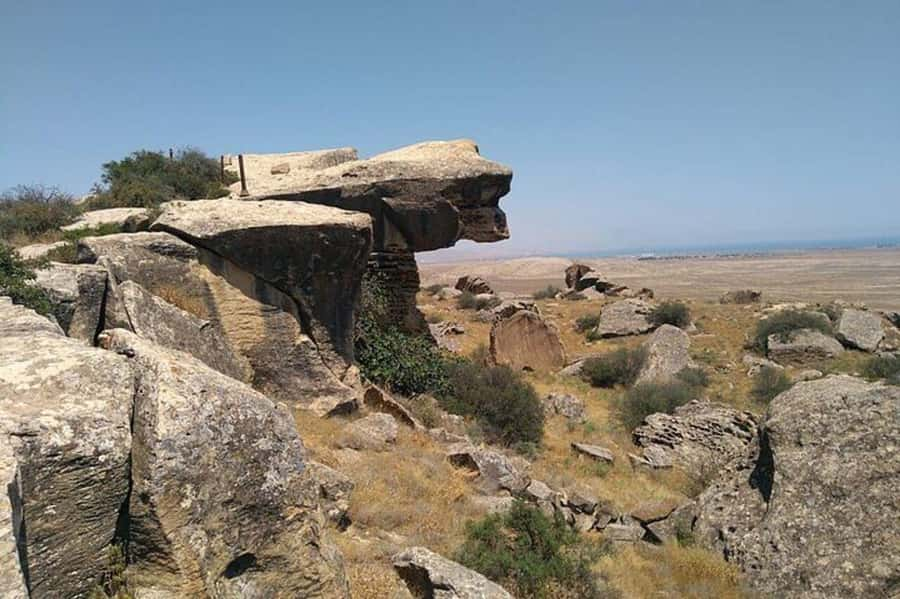
At $27 per person, the base price is attractive for an air-conditioned vehicle, hotel pickup when selected, and an English-speaking driver or guide. It can be a good value if you want to cover several distant sites without arranging separate transport.
The price needs careful checking, though. Lunch and entrance tickets are included only when you select the all-inclusive package. The basic option may leave you paying separately for:
- Gobustan entry, listed as 10 AZN
- The Ateshgah and Yanardag combination ticket, listed as 15 AZN
- Lunch
- Any package-specific transport charges, although the 4×4 charge is listed as included
One practical point deserves attention: paying entry fees on site may cost less than choosing the ticket-inclusive option, according to one detailed booking experience. That is useful only if you can reach cash easily. If you want the simplest day, the all-inclusive option may be worth the extra cost even if it is not the cheapest choice.
Because lunch can come late, bring a small snack if you need regular meals. The tour information specifically advises bringing cash, comfortable shoes, and comfortable clothes.
Guide quality, transport, and the long day
The strongest guide feedback centers on clear explanations, kindness, multilingual ability, and good driving. Javid received particular praise for being multilingual, informative, and attentive to everyone’s needs. Another guide was praised for handling the roads well.
That said, the experience may not be identical on every departure. One booking described poor English, limited explanation, heavy traffic, and a return much later than expected. I would treat the guide assignment as an important part of the experience, not a minor detail.
Transport is practical rather than luxurious. An air-conditioned vehicle is included, and private cars or private groups can be arranged. The private option may suit you if you want more control, but the supplied details do not state its exact price or whether every entry item is included.
The route is suitable for most ages, and the tour information says children enjoy it. It is not considered suitable for people over 70, likely because of the long day, outdoor walking, uneven areas, and time spent getting between stops. The supplied information does not describe wheelchair access, so ask before booking if mobility is a concern.
Who should book this experience?
I would choose this tour if you have limited time in Baku and want a broad introduction to the area beyond the city center. It works particularly well for first-time visitors who want ancient carvings, geology, fire sites, religious architecture, and oil history in one outing.
Families may like the mud volcanoes and burning hillside because both are easy to explain and visually unusual. People interested in archaeology, earth science, religion, or energy history will get more from the stops than someone looking for a relaxed scenic drive.
I would hesitate if you need a tightly timed day, dislike sitting in traffic, or want long visits at each site. The schedule covers a lot, so each stop has a clear limit. You are sampling the Absheron region, not studying each place in depth.
Free cancellation up to 24 hours before departure and reserve-now, pay-later booking make the plan easier to adjust. Pickup is optional, so check the meeting point and selected transport before you pay.
Should you book it?
Book this tour if you value variety and convenience more than a slow pace. At the base price, it offers a strong spread of sights, but you must compare the ticket and lunch options and allow more time than the headline six to seven hours may suggest.
The best version of the day is guided by someone like Javid, who can connect the sites and keep the group moving without losing the story. If your departure has a less confident guide or runs into traffic, the long transfers become more noticeable.
My advice is simple: choose the all-inclusive package if you want fewer cash stops, bring water and a snack, wear sturdy shoes, and keep your evening free. For a first look at the strange, ancient, fiery, and industrial sides of Azerbaijan, this is a worthwhile day out from Baku.
FAQ
How long does the tour take?
The stated duration is six to seven hours. You should allow extra time, as one reported departure from 9am returned around 6pm because of traffic and a late lunch.
What language is the tour conducted in?
The live tour guide language is English. English-speaking driver and guide options are provided.
Does the tour include hotel pickup?
Pickup is optional and depends on the selected option. Private transfers are also available.
Is lunch included?
Lunch is included only if you select the all-inclusive package. It is not included with every option.
Are entrance tickets included?
Entry tickets are included with the all-inclusive package. If you choose another option, Gobustan is listed at 10 AZN, and the Ateshgah Fire Temple and Yanardag combination ticket is listed at 15 AZN.
Is the 4×4 ride to the mud volcanoes included?
The tour information says the 4×4 charge for the Mud Volcanoes is included. Check your selected package if several options are available.
What should I bring?
Bring comfortable shoes, comfortable clothing, and cash. A snack may also be useful because lunch can be late.
Is the tour suitable for children?
The activity information says it is suitable for all ages and that children enjoy it.
Is the tour suitable for people over 70?
The tour is listed as not suitable for people over 70.
Can I book a private group?
Yes. A private group and private car option are available, though the exact price depends on the selected option.
Just added around Baku
- Qobustan rock arts, Mud Volcanoes, Fire temple Ateshgah, Yanardag★ 5.0 · 30 reviews
- Gobustan, Mud volcanoes, Fire temple, Fire mountain GROUP TOUR★ 4.5 · 19 reviews
- Gobustan, Mud Volcano, Burning Mountain and Fire Temple Tour★ 5.0 · 12 reviews
- Gobustan, Mud volcanoes, Fire temple, Fire mountain PRIVATE TOUR★ 5.0 · 47 reviews
- Gobustan, Mud volcanoes, Fire temple, Fire mountain PRIVATE TOUR★ 5.0 · 28 reviews
- Baku: Gobustan, Mud Volcano, Fire Temple & Burning Mountain★ 4.0 · 9 reviews
- Fire Temple and Fire Mountain Tour★ 5.0 · 22 reviews
- Ateshgah Fire Temple & Yanar Dag mountain (Group & Private)★ 4.5 · 7 reviews
Azerbaijan Temple Tours, compared.
Gobustan, Mud Volcano, Fire Mount, Temple Lunch Entry
Read our review →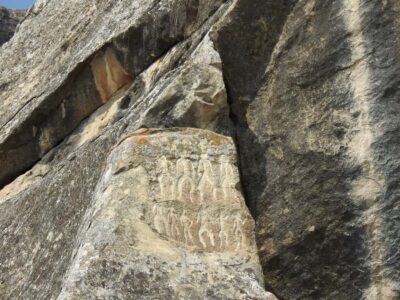
Gobustan, Volcanoes, Fire Temple and Yanardag Day Trip
Read our review →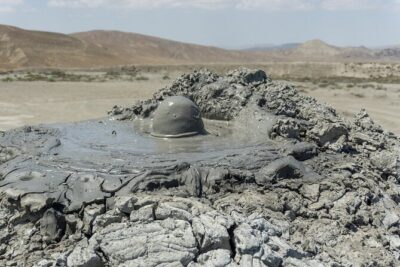
Gobustan & Mud, Fire Temple, Burning Mountain (Group & Private)
Read our review →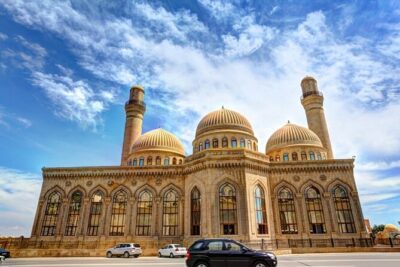
Gobustan-Mud Volcan-Fire Temple and Mountain Tour/Entrance inc
Read our review →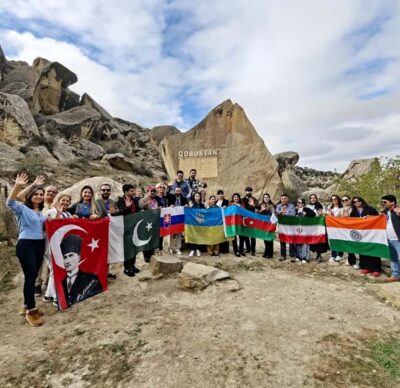
Gobustan Mud Volcanoes Temple & Entry tickets included
Read our review →
Gobustan/Absheron guided tour with lunch and tickets
Read our review →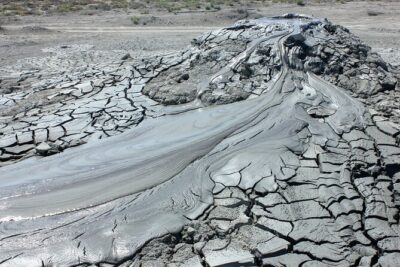
Gobustan, Mud volcanoes, Fire temple, Fire mountain PRIVATE TOUR
Read our review →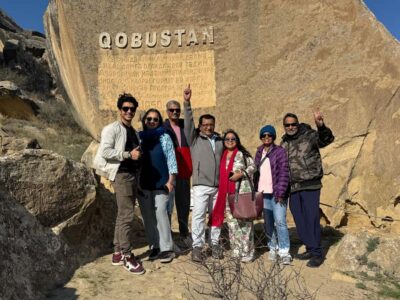
Gobustan & Mud, Fire Temple, Burning Mountain, H.A. Center
Read our review →Browse the lists this tour appears in