
REVIEW · AZERBAIJAN TEMPLE TOURS
Gobustan, Mud volcanoes, Fire temple, Fire mountain GROUP TOUR
Gobustan’s bubbling mud volcanoes and ancient rock carvings make this one of the more unusual day trips from Baku. In one long outing, you move from prehistoric art to Zoroastrian fire worship and finally to a natural gas flame burning on a hillside.
I like the wide mix of sights and the convenience of air-conditioned transport between them. I also like the small-group format, capped at 20 people, since it gives you a better chance to hear the guide and ask questions than a large coach tour.
The main thing to watch is the extra cost. The advertised price is $59, but admission fees add about $23, and lunch is on your own. The day also lasts roughly nine hours, so this is a full schedule rather than a relaxed half-day outing.
Key points to know before booking
- Gobustan combines a museum with an open-air archaeological site, giving you context before you see the carvings.
- Azerbaijan has about 350 of the world’s roughly 800 mud volcanoes, and this tour takes you close to active craters.
- Ateshgah Fire Temple connects Persian, Indian, Hindu, and Zoroastrian traditions through its inscriptions and displays.
- Yanar Dag is a natural gas fire, not a staged attraction, and has burned on the Absheron Peninsula since ancient times.
- The $59 fare does not cover admission or lunch, so budget about $23 more for tickets plus your midday meal.
- Pickup begins around 9:30 AM, with return to Baku at the end of the day.
Why this four-stop day trip works
Baku is a modern city, but the most striking sights around it are elemental: stone, mud, wind, fire, and old religious traditions. This tour gives you a useful sample of that side of Azerbaijan without requiring you to arrange several separate trips.
You spend about two hours at Gobustan, one hour at the mud volcanoes, one hour at Ateshgah, and about 40 minutes at Yanar Dag. There is also an hour for lunch in the city center before the second part of the day begins.
That structure makes sense geographically and culturally. Gobustan and the mud volcanoes introduce Azerbaijan’s ancient natural setting. Ateshgah and Yanar Dag then shift the focus to fire worship and the unusual natural gas deposits of the Absheron Peninsula.
The trade-off is pace. You get four major stops, but none receives a leisurely, open-ended visit. If you like seeing a lot in one day, that is a strength. If you prefer long museum visits or quiet time at each site, the schedule may feel tight.
A few more temple visits around Baku worth a look
- Baku: Gobustan, Mud Volcano, Fire Mount, Temple Lunch Entry
★ 4.9 · 3,246 reviews - Baku: Gobustan, Volcanoes, Fire Temple and Yanardag Day Trip
★ 4.7 · 433 reviews - Gobustan & Mud, Fire Temple, Burning Mountain (Group & Private)
★ 4.5 · 418 reviews
Gobustan begins with 20,000 years of human history
The first major stop is the Gobustan Rock Art Museum, where touch screens and 3D panoramas help explain how people lived in the region as far back as 5,000 to 20,000 years ago. The displays cover the area’s natural setting, population, cultural development, and archaeological work.
This museum matters because the rock carvings make more sense once you know what you are looking at. You can see exhibits dating from roughly the fourth to second millennia BC, along with tools and other historical material connected to the area.
I like this two-part approach. You do not simply walk up to a wall of stones and try to guess what the markings mean. The indoor section gives you a basic framework before your guide takes you to the open-air site.
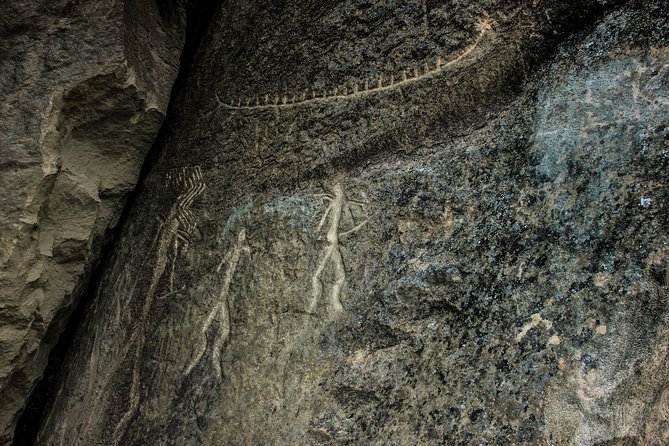
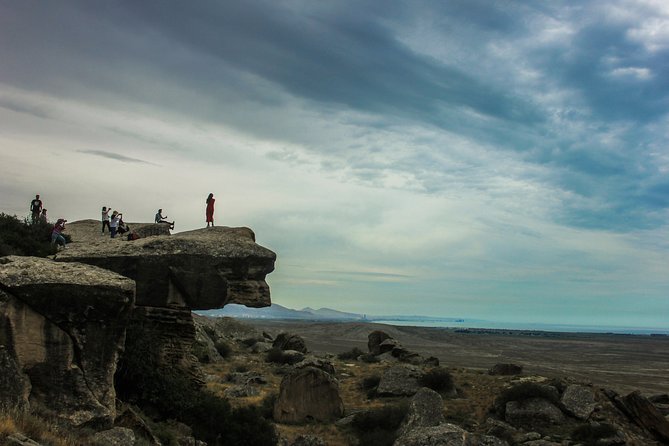
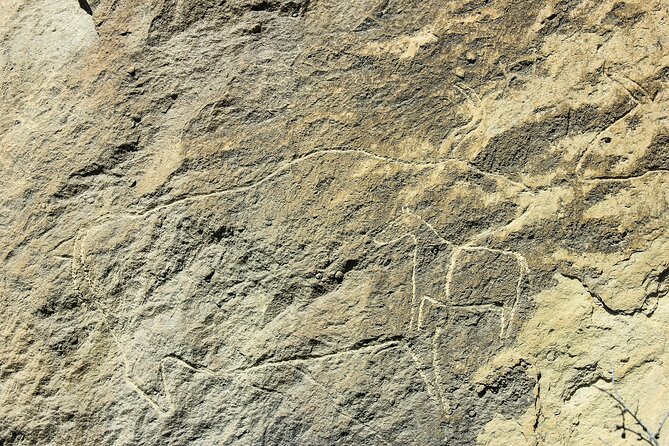
After the museum, you visit the Gobustan rocks. The petroglyphs record people, animals, daily activities, and symbols from a very different age. The outdoor portion is the more memorable part for many people, but it also requires attention to your footing and surroundings. The tour description does not promise a long hike, so expect a site visit rather than a full-day walk.
Gobustan is recognized as a UNESCO World Heritage Site, which adds weight to the stop, but the real appeal is personal and visual. You are looking at marks cut into stone by people who lived thousands of years ago. That direct connection is more powerful than a modern reconstruction.
Admission is not included in the tour price. Since the total ticket fees are listed at about $23 for the day’s attractions, keep that amount separate from the $59 booking price.
Mud volcanoes bring you close to bubbling earth
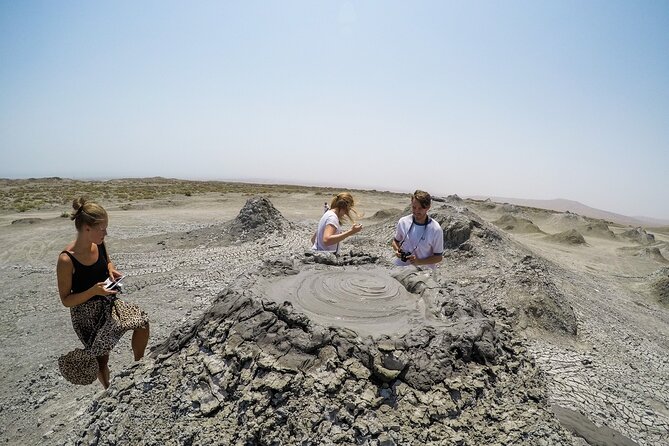
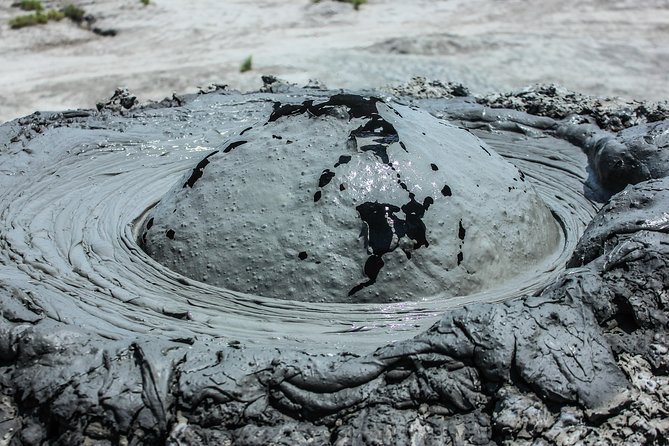
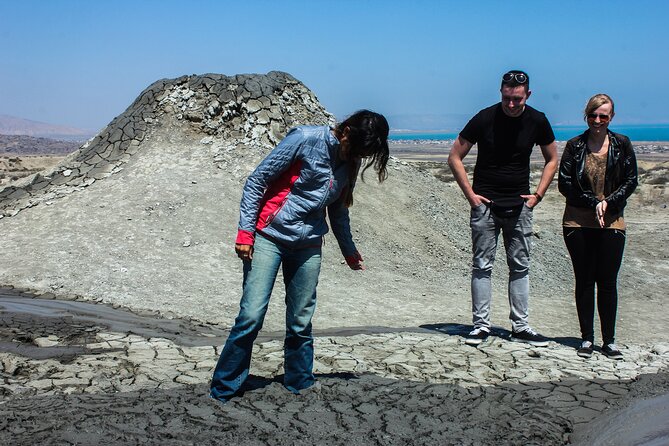
The mud volcano stop offers one of the tour’s strangest sights. Azerbaijan has around 350 of the world’s estimated 800 mud volcanoes, making the country the leading location for these formations by number.
These are not ordinary volcanoes filled with red-hot lava. They push mud, clay, gases, and water toward the surface. The result can look quiet at first, then suddenly bubble and burp from a crater.
Your guide takes you to active mud volcanoes, where you can climb and look into the craters at close range. That proximity is the appeal, but it also means you should listen carefully to the guide and stay within the permitted area.
The mud has practical uses as well as visual interest. Volcanic clay and mud are used in chemical and construction industries, and they are also associated with treatments for skin, nervous system, and rheumatic conditions. The tour provides this context, but you should not treat the outing as a medical experience or assume that mud application is part of the visit.
The setting can be rougher than the polished attractions in Baku. This is an outdoor stop built around active earth, not a formal museum. Conditions may feel basic, and good weather is required for the tour to operate. Wear shoes suitable for uneven ground, though the supplied information does not specify a dress code or exact walking distance.
The lunch break divides the long day
Before the final two stops, you get an hour for lunch in Baku city center. Lunch is not included, so you choose and pay for your own meal.
This pause is useful. By this point, you have already spent time outside the city at Gobustan and the mud volcanoes, and a proper break keeps the afternoon from becoming a blur. You should still think of it as a practical stop rather than a planned food tour, since no restaurant or meal is specified.
The hour also gives you a chance to reset before visiting Ateshgah and Yanar Dag. If you have dietary needs, the tour information does not provide a set menu or restaurant details, so it is sensible to confirm the lunch arrangement with the operator before departure.
Same country, a different morning at the gates:
- Gobustan-Mud Volcan-Fire Temple and Mountain Tour/Entrance inc
★ 5.0 · 267 reviews - Baku:Gobustan Mud Volcanoes Temple & Entry tickets included
★ 4.8 · 178 reviews - Baku: Gobustan/Absheron guided tour with lunch and tickets
★ 4.8 · 158 reviews - Gobustan, Mud volcanoes, Fire temple, Fire mountain PRIVATE TOUR
★ 5.0 · 47 reviews
Ateshgah explains Azerbaijan’s sacred fires
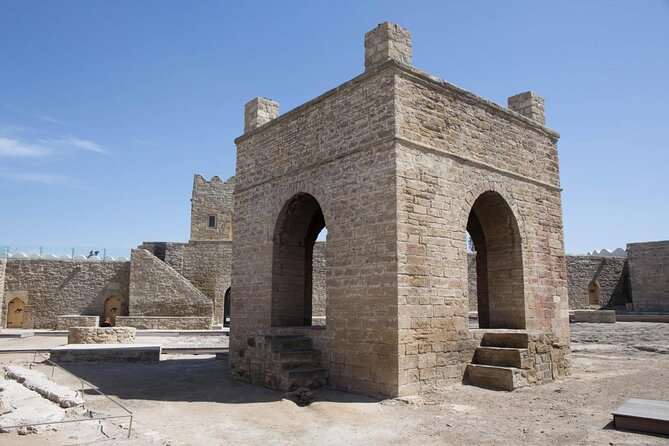
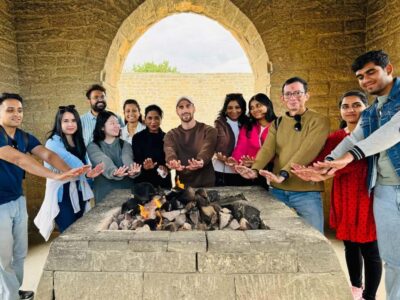
Ateshgah, often called the Fire Temple of Baku, is the cultural heart of the afternoon. Based on Persian and Indian inscriptions, the site served as a place of Hindu and Zoroastrian worship. Its earliest recorded mention dates to the seventh century AD.
The complex includes cells used by fire worshippers and displays of objects found during archaeological work. You can see cookware, stone slabs with inscriptions, and clothing elements. These details help you picture the people who lived and worshipped at the site, rather than treating the temple as a single photogenic courtyard.
I find Ateshgah especially useful for understanding why fire matters so much in Azerbaijani culture. The country’s name is often linked with fire, and the temple gives you a place to connect religious practice, trade routes, and natural gas sources.
The site also resists a simple label. It is not presented as belonging to just one modern religious tradition. Persian and Indian connections, along with Hindu and Zoroastrian use, are part of its story. A good guide can help you keep those layers separate and explain what is known from the inscriptions and archaeological material.
You spend about an hour here. That is enough to see the cells, examine the exhibits, and listen to an explanation, but not enough for an extended historical study. If religious history interests you, pay close attention during the guide’s talk and ask questions while the group is together.
Yanar Dag ends the day with a real flame
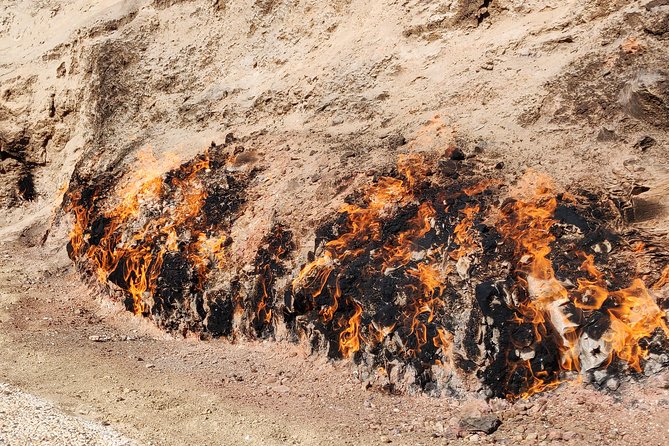
The final stop is Yanar Dag, meaning Burning Mountain. Here, natural gas escapes from a hillside on the Absheron Peninsula and burns continuously. The flame has been present since ancient times, making it a fitting final stop after the Fire Temple.
Yanar Dag is simple in concept but visually effective. You are not looking at a reconstructed fire altar or a museum display. You are watching gas emerge from the ground and burn along the hillside.
The visit lasts about 40 minutes, which should give you time to see the flames, take photographs, and hear the explanation. The site also has a religious connection. Pilgrims from Iran and India still come to visit the sacred burning mountain.
Do not expect a huge mountain on fire. The attraction is a natural gas flame on a hillside, and its appeal comes from the contrast between an ordinary-looking slope and the fire that never seems to go out. Your guide’s explanation adds meaning to what might otherwise be a brief photo stop.
Yanar Dag is a strong ending because it ties the day’s main ideas together. Gobustan showed how people recorded life in stone. Ateshgah showed how fire became part of worship. Yanar Dag shows the natural force that helped inspire those beliefs.
What the $59 price really covers
At $59 per person, this is a reasonable way to combine four attractions in one day, especially if you value hotel-area pickup, a guide, and air-conditioned transport. Organizing Gobustan, the mud volcanoes, Ateshgah, and Yanar Dag independently would require more planning and several separate transport arrangements.
Still, you should not treat $59 as the final cost. Admission fees are listed at about $23, and lunch is extra. That puts the known cost at roughly $82 before food.
The price includes an accredited tour guide and an air-conditioned vehicle. It does not include the site tickets or midday meal. Since the tour lasts around nine hours, the value depends on how much you want to see in one outing. You pay for coverage and convenience more than for long stays at individual sites.
The group can include up to 20 people. That is small enough to be manageable, though it is not a private tour. The smaller format should help with hearing the guide and keeping the day organized, but the experience will still depend on the group moving on time.
Guide quality matters on this particular route
This tour covers archaeology, geology, religion, and natural phenomena. A guide who can explain all four subjects clearly adds real value. You are not just being driven from one entrance to the next.
The supplied information identifies the guide as accredited but does not provide a guide’s name. Ask for the name and confirm the pickup details when you book if that matters to you.
One poor account described an inexperienced guide who gave little information and appeared to sleep during part of the drive. The operator disputed that report, saying it may have been posted under the wrong company and that no matching booking was found. I would not use that single complaint to dismiss the tour, but it does point to a practical issue: guide quality can shape this experience more than the attractions themselves.
You should expect the guide to explain Gobustan’s archaeology, the mud volcanoes, the temple’s religious background, and Yanar Dag’s natural gas. If you want a highly detailed specialist tour, ask about the guide’s experience before departure. If you mainly want transport and a broad introduction, the included guiding should suit you.
Timing, pickup, and what to bring
The tour starts at about 9:30 AM and ends with drop-off in Baku. The listed meeting point is on the road to Nizami Badalan School, while the end point is at Fountain Square. The tour also says pickup is available from locations within Baku, so confirm your exact pickup point rather than assuming the listed start location applies to you.
You spend most of the day moving between outdoor and indoor sites. Gobustan and the mud volcanoes require time outside, while Ateshgah and Yanar Dag are also site visits rather than purely vehicle-based stops.
I would bring:
- Comfortable shoes for the Gobustan rocks and mud volcano area
- Water and sun protection for the outdoor portions
- Extra money for the approximately $23 in admissions and lunch
- A phone with the mobile ticket available
- A little flexibility, since the schedule includes several stops and a required minimum number of participants
The tour requires good weather. If poor weather forces cancellation, you are offered another date or a full refund. If the minimum group size is not reached, you are offered another date or experience, or a full refund.
You can cancel for a full refund up to 24 hours before the start time. Changes or cancellations made less than 24 hours before departure are not accepted for a refund.
Who should book this Baku excursion?
I would choose this tour if you have one full day available and want a broad introduction to the sights outside central Baku. It suits first-time visitors who want archaeology, geology, religion, and natural fire in one organized trip.
It is also a good fit if you prefer not to arrange several taxi rides or negotiate transport to remote sites. The air-conditioned vehicle and city pickup make the day easier, especially when the weather is warm.
You may want a different plan if you dislike fixed schedules, want to spend hours at Gobustan alone, or prefer a private guide. A group of up to 20 people cannot offer the same flexibility as a custom outing.
Should you book the Gobustan and fire sites tour?
Book it if you want to see Azerbaijan’s most distinctive nearby sights in a single day and are comfortable with the extra admission and lunch costs. The combination of ancient rock art, bubbling mud, a fire temple, and a natural gas flame is hard to match with a standard city tour.
Go in with realistic expectations. This is a full nine-hour sightseeing circuit, not a slow cultural walk. Confirm your pickup location, budget roughly $82 before lunch, and ask who will guide the group. With those details clear, the tour offers a practical and unusual introduction to the world beyond Baku.
FAQ
How long does the tour last?
The tour lasts approximately nine hours, including the four sightseeing stops and an hour-long lunch break.
What time does the tour start?
The scheduled start time is 9:30 AM.
Where does the tour begin?
The listed starting point is NizamiBadalan mektebin yolu, Aşurlu 1009, Azerbaijan. Pickup from locations within Baku is also mentioned, so confirm your exact meeting place.
Where does the tour end?
The listed ending point is Fountain Square in Baku.
Is transportation included?
Yes. The tour includes an air-conditioned vehicle.
Is a guide included?
Yes. An accredited tour guide is included.
Are admission tickets included in the $59 price?
No. Admission fees are not included. The listed ticket cost is about $23.
Is lunch included?
No. Lunch is not included. You receive an hour-long lunch break in Baku city center.
How large can the group be?
The tour can have a maximum of 20 participants.
What happens if bad weather cancels the tour?
If poor weather causes cancellation, you are offered a different date or a full refund.
Just added around Baku
- Qobustan rock arts, Mud Volcanoes, Fire temple Ateshgah, Yanardag★ 5.0 · 30 reviews
- Gobustan, Mud Volcano, Burning Mountain and Fire Temple Tour★ 5.0 · 12 reviews
- Gobustan, Mud volcanoes, Fire temple, Fire mountain PRIVATE TOUR★ 5.0 · 47 reviews
- Gobustan, Mud volcanoes, Fire temple, Fire mountain PRIVATE TOUR★ 5.0 · 28 reviews
- Baku: Gobustan, Mud Volcano, Fire Temple & Burning Mountain★ 4.0 · 9 reviews
- Fire Temple and Fire Mountain Tour★ 5.0 · 22 reviews
- Ateshgah Fire Temple & Yanar Dag mountain (Group & Private)★ 4.5 · 7 reviews
- Ateshgah Fire Temple and Yanardag Fire Mountain Private Tour★ 5.0 · 6 reviews
Azerbaijan Temple Tours, compared.
Gobustan, Mud Volcano, Fire Mount, Temple Lunch Entry
Read our review →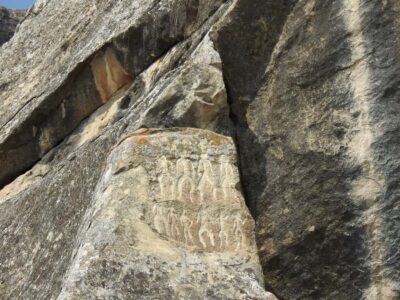
Gobustan, Volcanoes, Fire Temple and Yanardag Day Trip
Read our review →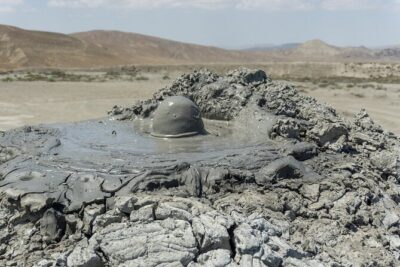
Gobustan & Mud, Fire Temple, Burning Mountain (Group & Private)
Read our review →
Gobustan-Mud Volcan-Fire Temple and Mountain Tour/Entrance inc
Read our review →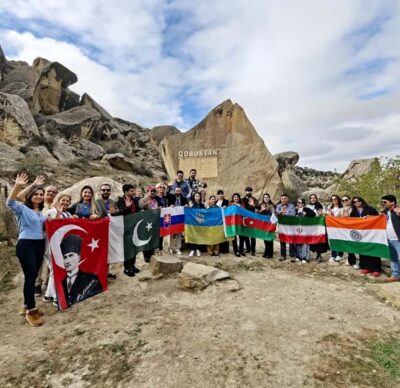
Gobustan Mud Volcanoes Temple & Entry tickets included
Read our review →
Gobustan/Absheron guided tour with lunch and tickets
Read our review →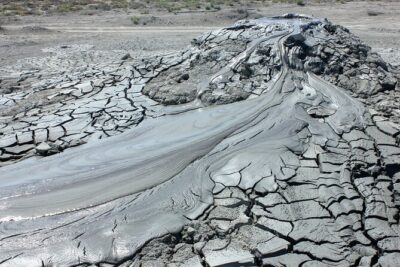
Gobustan, Mud volcanoes, Fire temple, Fire mountain PRIVATE TOUR
Read our review →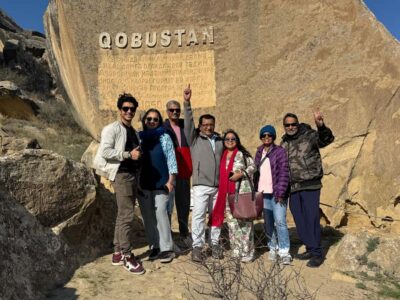
Gobustan & Mud, Fire Temple, Burning Mountain, H.A. Center
Read our review →Browse the lists this tour appears in