
REVIEW · AZERBAIJAN TEMPLE TOURS
Baku: Gobustan, Mud Volcano, Fire Mount, Temple Lunch Entry
A day around Baku can take you from ancient rock carvings to mud bubbling out of the ground, then on to natural flames burning from a hillside. The strongest part of this tour is that Gobustan and its mud volcanoes offer two very different kinds of wonder in one outing: human marks left thousands of years ago, and geology still working today.
I like the clear mix of culture and nature, and I like the guides’ role in making the sites meaningful. Names such as Nabat, Yashar, Islam, Mehri, Rza, and Azay appear often in the feedback, with praise for their history lessons, language skills, and care for the group. The drawback is a packed day, with a touristy lunch stop possible and extra entry costs unless you choose the ticket-included option.
Key points to know before you book
- Gobustan combines ancient rock art with a rough off-road ride to the mud volcanoes.
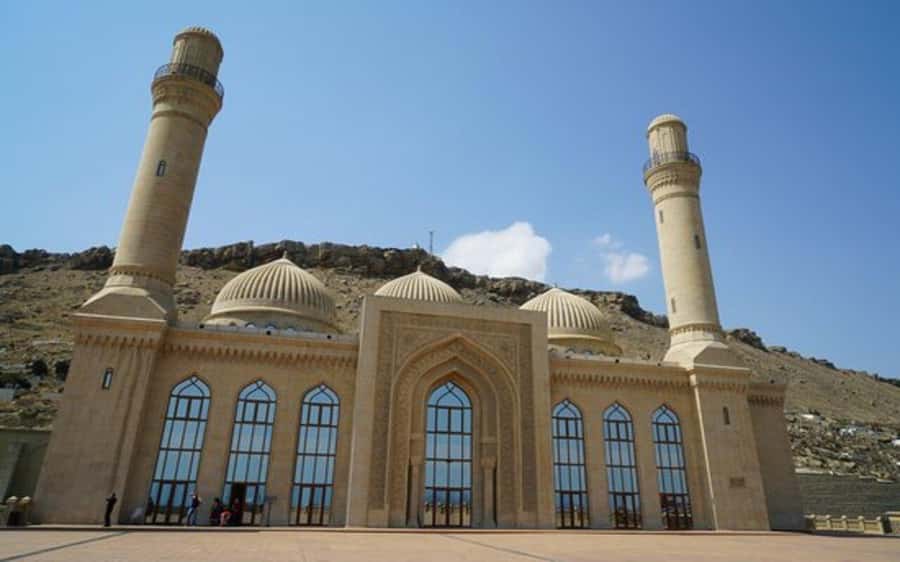
- Bibiheybat Mosque adds a peaceful religious and architectural stop before the wilder sites.
- Ateshgah Fire Temple and Yanar Dag explain Azerbaijan’s old fire traditions and natural gas flames.
- The 30 AZN mud-volcano vehicle charge is paid in cash, even if other tickets are not included.
- Heydar Aliyev Centre is an exterior photo stop only, not an indoor visit.
- The ticket-included option gives you a complimentary Baku city tour, adding value if you have extra time.
Why this makes a strong day outside Baku
This is not one polished attraction with a single theme. It is a long sampler of Absheron and Gobustan, two areas that show very different sides of Azerbaijan.
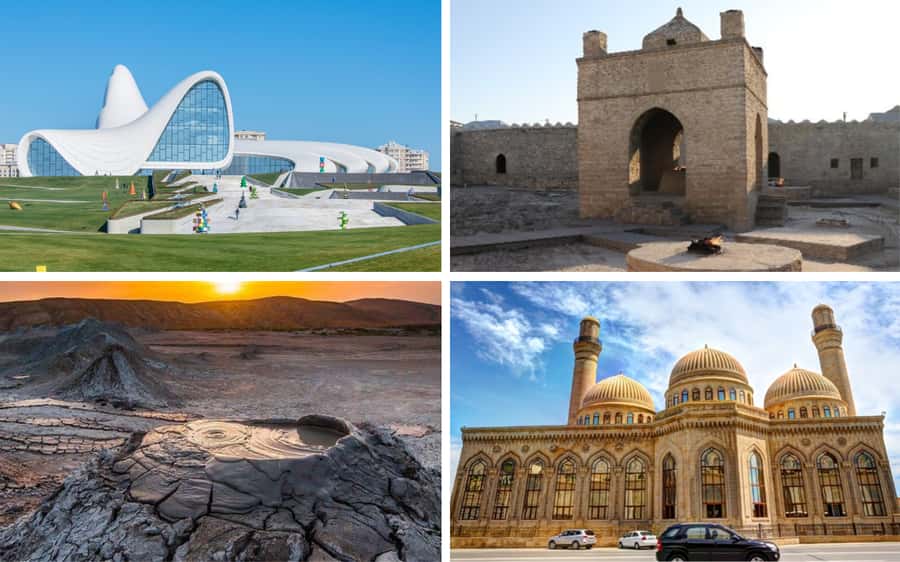
You start with faith and architecture at Bibiheybat Mosque. Then the road heads toward the dry, open country around Gobustan, where rock carvings record hunting, dancing, boats, and daily life from the distant past. Nearby mud volcanoes provide the day’s most unusual natural sight.
The return route turns to fire. Ateshgah recalls the religious importance of natural flames, while Yanar Dag gives you the real thing: gas-fed fire licking across a hillside. The day ends with the smooth white curves of the Heydar Aliyev Centre, a modern counterpoint to the ancient carvings and historic mosque.
I would choose this tour if you have only a short stay in Baku and want to see several major sights without arranging separate taxis, drivers, and tickets. It is less suitable if you want long, quiet visits at each place. The itinerary covers a lot.
More Trips with Lunch in Baku:
- Baku: Gobustan/Absheron guided tour with lunch and tickets
★ 4.8 · 158 reviews - Teotihuacan, Guadalupe Shrine & Tlatelolco Day Tour with Lunch
★ 5.0 · 11,603 reviews - From Bangkok: Ayutthaya Temples Guided Tour with Lunch
★ 4.7 · 10,535 reviews
Bibiheybat Mosque sets a calm tone
Bibiheybat Mosque is usually the first meaningful stop. Its appeal is not only the building itself. It is also the chance to begin with Azerbaijan’s religious traditions before moving into the archaeological and natural sites.
The mosque gives you a more settled start to the day. You can look at its architecture, learn about its place in local religious life, and take in the setting before the tour becomes more rugged. Guides such as Nabat, Yashar, and Islam have been praised for explaining cultural and religious subjects in a way that works for first-time visitors.
Dress respectfully for the mosque. Comfortable clothing and covered shoulders and knees are sensible choices, even though the exact visit arrangements can vary. Your guide can explain what is appropriate on the day.
This stop is shorter than Gobustan, but do not treat it as filler. It helps connect the modern city with the older traditions that shaped the region.
Gobustan’s rock carvings reward careful looking
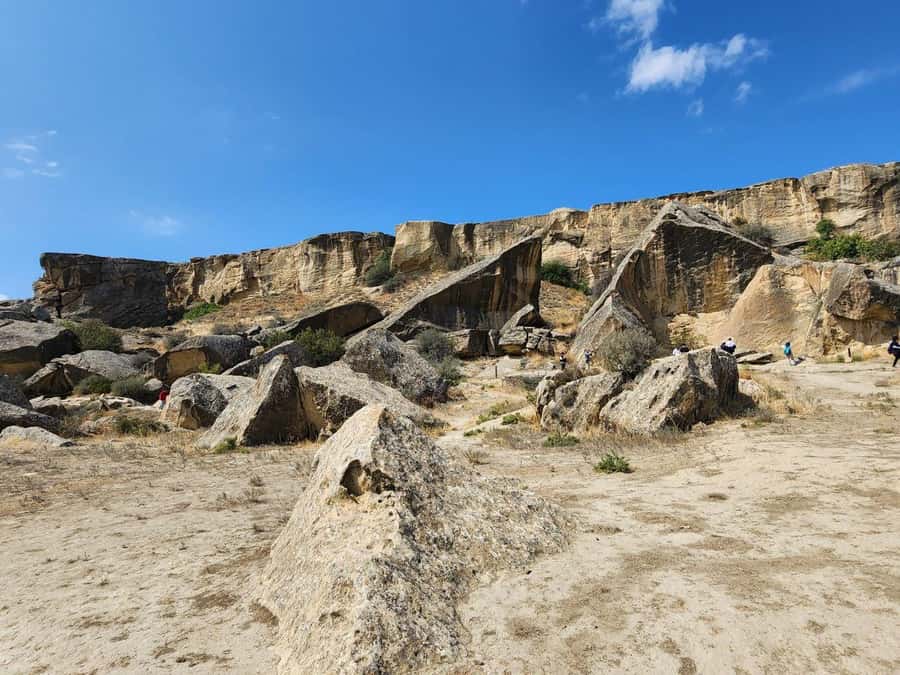
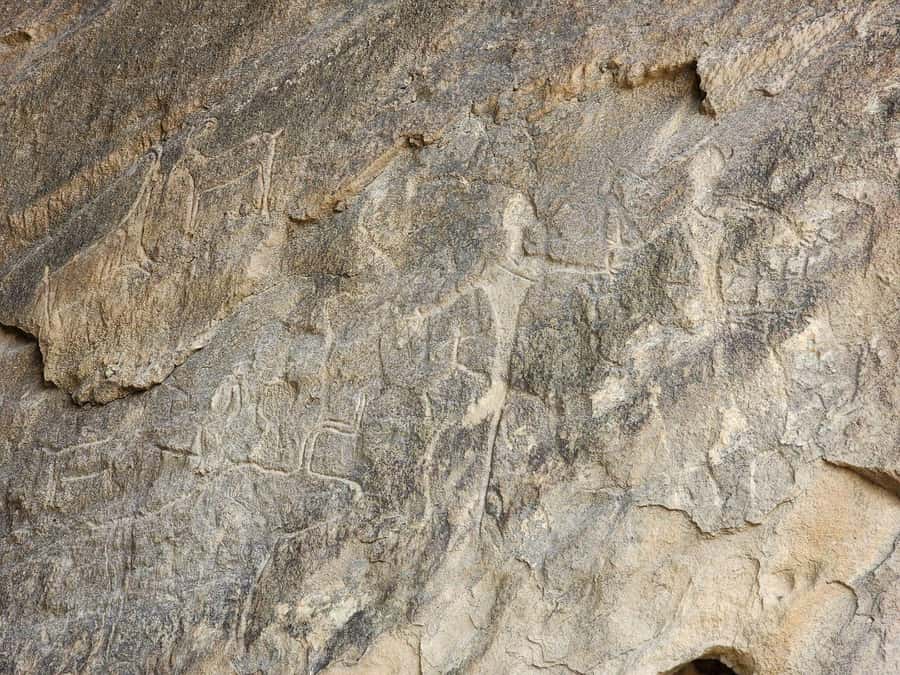
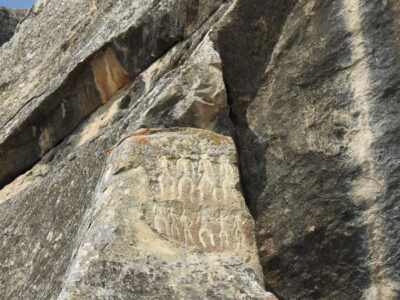
Gobustan National Park is the historical center of the day. Its rock carvings, sometimes called petroglyphs, show people and animals cut into stone. The value is not just their age. The markings offer clues about how people represented work, movement, animals, and ritual long before written records were common.
The Rock Art Museum adds context before or after the outdoor portion. It gives you a better sense of what you are looking at, so the carvings become more than weathered lines on rock. A good guide can point out details you would probably miss on your own.
Allow yourself time to look closely. The carvings are not presented like a modern art gallery, and the meaning of some images is not always certain. That is part of the appeal. You are reading fragments from a very old human record, not visiting a perfectly explained story.
The outdoor setting can be hot and exposed. Bring comfortable shoes, sunscreen, a hat, and sunglasses, especially in July. One visitor described the day as tiring but worth it, which is fair advice. Gobustan is rewarding, but it asks you to walk, listen, and pay attention.
The mud volcanoes are the day’s wild card
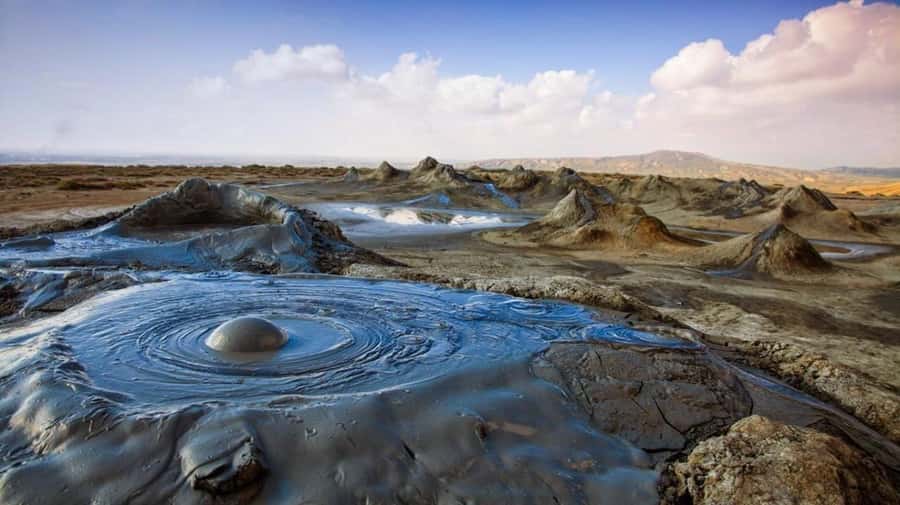
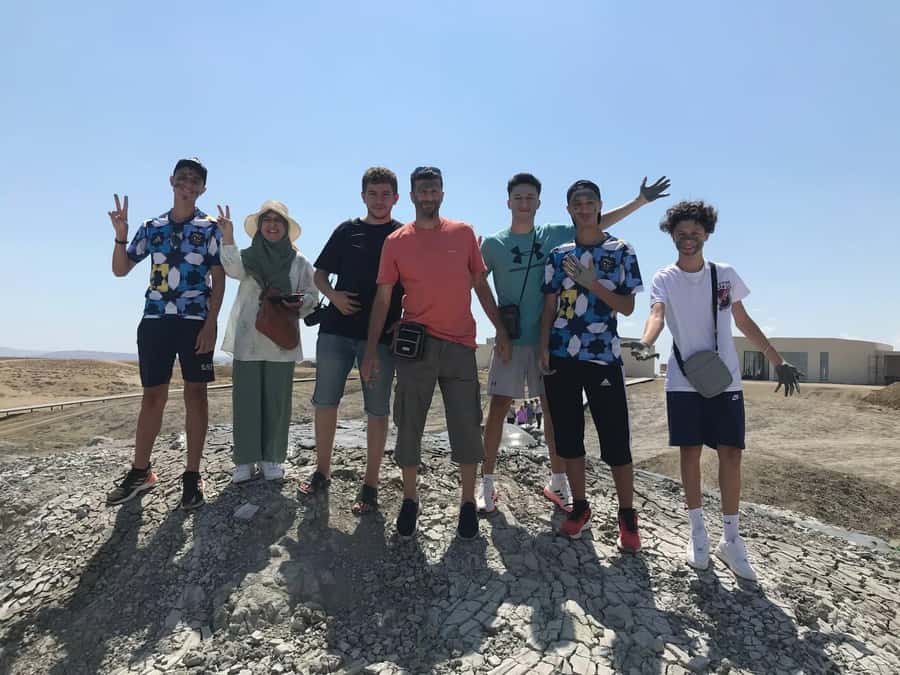
The mud volcanoes are the most distinctive stop. Azerbaijan is associated with these low, bubbling cones, where mud and gases rise through the ground. The area can look almost lunar, with bare earth and unusual mounds replacing the familiar city setting.
You do not simply ride in the main tour vehicle all the way to the site. A local off-road car takes you over rough ground. This is a real part of the experience, not just transport. Several people singled out the ride as great fun, with one comparing the drivers’ spirited progress to a race.
The ride can be bumpy. If you dislike rough roads, sit where you feel most secure and keep loose items packed away. If you enjoy a little adventure, this may be the most memorable section of the day.
There is an important cost detail here. The off-road vehicle charge is 30 AZN per person, paid in cash at the start. It is described as mandatory, with the same charge applying if rain or a closed off-road route changes the exact mud-volcano location. Bring the cash. This is the one expense most likely to surprise someone who books the lowest headline price.
The volcanoes are natural formations, not a theme park attraction. You may see bubbling mud, cracked ground, and cones of varying size, but the exact appearance depends on conditions. Keep your distance from active spots and follow the guide’s instructions.
A few more temple visits around Baku worth a look
- Baku: Gobustan, Volcanoes, Fire Temple and Yanardag Day Trip
★ 4.7 · 433 reviews - Gobustan & Mud, Fire Temple, Burning Mountain (Group & Private)
★ 4.5 · 418 reviews - Gobustan-Mud Volcan-Fire Temple and Mountain Tour/Entrance inc
★ 5.0 · 267 reviews - Baku:Gobustan Mud Volcanoes Temple & Entry tickets included
★ 4.8 · 178 reviews
Ateshgah Fire Temple gives the flames a human story
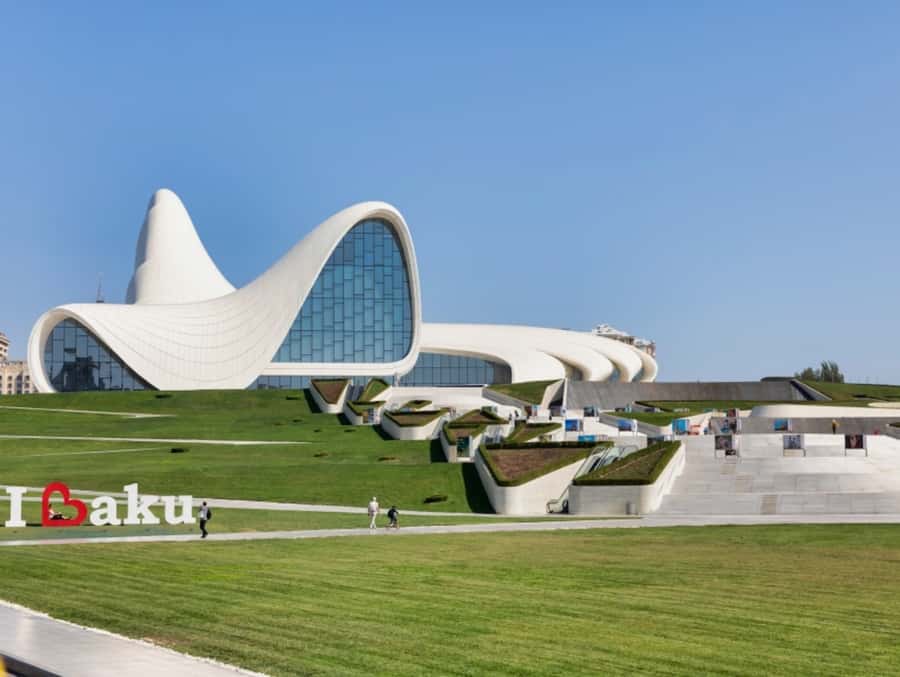
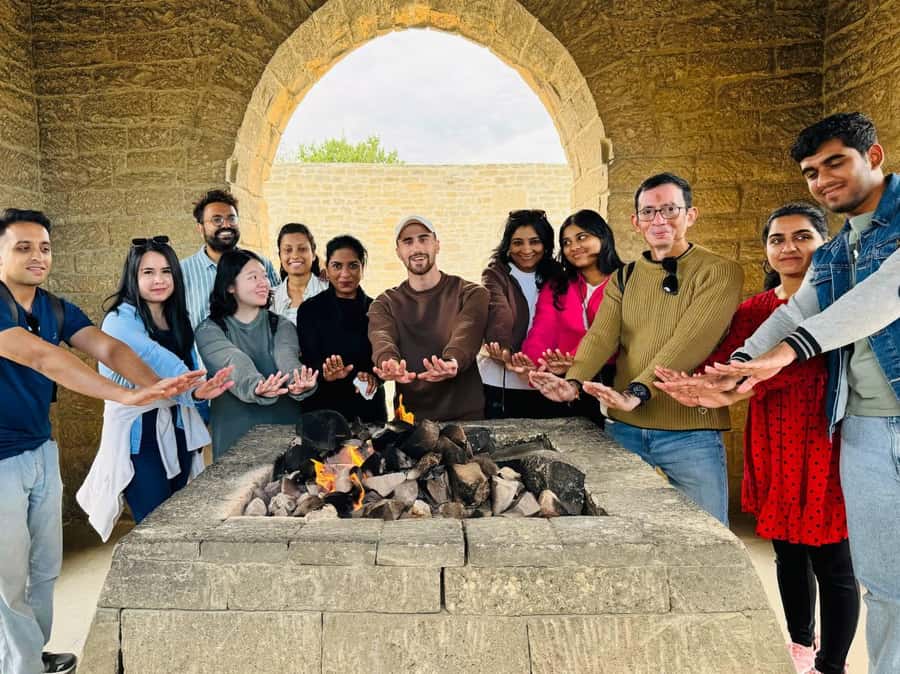
Ateshgah, often called the Fire Temple, shifts the focus from geology to belief. Natural gas fires once burned in this part of the Absheron Peninsula, and those flames helped make the region important to Zoroastrian worship and later religious traditions.
The site is valuable because it explains why fire has such a strong place in Azerbaijan’s identity. The stone complex and its central fire area make more sense when your guide explains the travelers, worshippers, and customs associated with it.
This is one place where a strong guide matters. Guides named Yashar, Rza, Islam, Nabat, Mehri, and Elshad have received particular praise for explaining religion, history, and local customs in clear language. Language options listed for the tour include English, Italian, Spanish, Chinese, Arabic, Azerbaijani, Russian, Turkish, and Korean, though the available guide depends on the option you choose.
Do not expect a huge complex. Ateshgah is a focused historic visit. Its importance comes from the story attached to the fire and the wider region, not from the size of the site.
Yanar Dag brings the real fire
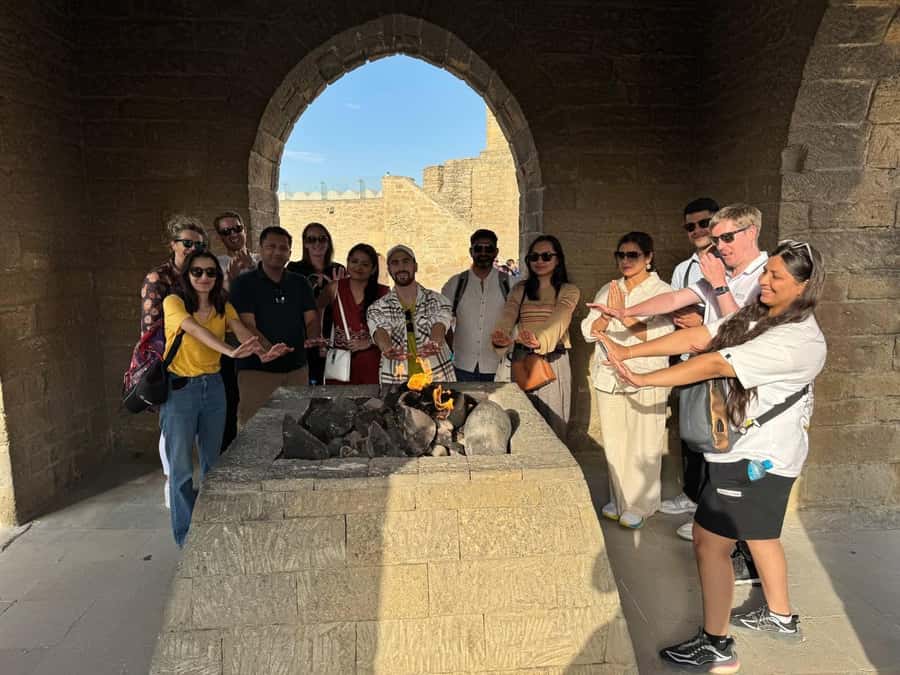
Yanar Dag, or Burning Mountain, is the most dramatic fire stop. Gas escaping from the ground feeds flames along the hillside, creating a blue and orange glow that can look especially striking as the light changes.
The fire is natural, but the visit is not completely wild. You view it from an organized site, which makes the stop easy to manage but less remote than some first-time visitors might imagine. The flames are the main event, so your time here is usually focused and visual.
I would pay attention to the guide’s explanation of how natural gas shaped local beliefs and place names. Without that context, Yanar Dag can become a quick photo stop. With it, the fire connects back to Ateshgah and to the area’s long association with flame.
The combined entry cost for Ateshgah and Yanar Dag is listed as 15 AZN. If you do not select the entrance-fees option, you are responsible for buying the tickets. Ask at booking exactly which option you have chosen, since the basic $6 price does not tell the whole cost of the day.
Heydar Aliyev Centre closes the day with a sharp contrast
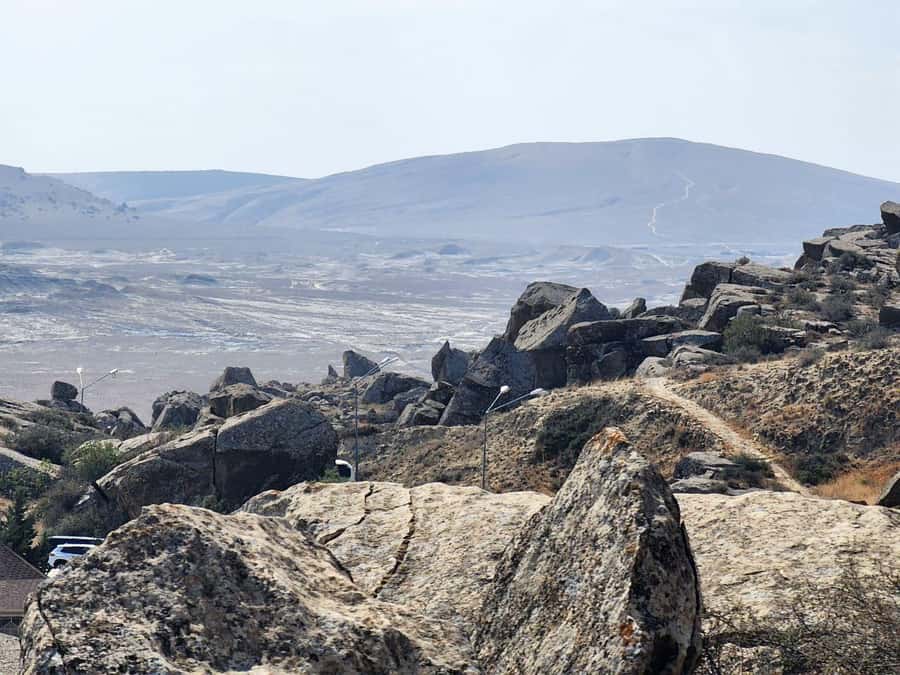
The Heydar Aliyev Centre is the final sightseeing point. Its flowing white exterior is a striking change after the mosque, carved rocks, bare volcanic ground, and old fire sites.
You visit for photographs and exterior views only. Groups do not enter the building because of time limits. That matters if you are hoping to see the interior exhibitions or spend time studying the famous curved structure from inside. You will still have a useful final photo stop, but it is not a museum visit.
The stop helps show how much Azerbaijan’s capital and surrounding region have changed. In one day, you can see very old rock art and a bold piece of modern architecture designed around curves rather than the heavy stone forms found at many historic sites.
A picture at the I Love Baku sign is also included as a simple closing photo opportunity. It is touristy, but useful if you want a standard Baku keepsake.
Lunch is practical, but keep expectations measured
Lunch is not included in the price. The itinerary includes a lunch stop, but you pay for your own meal.
This is the part of the day where the experience may feel less polished. One person found the lunch restaurant too touristy and overpriced, while another described the stop as acceptable but criticized the staff. I would treat lunch as a convenience rather than a reason to book the tour.
If food matters greatly to you, ask your guide what is available before ordering. Bring a little extra time and spending money, and remember that the tour’s strongest value comes from the sites and transport, not from the restaurant.
A bottle of water is available on request. Still, I would carry your own water, especially in hot weather. Comfortable shoes are listed as essential, and I would add a hat, sunscreen, and sunglasses for the open Gobustan and mud-volcano areas.
The guides shape the day
The guide can make this long itinerary either informative or tiring. The strongest feedback focuses on guides who explain at the right pace, speak several languages, answer questions, and keep the group comfortable.
Nabat is repeatedly described as warm, clear, and attentive. Yashar is praised for history, culture, humor, and care for the group. Islam is described as energetic and well-informed, while Mehri receives praise for clear English and Russian explanations. Rza is noted for his calm manner and language ability, and Azay is praised for explaining archaeology, history, and culture with plenty of useful detail.
You cannot necessarily request a particular guide, so book this with realistic expectations. The available guide depends on the language and tour option. Private tours can have an optional guide, which may suit you if you prefer a driver-led day or want a more flexible setup.
The driver matters too. The road to the volcanoes is rough, and the day involves plenty of movement. Feedback highlights drivers such as Ali, Elvin, Afiq, and Zaur for comfort, safety, and good care of the group.
There was one pickup problem caused by an F1 road blockage. The operator arranged and paid for a taxi, then provided compensation in the form of a free city tour. That shows useful customer support, but it also reminds you that Baku traffic and event closures can disrupt pickup plans.
What the price really means
The advertised price is $6 per person, which looks remarkably low for a day with transport and several major stops. Read the inclusions carefully before deciding.
The basic arrangement includes roundtrip transportation and a multilingual guide or English-speaking driver, depending on the option. Hotel pickup and drop-off are included only when that option is selected. Entry tickets are also optional unless you choose the entrance-fees package.
The listed costs are:
- 10 AZN for Gobustan Rock Arts
- 30 AZN cash for the mud-volcano off-road cars
- 15 AZN for Ateshgah and Yanar Dag
- Lunch, paid separately
That means the low headline price is not the likely final price if you pay for each attraction yourself. The entrance-fees-included option is easier for most visitors. It also includes a complimentary Baku city tour, which improves the value if you have enough time in the city.
I would compare the options by total cost, not by the $6 starting figure. The included-ticket package reduces money handling, avoids uncertainty at the entrances, and adds the city tour. For a short visit, that extra city outing may be especially useful.
You can reserve now and pay later, and cancellation is allowed up to 24 hours before departure for a full refund. Those terms help if your Baku plans are still changing.
Who should book this day trip?
I would recommend it for first-time visitors who want a broad introduction to Baku’s surrounding sights. It suits people who enjoy switching between archaeology, religion, geology, modern architecture, and a little rough-road fun.
It also works well for families with older children and for anyone who prefers organized transport to arranging several distant stops alone. The off-road section gives the day energy, while the guides add the context needed to understand Gobustan and the fire sites.
You may want another plan if you dislike long days, hot open areas, bumpy roads, or group schedules. The day is packed, the lunch is not a highlight, and the Heydar Aliyev Centre visit is only from outside.
Should you book it?
Book this tour if you want to cover Gobustan, mud volcanoes, Ateshgah, Yanar Dag, Bibiheybat Mosque, and a modern Baku landmark in one organized day. The mix is unusually varied, and the best guides turn the schedule into a clear story about Azerbaijan’s past, beliefs, geology, and present-day identity.
Choose the entrance-fees-included option if you prefer simple budgeting. Bring 30 AZN in cash for the off-road cars, wear proper shoes, and prepare for heat. If you want a slow archaeological visit or a serious meal, this is not the right format. If you want maximum sightseeing value in limited time, it is a strong choice.
FAQ
What sites are included in the tour?
The route includes Bibiheybat Mosque, Gobustan National Park, the Gobustan Rock Art Museum, the mud volcanoes, Ateshgah Fire Temple, Yanar Dag Burning Mountain, the Heydar Aliyev Centre for exterior sightseeing, and an I Love Baku sign photo stop.
Are entrance tickets included?
Entry tickets are included only if you choose the entrance-fees-included option. Otherwise, you pay separately for Gobustan, Ateshgah, and Yanar Dag.
How much does the mud-volcano vehicle cost?
The off-road car charge is 30 AZN per person and must be paid in cash. The charge also applies if rain or a closed off-road route changes the mud-volcano location.
Is lunch included?
No. Lunch is not included, so you pay for your own meal at the lunch stop.
Do visitors enter the Heydar Aliyev Centre?
No. The tour visits the centre for exterior sightseeing and photographs only. Groups do not enter the interior because of time limits.
What should I bring?
Bring comfortable shoes. In hot weather, sunscreen, a hat, and sunglasses are also practical choices for the open areas around Gobustan and the mud volcanoes.
What languages are available?
Listed language options include Italian, Spanish, Chinese, Arabic, Azerbaijani, English, Russian, Turkish, and Korean. The exact guide depends on the option selected.
Is hotel pickup included?
Hotel pickup and drop-off are included only if you select the option that provides them. Check your chosen option before booking.
Just added around Baku
- Qobustan rock arts, Mud Volcanoes, Fire temple Ateshgah, Yanardag★ 5.0 · 30 reviews
- Gobustan, Mud volcanoes, Fire temple, Fire mountain GROUP TOUR★ 4.5 · 19 reviews
- Gobustan, Mud Volcano, Burning Mountain and Fire Temple Tour★ 5.0 · 12 reviews
- Gobustan, Mud volcanoes, Fire temple, Fire mountain PRIVATE TOUR★ 5.0 · 47 reviews
- Gobustan, Mud volcanoes, Fire temple, Fire mountain PRIVATE TOUR★ 5.0 · 28 reviews
- Baku: Gobustan, Mud Volcano, Fire Temple & Burning Mountain★ 4.0 · 9 reviews
- Fire Temple and Fire Mountain Tour★ 5.0 · 22 reviews
- Ateshgah Fire Temple & Yanar Dag mountain (Group & Private)★ 4.5 · 7 reviews
Azerbaijan Temple Tours, compared.
Gobustan, Volcanoes, Fire Temple and Yanardag Day Trip
Read our review →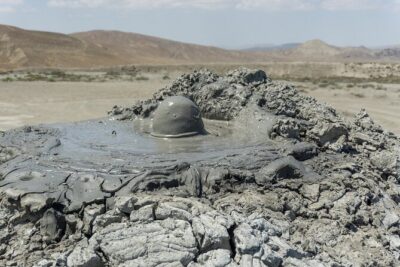
Gobustan & Mud, Fire Temple, Burning Mountain (Group & Private)
Read our review →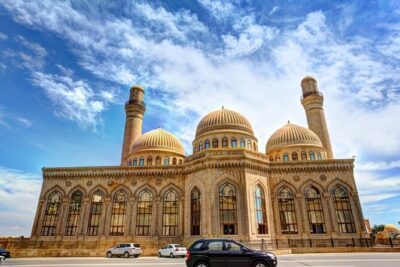
Gobustan-Mud Volcan-Fire Temple and Mountain Tour/Entrance inc
Read our review →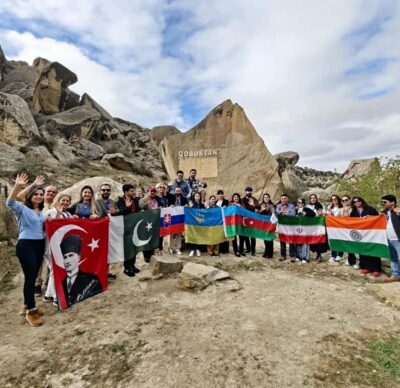
Gobustan Mud Volcanoes Temple & Entry tickets included
Read our review →
Gobustan/Absheron guided tour with lunch and tickets
Read our review →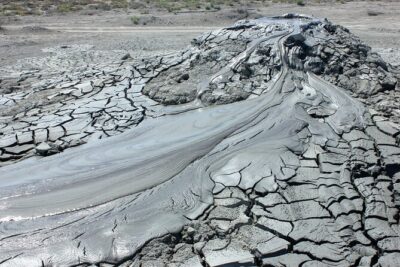
Gobustan, Mud volcanoes, Fire temple, Fire mountain PRIVATE TOUR
Read our review →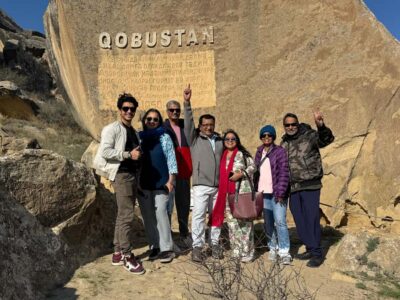
Gobustan & Mud, Fire Temple, Burning Mountain, H.A. Center
Read our review →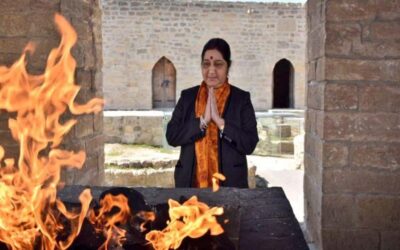
Browse the lists this tour appears in