
REVIEW · MEIJI SHRINE & SENSO-JI TOURS
Tokyo: Meiji Jingu, Yoyogi Park & Takeshita Street Tour
Tokyo can feel like several cities at once. This three-hour Harajuku walk lets you move from a quiet Shinto shrine and wooded paths to candy-colored fashion shops and polished boutiques without spending half your day on trains. I like the sharp contrast between Meiji Jingu and Takeshita Street, and I like that guides such as Ritsuko and Aska are known for explaining customs in clear, engaging English.
The main consideration is the walking. You will cover shrine paths, park trails, and busy shopping streets, so comfortable shoes matter. Takeshita Street can also be crowded, and the tour may feel brisk if you want long shopping stops.
Key points at a glance
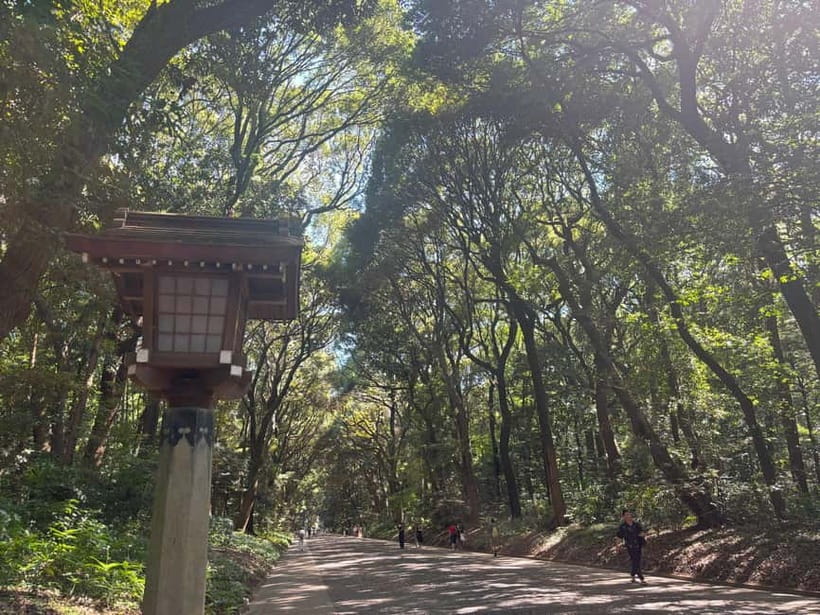
- Meiji Jingu in a forest setting: Learn about Shinto customs at Tokyo’s best-known shrine while surrounded by tall trees.
- A useful Tokyo contrast: Move from quiet shrine grounds and Yoyogi Park to Harajuku’s youth fashion scene.
- Strong guide focus: Guides including Ritsuko, Aska, and Chit Ng Li have been praised for clear cultural explanations, warmth, and flexibility.
- Small-group feel: Private or small-group options give you more room to ask questions and shape part of the walk around your interests.
- Three hours, no hotel transfer: The tour starts at JR Harajuku Station and stays on foot, making it easy to fit into an afternoon.
- Extra cost to note: Entry to the Meiji Shrine museum costs 1,000 yen per person and is not included.
Why this Harajuku route works so well
This tour gives you a clean introduction to one of Tokyo’s most useful neighborhoods. Harajuku is not just a shopping district. It puts old Japan, city green space, youth fashion, street food, modern design, and upscale shopping within a short walking route.
I especially like the order. You begin at JR Harajuku Station, then enter Meiji Jingu before the retail streets take over. That gives you a calm cultural start. By the time you reach Takeshita Street, you have some context for the rituals and traditions that make the city more than a collection of shops.
The route then shifts again at Omotesando. Takeshita Street is playful, loud, and aimed at youth fashion. Omotesando is more polished, with architecture, lifestyle shops, cafes, and higher-end retail. In just a few hours, you see three very different sides of Tokyo.
At $36 per person, the price is reasonable if you want a guide to explain what you are seeing rather than simply point out landmarks. You are paying for three hours of guiding, not transportation, food, or shopping. The value is strongest for a first visit, a short stay, or anyone who wants help making sense of Japanese customs.
More Meiji Shrine and Senso-ji Tours in Tokyo:
- Tokyo: Asakusa Walking Tour with Sensoji Temple Visit
★ 4.8 · 1,583 reviews - Tokyo Panoramic 1 Day: Meiji Shrine, Asakusa, Odaiba and SKYTREE®
★ 4.5 · 1,222 reviews - Tokyo: Asakusa and Tokyo’s Oldest Temple Senso-ji Tour
★ 4.9 · 352 reviews
Meeting at JR Harajuku Station
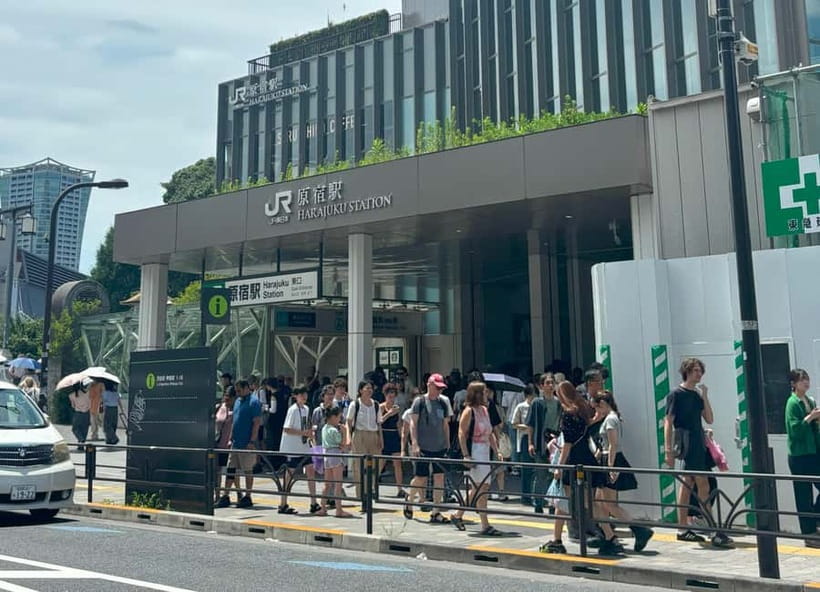
The tour begins at the West Exit of JR Harajuku Station. Look for a guide wearing a TripGuru shirt or holding a TripGuru sign, and arrive at least 10 minutes early.
That advice matters here. The guide waits a maximum of 10 minutes before starting, so a late arrival can mean missing the group. Harajuku is a busy station area, and finding the right exit takes time if you are still learning Tokyo’s rail system.
Because there is no hotel pickup, you need to make your own way to the station. The upside is that the meeting point is practical. You start beside the neighborhood you are exploring and avoid losing tour time to hotel transfers.
The tour is offered in English, with private or small-group options available. A smaller group should make it easier to ask about shrine etiquette, local shops, Japanese history, or anything that catches your eye along the way.
Meiji Jingu: quiet paths and Shinto customs
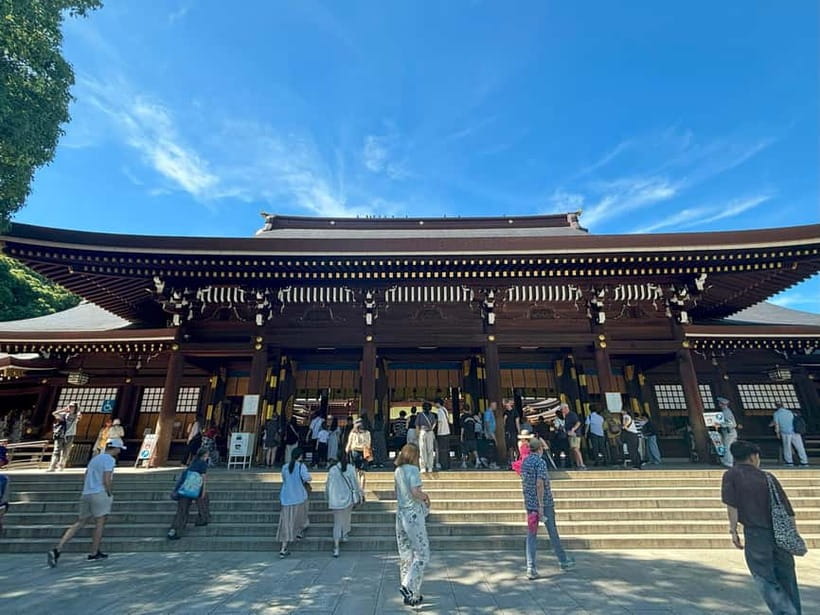
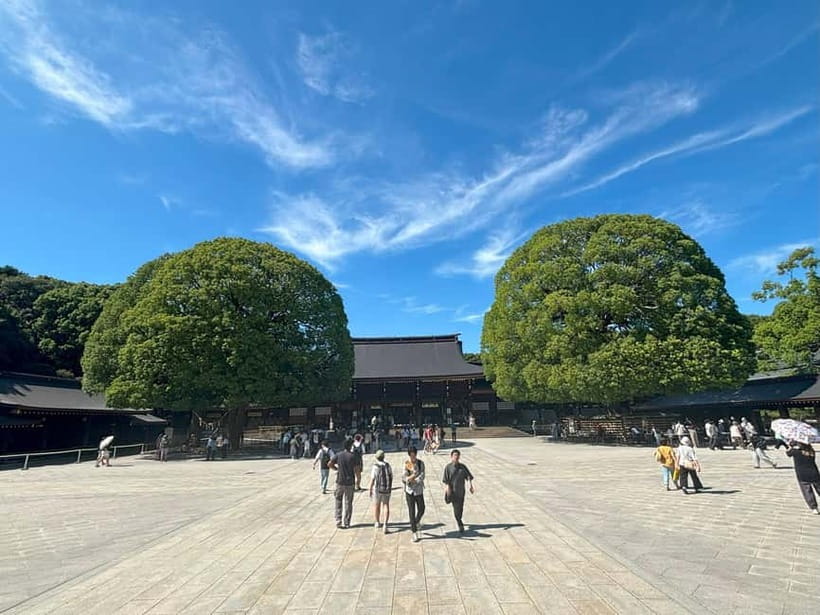
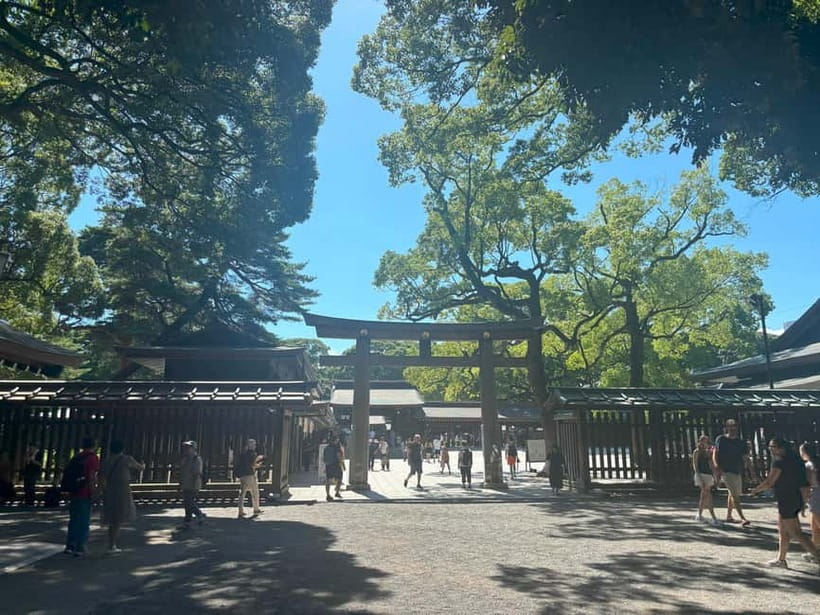
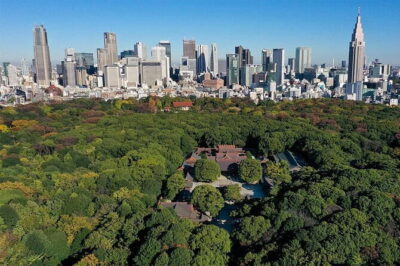
The first major stop is Meiji Jingu, Tokyo’s most famous Shinto shrine. Its setting is the surprise. You are near one of Japan’s busiest urban districts, yet the approach leads through a broad wooded area that feels removed from the city.
The shrine is dedicated to Emperor Meiji and Empress Shoken, and it has an important place in modern Japanese identity. A guide can help you read the setting properly, from the entrance gates to the approach and the behavior expected at a Shinto shrine.
This is where a local guide adds real value. Without explanation, you may see people bowing, cleansing their hands, or making an offering and not know the meaning behind each step. The tour gives you a chance to understand the basic rituals without treating them as a photo backdrop.
The Meiji Jingu portion is scheduled for about an hour and a half, making it the longest part of the walk. That is sensible. The grounds deserve more than a quick stop, and the guide can add context about Japanese beliefs, shrine customs, and the role of Meiji Jingu in Tokyo life.
An optional museum visit may be part of the cultural portion of the route. The entrance fee is 1,000 yen per person and is not included in the tour price. Check the exact plan when booking if the museum is important to you, since the supplied schedule gives the fee but does not clearly state how much museum time is included.
Do not expect a completely silent forest. Meiji Jingu is one of Tokyo’s best-known sights, and the grounds attract many people. Still, the trees and wide paths offer a welcome break from concrete, traffic, and advertising screens.
Yoyogi Park: a short green pause
Next comes Yoyogi Park, with about 30 minutes set aside for a guided visit. The park is a useful bridge between the shrine and Harajuku’s shopping streets.
You may find seasonal scenery, open green areas, and people using the park as a place to relax. The experience here is less formal than Meiji Jingu. There are no shrine rituals to follow, so you can simply slow down, listen to the guide, and notice how Tokyo residents use public space.
Half an hour is enough for an introduction, but not enough for a long park walk. That is an important limitation. If you want a full afternoon in Yoyogi Park, you will need to return on your own after the tour.
I like this short stop because it keeps the route from becoming a string of indoor shops. It also gives you a breather before Takeshita Street, where the pace and noise change quickly.
Same country, a different morning at the gates:
- Tokyo:Mt.Fuji,Kawaguchiko Oishi Park,Arakurayama Sengen Park
★ 4.4 · 2,682 reviews - Nikko: Kegon Falls, Lake Chuzenji & Toshogu Temple
★ 4.6 · 1,577 reviews - Tokyo: Nikko Toshogu Shrine and Kegon Waterfall Tour
★ 4.5 · 1,266 reviews - Tokyo: Mt. Fuji, Kamakura, Big Buddha, & Lake Ashi Day Trip
★ 4.5 · 867 reviews
Takeshita Street: Harajuku at full volume
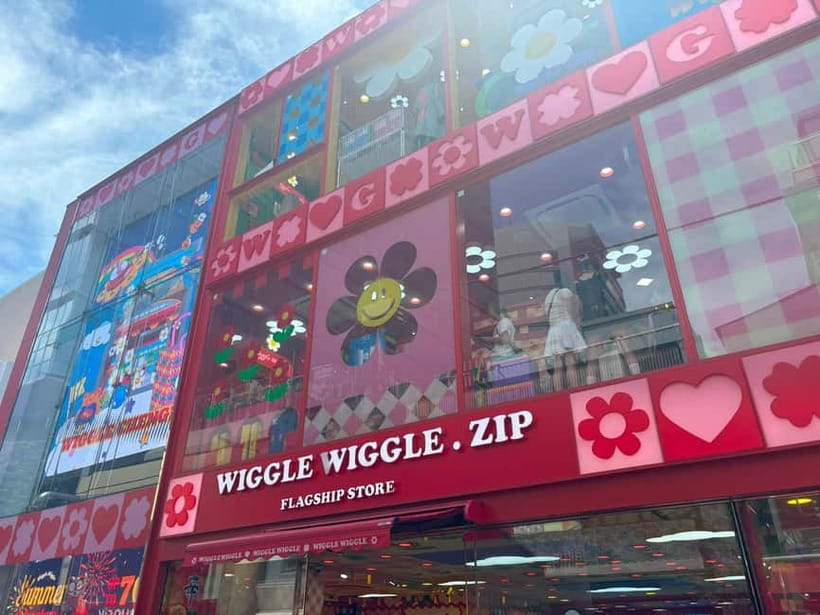
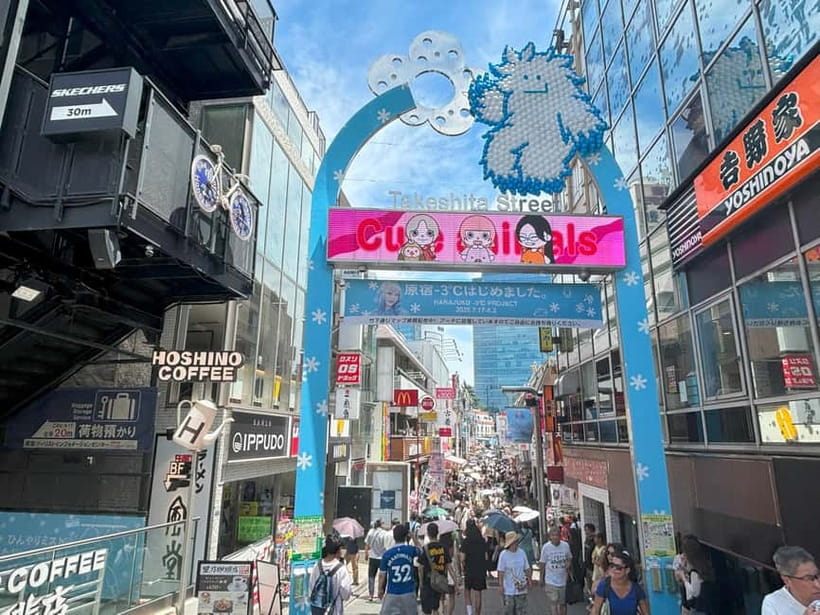
Takeshita Street is the tour’s biggest shift in mood. The narrow shopping street is known for unusual clothing, youth fashion, small shops, and street food. It is one of the clearest places in Tokyo to see how young style and pop culture become part of daily commerce.
The scheduled visit lasts about an hour. That gives you time to look around, ask the guide what is worth noticing, and perhaps buy a snack or small item. Personal expenses, meals, and drinks are not included, so bring a payment method and budget separately for anything you want.
The guide is useful here because the street can be overwhelming. Rather than wander without a plan, you can ask about the kinds of shops and trends that interest you. One guide, Aska, was especially good at taking a family group to streets and shops they would not have found alone, including a gallery featuring local artists. That sort of detour can make the walk feel more personal than a simple landmark route.
Takeshita Street is not for everyone. It can be crowded, and the shopping is aimed heavily at youth culture. If you prefer traditional crafts, quiet cafes, or major historic buildings, this section may feel less rewarding. If you want to understand modern Harajuku, though, it is essential.
You should also resist trying to shop at every stop. The tour has a fixed schedule, and the guide needs to keep the group moving. Treat this as an introduction, then return later to the shops that caught your attention.
Omotesando: a polished finish
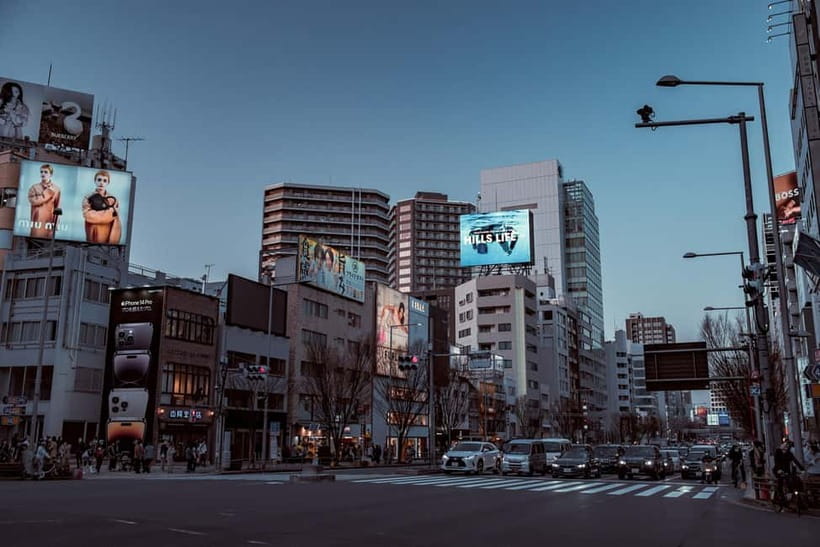
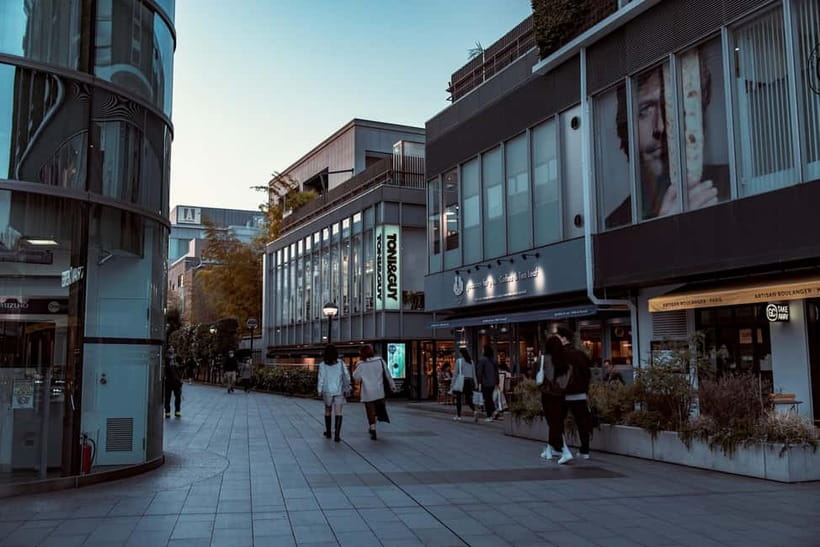
The final section takes you toward Omotesando, often compared with the Champs-Élysées because of its broad avenue, stylish buildings, and upscale shopping. The schedule allows about 30 minutes here.
Omotesando shows a more restrained side of Tokyo style. Instead of the youthful energy of Takeshita Street, you find modern architecture, boutique stores, cafes, and lifestyle brands. The contrast is useful. It shows that Harajuku fashion is not one single look or market.
This is also a practical place to end. You can continue shopping, stop for a drink, or explore nearby streets after the guided portion finishes. The tour does not include meals or beverages, so Omotesando gives you a natural chance to arrange your own break.
The short time is again the tradeoff. Thirty minutes is enough to understand the character of the avenue, but not enough for a serious shopping session. I would note the stores and buildings you want to revisit instead of trying to see everything before the guide leaves.
The guides make the difference
The strongest part of this experience is the human element. Ritsuko has been praised for explaining Japanese culture and shrine traditions in a way that is easy to follow. Aska brought history into the walk with humor and answered questions with both detail and warmth.
Chit Ng Li has been described as friendly, professional, and well prepared. Another guide helped a small group keep freedom over what to visit, which is important on a walking tour through commercial streets. These details suggest that the experience is not meant to be a rigid march from one photo stop to the next.
The guide quality still matters on the day you go. Different guides have different styles, and the tour’s appeal depends heavily on how well your guide connects the shrine, park, and shopping districts. The good fit is someone who can explain traditions without turning the tour into a lecture, then switch easily to local fashion and neighborhood life.
Private and small-group formats are the best choice if you want more questions, a slower pace, or some control over which shops and side streets receive attention. A larger group may offer less flexibility, though the core route remains the same.
Who should book this three-hour walk?
I would recommend it most to first-time Tokyo visitors, people with a short stay, and anyone who wants a guided introduction to both old and modern Japan. Families may also appreciate the changing scenery, since the shrine, park, food, fashion, and architecture keep the afternoon from feeling repetitive.
It suits you if you enjoy walking and want cultural explanation along the way. It is also useful if Japanese shrine etiquette is unfamiliar and you would rather ask a guide than guess.
You should think twice if you have mobility limits, respiratory issues, high blood pressure, or are pregnant, since the activity is listed as unsuitable for those conditions. The tour is also not a good match if you want a relaxed shopping day with long stops in each store.
Bring comfortable shoes, sunscreen, sunglasses, an umbrella, and a reusable water bottle. Tokyo weather can change, and the route is outdoors for most of the three hours.
Should you book the Meiji Jingu and Harajuku tour?
Book it if you want a compact, well-shaped introduction to Harajuku, especially if you are visiting Tokyo for the first time. The mix of Meiji Jingu, Yoyogi Park, Takeshita Street, and Omotesando gives you more variety than a shrine-only tour or a shopping-only walk.
The $36 price is fair for an English-speaking guide and three hours of context, particularly in a small or private group. Add the 1,000 yen museum fee only if that cultural stop is part of your chosen plan and interests you.
Skip it if you dislike walking, need extended shopping time, or already know Harajuku well. For everyone else, this is a smart way to see the neighborhood’s quiet, curious, fashionable, and polished sides in one afternoon.
FAQ
How long does the Tokyo Harajuku walking tour last?
The tour lasts three hours.
Where does the tour meet?
Meet at the West Exit of JR Harajuku Station. Look for a guide wearing a TripGuru shirt or holding a TripGuru sign.
What language is the tour offered in?
The tour is offered in English with a live English-speaking guide.
Which places are included on the route?
The route includes Meiji Jingu, Yoyogi Park, Takeshita Street, and Omotesando.
Is food included?
No. Meals, beverages, and personal expenses are not included.
Is the Meiji Shrine museum included in the price?
No. Entrance to the Meiji Shrine museum costs 1,000 yen per person.
Is hotel pickup provided?
No. You need to make your own way to the meeting point at JR Harajuku Station.
How early should I arrive?
Arrive at least 10 minutes before the stated meeting time. The guide waits a maximum of 10 minutes before proceeding.
Just added around Tokyo
- Tokyo:Nikko UNESCO World Heritage Sites Private 1-Day Tour★ 3.8 · 6 reviews
- Tokyo: Snow Monkey Park and Zenkoji Temple Private Day Tour★ 4.7 · 127 reviews
- Tokyo War History Tour: Yasukuni Shrine & War Museum★ 4.5 · 6 reviews
- Tokyo: Sensoji Temple & Street Food: Private Tour with guide★ 4.6 · 8 reviews
- Tokyo: Shibuya Sky, Harajuku & Meiji Shrine Highlights Tour★ 4.5 · 9 reviews
- Tokyo: Nikko Private Sightseeing Day Trip with Driver★ 5.0 · 10 reviews
- Tokyo → Nikko:Private Customizable Day Trip (English Driver)★ 4.9 · 26 reviews
- Tokyo’s Kitchen: Tsukiji Market Food & Culture Walk★ 4.7 · 74 reviews
Meiji Shrine & Senso-ji Tours, compared.
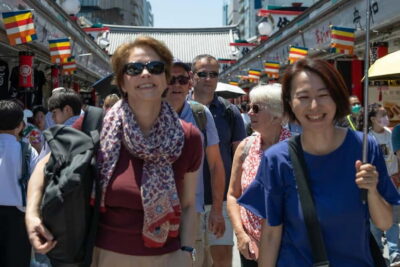
Asakusa Walking Tour with Sensoji Temple Visit
Read our review →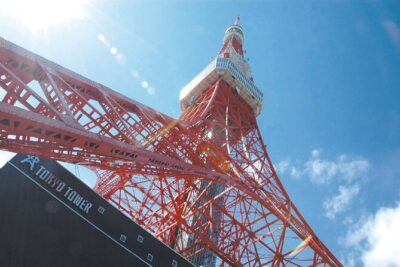
Tokyo Panoramic 1 Day: Meiji Shrine, Asakusa, Odaiba and SKYTREE®
Read our review →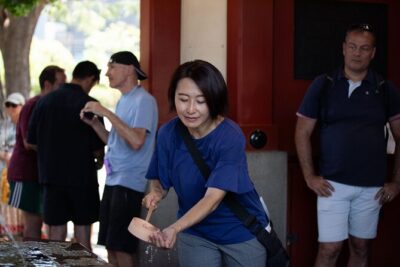
Asakusa Senso-ji Temple and Old Tokyo Walking Tour
Read our review →
Asakusa and Tokyo’s Oldest Temple Senso-ji Tour
Read our review →
Meiji Shrine Walking Tour — Shinto & Imperial System
Read our review →
Meiji Jingu Shrine and Shinto Culture Walking Tour
Read our review →
Meiji Shrine Walking Tour — Shintoism & Imperial System
Read our review →Browse the lists this tour appears in