
REVIEW · MEIJI SHRINE & SENSO-JI TOURS
Tokyo: Meiji Jingu Shrine and Shinto Culture Walking Tour
Meiji Shrine is one of the few places in Tokyo where the city seems to lower its voice. After meeting near Harajuku, you walk beneath towering torii gates and into a forest of about 100,000 trees, then learn why each gesture at a Shinto shrine matters. The setting is calm, but the explanations give the quiet a purpose.
I like two things here. First, the guide explains the rituals instead of leaving you to copy what other people do. Second, the small-group format makes it easy to ask about Shinto, Buddhism, Japanese history, food, or anything else that catches your attention. Guides including Maya, Yota, Andres, Minori, Ryota, and Haydn have been praised for clear English and friendly, personal tours.
The main consideration is time. Two hours gives you a strong introduction to Meiji Jingu, but not an unhurried look at every corner of the grounds. The tour also follows a set walking route, so you should choose it for cultural context and conversation, not for a long private visit at the shrine.
Key points to know before booking
- The forest is part of the experience: The walk through Meiji Jingu Gyoen shows how nature and Shinto worship are tied together.
- Rituals are explained in plain English: You learn how to approach the shrine, purify yourself, pray, and behave respectfully.
- The group is usually small: Groups can be as large as 12, but several tours have had only two to four people.
- The route includes unusual details: You see rows of consecrated sake barrels and a display of French wine barrels.
- Guides add practical Tokyo help: Several guides offer restaurant, snack, transport, and sightseeing suggestions.
- The price is modest: At $19 per person, the tour offers a useful cultural introduction without taking half a day.
Why Meiji Shrine works so well as a first Tokyo tour
Tokyo can feel like several cities at once. Harajuku gives you youth fashion and crowded streets, while Meiji Jingu offers a very different view of Japan only a short walk away. This tour makes that contrast easy to understand.
The shrine was dedicated to Emperor Meiji and Empress Shoken, and the guide uses the grounds to explain the Meiji period, Shinto customs, and the relationship between Shinto and Buddhism. That context matters. Without it, the shrine can look like a pleasant walk through trees with a large wooden building at the end. With it, the gates, barrels, cleansing basin, prayers, and offerings begin to make sense.
I especially like this for a first or second day in Tokyo. You learn basic shrine etiquette early, and you can use those customs at other shrines during your trip. Several guides also help with wider Tokyo plans, including restaurant ideas, local foods, and places worth adding to your schedule.
This is not a religious service, and you are not asked to take part in anything beyond normal visitor customs. The guide explains what people do and why, leaving you free to observe respectfully.
More Temple Walking Tours in Japan
- Tokyo: Asakusa Walking Tour with Sensoji Temple Visit
★ 4.8 · 1,583 reviews - Tokyo: Meiji Shrine Walking Tour — Shinto & Imperial System
★ 4.9 · 266 reviews - Tokyo: Meiji Shrine and Shinto Culture Walking Tour
★ 5.0 · 225 reviews
Meeting near Harajuku and entering the garden
The meeting point is in front of the Starbucks closest to Meiji Shrine, at coordinates 35.6705208, 139.7031067. This is more useful than a vague meeting instruction, since the Harajuku area has several coffee shops and busy streets.
From there, the walk enters Meiji Jingu Gyoen, the garden and forest area around the shrine. The first guided section lasts about 30 minutes. This is where the pace begins gently, with time to get oriented and hear about the area before reaching the main shrine buildings.
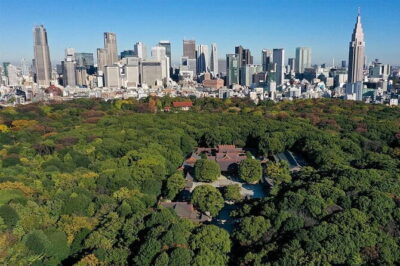
The garden is not simply a shortcut. The trees create a sharp change from the commercial streets near Harajuku. The forest was planted as part of the shrine grounds, and the tour explains the connection between natural spaces and Shinto practice. That idea is one of the most valuable parts of the visit because it helps you understand why a shrine may feel less like a conventional religious building and more like a sacred place within nature.
You should expect walking on a route through wooded grounds. The activity is listed as wheelchair accessible, but the exact ease of every section can depend on conditions and the route used that day. If access is important for you, raise the question with the operator before arrival.
The Big Torii gives the walk its proper scale
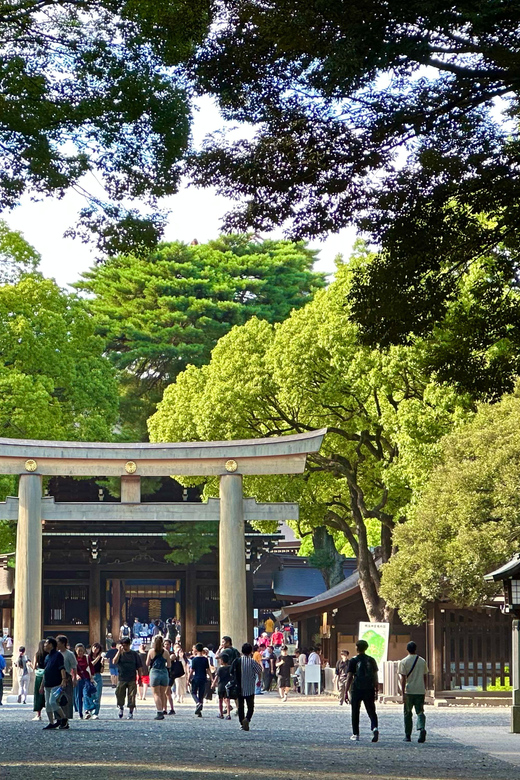
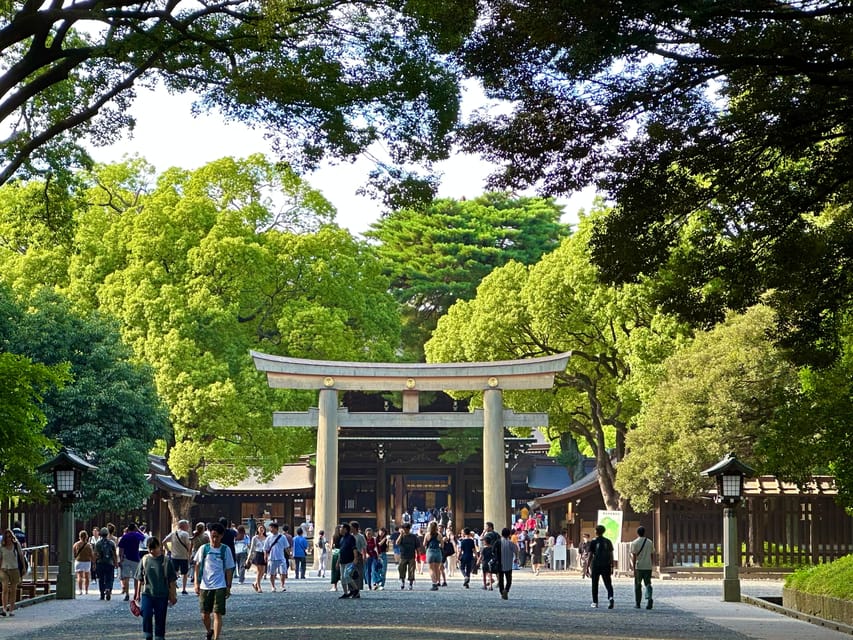
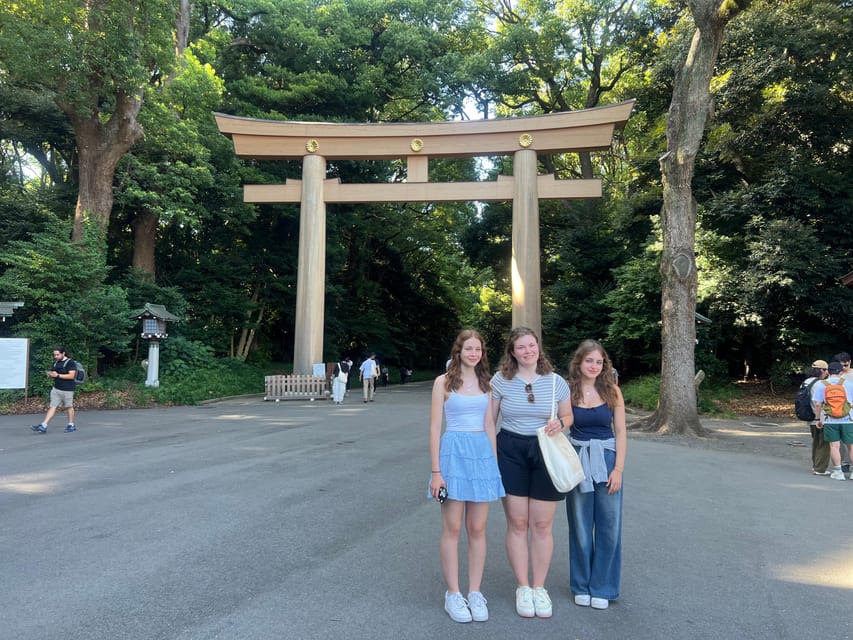
The Big Torii is the first major visual marker on the route, with around ten minutes of guided explanation. A torii marks the entrance to a Shinto sacred area, and crossing beneath one is a change of setting, not just a photo opportunity.
This is a good point to ask questions. Your guide can explain the difference between ordinary gates and shrine gates, as well as the respectful habits expected on the approach. The practical advice is useful because Japanese shrines have customs that are easy to miss when you are moving with a crowd.
Take a moment here to look back toward the path. The gate helps you see how quickly the city disappears. That contrast is one reason the tour feels worthwhile even for people who could technically walk through the grounds on their own.
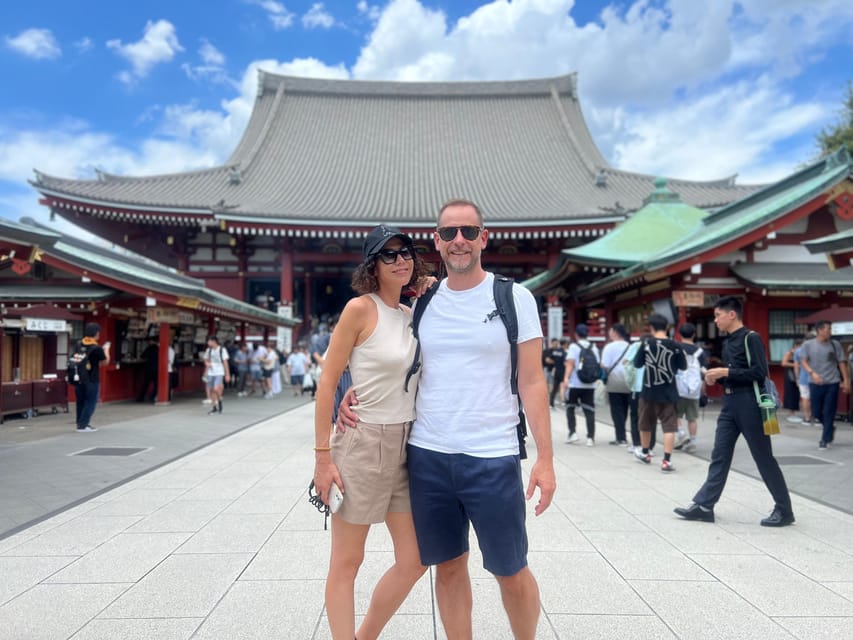
The tour includes photographs taken by the guide. Several guides have also been happy to take personal photos at important stops, which is handy if you are traveling alone or want everyone in the group in the picture.
Sake barrels and French wine barrels
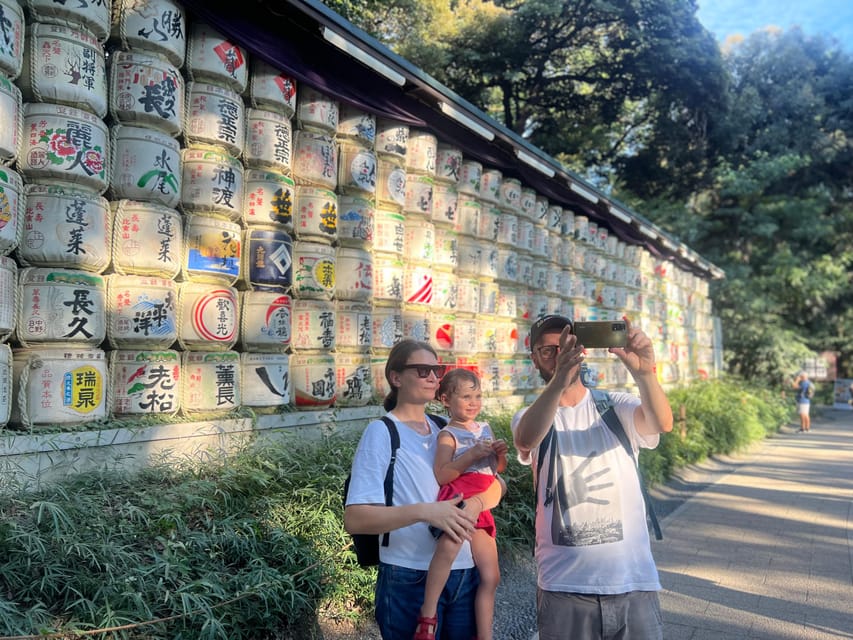
Two short stops focus on offerings connected with the shrine. First come the consecrated sake barrels, followed by the Meiji Jingu consecrated wine barrels. Each explanation lasts about ten minutes.
The sake barrels are among the most recognizable sights at Meiji Shrine. They show the continuing link between religious institutions, local producers, and traditional Japanese culture. Your guide explains the meaning of the offerings rather than treating the barrels as decorative scenery.
The wine barrels are especially interesting because they add an unexpected international note. They reflect the Meiji period’s opening to Western ideas and goods. This is a small detail, but it gives the tour a wider historical frame. Japanese tradition here is not presented as something sealed off from the outside world.
These stops also break up the walk. You are not expected to stand for an hour listening to a single lecture. The guide moves you from one concrete feature to another, using what you can see to explain history and custom.
More Temple Walking Tours in Tokyo
- Tokyo: Meiji Shrine Walking Tour — Shintoism & Imperial System
★ 5.0 · 209 reviews - Tokyo: Asakusa Temple & Shrine Walking Tour with Local Guide
★ 5.0 · 105 reviews - Tokyo’s Kitchen: Tsukiji Market Food & Culture Walk
★ 4.7 · 74 reviews - Tokyo Asakusa & Senso-Ji Walking tour With A Guide
★ 4.5 · 40 reviews
Learning Shinto customs at Meiji Shrine
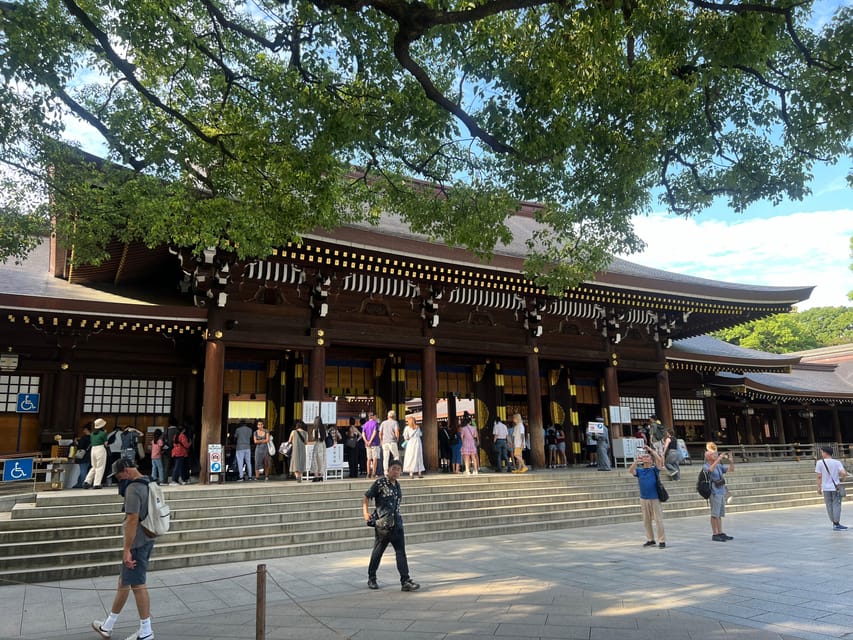
The main shrine visit takes about an hour, making it the heart of the tour. This is where you learn how to behave at the shrine, how to pray, and what the different parts of the approach mean.
Expect explanations of purification and proper shrine etiquette. One of the most useful details is learning how to use the cleansing area and how to approach the offering space. These are simple actions, but a guide can spare you the uncertainty of watching from the side and guessing what to do.
The tour also explains Shinto beliefs and how they differ from Buddhist teachings. That distinction is important in Japan, where the two traditions have influenced daily life and public culture for centuries. The goal is not to turn the visit into a theology class. Instead, you get enough background to recognize the different roles of shrines and temples as you continue around the country.
Meiji Shrine can be busy, especially later in the day. A morning start is worth considering if you want a quieter walk and more space around the shrine. The tour does not promise a crowd-free visit, but the wooded approach usually gives you a calmer beginning than many central Tokyo sights.
The shrine is also an active place of worship. You may see people praying, making offerings, buying charms, or writing wishes on an ema wooden plaque. The guide can help you understand these practices while reminding you that this is not only a sightseeing stop.
What the small groups change
The advertised group can reach 12 people, but the experience may be much smaller. Groups of two, three, or four have been common, and on some dates the guide has effectively led a private tour when other participants did not arrive.
That matters at a shrine. A small group can stop without blocking the path, and you can ask questions without interrupting a long presentation. It also lets the guide adjust the conversation. One group might want more Meiji period history, while another may focus on Shinto, Buddhist customs, photography, or family-friendly explanations.
The named guides vary by date. Maya, Minori, Nicholas, Hoshi, Naruto, Yumi, Haydn, Andres, Sara, Matt, Yota, and Ryota have all led tours connected with this experience. Their individual styles may differ, but the strongest pattern is clear English, an open attitude toward questions, and practical help beyond the formal route.
That last point can be valuable. Guides have suggested sushi, ramen, wagyu, local sweets, and other places to eat, as well as further sights in Tokyo. You should not book this as a food tour, since food is not part of the stated itinerary. Still, a good local recommendation can save you time later.
Does $19 offer good value?
At $19 per person, this is a good-value introduction to Meiji Shrine. Admission to Meiji Shrine and the Imperial Garden is included, along with an English-speaking guide, historical explanation, and photos.
The real value is the interpretation. You can enter the grounds without paying for a guide, but you may not understand the meaning of the rituals or the reason for the sake and wine displays. You also lose the chance to ask questions as they occur.
Two hours is long enough to cover the main route without taking over your day. You can easily pair it with more time in Harajuku before or after the walk. The tradeoff is that the price reflects an introductory tour, not a private scholar-led visit or a full-day cultural program.
If you are traveling on a tight budget, this is one of the easier paid activities to justify. If you already have a detailed understanding of Shinto and Meiji Shrine, the benefit will depend on the guide and group size. You may still enjoy the walk, but the educational return will be smaller.
Practical timing, pace, and comfort
The activity lasts two hours, and the starting times vary, so you need to check availability for your date. I would favor an earlier slot if your schedule allows. It can offer a quieter feel at the shrine and leaves the rest of the day open for Harajuku, Shibuya, or another Tokyo neighborhood.
Wear shoes suitable for walking. The route passes through a large wooded area and shrine grounds, so this is not a standing-only visit. Bring water in warm weather and allow a little flexibility if you want time for photos.
Rain does not automatically ruin the experience. A tour has gone ahead in heavy rain, with the guides keeping the conversation personal and useful. Still, bad weather can make a wooded walking route less comfortable, so carry suitable rain gear and consider the cancellation policy if the forecast is poor.
Free cancellation is available up to 24 hours before the start for a full refund. You can also reserve and pay later, which helps if your Tokyo schedule is still changing. English is the only listed tour language.
Who should book this Meiji Shrine walk?
I would choose this tour for first-time visitors who want a clear introduction to Japanese customs without committing to a long day. It also suits repeat visitors who have seen Meiji Shrine before but walked through without understanding the rituals or historical setting.
Families can benefit from the short format and the chance to ask direct questions. The guides have kept children interested and adjusted their explanations for different ages. Solo visitors may find the included photos and small-group format particularly useful.
You may want to skip it if you prefer exploring entirely at your own pace, dislike scheduled walks, or already know the basics of Shinto and the Meiji period. The main shrine visit is guided, so you will have less freedom to linger wherever you like.
Should you book the Meiji Shrine and Shinto Culture Walking Tour?
Book it if you want more than a quick photo at one of Tokyo’s famous shrines. The combination of a sacred forest, practical ritual instruction, Meiji period history, and a small English-speaking group gives you a useful cultural foundation for the rest of Japan.
The strongest reason to go is the guide. A warm, well-prepared leader can turn a quiet path and a set of barrels into a memorable lesson about Japanese life. At $19 and two hours, the risk is low, especially early in your trip.
Choose an early time, arrive at the correct Starbucks near the shrine, and bring questions. If you do that, this tour should give you both a calmer start to Tokyo and a better understanding of what you are seeing.
FAQ
How much does the Meiji Shrine walking tour cost?
The tour costs $19 per person. Entry to Meiji Shrine and the Meiji Shrine Imperial Garden is included.
How long does the tour last?
The walking tour lasts two hours, including the guided route through Meiji Jingu Gyoen, the torii gates, the sake and wine barrels, and Meiji Shrine.
Where does the tour meet?
The meeting point is in front of the Starbucks closest to Meiji Shrine. The listed coordinates are 35.6705208, 139.7031067.
What language is the tour conducted in?
The tour is conducted in English by a live English-speaking guide.
Is the tour wheelchair accessible?
Yes. The activity is listed as wheelchair accessible.
Can I cancel or pay later?
You can cancel up to 24 hours before the tour for a full refund. You can also reserve your place and pay later.
More Meiji Shrine and Senso-ji Tours in Tokyo
- Tokyo Panoramic 1 Day: Meiji Shrine, Asakusa, Odaiba and SKYTREE®
★ 4.5 · 1,222 reviews - Tokyo: Asakusa and Tokyo’s Oldest Temple Senso-ji Tour
★ 4.9 · 352 reviews - Tokyo: 1 Day Bus Tour with Meiji-Jingu,Odaiba,lunch&Skytree
★ 4.6 · 156 reviews - Tokyo Morning Tour: Asakusa, Meiji Shrine and Tsukiji Fish Market
★ 5.0 · 128 reviews
Just added around Tokyo
- Tokyo:Nikko UNESCO World Heritage Sites Private 1-Day Tour★ 3.8 · 6 reviews
- Tokyo War History Tour: Yasukuni Shrine & War Museum★ 4.5 · 6 reviews
- Tokyo: Snow Monkey Park and Zenkoji Temple Private Day Tour★ 4.7 · 127 reviews
- Tokyo: Sensoji Temple & Street Food: Private Tour with guide★ 4.6 · 8 reviews
- Tokyo: Shibuya Sky, Harajuku & Meiji Shrine Highlights Tour★ 4.5 · 9 reviews
- Tokyo: Nikko Private Sightseeing Day Trip with Driver★ 5.0 · 10 reviews
- Tokyo → Nikko:Private Customizable Day Trip (English Driver)★ 4.9 · 26 reviews
- Tokyo’s Kitchen: Tsukiji Market Food & Culture Walk★ 4.7 · 74 reviews
Meiji Shrine & Senso-ji Tours, compared.

Asakusa Walking Tour with Sensoji Temple Visit
Read our review →
Tokyo Panoramic 1 Day: Meiji Shrine, Asakusa, Odaiba and SKYTREE®
Read our review →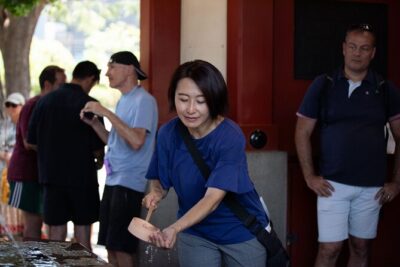
Asakusa Senso-ji Temple and Old Tokyo Walking Tour
Read our review →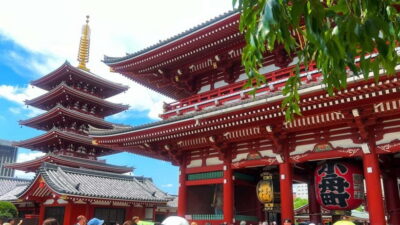
Asakusa and Tokyo’s Oldest Temple Senso-ji Tour
Read our review →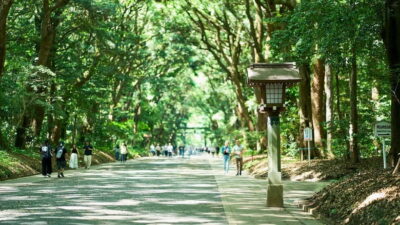
Meiji Shrine Walking Tour — Shinto & Imperial System
Read our review →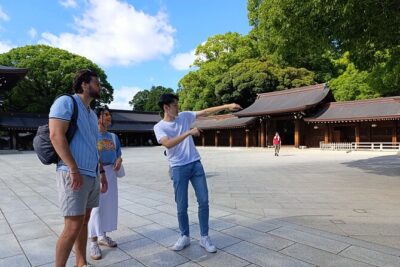
Meiji Shrine Walking Tour — Shintoism & Imperial System
Read our review →
1 Day Bus Tour with Meiji-Jingu,Odaiba,lunch&Skytree
Read our review →Browse the lists this tour appears in