
REVIEW · JAPAN TEMPLE TOURS
From Nagoya: Ise’s Sacred Shrines and Captivating Coastlines
Ise is one of Japan’s most important cultural stops, and this full-day trip gives you a practical way to reach it from Nagoya. You’ll visit Ise Grand Shrine, walk beside the Isuzu River, browse Okage Yokocho, and finish at the coastal Meoto Iwa rocks.
I like the small group size, limited to 14 people, and the way the day combines sacred sites, local food, and seaside scenery. I also like having a guide explain Shinto customs at the shrine, since the grounds can be beautiful but hard to understand without context.
The main drawback is the long ride: about two hours each way by road, with only a few hours in Ise itself. You’ll also buy lunch separately, so this suits you best if you value ease and interpretation more than covering many different sights.
Key points to know before booking
- Ise Grand Shrine is the heart of the day, with about 90 minutes for a guided visit and explanations of Shinto and the Amaterasu shrine.
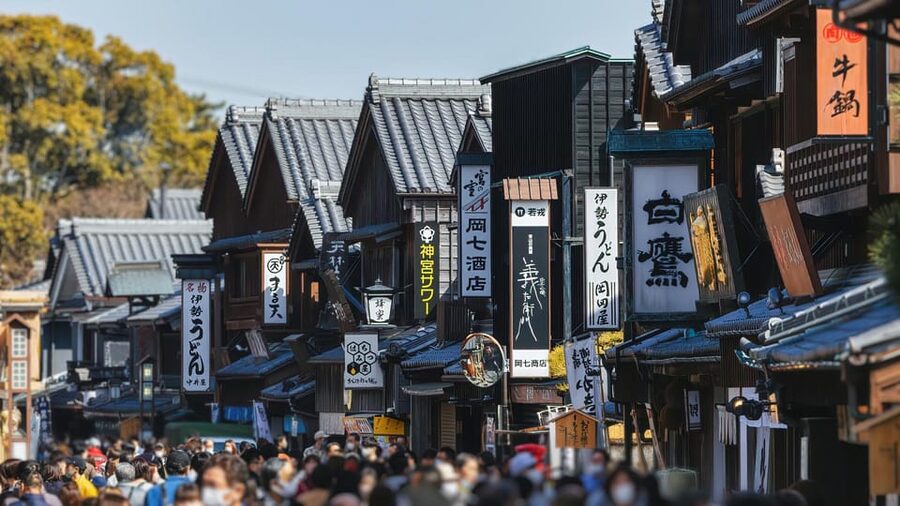
- Okage Yokocho gives you two hours for food, souvenirs, and a slower look at the streets near Ise-Jingu.
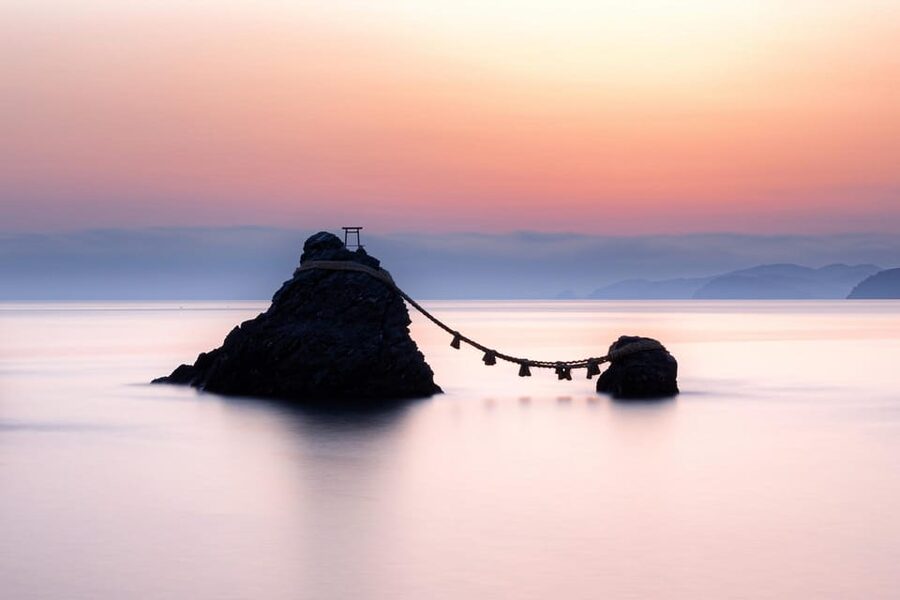
- Meoto Iwa adds a coastal finish, with 45 minutes at the Wedded Rocks and an included omikuji fortune at Futami-Okitama Shrine.
- The group is capped at 14, though some departures can be much smaller. One recorded departure had only four people.
- Guides make a real difference, with Camille, Kim, and Shoko praised for clear explanations, thoughtful pacing, and help with photos and local choices.
- The $189 price buys convenience, but lunch, hotel transfers, and transport to Nagoya Station are not included.
Why Ise makes a worthwhile day from Nagoya
Ise is not simply another shrine stop. It is a place where Japanese religious tradition, wooded paths, river scenery, and local food come together in one compact visit.
The main draw is Ise-Jingu, often described as Japan’s most sacred shrine. The visit gives you a chance to learn about Shinto and the importance of the Amaterasu shrine, rather than simply walking through a famous gate, taking a photo, and leaving.
The surrounding area also feels different from central Nagoya. You trade city streets for cypress groves, the Isuzu River, mountain foliage, and the indented coast of Ise Bay. That change of setting is part of the appeal.
I would not choose this trip if you want a packed sightseeing schedule. It includes three main stops, but the pace allows time to look around, listen, eat, and ask questions. That slower rhythm is useful at a sacred place where the meaning matters as much as the view.
A few more temple visits around Japan worth a look
- Kyoto: Tea Ceremony Ju-An at Jotokuji Temple
★ 4.9 · 3,207 reviews - Tokyo: Asakusa Walking Tour with Sensoji Temple Visit
★ 4.8 · 1,583 reviews - Nikko: Kegon Falls, Lake Chuzenji & Toshogu Temple
★ 4.6 · 1,577 reviews
Meeting at Nagoya Station at 9:00 a.m.
The day begins at the silver clock tower near the Taiko-Dori side of Nagoya Station. This detail matters, because Nagoya Station is large and can be confusing when several train lines and exits feed into the same complex.
If you arrive by Shinkansen, the silver clock should be directly in front of you as you leave the gates. If you arrive on a JR line, follow signs for the Taiko-Dori Gate. If you enter from outside through the Sakura-Dori side, walk through the station toward Taiko-Dori until you reach the clock.
Plan to arrive early. The meeting point is inside the station, near the exit, and you need to find the guide holding a SNOW MONKEY RESORTS tour sign. A late arrival can be stressful here, especially if you are still trying to locate the correct clock.
Transportation to and from Nagoya Station is not included before or after the tour. You need to arrange your own way to the meeting point, but once the group leaves, transport during the day is covered.
The two-hour ride to Ise
The bus or coach ride to Ise takes about two hours. That is a substantial part of a nine-hour day, so you should be comfortable with a road trip rather than expect a quick outing.
The benefit is simple: you avoid planning the route, comparing connections, and working out how to link Ise-Jingu with Meoto Iwa. The vehicle also gives you a place to rest between outdoor walks.
A comfortable van was praised during one departure, and the drivers were described as friendly and careful. The small group format can make the ride feel less crowded than a large coach excursion, although vehicle size may vary by departure.
Bring water, especially from late spring through summer. Ise can reach about 35°C and above with heavy humidity. Winter temperatures around Nagoya and Ise can fall between 0°C and 10°C, so the right clothing changes greatly by season.
Entering Ise Grand Shrine and learning the Shinto basics
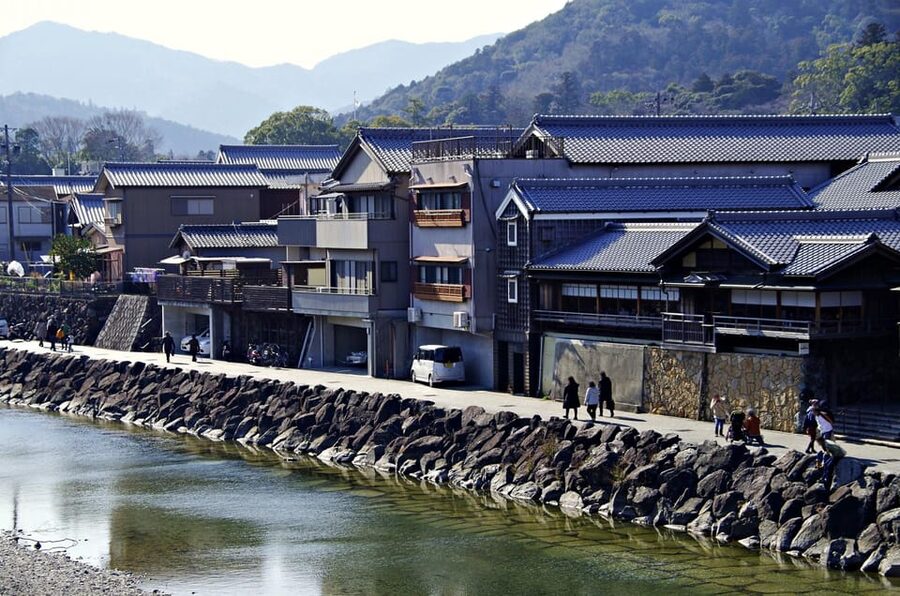
The first major stop is Ise Grand Shrine, where you have about 90 minutes with a guide. This is the part of the tour where having an interpreter is most valuable.
The shrine grounds are tied to Shinto, Japan’s native religious tradition. Your guide can explain the customs and meaning behind the visit, including the Amaterasu shrine, which is difficult to appreciate fully if you only walk around without background.
Guide Camille was praised for making the history and religious ideas clear and engaging. Shoko was also noted for answering questions and explaining Shinto in a way that helped the visit feel more meaningful. Kim was praised for stopping at useful points, sharing information in manageable pieces, and leaving enough time to look around.
That style suits Ise. You do not want a nonstop lecture while walking through sacred grounds. You want short explanations, time to observe, and the freedom to ask about things that catch your eye.
Expect several hours of outdoor walking across the day. Wear shoes that are comfortable on paths and easy clothing for movement. The instructions specifically recommend preparing for rain, and an umbrella or raincoat can make a major difference if the weather turns.
In summer, light clothing, sun protection, and a parasol are sensible. Heatstroke and sunburn are real concerns in the stated temperatures. In winter, warm layers and suitable footwear matter more than style.
Same country, a different morning at the gates:
- Kyoto: Tea Ceremony in a Traditional Tea House in Kiyomizu
★ 4.9 · 3,519 reviews - Tokyo:Mt.Fuji,Kawaguchiko Oishi Park,Arakurayama Sengen Park
★ 4.4 · 2,682 reviews - Fushimi Inari Hidden Hiking Tour (Private Option Available)
★ 5.0 · 1,750 reviews - Osaka/Kyoto:Kinkakuji,Arashiyama,FushimiInariShrine,NaraPark
★ 4.1 · 1,596 reviews
Okage Yokocho: food, souvenirs, and a useful break
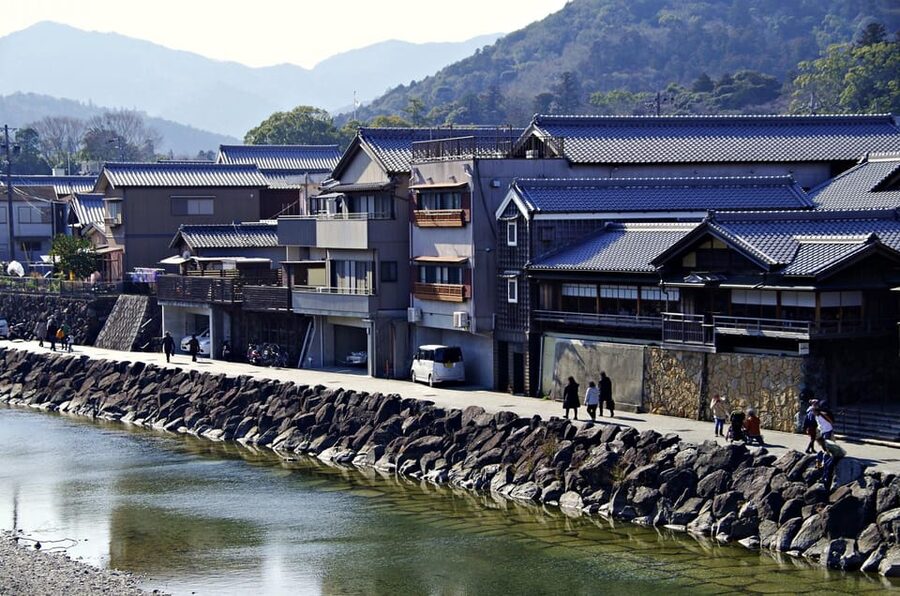
After the shrine, you spend about two hours at Okage Yokocho. This is the most flexible part of the day and gives you room to choose your own lunch.
Lunch is not included, which is worth noting when you compare the price with other day trips. On the other hand, choosing your own meal means you are not locked into one restaurant or a fixed menu.
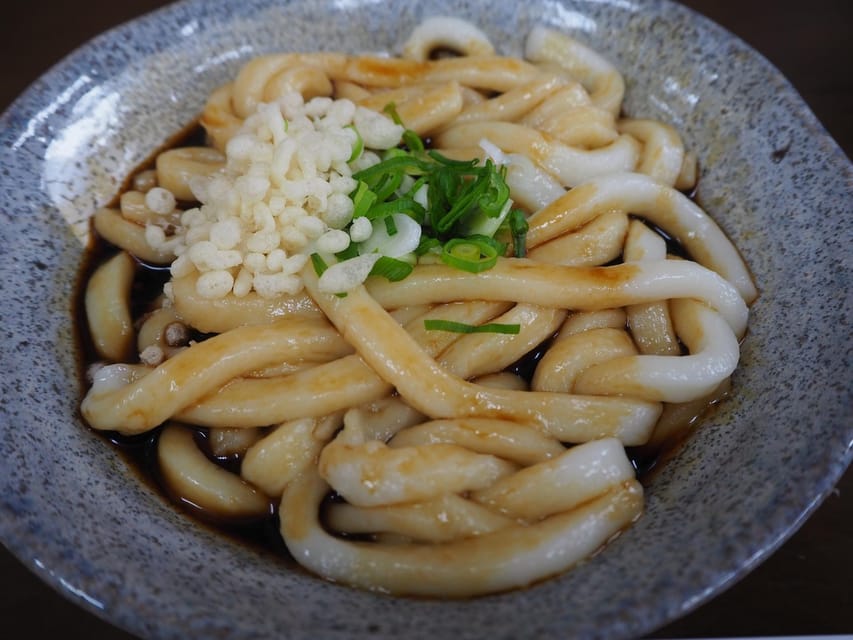
Look for local specialties such as Ise Udon, fried oysters, or spiny lobster. The available choices may depend on the season and the businesses open that day, so treat these as examples rather than guaranteed dishes.
Ise Udon is a particularly practical choice if you want something associated with the region and easy to fit into a sightseeing break. Seafood may suit you better if you want to sample the coastal side of Mie Prefecture. The tour gives you enough free time to make that decision without rushing through a meal.
Okage Yokocho is also the main place to buy souvenirs. The tour information specifically allows free time for shopping, and guide Kim was praised for offering useful suggestions about the food and shops around the shrine street.
Two hours is generous compared with the guided shrine visit. You can eat, browse, take photos, and return to a shop if something catches your eye. The tradeoff is that people who prefer a packed sightseeing schedule may feel there is not enough time for extra attractions in the area.
Meoto Iwa and the coast of Ise Bay
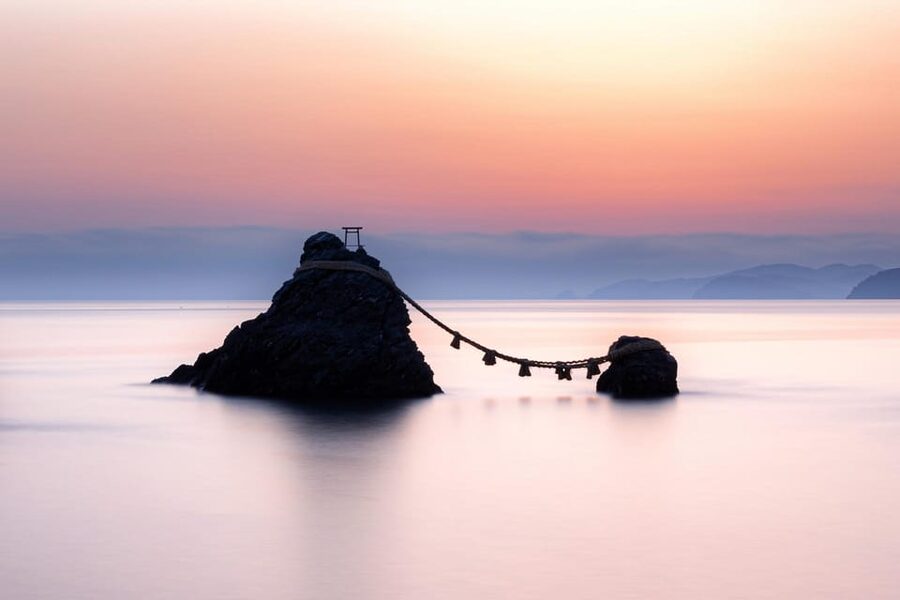
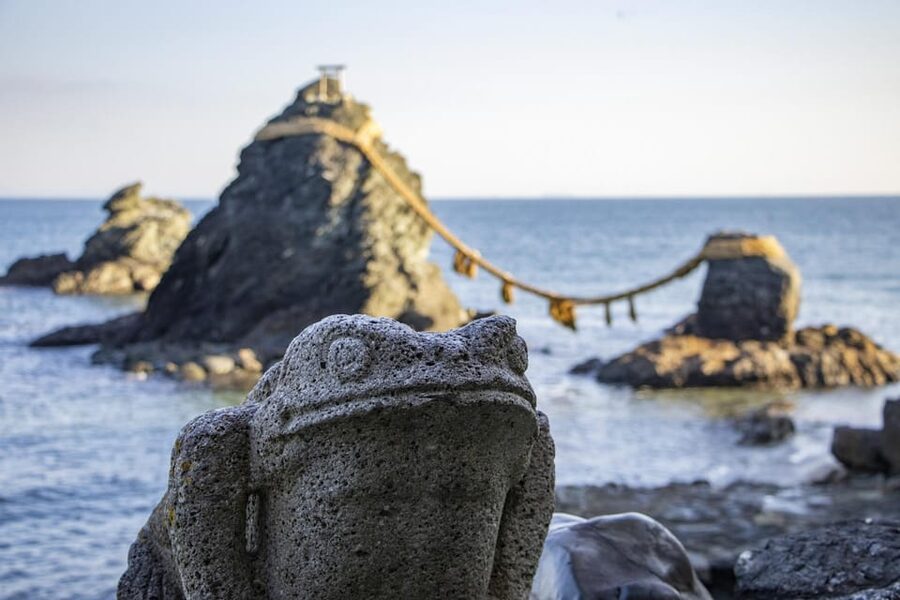
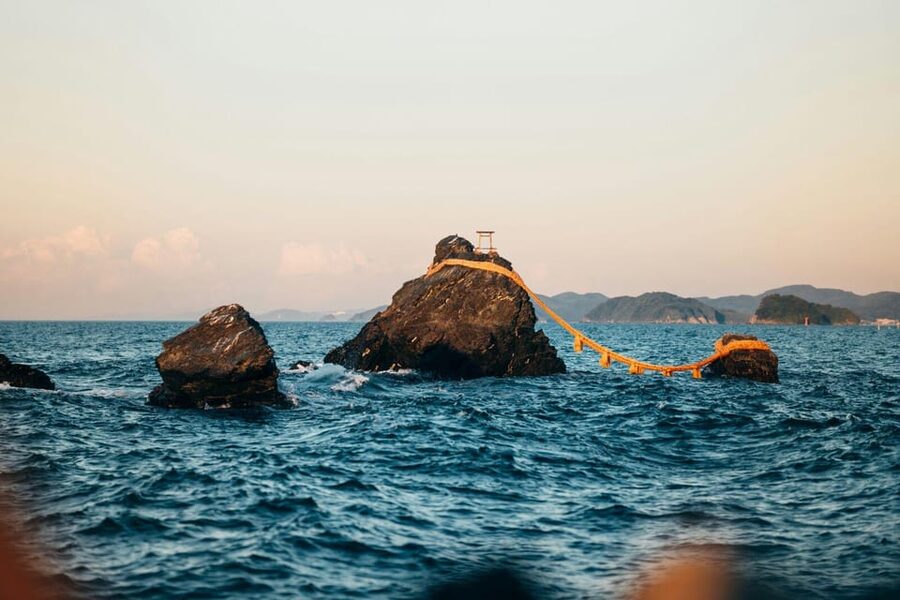
The next ride is short, about 15 minutes, to Meoto Iwa, known as the Wedded Rocks. These paired rocks sit off the coast and are connected with a sacred rope, creating one of the area’s most recognizable views.
You have about 45 minutes here with a guide. It is a shorter stop than Ise-Jingu or Okage Yokocho, but it changes the mood of the day. After wooded shrine grounds and food streets, you get open coastal scenery and a direct look at Ise Bay.
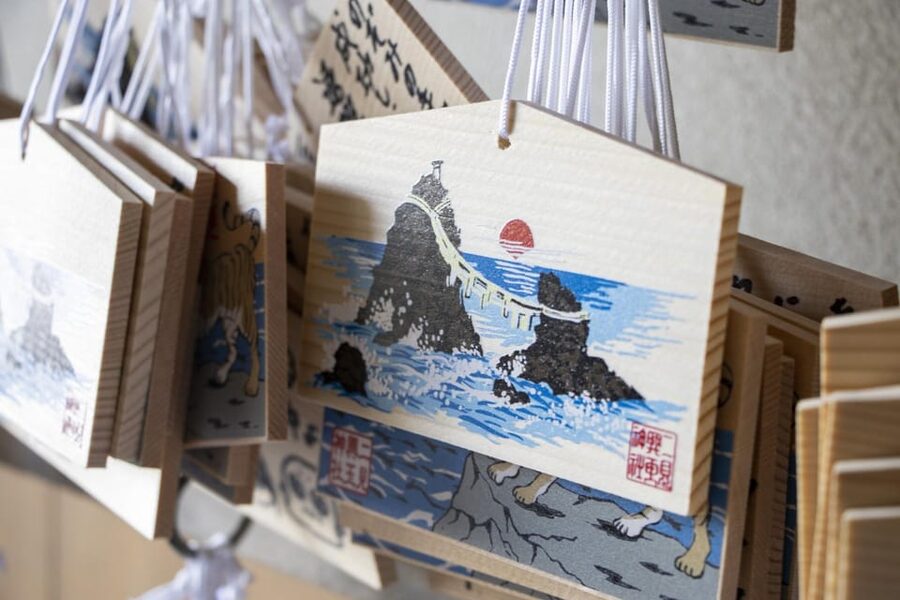
The nearby Futami-Okitama Shrine is part of the visit, and an omikuji lucky fortune is included. This is a small detail, but it gives you a hands-on connection to local custom rather than leaving the stop as a quick photo opportunity.
Do not expect a long coastal walk. The schedule allows time to see the rocks, hear their significance, visit the shrine area, and enjoy the view, but not to explore a large stretch of shoreline.
The timing can also affect what you see. The tour information does not promise a particular tide, weather condition, or sunrise view, so keep expectations focused on the rocks and coastal setting rather than one perfect photograph.
What the guides add to the day
The strongest part of this experience is the human element. Several named guides received praise for making the religious and cultural details easier to understand.
Camille was praised for depth of information and enthusiasm at Ise-Jingu. Kim was noted for a calm pace, well-timed stops, useful recommendations, and help with photos. Shoko was praised for answering questions about Shinto. Another guide, Kim, even used an Italian translation tool to help an Italian-speaking couple when needed.
That does not guarantee a particular guide on your departure. The available guide languages are English, Chinese, French, and Spanish, and guide assignment can vary. Still, the pattern is clear: this tour is built around explanation, not just transport.
The group limit of 14 is another advantage. One departure had only four people, which made the day feel less hectic and allowed more direct questions. A full group will be busier, but it should still be easier to manage than a large bus tour.
Is $189 a fair price?
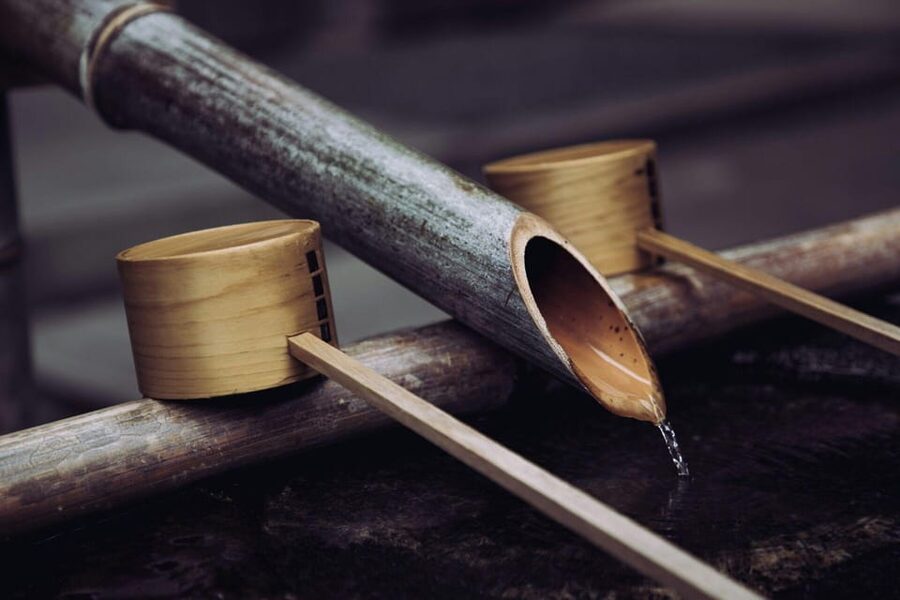
At $189 per person, this is not the cheapest way to see Ise. You are paying for round-trip transport from Nagoya, a guide, entry fees at the tour locations, and a carefully linked route that would take more planning on your own.
The value is strongest if you are staying in Nagoya, do not want to navigate regional transport, and care about understanding Ise-Jingu. The two-hour ride each way is a cost in time, but the tour removes much of the day’s logistical work.
Lunch is extra, and the tour does not include transport to or from Nagoya Station before or after the activity. Accommodation is also not included, though that is not usually relevant for a day trip.
I would compare the price with the cost of separate train tickets, local transport, shrine access, and the time needed to arrange the route yourself. If you already feel comfortable planning Japanese train travel and want to set your own pace, independent travel may offer more flexibility.
If you want one organized day with a small group and a guide who can explain Shinto, the price is easier to justify. The experience is not about collecting a long list of sights. It is about getting to important places without having to manage every connection.
Who should book this Ise day trip?
I think this tour suits first-time visitors to the Ise area, especially those based in Nagoya. It is also a good fit if you want cultural explanation rather than only scenic stops.
Book it if you:
- Want to visit Ise-Jingu without arranging the route yourself
- Prefer a small group over a large coach
- Enjoy guided discussion about Shinto and Japanese customs
- Want time for local food and souvenirs
- Are comfortable walking outdoors for several hours
- Like having a coastal stop added to a shrine visit
Think twice if you want to explore Ise at a very slow pace, visit more than the three planned areas, or avoid long road journeys. The schedule is well balanced, but it cannot include every part of Ise in nine hours.
The tour also works best when you plan for the weather. Summer heat and humidity can be intense, while winter mornings and outdoor paths can feel cold. Comfortable shoes are essential in every season.
Should you book it?
I would book this tour if you have one day for Ise and want the simplest route from Nagoya. The combination of Ise Grand Shrine, Okage Yokocho, and Meoto Iwa gives you religious culture, local food, shopping, and coastal scenery in one outing.
The key reason to choose it is the guide. Ise-Jingu is more rewarding when you understand what you are seeing, and the named guides have been praised for clear explanations, thoughtful pacing, and personal help.
Skip it if you want total freedom or a larger number of stops. But if you value an organized day, a group of no more than 14, and transport that removes the planning burden, this is a strong way to meet Ise.
Cancellation is free up to 24 hours before departure, and you can reserve now and pay later. That makes it easier to hold a place while you finalize your Nagoya plans.
FAQ
Where does the tour meet in Nagoya?
The meeting point is at the base of the silver clock tower inside Nagoya Station, near the Taiko-Dori exit and outside the Shinkansen gates.
What time does the tour begin?
The group meets at 9:00 a.m. You are advised to arrive early because Nagoya Station can be crowded.
How long is the full tour?
The experience lasts nine hours, including the journey from Nagoya to Ise and the return trip.
How long is the ride from Nagoya to Ise?
The bus or coach ride takes about two hours each way.
What languages are available?
The live guide options are English, Chinese, French, and Spanish.
How large is the group?
The tour is limited to 14 participants. Some departures may be smaller.
Is lunch included?
No. Lunch is not included, but you have about two hours at Okage Yokocho to choose and purchase food.
What is included in the tour price?
Transportation during the tour, a guide, entry fees at the tour locations, and an omikuji fortune at Futami-Okitama Shrine are included.
What should I wear?
Wear comfortable shoes and clothing suitable for several hours of outdoor walking. Prepare rainwear if needed, light clothing and sun protection in summer, and warm clothing in winter.
Just added around Japan
- From Asakusa: Old Tokyo, Temples, Gardens and Pop Culture★ 5.0 · 47 reviews
- Private guided tour: Mt. Aso volcano, grasslands, Aso Shrine★ 5.0 · 19 reviews
- Goshuin Collecting tour at Asakusa Local Temples & Shrines, Tokyo★ 5.0 · 8 reviews
- Tokyo:Nikko UNESCO World Heritage Sites Private 1-Day Tour★ 3.8 · 6 reviews
- Tokyo Yokohama Night View Tour With Kamakura And Enoshima★ 3.5 · 14 reviews
- Tokyo: Snow Monkey Park and Zenkoji Temple Private Day Tour★ 4.7 · 127 reviews
- Tokyo War History Tour: Yasukuni Shrine & War Museum★ 4.5 · 6 reviews
- Tokyo to Nikko: Exclusive Private Day Trip★ 4.8 · 6 reviews
Japan Temple Tours, compared.
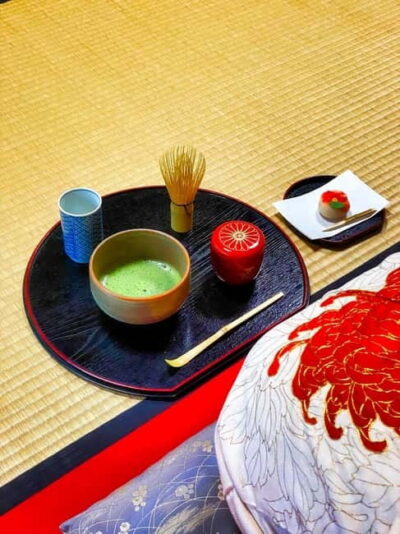
Tea Ceremony in a Traditional Tea House in Kiyomizu
Read our review →
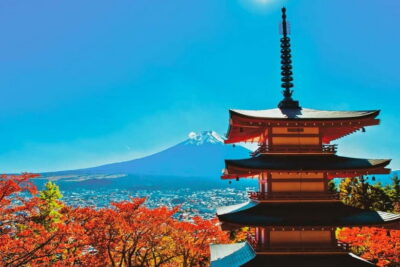
Mt.Fuji,Kawaguchiko Oishi Park,Arakurayama Sengen Park
Read our review →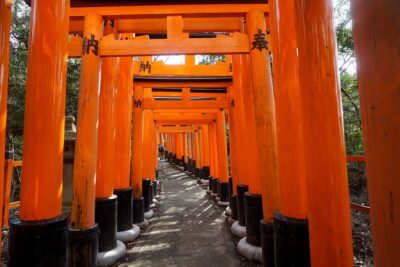
Fushimi Inari Hidden Hiking Tour (Private Option Available)
Read our review →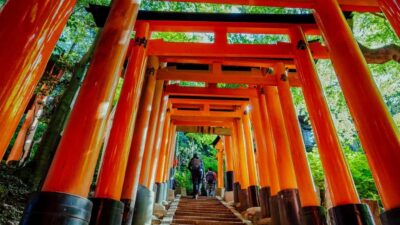
Osaka/Kyoto:Kinkakuji,Arashiyama,FushimiInariShrine,NaraPark
Read our review →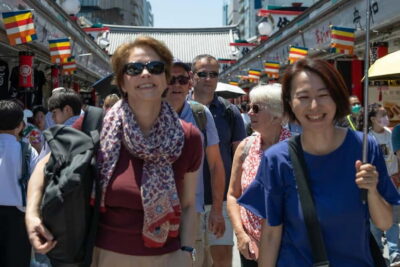
Asakusa Walking Tour with Sensoji Temple Visit
Read our review →
Kamakura & Enoshima Day Trip including Temple Tickets
Read our review →Browse the lists this tour appears in