
REVIEW · NIKKO & KAMAKURA DAY TRIPS
EDO WONDERLAND Nikko Edomura
Edo Wonderland Nikko Edomura gives you a full-sized stage set for Japan’s Edo period, complete with samurai residences, post stations, business streets, and ninja quarters. It is more than a museum, but less than a traditional town: expect a family-friendly theme park where history comes alive through buildings, costumes, food, and shows.
I like the freedom to explore at your own pace, and I like the chance to wear a traditional kimono instead of simply looking at old clothing behind glass. The ninja show is a major draw and can be genuinely exciting. The main caution is that this is an open-air park with plenty of walking, and some activities cost extra after you have paid admission.
Key points to know before you go
- The Edo setting covers 122.3 acres, giving you room to wander through several carefully reproduced parts of a historic town.
- The ninja show is the standout performance, with strong visual action that can appeal even if you are not a history enthusiast.
- Kimono dress-up lets you take part, rather than just observe the period from the sidelines.
- Admission costs $37 per person, while food, drinks, and selected workshops are extra.
- Opening hours change by season, with longer days from March 20 through November 30.
- Kinugawaonsen Station is the meeting point, and the activity finishes back there.
Entering an Edo town near Kinugawa Onsen
Edo Wonderland Nikko Edomura is in the Kinugawa Onsen area of Nikkō, Tochigi, on Japan’s main island of Honshu. The nearest station is Kinugawaonsen Station, making it a useful stop if you are already exploring the hot-spring area.
The park recreates the Edo period, which lasted from 1603 to 1868. Its design draws especially from the Genroku era, often described as Edo’s golden age. You are not walking through original homes or streets here. You are entering a purpose-built town designed to show how daily life, work, entertainment, and social rank might have looked in that period.
That distinction matters. If you want untouched historic buildings, this is not the right place. If you want an accessible way to see Edo architecture, costumes, food, and performance in one visit, the park makes the period easy to grasp.
The layout includes streets, a post station, commercial areas, samurai homes, and a ninja village. Each area gives you a slightly different view of Edo society. The post station suggests movement and trade. The business streets show the public face of the town. The bukeyashiki, or samurai residences, point to the formal world of warrior households.
More Nikko and Kamakura Day Trips in Japan:
- Nikko: Kegon Falls, Lake Chuzenji & Toshogu Temple
★ 4.6 · 1,577 reviews - Tokyo: Kamakura & Enoshima Day Trip including Temple Tickets
★ 4.5 · 1,375 reviews - Tokyo: Nikko Toshogu Shrine and Kegon Waterfall Tour
★ 4.5 · 1,266 reviews
Walking the streets, post station, and samurai quarter
Start by walking without rushing. The architecture is the main foundation of the experience, and you will understand more if you take time to notice how the areas change from one district to another.
The reproduced streets give you the feeling of entering a working town rather than a single historic building. You can explore public spaces, look into exhibits, and move between performance areas. The park’s scale means you should not expect to see everything in a quick hour. Plan for a substantial part of the day if you want shows, food, photographs, and dress-up.
The samurai residences add a different mood. Their importance is not only visual. They help explain the social divisions of Edo Japan, when samurai occupied a distinct place in the political and cultural order. You will not receive a detailed academic lesson at every building, but the setting gives useful context to the performances and displays.
The business streets are likely to be the most approachable area for families and casual sightseers. They give you plenty to look at and help turn the history lesson into something practical. Edo culture was not only about rulers and warriors. It was also about merchants, crafts, travel, food, and entertainment.
Wear comfortable shoes. The site covers 122.3 acres, and the day involves walking outdoors between different parts of the park. Comfortable clothing also helps if you plan to try a kimono.
Becoming an Edo citizen for the day
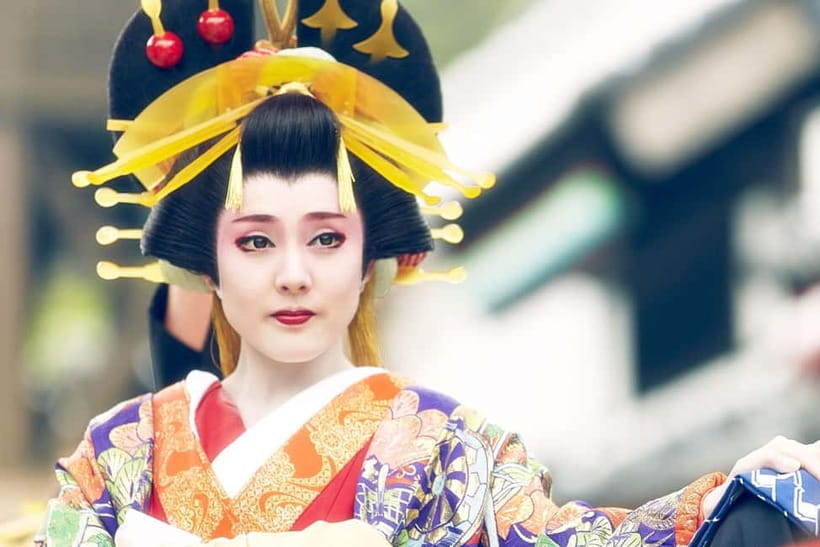
The kimono option is one of the park’s best features because it changes your role. Instead of taking a few pictures beside old-style buildings, you can dress for the setting and move through the town as part of the scene.
You should think of the kimono as a cultural activity and a photo opportunity, not as a full historical costume lesson. The information provided does not specify how long the rental lasts, which styles are available, or whether the cost is included. Ask about the price and arrangements when you arrive.
The extra fee is worth considering in your budget. Admission includes access to the park, exhibits, and performances, but some activities and workshops require separate payment. Kimono dress-up may be among the activities with additional charges, so check before committing.
This option is especially useful for families, couples, and anyone who enjoys photographs with a sense of place. It can also make the visit more engaging for children who might not spend long reading exhibit panels. You get a simple way to connect clothing with social life in the Edo period.
The ninja show and cultural performances
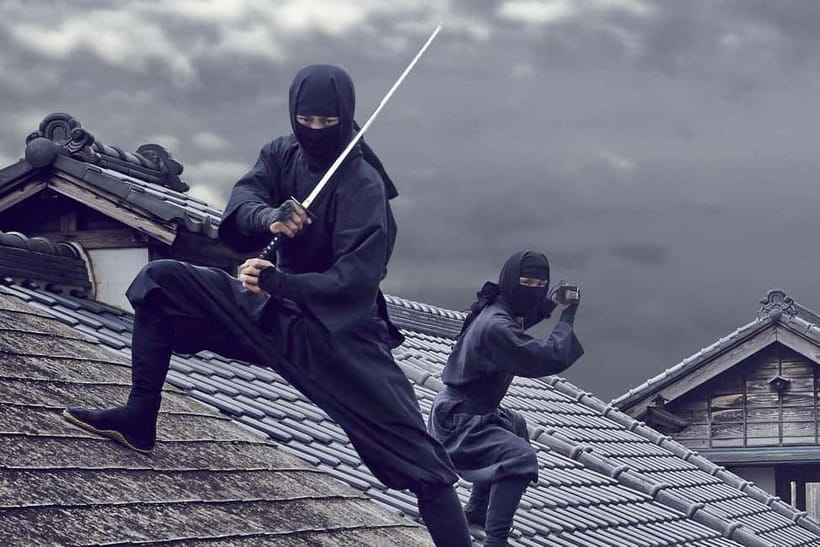
The ninja show is the clearest performance highlight. It has enough action to appeal beyond the park’s younger audience, and it gives the visit a burst of energy after time spent looking at buildings and exhibits.
The show is also a reminder that Edo Wonderland is a theme park. You are watching a staged performance, not witnessing an old ritual or a formal museum demonstration. That is not a weakness, as long as you arrive with the right expectations. The show aims to entertain while drawing on familiar elements of ninja culture.
Other cultural performances are offered around the park. Exact times can vary, so check the schedule after entering and arrange your route around the events you most want to see. Arriving early helps you fit more into the day and may help you avoid the heaviest crowds, especially on weekends and holidays.
Photography is allowed, but use good manners. Ask before photographing performers or staff, particularly during close interactions or costume activities. A camera-friendly setting does not mean every person in costume wants an unannounced portrait.
Same country, a different morning at the gates:
- Kyoto: Tea Ceremony in a Traditional Tea House in Kiyomizu
★ 4.9 · 3,519 reviews - Kyoto: Tea Ceremony Ju-An at Jotokuji Temple
★ 4.9 · 3,207 reviews - Tokyo:Mt.Fuji,Kawaguchiko Oishi Park,Arakurayama Sengen Park
★ 4.4 · 2,682 reviews - Fushimi Inari Hidden Hiking Tour (Private Option Available)
★ 5.0 · 1,750 reviews
Exhibits that make Edo culture easier to understand
The exhibits give structure to the park. Without them, the setting could become a collection of attractive buildings. With them, you can connect the streets and performances to the wider culture of the period.
Expect to learn about Edo life through a mix of displays, architecture, staged scenes, and performances. The supplied information does not provide a room-by-room exhibit list, so you should not plan around a particular gallery. Instead, treat the exhibits as part of a broad cultural visit.
The value here is accessibility. Edo Japan can feel distant if you encounter it only through dates and political names. A reproduced street, a samurai residence, a kimono, and a period-style meal give you several ways to understand the era. You can see how the setting worked, then compare it with what you learn from the displays.
The park is likely to work best for you if you enjoy history in a visual and participatory form. If you prefer quiet museums, long written explanations, or original artifacts, the theatrical approach may feel light.
Eating Edo-style food inside the park
Food is not included in the $37 admission price, but several restaurants operate inside the park. The chance to try Edo cuisine adds another layer to the visit and gives you a natural break from walking.
The available information does not list individual dishes, prices, or dietary choices. You should plan to pay separately for meals and drinks, and check the restaurant options on arrival. Calling the food authentic Edo cuisine does not mean every dish will match a historical recipe perfectly, but the setting gives the meal a clear period connection.
Eating inside also saves you from leaving the park during a full-day visit. That matters because the site is large and the activity ends back at the meeting point. If you leave to find lunch elsewhere, you may lose useful time and face extra transport planning.
Food is best treated as part of the atmosphere rather than the main reason to book. The strongest reasons are the town setting, performances, and chance to dress in traditional clothing.
Timing, weather, and the best way to plan your day
From March 20 through November 30, the park is open from 9:00 a.m. to 5:00 p.m. From December 1 through March 19, hours are 9:30 a.m. to 4:00 p.m. Last entry is one hour before closing.
That seasonal difference is important. A winter visit gives you a shorter day, so arriving early becomes even more useful. On a longer summer-season day, you have more room for a performance, a meal, exhibits, and kimono dress-up without pushing every activity together.
The park is open-air and subject to weather. Check the forecast and dress for the conditions. Comfortable shoes are essential, while layers, sun protection, or rain protection may be useful depending on the day. The information provided does not promise that every performance will run in poor weather, so allow some flexibility.
Weekends and holidays can be crowded. If you can choose your date, a quieter weekday may make it easier to move through the streets and find space for shows. If you must visit on a busy day, arrive early, check performance times, and do the activities with fixed schedules first.
Is $37 a fair price?
At $37 per person, the admission is not a bargain-basement ticket, but it covers a large site with access to exhibits and performances. The value depends on how much of the park you use.
The price works better if you spend several hours exploring, watch the shows, and take time with the architecture. It works less well if you only want a quick photo stop or if you dislike staged attractions. Food, drinks, personal expenses, and some activities are extra, so your final spending will be higher than the entry price.
For families, the ticket can cover several kinds of entertainment in one place: outdoor exploration, live performance, costumes, exhibits, and lunch. For adults, the value depends on your interest in Edo culture and theme-park presentation. The ninja show adds real appeal, but you should not mistake this for a traditional guided history tour.
No guide’s name is provided, and the experience is not described as a guided tour. You explore independently, which gives you freedom but also means you need to watch the schedule and decide what to see.
Who will enjoy Edo Wonderland most?
I would recommend this experience to you if you like history presented through places, clothing, food, and live action. It is also a good fit for families, photographers, and anyone spending time around Kinugawa Onsen who wants a full-day cultural attraction.
The park suits children because the setting is easy to understand and the ninja show adds excitement. Adults can enjoy it too, especially if they approach it as theatrical history rather than a formal museum.
You may want to skip it if you want original Edo buildings, a quiet scholarly museum, or a tightly guided itinerary. The park is open-air, large, and potentially crowded. Some of its activities also cost extra, so you need to keep an eye on your budget.
Photography is welcome, but respect remains important. Ask before photographing performers or staff, and remember that the people in costume are working, not simply part of the scenery.
Cancellation and practical booking notes
You can cancel up to 24 hours in advance for a full refund, and the reserve-and-pay-later option lets you keep your plans flexible. Hotel pickup and drop-off are not included, so you need to make your own way to the nearest station, Kinugawaonsen Station.
The activity ends back at the meeting point. Bring enough time for the return journey and avoid planning a tight connection immediately after closing, especially if you are visiting during the shorter winter hours.
Should you book Edo Wonderland Nikko Edomura?
Book it if you want a lively, visual introduction to Edo Japan and like the idea of mixing history with costumes, food, and stage action. The ninja show, broad town setting, and kimono experience give you more to do than a simple museum visit.
Skip it if you expect an original historic town or a quiet, detail-heavy history lesson. At $37, the ticket earns its value when you spend much of the day there. Arrive early, wear good shoes, check the performance schedule, and budget extra for food and optional activities. For the right kind of visitor, it is a fun and memorable way to make Edo culture feel close at hand.
FAQ
Where is Edo Wonderland Nikko Edomura located?
It is in the Kinugawa Onsen area of Nikkō, Tochigi, on Honshu, Japan. The nearest station is Kinugawaonsen Station.
How much does admission cost?
Admission costs $37 per person.
What does the admission ticket include?
The ticket includes admission to Edo Wonderland Nikko Edomura, along with access to the exhibits and performances.
Are food and drinks included?
No. Food and beverages are not included in the admission price. Restaurants inside the park offer Edo cuisine, but you pay separately.
What are the opening hours?
From March 20 through November 30, the park is open from 9:00 a.m. to 5:00 p.m. From December 1 through March 19, it is open from 9:30 a.m. to 4:00 p.m. Last entry is one hour before closing.
Is kimono dress-up included?
The experience offers the chance to wear a traditional kimono, but the provided information does not confirm that this is included in admission. Some activities and workshops may require an additional fee, so check on arrival.
Can I cancel for a full refund?
You can cancel up to 24 hours in advance for a full refund.
Just added around Japan
- From Asakusa: Old Tokyo, Temples, Gardens and Pop Culture★ 5.0 · 47 reviews
- Private guided tour: Mt. Aso volcano, grasslands, Aso Shrine★ 5.0 · 19 reviews
- Goshuin Collecting tour at Asakusa Local Temples & Shrines, Tokyo★ 5.0 · 8 reviews
- Tokyo:Nikko UNESCO World Heritage Sites Private 1-Day Tour★ 3.8 · 6 reviews
- Tokyo Yokohama Night View Tour With Kamakura And Enoshima★ 3.5 · 14 reviews
- Tokyo War History Tour: Yasukuni Shrine & War Museum★ 4.5 · 6 reviews
- Tokyo to Nikko: Exclusive Private Day Trip★ 4.8 · 6 reviews
- Tokyo: Snow Monkey Park and Zenkoji Temple Private Day Tour★ 4.7 · 127 reviews
Nikko & Kamakura Day Trips, compared.
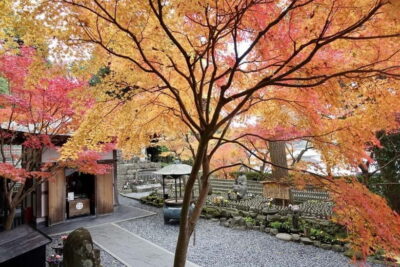
Kamakura & Enoshima Day Trip including Temple Tickets
Read our review →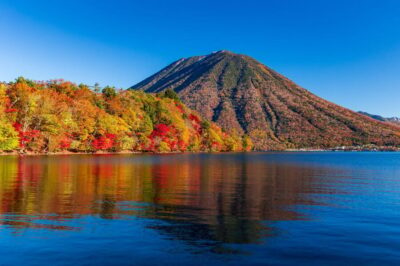
Nikko Toshogu Shrine and Kegon Waterfall Tour
Read our review →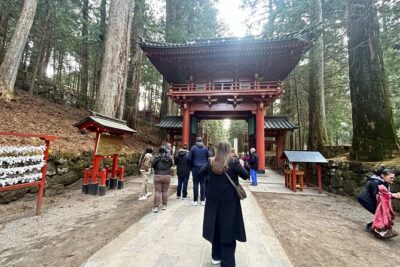
Nikko, Kegon Waterfall & Chuzenji Lake from Tokyo
Read our review →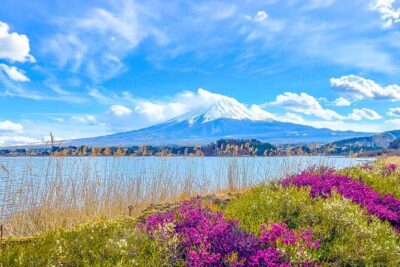
Mount Fuji, Kamakura, Big Buddha, & Lake Ashi Day Trip
Read our review →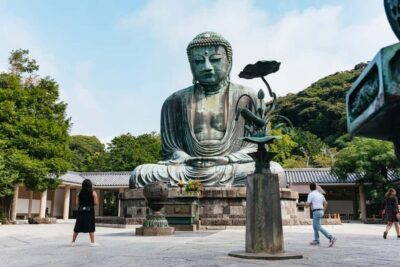
Mt. Fuji, Kamakura, Big Buddha, & Lake Ashi Day Trip
Read our review →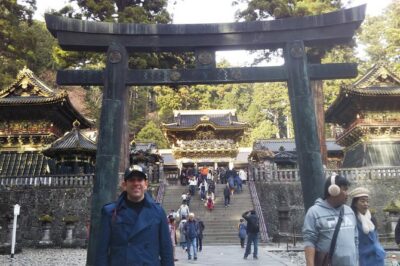
Nikko Full-Day Private Tour with Government-Licensed Guide
Read our review →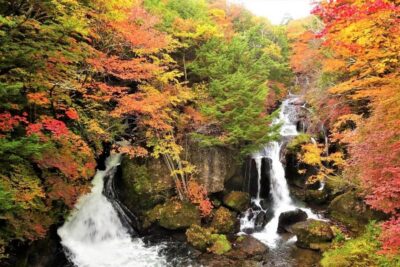
Browse the lists this tour appears in